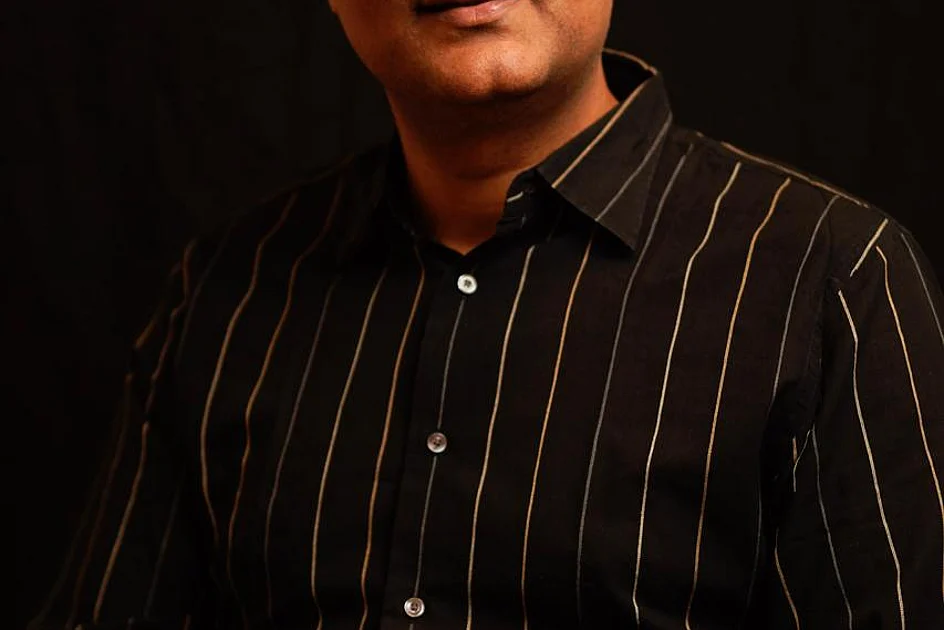
Sandeep Adnani, a Dubai-based author, mental health counsellor, and life coach, has carved a unique niche in the literary world by merging cosmic imagination with profound emotional depth. His works, including the acclaimed Exiled Rogue Trilogy and the heartwarming Strangers in Space, explore themes of purpose, consciousness, and the bonds that define humanity. Adnani’s writing journey began with the Exiled Rogue Trilogy, a six-year project that delves into metaphysical questions and the interconnected fate of beings across multiple realms. The trilogy, praised for its fusion of time travel, cosmic laws, and self-evolution, established Adnani as a distinctive voice in speculative fiction. His latest work, Strangers in Space, marks a shift towards cosy sci-fi, focusing on emotional journeys and intimate character connections. Adnani’s creative process is deeply influenced by his background in counselling, which he says helps him craft authentic, vulnerable characters. Drawing inspiration from travel, family, and authors like Dan Brown and J.K. Rowling, Adnani continues to explore diverse storytelling avenues, promising readers fresh adventures that blend imagination with introspection.
作者: admin
-
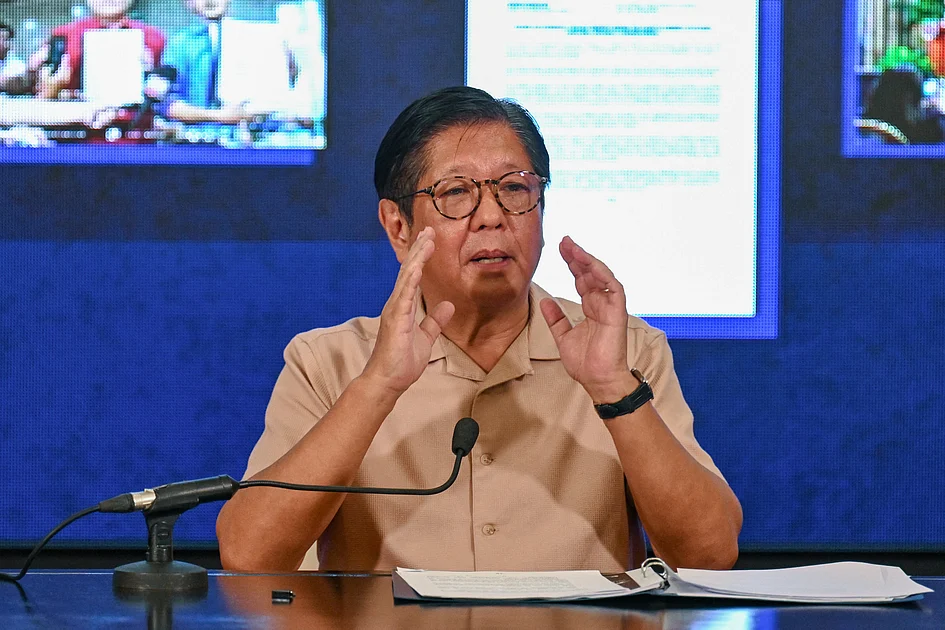
Philippine President office hits back as VP Sara Duterte challenges Marcos to drug test
The Philippine Presidential Office, Malacañang Palace, has firmly responded to Vice President Sara Duterte’s call for President Ferdinand Marcos Jr. to undergo a hair follicle drug test. The challenge arose amidst allegations from Senator Imee Marcos, the President’s sister, who claimed during a November 17 rally that Marcos and his family were involved in illegal drug use.
-
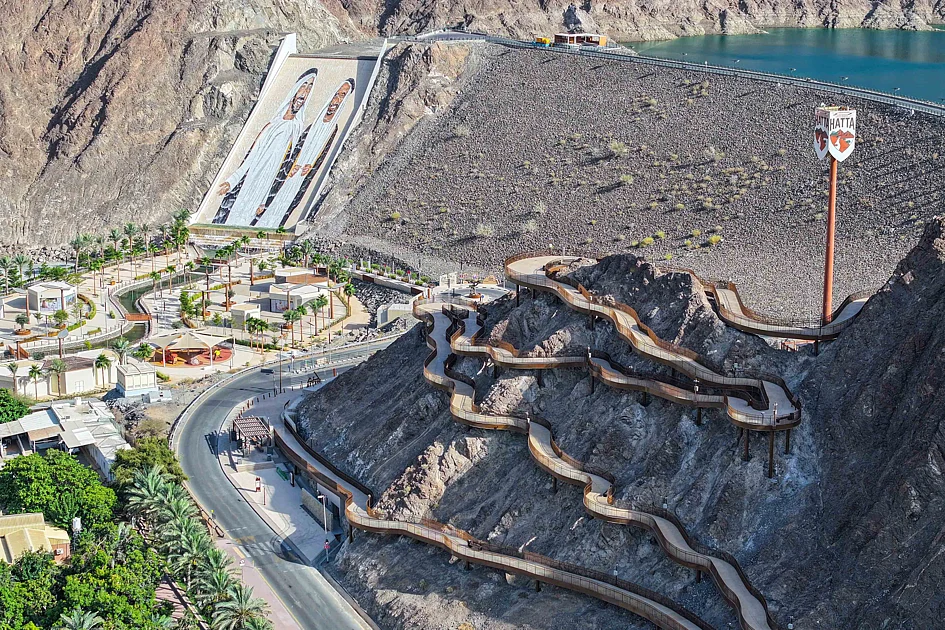
New Hatta upgrades announced: Amphitheatre at dam’s highest point; strawberry farm expanded
Hatta, Dubai’s picturesque mountain retreat, has unveiled a series of transformative upgrades aimed at enriching the lives of residents and attracting more visitors. Among the standout developments is the newly constructed Hatta Dam Amphitheatre, perched at the dam’s highest point. This 610-metre structure, built using suspended techniques to preserve the natural landscape, offers breathtaking views of the turquoise waters below. The amphitheatre features a gentle 17-minute ascent with six rest points, ensuring accessibility for all, including People of Determination. Additionally, the dam’s slope has been transformed into a stunning mosaic mural of the late Sheikh Zayed bin Sultan Al Nahyan and Sheikh Rashid bin Saeed Al Maktoum, crafted from over 1.2 million pieces of natural marble—a world record.
Complementing the amphitheatre is the expansion of Hatta’s agricultural offerings. The Strawberry Farm has seen significant upgrades, including expanded outdoor cultivation areas, enhanced cooling systems, and a dedicated seed-nursery facility. Meanwhile, the Leafy Greens Farm now boasts three hydroponic greenhouses, integrated storage areas, and a direct-sale outlet for fresh produce. These enhancements not only boost local agriculture but also provide visitors with unique farm-to-table experiences.
Education and community facilities have also received substantial attention. A new 18,600-square-metre school, built to international standards, has been completed. The state-of-the-art facility accommodates over 1,000 students and includes 44 classrooms, science labs, indoor sports halls, and a 416-seat multipurpose theatre. Maintenance and upgrades have also been carried out at four existing schools in the area.
Further enriching community life, the Hatta Majlis, a multipurpose hall designed to host 130 people, is nearing completion. A new wedding hall with a capacity of 1,000 guests and the Hatta Community Service Centre, featuring 13 commercial units, are also in development. Other ongoing projects include the construction of 213 homes for UAE nationals, the expansion of cycling and hiking trails, and enhancements to Hatta Hospital and Sports Club.
These initiatives are part of a broader push to elevate Hatta as a premier destination for both residents and tourists, blending natural beauty with modern amenities and sustainable practices.
-
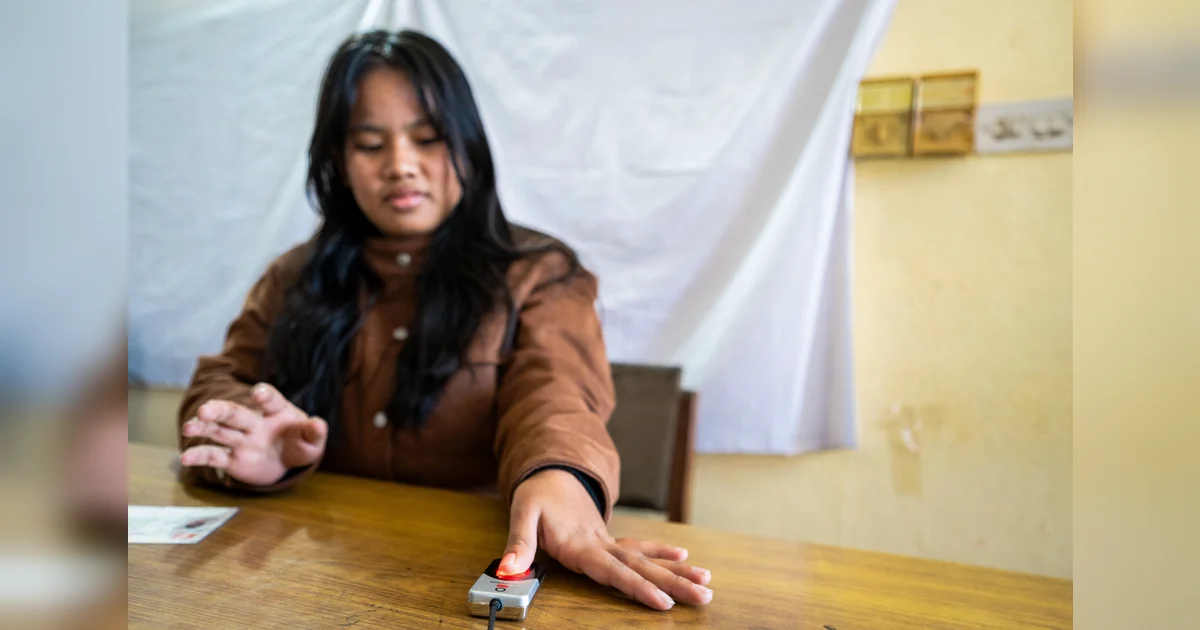
Over 800,000 new voters register for Nepal post-uprising polls
Nepal is witnessing a significant surge in voter registration as the country prepares for its first parliamentary elections since a mass uprising in September 2025 ousted the government. According to the Election Commission, over 837,000 first-time voters have registered, reflecting heightened political engagement, particularly among the youth. The elections, scheduled for March 5, 2026, will see 123 established political parties participating, with an additional 40 new slates awaiting verification to join the race. The uprising, initially sparked by a brief social media ban, quickly escalated into a nationwide anti-corruption movement, resulting in the ousting of four-time Prime Minister KP Sharma Oli. His interim replacement, former Chief Justice Sushila Karki, has been tasked with steering the nation until the elections. The protests, which claimed at least 76 lives and saw widespread destruction of government institutions, have underscored the public’s demand for meaningful change amid years of economic stagnation and corruption. Dikshya Poudel, a 19-year-old student, expressed her excitement about voting for the first time, stating, ‘I dream of seeing new faces in politics who can create jobs, eradicate poverty, and make Nepal a better place to live.’ However, the unrest has further strained Nepal’s fragile economy, with the World Bank projecting a decline in growth to 2.1 percent due to heightened political and economic uncertainty. The nation’s GDP per capita stands at $1,447, with 82 percent of the workforce engaged in informal employment, highlighting the urgent need for reform.
-
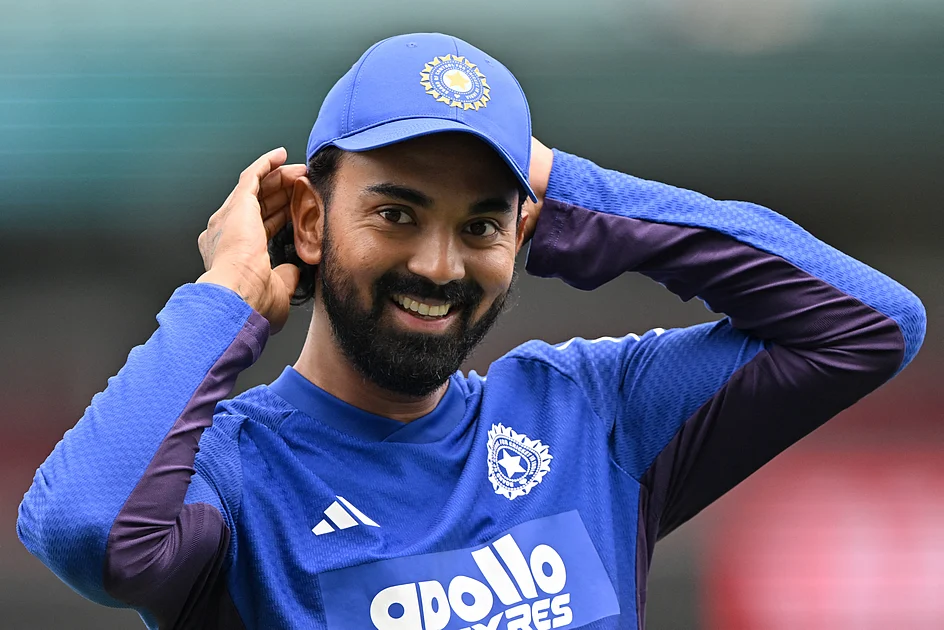
KL Rahul to lead India as Gill ruled out of South Africa ODI series
In a significant development for Indian cricket, KL Rahul has been appointed as the captain for the upcoming three-match ODI series against South Africa. This decision comes after newly appointed ODI captain Shubman Gill was ruled out due to an injury sustained during the first Test in Kolkata. Gill’s absence has necessitated a reshuffle in the leadership group, with Rahul stepping into the role for the first time since 2023, when he led India to a 2-1 series victory over South Africa. Additionally, vice-captain Shreyas Iyer remains unavailable as he continues his recovery from an injury picked up during the tour of Australia. The series will kick off in Ranchi on November 30, followed by matches in Raipur on December 3 and Visakhapatnam on December 6. The Indian squad boasts a mix of experienced players and emerging talents, including Rohit Sharma, Virat Kohli, and Rishabh Pant, alongside promising youngsters like Yashasvi Jaiswal and Tilak Varma. The team will look to maintain its momentum and secure a series win under Rahul’s leadership.
-

World Television Day celebrated with conference in Shanxi
The 2025 ‘World Television Day’ China Television Conference commenced on November 21 in Datong, Shanxi province, marking a significant gathering of industry experts and scholars. The event, held in the historic city of Datong, focused on the evolving landscape of television and online audiovisual art amidst the deepening integration of media technologies. Yan Shaofei, vice-chairman of the China Television Artists Association, emphasized the transformative era of audiovisual art, urging creators to harness technological advancements to produce high-quality, life-inspired content. Jiang Wenbo, chairman of the Ultra-High Definition World Association, highlighted television’s pivotal role in global cultural exchange and societal development, advocating for the adoption of cutting-edge technologies to foster an omnimedia ultra-high definition television ecosystem. Liu Junyi, Datong’s deputy Party secretary and mayor, envisioned the conference as a catalyst for artistic and technological integration, showcasing the city’s unique blend of ancient heritage and modern industry. The event also featured discussions on the acclaimed TV series ‘Silent Honor,’ with director Yang Yazhou stressing the importance of aligning creative efforts with the genuine needs of the audience. A strategic cooperation agreement between Datong Municipal People’s Government and Communication University of Shanxi was signed, aiming to enhance micro audiovisual content creation and talent development, setting a benchmark for university-government collaboration in the region.
-

Sana Shahnawaz on criticism and success of ‘Main Manto Nahi Hoon’
Pakistani TV producer Sana Shahnawaz, daughter of renowned actor Humayun Saeed, has carved a niche for herself in the entertainment industry through her production house, Next Level Entertainment. Known for hit shows like *Mann Mayal*, *Alif*, and the recent *Main Manto Nahi Hoon*, Sana has become a prominent figure in Pakistani television. In a recent interview, she opened up about her creative journey, her connection to Dubai, and her approach to handling criticism. Sana described Dubai as her second home, praising its modern energy, diverse culture, and creative potential. She expressed her desire to shoot more projects in the city, citing its cinematic appeal and collaborative opportunities. Reflecting on her production philosophy, Sana emphasized the importance of authentic storytelling over chasing trends. She also addressed the criticism surrounding *Main Manto Nahi Hoon*, viewing it as a sign of the show’s impact and engagement. Sana credited her father, Humayun Saeed, for his guidance but stressed that she has forged her own path in the industry, free from the pressure of his legacy. Her message to women everywhere is to dream boldly and break barriers, as every achievement paves the way for others to rise.
-
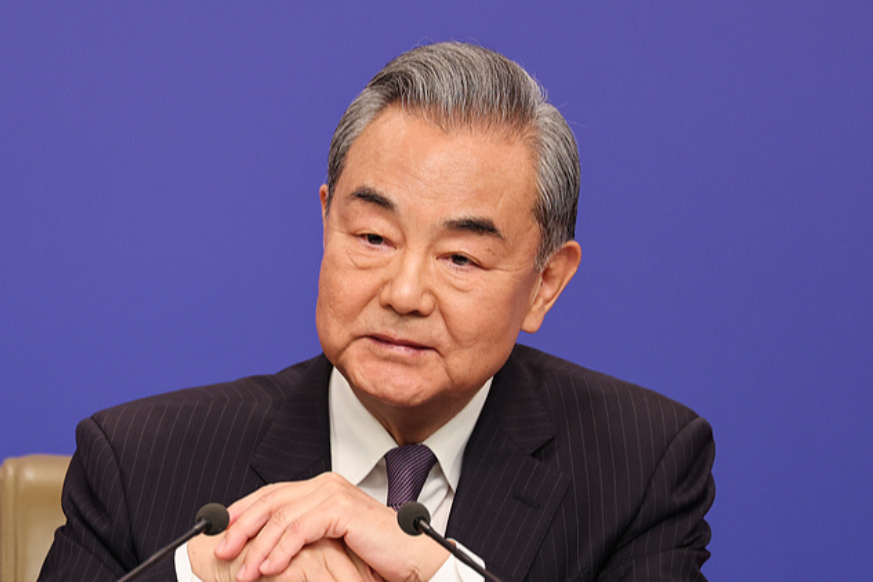
Chinese foreign minister asserts right to halt Japanese militarism
Chinese Foreign Minister Wang Yi has issued a stern warning against the resurgence of Japanese militarism, emphasizing that there is no room for compromise on matters of national sovereignty and territorial integrity. Speaking to reporters after concluding his Central Asia tour, Wang asserted that all nations committed to justice have the right and responsibility to prevent Japan from reviving its militaristic tendencies. His remarks followed recent comments by Japanese Prime Minister Sanae Takaichi, who publicly discussed the possibility of Japanese military intervention in Taiwan—a statement she has yet to retract. Wang’s Central Asia visit, which included strategic dialogues with counterparts in Kyrgyzstan, Uzbekistan, and Tajikistan, reinforced regional support for the one-China principle. All three nations reaffirmed that Taiwan is an inseparable part of China, underscoring the international consensus on the issue. Wang described these statements as timely and significant, highlighting their alignment with China’s stance on Taiwan and the foundational norms of international relations. He reiterated that the one-China principle remains a steadfast and universal agreement within the global community.
-
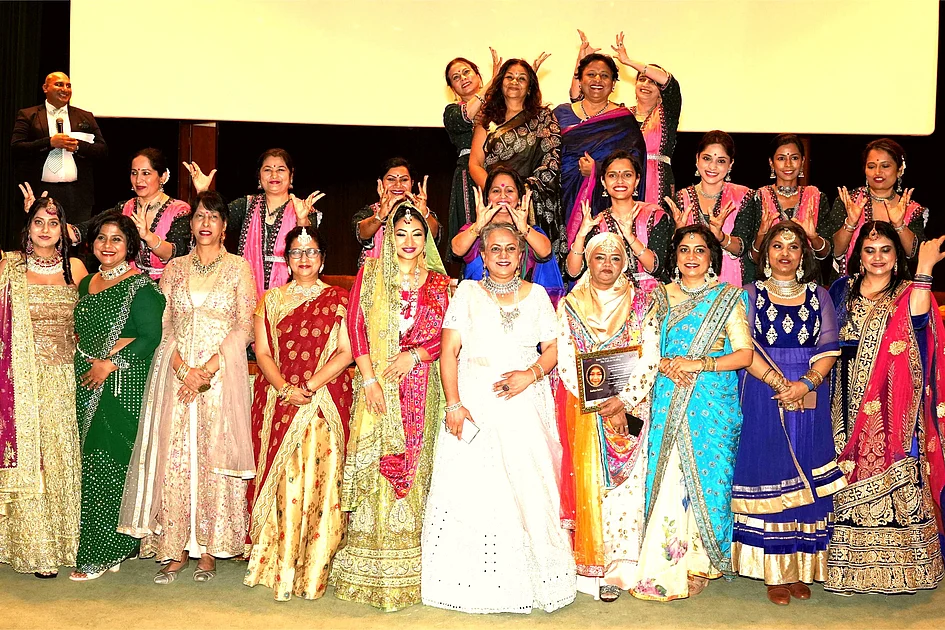
Eduscan Institute’s event promotes hope, healing and community empowerment
The Eduscan Institute, a pioneer in holistic education and empowerment for children of determination, hosted a transformative event titled ‘Inner Peace, Outer Health: The Path to Healing’ on November 8 and 9, 2025. Held at the Iranian Club in Dubai and the Indian Embassy in Abu Dhabi, the event celebrated themes of healing, inclusivity, and resilience, aligning with the UAE’s Year of Community. Distinguished guests included Dr. Ram Singarachari, Dr. Yashaswini Shivashankara, Dr. Trilok Kiribagha Chandrashekara, and Dr. Aisha Al Salami, all prominent figures in the medical field. A standout moment was the ‘Walk of Confidence,’ where students from the Eduscan Institute walked alongside university students from Amity, Symbiosis, and de Montfort Universities, symbolizing unity and inclusion. The emotional highlight was the ‘Walk of Courage,’ featuring 12 cancer survivors in bridal attire, representing new beginnings and triumph over adversity. The event also included a performance titled ‘Healing Through Movement’ by Vishakha Verma and her troupe, showcasing the power of art in recovery. Ms. Ruby Ahluwalia, founder of Sanjeevani… Life Beyond Cancer, delivered a keynote address, emphasizing the importance of community support. Dr. Alka Kalra, founder of the Eduscan Institute, remarked, ‘This event is about rediscovering inner strength and embodying the UAE’s spirit of unity and resilience.’
-
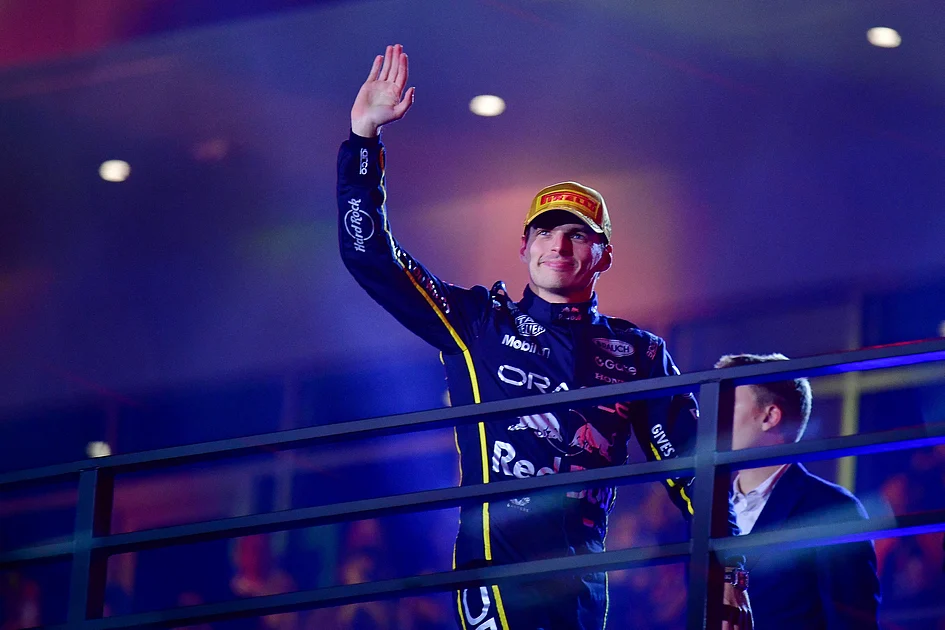
Verstappen wins big in Vegas as McLaren drivers disqualified
In a dramatic turn of events at the Las Vegas Grand Prix, Max Verstappen secured a commanding victory, further solidifying his position in the Formula One championship race. The Red Bull driver capitalized on a strategic error by pole-sitter Lando Norris, seizing the lead on the first turn and maintaining control throughout the 50-lap race. Verstappen’s triumph was amplified by the disqualification of both McLaren drivers, Norris and Oscar Piastri, due to skid blocks that failed to meet the required minimum depth. This development has significantly reshaped the championship standings, with Verstappen now tied on points with Piastri and trailing Norris by just 24 points. With two race weekends remaining, the battle for the title intensifies, as Norris needs only a slight edge over his rivals in the upcoming Qatar Grand Prix to secure his maiden championship. Verstappen, a four-time defending champion, remains hopeful for a fifth consecutive title, though his chances hinge on potential missteps by Norris or McLaren. The race, held under the dazzling lights of Las Vegas, showcased Verstappen’s dominance, as he finished more than 20 seconds ahead of the pack. Meanwhile, George Russell of Mercedes was promoted to second place, with teammate Kimi Antonelli moving up to third. The disqualifications underscore the stringent regulations in Formula One, with McLaren joining a list of teams penalized for similar technical violations in recent seasons.