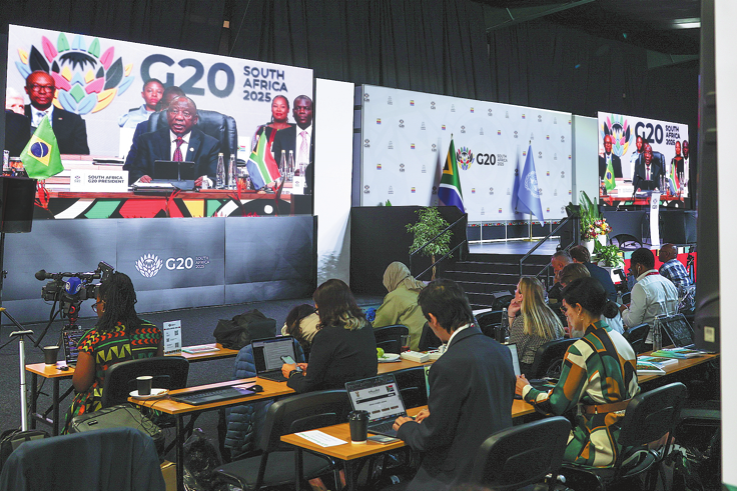
The first-ever G20 summit on African soil concluded in Johannesburg with a resounding affirmation of multilateralism, as leaders adopted a comprehensive 122-point declaration despite the absence of the United States. Hosted by South Africa, the summit underscored the development priorities of the Global South, particularly Africa, and emphasized the importance of solidarity, equality, and sustainability. South African President Cyril Ramaphosa, in his opening remarks, urged world leaders to safeguard the integrity and credibility of the G20, a premier forum for international economic cooperation. The declaration addressed critical global issues, including disaster response, energy access, and sustainable development, while highlighting the need for inclusive growth and technological advancement. The US boycott, attributed to bilateral tensions with South Africa, was criticized as an attempt to undermine the summit’s outcomes. Argentina also abstained from supporting the declaration due to escalating diplomatic tensions. Despite these challenges, the summit reinforced the G20’s role in fostering global cooperation and addressing pressing international concerns.
作者: admin
-

Cameroon’s opposition leader in The Gambia after fleeing for his safety
Cameroonian opposition leader Issa Tchiroma Bakary, who has contested the results of the recent presidential election, has sought asylum in The Gambia, according to an official statement from The Gambian government. Tchiroma Bakary, who claims to be the rightful winner of the October 12 election, alleges that the vote was manipulated to secure an eighth term for 92-year-old President Paul Biya. The Gambian Ministry of Information confirmed on Sunday that Tchiroma Bakary arrived on November 7 and has been granted temporary stay on humanitarian grounds. The Cameroonian government had previously threatened to prosecute him for allegedly inciting violent post-election protests, a charge he denies, instead accusing security forces of harshly suppressing demonstrators. Official reports state that 16 people died in the unrest, though independent organizations suggest a higher toll. Tchiroma Bakary has vowed to continue resisting Biya’s government until his election victory is acknowledged. Biya, who has ruled Cameroon for 43 years, was declared the winner with 53.7% of the vote, while Tchiroma Bakary secured 35.2%. His resistance strategies have included organizing street protests and ‘ghost town’ operations to disrupt daily life in cities. The Gambian government emphasized that Tchiroma Bakary’s stay is temporary and rooted in African solidarity, aimed at ensuring his safety while diplomatic efforts address Cameroon’s post-election tensions. However, The Gambia clarified that it would not permit its territory to be used for subversive activities against any state. The announcement of Tchiroma Bakary’s arrival sparked criticism from The Gambia’s main opposition party, the United Democratic Party (UDP), which questioned the government’s transparency and accountability. Despite this, the UDP expressed pride in offering Tchiroma Bakary a safe haven, acknowledging the challenges faced by dissenters under authoritarian regimes.
-
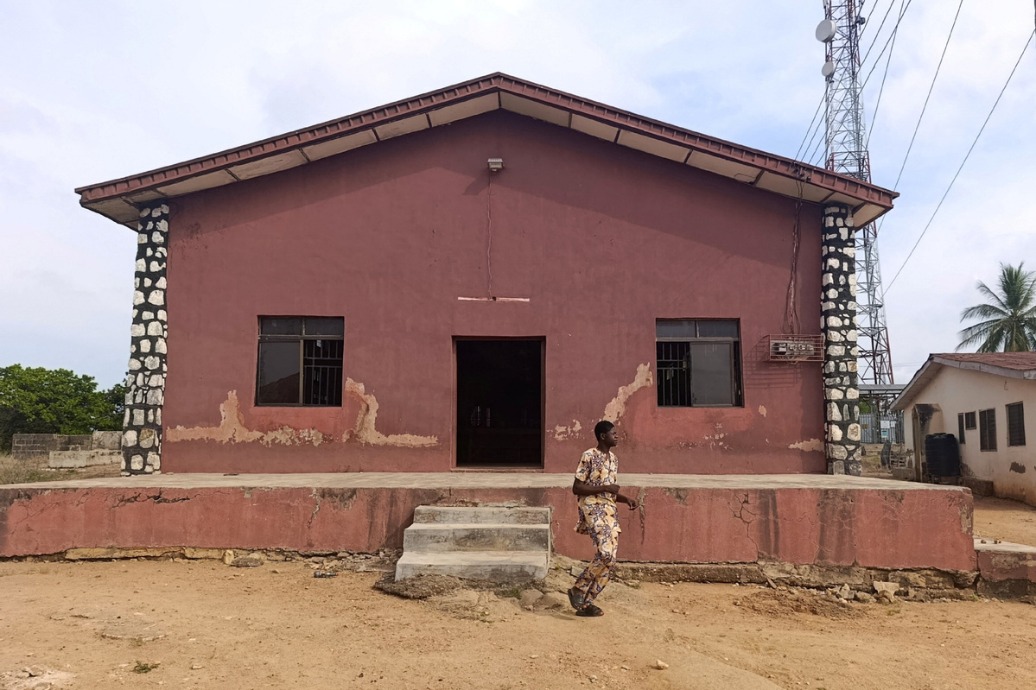
More than 300 students abducted from Nigeria school
In one of the largest mass kidnappings in Nigeria, suspected terrorists abducted more than 300 students and teachers from St. Mary’s School in Niger state. The Christian Association of Nigeria (CAN) reported the incident on Saturday, initially estimating 227 victims but later revising the figure to 315 after a verification exercise. This includes 303 students and 12 teachers, with 88 students captured while attempting to escape. By Sunday, 50 students had managed to escape and reunite with their families. Alhaji Abubakar Usman, secretary to the Niger state government, confirmed the attack, noting that it occurred despite prior intelligence warnings of heightened security threats. The government had ordered the suspension of construction activities and the closure of boarding schools in the affected area. However, St. Mary’s School had reopened without official clearance, putting students and staff at risk. Local security agencies have launched a full-scale investigation and search-and-rescue operation, deploying tactical units and military personnel to comb nearby forests for the abducted individuals.
-
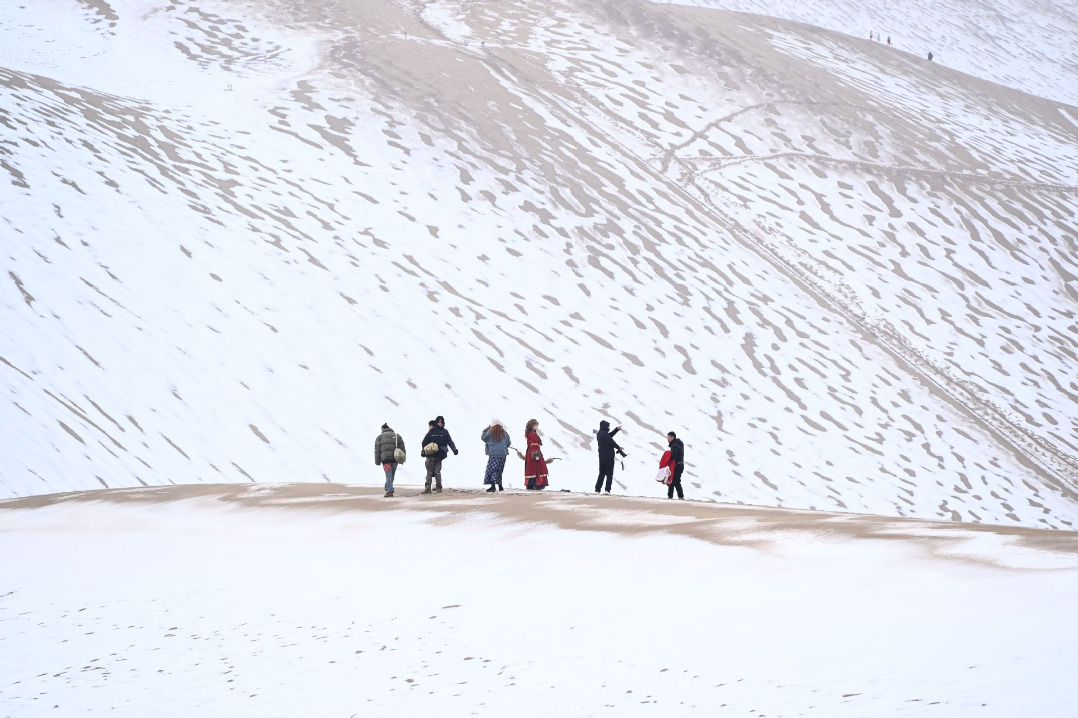
Tourists visit Mingsha Mountain and Crescent Spring Scenic Area in Dunhuang city, NW China
The Mingsha Mountain and Crescent Spring Scenic Area in Dunhuang city, located in Northwest China’s Gansu province, has recently become a breathtaking winter wonderland. On November 23, 2025, tourists flocked to the iconic site, which was adorned with a pristine blanket of snow, transforming the landscape into a picturesque scene. The snow-covered dunes of Mingsha Mountain and the serene waters of Crescent Spring created a unique and mesmerizing view, drawing visitors from near and far. Known for its natural beauty and cultural significance, the area continues to be a major attraction, especially during the winter months when the snow adds an extra layer of charm. The local tourism industry has seen a boost as more people are inspired to experience the tranquil and awe-inspiring scenery. The event highlights the enduring appeal of Dunhuang’s natural landmarks and their ability to captivate visitors year-round.
-
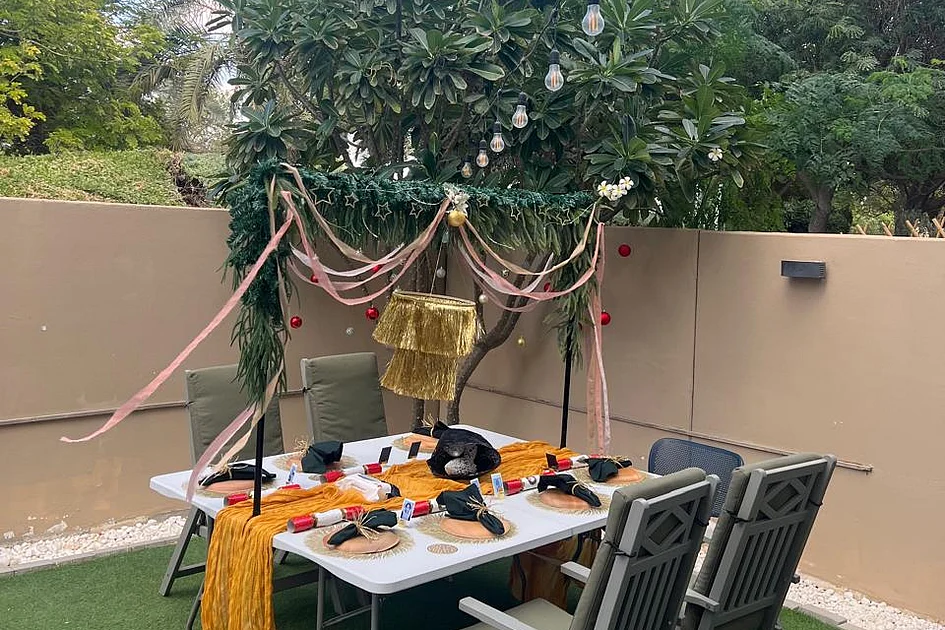
UAE residents turn balconies, backyards into cosy winter hangouts
As the UAE experiences a drop in temperatures, residents are creatively adapting their homes to embrace the winter season. Families are crafting cosy indoor and outdoor spaces, enabling them to relish the cooler evenings without stepping outside. In Al Ain, Maha A., an Emirati resident, shared that her family erects a traditional tent in their backyard annually. ‘We spend most winter evenings there, whether it’s with friends, family, or simply relaxing with karak and coffee,’ she explained. The tents, which range from Dh1,800 to Dh12,000 depending on size, are carefully selected based on fabric, color scheme, and interior layout. Once summer arrives, the tents are packed away to prevent damage. Many families prioritize durable materials, with some opting for heavier fabrics to block the wind and others choosing lighter, decorative options. Interior touches like carpets, cushions, and even chandeliers are added to enhance the ambiance. In Dubai, Lebanese expat Marwa Aalim transforms her balcony into a winter retreat. During summer, it serves as a laundry area, but as the weather cools, she brings out bean bags, a small swing, and warm lights. ‘It becomes the designated chill area during winter, so we move from the couch to the balcony. We even had a movie night outdoors once,’ she said. Marwa ensures affordability by updating the space annually without overspending. Similarly, Dubai resident Shams Mubarak dedicates a winter budget to his balcony and backyard. ‘We live on the first floor and have a larger outdoor space, so I add games for the kids along with a full outdoor seating setup,’ he explained. For Shams, winter is the ideal time to maximize the use of outdoor spaces, creating a simple yet inviting area for family gatherings without the need to venture out every evening.
-
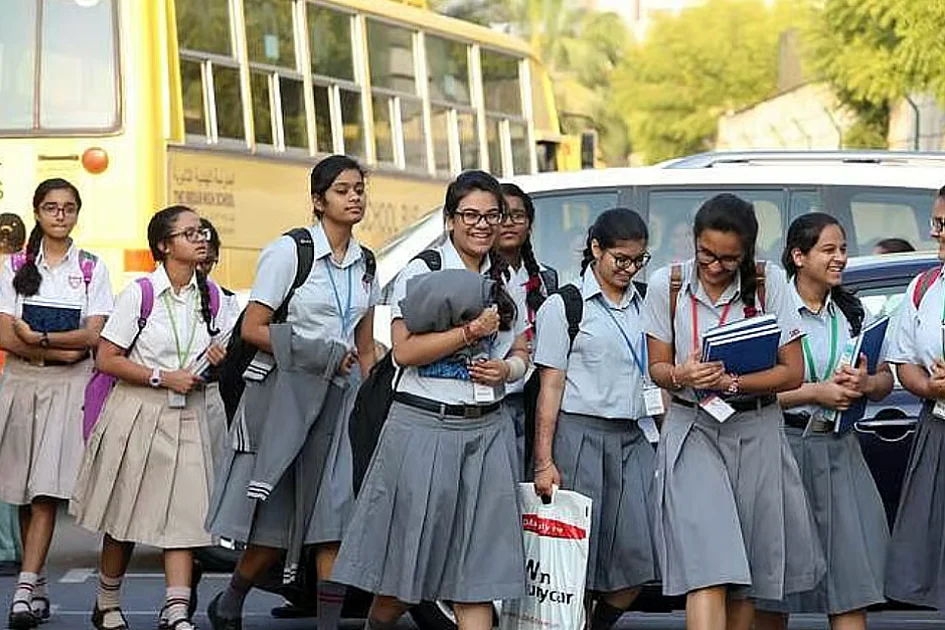
UAE: Indian schools to follow unified academic calendar starting April 2026
Indian curriculum schools in the UAE will transition to the Ministry of Education’s (MOE) unified academic calendar starting April 2026, marking a significant shift from their traditional April–March cycle. The change, however, was not implemented this year as schools had already commenced their academic sessions. Principals emphasized the need for a structured transition to ensure minimal disruption to academic rigor and compliance requirements. Seema Umar, principal of Dewvale School in Dubai, highlighted that the school has planned the current academic year to conclude as scheduled, with preparations underway for a seamless shift in 2026–27. This includes adjusting curriculum pacing, assessment timelines, and operational routines. Umar stressed the importance of clear communication with families, offering orientation sessions, parent notes, and student wellbeing measures to ease the transition. Anita Singh, principal of Global Indian International School (GIIS) Dubai, outlined a three-pronged approach to protect students’ academic experience, ensuring routines are adjusted only where necessary. Internal exams will be rescheduled to maintain board readiness, with mock exams and revision plans adapted accordingly. Nargish Khambatta, principal of GEMS Modern Academy, confirmed that the unified calendar will not affect Indian curriculum schools until April 2026, allowing them to continue their established practices, including the December term for board-exam preparation and winter break activities. The phased implementation aims to keep all stakeholders informed and supported throughout the transition.
-

Scenery of scenic spot near Wuxia Gorge in Wushan, China’s Chongqing
China Daily Information Co (CDIC) holds exclusive rights to all content published on its platform, encompassing text, photos, and multimedia materials. Unauthorized reproduction or utilization of this content in any form is strictly prohibited without prior written consent from CDIC. The site recommends using browsers with a resolution of 1024*768 or higher for optimal viewing. Additionally, CDIC has secured the necessary licenses for online multimedia publishing, including License Number 0108263 and Registration Number 130349. For further information, the platform offers various resources such as details about China Daily, advertising opportunities, contact information, job offers, and expatriate employment services. Users can also follow China Daily through its social media channels.
-
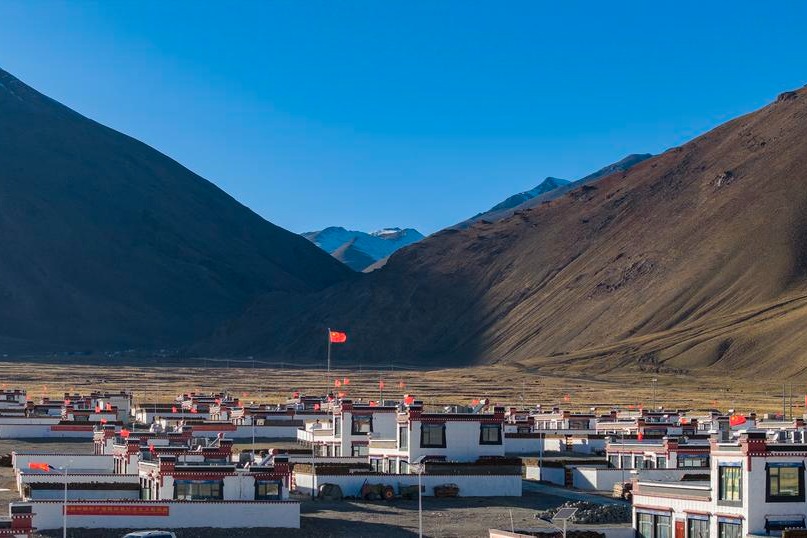
Restoration of over 32,500 houses completed after an earthquake in Shigatse
In a remarkable recovery effort, the city of Shigatse in Southwest China’s Xizang autonomous region has successfully restored over 32,500 houses devastated by a 6.8-magnitude earthquake that struck Dingri county in early January. The earthquake, which caused widespread destruction, left thousands of homes in ruins. However, within ten months, the local authorities have managed to rebuild and reinforce homes across 486 villages in seven counties. The reconstruction included the complete rebuilding of more than 22,000 houses and the reinforcement of an additional 10,500 homes. The first batch of residents affected by the quake were able to move into their new homes as early as August. The swift response included the immediate rollout of a post-disaster reconstruction plan, which involved field surveys, housing design, and debris clearance, all initiated within three days of the disaster. This extensive restoration project highlights the resilience and efficiency of the local government and community in the face of natural calamities.
-
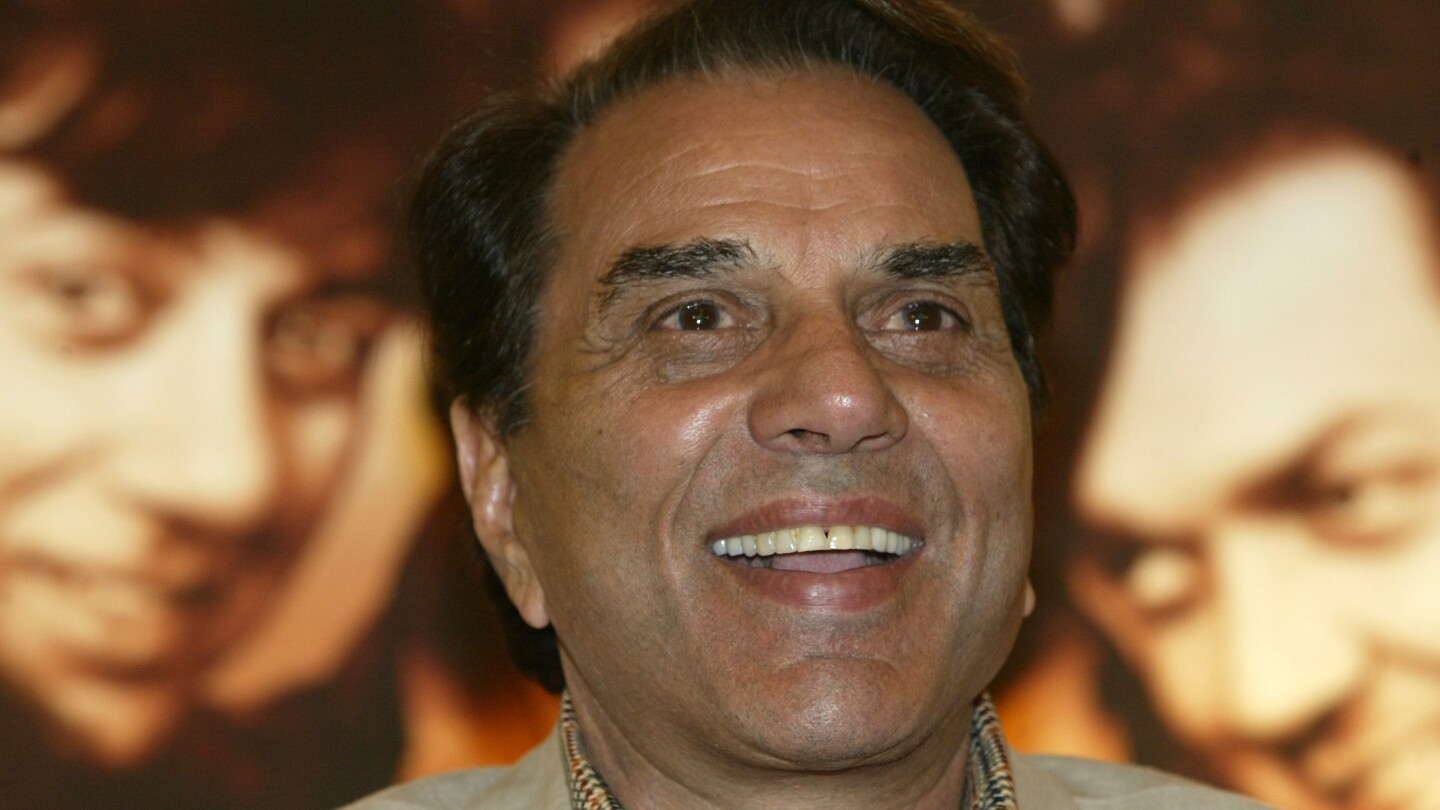
Dharmendra, iconic Bollywood actor and Indian cinema’s ‘He-Man,’ dies at 89
Dharmendra, the iconic figure of Indian cinema whose versatile performances defined Bollywood in the 1970s and 1980s, passed away on Monday at the age of 89. The actor, who was just weeks away from his 90th birthday, had been frequently hospitalized in Mumbai in recent weeks. A senior police official, speaking anonymously, confirmed his death. Prime Minister Narendra Modi expressed his condolences, describing Dharmendra’s passing as the end of an era in Indian cinema. Modi praised the actor’s ability to bring charm and depth to his roles, resonating with countless audiences. Known as Bollywood’s ‘He-Man,’ Dharmendra masterfully blended action heroism with romantic tenderness, earning him a place among India’s most celebrated actors. His portrayal of larger-than-life, patriotic characters, alongside his charming romantic performances, endeared him to the masses. Dharmendra’s role in the 1975 classic ‘Sholay,’ often regarded as one of India’s greatest films, cemented his superstar status. His on-screen partnership with Amitabh Bachchan became legendary, as did his collaborations with actress Hema Malini, whom he later married. Despite the scandal surrounding his second marriage, Dharmendra’s career flourished, spanning over six decades and 300 films. In his later years, he transitioned to character-driven roles, often portraying paternal figures. He was last seen in the 2025 war biopic ‘Ikkis.’ Born in Punjab in 1935, Dharmendra moved to Mumbai in the late 1950s and made his Bollywood debut in 1960. His contributions to Indian cinema were recognized with the Padma Bhushan in 2012. He is survived by his wives, children, and grandchildren.
-

China’s mountainous Guizhou set to launch regular low-altitude drone logistics route
The southwestern Chinese province of Guizhou is poised to launch its first regular low-altitude drone logistics route this year, marking a significant advancement in regional transportation. This initiative follows a successful trial flight of a domestically developed electric vertical takeoff and landing (eVTOL) aircraft, which transported emergency medicines and agricultural products across 118 kilometers in just 40 minutes. The journey, which typically takes over two hours by traditional ground transport through Guizhou’s challenging karst landscape, demonstrates the potential of drone technology to revolutionize logistics in mountainous areas. The V2000CG CarryAll, developed by Shanghai-based AutoFlight, is the only eVTOL globally with a maximum takeoff weight exceeding 1 tonne to have obtained all three required Chinese aviation certificates. With a payload capacity of up to 400 kg and a maximum cruising speed of 200 km per hour, this aircraft is set to enhance Guizhou’s low-altitude economy, support rural revitalization, and modernize logistics. The province plans to expand the route’s applications to include passenger tourism and commuter transport in the future. China’s low-altitude economy is experiencing rapid growth, with its market value projected to soar from 500 billion yuan in 2023 to 3.5 trillion yuan by 2035.