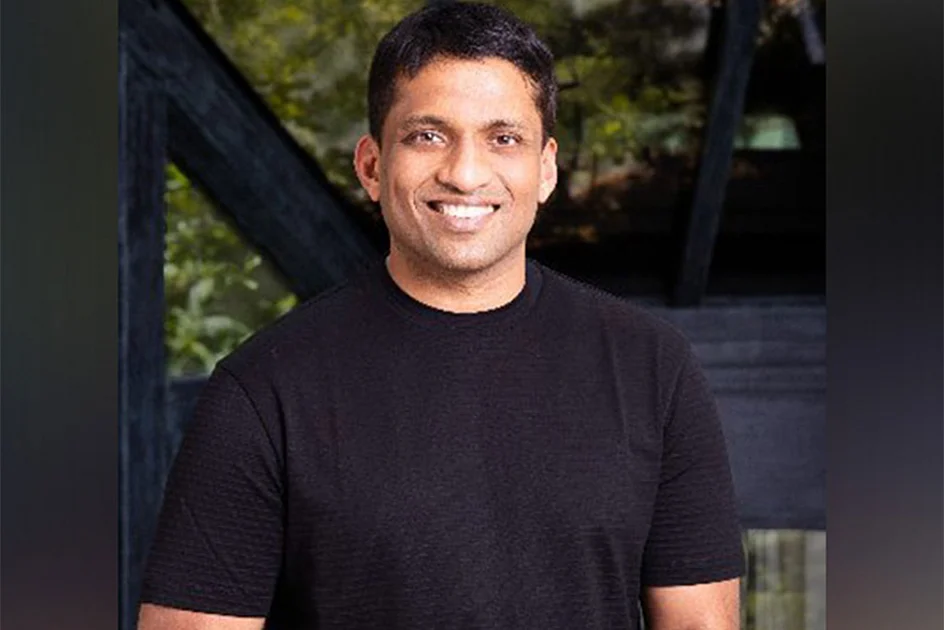
In a significant legal development, a US court has ordered Byju Raveendran, founder of the Indian ed-tech giant Byju’s, to repay $1.07 billion following a contentious case involving allegations of fund mismanagement. Raveendran has vowed to appeal the judgment, claiming he was denied the opportunity to present a defense. The case, spearheaded by US lenders led by GLAS Trust, centers on $533 million in missing funds and a disputed $500 million partnership stake. Byju’s legal team has accused GLAS Trust of misleading the Delaware Courts to expedite the proceedings, resulting in a default judgment issued without proper defense. The legal team asserts that the funds in question were used for the benefit of Think & Learn Private Limited (TLPL), the parent company of Byju’s, and not for personal gain. Raveendran’s legal advisors have announced plans to file appeals and prepare federal claims against GLAS Trust, alleging racketeering and obstruction of justice, with damages estimated at over $2.5 billion. The case has drawn widespread attention, raising questions about corporate governance and the integrity of legal processes in high-stakes financial disputes.
作者: admin
-
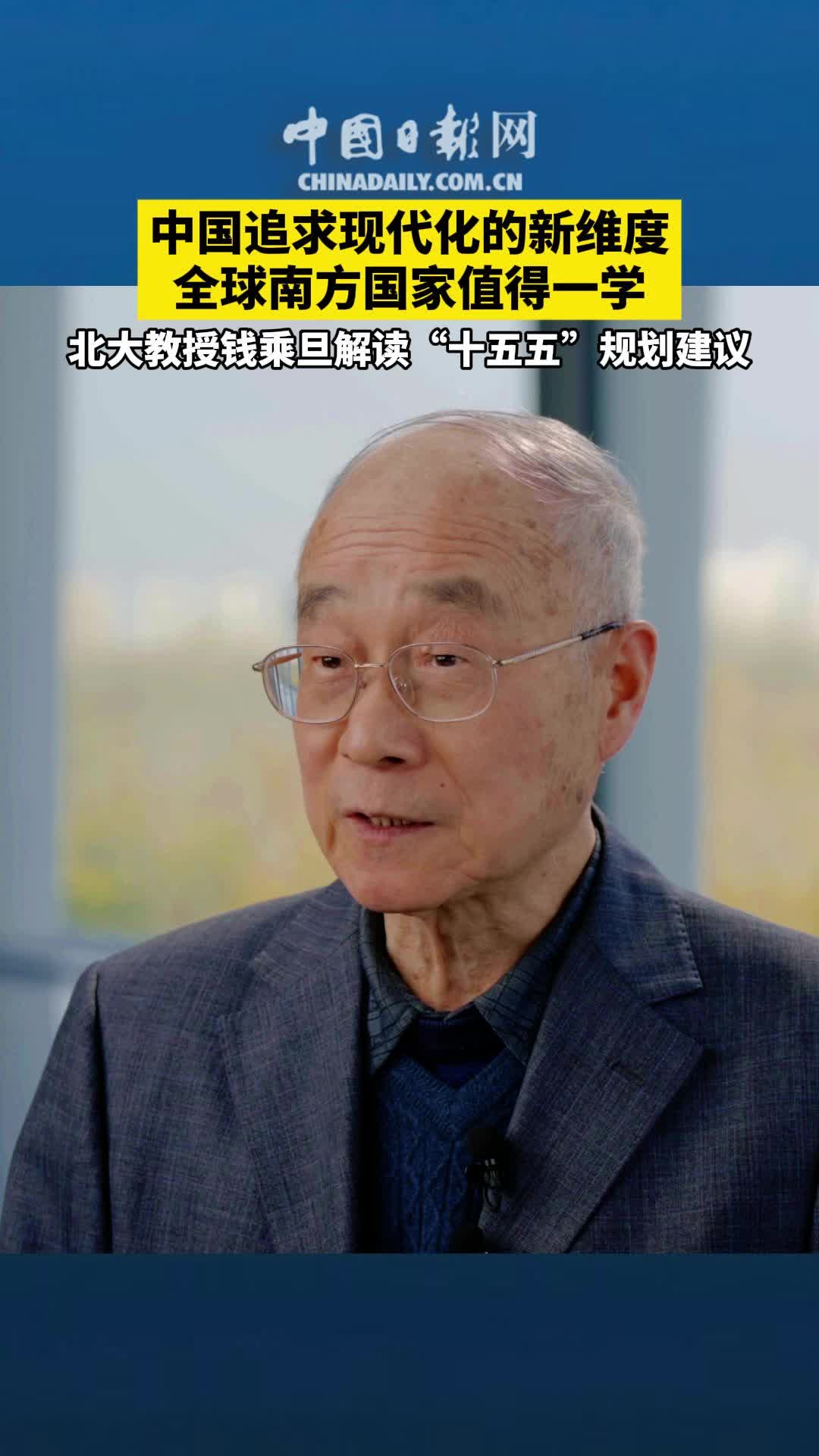
China’s development experience valuable to Global South: professor
During the Global South Modernization Forum, Qian Chengdan, a distinguished Boya chair professor at Peking University, highlighted the significance of China’s holistic modernization strategy as outlined in the draft recommendations of the 15th Five-Year Plan (2026-30). He emphasized that China’s development model provides a wealth of insights for nations in the Global South striving for modernization. Qian underscored the importance of China’s integrated approach, which balances economic growth, social progress, and environmental sustainability. He noted that this framework could serve as a valuable reference for other developing countries seeking to navigate their own paths toward modernization. The professor’s remarks shed light on the growing recognition of China’s role as a key player in shaping global development paradigms.
-
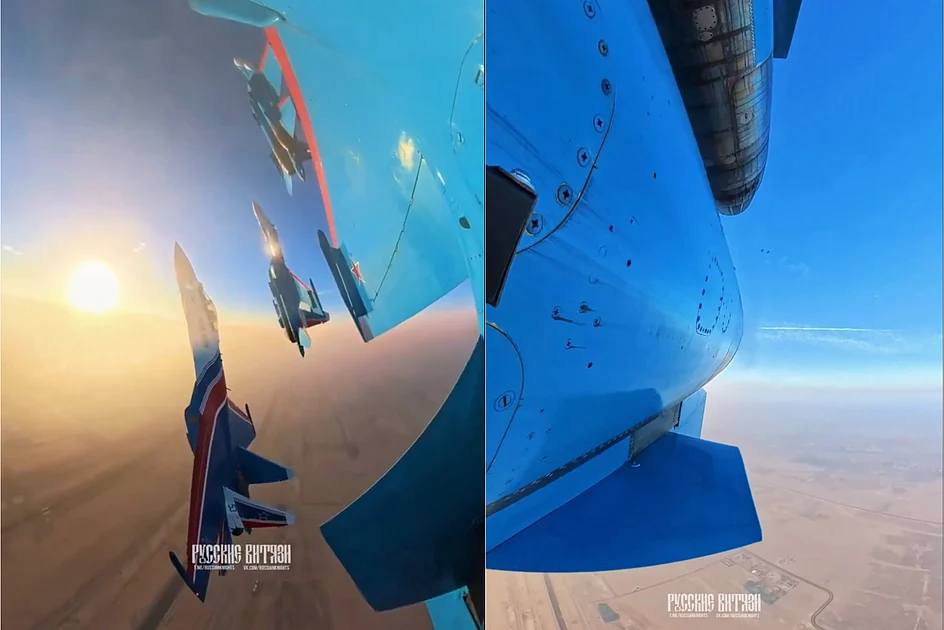
‘In memory of brother’: Russia honours fallen Tejas pilot with missing man formation
The aviation community was left in mourning following the tragic crash of the Indian Air Force’s Tejas aircraft at the Dubai Airshow on November 21, 2025. Wing Commander Namansh Syal, the pilot of the ill-fated aircraft, lost his life when the plane lost altitude and crashed, erupting into flames. The incident brought the airshow to an abrupt halt, leaving fellow aviators and spectators in shock. In a poignant tribute, the Russian Knights aerobatic team performed the solemn ‘Missing Man’ formation on the final day of the event, honoring Syal and other fallen aviators. The US Air Force demonstration team, deeply affected by the tragedy, canceled their performance out of respect for the pilot and his family. The Russian Knights described the crash as ‘impossible to describe’ and dedicated their aerial display to the ‘brothers who did not return from their last flight.’ The ‘Missing Man’ formation, a traditional tribute in aviation, involves four aircraft flying in a ‘V’ formation, with one aircraft breaking away to symbolize the loss of a comrade. The Dubai Airshow, a grand event showcasing aviation excellence, concluded on a somber yet respectful note, highlighting the camaraderie and shared grief within the global aviation community.
-

Daughter of ex-South African leader Zuma is accused of luring men to fight in Russia-Ukraine war
South African authorities are investigating serious allegations against Duduzile Zuma-Sambudla, daughter of former President Jacob Zuma, for allegedly deceiving 17 men into fighting in Russia’s war with Ukraine. According to a police affidavit filed by her sister, Nkosazana Bonganini Zuma-Mncube, Zuma-Sambudla and two others allegedly lured the men under the false pretense of providing security training in Russia. The affidavit claims the men were handed over to a Russian mercenary group and forced into combat, with eight of the victims reportedly being family members of the sisters. Police spokesperson Athlenda Mathe stated that charges are pending a thorough investigation. South Africa’s Foreign Minister, Ronald Lamola, confirmed diplomatic efforts are underway to repatriate the men, who are reportedly trapped in Ukraine’s Donbas region. The government earlier revealed it had received distress calls from the men, aged 20 to 39, who were allegedly recruited under the guise of lucrative employment contracts. This case highlights broader accusations against Russia for recruiting foreign nationals, including women from South Africa and other African countries, through deceptive job offers. Under South African law, it is illegal for citizens to provide military assistance to foreign governments without authorization. Zuma-Sambudla, a member of parliament for the MK Party founded by her father, is already on trial for unrelated charges linked to the 2021 riots in South Africa. Neither she nor the MK Party responded to requests for comment.
-

‘Wicked: For Good’ opens to a record Dh830 million globally
The highly anticipated film ‘Wicked: For Good’ has made a monumental impact at the global box office, raking in an impressive Dh830 million during its opening weekend. This cinematic adaptation of the beloved Broadway musical not only broke a nine-week slump in North American ticket sales but also set a new benchmark for film adaptations of stage productions. In the US and Canada alone, the film grossed $150 million (approximately Dh550.8 million), marking the third-best domestic opening weekend for a musical, trailing only Disney’s ‘The Lion King’ (2019) and ‘Beauty and the Beast’ (2017).
Directed by Jon Chu and featuring a star-studded cast including Cynthia Erivo as Elphaba and Ariana Grande as Glinda, ‘Wicked: For Good’ has been hailed as a triumph for Universal Pictures. The film’s success is attributed to its enduring source material, inspired casting, and a robust marketing campaign. Industry analyst Daniel Loria praised Universal’s bold decision to split the musical into two films, calling it a ‘fantastic feat’ that has paid off handsomely.
Despite mixed critical reviews, audiences have embraced the film wholeheartedly, awarding it an A grade from CinemaScore and a 95% fresh rating on Rotten Tomatoes. The movie’s appeal to younger viewers has been particularly noteworthy, with Comscore’s Paul Dergarabedian likening its cultural impact to that of ‘The Sound of Music’ for older generations.
Beyond North America, ‘Wicked: For Good’ garnered an additional $76 million from 78 international markets, bringing its total global opening weekend earnings to $226 million. This performance has revitalized the North American box office, which had struggled to surpass $100 million in ticket sales for nine consecutive weeks. Universal’s president of domestic theatrical distribution, Jim Orr, expressed immense satisfaction with the film’s reception, highlighting the years of dedication from the cast and crew.
‘Wicked: For Good’ is not just a box office success but a cultural phenomenon, proving the enduring power of musical storytelling in cinema.
-
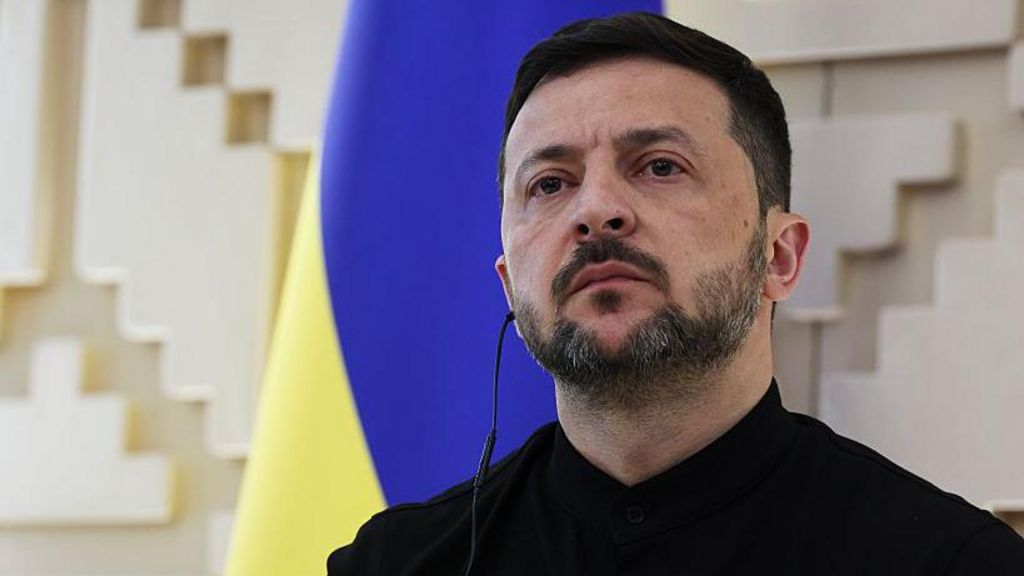
Zelensky warns against giving away territory as latest Ukraine talks end
Recent negotiations in Geneva between the United States and Ukraine, aimed at ending the ongoing conflict with Russia, have concluded with both sides reporting “progress” and a commitment to continue discussions. However, significant challenges remain, particularly regarding territorial disputes and security guarantees for Ukraine. Ukrainian President Volodymyr Zelensky acknowledged the “important steps” taken but emphasized that the primary obstacle to peace talks is Russian President Vladimir Putin’s demand for legal recognition of Russian-occupied territories in eastern Ukraine. Zelensky warned that such recognition would undermine the principles of territorial integrity and sovereignty, potentially rewarding Russia for its aggression. Meanwhile, former US President Donald Trump expressed cautious optimism on social media, stating, “Something good just may be happening,” while advising skepticism until concrete results are seen. The Geneva talks did not include Russian representatives, and the Kremlin stated it had not received any information on the outcomes. Kremlin spokesman Dmitri Peskov noted that Moscow was aware of “adjustments” to a peace plan previously welcomed by Putin. The 28-point peace plan, drafted by US and Russian officials and presented to Ukraine last week, appeared to favor Moscow’s demands, causing concern in Kyiv and among European allies. Trump’s comments suggesting Ukraine had a deadline to accept the deal or face reduced US support added urgency to the discussions. US Secretary of State Marco Rubio described the talks as making “tremendous” progress, expressing confidence in reaching a resolution. However, European leaders, including Polish Prime Minister Donald Tusk and German Chancellor Friedrich Merz, remained cautious, with Merz describing the process as “lengthy” and unlikely to yield immediate breakthroughs. European nations, caught off guard by the US draft peace plan, proposed a counter-proposal excluding recognition of Russian-held territories, increasing Ukraine’s allowed army size, and leaving open the possibility of Ukraine joining NATO. Rubio claimed unawareness of this plan, while Kremlin foreign policy aide Yuri Ushakov dismissed it as “completely unconstructive.” Since Russia’s full-scale invasion of Ukraine in 2022, Moscow has demanded Ukrainian withdrawal from the Donbas region, a condition Kyiv and its European partners reject due to concerns over territorial integrity and sovereignty. Despite recent diplomatic efforts, the next steps remain unclear. Zelensky is expected to speak with Trump soon, after which a revised peace plan may be presented to Moscow. British Prime Minister Sir Keir Starmer emphasized the need for further work to achieve a “just and lasting peace” in Ukraine, with a virtual “coalition of the willing” meeting scheduled to discuss developments.
-

Inner Mongolia launches five-month ice-snow season amid China’s winter tourism push
North China’s Inner Mongolia Autonomous Region has officially launched its five-month ice-snow tourism season, marking a significant step in China’s nationwide push to develop the ice-and-snow economy. The season, which runs from December 20, 2025, to May 2026, will feature 159 cultural activities, 48 sporting events, and 45 themed travel routes, according to local authorities. Key highlights include the 21st Ice and Snow Nadam Fair and the 22nd China-Russia-Mongolia International Ice and Snow Festival in Manzhouli, a border city in Inner Mongolia. This initiative aligns with China’s state-level plan to grow the ice-and-snow economy to a 1.2 trillion yuan ($169 billion) industry by 2027 and 1.5 trillion yuan by 2030. Other regions, such as Heilongjiang, Jilin, and Xinjiang, are also enhancing their winter tourism offerings with expanded attractions, tourism vouchers, and unique incentives like student ‘snow breaks.’ Inner Mongolia cities like Ulanqab and Arxan are promoting local features such as volcanic skiing and snowmobiling, while offering tourism vouchers, ‘ski-hot spring’ combo tickets, and enhanced visitor comfort measures like heated rest areas and extended venue hours.
-
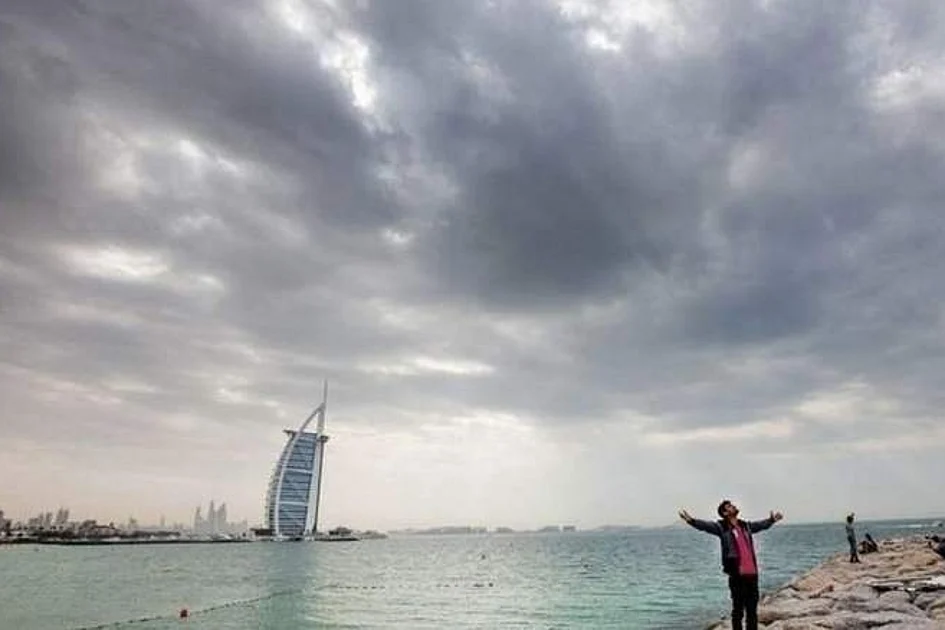
UAE winter officially begins as ‘Darbet Al Ahaymar’ sweeps the region
The United Arab Emirates (UAE) has officially transitioned into its winter season, marked by the arrival of the traditional weather phenomenon known as ‘Darbet Al Ahaymar.’ This seasonal shift, characterized by a significant drop in temperatures and unstable weather conditions, has already brought rainfall and hail to parts of Saudi Arabia, signaling the onset of colder weather across the Arabian Peninsula. In the UAE, temperatures have dipped to as low as 7°C, with rain reported on the western islands. Ibrahim Al Jarwan, Chairman of the Emirates Astronomy Society, confirmed the start of winter during a live podcast on Noor Dubai Radio. He explained that the ‘Duroor’ calendar, which uses stars to predict weather patterns, marks the beginning of winter approximately 100 days after the appearance of the Suhail star. This period, which commenced on November 24, 2025, is expected to last until March 4, 2026. Al Jarwan highlighted that January is anticipated to be the coldest month, with temperatures potentially dropping to 0°C in desert regions. He also projected an average monthly rainfall of about 15 mm during December, January, and February. As cooler weather sets in, residents are expected to flock to the desert for camping and outdoor activities. Al Jarwan emphasized the importance of environmental conservation, urging the public to protect natural habitats, including Ghaf and Samar trees, and the broader desert ecosystem. ‘These natural systems are integral to the UAE’s environment and must be preserved for future generations,’ he stated.
-

Hat trick for Usman Tariq as Pakistan reach tri-series final
Pakistan secured their place in the T20 tri-series final with a commanding 69-run victory over Zimbabwe in Rawalpindi on Sunday. The match was highlighted by a sensational hat trick from off-spinner Usman Tariq, who finished with figures of 4/18. Tariq, playing only his second T20 International, dismissed Tony Munyonga, Tashinga Musekiwa, and Wellington Masakadza in three consecutive deliveries during the 10th over, leaving Zimbabwe reeling at 82 for nine. Despite a valiant unbeaten 67 from Ryan Burl, Zimbabwe were bowled out for 126, chasing Pakistan’s formidable total of 195 for five. Earlier, Babar Azam (74 off 52 balls) and Sahibzada Farhan (63 off 41 balls) laid a solid foundation, while Fakhar Zaman’s quickfire 27 not out off 10 balls provided the finishing touches. Tariq was named man-of-the-match for his match-winning performance. ‘Blessed to have the honor of picking up the hat trick,’ Tariq said, crediting his captain and teammates for their support. Pakistan will now look to clinch the tri-series title in the final.
-

China’s cord blood banks to advance research and treatment
China’s seven provincial-level cord blood banks have unveiled a comprehensive action plan to enhance research and clinical applications of cord blood. The initiative was announced at the 12th Cord Blood Symposium, organized by the Chinese Maternal and Child Health Association in Beijing. The participating banks, officially approved by the National Health Commission, are located in Beijing, Shanghai, Tianjin, and the provinces of Guangdong, Shandong, Sichuan, and Zhejiang.
The action plan focuses on increasing public awareness about cord blood and cell therapy, improving the quality of cord blood collection, and ensuring high standards in processing and cryopreservation. It also aims to promote the use of cord blood in clinical settings and advance research and applications at medical and scientific institutions.
Cord blood, collected from a newborn’s umbilical cord shortly after birth, has significant potential in treating various diseases. Wei Xiaofei, an official from the Beijing cord blood bank, highlighted that China has over 30 years of experience in cord blood storage and application. The seven official banks have collectively stored more than 2.45 million units of cord blood and released over 45,000 units for clinical use.
‘The action plan enables the seven cord blood banks to leverage their respective strengths, collaborate on targeted research, develop high-quality solutions, and jointly accelerate the translation of scientific achievements into clinical practice,’ Wei stated.
Sun Zimin, a professor from the Institute of Hematology & Blood Diseases Hospital at the Chinese Academy of Medical Sciences, noted that cord blood can now be used to treat nearly 80 diseases, including leukemia, aplastic anemia, immunodeficiency disorders, genetic metabolic diseases, and certain neurological conditions. She added that through optimizing pretreatment and supportive care, the stable engraftment rate of cord blood transplantation in clinical practice has risen to over 97 percent.
Sun emphasized the importance of establishing larger and higher-quality public cord blood banks to provide lifesaving opportunities for more patients, especially those in urgent need of a transplant who are unable to find a suitable match.