作者: admin

  • US: Police to release man detained over Brown University mass shooting

    US: Police to release man detained over Brown University mass shooting

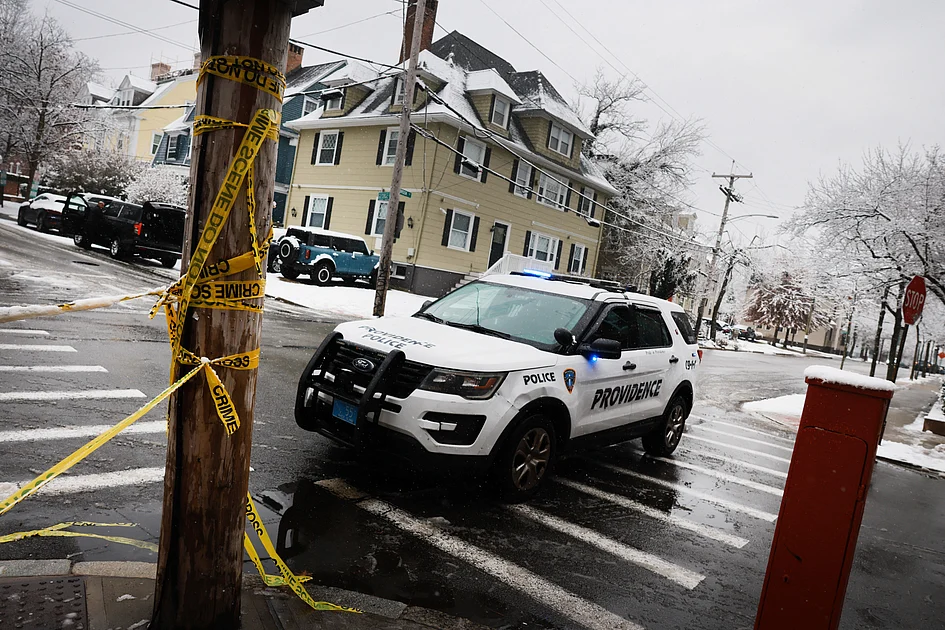
    Rhode Island authorities announced Sunday night the release of a man previously detained as a person of interest in the Brown University mass shooting that resulted in two student fatalities and nine injuries. The decision marks a significant pivot in the investigation just days after the tragic incident rocked the prestigious Ivy League campus.

    Providence Police Chief Oscar Perez had initially confirmed the apprehension of a man in his 20s during a midday press conference, but provided scarce details regarding the detention. The turnaround came hours later when Providence Mayor Brett Smiley joined state officials in announcing the individual’s release, indicating the investigation had progressed in a “different direction.”

    Rhode Island Attorney General Peter Neronha clarified that while initial evidence justified the detention, subsequent investigation revealed “no basis to believe that he’s a person of interest.” Authorities confirmed they continue to pursue an unidentified individual captured in surveillance footage near the engineering building where the shooting occurred.

    The shooting unfolded Saturday in Brown’s Barus Holley engineering and physics building during final examinations, with outer doors reportedly left unlocked. Witness accounts describe sudden gunfire that sent students scrambling for safety, with some taking shelter in nearby apartments while others endured five-hour lockdowns.

    University President Christina Paxson confirmed nearly all victims were students, canceling remaining exams and classes for the year. The campus remained quiet Sunday under a blanket of light snow as the community grappled with the tragedy—one of nearly 400 mass shootings recorded in the United States this year according to the Gun Violence Archive.

    Despite the ongoing manhunt, authorities lifted shelter-in-place orders for the campus and surrounding community Sunday. Mayor Smiley encouraged residents to attend a previously scheduled holiday tree lighting ceremony, noting “if we can come together as a community and shine a little bit of light tonight, I think there’s nothing better that we could be doing.”

  • Some Indigo flights cancelled, delayed as dense fog hits Delhi and north India airports

    Some Indigo flights cancelled, delayed as dense fog hits Delhi and north India airports

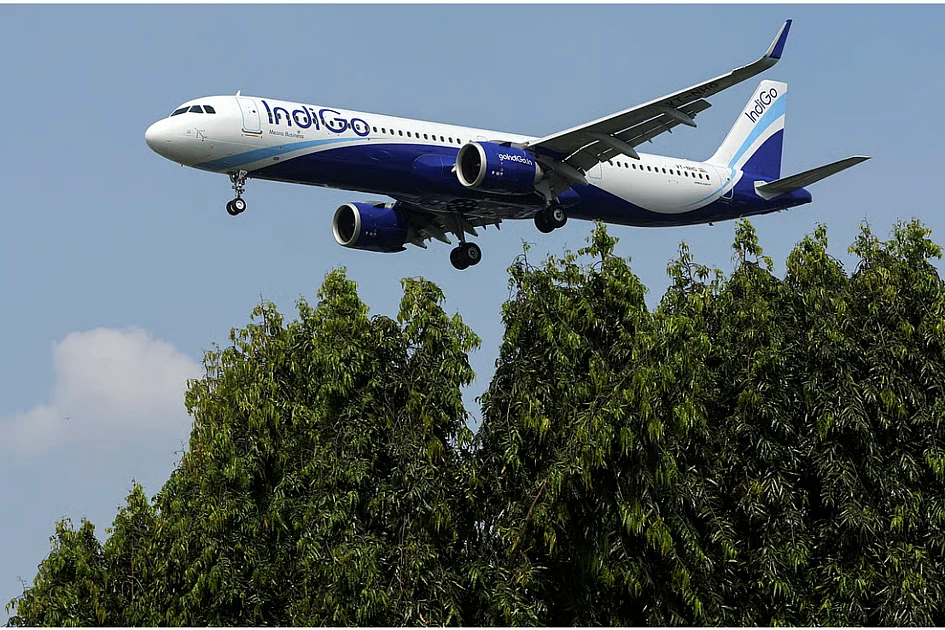
    Severe fog conditions combined with hazardous smog levels have crippled aviation operations across northern India, forcing IndiGo Airlines to implement widespread flight cancellations and significant delays. The budget carrier confirmed Monday that prolonged low visibility during morning hours has severely impacted air traffic movement at Delhi International Airport and multiple regional facilities.

    In an official statement released on social media platform X, IndiGo explained that selective cancellations were necessary to maintain operational safety throughout the remainder of the day. The airline has activated comprehensive passenger communication protocols, utilizing WhatsApp and email notifications to inform affected travelers about available rebooking options and full refund procedures.

    ‘We recognize the substantial inconvenience caused by weather-related disruptions, particularly during peak travel periods, and deeply regret any impact on passenger itineraries,’ the airline expressed in their communiqué. Travelers have been advised to continuously monitor flight status updates through official digital channels while airport teams work to restore normal operations as visibility conditions improve.

    Meteorological experts note that while winter fog occurs naturally, Delhi’s critically poor air quality has dramatically intensified the phenomenon. The capital region recorded its worst air quality readings of the season on December 14th, with the Central Pollution Control Board reporting index values exceeding 450 at multiple monitoring stations—categorizing air conditions as ‘severe.’

    This environmental crisis prompted India’s Commission for Air Quality Management to implement Stage Four restrictions—the highest emergency level under the Graded Response Action Plan. These measures include prohibiting older diesel vehicles from entering the city, suspending all construction activities, and implementing hybrid education models.

    The Delhi metropolitan area, home to approximately 30 million residents, experiences annual winter smog episodes as atmospheric conditions trap emissions from vehicles, construction projects, and agricultural burning practices. Health authorities have issued advisories recommending vulnerable populations, including children and individuals with respiratory conditions, to minimize outdoor exposure and utilize protective masks when necessary.

  • Smooth end to Messi India tour after Kolkata chaos

    Smooth end to Messi India tour after Kolkata chaos

    Football icon Lionel Messi concluded his tumultuous three-day promotional tour across India on Monday, culminating in a Delhi stadium event overshadowed by earlier chaos in Kolkata. The Inter Miami forward’s visit—marking his first return to India since 2011—unfolded against a backdrop of extreme fan devotion and operational missteps.

    The tour commenced disastrously in Kolkata on Saturday when enraged supporters vandalized Salt Lake Stadium after failing to secure clear views of the Argentinian legend. Fans who had paid up to 12,000 rupees (£100) for tickets tore up seating and hurled objects onto the pitch as Messi was swiftly escorted through celebrity crowds. Local media described the scene as a ‘battlefield’ resulting from poor event management and security failures. The incident prompted the arrest of Kolkata event organizer Satadru Dutta, who faces 14 days police custody.

    Despite the turbulent start, Messi’s subsequent appearances in Hyderabad and Mumbai proceeded smoothly. The football superstar engaged in promotional activities including virtual unveiling of a 70-foot statue in Kolkata, exhibition matches with children, and meetings with Indian cultural icons. His notable engagements included Bollywood star Shah Rukh Khan, cricket legend Sachin Tendulkar, and opposition leader Rahul Gandhi.

    Monday’s Delhi finale saw thousands of supporters braving polluted conditions to witness Messi alongside teammates Luis Suárez and Rodrigo De Paul. The event featured ball-kicking demonstrations, youth training sessions, and autograph signings, though the itinerary was shortened due to weather-related flight delays from Mumbai.

    The tour highlighted both India’s passionate football culture and the challenges of managing global sporting events in the country. While Messi’s appearances drew immense crowds nationwide, the Kolkata incident revealed significant gaps in celebrity event coordination and security protocols.

  • Workers build giant snowman in Heilongjiang

    Workers build giant snowman in Heilongjiang

    In a spectacular display of winter craftsmanship, construction teams in Harbin have erected a monumental snow sculpture reaching unprecedented dimensions. The massive snowman, standing at 19 meters (approximately 62 feet), now dominates the landscape at Qunli Music Park in Northeast China’s Heilongjiang province.

    Documented through aerial drone photography on December 14, 2025, this frosty giant represents a significant engineering achievement in seasonal art. Construction crews utilized approximately 3,000 cubic meters of meticulously compacted snow to create this seasonal marvel, demonstrating remarkable precision in both design and execution.

    The 2025 installation surpasses previous records set by the city’s winter attractions, specifically exceeding last year’s creation by a full meter in height. This incremental but symbolically important improvement continues Harbin’s tradition of pushing the boundaries of winter construction and ice sculpture artistry.

    The project forms part of Harbin’s broader winter tourism strategy, which has established the city as an international destination for cold-weather attractions and architectural innovations using natural frozen materials. Such installations typically serve as centerpieces for the city’s famous winter festival, drawing visitors from across China and beyond.

    Local authorities and tourism boards have increasingly leveraged these seasonal constructions to showcase human ingenuity in harmonizing with extreme weather conditions while promoting cultural exchange through public art installations.

  • What we know about the Bondi gunmen

    What we know about the Bondi gunmen

    In a devastating terrorist assault that has shaken Australia, two gunmen identified as father and son unleashed firearm violence upon hundreds celebrating Hanukkah at Sydney’s iconic Bondi Beach on Sunday. The attack resulted in 15 fatalities and left 27 hospitalized with injuries, marking the nation’s deadliest mass shooting in decades.

    Authorities confirmed the perpetrators as Sajid Akram, 50, who was killed during an exchange of gunfire with police, and his son Naveed Akram, 24, currently hospitalized under police guard with critical injuries. The assault specifically targeted Jewish participants and is being investigated as a terrorist incident by Australia’s Joint Counter Terrorism Team.

    Among the victims were a 10-year-old girl, a Holocaust survivor, and two rabbis, highlighting the deliberate targeting of the Jewish community during the festival celebrations.

    Prime Minister Anthony Albanese revealed that while Naveed Akram had previously drawn attention from the Australian Security Intelligence Organisation (ASIO) in 2019, assessments at the time concluded no imminent threat of violence. Both gunmen acted independently without connections to broader extremist networks, though investigators discovered two Islamic State flags and improvised explosive devices in their vehicle.

    Home Affairs Minister Tony Burke disclosed that Sajid Akram entered Australia on a student visa in 1998, later transitioning to permanent residency, while his son was an Australian-born citizen. The elder Akram had legally obtained six firearms through recreational hunting licenses, all recovered from the crime scene.

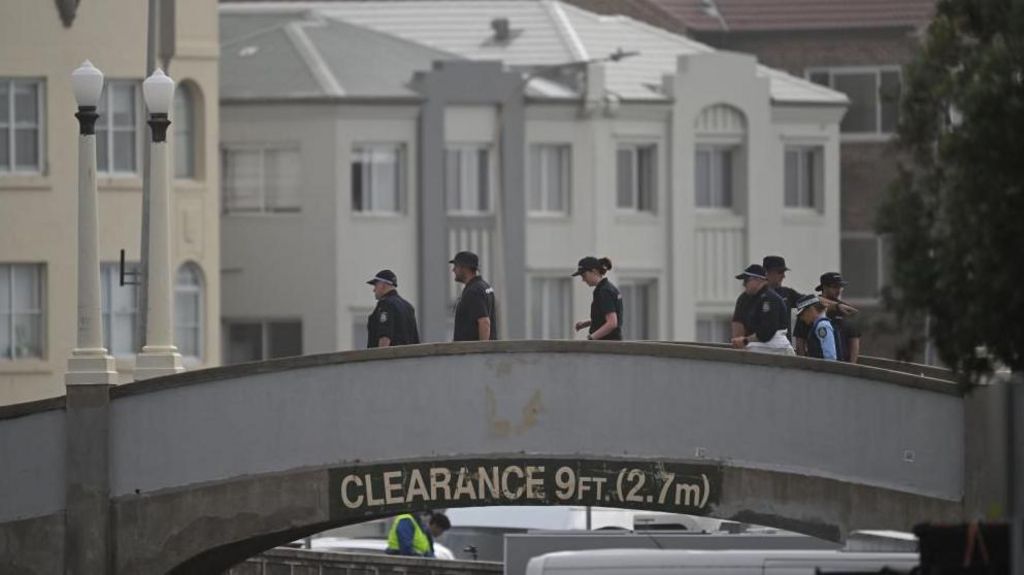
    The attackers utilized a small bridge as a firing position, employing long-barrelled weapons during the assault. Prior to the attack, the pair had relocated from their Bonnyrigg family home to an Airbnb in Campsie, telling relatives they were embarking on a fishing trip.

    Islamic community leaders condemned the violence, with Al Murad Institute founder Adam Ismail emphasizing that the Quran explicitly forbids such attacks, stating that taking innocent life equates to killing all of humanity.

  • Iran hosts regional talks on Afghanistan but Kabul stays away

    Iran hosts regional talks on Afghanistan but Kabul stays away

    TEHRAN, Iran — In a significant diplomatic gathering that notably excluded its central subject, Afghanistan’s neighboring nations convened in Tehran to strengthen regional cooperation addressing the multifaceted challenges facing the war-torn country. The meeting, orchestrated by Iran and attended by China, Pakistan, Tajikistan, Uzbekistan, Turkmenistan, and Russia, produced a consensus on enhancing coordination across political, economic, and security domains while advocating for the removal of international sanctions against Afghanistan.

    The Taliban-led government, though invited, opted against participation, offering limited explanation through its foreign ministry. Officials indicated that Kabul prefers to maintain its existing regional engagement channels through established organizations, claiming substantial progress through these formats.

    Despite Afghanistan’s conspicuous absence, participating nations emphasized the critical importance of sustaining economic and trade relationships with Kabul to alleviate deteriorating living conditions. The collective statement urged Afghanistan’s integration into regional political and economic frameworks while addressing shared security concerns including terrorism, narcotics trafficking, and human smuggling. Participants unanimously opposed any foreign military presence in Afghan territory.

    The conference particularly highlighted the international community’s responsibility to lift crippling sanctions and release frozen Afghan assets, with additional calls for humanitarian organizations to support the dignified repatriation of refugees from neighboring countries. Attention also turned to reducing tensions between Afghanistan and Pakistan, where recent border clashes have resulted in numerous casualties among civilians, soldiers, and suspected militants.

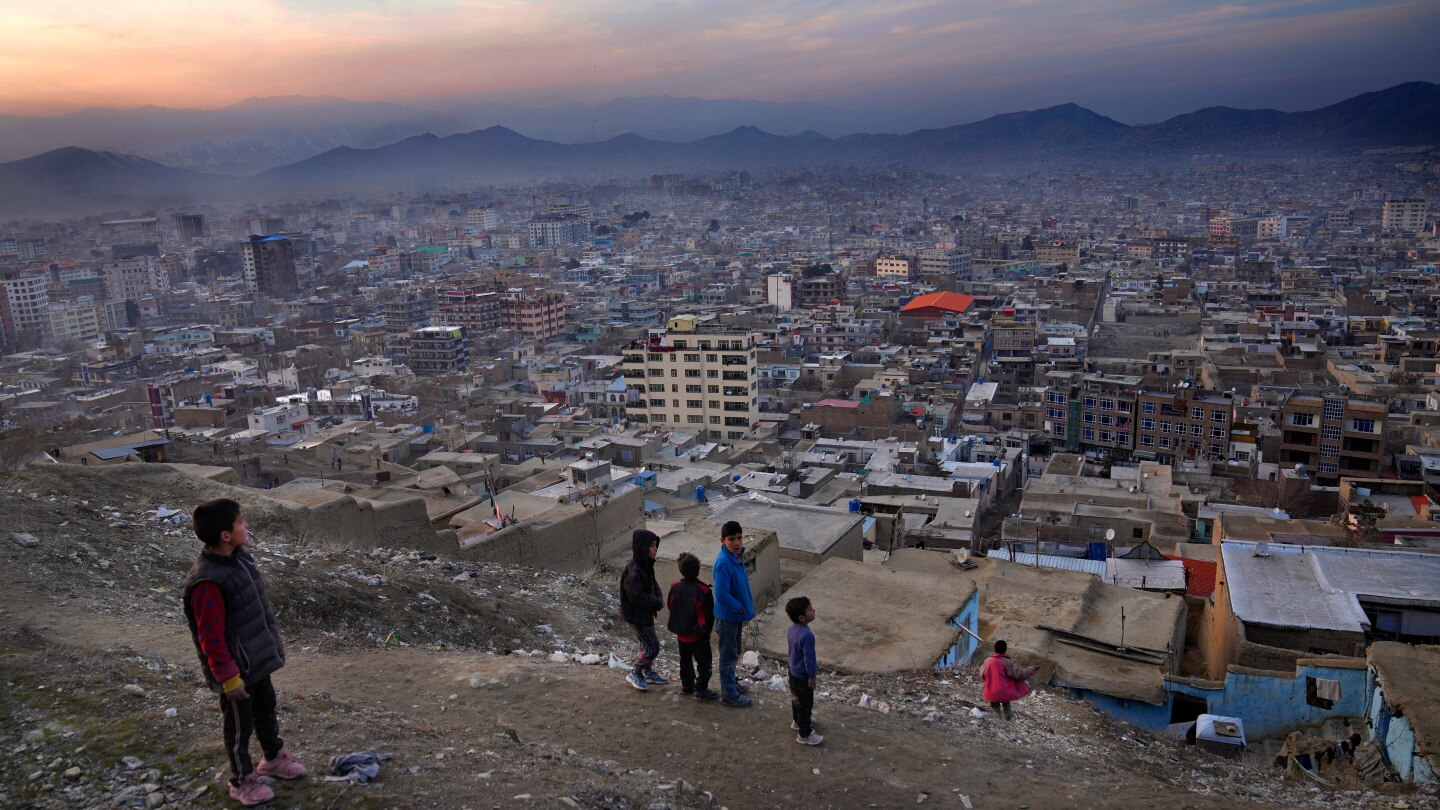
    While the Taliban government has developed diplomatic relationships since retaking power in August 2021 and now generates billions in annual tax revenues, Afghanistan’s economy remains in critical condition. Millions depend on international aid for survival, with natural disasters and refugee flows exacerbating humanitarian needs. The country’s economic struggles are compounded by the international community’s refusal to formally recognize the Taliban regime following the chaotic withdrawal of U.S.-led forces.

    Pakistani representatives expressed disappointment with Kabul’s absence, with former special representative Asif Durrani characterizing the decision as demonstrating ‘lack of political maturity’ and reinforcing concerns about the Taliban’s unwillingness to negotiate regional solutions. Participants agreed to convene foreign ministers in Ashgabat, Turkmenistan, and hold special envoys’ talks in Islamabad this March, continuing efforts to engage Afghanistan despite its current reluctance.

  • Fear of crime and migration fuels Chile’s swing to the right

    Fear of crime and migration fuels Chile’s swing to the right

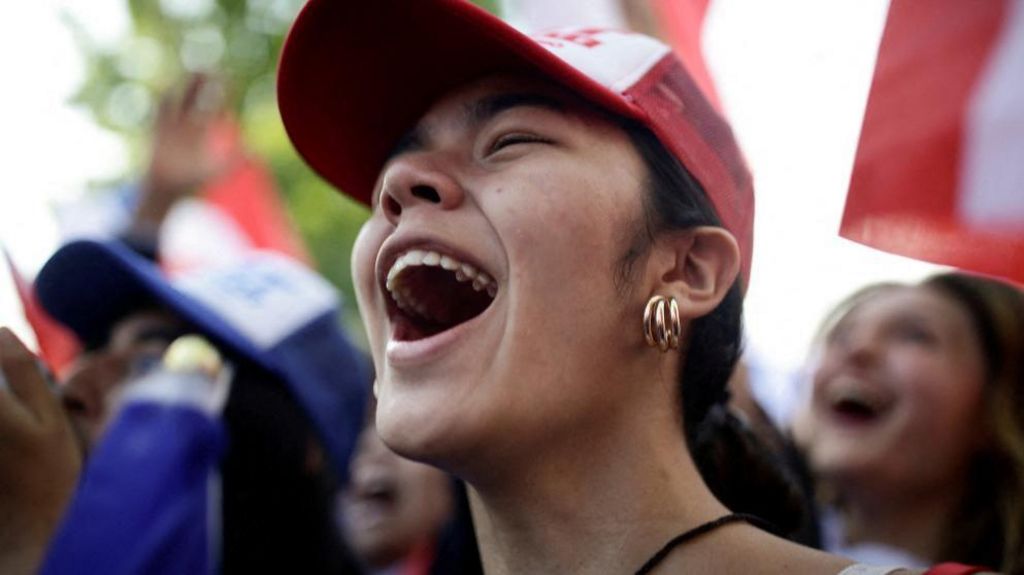
    Chile has elected hardline conservative José Antonio Kast as its next president, marking a dramatic political shift that aligns the nation with a growing bloc of right-wing governments across Latin America. The election outcome reflects profound voter anxieties over security, immigration, and crime that have unraveled Chile’s traditional image as a regional bastion of stability.

    Kast, a 59-year-old conservative who has drawn both criticism and support for his family’s connections to Chile’s authoritarian past, secured victory by promising an “emergency government” approach to the nation’s challenges. His campaign rhetoric emphasized strict immigration controls, including proposed border walls and mass deportations of undocumented migrants, while simultaneously pledging to avoid authoritarianism despite his admiration for former dictator Augusto Pinochet.

    The president-elect’s victory places Chile alongside Argentina, Bolivia, Costa Rica, Ecuador, El Salvador, and Panama in a continental trend that has seen nations swing decisively from left to right governance. This political realignment is largely driven by widespread concerns over economic instability, corruption within previous leftist administrations, and escalating security issues.

    Kast’s messaging particularly resonated with voters concerned about Chile’s rapidly changing demographic landscape. Government statistics reveal a 46% increase in the foreign-born population since 2018, with approximately 336,000 undocumented migrants now residing in the country—many fleeing Venezuela’s economic collapse. This rapid transformation has created social tensions and fears about crime, despite data showing murder rates have actually declined since 2022.

    While Kast promises to implement Trump-style “iron fist” policies, including military deployment to borders and aggressive social media promotion of his crackdowns, practical implementation faces significant hurdles. Venezuela currently refuses to accept deportees from Chile, and the nation’s economy relies heavily on migrant labor in sectors ranging from agriculture to hospitality.

    Business owners like Carlos Alberto Cossio, a Bolivian national operating in Chile for 35 years, warn that mass deportations would severely impact economic productivity and increase costs. Meanwhile, migrants like Venezuelan waiter Gabriel Funez describe living in legal limbo, fearing both deportation and rising xenophobia validated by Kast’s rhetoric.

    The new president will also face political challenges, as his party lacks a congressional majority, requiring compromise on proposals for tougher sentencing and maximum-security prisons. Ultimately, Kast’s victory represents how perceptions of control may matter as much as actual policy results for voters across a continent grappling with interconnected crises of security, migration, and economic uncertainty.

  • Heard of ‘chief dog officer’? Dubai sees rise in pet-friendly communities

    Heard of ‘chief dog officer’? Dubai sees rise in pet-friendly communities

    Dubai is witnessing a significant transformation in urban community planning, with pet-friendly initiatives becoming a central feature of residential life. The trend is exemplified by the innovative ‘Chief Dog Officer’ (CDO) program recently launched in Jumeirah Lake Towers (JLT), where a community competition selected a canine ambassador to represent the neighborhood for a one-year term.

    This initiative reflects a broader cultural shift in the United Arab Emirates, where accommodating pets is increasingly prioritized in urban development. The selected CDO’s responsibilities include welcoming new four-legged residents and their owners, promoting responsible pet etiquette in communal spaces, and highlighting local pet-centric businesses and amenities.

    Beyond JLT, Dubai’s landscape is evolving to accommodate pet owners with specialized infrastructure. Palm Jumeirah’s Golden Mile Galleria shopping center and the W Hotel now welcome pets, while The Greens community features multiple pet-accessible areas. The Zabeel House hotel has broken new ground by incorporating two dog-friendly restaurants, complete with a dedicated elevator for canine patrons.

    Recreational options have expanded considerably with Dubai Islands Beach introducing the emirate’s first dedicated dog beach park in 2023. The 460-square-meter facility features agility equipment, obstacle courses, and designated off-leash swimming areas, complemented by pet showers and drinking fountains. The venue recently hosted the Woofstock festival, further cementing Dubai’s commitment to pet-inclusive community events.

    Digital platforms like Doggie Adventures and Flopster have emerged to support this growing demographic, providing directories of pet-friendly establishments and organizing social gatherings. These developments respond to increasing demand from residents like Sadia Ahmed, who relocated to Emirates Hills specifically for its pet-welcoming environment after struggling to find accommodating housing in older neighborhoods.

    The comprehensive approach—encompassing housing, commerce, recreation, and digital infrastructure—signals Dubai’s maturation into a truly pet-inclusive metropolis, setting new standards for urban living in the region.

  • UAE real estate trend: Creator-ready homes redefine residential design for digital economy

    UAE real estate trend: Creator-ready homes redefine residential design for digital economy

    A transformative shift is underway in United Arab Emirates residential real estate as developers respond to the explosive growth of the creator economy by designing specialized ‘creator-ready’ homes. This emerging housing category represents a fundamental reimagining of residential spaces to accommodate the professional needs of digital content producers.

    With the global creator economy valued at approximately $250 billion and projected to reach $480 billion by 2027 according to Goldman Sachs, and over 165 million new creators entering the space since 2020 per Adobe’s research, the UAE presents an exceptionally ripe market. DataReportal confirms the nation achieved 99% internet penetration with 11.3 million users in 2026, while maintaining a remarkable 112% social media adoption rate indicating multiple profiles per user.

    These demographic realities have created unprecedented demand for residential properties that function as production studios. Unlike traditional home offices, creator-ready homes prioritize acoustic optimization through double-insulated walls, specialized HVAC systems, and acoustic paneling to ensure professional-grade audio recording capabilities. Visual production needs are addressed through strategically oriented windows for consistent natural lighting, neutral wall shades, modular backdrop systems, and in some pioneering developments, integrated LED walls for digital background versatility.

    The infrastructure requirements extend beyond aesthetics to practical considerations. These homes feature dedicated equipment storage with padded compartments, advanced cable management systems, built-in charging stations, and enhanced electrical systems capable of supporting multiple high-wattage production devices. Connectivity receives particular attention with mesh WiFi systems and enterprise-grade networking infrastructure to facilitate large file uploads and uninterrupted streaming.

    Real estate professionals in Dubai and Abu Dhabi report a significant portion of younger buyers and renters—estimated at one in three—now evaluate properties primarily through the lens of content creation suitability. This includes assessing layout flexibility, acoustic privacy, lighting conditions, and technical infrastructure before making purchasing decisions.

    The trend presents substantial opportunities for developers to differentiate offerings in a competitive market. Properties with creator-friendly features command premium interest, particularly among Gen Z and millennial demographics who increasingly view digital production capabilities as essential to their career identity and lifestyle. Co-living operators similarly report high utilization rates of shared podcast studios, photography zones, and creator suites during evenings and weekends.

    As the UAE continues to expand freelance permits for digital professionals and content creators, this housing evolution appears positioned for sustained growth. The convergence of ultra-high digital adoption rates, favorable regulatory frameworks, and generational career shifts suggests creator-ready homes will become increasingly mainstream rather than a niche offering, fundamentally reshaping residential design priorities for the foreseeable future.

  • Father and son behind Bondi Beach shooting that killed 15, Australian police say

    Father and son behind Bondi Beach shooting that killed 15, Australian police say

    Australian authorities have identified the perpetrators behind Sunday’s devastating mass shooting at Sydney’s Bondi Beach as a father-son duo, marking the nation’s deadliest firearm violence incident in nearly three decades. The attack, which targeted a Jewish Hanukkah celebration, has been officially classified as an antisemitic terrorist act.

    According to New South Wales police commissioner Mal Lanyon, the 50-year-old father died at the crime scene while his 24-year-old son remains hospitalized in critical condition. Though police have not formally released identities, local media outlets identified them as Sajid and Naveed Akram respectively. The father had maintained a firearms license since 2015 and legally owned six weapons.

    The horrific episode unfolded over approximately ten minutes on Sunday evening, sending hundreds of beachgoers scrambling for safety across the iconic shoreline. Among the victims, aged between 10 and 87 years old, forty individuals required hospitalization including two police officers in serious but stable condition.

    A remarkable act of bravery emerged from the chaos as Ahmed al Ahmed, a 43-year-old fruit shop owner, tackled and disarmed one of the gunmen despite sustaining two gunshot wounds. His heroic intervention, captured on video, prompted an outpouring of public support with over A$350,000 raised for his medical expenses by Monday afternoon.

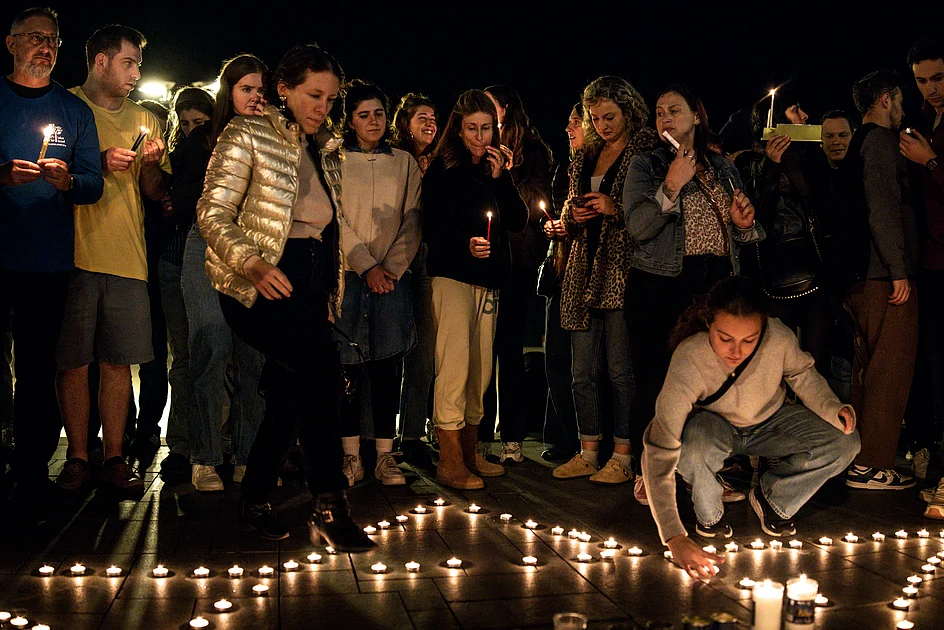
    Prime Minister Anthony Albanese visited the attack site Monday, condemning the “act of pure evil” and pledging national solidarity with Australia’s Jewish community. “We will do whatever is necessary to stamp out antisemitism,” Albanese declared, announcing plans for citizens to light candles in symbolic defiance of darkness.

    The investigation revealed the elder suspect arrived in Australia on a student visa in 1998, while his son was born as an Australian citizen. Security remains heightened at the family’s Bonnyrigg residence, 36 kilometers west of Sydney’s central business district.

    This tragedy represents Australia’s most severe mass shooting since the 1996 Port Arthur massacre that claimed 35 lives. The incident has triggered international condemnations from world leaders including U.S. President Donald Trump and France’s Emmanuel Macron, while prompting enhanced security measures at Jewish events globally.