作者: admin

  • Healthcare, AI, education and space set to lead Japan and UAE bilateral ties

    Healthcare, AI, education and space set to lead Japan and UAE bilateral ties

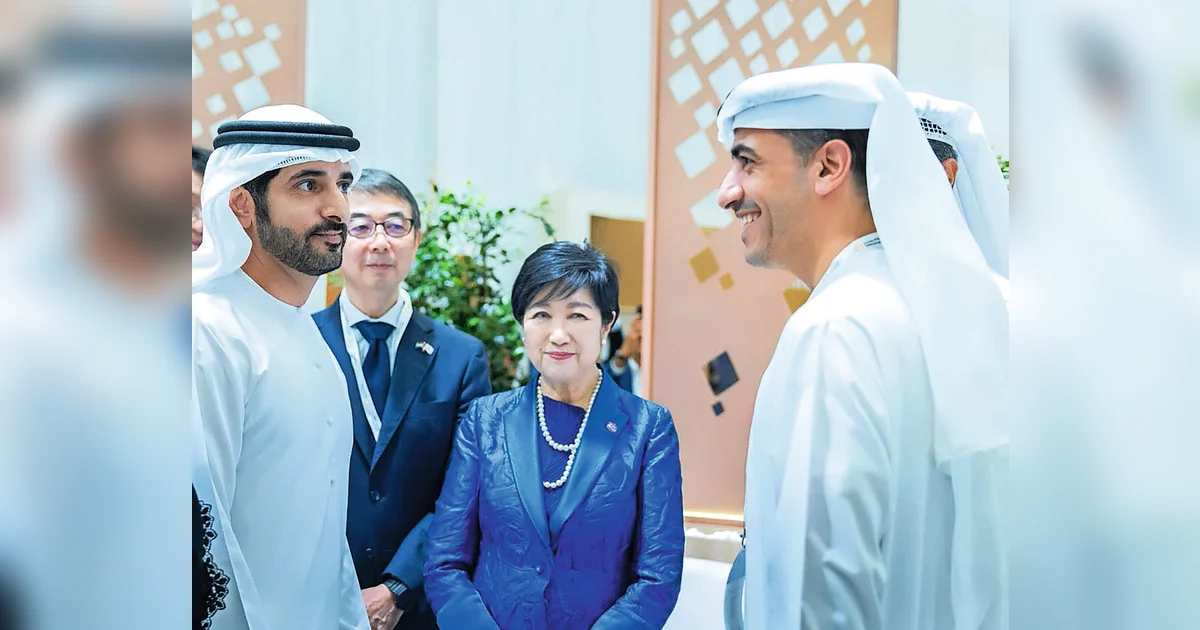
    Japan and the United Arab Emirates are embarking on a transformative bilateral partnership, with advanced negotiations underway for a comprehensive Economic Partnership Agreement (EPA). This strategic alignment aims to deepen cooperation across cutting-edge sectors including artificial intelligence, healthcare innovation, space exploration, and education reform.

    Jun Imanishi, Consul-General of Japan in Dubai and the Northern Emirates, revealed that both nations are leveraging their unique strengths under the Comprehensive Strategic Partnership Initiative (CSPI). “Japan represents a global hub for technological development offering exceptional investment opportunities within a secure environment,” Imanishi stated, emphasizing the country’s skilled, process-driven workforce and stable political landscape.

    The partnership architecture extends beyond traditional economic ties. In healthcare, collaboration focuses on addressing shared challenges through advanced medical technologies and Japanese expertise in disease prevention. The AI partnership targets societal issues including aging populations and physical disabilities, with joint research initiatives already underway between the Japan Science and Technology Agency and Dubai Future Foundation in cybernetic avatars.

    Space exploration emerges as another critical dimension, building upon existing cooperation in renewable energy and sustainability. The upcoming International Horticultural Exposition (GREEN×EXPO 2027) in Yokohama will further showcase joint environmental initiatives.

    Investment flows are receiving significant impetus through Japan’s Programme for Promotion of Foreign Direct Investment, which targets 120 trillion yen ($810 billion) by 2030. The UAE’s extensive network of over 40 free zones—30 in Dubai alone—provides ideal infrastructure for Japanese companies seeking Middle Eastern market access. Currently, more than 300 Japanese corporations maintain regional headquarters in Dubai and the Northern Emirates.

    Cultural and educational exchanges form the foundation for long-term relationship building. Youth exchange programs between Tokyo and UAE schools continue to expand, while relaxed visa regulations now permit UAE citizens 90-day stays in Japan. Artistic collaborations include innovative exhibitions blending traditional Japanese arts like ikebana, koto performances, and calligraphy with modern technologies.

    The partnership demonstrates how nations with complementary strengths can create synergistic growth models while addressing global challenges through technological innovation and cultural exchange.
  • Indian expat honoured by UAE President for making donations despite modest income

    Indian expat honoured by UAE President for making donations despite modest income

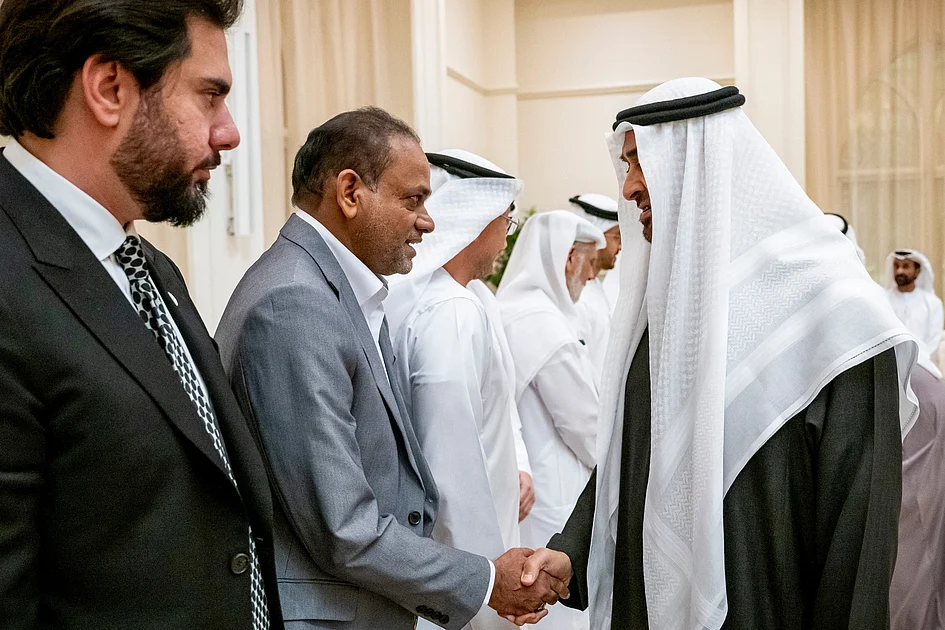
    In a remarkable ceremony at Qasr Al Bahr in Abu Dhabi, UAE President Sheikh Mohamed bin Zayed Al Nahyan presented honors to Sheikh Shakil, an Indian expatriate residing in Al Ain for 21 years, for his exceptional philanthropic contributions. Despite his limited financial resources, Shakil made 42 separate donations to the Life Endowment campaign, both in his name and on behalf of family members.

    The recognition ceremony, organized by the Authority of Awqaf and Minors’ Funds Affairs in Abu Dhabi (Awqaf Abu Dhabi), highlighted Shakil’s story to demonstrate that the endowment initiative receives support from donors across all socioeconomic backgrounds. ‘When Awqaf Abu Dhabi first contacted me about the recognition, I was truly surprised,’ Shakil expressed. ‘I never imagined that my contributions would lead to being honored by the President of the UAE. Attending the ceremony was an unforgettable moment that reminded me of the values this country was built upon—generosity, compassion and caring for one another.’

    Established in May 2023, Awqaf Abu Dhabi serves as the central authority promoting and developing the endowment sector through strategic investments and partnerships aligned with sustainability values. The organization manages endowment processes while also overseeing financial guardianship and wealth development for minors and other vulnerable groups, contributing to greater financial and social inclusion.

    The Life Endowment campaign specifically focuses on creating sustainable funding for medical treatment of chronic illness patients who cannot afford care costs. Beyond immediate medical support, the initiative works to enhance long-term healthcare services, improve community wellbeing, and build more resilient societies through endowment practices that transcend traditional charitable giving.

  • Emirati, Indian winners take home Dh500,000 in weekly Big Ticket draw

    Emirati, Indian winners take home Dh500,000 in weekly Big Ticket draw

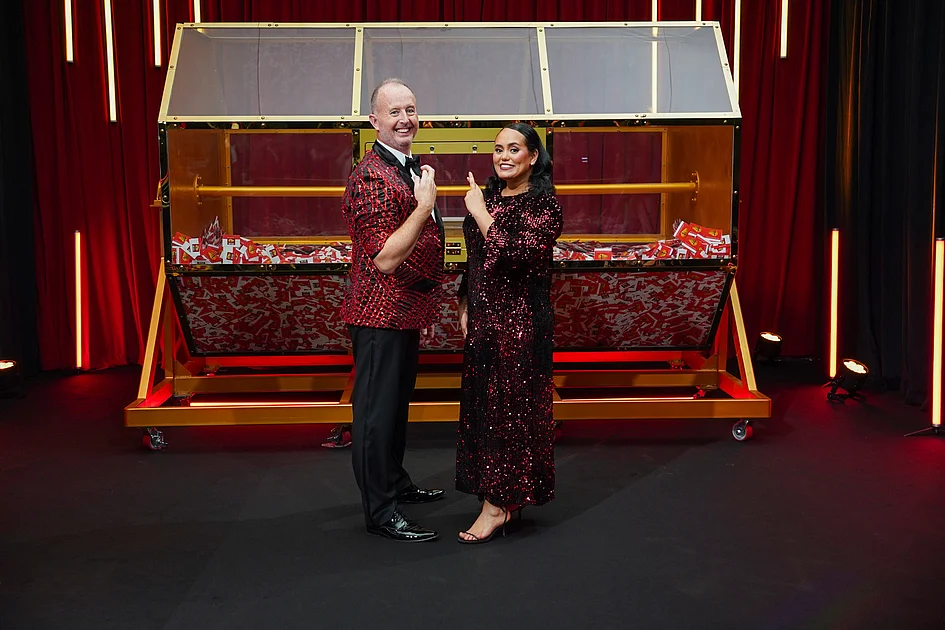
    In the second weekly electronic draw of December, Big Ticket has distributed Dh500,000 among five fortunate winners comprising one Emirati national and four Indian expatriates. Each recipient secured Dh100,000, sparking celebrations across the UAE and beyond.

    The winners’ circle includes Ali Alkaabi from Abu Dhabi, who expressed sheer delight during the live announcement call, though he hasn’t finalized plans for his windfall. Among the Indian winners, computer educator Ritesh Dhanak revealed he initially suspected the winning notification was fraudulent after 15 years of consistent participation. The Dubai resident of three decades intends to allocate his prize toward family vacations and his daughter’s educational expenses.

    Finance analyst Ajay Kumar, another winner from Kerala, recognized the distinctive voice of Big Ticket’s representative Richard during the fateful call while driving. Kumar’s winning ticket was part of a ten-person syndicate, meaning each member will receive Dh10,000. Meanwhile, civil engineer Shakil Ahmad Nazrul Haque, residing in Fujairah, plans to immediately transfer his winnings to family in Bihar, India, to commence construction of a new home.

    The December series continues with three additional weekly e-draws, maintaining the Dh100,000 per winner structure and accumulating a total prize pool of Dh1.5 million. The organization has also announced its flagship January 3 live draw featuring a monumental Dh30 million grand prize alongside consolation awards of Dh50,000 for five runners-up.

    A special ‘Big Win Contest’ offers additional opportunities for participants purchasing multiple tickets between December 1-24, with four selected entrants guaranteed prizes ranging from Dh50,000 to Dh150,000 during the January live event. Luxury vehicles including a BMW 430i (January) and BMW X5 (February) complement the substantial cash prizes.

    Ticket acquisition remains available through Big Ticket’s official website and physical counters at Zayed International Airport and Al Ain Airport, maintaining accessibility for international participants and UAE residents alike.

  • How Bondi’s Hanukkah festival turned from joy to horror within minutes

    How Bondi’s Hanukkah festival turned from joy to horror within minutes

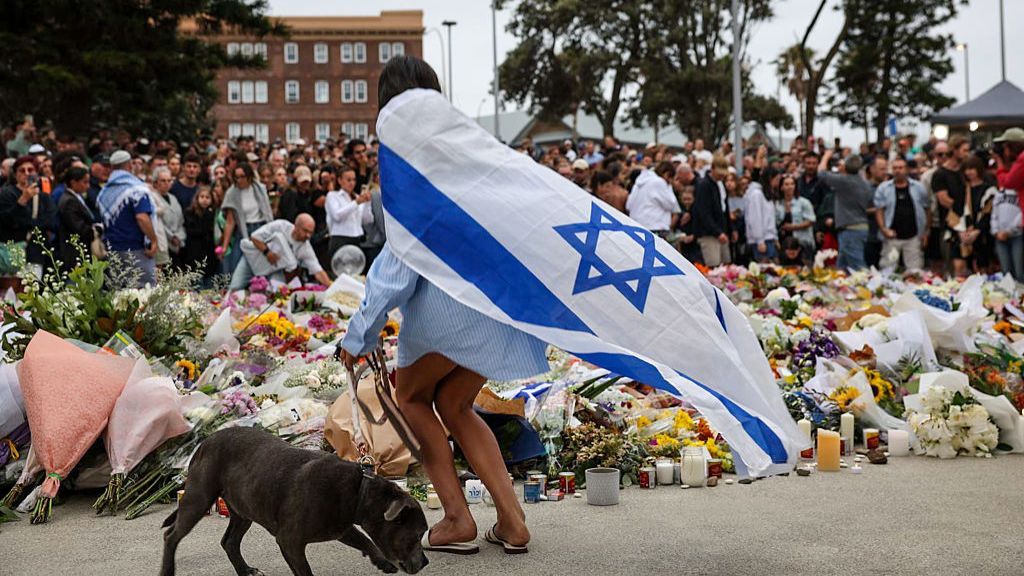
    A festive Hanukkah celebration at Sydney’s iconic Bondi Beach descended into chaos and tragedy when two gunmen opened fire on crowds gathered for the Jewish festival of lights. What began as an evening of joy and community spirit on a scorching summer afternoon rapidly transformed into a scene of horror that left at least 15 dead and dozens injured.

    The attack commenced around 17:00 local time as Jewish families gathered in a beachside park for the traditional celebration. Witnesses describe how festive music was abruptly replaced by screams and gunshot echoes, with the first emergency call to police logged at 18:47. Verified video footage captures the surreal juxtaposition of upbeat Hanukkah music playing while panicked attendees crouched for cover as shots rang out at one-second intervals.

    Two identified perpetrators—50-year-old Sajid Akram and his 24-year-old son Naveed—allegedly positioned themselves on an elevated pedestrian bridge overlooking the celebration. From this vantage point, they employed what firearms experts identified as sporting shotguns to target the crowd below. The attackers maintained coordinated fire, with one remaining on the bridge while the other advanced toward the park on foot.

    The violence sparked mass panic that spread from the park to the beach itself, with terrified sunbathers and swimmers fleeing in all directions. The ensuing chaos witnessed vehicle collisions as people desperately attempted to escape the area, while emergency sirens and car horns filled the air.

    A critical turning point occurred when a bystander, later identified as Ahmed al Ahmed, successfully disarmed Sajid Akram after catching him off guard near parked cars. Despite being shot twice during the confrontation, Ahmed wrestled the firearm away and was subsequently hailed by New South Wales Premier Chris Minns for saving ‘countless lives’ through his heroic intervention.

    The attack concluded approximately seven-and-a-half minutes after initiation when police neutralized both suspects. Sajid Akram was pronounced dead at the scene, while his critically injured son was transported to a medical facility under guard. Subsequent investigations revealed the elder Akram legally owned six registered firearms under a recreational license, while reports emerged of authorities previously examining Naveed’s connections to a Sydney-based Islamic State cell in 2019—though no ongoing threat had been identified.

    In the aftermath, police raided the perpetrators’ Bonnyrigg residence, approximately one hour from Bondi Beach, arresting three individuals who were later released without charge. The investigation continues to examine the attackers’ motivations and the provenance of their weapons as the community grapples with the trauma of Australia’s deadliest mass shooting in recent history.

  • ‘It’s outrageous’ – JetBlue pilot decries near collision with US military aircraft

    ‘It’s outrageous’ – JetBlue pilot decries near collision with US military aircraft

    A potentially catastrophic aviation incident involving a US Air Force refueling tanker and a JetBlue commercial flight is under formal investigation after the aircraft came dangerously close to colliding near Venezuelan airspace. The event occurred when the passenger jet, en route from Curaçao to New York’s JFK International Airport, was forced to abruptly halt its ascent to avoid the military aircraft.

    According to audio recordings from the cockpit, the JetBlue pilot reported the military aircraft passed directly through their flight path at identical altitude with an estimated separation of just two to five miles. The situation was critically exacerbated by the Air Force tanker’s transponder being deactivated, preventing air traffic control from tracking its position accurately. “We almost had a midair collision up here,” the pilot stated. “They passed directly in our flight path… They don’t have their transponder turned on, it’s outrageous.”

    The incident has prompted responses from multiple agencies. US Southern Command confirmed the near-miss is under review, while JetBlue acknowledged in an official statement that their crew reported the incident to airline leadership and pledged full cooperation with any investigation. An Air Force spokesperson told CBS News that while they are aware of the incident, military aircrews are “highly trained professionals who operate in accordance with established procedures and applicable airspace requirements.”

    This alarming encounter occurs against a backdrop of heightened aviation security concerns. The Federal Aviation Administration issued an official warning last month urging US aircraft to “exercise caution” in Venezuelan airspace due to “worsening security situation and heightened military activity” in the region. The incident raises significant questions about military-civilian airspace coordination and protocol compliance during operations in sensitive geopolitical zones.

  • Brazilians protest against bill to reduce Bolsonaro’s jail time

    Brazilians protest against bill to reduce Bolsonaro’s jail time

    Major Brazilian cities witnessed massive demonstrations on Sunday as tens of thousands of citizens mobilized against legislative efforts to substantially reduce former President Jair Bolsonaro’s prison term. The controversial bill, which cleared the lower house of Congress last week amid chaotic proceedings, would potentially slash Bolsonaro’s 27-year sentence for coup plotting to just over two years.

    The protests spanned multiple urban centers including Rio de Janeiro, Brasília, and Salvador, with particularly significant gatherings at Rio’s iconic Copacabana Beach. The demonstration there attracted approximately 19,000 participants, including prominent cultural figures such as Oscar-winning actress Fernanda Torres and legendary 83-year-old singer Caetano Veloso, who performed at the rally. São Paulo saw around 13,700 protesters marching through its streets.

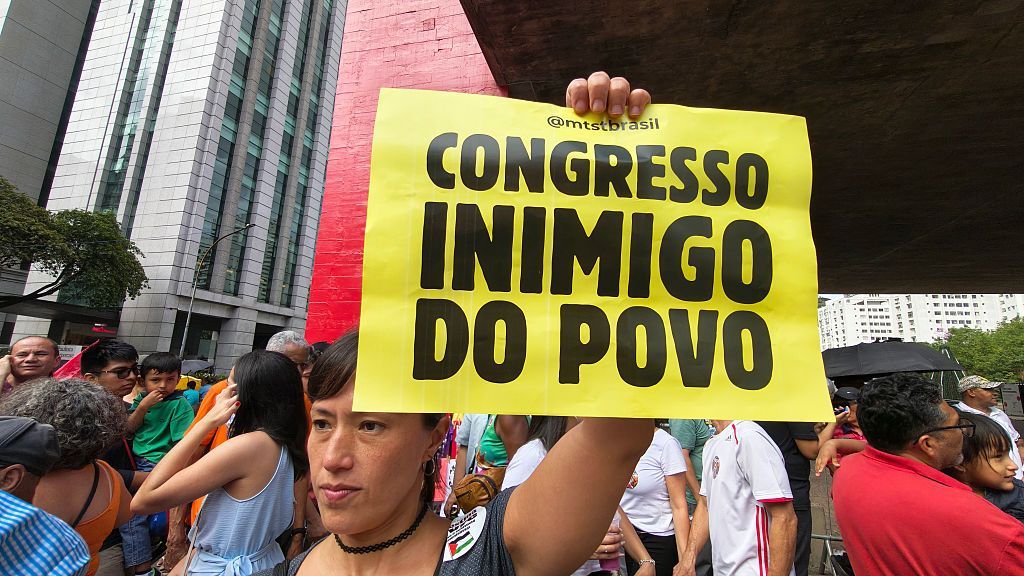
    Protesters displayed signs with strong political messages, including some that labeled members of Congress as ‘enemies of the people,’ reflecting the deep polarization surrounding the legislation. This represents the latest in a series of anti-Bolsonaro demonstrations, following similar gatherings in September that opposed calls for his official pardon.

    The legislative proposal has ignited intense debate as it would not only affect Bolsonaro’s sentence but could also reduce penalties for thousands detained for their involvement in the January 2023 assault on government buildings in Brasília. The violent attack occurred after Bolsonaro’s electoral defeat to left-wing rival Luiz Inácio Lula da Silva, whom the former president was convicted of plotting to assassinate.

    The bill now advances to the Senate, where its fate remains uncertain. Even if approved by both legislative chambers, President Lula is expected to exercise his veto power, though Congress could potentially override such a veto given the conservative majority in the Chamber of Deputies.

  • Economic milestone:Japan-UAE relations set to hit new peak

    Economic milestone:Japan-UAE relations set to hit new peak

    Japan and the United Arab Emirates are poised to elevate their bilateral relations to unprecedented heights as they approach the finalization of a Comprehensive Economic Partnership Agreement (CEPA). This groundbreaking pact represents a strategic evolution from traditional energy-based cooperation to a multifaceted economic alliance encompassing technology, clean energy, and innovation.

    The impending agreement aligns with the UAE’s ambitious target of achieving $1.1 trillion in foreign trade by 2031 while supporting Japan’s economic diversification objectives. By eliminating trade barriers and enhancing market access, the CEPA is expected to generate substantial opportunities across multiple sectors, potentially driving bilateral non-oil trade beyond Dh200 billion.

    Diplomatic engagement has intensified through the Comprehensive Strategic Partnership Initiative (CSPI), with both nations recently concluding their third subcommittee meeting in Tokyo. UAE Minister of Foreign Trade Dr. Thani bin Ahmed Al Zeyoudi confirmed that negotiations with Japan and the EU have reached advanced stages, signaling strong momentum toward finalization.

    Jun Imanishi, Consul-General of Japan in Dubai, emphasized the agreement’s significance: “The Japan-UAE Economic Partnership Agreement serves as crucial framework for enhancing our economic ties and unlocking new collaborative potentials.”

    Economic analysts identify several promising sectors for deepened cooperation, including hydrogen energy, artificial intelligence, robotics, and logistics. The partnership builds upon existing strong trade foundations—the UAE remains Japan’s primary Arab trading partner—while leveraging cultural connections through anime, arts, and growing tourism exchanges.

    Investment flows are expanding bilaterally, with Japan targeting ¥120 trillion in direct foreign investment by 2030. Nobuyuki Nakajima of JETRO Dubai noted: “UAE investors are increasingly attracted to Japan’s stable, innovation-driven economy, particularly in digital transformation, green growth, and healthcare innovation—sectors that mirror Emirati diversification goals.”

    The relationship has evolved significantly since its energy-focused beginnings in the 1970s. Today, collaboration extends into space exploration—exemplified by Japan’s launch of the UAE’s ‘Hope Probe’ and ‘KhalifaSat’—along with advanced technology, financial services, and cultural exchange.

    Tourism represents another growing dimension, with Japan National Tourism Organization reporting anticipated doubling of GCC visitors compared to pre-pandemic levels. Executive Director Daisuke Kobayashi highlighted efforts to promote Japan’s rural destinations, distributing tourist traffic while supporting sustainable development.

    Despite global economic volatility and yen fluctuations, bilateral trade has demonstrated remarkable resilience. Recent data reveals Japan’s exports to the UAE grew 24.8% year-on-year to ¥177 billion by September 2025, primarily driven by automobiles and commodities. Although imports declined 8.83% to ¥385 billion due to reduced raw aluminum and petroleum gas shipments, the overall trade relationship has expanded at an annualized rate of 33.2% over five years.

    The impending CEPA ratification establishes Japan and the UAE as a model of strategic international cooperation—anchored in shared values, mutual respect, and a common vision for sustainable economic transformation that benefits both nations and the global economy.

  • ‘Bandits’ kidnap worshippers during church service in Nigeria

    ‘Bandits’ kidnap worshippers during church service in Nigeria

    In a disturbing recurrence of violence targeting religious institutions, armed assailants have abducted at least 13 worshippers from Evangelical Church Winning All in Nigeria’s central Kogi state. The attack occurred during Sunday morning services in the rural farming community of Aaaaz-Kiri, marking the second church kidnapping in the region within a fortnight.

    According to Kogi State Information Commissioner Kingsley Fanwo, security forces engaged the perpetrators, resulting in five gunmen fatalities while others escaped with injuries. The official described the attackers as ‘bandits’—a local term for criminal organizations that routinely conduct kidnappings for ransom payments.

    This incident follows a nearly identical abduction two weeks prior in nearby Ejiba, where gunmen captured a pastor, his wife, and several congregants who remain in captivity despite security intervention efforts. Commissioner Fanwo attributed the escalating violence to displacement effects from security operations in neighboring Niger and Kwara states, suggesting intensified pressure there is pushing criminal elements toward Kogi.

    These events highlight Nigeria’s deepening security crisis, particularly across northwestern and central regions where armed groups have executed numerous mass abductions, village raids, and assaults on religious venues. The most significant recent incident involved the reported kidnapping of over 250 children and 12 staff members from St. Mary’s Catholic School in Papiri, Niger state, during late November.

    While the Nigerian government frequently attributes such attacks to jihadist organizations like Boko Haram and Islamic State West Africa Province (ISWAP), independent analysts contest this narrative, providing evidence to the BBC that criminal gangs are primarily responsible.

    President Bola Tinubu has recently directed security chiefs to enhance intelligence-led operations against kidnappings, authorizing additional troop and police deployments to identified hotspots. Authorities report some success through joint military-police task forces in dismantling certain armed groups. Nevertheless, attacks persist with alarming frequency, especially in rural areas where security presence remains limited and response capabilities are inadequate.

  • Former Congo rebel leader Lumbala sentenced to 30 years over wartime atrocities

    Former Congo rebel leader Lumbala sentenced to 30 years over wartime atrocities

    PARIS — In a landmark judicial decision with profound implications for international justice, former Congolese rebel commander Roger Lumbala received a 30-year prison sentence from a French criminal court on Monday for crimes against humanity committed during Congo’s devastating civil conflict two decades ago.

    The 67-year-old former leader of the Congolese Rally for National Democracy (RCD-N) was convicted under France’s universal jurisdiction legislation, which permits prosecution of severe international crimes regardless of where they occurred. The verdict represents the first successful prosecution of a Congolese military or political figure for mass atrocities in a national court under this legal principle.

    Evidence presented during the trial detailed systematic atrocities perpetrated by Lumbala’s rebel faction against civilian populations in eastern Congo between 2002-2003. United Nations documentation confirmed widespread patterns of torture, summary executions, sexual violence, forced labor, and sexual slavery targeting ethnic minorities including the Nande and Bambuti communities.

    Lumbala’s militia operated with substantial backing from neighboring Uganda during the Second Congo War, which claimed approximately five million lives through violence, disease, and starvation—making it the deadliest conflict since World War II.

    Following the war’s conclusion, Lumbala paradoxically integrated into Congo’s political establishment, serving as Foreign Trade Minister from 2003-2005 and later as a parliamentarian. His political career collapsed in 2011 when Congolese authorities issued an arrest warrant alleging his continued support for rebel factions, prompting his flight to France where he had previously resided.

    Daniele Perissi of TRIAL International, which represented victims in the case, hailed the verdict as “historic” noting that “for the first time, a national court has dared to confront the atrocities of the Second Congo War and show that justice can break through even after decades of impunity.”

    The sentencing occurs against the backdrop of renewed violence in Congo’s mineral-rich eastern regions, where over 100 armed groups continue operating. The Rwanda-backed M23 rebel faction recently captured strategic territory, underscoring the persistent instability that has plagued the region since the 1990s.

  • Dubai: Global Village to welcome New Year 7 times with 7 fireworks, drone shows

    Dubai: Global Village to welcome New Year 7 times with 7 fireworks, drone shows

    Dubai’s renowned cultural and entertainment destination, Global Village, is preparing to host an unprecedented New Year’s Eve celebration by welcoming 2026 not once, but seven distinct times throughout a single night. This innovative approach is designed to create a truly global festivity, allowing visitors to experience the transition into the new year alongside multiple nations.

    The meticulously planned schedule will feature countdowns synchronized with the new year’s arrival in seven different countries, each marked by its own breathtaking pyrotechnic and technological display. The celebrations will commence with China at 8:00 PM local time, followed by Thailand (9:00 PM), Bangladesh (10:00 PM), India (10:30 PM), Pakistan (11:00 PM), a grand midnight celebration for Dubai itself, and culminate with Turkey at 1:00 AM on January 1st. Each event will be highlighted by a unique, custom-designed fireworks show and a coordinated drone light performance.

    To accommodate this extraordinary marathon of festivities, Global Village will extend its operating hours on December 31st, opening its three main gates from 4:00 PM until 2:00 AM. The venue will be exclusively accessible to women and families for the occasion, ensuring a comfortable and inclusive atmosphere.

    Beyond the sequential countdowns, the destination promises a full evening of immersive cultural and entertainment experiences. Guests can explore over 30 international pavilions representing more than 90 global cultures, shop from 3,500 retail outlets, and choose from a diverse array of over 250 dining options. Live entertainment will include a DJ performance on the Main Stage.

    Additional attractions such as the Floating Market, Happiness Street, and the Dessert District will be open for exploration. For thrill-seekers, the Carnaval area offers more than 200 rides and games. New installations for the season, including the Dragon Kingdom, Gardens of the World, and the child-focused Little Wonderers, will provide fresh experiences, ensuring the event offers a memorable night for visitors of all ages.