作者: admin

  • World’s tallest teen sets new basketball record

    World’s tallest teen sets new basketball record

    In a historic moment for collegiate basketball, 19-year-old Canadian center Olivier Rioux of the Florida Gators has become the tallest player ever to score a basket in NCAA history. Standing at an extraordinary 7 feet 9 inches (2.36 meters), Rioux achieved this milestone with a powerful dunk during Wednesday’s decisive 102-61 victory against Saint Francis.

    The monumental dunk marked Rioux’s first official field goal in college basketball, though he had previously scored a free throw against Merrimack on November 21st. The Canadian athlete had already made history last month when he became the tallest player ever to appear on a college basketball court.

    Rioux’s exceptional height has been documented since adolescence. Guinness World Records recognized him as the world’s tallest teenager in 2021 when he measured 7 feet 5 inches (2.26 meters) at just 15 years old.

    The basketball phenomenon’s unprecedented stature places him significantly above the NBA’s current tallest players. Should Rioux advance to professional basketball, he would surpass French sensation Victor Wembanyama of the San Antonio Spurs (7’4″) and Memphis Grizzlies’ Zach Edey (7’3″) by several inches. Historically, only Manute Bol and Gheorghe Muresan—both standing at 7 feet 7 inches—would approach Rioux’s remarkable height among professional basketball players.

  • Burkina Faso releases Nigerian air force crew detained after emergency landing

    Burkina Faso releases Nigerian air force crew detained after emergency landing

    ABUJA, Nigeria — In a significant diplomatic resolution, Burkina Faso’s military government has released all 11 Nigerian Air Force personnel who had been detained since December 8th following an emergency landing of their aircraft. The release concludes weeks of tension between the West African nations and demonstrates the power of diplomatic engagement in regional conflicts.

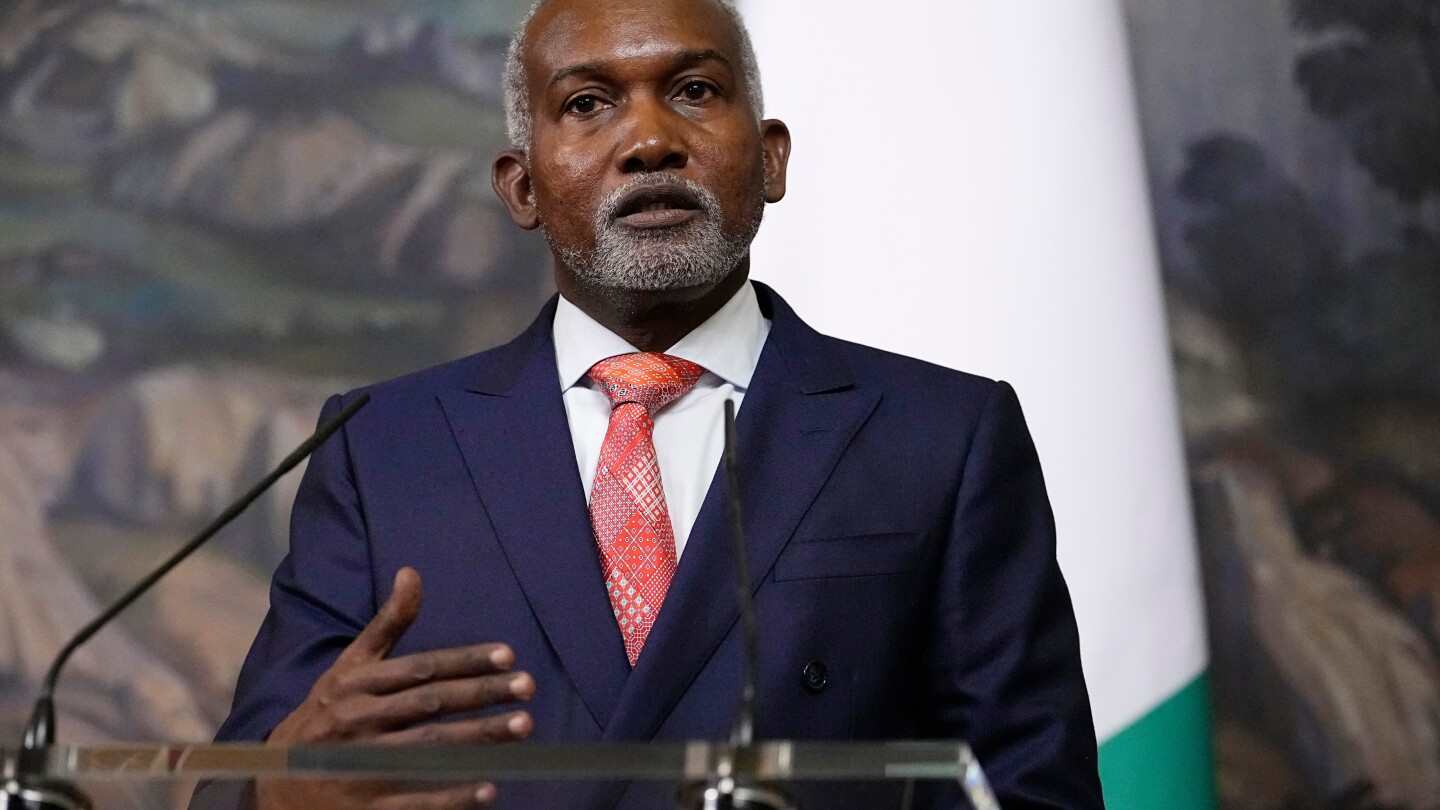
    Nigeria’s Foreign Affairs Minister Yusuf Tuggar announced the breakthrough on Thursday, crediting “sustained dialogue” between the two nations for resolving the sensitive matter. The personnel, comprising two flight crew members and nine passengers, were freed following high-level meetings between a Nigerian delegation led by Minister Tuggar and officials from Burkina Faso’s military regime under Captain Ibrahim Traoré.

    The incident began when a Nigerian Air Force aircraft bound for Portugal for scheduled maintenance was forced to make an emergency landing in western Burkina Faso. Nigerian officials emphasized that the landing was conducted in full compliance with international aviation guidelines and standard safety procedures.

    The emergency landing triggered immediate security concerns within the Alliance of Sahel States—a regional security bloc comprising Burkina Faso, Mali, and Niger. The alliance responded by placing its air and anti-aircraft defenses on maximum alert, with authorization “to neutralize any aircraft that violates the confederation’s airspace,” according to a statement from Mali’s military junta leader General Assimi Goita.

    The resolution comes amid increasingly fractured relations between the Alliance of Sahel States and Nigeria, which remains a key member of the Economic Community of West African States (ECOWAS). The three Sahel nations recently withdrew from ECOWAS, accusing the regional bloc of imposing inhumane sanctions and working against their citizens’ interests.

    Adding to regional tensions, Nigeria recently participated in intervention efforts that helped reverse a short-lived coup in Benin, where Nigerian Air Force conducted airstrikes targeting coup plotters. Burkina Faso shares a northwestern border with Benin, while Nigeria borders Benin to the east.

    Following the successful diplomatic negotiations, both nations have agreed to establish regular consultation mechanisms and pursue concrete steps to deepen bilateral cooperation and regional integration. The released personnel are now proceeding with their original mission to Portugal for the scheduled aircraft maintenance.

  • China to enhance capabilities in coping with extreme weather

    China to enhance capabilities in coping with extreme weather

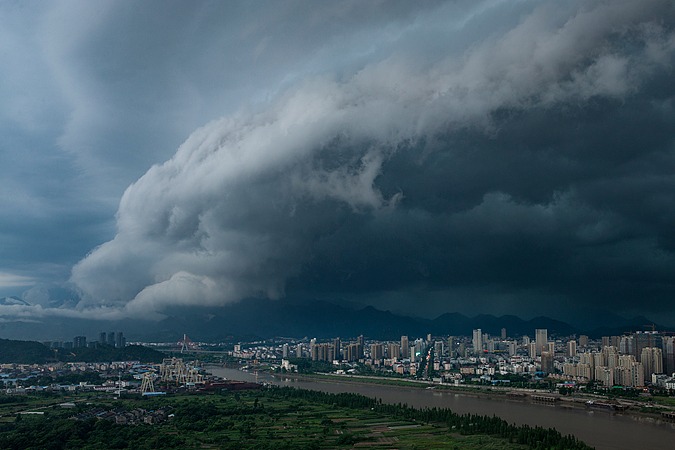
    In a decisive response to the escalating global climate crisis, China has announced a comprehensive national strategy to significantly bolster its resilience against increasingly frequent and severe extreme weather phenomena. The initiative comes as scientific data reveals a troubling trend of more destructive and complex disaster chains triggered by climatic changes.

    According to the China Meteorological Administration, research conducted since 2011 demonstrates a substantial expansion of regions receiving between 400-800 mm of annual precipitation. Concurrently, extreme rainfall events are generating longer-lasting and more hazardous cascading effects across vulnerable areas.

    Despite maintaining an impressive meteorological infrastructure—including nine Fengyun satellites, 842 weather radars, and more than 90,000 ground stations achieving an 83 percent severe weather detection rate—the administration acknowledges persistent challenges in predicting extreme events within complex terrain and unusual atmospheric conditions.

    The enhanced strategy will focus on critical upgrades to monitoring, forecasting, and early-warning systems, particularly in flash flood zones, geologically unstable regions, and major urban flood control districts. Additionally, the plan emphasizes developing urban environments with improved water absorption, retention, and purification capabilities through strategic infrastructure investment, dedicated drainage pathways, and elevated flood resilience standards for buildings.

  • Ecuador defender Pineida killed in shooting

    Ecuador defender Pineida killed in shooting

    The Ecuadorian football community is in mourning following the tragic death of national team defender Mario Pineida, who was fatally shot in an armed attack in Guayaquil. The 33-year-old athlete lost his life on Wednesday when assailants on motorcycles opened fire outside a northern district shop, also injuring his mother and another woman who were with him at the time.

    According to local media reports, the coordinated shooting occurred in broad daylight, highlighting the escalating security crisis in Ecuador’s largest city. The Interior Ministry has deployed specialized police units to investigate the homicide, though no suspects have been apprehended yet.

    Pineida’s killing underscores Guayaquil’s transformation into a epicenter of gang-related violence and narcotics trafficking. Official statistics reveal a staggering 1,900 homicides recorded between January and September alone, marking the highest murder rate nationwide. This incident continues a disturbing pattern of violence targeting athletes: three second-division footballers were killed in September, followed by another player surviving a shooting in October.

    Having earned nine international caps between 2014-2021, Pineida spent the majority of his professional career with Barcelona SC of Guayaquil, where he played from 2016 after beginning at Independiente DV. His career included loan spells at Brazilian side Fluminense and domestic club El Nacional.

    The football world responded with immediate tributes. Barcelona SC expressed profound dismay, while former clubs Independiente and Fluminense posted memorial messages on social platforms. The Ecuadorian Football Federation issued an official statement condemning the violence and extending condolences to Pineida’s bereaved family.

  • UN chief condemns continued detention of UN personnel by Houthis in Yemen

    UN chief condemns continued detention of UN personnel by Houthis in Yemen

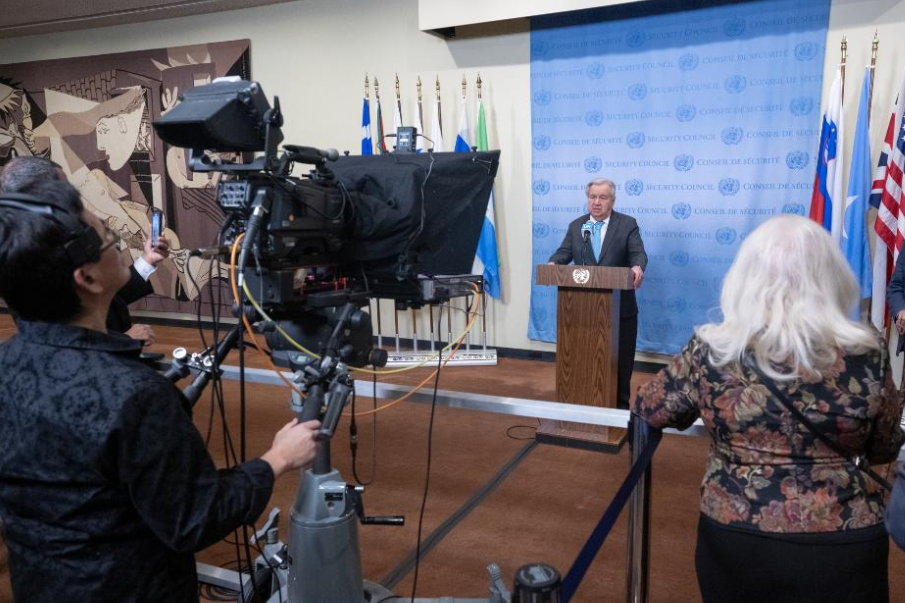
    United Nations Secretary-General Antonio Guterres has issued a forceful condemnation of Yemen’s Houthi authorities for their ongoing arbitrary detention of United Nations personnel and humanitarian workers. The stark declaration came during a press briefing at UN headquarters in New York on December 17, 2025, following closed-door consultations with the Security Council regarding the deteriorating situation in Yemen.

    Guterres revealed that 59 UN staff members, partner organization personnel, NGO workers, civil society representatives, and diplomatic mission employees remain unlawfully detained. The Secretary-General emphasized that recent developments—including the referral of three UN personnel to a special criminal court by Houthi authorities—represent particularly alarming escalations. These individuals face charges directly related to their performance of official UN duties, which Guterres characterized as completely unacceptable under international law.

    ‘The continued detention of our colleagues constitutes a profound injustice to all those who have dedicated their lives to assisting the Yemeni people,’ Guterres stated. ‘United Nations personnel and its partners must never be targeted, arrested, or detained in connection with their official duties. We must be permitted to conduct our vital work without interference.’

    Beyond the detention crisis, Guterres expressed deep concern about escalating tensions throughout Yemen, particularly noting dramatic new developments in the eastern governorates. He warned that a full resumption of hostilities could have serious regional consequences, affecting stability in the Red Sea, Gulf of Aden, and Horn of Africa regions.

    The UN chief urged all parties to exercise maximum restraint, de-escalate tensions, and resolve differences through diplomatic dialogue. He emphasized that only a sustainable, negotiated political settlement embracing the aspirations of all Yemenis can ultimately bring the devastating conflict to an end, noting that until such resolution is achieved, the Yemeni people will continue to bear a terrible humanitarian cost.

  • Germany charges teens in alleged right-wing extremist group with attempted murder

    Germany charges teens in alleged right-wing extremist group with attempted murder

    German federal prosecutors have formally charged eight individuals for their involvement in what authorities describe as a “right-wing extremist terrorist” organization. The group, operating under the name “Last Defense Wave,” allegedly sought to undermine Germany’s democratic foundations through coordinated attacks on migrant accommodations and political opponents.

    The accused face multiple serious charges including membership in a terrorist organization, attempted murder, conspiracy to commit murder, and causing grievous bodily harm. Notably, several defendants are teenagers, highlighting the concerning recruitment of youth into extremist movements.

    According to investigative documents, the cell was established in May 2024 with the declared mission of acting as the “final authority” for protecting the “German nation.” Their operational activities included both executed and planned attacks on asylum-seeker facilities and left-wing institutions across multiple German states.

    The case involves three specifically documented operations: an arson attack on a Brandenburg cultural center, a failed attempted attack on a Thuringia asylum seekers’ home, and detailed plans to target migrant accommodation in Senftenberg. While these incidents resulted in no injuries, group members additionally stand accused of violently assaulting and robbing individuals, causing significant physical harm.

    Internal communications revealed the group’s ultimate objective to instigate a “race war” that would precipitate a cycle of violence intended to preserve the “white race” and ultimately dismantle liberal democracy. Investigators documented their proliferation of racist and antisemitic content on social media platforms, along with overt glorification of Nazi ideology and the Third Reich.

    Following May arrests across Mecklenburg-Western Pomerania, Brandenburg, and Hesse, seven defendants remain in pretrial detention while one has been released since July. Due to the juvenile status of several accused, legal proceedings have required parental accompaniment during court appearances.

  • In pictures: Toxic haze covers Delhi as air quality worsens

    In pictures: Toxic haze covers Delhi as air quality worsens

    For consecutive days, India’s capital region has been suffocating under an oppressive blanket of toxic haze, creating one of the most severe air pollution events of the season. Meteorological conditions combined with anthropogenic factors have transformed Delhi and its surrounding areas into a health hazard zone, with visibility dramatically reduced and air quality readings reaching alarming levels.

    Current environmental monitoring data reveals a staggering Air Quality Index (AQI) reading of 376, predominantly driven by PM2.5 concentrations that exceed the World Health Organization’s safety threshold by more than twenty-five times. These microscopic particles, capable of penetrating deep into lung tissue and entering the bloodstream, present particular dangers to vulnerable populations including children, the elderly, and those with pre-existing respiratory conditions.

    In response to the escalating crisis, Delhi’s administration has implemented a comprehensive emergency action plan. Effective immediately, all government and private institutions must transition 50% of their workforce to remote working arrangements. Additional measures include stringent restrictions on construction operations, prohibition of older diesel vehicles from roadways, implementation of hybrid learning models for educational institutions, and enhanced enforcement against vehicles violating emission standards.

    The pollution’s impact has extended beyond public health concerns to affect cultural and sporting events. Notably, the hazardous conditions forced the cancellation of an international cricket match between India and South Africa in Lucknow, located approximately 550 kilometers from Delhi, demonstrating the extensive geographical reach of the pollution cloud.

    This environmental emergency represents a recurring seasonal pattern for northern India, where winter months typically bring deteriorating air quality. The complex interplay of industrial emissions, vehicular exhaust, agricultural burning practices in neighboring states, and unfavorable meteorological conditions including temperature inversions and diminished wind speeds creates a perfect storm of pollution accumulation that blankets the region annually.

    Visual documentation from across the capital shows residents navigating through visibly impaired conditions, with many adopting protective measures such as face masks. Transportation networks continue operating under challenging circumstances, while daily life adapts to the persistent environmental adversity that has become an expected feature of Delhi’s winter season.

  • Africa calls for fairer global governance

    Africa calls for fairer global governance

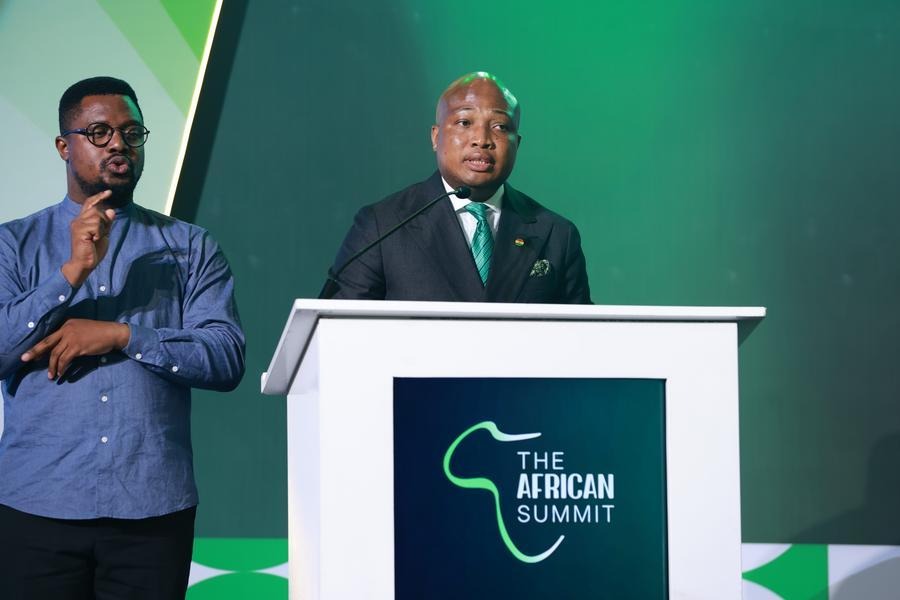
    ACCRA – African leaders convened for the inaugural African Summit in Ghana’s capital, delivering a powerful message to the international community: the continent demands fundamental reforms to global governance structures. Under the theme “Building a New United Africa,” policymakers and stakeholders gathered to forge consensus on achieving greater integration and strategic autonomy.

    Ghana’s Foreign Minister Samuel Okudzeto Ablakwa set the tone, highlighting Africa’s persistent challenges including fragmentation, weak intra-African trade, infrastructure deficits, and excessive dependence on external markets. “The global environment within which Africa must pursue its integration agenda is undergoing rapid, profound transformation,” Ablakwa declared, emphasizing Africa’s transition from passive observer to active shaper of global outcomes.

    The summit occurred against a backdrop of significant geopolitical shifts. November’s G20 Leaders’ Summit in Johannesburg marked a watershed moment as African nations, alongside Global South partners, successfully steered discussions toward development priorities despite U.S. opposition. The adopted declaration emphasized multilateral cooperation and stronger support for developing economies.

    Economic indicators signal Africa’s rising prominence. The IMF projects sub-Saharan Africa’s growth will outpace the global average at 4.1% in 2025. The African Continental Free Trade Area (AfCFTA) demonstrates substantial progress, with 47 nations ratifying the agreement. World Bank estimates suggest AfCFTA could generate $450 billion in additional economic output by 2035, lifting 30 million from extreme poverty.

    However, security challenges persist. Recent coups in Guinea-Bissau and Benin, alongside renewed conflict in the Democratic Republic of Congo displacing over 500,000 people, prompted West African authorities to declare a regional “state of emergency.” Analysts attribute these instability patterns to colonial legacies, terrorism, and economic development gaps.

    External economic pressures compound these challenges. U.S. tariff impositions on Lesotho and South Africa triggered dramatic export declines, with Lesotho losing nearly 80% of textile orders and South African auto exports plummeting 85% in May.

    Infrastructure development emerges as a cornerstone solution. The recent launch of Guinea’s Simandou iron ore project to China and the Tanzania-Zambia Railway rehabilitation project demonstrate advancing regional connectivity. Zambia’s Transport Minister Frank Tayali noted these initiatives support visions of becoming “a land-linked nation and logistics hub.

    As the 70th anniversary of China-Africa diplomatic relations approaches in 2026, partnerships continue deepening. Kenyan economist James Shikwati observed that “China’s pragmatic, inclusive approach offers viable alternatives to traditional Western models” for Global South development.

    African Union Director of Information Leslie Richer captured the summit’s consensus: “The Global South must not speak in fragments. Our strength lies in unity” to shape global decision-making.

  • US military says it hit a vessel in Eastern Pacific, killing 4

    US military says it hit a vessel in Eastern Pacific, killing 4

    The United States military has confirmed conducting a targeted operation in the Eastern Pacific Ocean that resulted in the destruction of a maritime vessel and four casualties. The incident occurred on December 18, 2025, though precise coordinates and additional operational details remain classified.

    According to military officials, the engagement was conducted under specific rules of engagement following intelligence assessments. The nature of the vessel and the identities of those aboard have not been officially disclosed, pending notification of next of kin and further investigation.

    The Eastern Pacific region has seen increased naval activity in recent months due to various security concerns. Pentagon representatives emphasized that the action was taken in accordance with international maritime law and represented a necessary response to a perceived threat. An internal review of the operation has been initiated to evaluate both the intelligence leading to the strike and its execution.

    Regional authorities and international maritime organizations have been notified of the incident. The operation has drawn attention to the complex security challenges present in international waters and raises questions about the protocols governing military engagements in such environments.

  • Somalia marks 65th anniversary of diplomatic relations with China

    Somalia marks 65th anniversary of diplomatic relations with China

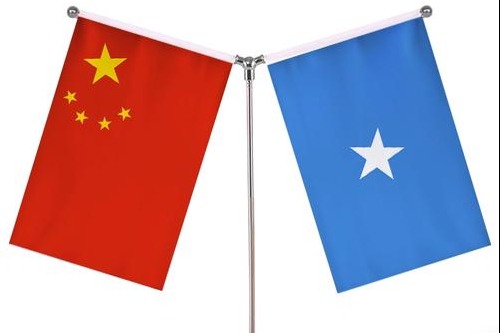
    Somalia and China have commemorated 65 years of established diplomatic relations, reaffirming their commitment to enhanced cooperation and shared developmental objectives. The milestone event, held in Mogadishu, brought together high-ranking officials from both nations to celebrate this enduring international partnership.

    Somali Prime Minister Hamza Abdi Barre addressed attendees by highlighting the historical significance of this bilateral relationship, characterizing it as “a testament to enduring friendship between our two peoples.” He emphasized that this friendship has been fundamentally built upon mutual respect for national sovereignty and shared understanding across decades of regional and global transformations.

    Since initially establishing diplomatic ties on December 14, 1960, China has consistently emerged as a trusted partner to Somalia. This partnership has notably respected Somalia’s political independence while supporting its national priorities and belief in the country’s future potential. The cooperative relationship has yielded practical impacts across multiple sectors including critical infrastructure development, healthcare system strengthening, educational advancement, public service capacity building, and humanitarian response during crises.

    Chinese Ambassador to Somalia Wang Yu recalled the historical context of the relationship’s formation, noting that China was among the first nations to recognize Somalia’s independence. Somalia similarly distinguished itself as the first East African nation to establish formal diplomatic relations with China. Ambassador Wang acknowledged Somalia’s consistent adherence to the One-China principle while reaffirming China’s unwavering support for Somalia’s national sovereignty, territorial integrity, and unity.

    The diplomatic celebration underscored how the China-Somalia relationship has evolved into a model of South-South cooperation, demonstrating how mutually beneficial partnerships can foster common development between nations.