作者: admin

  • ‘Dubai Bling’ star Farhana Bodi shares her New Year resolutions

    ‘Dubai Bling’ star Farhana Bodi shares her New Year resolutions

    Farhana Bodi, renowned cast member of the hit Netflix series ‘Dubai Bling’ and accomplished entrepreneur, has opened up about her personal reflections and aspirations during the festive season. Currently enjoying Parisian holiday festivities with her son, Bodi emphasizes that Christmas represents a period of warmth, gratitude, and meaningful connection rather than extravagance.

    In an exclusive year-end interview, Bodi articulated valuable lessons from the past year, highlighting how challenging moments fostered her resilience and reinforced the importance of maintaining personal values over external validation. The entrepreneur emphasized her evolved professional approach of selecting projects that align with her vision rather than merely pursuing opportunities.

    Looking toward the new year, Bodi’s primary resolution centers on achieving balance between expanding her fashion and lifestyle brands while preserving personal peace and family time. She outlined a strategy of disciplined time management, intuitive decision-making, and cultivating supportive relationships to accomplish these goals.

    When discussing inspiration, Bodi credited her son as her foremost motivator, noting how his resilience and innocence provide grounding perspective. She also expressed admiration for women who redefine success on their own terms while building their ventures quietly yet purposefully.

    For those experiencing holiday difficulties, Bodi offered compassionate advice: “Be gentle with yourself. You don’t have to have everything figured out. Trust that quiet seasons prepare you for something bigger.” She emphasized that small gestures of kindness—checking on others, active listening, or offering time—can significantly impact others during the festive period.

    The reality star concluded by sharing her preferred relaxation methods, which include wellness rituals, travel experiences, journaling, and disconnecting from digital noise to properly reset and recharge.
  • Pope Leo names Ronald Hicks next archbishop of New York

    Pope Leo names Ronald Hicks next archbishop of New York

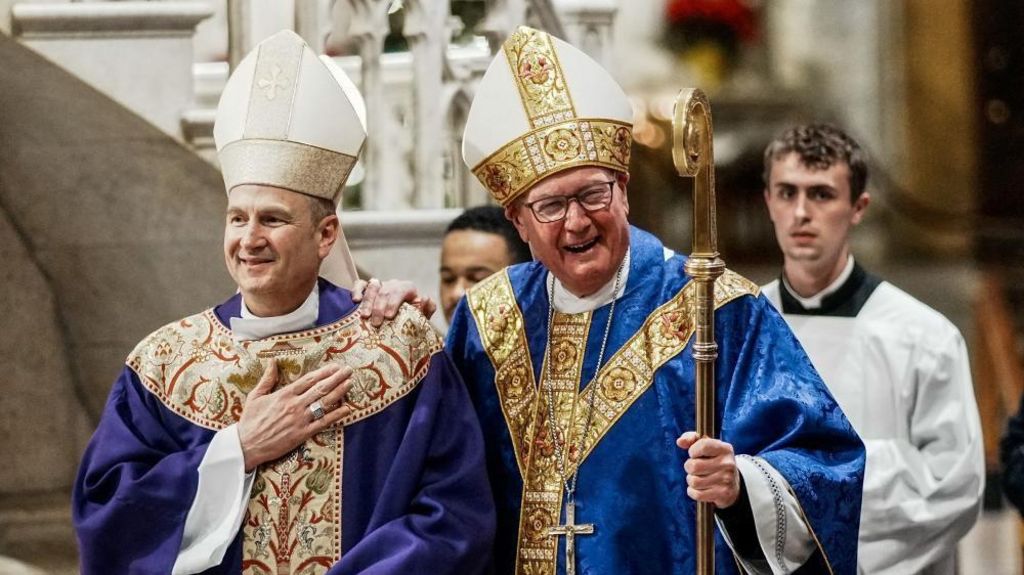
    Pope Leo XIV has selected Bishop Aldon Ronald Hicks to assume leadership of the Archdiocese of New York, one of the most significant and populous positions within the Roman Catholic Church in the United States. The 58-year-old prelate, who shares remarkable biographical parallels with the pontiff, will succeed the retiring Cardinal Timothy Dolan, 75, who has held the position for approximately 16 years.

    Bishop Hicks, like Pope Leo, hails from the Chicago area—growing up in South Holland, just a short distance from the Pope’s childhood neighborhood in Dolton. Their spiritual journeys further converge through extensive service in Latin America. While Pope Leo dedicated two decades as a missionary in Peru, Hicks served at an orphanage in El Salvador from 2005 to 2010. Hicks was appointed Bishop of Joliet by Pope Francis in 2020.

    The incoming archbishop has established himself as an outspoken advocate for immigrant rights, mirroring the Pope’s concerns. Last month, he joined fellow bishops in condemning the Trump administration’s large-scale immigration arrests and mass deportation agenda. In a recent joint-letter from U.S. bishops addressing immigrant struggles, Hicks emphasized the Church’s ‘enduring commitment to the Catholic social teaching of human dignity and a call for meaningful immigration reform.’

    His appointment comes during a period of significant transition for the New York archdiocese. Cardinal Dolan recently announced the establishment of a $300 million fund to settle claims of clergy sexual abuse—a matter Archbishop-designate Hicks addressed directly. ‘As a church, we can never rest in our efforts to prevent abuse, to protect children and to care for survivors,’ Hicks stated at a news conference. ‘While this work is challenging, difficult, and painful, I hope it will continue to help in the areas of accountability, transparency and healing.’

    Hicks will now depart his position in Joliet to lead approximately 2.5 million Catholics in the nation’s largest city from the ornate sanctuary of St. Patrick’s Cathedral in Manhattan. He has accepted the appointment with ‘an open heart,’ while Dolan characterized the selection as ‘an early Christmas gift’ for New Yorkers.

  • What you can expect at Dubai Racing Carnival’s Festive Friday

    What you can expect at Dubai Racing Carnival’s Festive Friday

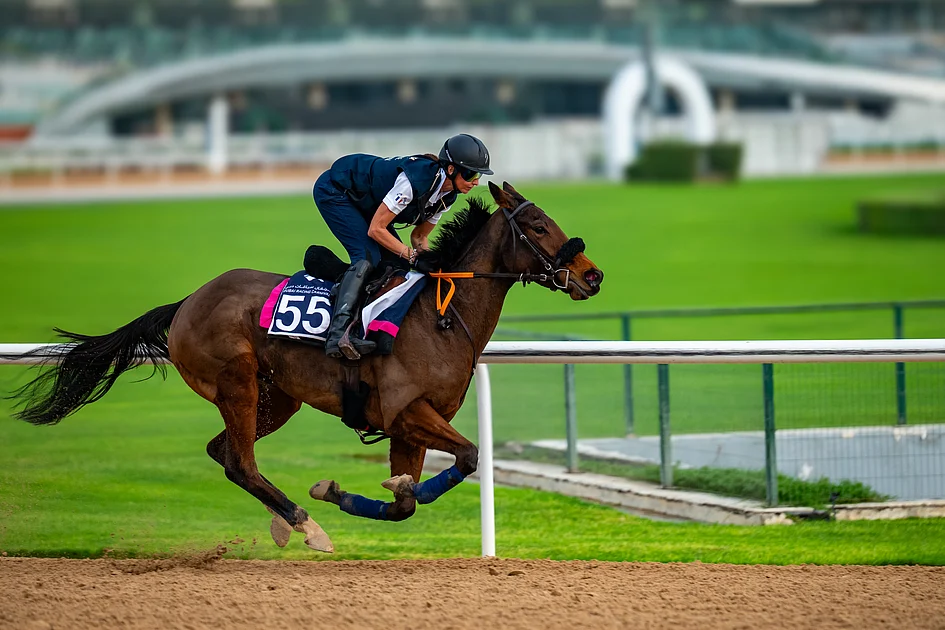
    The Meydan Racecourse is poised for a transformative celebration as Dubai Racing Carnival launches its inaugural ‘Feature Friday’ of the season on December 18, 2025. This winter holiday-themed event marks the first of three premium race meetings that combine elite equestrian competition with immersive seasonal entertainment.

    As twilight descends upon Meydan, the venue undergoes a magical metamorphosis. Christmas illuminations adorn the promenades while live musical performances create a resonant soundscape across the grandstand. Families are anticipated to gather hours before the first thoroughbred enters the track, drawn by the festive atmosphere rather than solely the racing program.

    The entertainment roster features meticulously curated performances aligned with the winter holiday theme. Attendees will experience serenading saxophonists, a jazz trio, and a dynamic marching band performing seasonal melodies throughout the evening. The iconic figure of Santa Claus will make a special appearance, accompanied by dancing elves, gingerbread-themed performers, and ceremonial Tin Soldiers.

    Culinary offerings receive a holiday-inspired enhancement across Meydan’s diverse food and beverage outlets. Restaurants and hospitality venues will deploy special festive menus featuring seasonal dishes and specialty drinks. Premium dining experiences include The MAINE’s five-hour gastronomic journey in Suite 401, offering signature dishes and premium beverages at AED 1,195. Simultaneously, the Finish Line Brunch by Be More Than presents themed food concepts with live entertainment starting from AED 395.

    Ali Al Ali, CEO of Dubai Racing Club, emphasized the organization’s commitment to exceptional entertainment: ‘Horse racing remains integral to Dubai’s cultural DNA—a historically significant sport for Arabs and Muslims. We are dedicated to preserving and expanding this tradition through outstanding events.’

    Despite potential rainfall forecasts, the event will proceed as scheduled unless otherwise announced. The current Carnival season, which commenced on November 7, 2025, represents the organization’s 30th anniversary and will culminate with the Dubai World Cup on March 28, 2026. The subsequent Feature Friday is scheduled for January 23, 2026, featuring a ‘Fashion Friday’ theme encouraging sophisticated attire.

  • Dubai: Simbang Gabi cancelled on Thursday due to heavy rains, unstable weather

    Dubai: Simbang Gabi cancelled on Thursday due to heavy rains, unstable weather

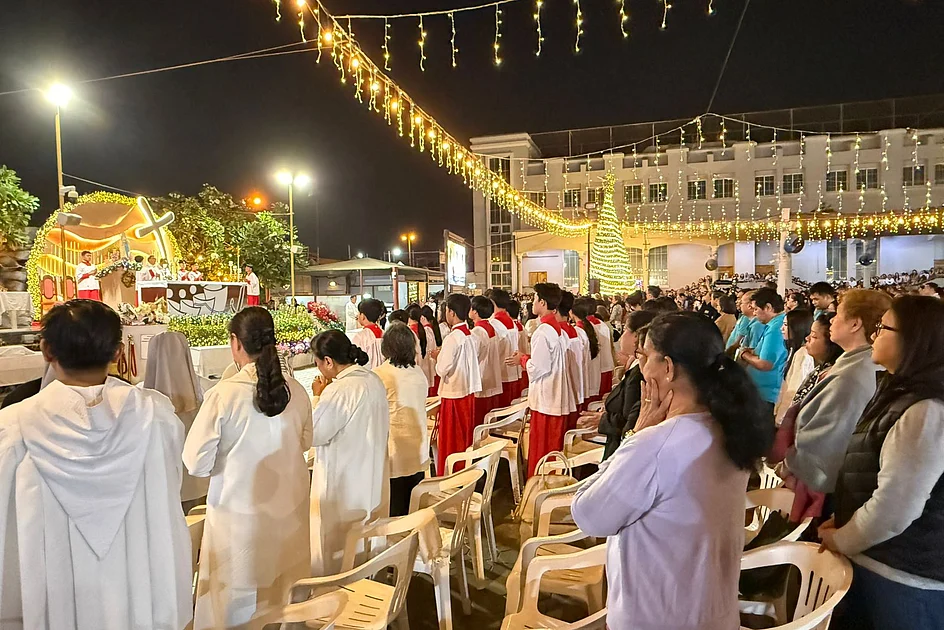
    In an unprecedented weather-related disruption, Dubai’s St. Mary’s Catholic Church cancelled Thursday evening’s Simbang Gabi celebrations due to heavy rainfall and unstable atmospheric conditions. The traditional Filipino outdoor mass, scheduled for 8 PM on December 18, 2025, was called off following directives from Dubai’s Community Development Authority (CDA) prioritizing public safety.

    The church administration announced the cancellation at approximately 5:30 PM, citing adverse weather conditions that made outdoor gatherings potentially hazardous. While the special Simbang Gabi mass will not be streamed virtually, the regularly scheduled 7 PM mass will be available through online streaming platforms as an alternative arrangement.

    This nine-day religious observance, deeply rooted in Filipino Catholic tradition dating back to the Spanish colonial period of the 1600s, typically attracts enormous congregations. Recent celebrations witnessed attendance figures surpassing 20,000 on opening night, with Tuesday’s service reportedly drawing approximately 30,000 worshippers—particularly notable when Cardinal Luis Antonio Tagle, the prominent Filipino prelate, presided over ceremonies.

    Church authorities emphasized their commitment to compliance with official safety directives, announcing the suspension of all parish events and activities until further notice. Parishioners received explicit guidance to remain indoors and avoid gatherings during the ongoing period of meteorological instability. The church administration pledged to provide timely updates as weather conditions evolve and new official guidance emerges.

    The cancellation represents a significant disruption to a cherished cultural tradition that Filipino expatriates introduced to the UAE in the early 2000s. Similar Simbang Gabi observances occur simultaneously at multiple Catholic churches across the Emirates, though St. Mary’s typically hosts the largest congregation within its expansive outdoor compound specifically designed to accommodate massive attendance.

  • A look at the US military’s unusually large force near Venezuela

    A look at the US military’s unusually large force near Venezuela

    The United States has initiated its most substantial military mobilization in the Caribbean region in decades, deploying approximately 15,000 personnel as part of an intensified counter-narcotics operation targeting Venezuelan drug trafficking networks. This strategic buildup represents the Trump administration’s most assertive military response to the narcotics trade in the Western Hemisphere.

    Naval forces constitute the operation’s backbone, featuring an impressive armada of 11 warships led by the USS Gerald R. Ford—the Navy’s most advanced aircraft carrier. The carrier strike group is complemented by five destroyers, three amphibious assault ships, and two cruisers, creating an unparalleled maritime presence. The amphibious readiness group transports a full Marine expeditionary unit equipped with specialized aircraft including Osprey tilt-rotor aircraft, Harrier jets, and various helicopter squadrons capable of executing both troop transport and precision strike missions.

    The naval firepower includes Tomahawk cruise missiles with significant strike range capabilities, while a nuclear-powered submarine operates covertly in South American waters, further enhancing the mission’s strategic reach.

    Air operations have similarly expanded with advanced aircraft deployed to Puerto Rico’s strategic airfields. The Marine Corps has stationed F-35B Lightning II stealth fighter jets, while Navy EA-18G Growler electronic warfare aircraft provide electronic countermeasures capabilities. Most significantly, MQ-9 Reaper drones—capable of extended endurance and precision strikes—have been actively conducting surveillance and targeting operations.

    The aerial component also includes P-8 Poseidon maritime patrol aircraft and the heavily armed AC-130J Ghostrider gunship, capable of delivering precision firepower against ground targets. Demonstrative flights by B-52 Stratofortress and B-1 Lancer bombers, including one mission explicitly labeled a ‘bomber attack demonstration,’ underscore the operation’s serious intent.

    In a particularly provocative maneuver, US F/A-18 fighter jets recently conducted extended flights over the Gulf of Venezuela, bringing American airpower within 150 miles of Venezuelan territory—the closest approach since operations commenced.

    The Pentagon maintains operational secrecy regarding specific troop distributions, but confirms that nearly 10,000 personnel are deployed aboard vessels, with additional support from various military branches and government agencies. This comprehensive military response represents the Trump administration’s tangible implementation of its narco-terrorism charges against Venezuelan leadership.

  • Violence breaks out in Bangladesh after death of youth protest leader

    Violence breaks out in Bangladesh after death of youth protest leader

    Bangladesh has been plunged into political turmoil following the targeted assassination of Sharif Osman Hadi, a prominent youth movement leader whose death has triggered widespread protests and violent demonstrations across the capital. The 32-year-old senior figure of the student protest group Inqilab Mancha was fatally shot by masked assailants while departing from a mosque in Dhaka last week, succumbing to his injuries on Thursday during medical treatment in Singapore.

    The timing of Hadi’s assassination carries profound political significance, occurring merely one day after Bangladeshi authorities announced the schedule for the nation’s first elections since the 2024 uprising that ousted former Prime Minister Sheikh Hasina. Hadi had been preparing to contest the elections as an independent candidate, positioning himself as a vocal critic of neighboring India where Hasina remains in self-imposed exile.

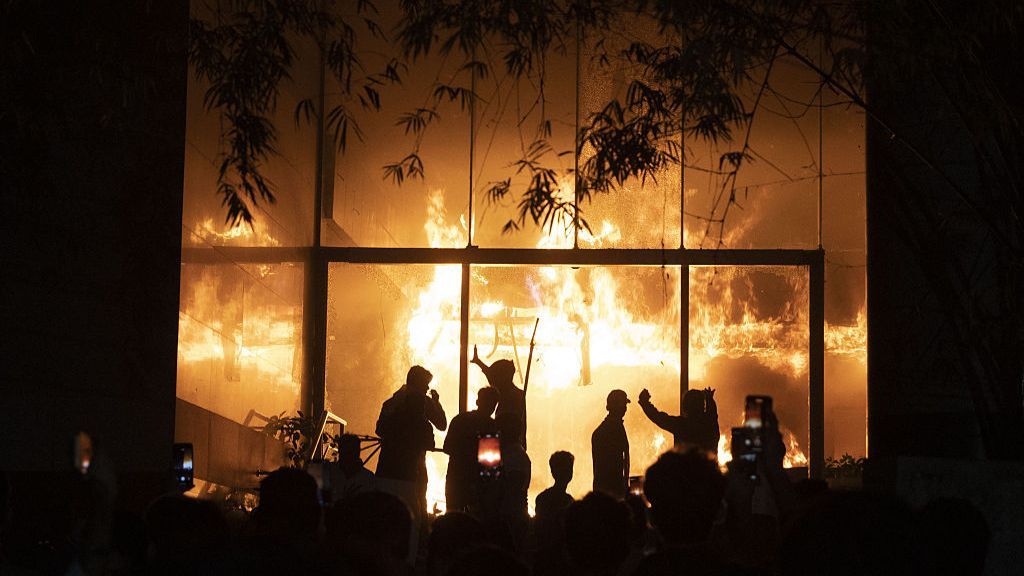
    As news of Hadi’s death circulated on Thursday, hundreds of supporters converged upon a central square in Dhaka, transforming their grief into angry demonstrations. The protests rapidly escalated into violence as enraged crowds vandalized the offices of leading Bangladeshi newspapers The Daily Star and Prothom Alo, with one building set ablaze. A police officer confirmed to BBC Bangla that ‘hundreds of people have gathered here and carried out the attack,’ prompting the deployment of military troops to restore order. Firefighters conducted rescue operations to evacuate journalists trapped within the besieged buildings.

    Nobel laureate Muhammad Yunus, who heads the interim caretaker government, declared Hadi’s death ‘an irreparable loss for the nation’ in a televised address. ‘The country’s march toward democracy cannot be halted through fear, terror, or bloodshed,’ Yunus asserted, while the government declared Saturday a day of national mourning. Yunus had previously characterized the shooting as a premeditated attack, stating shortly after the incident that ‘the objective of the conspirators is to derail the election’ and warning that ‘no form of violence intended to disrupt the election will be tolerated.’

    The assassination represents a critical juncture for Bangladesh’s fragile political transition. Hasina fled to India on August 5th last year following weeks of student-led protests that ended her 15-year increasingly authoritarian rule. In a significant development last November, she was sentenced to death for crimes against humanity after being convicted of permitting lethal force against protesters, resulting in approximately 1,400 deaths during the unrest.

    Investigations into Hadi’s assassination are ongoing, with authorities confirming several detentions in connection with the shooting. The incident has drawn condemnation from across Bangladesh’s political spectrum, with parties collectively urging the interim government to bring the perpetrators to justice and ensure the electoral process proceeds without further violence.

  • Return of ‘Make Europe Great Again’ trades hinges on German comeback

    Return of ‘Make Europe Great Again’ trades hinges on German comeback

    The much-anticipated ‘Make Europe Great Again’ (MEGA) trade momentum faces critical tests as investors await concrete evidence of Germany’s fiscal stimulus effectiveness and potential Ukraine peace developments. Despite recording substantial inflows exceeding $86 billion into European equities throughout 2025, investment patterns have significantly moderated with merely $23 billion entering markets during the past six months according to Barclays-tracked EPFR data.

    European markets initially outperformed U.S. counterparts during early 2025, fueled by collective defense spending increases, Germany’s groundbreaking borrowing rule revisions, and dampened confidence in American assets following Trump administration tariffs. This convergence created the ideal conditions for the MEGA phenomenon that investors had long anticipated.

    However, as tariff concerns gradually diminished, European equities resumed their traditional pattern of underperformance relative to U.S. markets. The euro similarly retreated from its September peak near $1.20, remaining below this four-year high watermark.

    Market analysts identify Germany’s March fiscal policy overhaul as a potential game-changer for the European economy. The nation, representing approximately one-quarter of the EU’s collective GDP, significantly relaxed spending constraints to accelerate infrastructure and defense investments. Yet concerns emerge regarding allocation priorities, with current expenditures favoring social spending over transformative infrastructure projects that would generate more durable economic benefits.

    Zurich Insurance Group’s euro zone market strategy head Ross Hutchison noted budgetary plans appear ‘not as ambitious as we would have liked,’ reflecting widespread investor caution. Execution risks remain substantial given Germany’s historical underdelivery on investment commitments, recently prompting three leading economic institutes to downgrade 2026 growth forecasts citing limited spending momentum and sluggish structural reforms.

    Valuation metrics reveal pervasive pessimism, with German stocks showing zero gains during the second half of 2025 despite a 20% annual advance. European equities currently trade at approximately 35% discount to U.S. counterparts based on forward earnings—hovering near record disparity levels.

    Schroders fund manager Dominique Braeuninger acknowledges this creates substantial upside potential, noting ‘the bar is very low’ for positive surprises. Additional momentum could emerge from projected STOXX 600 earnings recovery following 2025 contractions, based on LSEG I/B/E/S estimates.

    Geopolitical factors including potential Ukraine conflict resolution present another catalyst. Citi data indicates European equity funds remain 14% below pre-war asset levels, with recent inflows recovering merely one-tenth of departed capital. Peace negotiations or ceasefire agreements could trigger sentiment improvements, though initial impacts would likely concentrate in energy-sensitive sectors benefiting from lower prices. Reconstruction opportunities exceeding $500 billion over the next decade present additional long-term potential.

    Currency markets reflect similar uncertainties, with the euro registering its strongest annual gain since 2017 at 13% appreciation against the dollar throughout 2025 before plateauing since June. Goldman Sachs projects further advancement to $1.25 primarily driven by dollar weakness, while UBS anticipates retreat to $1.14 citing insufficient reasons for dollar sell-offs.

    Amundi’s global FX head Andreas Koenig emphasizes the enduring dominance of U.S. monetary policy, stating ‘Most of the time FX is more dominated by what happens in the U.S. and what the Fed does.’ The European Central Bank’s policy trajectory, German stimulus implementation, and Ukraine developments will collectively influence euro dynamics, though dollar strength remains the predominant factor.

  • China launches $113 billion free-trade experiment on Hainan island

    China launches $113 billion free-trade experiment on Hainan island

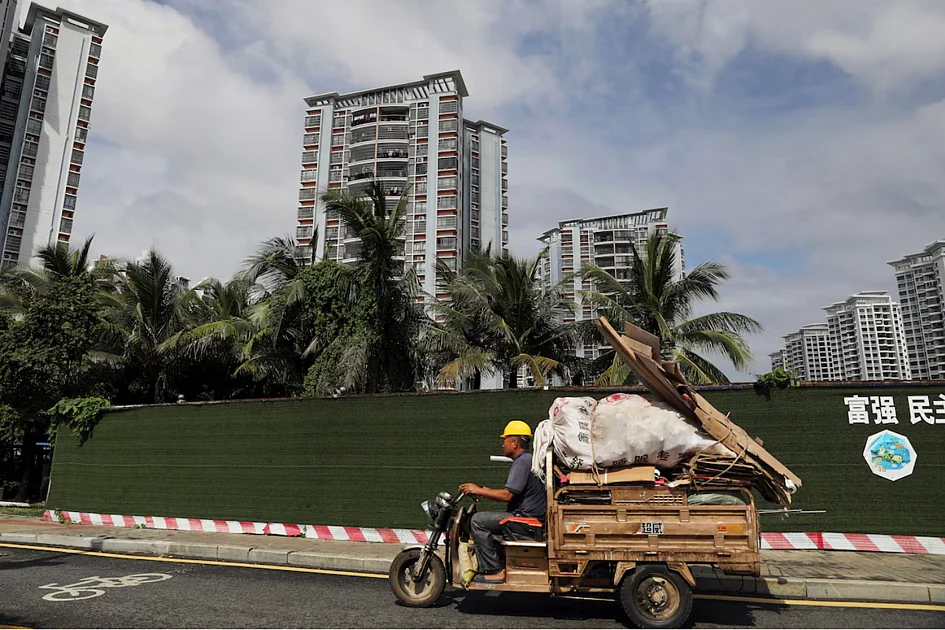
    China has initiated a groundbreaking economic experiment by transforming its southern island province of Hainan into a massive free trade port, marking one of Beijing’s most ambitious market liberalization efforts to date. The newly launched Hainan Free Trade Port, with an economy comparable to the world’s 70th largest nation, has been officially separated from mainland customs processing in a strategic move to establish a Hong Kong-style commercial hub.

    The project represents a significant component of China’s broader strategy to enhance its free-trade credentials and potentially join the Comprehensive and Progressive Agreement for Trans-Pacific Partnership (CPTPP). Under the new framework, foreign goods achieving at least 30% local value-added content can enter China’s massive consumer market tariff-free, while international firms gain access to service sectors traditionally restricted on the mainland.

    Chinese Vice Premier He Lifeng characterized the initiative as a “major strategic decision” and “vital gateway” for China’s new era of global economic engagement. The timing appears strategically significant, coming amid ongoing trade tensions with the United States and China’s efforts to diversify its $19 trillion economy while strengthening its position in global supply chains.

    Economic analysts note that Hainan’s transformation serves multiple strategic purposes: boosting foreign investment amid a 10.4% year-on-year decline in FDI during the first three quarters of 2025, enhancing China’s regional trade connectivity with Southeast Asia, and creating a testing ground for market liberalization policies that could eventually expand nationwide.

    However, experts caution that significant challenges remain. The island province, with its $113 billion GDP, must compete with established hubs like Hong Kong ($407 billion economy) while lacking comparable legal systems and financial openness. Additionally, trade negotiators question whether CPTPP members will view the project as sufficient evidence of China’s commitment to economy-wide reforms required for membership in the high-standard trade bloc.

  • EV trends to expect in 2026: The year electric mobility truly matures

    EV trends to expect in 2026: The year electric mobility truly matures

    The global automotive landscape is undergoing a radical transformation as electric vehicles transition from niche innovation to mainstream transportation. Projections indicate electric mobility will capture 26.7% of the global market share in 2026, accelerating to 42% by 2030 and eventually reaching 83% dominance by 2040 according to Auto Vista data.

    This evolution is being fueled by five critical developments that will define the 2026 EV ecosystem. First, emerging markets including the Middle East and Africa are experiencing accelerated adoption as financing options expand and cost-effective models enter these regions. The Gulf Cooperation Council (GCC) has emerged as one of the world’s fastest-growing EV markets, with sales penetration doubling from 2% to 4% in 2024. Remarkably, 91% of current battery-electric vehicle owners in the GCC would consider another EV for their next purchase.

    Second, charging infrastructure—historically a significant barrier—is undergoing revolutionary improvements. Ultra-fast charging hubs are proliferating across urban centers and intercity routes, while interoperable networks are eliminating the need for multiple apps and payment systems. User satisfaction rates have reached unprecedented levels: 95% in the UAE, 94% in Saudi Arabia, and 97% in Qatar.

    Third, artificial intelligence is fundamentally enhancing the ownership experience. AI-powered systems now optimize routing, automate charging schedules, perform predictive maintenance, and adjust energy consumption in real-time based on driving patterns and environmental conditions.

    Fourth, vehicle design is evolving beyond traditional automotive architecture. Manufacturers are creating sleek exteriors with minimalist, multi-functional interiors that function as mobile living spaces rather than conventional transportation cabins.

    Finally, automakers are increasingly engineering vehicles for extreme weather conditions. The 2026 model year will feature heat-pump HVAC systems, enhanced insulation, and advanced battery chemistries specifically optimized for performance in temperature extremes, ensuring consistent range reliability regardless of climate.

  • Rights group seeks US sanctions on Bahrain minister for torture of detainees

    Rights group seeks US sanctions on Bahrain minister for torture of detainees

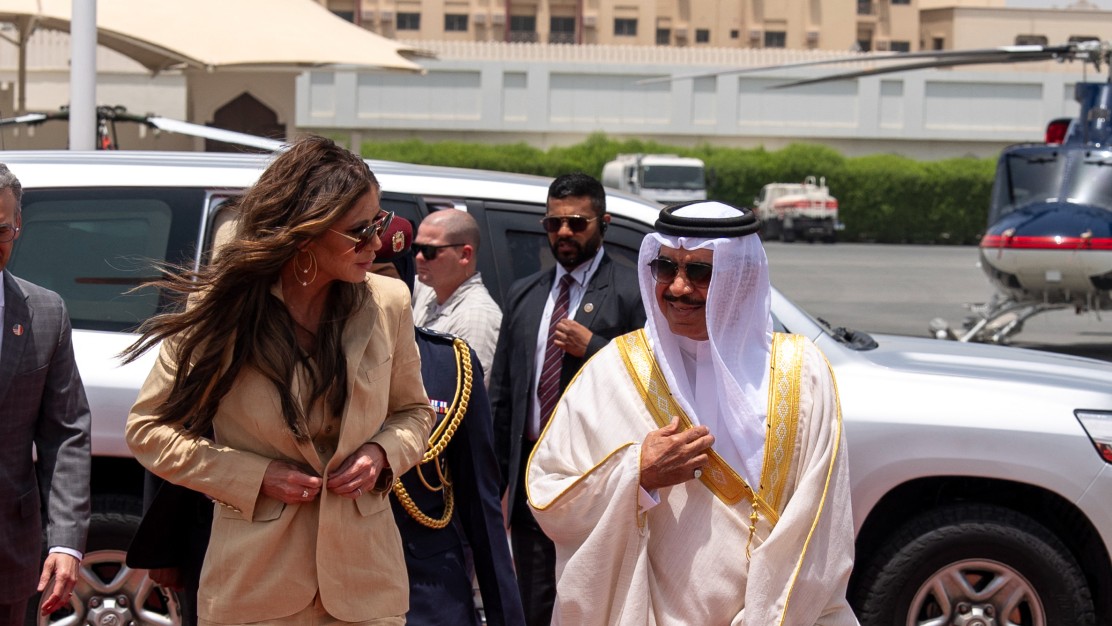
    Human Rights First (HRF), a prominent US-based advocacy organization, has formally submitted a comprehensive dossier to the Trump administration calling for targeted sanctions against Bahrain’s Interior Minister Sheikh Rashid bin Abdullah Al Khalifa. The submission, delivered on Thursday, presents evidence alleging the minister’s direct oversight of systematic torture practices within Bahrain’s detention facilities since 2011.

    The documentation accuses Minister Al Khalifa, who has led Bahrain’s interior ministry since 2004, of supervising torture and cruel treatment of political prisoners despite Bahrain’s status as a signatory to the UN Convention Against Torture. According to HRF’s statement obtained by Middle East Eye, prisoners have faced severe beatings to extract confessions and been systematically denied essential medical care, resulting in multiple fatalities.

    HRF President and CEO Uzra Zeya emphasized that “torture and cruel treatment in Bahrain’s prisons have continued well past the crackdown on the country’s 2011 uprising.” The organization contends that US law mandates visa bans and financial sanctions against foreign officials implicated in gross human rights violations.

    The recommendation builds upon longstanding concerns expressed by senior US lawmakers, including previous communications from figures such as Senator Marco Rubio and Senator Ron Wyden. In 2021 correspondence with the State Department, these legislators expressed alarm about Bahrain’s violent repression and warned that systemic abuses could undermine both domestic stability and US strategic interests, particularly regarding the US Navy’s Fifth Fleet stationed in Bahrain.

    HRF’s submission argues that Minister Al Khalifa meets the legal threshold for sanctions under both the Global Magnitsky Act and Section 7031(c) of US law, which authorizes visa restrictions against foreign officials involved in significant human rights violations. The organization advocates for a policy shift away from what it describes as an “illusion of stability sustained by impunity” toward measures that prioritize accountability and behavioral change.

    This development follows the UN Committee Against Torture’s recent observations expressing deep concern about “consistent reports indicating that persons in custody are subjected to torture or ill-treatment” in Bahrain and the “reported lack of accountability, which contributes to a climate of impunity.” Middle East Eye has contacted both the Bahraini government and US State Department for comment regarding these allegations.