作者: admin

  • UAE Lottery announces major changes: Weekly draws, new Dh30 million grand prize

    UAE Lottery announces major changes: Weekly draws, new Dh30 million grand prize

    The UAE Lottery has unveiled a comprehensive transformation of its Lucky Day game format coinciding with its first anniversary celebrations. The dramatic overhaul, announced during a live broadcast on Saturday evening, transitions the lottery draws from a bi-weekly to weekly schedule while introducing a substantial Dh30 million top prize.

    This landmark announcement preceded the final Dh100 million jackpot draw under the existing format, marking the conclusion of an era that has distributed Dh147 million to over 100,000 winners throughout its 26-draw history. The lottery’s inaugural year produced five millionaire winners who each claimed Dh1 million prizes.

    Key modifications to the Lucky Day game include a significantly enhanced prize structure featuring a revised grand prize of Dh30 million and an elevated second prize that has jumped from Dh1 million to Dh5 million. The new weekly draws will occur every Saturday, substantially increasing winning opportunities for participants.

    An innovative ‘Lucky Chance’ segment will be incorporated into each weekly event, awarding three fortunate players Dh100,000 each. The inaugural weekly draw under this revitalized format is scheduled for December 6, establishing a new chapter in the UAE’s gaming landscape.

    The transition to weekly events reflects the lottery’s commitment to maintaining engagement and excitement among participants while expanding the prize distribution framework. This strategic recalibration aims to sustain the momentum generated during the game’s successful first year of operation.

  • ‘Too scared to speak’ – Nigerian villagers on living in the midst of kidnap gangs

    ‘Too scared to speak’ – Nigerian villagers on living in the midst of kidnap gangs

    In the remote village of Papiri in Niger state, anguished parents maintain a fearful vigil outside St. Mary’s Catholic School, their silence speaking volumes about Nigeria’s escalating kidnapping epidemic. Their children—among them five-year-olds—vanished ten days ago when armed militants stormed the boarding facility under cover of darkness, part of a disturbing resurgence of mass abductions plaguing north and central Nigeria.

    Over 300 students were taken in the November 21 raid, with approximately 250 reportedly still missing despite official claims that numbers are exaggerated. The BBC has spoken with terrified parents who refuse to be identified, fearing brutal reprisals from captors they know operate just three hours from their community. “If they hear you say anything about them, before you know it they’ll come for you. They’ll come to your house and take you into the bush,” shared one father identified only as Aliyu, whose son remains among the missing.

    This incident follows a similar pattern to the abduction of 25 girls from Maga in Kebbi state just days earlier, though those students were subsequently rescued from a farm settlement by security forces. While no group has claimed responsibility, the Nigerian government suggests jihadist elements rather than conventional bandits may be behind these operations—a distinction that matters little to traumatized families.

    The crisis has forced remote communities to develop extraordinary survival strategies. After enduring a decade of violence with minimal government protection, some villages have initiated unprecedented peace negotiations with their tormentors. In Katsina state, communities like Jibia and Kurfi have brokered fragile agreements where bandits guarantee safety in exchange for access to resources—including mineral-rich lands and market privileges.

    Security analyst David Nwaugwe of SBM Intelligence explains: “Those communities severely affected by mass kidnappings have struck so-called peace deals with these bandits in exchange for access to mines.” Northwest Nigeria contains significant untapped mineral deposits, particularly gold, creating profitable opportunities for armed groups.

    These negotiations—conducted under shade trees with armed bandit leaders present—have yielded tentative successes. Schools have reopened, hostages have been released, and violence has decreased in participating areas. Bandit leader Nasiru Bosho, who participated in Kurfi talks, stated: “We are all tired of violence. We have agreed to live and let live.”

    However, security experts warn these local solutions may simply displace violence southward toward more economically advantaged regions where ransom payments are more substantial. The situation remains further complicated by international factors, including recent comments from U.S. political figures that Nigerian officials insist oversimplify the complex religious and criminal dynamics at play.

    As Christian Ani of the Institute for Security Studies notes: “Nigeria’s security situation is now very complicated. We don’t know how to draw the lines between violent extremist groups or bandits because they operate almost in the same areas and in a fluid manner.”

    For now, desperate parents in Papiri continue their vigil, hoping for their children’s safe return while larger solutions remain elusive in Africa’s most populous nation.

  • Watch: Moment huge fireball destroys Sydney waste facility

    Watch: Moment huge fireball destroys Sydney waste facility

    A catastrophic explosion rocked a waste management facility in Sydney, propelling a massive chemical storage tank into the sky and unleashing a towering inferno that required an unprecedented emergency response. The incident, captured in dramatic footage that circulated widely, shows a colossal fireball erupting with tremendous force, illuminating the night sky and sending plumes of thick, black smoke billowing across the metropolitan area.

    Emergency services scrambled to contain the blaze, deploying over 200 firefighters from multiple stations across the city to combat the intense flames. The complex nature of the fire, fueled by chemicals and waste materials, presented significant challenges to containment efforts. Authorities immediately established a substantial exclusion zone around the facility as a precautionary measure, urging nearby residents to remain indoors and keep windows closed to avoid exposure to potentially toxic fumes.

    The explosion’s cause remains under rigorous investigation by environmental agencies and fire authorities, with initial assessments pointing toward a possible chemical reaction within the facility’s storage systems. Structural engineers were called to evaluate the integrity of remaining infrastructure while environmental specialists began monitoring air quality across surrounding neighborhoods. The incident has raised serious questions about safety protocols at industrial facilities operating within urban environments, prompting calls for renewed scrutiny of hazardous material storage regulations.

  • Trump says Venezuela airspace should be considered ‘closed in its entirety’

    Trump says Venezuela airspace should be considered ‘closed in its entirety’

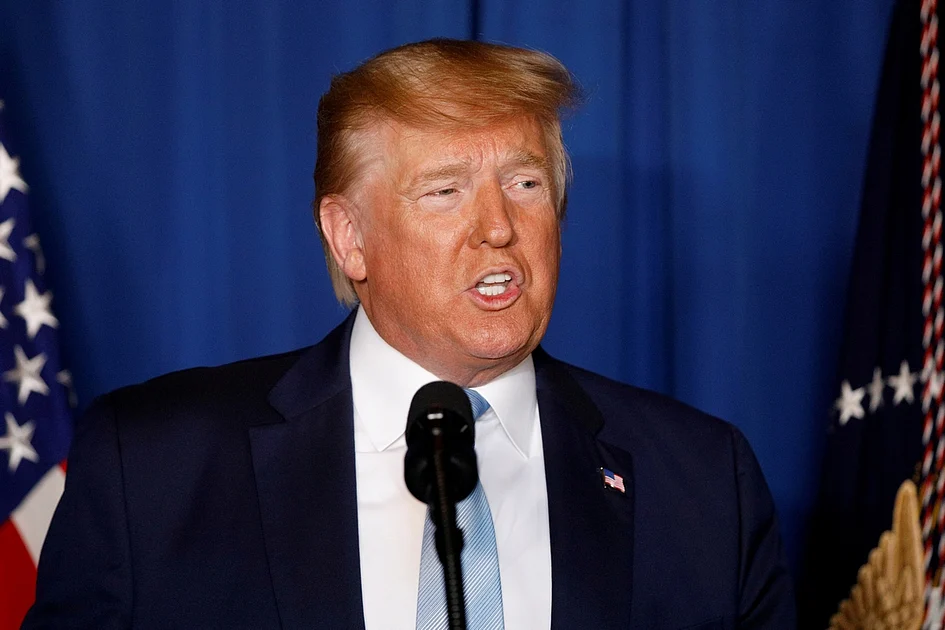
    In a dramatic escalation of tensions with Venezuela, U.S. President Donald Trump has issued an unprecedented declaration via his Truth Social platform, stating that all airspace above and surrounding Venezuela should be considered “closed in its entirety.” The announcement represents the latest development in an intensifying confrontation between Washington and Caracas that has now significantly disrupted regional aviation.

    The Trump administration has been building military pressure on the leftist government of Nicolás Maduro, deploying substantial naval assets to the Caribbean region including the world’s largest aircraft carrier. While Washington maintains its operations target drug trafficking networks, Venezuelan leadership insists the true objective is regime change.

    Since early September, U.S. forces have conducted strikes against more than 20 vessels allegedly involved in narcotics smuggling, resulting in at least 83 fatalities. Notably, American authorities have not publicly presented evidence verifying the targeted vessels were engaged in illicit activities, leading some experts to characterize the operations as extrajudicial killings.

    The situation has escalated further with Trump indicating that ground-based anti-trafficking operations would commence “very soon.” Recent aircraft tracking data reveals consistent U.S. fighter jet activity within dozens of kilometers of Venezuela’s coastline, while regional allies including the Dominican Republic and Trinidad and Tobago have provided logistical support to American military deployments.

    The aviation sector has borne immediate consequences from the rising tensions. Following a U.S. Federal Aviation Administration caution advisory regarding Venezuelan airspace due to security concerns, six major international carriers suspended service to the country. In retaliation, Caracas implemented flight bans against these airlines—including Iberia, TAP, Avianca, LATAM, GOL, and Turkish Airlines—accusing them of participating in “state terrorism” promoted by the United States.

    President Maduro, whose controversial reelection last year faced widespread international rejection, has responded with military exercises and mass demonstrations projecting national unity and defiance. Interestingly, The New York Times reported that despite public hostilities, Trump and Maduro held a telephone conversation last week discussing a potential meeting in the United States, suggesting diplomatic channels remain active behind the confrontational public rhetoric.

  • Dubai: Camel trekkers from 14 countries to embark on 1,000km desert journey for 21 days

    Dubai: Camel trekkers from 14 countries to embark on 1,000km desert journey for 21 days

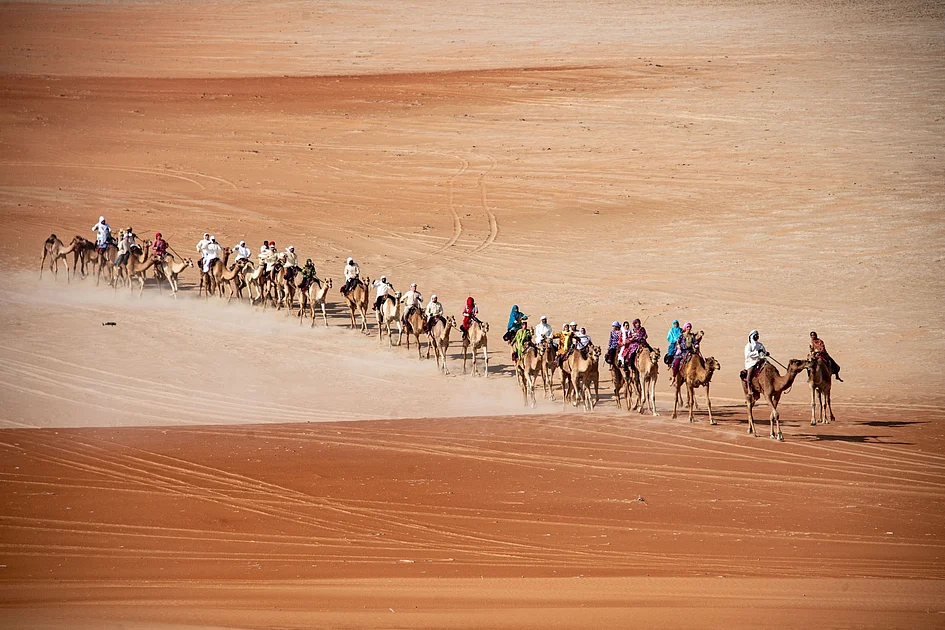
    A diverse assembly of 33 adventurers from 14 nations is poised to undertake a monumental 21-day camel trek across 1,000 kilometers of the UAE’s desert landscape. Commencing at dawn on November 30th from As-Sila in the Al Dhafra region, this year’s expedition marks the longest journey in the event’s history, organized annually by the Hamdan Bin Mohammed Heritage Centre (HHC) since 2014.

    The participants, ranging from 16 to 60 years old, represent a global mosaic including China, Colombia, Spain, UK, Germany, Hong Kong, Russian Federation, Pakistan, New Zealand, Canada, Austria, Ireland, Italy, and the UAE. Selected through a rigorous HHC training program at a Dubai camel farm, these trekkers—both novices and veterans—will navigate prepared routes while camping at designated stations, culminating their desert voyage at Dubai’s Global Village on December 20th.

    HHC CEO Abdullah Hamdan Bin Dalmook emphasized the trek’s significance in promoting cultural heritage and embodying values of tolerance, endurance, and camaraderie. The initiative revives traditional Bedouin lifestyles while creating an extraordinary test of human spirit and collective effort against the challenging desert environment.

  • Forgotten photos reveal women who powered India’s freedom struggle

    Forgotten photos reveal women who powered India’s freedom struggle

    A remarkable photographic collection has emerged as transformative evidence documenting the previously underrecognized leadership of women in India’s historic civil disobedience movement of 1930-31. The Alkazi Foundation’s acquisition of the Nursey album—a previously obscure photographic record discovered at a London auction two decades ago—has fundamentally reshaped historical understanding of this critical anti-colonial struggle.

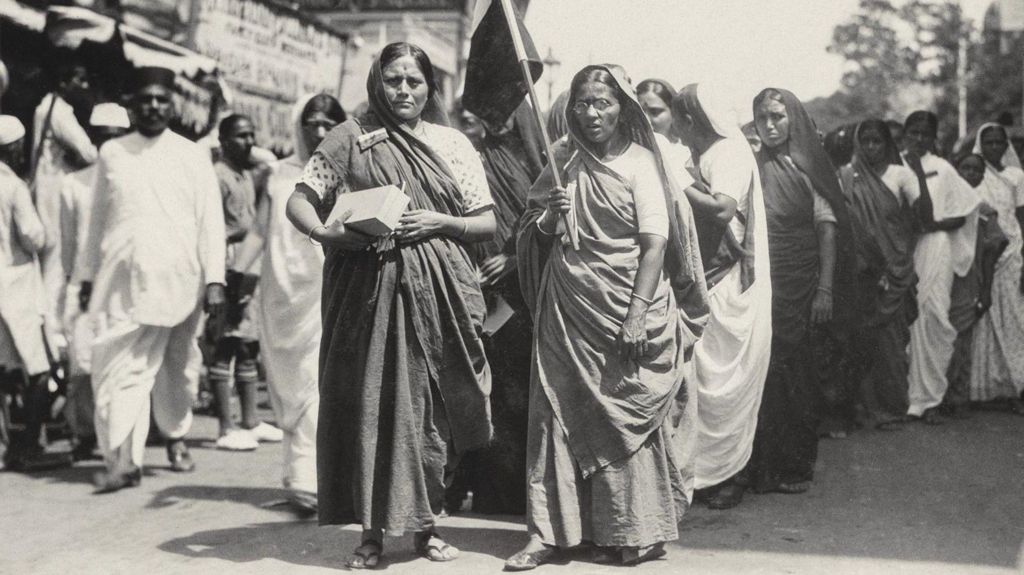
    The collection captures unprecedented visual testimony of women commanding political activities during Mahatma Gandhi’s civil disobedience campaign, often relegating male participants to supportive roles. These images document female volunteers manufacturing contraband salt, leading boycott processions through Bombay’s markets, confronting British police forces, and orchestrating mass demonstrations. Particularly striking are images of Congress leader Lilavati Munshi directing male volunteers at government salt pans and standing defiantly before boycotted British establishments.

    Historical significance extends beyond recognized figures like Munshi to thousands of anonymous women who joined the movement. The photographs reveal mothers bringing young daughters to protests, intergenerational transmission of political consciousness, and remarkable inversions of traditional gender dynamics. Middle-class men—many previously unfamiliar with domestic spaces—are shown conducting impromptu salt production classes, while women dominated public demonstrations carrying spindles symbolizing Gandhi’s homespun khadi movement.

    Scholars from Duke University note the collection’s unique value in capturing spontaneous action rather than staged imagery. The photographs reveal violent confrontations, monsoon-soaked marches, and wounded volunteers being loaded into ambulances—scenes absent from conventional historical accounts. This visual record demonstrates how women seized nationalist activities through direct action: challenging police authority, drumming support for boycotts, addressing crowds, and courting arrest.

    The rediscovery has prompted major scholarly reappraisal. As historian Sumathi Ramaswamy notes, while history associates civil disobedience with Gandhi, these images demonstrate how Bombay’s citizens fundamentally shaped the movement that subsequently amplified Gandhi’s global fame. The photographs now circulate publicly through the publication ‘Photographing Civil Disobedience’ and museum exhibitions titled ‘Disobedient Subjects’ at Mumbai’s CSMVS Museum and Duke University’s Center for Documentary Studies, offering belated recognition to women whose resolve remains palpable nearly a century later.

  • Airbus A320 recall: Gulf Air fixes glitch; Air India, IndiGo expected to complete soon

    Airbus A320 recall: Gulf Air fixes glitch; Air India, IndiGo expected to complete soon

    A major software recall affecting over 6,000 Airbus A320 family aircraft—representing more than half of the global fleet—prompted swift action from airlines worldwide on Saturday, November 29, 2025. The European planemaker’s directive mandated immediate software and hardware realignment, potentially disrupting travel across multiple regions.

    Indian carriers demonstrated significant progress in addressing the technical glitch. The Directorate General of Civil Aviation (DGCA) reported that 270 of India’s 338 affected aircraft had already received the necessary software fix. Air India confirmed completion on over 40% of its impacted fleet with minimal schedule disruptions, while low-cost carrier IndiGo successfully updated 160 of its 200 affected aircraft.

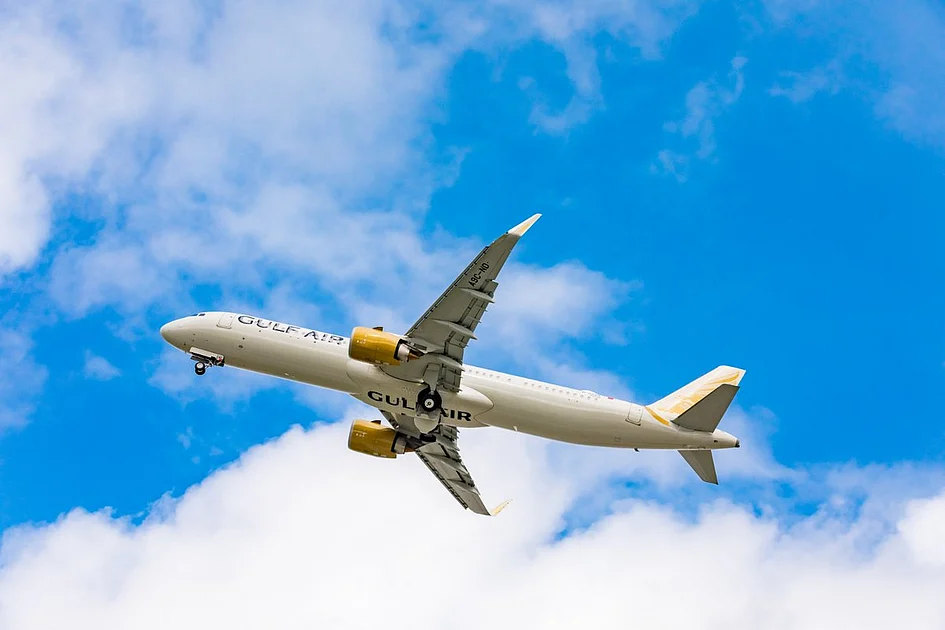
    Middle Eastern airlines similarly responded with efficiency. Gulf Air issued a statement confirming normal operations following immediate implementation of the mandatory update. Saudi Arabia’s Flynas completed upgrades without operational impact, and UAE authorities confirmed ongoing safety inspections for national carriers Air Arabia and Etihad Airways, which collectively operate 106 A320 aircraft.

    Airbus CEO Guillaume Faury apologized to airlines and passengers for the unexpected recall that particularly affects Asian short-haul aviation markets. The A320 family recently surpassed Boeing’s 737 as the industry’s most-delivered model, making this recall particularly significant for global aviation.

    Despite the massive scale of the recall, most airlines maintained normal operations with minimal cancellations. AirAsia targeted 48-hour completion for its fixes, while American Airlines reported 209 of its 480 jets required attention—below initial estimates—with most expected to be addressed by Saturday.

  • UAE National Day 2025: Indian musician AR Rahman composes special song for Eid Al Etihad

    UAE National Day 2025: Indian musician AR Rahman composes special song for Eid Al Etihad

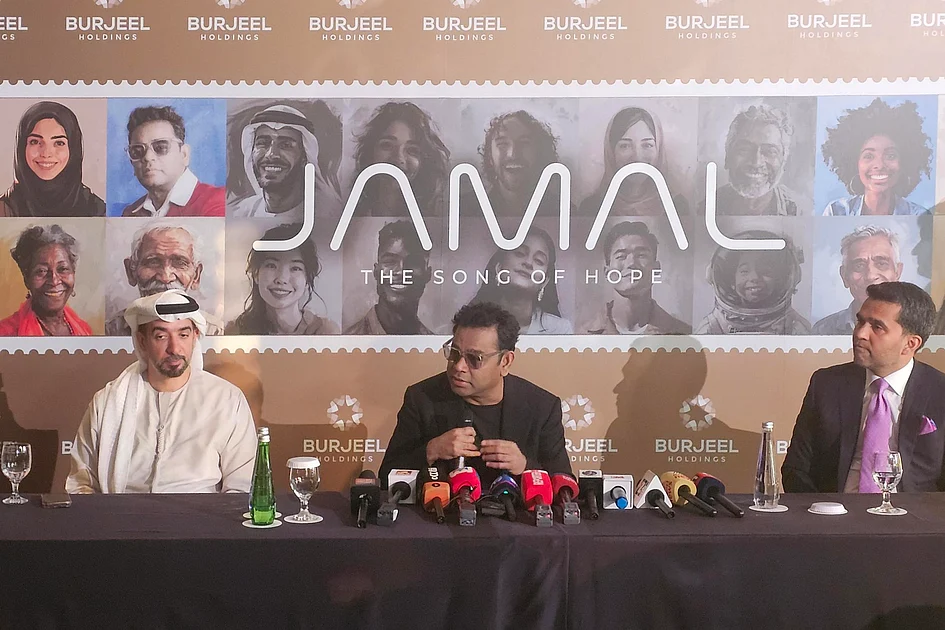
    Academy Award-winning composer AR Rahman has crafted a special musical tribute titled ‘Jamal Al Etihad’ (Beauty of the Union) in honor of the UAE’s 54th National Day celebrations. The exclusive English-language composition represents a departure from the Indian maestro’s typical cinematic work, conceived as what Rahman describes as “a therapy of smile” for the nation.

    The project originated in 2023 when Dr. Shamsheer Vayalil, Chairman of Burjeel Holdings, approached Rahman with the vision of creating a musical gift for the UAE. Despite beginning work two years ago, global circumstances prompted the team to delay the release until this year’s celebrations.

    In an exclusive interview with Khaleej Times, Rahman revealed his creative process involved developing multiple concepts before finalizing the current version. “It’s a simple, joyful tribute to the UAE and the values that bring the country together,” the composer explained. “The idea was to bring together the people who make this country what it is — workers, entrepreneurs, royalty, expats. Everyone is working towards something big for the UAE.”

    Describing the track as a “UAE-born creation,” Rahman emphasized its universal appeal. “It’s a vibe. Something you can enjoy in the car, in the desert, anywhere you feel like. It’s about being together, working together for greatness, and giving joy to each other.”

    The composition marks a rare English-language project for Rahman, who noted that creating music for a nation differs fundamentally from film scoring. “This is for hope,” he stated, capturing what he identifies as the UAE’s essential emotional quality: “If the UAE were a melody, it would be happiness.”

    The official unveiling occurred on November 29th at 9:30 PM at the Layali Al Wathba Theatre during the Sheikh Zayed Festival in Abu Dhabi. The event, presented by Burjeel Holdings, featured free admission for all festival ticket holders, with doors opening at 7:00 PM. The musical presentation culminated in a three-minute fireworks display at 10:00 PM, creating one of the evening’s highlight moments.

    As the UAE approaches its 54th National Day, ‘Jamal Al Etihad’ serves as a musical embodiment of unity, generosity, and the joyful spirit characterizing the nation’s identity.

  • Dubai’s Global Village extends operating hours for UAE National Day

    Dubai’s Global Village extends operating hours for UAE National Day

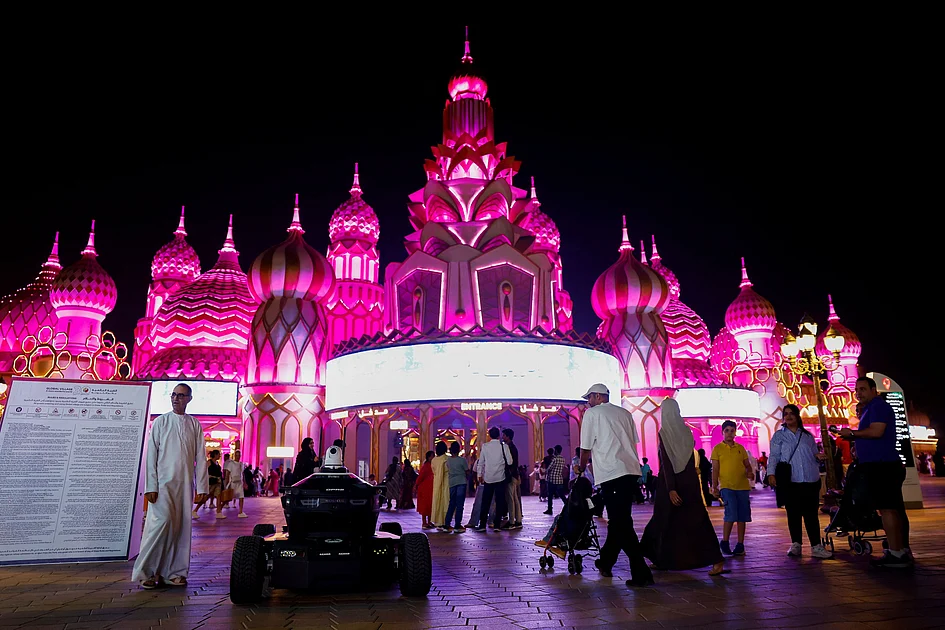
    Dubai’s premier cultural entertainment destination, Global Village, has unveiled special operational adjustments in honor of the UAE’s 54th National Day celebrations. The expansive theme park will extend its operating hours throughout the festive period from November 27th to December 3rd, adopting the unifying theme ‘United’ to commemorate the nation’s historic milestone.

    The extended schedule features enhanced visitor accessibility with operations running from 4:00 PM to 1:00 AM from November 27th through December 1st. Subsequently, on December 2nd and 3rd, the park will maintain extended hours from 4:00 PM until midnight, providing ample opportunity for residents and tourists to immerse themselves in the celebrations.

    Beyond extended access, Global Village has curated an elaborate program of cultural festivities and technological spectacles. The celebration lineup includes sophisticated drone displays scheduled for 9:00 PM on December 1st and 2nd, complemented by pyrotechnic presentations from December 1st through 3rd. The entertainment roster features a special performance by renowned Khaleeji artist Khaled Mohammed on the main stage on December 1st.

    This strategic extension forms part of Dubai’s broader cultural initiatives to honor Emirati heritage and national identity. The extended operational framework allows visitors to experience the park’s diverse cultural pavilions, traditional performances, and culinary offerings during the celebratory period, enhancing the overall National Day experience for both domestic and international guests.

  • Danilo da Silva header secures Flamengo Copa Libertadores triumph over Palmeiras

    Danilo da Silva header secures Flamengo Copa Libertadores triumph over Palmeiras

    In a tightly contested all-Brazilian final, Flamengo secured their fourth Copa Libertadores championship with a 1-0 victory against Palmeiras on Saturday. The decisive moment arrived in the 67th minute when veteran defender Danilo da Silva, leveraging his European experience from stints at Juventus, Real Madrid, and Manchester City, powered a clinical header into the net.

    This triumph marks Flamengo’s second title in four years, having previously lifted the prestigious trophy in 2019 and 1981. The victory not only earned the Rio de Janeiro-based club a grand prize of $24 million but also secured their qualification for the expanded 2029 FIFA Club World Cup. As the runner-up, Palmeiras will receive a consolation prize of $7 million.

    The win further cements Brazil’s dominance in South American club football. This seventh consecutive victory for a Brazilian team in the tournament ties the nation with Argentina for the most Copa Libertadores titles overall, with both footballing powerhouses now boasting 25 crowns each. The last non-Brazilian team to win the competition was Argentina’s River Plate back in 2018.

    Flamengo’s calendar remains packed with high-stakes matches. The club is now set to face Lanús, the recent Copa Sudamericana champion, in the Recopa Sudamericana, a contest between the champions of CONMEBOL’s two premier club competitions.