作者: admin

  • ROK president proposes restoring communication channels with DPRK

    ROK president proposes restoring communication channels with DPRK

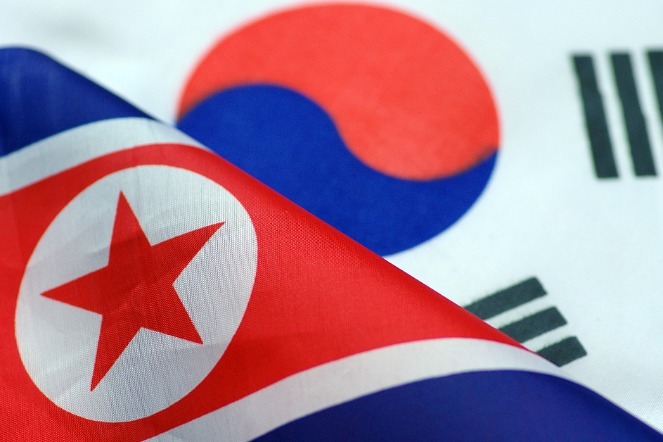
    In a significant diplomatic overture, South Korean President Lee Jae-myung has formally proposed the restoration of direct communication channels with North Korea. The announcement, reported by multiple South Korean media outlets on Tuesday, December 2nd, 2025, represents a potential breakthrough in inter-Korean relations that have remained largely frozen in recent years.

    The proposal comes amid ongoing regional tensions and follows a period of minimal diplomatic engagement between the two neighboring nations. President Lee’s initiative suggests a willingness to reestablish basic communication infrastructure that had previously been maintained between Seoul and Pyongyang. These channels, which include military hotlines and diplomatic liaison offices, had been largely suspended during periods of heightened military and political tensions on the Korean Peninsula.

    Analysts suggest this move could serve as a foundational step toward more substantial diplomatic engagements, potentially paving the way for future talks on denuclearization, economic cooperation, and confidence-building measures. The restoration of communication channels would enable direct dialogue between government officials, potentially reducing miscalculations and providing a mechanism for crisis management.

    The international community, particularly neighboring powers including China and the United States, has consistently encouraged renewed dialogue between the two Koreas. President Lee’s proposal aligns with these broader regional stability interests while demonstrating South Korea’s proactive approach to reducing tensions on the peninsula.

  • Cubers show their true colors

    Cubers show their true colors

    The Chongqing Stadium witnessed an extraordinary display of mental athleticism on Monday as the 2025 National Rubik’s Cube Open regional competition concluded with unprecedented participation. A remarkable assembly of 1,520 puzzle enthusiasts from across China converged for the Chongqing leg of the national tournament, showcasing exceptional speedcubing prowess across multiple age categories.

    Among the standout participants was six-year-old prodigy Yu Niannian from Xiamen, Fujian province, who demonstrated remarkable composure alongside seasoned competitors. The young cuber’s dedication was captured by his mother, who documented his competitive journey through her mobile device from the spectator area.

    The event highlighted China’s growing fascination with precision sports that combine mathematical reasoning, pattern recognition, and manual dexterity. Participants engaged in various cube-solving disciplines, with some competitors achieving solve times under ten seconds amid intense concentration and rapid finger movements.

    Organizers noted that this year’s regional competition saw a 23% participation increase compared to previous editions, reflecting the sport’s expanding popularity as both competitive endeavor and educational tool. The tournament followed World Cube Association regulations, with official judges monitoring solves for compliance with international standards.

    The Chongqing qualifiers served as preliminary rounds for the national championship finals scheduled for early 2026, where top performers will compete for national titles and potential representation in international speedcubing competitions.

  • Celebrating the spirit of the UAE on its 54th National Day

    Celebrating the spirit of the UAE on its 54th National Day

    As the United Arab Emirates commemorates its 54th National Day, Bank of Baroda reflects on its substantial five-decade partnership with the nation, highlighting a journey of mutual economic advancement and community development. Since establishing its first branch in June 1974—merely three years after the UAE’s formation—the bank has grown alongside the Emirates’ rapid transformation into a global economic hub.

    The Indian financial institution commenced operations during the UAE’s foundational growth period, expanding with an Abu Dhabi branch in July 1974. Today, Bank of Baroda maintains the distinctive position as the sole Indian bank providing comprehensive financial services across the Emirates through five full-service branches in key locations including Dubai, Deira, Sharjah, Abu Dhabi, and Ras Al Khaimah. This network is supplemented by 9 Electronic Banking Service Units and 44 ATMs.

    Bank of Baroda’s service portfolio has evolved to address contemporary market demands, offering specialized solutions in SME and corporate finance, syndicated loans, retail lending, trade finance, and treasury products. The institution acknowledges the UAE’s role in creating an enabling environment for the Indian diaspora to thrive economically while providing businesses with opportunities for innovation and expansion.

    The bank’s operational philosophy emphasizes deep community engagement, particularly through dedicated services for the NRI community. A centralized NRI Cell and specialized NRI Desks across all branches facilitate personalized banking experiences, reflecting the institution’s commitment to this demographic.

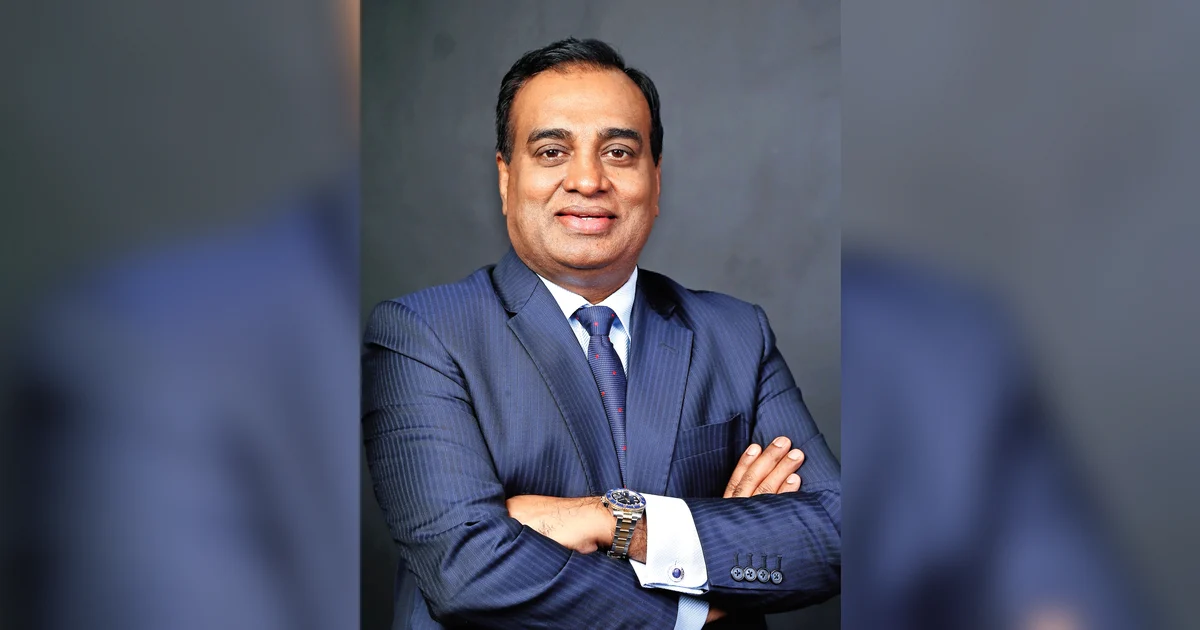
    In his National Day message, Jagdish Tungaria, Chief Executive for GCC Operations, expressed gratitude for customer trust and reaffirmed the bank’s commitment to supporting the UAE’s future vision centered on technological advancement, sustainability, and global leadership. The statement extended heartfelt greetings to the nation’s leadership and citizens, recognizing National Day as a celebration of unity, progress, and inspirational national achievement.

  • Lithuania accuses Belarus of ‘cynical hybrid attack’ as balloons disrupt airport

    Lithuania accuses Belarus of ‘cynical hybrid attack’ as balloons disrupt airport

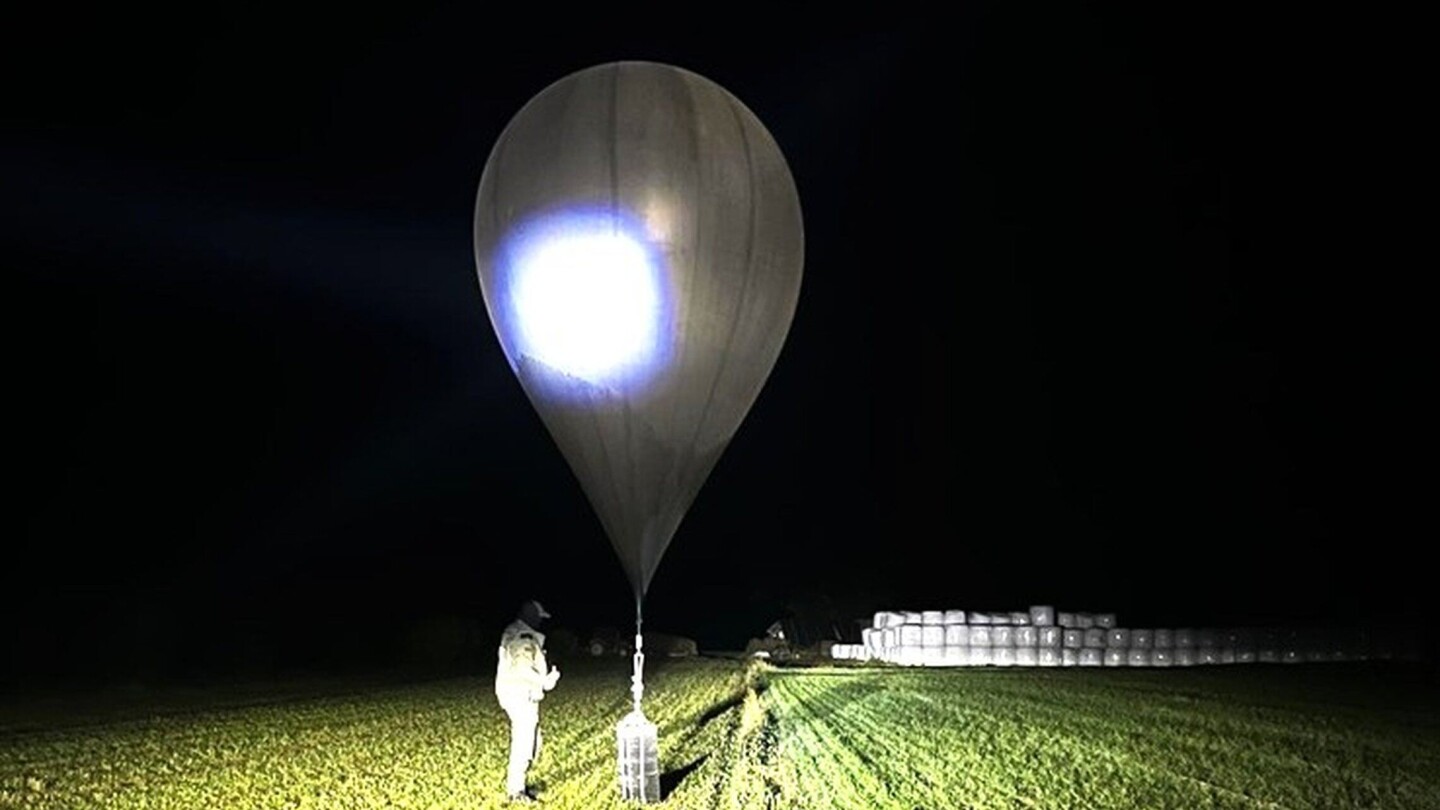
    VILNIUS, Lithuania — A sophisticated aerial confrontation has emerged between Lithuania and Belarus, with Vilnius accusing its neighbor of orchestrating deliberate disruptions to aviation security through coordinated meteorological balloon launches. The ongoing incidents have forced repeated shutdowns of Vilnius International Airport, creating travel chaos and stranding thousands of passengers in what Lithuanian officials characterize as a calculated hybrid warfare campaign.

    The situation reached critical levels when operations at Lithuania’s primary airport were suspended for eleven consecutive hours last Saturday night. Aviation authorities documented at least sixty balloons originating from Belarusian territory, with approximately forty penetrating restricted airspace crucial for flight safety. The systematic timing and precise trajectory of these incursions suggest intentional targeting of aviation infrastructure rather than random meteorological activity.

    Deputy Foreign Minister Taurimas Valys condemned the actions as “a cynical hybrid attack against our economy, aviation security, and the entire nation.” The balloons, ostensibly used for cigarette smuggling operations, have become instruments of geopolitical tension between the neighboring states.

    Belarusian President Alexander Lukashenko previously offered conditional apologies if Minsk’s involvement could be definitively established. However, the Belarusian government has simultaneously accused Lithuania of dispatching surveillance drones into its airspace for espionage purposes and distributing “extremist materials.” These allegations prompted Minsk to summon Lithuanian diplomat Erikas Vilkanecas this week, demanding formal explanations and investigations while reserving “the right to take all necessary measures to protect its sovereignty.”

    The border region has become an arena for reciprocal measures, with Lithuania initially closing frontier crossings in October following repeated aerial incursions. Belarus retaliated by blocking over 1,000 Lithuanian commercial trucks from exiting its territory. Although Vilnius subsequently reopened borders under pressure from logistics companies, balloon incursions have continued escalating.

    Prime Minister Inga Ruginienė acknowledged the government’s delicate balancing act, stating, “If necessary, we will close the border, but please understand that we must coordinate every action with our strategic partners.” This reference to NATO allies underscores the broader security implications as the alliance remains vigilant following unprecedented drone intrusions in September.

    Lithuania is developing technological countermeasures, including a €1 million investment in an Intelligent Airspace Security System (IOEAS) that incorporates artificial intelligence for target recognition and trajectory prediction. IT Logika, a project beneficiary, is developing a high-power laser system capable of neutralizing multiple balloons during single operations. Additional proposals include relocating night flights to secondary airports like Kaunas and implementing stricter penalties for cigarette smuggling networks.

    The escalating tensions occur against the backdrop of Belarus’s alignment with Russia and the ongoing conflict in Ukraine, now approaching its fourth year. This aerial provocation represents a new dimension in the complex security challenges facing NATO’s eastern flank.

  • Ming Dynasty ginkgo tree draws crowds in Hunan

    Ming Dynasty ginkgo tree draws crowds in Hunan

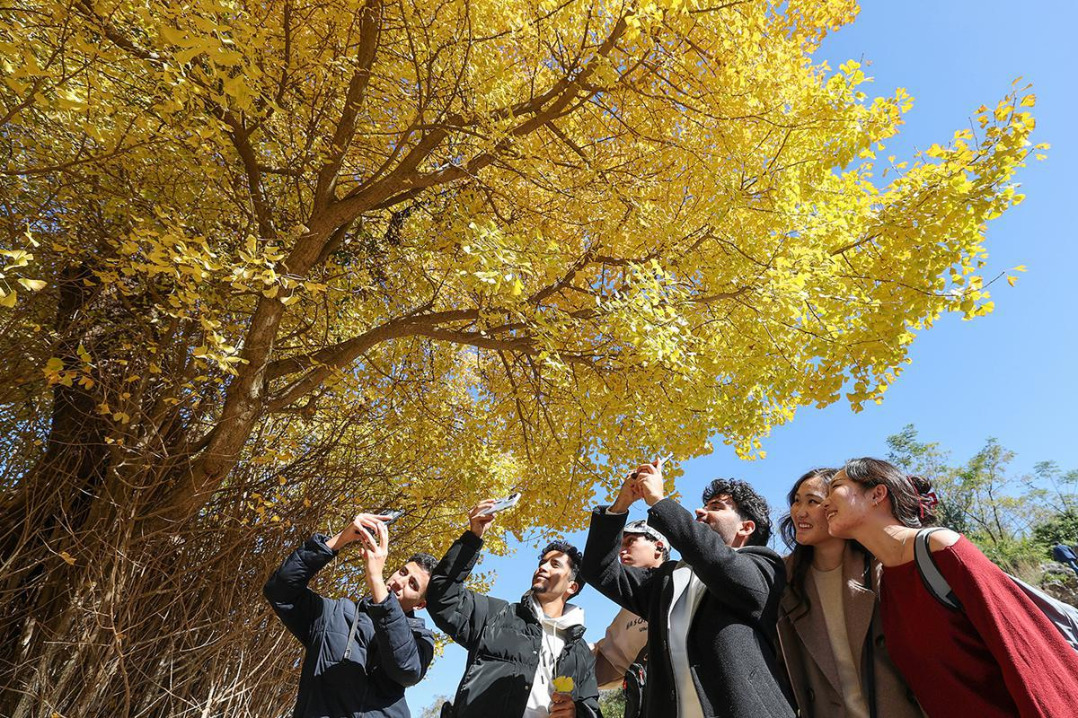
    A majestic centuries-old ginkgo tree has become an unexpected tourist phenomenon in Shanghuang village, Linwu county, Chenzhou, Hunan province. The ancient tree, standing approximately 40 meters tall with a 5-meter trunk diameter, has transformed into a breathtaking golden spectacle during the early winter season, drawing massive crowds of visitors to the typically tranquil rural community.

    The tree’s extraordinary dimensions and elegant architectural form create a natural wonder described by locals as a ‘one-tree forest.’ Its expansive canopy, now completely adorned in vibrant golden foliage, provides a stunning visual contrast against the winter landscape. The phenomenon has generated significant attention across social media platforms, with photographs of the golden giant circulating widely and inspiring travel to the remote village.

    Local authorities report unprecedented visitor numbers for the region, with tourism infrastructure experiencing unusual demand for this time of year. The tree’s popularity highlights China’s growing appreciation for natural heritage and seasonal natural phenomena. Botanical experts note that ginkgo trees of this age and size are exceptionally rare, with this specimen representing both ecological significance and cultural heritage.

    The surge in visitors has provided economic benefits to local businesses while also raising questions about sustainable tourism management and preservation of the ancient tree. Village officials have implemented crowd management measures to ensure the tree’s protection while accommodating the curious visitors who come to witness this natural marvel.

  • Venezuelan president rejects ‘slave’s peace’ under US threat

    Venezuelan president rejects ‘slave’s peace’ under US threat

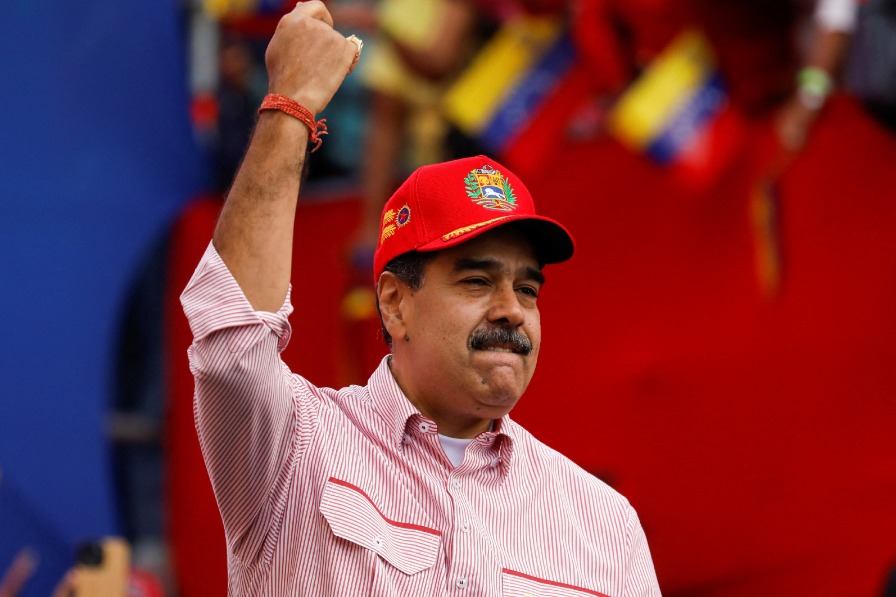
    Venezuelan President Nicolás Maduro has forcefully rejected what he characterizes as American attempts to impose a ‘slave’s peace’ upon his nation, delivering a defiant address to supporters amid escalating military tensions with the United States.

    Speaking on Monday, Maduro articulated Venezuela’s position regarding the ongoing geopolitical standoff, stating: ‘We seek peace, but peace with sovereignty, peace with equality, peace with freedom. We will never accept the peace of slaves or the peace of colonies.’ The Venezuelan leader condemned the 22-week US military presence near Venezuelan territory as a form of ‘psychological terrorism’ designed to destabilize his government.

    Maduro emphasized that Venezuela’s national resilience stems from robust citizen participation, institutional strength, and the determined will of its people to defend their homeland against external pressure. He framed this social cohesion as an ‘invincible, eternal and perpetual’ foundation of national power that would ensure political autonomy.

    The speech comes amid significant US naval mobilization in the Caribbean region. Since September, American forces have conducted at least 21 strikes on vessels suspected of drug trafficking operations, resulting in numerous casualties. These operations intensified following President Donald Trump’s alleged ultimatum to Maduro during a November 21st phone conversation, where Trump reportedly demanded the Venezuelan leader relinquish power.

    In response to US pressure, Venezuela revoked operating rights for six international airlines that had suspended services following advisories from the US Federal Aviation Administration. Maduro’s administration maintains that Washington’s actions represent a transparent attempt to orchestrate regime change aimed at controlling Venezuela’s substantial natural resources, including its extensive oil reserves.

  • Today’s strategic initiatives shaping the UAE of tomorrow

    Today’s strategic initiatives shaping the UAE of tomorrow

    In a striking display of corporate patriotism, Design Infinity, a prominent UAE-based design and manufacturing firm, orchestrated a comprehensive National Day celebration involving its entire 1,400-strong workforce. The commemorative event took place at the company’s specialized Glass, Metal & Signage Factory, serving as both a tribute to national pride and a demonstration of industrial capability.

    The celebration represented a significant organizational undertaking, bringing together employees across all operational divisions to honor the UAE’s heritage and progressive vision. Company leadership emphasized the parallel between the nation’s developmental journey and their own growth within the industrial sector, highlighting how both narratives reflect ambition, innovation, and collective achievement.

    Beyond ceremonial activities, the event featured exhibitions showcasing the factory’s technical expertise and manufacturing precision. Employees participated in culturally significant activities while surrounded by the company’s industrial creations, creating a symbolic connection between traditional values and modern industrial advancement. The gathering also served to reinforce corporate culture and team cohesion within the context of national identity.

    This large-scale observance underscores the growing trend of private sector entities actively participating in national celebrations, particularly within industrial and manufacturing sectors that form crucial components of the UAE’s economic diversification strategy. The event demonstrated how industrial enterprises are increasingly positioning themselves as integral contributors to both economic development and cultural preservation.

  • UAE: Dead fish found in Abu Dhabi canal; environment authority assures public

    UAE: Dead fish found in Abu Dhabi canal; environment authority assures public

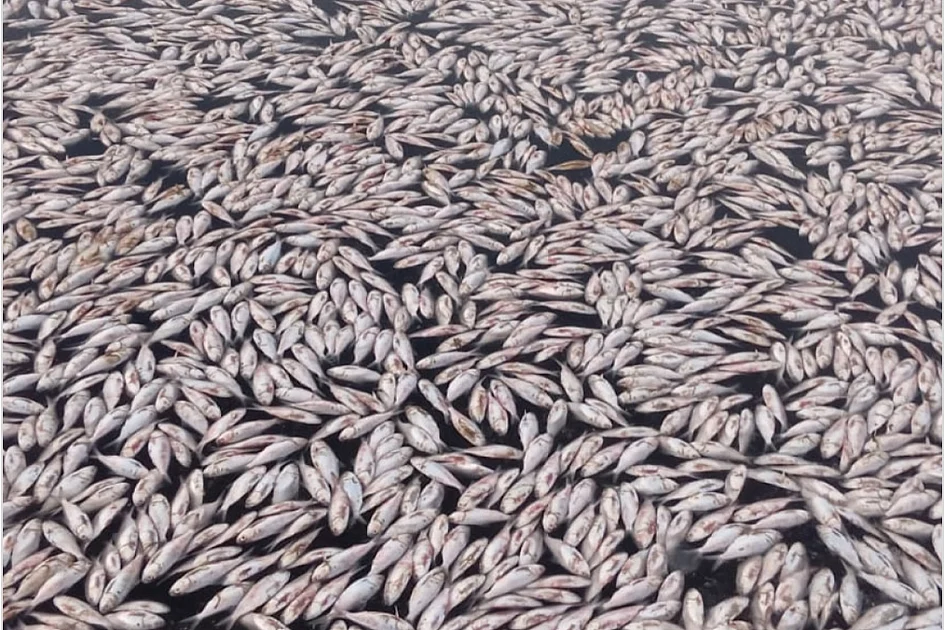
    Environmental authorities in Abu Dhabi are conducting a comprehensive investigation after discovering significant quantities of deceased fish in Al Muzoon Canal. The Environment Agency–Abu Dhabi (EAD) confirmed the incident on Tuesday, December 2, 2025, attributing the preliminary findings to an algal bloom that depleted oxygen levels in the waterway.

    The agency responded immediately to the situation by implementing safety protocols, including the collection, transportation, and safe disposal of affected marine life. Technical teams gathered both water and fish specimens for detailed laboratory analysis to determine the exact causative factors behind the ecological event.

    According to EAD representatives, the oxygen reduction resulted from inadequate water circulation combined with algal proliferation. The agency continues to monitor the canal’s conditions while conducting a thorough technical assessment. Officials have committed to providing public updates as additional analytical data and test results become available.

    This incident echoes a similar occurrence in Dubai during 2024, when environmental authorities observed fish fatalities following unprecedented rainfall and flooding. That event was characterized as a natural phenomenon subsequent to extreme weather conditions that affected the region in April, when the UAE experienced its highest recorded rainfall, with Dubai receiving over 220mm within 24 hours—exceeding typical annual precipitation levels.

  • Lighting the path for the nation’s next generation of innovators

    Lighting the path for the nation’s next generation of innovators

    As the United Arab Emirates celebrates its National Day, the nation’s extraordinary transformation from desert federation to global innovation hub stands as a testament to visionary leadership and entrepreneurial resilience. This remarkable journey, accomplished within mere decades, has established the UAE as a center for technological advancement, international commerce, and cultural convergence.

    The foundation of the UAE’s success extends beyond its iconic skylines and state-of-the-art infrastructure to embrace the determined spirit of its people. This collective drive has created an environment where opportunity knows no bounds and diversity serves as a catalyst for progress. The nation’s business ecosystem thrives on these principles, fostering innovation across sectors from fintech to sustainable development.

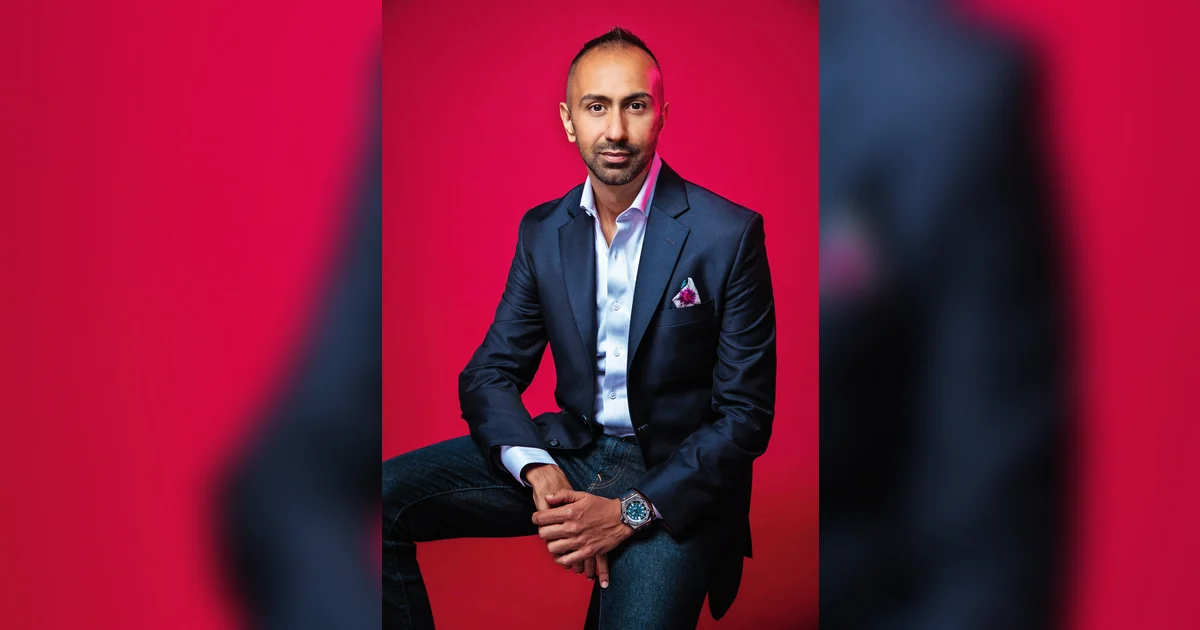
    Entrepreneur Jigar Sagar, founder of Triliv Holdings, exemplifies this transformative journey. His early exposure to business operations in Sharjah’s Gold Souk at age ten instilled fundamental values of commitment, customer service, and entrepreneurial thinking. These formative experiences now fuel his mission to build supportive frameworks where startups can flourish and young founders can transform ideas into reality.

    The UAE’s innovation engine continues to gain momentum through strategic investments in talent development, artificial intelligence adoption, and global market connectivity. This forward-looking approach ensures the nation remains at the forefront of entrepreneurship and technological advancement. The unity between visionary leadership and citizen participation creates an environment where challenges become opportunities and ambitious goals become achievable realities.

    As the UAE looks toward the future, its commitment to nurturing homegrown talent and embracing transformative technologies positions the nation as a enduring beacon of progress. The entrepreneurial spirit that defines the UAE’s past now lights the path for generations to come, demonstrating that with vision, resilience, and unity, even the most ambitious dreams can be realized.

  • Guinea-Bissau electoral commission unable to finalize results after armed men steal vote tally

    Guinea-Bissau electoral commission unable to finalize results after armed men steal vote tally

    GUINEA-BISSAU’S electoral commission declared Tuesday it cannot finalize results from the disputed presidential election after armed intruders stormed its offices and confiscated critical vote tally sheets. This development coincides with the military’s seizure of governmental control, plunging the West African nation into renewed political turmoil.

    The commission’s statement confirmed the November 26th breach occurred three days following presidential and legislative elections where both incumbent President Umaro Sissoco Embaló and opposition candidate Fernando Dias da Costa declared victory. The unidentified armed men’s raid effectively paralyzed the electoral certification process.

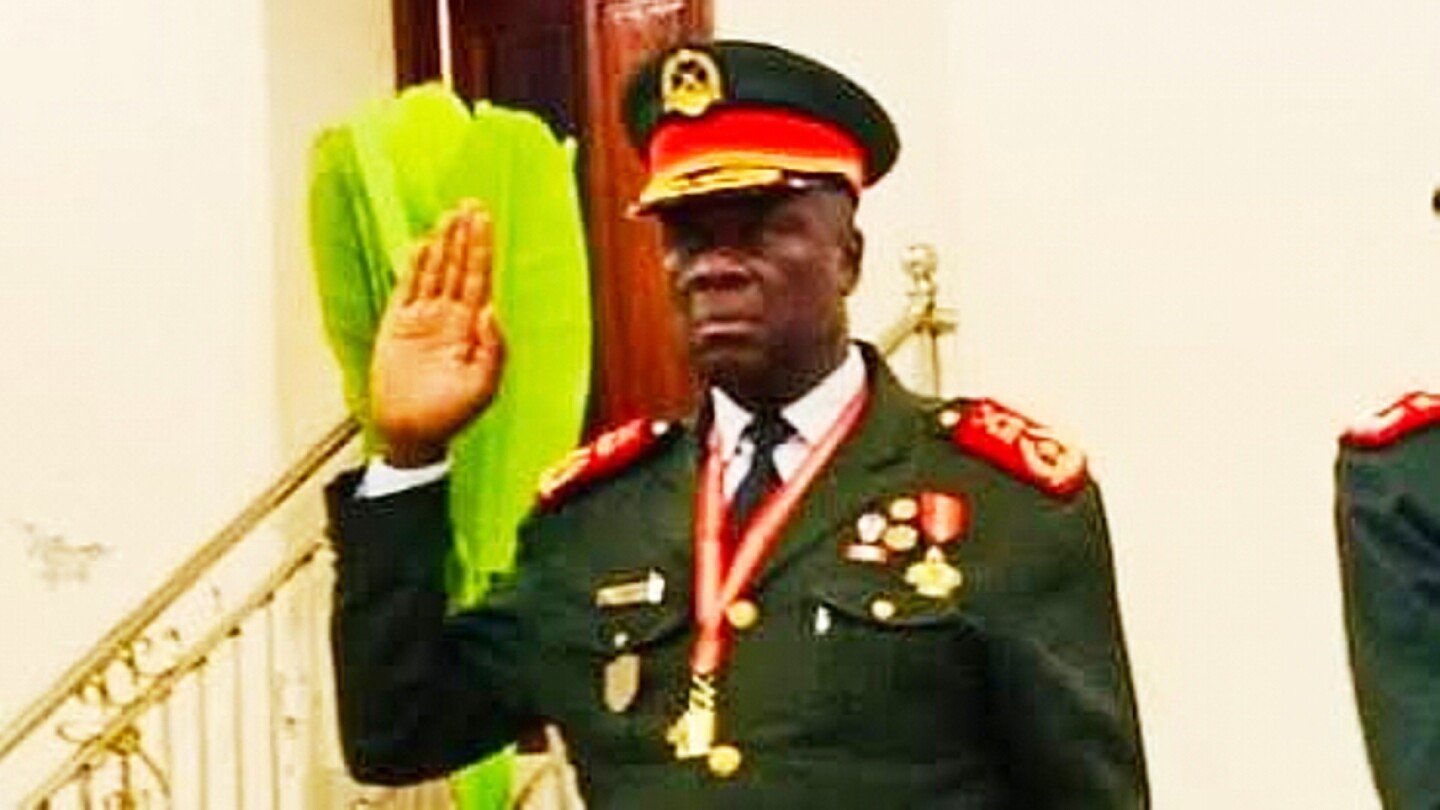
    In parallel developments, the military establishment installed former army chief of staff General Horta Inta-a as head of a transitional military government. The new regime announced plans to oversee a twelve-month transition period. On Saturday, Inta-a appointed a 28-member cabinet predominantly composed of political allies to the deposed president.

    President Embaló has sought refuge in Brazzaville, capital of the Republic of Congo, while Nigeria’s President Bola Tinubu granted protective asylum to opposition leader da Costa citing “imminent threats to his personal safety.”

    This crisis continues Guinea-Bissau’s troubled legacy of political instability since gaining independence from Portugal five decades ago. The nation of 2.2 million people, ranking among the world’s poorest countries, has experienced multiple coups and attempted power grabs, including a failed October putsch. International analysts note the country’s role as a strategic narcotics trafficking corridor between Latin America and Europe has significantly exacerbated its chronic governance challenges.