作者: admin

  • OpenAI declares ChatGPT ‘code red’ over stiff competition: Media reports

    OpenAI declares ChatGPT ‘code red’ over stiff competition: Media reports

    OpenAI CEO Sam Altman has issued an urgent internal ‘code red’ directive in response to mounting competitive pressures in the artificial intelligence sector, according to multiple US media reports. The emergency declaration comes as the company’s flagship ChatGPT technology faces increasingly sophisticated challenges from rival AI systems, particularly Google’s recently launched Gemini model.

    In a company-wide memorandum circulated on Monday, Altman emphasized that OpenAI has reached a critical juncture requiring immediate strategic reallocation of resources toward fortifying ChatGPT’s competitive position. The memo explicitly stated that non-essential projects would be postponed indefinitely, including previously planned advertising initiatives for the chatbot and development of automated AI agents designed for commercial and healthcare applications.

    The urgency of this corporate maneuver is particularly notable given OpenAI’s extraordinary market valuation of approximately $500 billion, making it the world’s most valuable privately-held company. Despite this impressive valuation and intense investor interest, significant questions persist regarding the company’s capacity to monetize its technology effectively. The fundamental challenge remains generating sufficient revenue to offset the enormous operational costs associated with providing AI services to hundreds of millions of predominantly free users.

    This competitive alert signals a dramatic reversal in the AI landscape since ChatGPT’s groundbreaking debut three years ago, which initially caught established tech giants like Google by surprise. Google’s subsequent development and refinement of its Gemini AI platform represents one of the most significant competitive responses to OpenAI’s early market dominance. The intensified competition reflects the increasingly strategic importance of generative AI technologies within the broader technology sector, with multiple corporations now vying for leadership in this transformative field.
  • World Cup draw 2026: Which Middle East and North Africa teams qualified? Who will they play?

    World Cup draw 2026: Which Middle East and North Africa teams qualified? Who will they play?

    The upcoming 2026 FIFA World Cup, scheduled to unfold across North America from June 11th, will mark a historic milestone for Middle Eastern and North African (MENA) football. A record-breaking eight teams from the region have officially secured their places in the tournament, signaling a significant shift in global football dynamics driven by the expansion to a 48-team format.

    The qualified contingents include Algeria, Egypt, Iran, Jordan, Morocco, Qatar, Saudi Arabia, and Tunisia. Their group stage opponents were determined during the recent draw ceremony in Washington. Additionally, Turkey (competing through UEFA) and Iraq remain in contention, hoping to clinch the final berths via the intercontinental playoffs scheduled for March 2026.

    This edition represents a substantial evolution from the previous tournament. The 2026 World Cup will span 39 days and feature 104 matches, a major increase from the 64 games in the 32-team Qatar 2022 edition. The action will be hosted in 16 cities across the United States, Canada, and Mexico, with the inaugural match at Mexico City Stadium and the grand finale set for New Jersey Stadium on July 19th.

    The tournament structure introduces 12 groups of four teams each. The top two finishers from every group, along with the eight best third-placed teams, will advance to a new 32-team knockout stage. Pre-tournament favorites Spain, Argentina, France, and England have been seeded to avoid each other until the semi-finals.

    Morocco enters as a regional powerhouse, fresh off its spectacular fourth-place finish in 2022. The Atlas Lions, currently on an unprecedented 18-match winning streak and led by African Footballer of the Year Achraf Hakimi, are drawn in Group C against Brazil, Scotland, and Haiti.

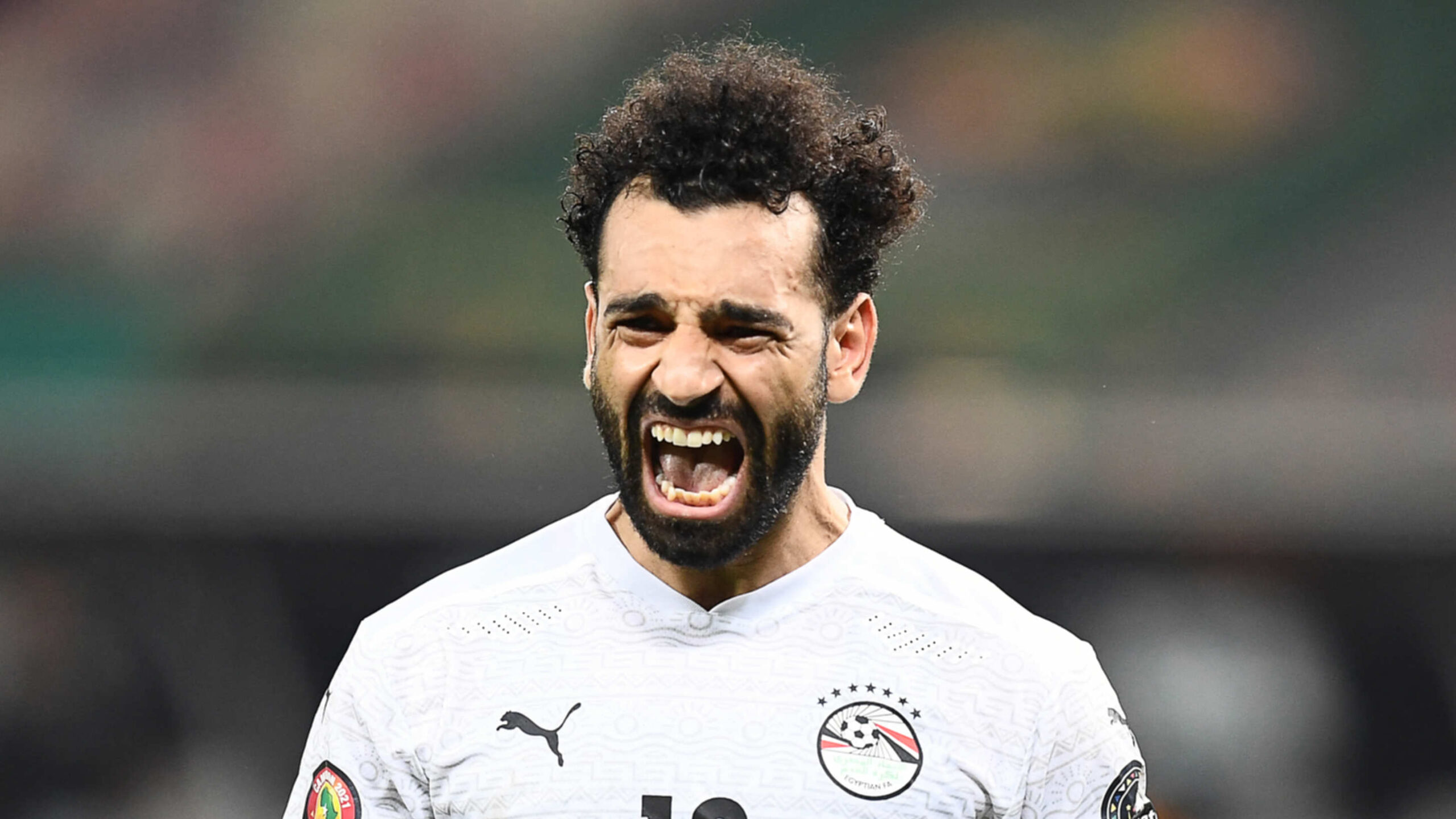
    Iran (Team Melli), a consistent Asian qualifier for its seventh appearance, finds itself in Group G alongside Belgium, Egypt, and New Zealand. Egypt, the first-ever MENA participant in the 1934 World Cup, seeks to advance past the group stages for the first time in its history.

    Other notable groupings include Algeria’s return after a 12-year absence, placed in Group J with Argentina, Austria, and Jordan—the latter making its World Cup debut. Tunisia, drawn in Group F with the Netherlands and Japan, aims to build on its memorable victory over France in 2022.

    Host nation Qatar (Al-Annabi) looks to redeem its 2022 performance in Group B against Canada, Switzerland, and a playoff winner. Saudi Arabia, the future host of the 2034 World Cup, will face a formidable challenge in Group H against top-ranked Spain, Uruguay, and Cape Verde.

    The expanded format not only increases competitive opportunities but also highlights the growing influence and development of football within the MENA region on the world’s biggest sporting stage.

  • Look: UAE Rulers watch rare clips at Eid Al Etihad ceremony at new Zayed National Museum

    Look: UAE Rulers watch rare clips at Eid Al Etihad ceremony at new Zayed National Museum

    Abu Dhabi witnessed a profound historical narrative unfold on December 2nd as the UAE President and Rulers of all seven emirates convened for the 54th Eid Al Etihad ceremony at the newly inaugurated Zayed National Museum. This inaugural event at the architectural marvel designed by Foster + Partners served as both a National Day celebration and preview of the institution set to open to the public on December 3rd.

    The production masterfully transcended conventional historical presentation through multi-sensory storytelling. The desert landscape itself assumed the role of narrator, accompanied by archival radio recordings and citizen voices, guiding attendees through millennia of regional history. The ceremony challenged temporal boundaries by fluidly transitioning between ancient civilizations, pre-Union Bedouin communities, and contemporary achievements.

    A particularly poignant moment featured restored footage of the late Sheikh Zayed bin Sultan Al Nahyan driving his 1966 Chrysler Newport through the desert in 1968, his voice resonating through the hall with the traditional greeting ‘Y Marhba ya Zain’ (hello beautiful). The vehicle, meticulously restored after being located in the United States, now constitutes a centerpiece of the museum’s permanent collection.

    Technological innovation merged with artistic expression as drone formations over Abu Dhabi reconstructed symbolic artifacts from the museum’s holdings. These aerial displays represented archaeological treasures including the 8,000-year-old Abu Dhabi Pearl, the ancient metalworking site of Saruq Al Hadid, and carnelian trade beads demonstrating early commercial networks.

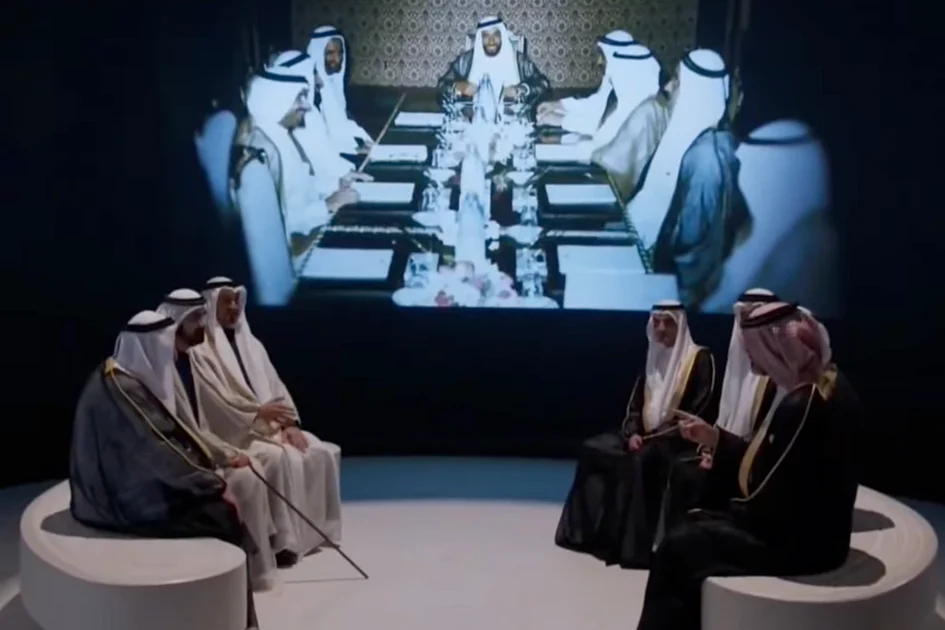
    The historical journey culminated with archival footage documenting the pivotal meetings between Sheikh Zayed and fellow rulers preceding the 1971 federation. The original radio broadcast announcing the UAE’s formation was seamlessly integrated into the ceremony, creating an auditory bridge across decades.

    Cultural milestones were achieved as the newly formed UAE National Orchestra delivered its inaugural public performance of the national anthem ‘Ishy Biladi’, uniting Emirati and international musicians. The production further highlighted post-union advancements in sustainability, nuclear energy, medical research, and space exploration, symbolized by a Mirage 2000-9 jet’s ascent representing extraterrestrial ambition.

    The ceremony concluded with children’s performances emphasizing unity and responsibility, reinforcing that Sheikh Zayed’s legacy continues evolving through future generations who will shape the nation’s destiny.

  • Look: Fireworks, drones light up Dubai skies as UAE celebrates 54th National Day

    Look: Fireworks, drones light up Dubai skies as UAE celebrates 54th National Day

    The skies above Dubai transformed into a canvas of light and color on Tuesday evening as the United Arab Emirates commemorated its 54th National Day with breathtaking celebrations. The landmark occasion featured synchronized fireworks displays and sophisticated drone light shows that captivated residents and visitors alike, creating a visual spectacle across the city’s iconic skyline.

    The meticulously choreographed events represented a significant milestone in the nation’s history, marking 54 years since the federation’s establishment in 1971. The celebrations demonstrated the UAE’s technological advancement through the deployment of hundreds of drones that formed intricate patterns and national symbols against the night sky, while traditional fireworks provided a complementary display of pyrotechnic artistry.

    Authorities organized multiple viewing areas across Dubai to accommodate the large crowds gathering to witness the festivities. The events were designed to reinforce national unity and pride while showcasing the Emirates’ capacity for organizing world-class public celebrations. The coordination between various government entities ensured both the spectacular visual impact and the safety of all participants.

    The National Day celebrations also included cultural performances and traditional activities throughout the day, culminating in the evening aerial displays. The events reflected the country’s progressive vision while honoring its rich heritage and cultural traditions, creating a meaningful blend of historical remembrance and futuristic expression.

  • ‘Come and kill me’: Sick ants invite destruction to save colony

    ‘Come and kill me’: Sick ants invite destruction to save colony

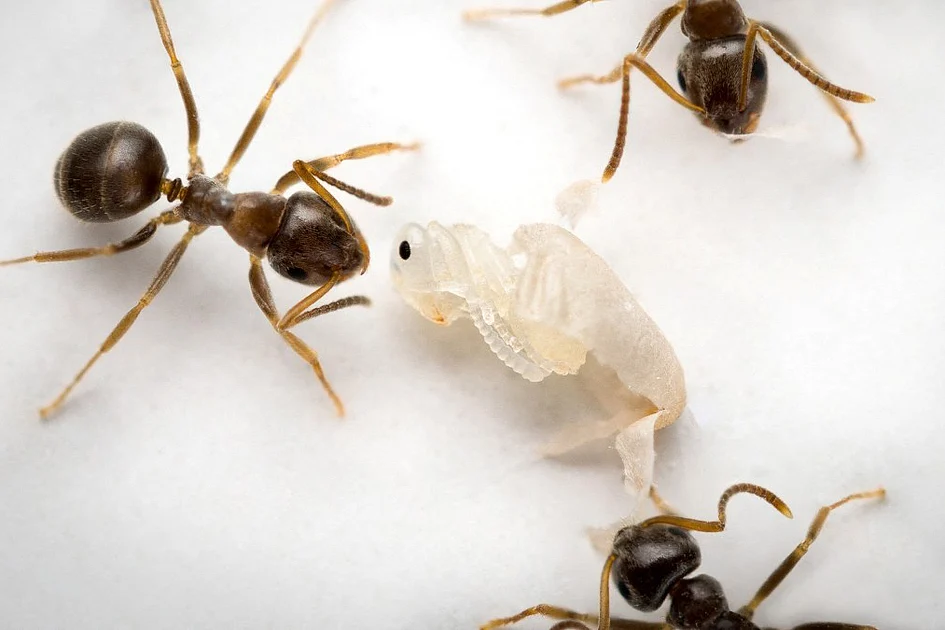
    In a remarkable display of social immunity, scientific research reveals that terminally ill ant pupae actively signal worker ants to destroy them to prevent colony-wide infection outbreaks. The study, led by behavioral ecologist Erika Dawson at Austria’s Institute of Science and Technology, demonstrates how ant colonies function as cohesive super-organisms with sophisticated disease containment strategies.

    Unlike many species that conceal illness for social reasons, ant colonies have evolved mechanisms reminiscent of cellular responses in complex organisms. When infected cells in human bodies emit ‘find-me and eat-me’ signals, similarly, young ants trapped in their cocoons—unable to practice social distancing—release specific chemical cues when fatally diseased.

    The research team working with Lasius neglectus, a common black garden ant species, discovered that worker ants respond to these olfactory signals by tearing open the cocoons and administering poison that simultaneously eliminates both the pathogen and the developing pupae. This disinfectant process protects the broader colony from potential epidemics in the densely populated nest environment.

    Crucially, the study established that pupae only produce these chemical signals when workers are present, confirming intentional communication rather than passive chemical leakage. This represents an evolutionary adaptation where individual sacrifice benefits genetic survival through colony preservation.

    Notably, queen pupae exhibit different behavior—they neither send destruction signals nor fall victim to this altruistic protocol. Researchers attribute this exception to queens’ superior immune systems, which typically enable them to overcome infections without requiring intervention. The differential treatment underscores the colony’s prioritization of reproductive success over individual worker lineages.

    The findings, published in Nature Communications, provide new insights into social insect evolution and disease management strategies in highly organized animal societies.

  • Sudan war has created web of arms and mercenaries, report says

    Sudan war has created web of arms and mercenaries, report says

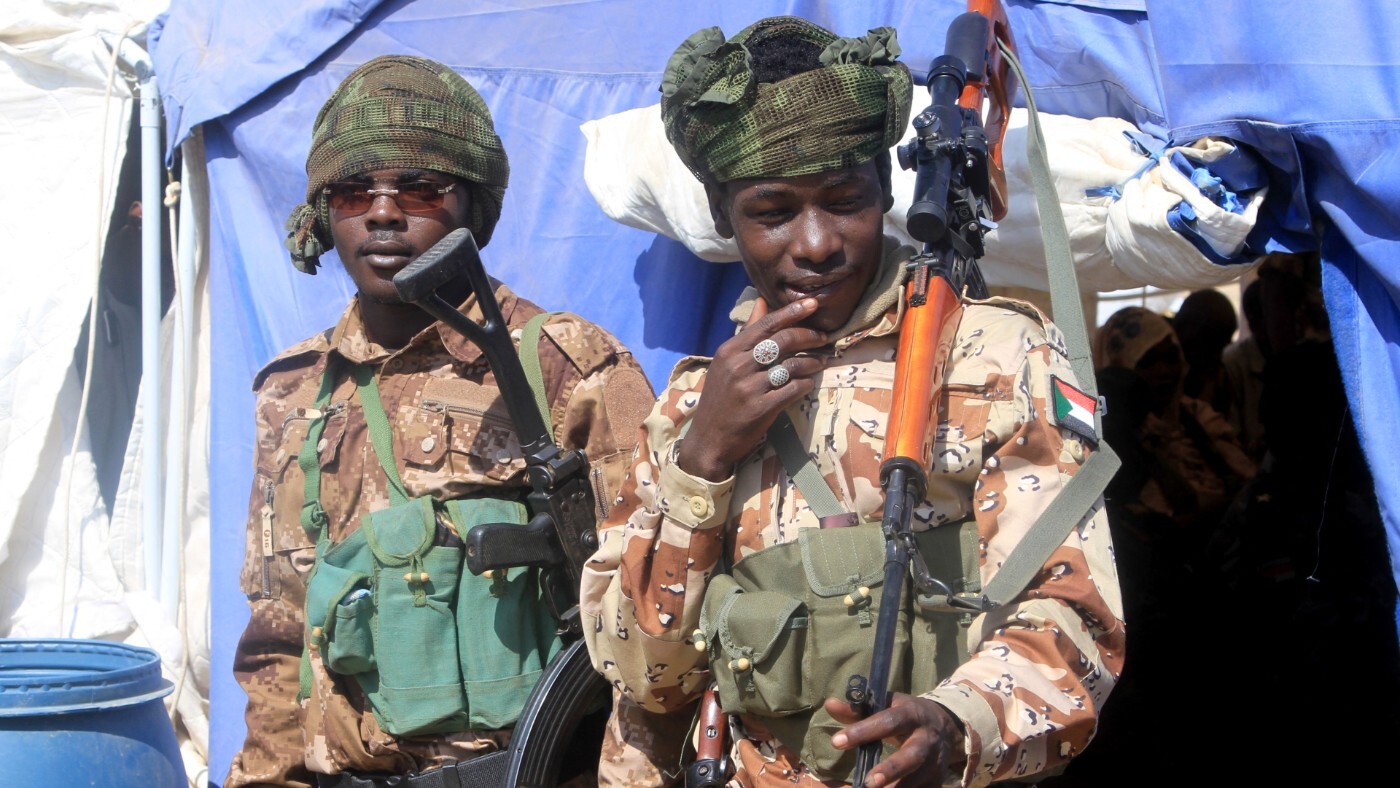
    A comprehensive study released by the Global Initiative Against Transnational Organized Crime reveals that Sudan’s ongoing civil war has catalyzed the development of extensive arms trafficking and mercenary networks spanning multiple African regions. The report, titled “Collateral Circuits: The impact of Sudan’s war on arms markets and mercenary networks in Chad and Libya,” documents how pre-existing smuggling routes were reactivated and expanded following the outbreak of hostilities between the Sudanese Armed Forces (SAF) and paramilitary Rapid Support Forces (RSF) in April 2023.

    The research demonstrates that the conflict’s repercussions have extended beyond Sudan’s borders, significantly affecting Chad and Libya while creating ripple effects across Niger, Mali, and neighboring territories. According to the findings, the United Arab Emirates has facilitated substantial support for the RSF through these channels, despite Abu Dhabi’s continued denial of such backing despite accumulating evidence.

    Emadeddin Badi, the report’s author and a senior fellow at Global Initiative, emphasized that mercenaries, arms trafficking, gold mining, and human smuggling have become fundamental components of a war economy engaging all of Sudan’s neighboring nations. This system provides financial benefits and employment opportunities for numerous individuals throughout the region.

    The investigation reveals that both the outflow and inflow of weapons and combat personnel have transformed regional security architectures. Photographic evidence shows DShKM machine guns, small arms, and other military equipment available for purchase in Chadian markets and on social media platforms, illustrating the widespread proliferation of arms from Sudanese stockpiles.

    Badi contends that the regional integration evident in arms and mercenary movements necessitates a holistic view of North Africa and the Sahel region rather than compartmentalized analysis. He notes that Emirati, Russian, and increasingly Turkish policies approach these theaters as interconnected landscapes, demonstrated through the continuity and complementarity of supply lines established for the RSF via Libya and Chad.

    The report details how supply line functionality directly influenced military developments, including the loss of Khartoum and the capture of el-Fasher in Darfur. Key logistical hubs shifted from eastern Libya’s Kufra to Chad’s Amdjarass, where the UAE established a purported field hospital in July 2023 that reportedly served as a facilitation point.

    Mercenaries have played central roles in sustaining supply pipelines, not as peripheral participants but as organizers and enablers who escort convoys, manage border access, and ensure continuous flow of materials across boundaries. The report concludes that the residual impact of this war economy will persist long after hostilities diminish, with weapons, mercenaries, and established infrastructure adapting to fulfill new functions in the region.

  • Was it coup or was it a ‘sham’? Behind Guinea-Bissau’s military takeover

    Was it coup or was it a ‘sham’? Behind Guinea-Bissau’s military takeover

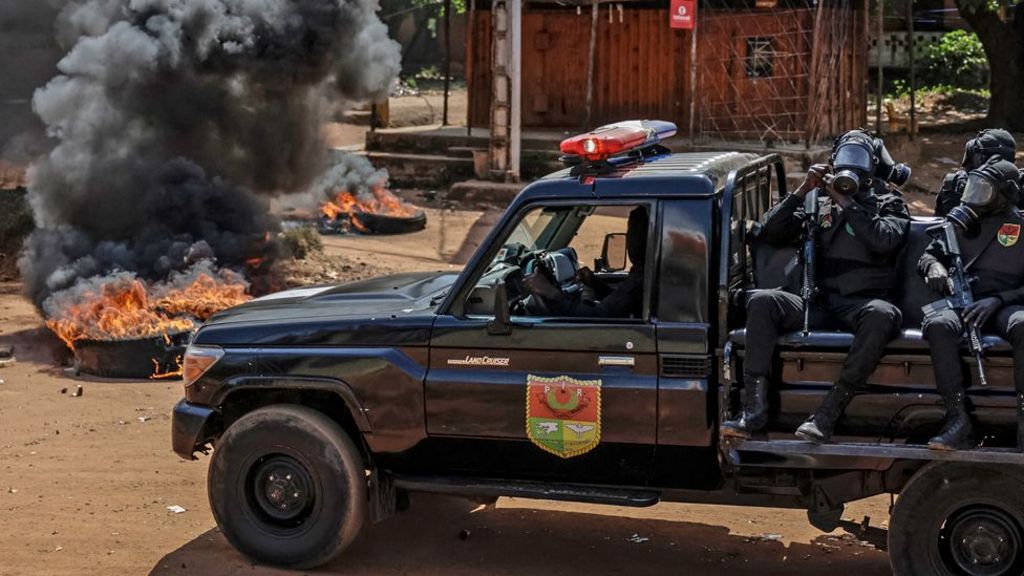
    In a development that has left regional experts questioning conventional coup narratives, Guinea-Bissau’s political landscape has been dramatically reshaped by what some are calling a ‘ceremonial coup.’ The events unfolded last Wednesday when military personnel seized control of key government institutions, detained President Umaro Sissoco Embaló, and suspended the electoral process just days after presidential elections.

    The military intervention occurred under highly unusual circumstances that have prompted widespread skepticism among political analysts and regional leaders. While soldiers occupied the presidential palace and state television stations—classic coup indicators—the subsequent events deviated markedly from standard military takeover protocols. President Embaló maintained communication with international media during his detention and was permitted to depart for Senegal on a military flight within 24 hours of his arrest, an exceptionally rapid release unprecedented in recent African coup history.

    Compounding the mystery, the newly installed military leader, General Horta N’Tam, had been widely regarded as a close ally of the deposed president. The military leadership has vehemently rejected the term ‘coup,’ instead claiming their actions prevented a destabilization plot backed by unnamed politicians and a known drug baron. Meanwhile, attackers destroyed the electoral commission’s main server, effectively eliminating any possibility of verifying the presidential election results that were scheduled for release the day after the military intervention.

    Regional reactions have been notably skeptical. Former Nigerian President Goodluck Jonathan, who was observing the elections, characterized the events as a ‘ceremonial coup’ rather than a genuine military takeover. Senegalese Prime Minister Ousmane Sonko similarly dismissed the situation as a ‘sham,’ prompting Embaló’s abrupt departure from Senegal to Congo-Brazzaville.

    The political context reveals deeper tensions. President Embaló had previously dissolved the opposition-dominated parliament in 2023 following another alleged coup attempt, ruling without legislative oversight. His main electoral opponent, Fernando Dias da Costa, had been backed by former Prime Minister Domingos Pereira, who was controversially disqualified from the presidential race. Both Embaló and Dias had claimed victory in the election before the military intervention.

    Public response has been divided, with some citizens welcoming military intervention while others protest demanding transparency. Hundreds demonstrated calling for Pereira’s release and the publication of election results, while civil society groups have initiated strikes and civil disobedience campaigns. The country now faces an uncertain future under a transitional military government that promises to rule for one year before restoring civilian governance.

  • Renowned astronomers push to protect Chile’s cherished night sky from an industrial project

    Renowned astronomers push to protect Chile’s cherished night sky from an industrial project

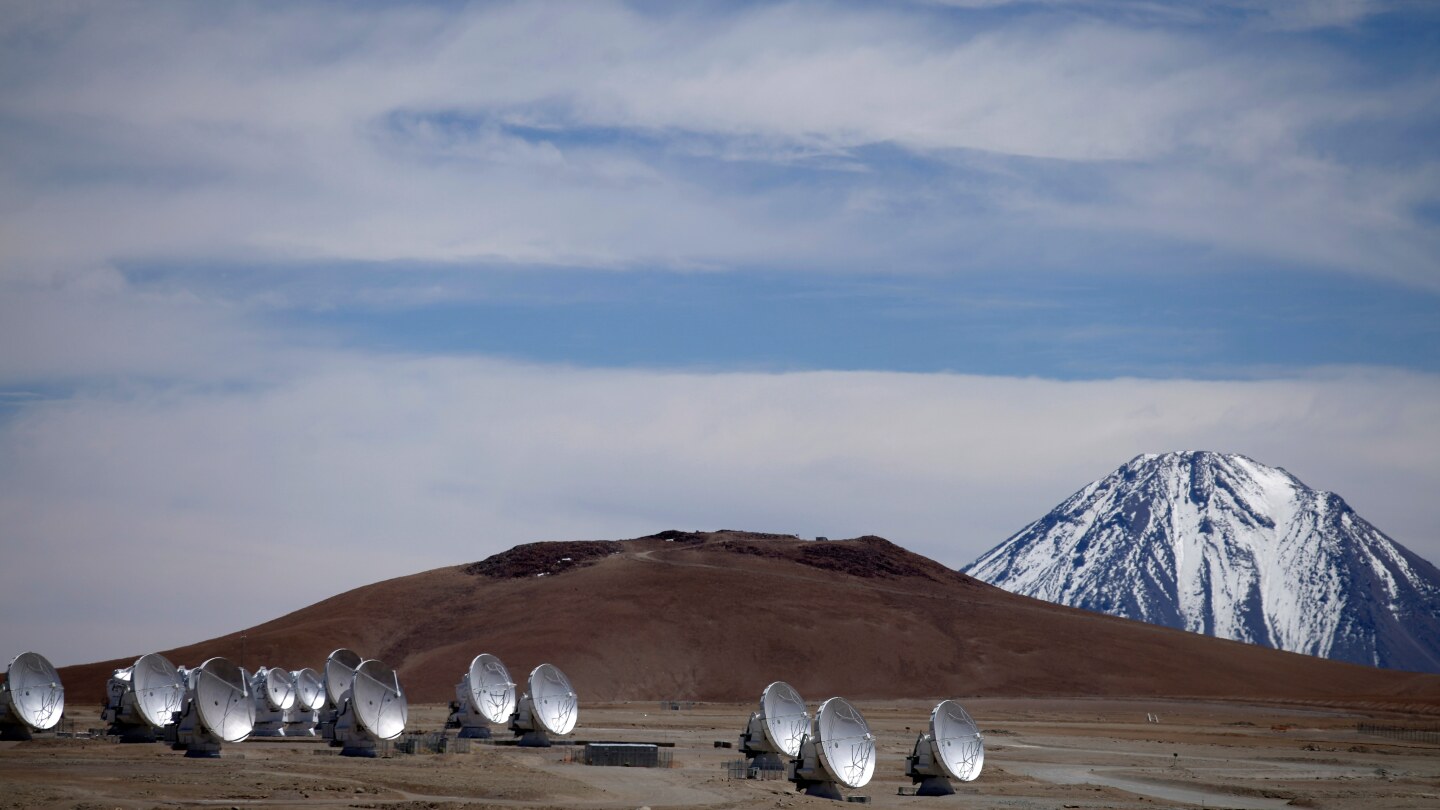
    The pristine darkness of Chile’s Atacama Desert, long considered astronomy’s crown jewel, now faces an existential threat from industrial development. This uniquely inhospitable region along the Pacific coast has attracted the world’s premier astronomical projects due to its rare combination of extreme dryness, high altitude, and near-total isolation from light pollution.

    A coalition of 30 distinguished international astronomers, including 2020 Nobel laureate Reinhard Genzel, has issued an urgent warning to the Chilean government regarding a proposed renewable energy complex. The project, planned by AES Andes (a subsidiary of U.S.-based AES Corp.), would situate massive wind and solar farms, a desalination plant, and a new port merely three kilometers from the Paranal Observatory—one of Earth’s most productive astronomical facilities operated by the European Southern Observatory.

    Scientists describe the development as ‘an imminent threat’ to humanity’s cosmic research capabilities. The facility’s high-powered telescopes, which enabled groundbreaking black hole research, would be compromised by multiple factors: increased light pollution estimated at 35%, atmospheric turbulence that blurs stellar observations, ground vibrations, and dust particles. These disturbances would fundamentally degrade the site’s unique atmospheric stability, where stars famously don’t twinkle—a critical condition for cutting-edge astronomy.

    The conflict represents a global pattern as dark sky sanctuaries worldwide face encroaching development. With 40% of the world’s astronomy infrastructure located in Chile, the outcome has international implications. While AES Corp. maintains its project is ‘fully compatible’ with astronomical activities and complies with light pollution regulations, astronomers argue the damage would be irreversible and affect studies ranging from planetary formation to the early universe.

    This confrontation between economic development and scientific preservation reflects a broader tension tearing at countless countries as light pollution brightens the night sky by approximately 10% annually, threatening humanity’s window to the cosmos.

  • Houthis to release survivors of Red Sea sinking, says Philippines

    Houthis to release survivors of Red Sea sinking, says Philippines

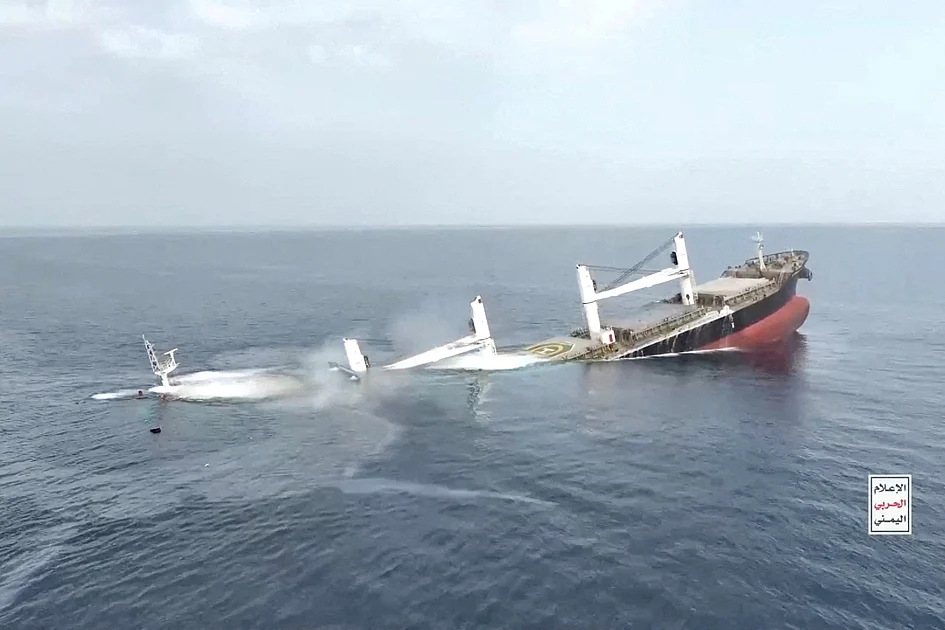
    Yemen’s Houthi rebel faction has announced the impending release of nine Filipino maritime crew members who survived the sinking of their commercial vessel in the Red Sea last July. The Philippine Department of Foreign Affairs confirmed on Tuesday that the seafarers would be transferred from the Houthi-controlled Yemeni capital of Sanaa to Oman before ultimately returning to their home country.

    The crew members were aboard the Liberian-flagged cargo ship M/V Eternity C when it was attacked and sunk by Houthi forces in July, breaking a months-long hiatus in the group’s maritime operations. The Iran-backed militants previously released footage claiming to have ‘rescued’ crew members following the attack.

    Philippine authorities acknowledged Oman’s diplomatic mediation in facilitating the release but declined to specify any conditions attached to the transfer or provide a precise timeline for the sailors’ repatriation. The July incident, which also involved the sinking of another vessel named Magic Seas, marked a significant escalation in maritime security concerns in the critical waterway.

    The Houthis have conducted numerous attacks on commercial shipping since October 2023, asserting these actions target Israel-linked vessels in solidarity with Palestinians in Gaza. These disruptions have forced many shipping companies to avoid the route that typically facilitates approximately 12% of global trade.

    The Philippines remains particularly affected by such incidents as Filipino nationals constitute nearly 30% of the global commercial shipping workforce. Their remittances, totaling nearly $7 billion in 2023, represent approximately one-fifth of the nation’s total remittance income.

  • Imran Khan healthy but cut off in jail, sister says as family seeks access

    Imran Khan healthy but cut off in jail, sister says as family seeks access

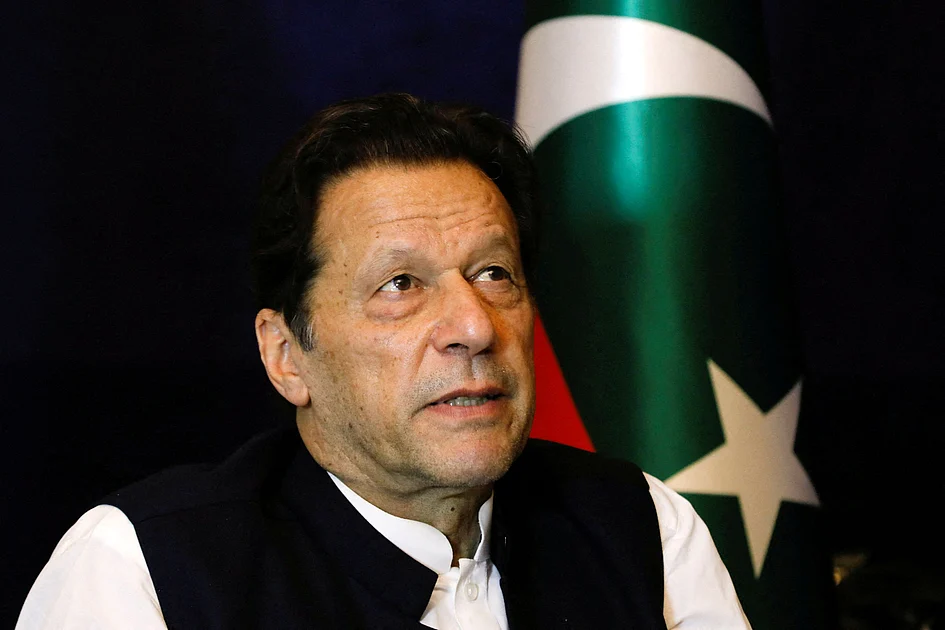
    Pakistan’s incarcerated former Prime Minister Imran Khan remains in satisfactory physical condition but suffers from severe psychological distress due to prolonged isolation, according to his sister Dr. Uzma Khanum following a closely supervised prison visit. The Tuesday meeting at Adiala Jail marked the first family access to the 73-year-old opposition leader in weeks, conducted under stringent surveillance without electronic devices.

    Dr. Khanum, the sole relative permitted contact, confirmed her brother’s physical wellbeing but revealed concerning detention conditions including indoor confinement with minimal outdoor exposure and complete communication blackout with relatives and political associates. The visit occurred as supporters of Khan’s Pakistan Tehreek-e-Insaf (PTI) party protested outside the facility against what they term politically motivated imprisonment.

    The former cricket star turned politician has been detained since August 2023 on corruption convictions he maintains are fabricated to eliminate his political influence. PTI officials allege routine visits have been systematically blocked despite judicial directives, fueling speculation about his treatment and potential prison transfers.

    Government authorities deny allegations of mistreatment, with Minister of State for Interior Talal Chaudhry asserting that Khan receives all standard prisoner entitlements and that visitation decisions rest with jail administrators rather than federal officials. This position contradicts family claims that they lacked verifiable contact for over three weeks, with Khan’s son previously expressing fear about ‘irreversible’ developments being concealed.

    The situation has drawn formal concern from Pakistan’s independent Human Rights Commission, which issued a statement emphasizing the necessity of regular family and legal access as fundamental protection against isolation and detention power abuse. The commission urged compliance with constitutional and international humane treatment standards, particularly regarding the year-long absence of medical examinations by Khan’s personal physician.