For the first time in history, mosquitoes have been detected in Iceland, a country previously known as one of the world’s only mosquito-free zones alongside Antarctica. This unprecedented discovery comes after Iceland experienced record-breaking heat this spring, raising concerns about the impact of climate change on delicate ecosystems. The mosquitoes were found by Bjorn Hjaltason, an insect enthusiast, who encountered them while observing moths using wine-soaked ropes in Kjós, a glacial valley southwest of Reykjavik. Hjaltason identified two female mosquitoes and one male, later confirmed to be of the species *Culiseta annulata*, one of the few mosquito species capable of surviving winter. The Icelandic Institute of Natural History verified the discovery, with entomologist Matthías Alfreðsson noting that the species is common in parts of Europe and North Africa but its arrival in Iceland remains a mystery. Iceland’s cold climate and lack of stagnant water have historically prevented mosquito populations from thriving. However, this year’s extreme temperatures, including a record-breaking 26.6°C (79.8°F) in May, may have created favorable conditions for their survival. A June study by the Global Heat Health Information Network highlighted the potential for significant ecological impacts as ecosystems adapted to cold climates face unprecedented temperature shifts. Hjaltason speculated that the mosquitoes may have arrived via ships or containers, though further monitoring is needed to determine if the species has become established in Iceland. This discovery underscores the broader implications of climate change, with the UN’s climate body confirming that human activities have unequivocally contributed to global warming.
作者: admin
-

Eurostar orders first double-decker trains
Eurostar has announced a historic move to introduce double-decker high-speed trains through the Channel Tunnel, marking a significant milestone in cross-Channel rail travel. The company has confirmed a €2 billion (£1.74 billion) deal with manufacturer Alstom to acquire 30 ‘Celestia’ trains, with an option for 20 more. This expansion will increase Eurostar’s fleet size by nearly a third, with the first six trains expected to enter service by 2031. Each 200-meter-long train will offer enhanced capacity, with a combined 400-meter service accommodating approximately 1,080 seats. These will be the first double-decker high-speed trains to operate through the Channel Tunnel, a feat unmatched since a 1949 experimental double-decker train in the UK. Eurostar CEO Gwendoline Cazenave expressed pride in bringing this innovation to the UK, emphasizing ‘exceptional comfort’ for passengers. The company, which carried 19.5 million passengers last year, aims to grow this number to 30 million. The new trains will replace older models and increase services to London by 30%. Eurostar also plans to invest €80 million in upgrading the Temple Mills depot in London, the only UK facility capable of accommodating these larger trains. However, questions remain about the depot’s capacity to serve both Eurostar and potential rival operators, including Spanish start-up Evolyn, Virgin, and a Gemini Trains-Uber partnership. The Office of Rail and Road is currently reviewing proposals for depot access, with a decision expected soon. This development follows Eurostar’s June announcement of new routes to Geneva and Frankfurt, further solidifying its position as a leader in cross-Channel rail services.
-

Pinto Balsemão, ex-Portugal leader and media tycoon, dies at 88
Francisco Pinto Balsemão, a pivotal figure in Portugal’s political and media landscape, passed away at the age of 88. His death was announced late Tuesday by the Portuguese president’s office and Impresa, the media conglomerate he founded. No cause of death was disclosed. Balsemão, a former prime minister, played a crucial role in shaping Portugal’s transition to democracy following the 1974 Carnation Revolution, which ended decades of dictatorship. Born on September 1, 1937, he graduated in law from Lisbon University and served in the Portuguese Air Force before embarking on a distinguished career in politics and media. Balsemão became prime minister in 1981, succeeding Francisco Sá Carneiro, who died in a plane crash. His tenure, marked by political turbulence and coalition tensions, saw significant constitutional reforms aimed at liberalizing the economy. After resigning in 1983, he focused on building Impresa, which became a cornerstone of Portugal’s media industry. His legacy includes founding Expresso, a respected weekly newspaper, and launching S.I.C., the country’s first private television channel. Balsemão’s commitment to freedom of expression and democratic values left an indelible mark on Portugal’s history.
-

The Louvre reopens 3 days after thieves took French crown jewels in daylight heist
The Louvre Museum in Paris resumed operations on Wednesday, three days after a brazen daylight heist saw thieves break into the iconic institution and make off with priceless French crown jewels. The Apollo Room, where the theft occurred, remains cordoned off as investigators continue their work. Hundreds of visitors queued outside the museum’s glass pyramid entrance, eager to explore the reopened galleries. The Louvre, typically closed on Tuesdays, had remained shut since the Sunday incident to facilitate the investigation. Authorities have yet to make any arrests, and the stolen jewels, valued at approximately 88 million euros ($102 million) excluding their immense historical significance, remain missing. Paris prosecutors revealed the staggering worth of the stolen artifacts on Tuesday, emphasizing their cultural importance to France. A task force of around 100 investigators is actively pursuing leads to apprehend the suspects and recover the treasures from the world’s most-visited museum.
-

Six dead in Russian airstrikes, hours after Trump shelves bid for Putin talks
In a harrowing escalation of the ongoing conflict, Russian drone and missile strikes have inflicted severe damage across Kyiv and other Ukrainian cities, resulting in at least six fatalities, including two children, and leaving 21 others wounded. Ukrainian President Volodymyr Zelensky condemned the attacks, emphasizing that Moscow’s relentless aggression underscores the inadequacy of international pressure to halt the war. The strikes, the first of such intensity since late September, targeted residential areas and energy infrastructure, plunging several regions into emergency power outages. Among the victims were a couple in their 60s, a six-month-old baby, and a 12-year-old girl, highlighting the devastating human toll of the conflict. Rescue teams worked tirelessly through the night to extinguish fires in residential buildings as the capital remained under a ballistic missile warning. Meanwhile, Ukraine’s military reported a successful counterstrike on a Russian chemical plant in the Bryansk border region using UK-supplied Storm Shadow missiles. The plant, which produces gunpowder, explosives, and rocket fuel components, was described as a critical target in disrupting Russia’s ammunition supply chain. The attack comes amid stalled diplomatic efforts, as US President Donald Trump shelved plans for a summit with Russian President Vladimir Putin, citing concerns over a ‘wasted meeting.’ Zelensky, who recently returned from talks with Trump, expressed frustration over the US’s reluctance to provide long-range Tomahawk missiles, a move he believes could shift the diplomatic landscape. As the war rages on, the international community faces mounting pressure to address the escalating humanitarian crisis and seek a viable resolution to the conflict.
-

Japan says it plans to tell Trump it will build up military, upgrade security strategy
TOKYO — Japan’s newly appointed Foreign Minister, Toshimitsu Motegi, announced on Wednesday that the nation is poised to demonstrate its commitment to bolstering its defense capabilities in response to evolving warfare dynamics and escalating regional tensions. This strategic move coincides with the upcoming visit of former U.S. President Donald Trump to Tokyo next week. Trump is scheduled to meet with Japan’s Prime Minister Sanae Takaichi on Tuesday, marking their first encounter since Takaichi assumed office as Japan’s first female leader. Takaichi, who recently emerged from internal political disputes, faces immediate diplomatic challenges, including Trump’s visit and participation in two regional summits. Motegi emphasized that Japan is diligently preparing for Trump’s arrival, viewing it as an opportunity to reinforce the Japan-U.S. alliance and foster personal trust between the two leaders. Additionally, Japan aims to enhance cooperation with South Korea, Australia, the Philippines, and maintain stable relations with China. Japan’s ongoing five-year military buildup, which includes doubling its annual defense spending to 2% of GDP and developing long-range missile capabilities, signifies a departure from its postwar pacifist stance. The ruling party’s alliance with the right-wing Japan Innovation Party has sparked concerns about Japan adopting more offensive roles under Takaichi’s leadership. Motegi highlighted the necessity of adapting to modern warfare, such as drone swarms and cyberattacks, while reviewing and communicating Japan’s defense plans to the U.S. Japan anticipates pressure from Trump to increase defense spending to NATO levels, purchase American military equipment, and support U.S. troops stationed in Japan. Motegi stressed that Japan’s defense strategy should be independently determined, focusing on substance rather than spending ratios. He also expressed his intention to meet with U.S. Secretary of State Marco Rubio to strengthen the deterrence and response capabilities of the Japan-U.S. alliance. Motegi, known for his tough negotiation skills during Trump’s first term, is also tasked with implementing the Japan-U.S. tariffs agreement to ensure mutual economic benefits and security.
-

More than 60 dead after multi-vehicle crash in Uganda
A devastating collision involving multiple vehicles on Uganda’s Kampala-Gulu Highway has resulted in the deaths of 63 individuals, as confirmed by the Uganda Police Force on Wednesday. The incident occurred at approximately 00:15 local time (21:15 GMT) when two buses, traveling in opposite directions, collided head-on while attempting to overtake a lorry and a car. The collision triggered a chain reaction, causing several other vehicles to lose control and overturn. In addition to the fatalities, numerous passengers sustained injuries and were transported to various hospitals in Kiryandongo. Regional Police spokesperson Julius Hakiiza attributed the crash to reckless overtaking, emphasizing that such behavior remains a significant cause of accidents in the country. Authorities have launched an investigation into the incident and are urging motorists to exercise caution and avoid dangerous driving practices. The Kampala-Gulu Highway, a major thoroughfare connecting Uganda’s capital to the northern city of Gulu, is known for its heavy traffic and frequent accidents.
-

‘We fear for our souls’ – farmers on the frontline against Boko Haram
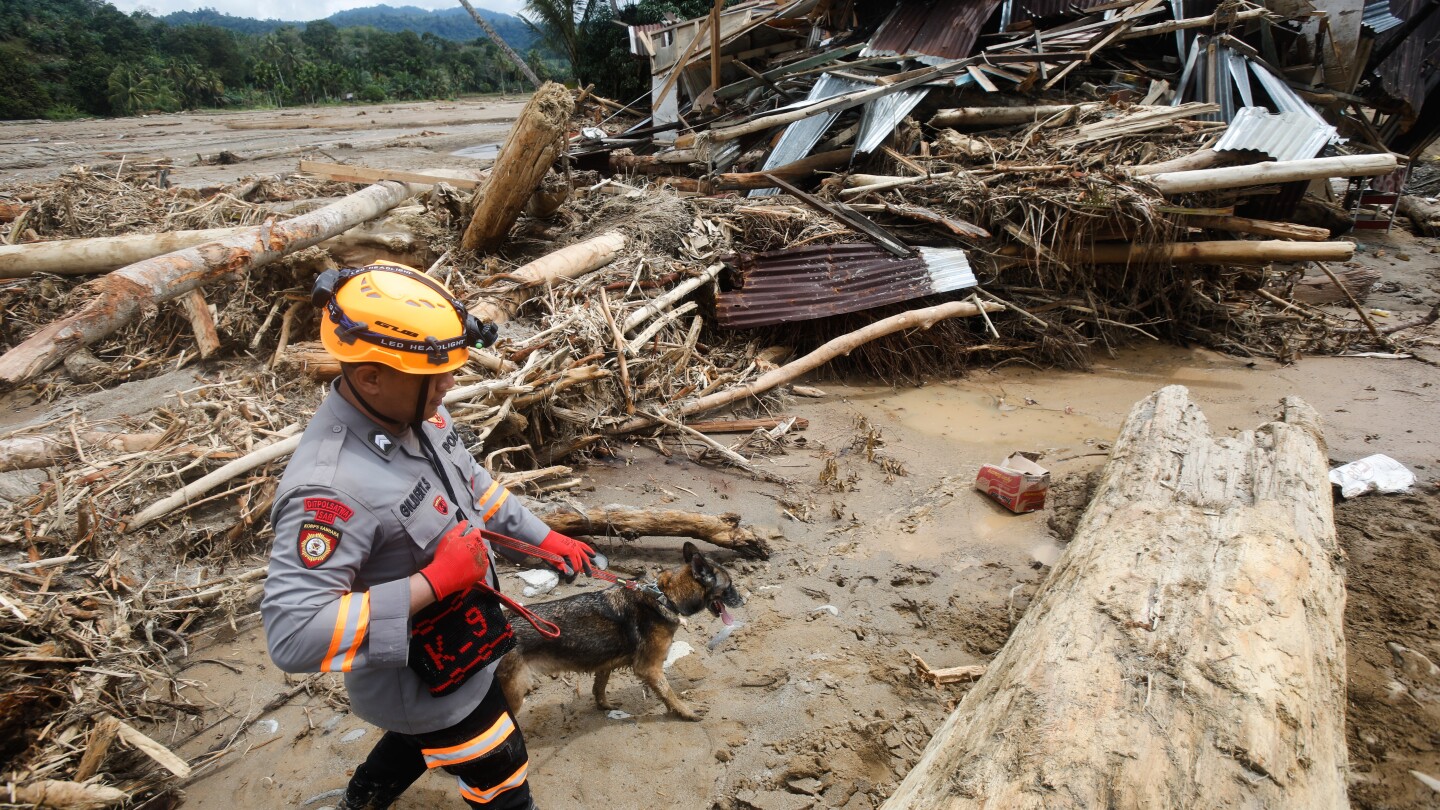
In the conflict-ridden region of north-eastern Nigeria, farmers like Aisha Isa face daily threats from jihadist groups such as Boko Haram and the Islamic State West Africa Province (Iswap). Despite the dangers, these farmers continue to cultivate their crops, relying on the protection of Agro Rangers, a government-established security unit. Escorted by armed guards and transported by bus from the state capital, Maiduguri, farmers like Isa risk their lives to feed their families. The military has designated safe farming zones, marked by trenches, but venturing beyond these borders remains perilous. Kidnappings and killings are rampant, with many farmers recounting harrowing experiences of captivity and loss. The Borno state governor is pushing for the reintegration of displaced farmers into their lands to stabilize food production, but aid agencies warn that this policy may be premature. The Agro Rangers scheme, while providing some security, is underfunded and insufficient to cover the vast farming areas. The Nigerian government plans to expand the program, but the escalating violence and civilian fatalities underscore the urgent need for a more comprehensive solution. For farmers like Adam Goni, the constant threat of violence has become an unbearable reality, with many calling for stronger military intervention to end the insurgency.
-

Young people trace roots by sharing stories
Young people from Taiwan gathered in Beijing to commemorate the 80th anniversary of Taiwan’s restoration to China, emphasizing the importance of understanding history and fostering a strong sense of national identity. The event, held at the Taiwan Guild Hall, was organized by the All-China Federation of Taiwan Compatriots, China Daily’s national news channel, the Beijing Taiwan Compatriots Association, and the association for relatives of patriots who resisted Japanese occupation. Four youth representatives shared personal stories and reflections on Taiwan’s historical ties to the mainland. Lo Chih-ying, 23, from Changhua county, traced her family roots back to Fujian province, highlighting the enduring connection between Taiwan and the mainland. Lu Ying-chu, 21, from Taipei, recounted the Treaty of Shimonoseki in 1895, which ceded Taiwan to Japan, and her great-grandfather’s resilience during the occupation. Lin Ching-mao, 26, from Changhua, honored the resistance against Japanese rule, while Lin Kuan-ting, from Taipei, stressed the belief that a strong motherland will resolve the Taiwan question. The event also featured the documentary ‘Stories across the Strait,’ which deepened participants’ understanding of Taiwan’s history. Li Zhenguang, dean of the Institute of Taiwan Studies at Beijing Union University, underscored the significance of remembering this history for the future of the Chinese nation.
-

Nation’s green initiatives a catalyst for global change
China has emerged as a global leader in green development, leveraging its advancements in renewable energy and new energy vehicles (NEVs) to inspire and support global climate action. Through initiatives like South-South cooperation and the Belt and Road Initiative, China is sharing its technological innovations and expertise to assist developing nations in their green transitions. At a recent press conference, Li Gao, Vice-Minister of Ecology and Environment, highlighted China’s achievements, including surpassing its 2030 target for wind and solar power capacity, which now stands at 1,700 gigawatts. Additionally, China has implemented a comprehensive action plan to control methane emissions, a potent greenhouse gas, and has expanded its carbon trading market to cover over 60% of the country’s carbon dioxide emissions. The nation’s commitment to green innovation is further underscored by its dominance in the NEV sector, accounting for 70% of global power battery production and leading in green technology patents. Experts like Chai Qimin and Wu Rui emphasize China’s concrete actions in low-carbon transportation, from passenger vehicles to heavy-duty machinery, showcasing its dedication to a sustainable future.