作者: admin

  • Former EU top diplomat Mogherini accused in fraud investigation

    Former EU top diplomat Mogherini accused in fraud investigation

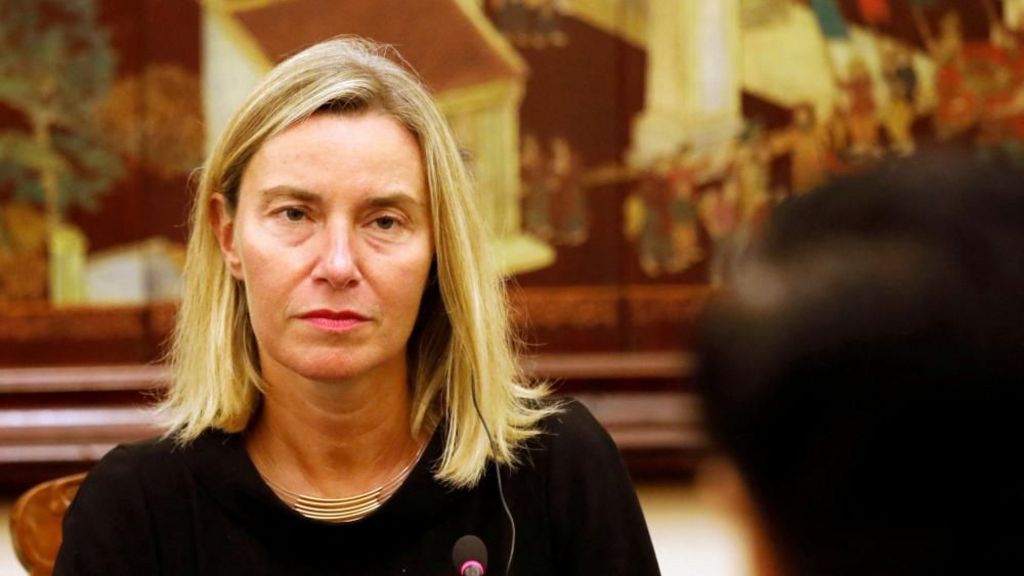
    The European Public Prosecutor’s Office (EPPO) has formally implicated Federica Mogherini, former High Representative of the European Union for Foreign Affairs, in a corruption investigation involving alleged misuse of EU funds. The development marks a significant escalation in the probe targeting the bloc’s diplomatic training programs.

    Law enforcement authorities executed coordinated searches on Tuesday at multiple locations including the College of Europe in Bruges, Belgium, where Mogherini currently serves as rector, and the European External Action Service (EEAS) headquarters in Brussels. The EEAS is the diplomatic service Mogherini led from 2014 to 2019 during her tenure as the EU’s top diplomat.

    The investigation centers on a 2021-2022 tender awarded by the EEAS to the College of Europe for a nine-month training program designed for junior diplomats. Prosecutors have expressed ‘strong suspicions’ of favoritism in the procurement process, with allegations extending to procurement fraud, corruption, conflict of interest, and breaches of professional secrecy.

    Alongside Mogherini, a senior administrator from the College of Europe and a high-ranking European Commission official were detained for questioning. All three suspects were subsequently released without formal charges under Belgian judicial procedures, which permit detention without immediate charging when flight risk is deemed low. Their private residences were also subject to search warrants.

    The EPPO, established to combat crimes against the EU’s financial interests, confirmed that parliamentary immunity had been waived for several individuals involved in the case. While the prosecutor’s office maintained standard protocol by not publicly identifying detained individuals, multiple sources have confirmed Mogherini’s involvement.

    The College of Europe, an independent institution with close ties to EU institutions, receives partial funding from the bloc and serves as a traditional training ground for aspiring European civil servants. The current investigation represents one of the most high-profile corruption cases involving former EU leadership in recent years.


  • Kenyan MPs accuse British soldiers of sexual abuse and environmental destruction

    Kenyan MPs accuse British soldiers of sexual abuse and environmental destruction

    A landmark parliamentary investigation has exposed systematic human rights violations, sexual crimes, and environmental damage perpetrated by British soldiers during decades-long military training operations in Kenya. The 94-page report from Kenya’s Committee on Defence, Intelligence and Foreign Relations documents harrowing evidence collected over a two-year inquiry into the British Army Training Unit Kenya (Batuk).

    The findings reveal persistent patterns of sexual violence against women from Samburu and Maasai communities, with victims describing attacks while performing daily tasks like fetching water or firewood. The report details particularly brutal incidents, including a 1997 mass gang-rape at knifepoint involving 30 women in Archer’s Post. Additionally, the investigation uncovered numerous cases of abandoned ‘fatherless’ children left by British soldiers who returned home, leaving single mothers facing social stigma and financial hardship.

    Beyond sexual crimes, the committee documented fatal shootings, public brawls, and traffic incidents resulting in civilian deaths. The 2012 murder of Agnes Wanjiru—whose body was discovered in a hotel septic tank after she was last seen with British soldiers—exemplifies the delayed justice process. While a former British soldier was recently arrested in connection with her death after a UK-issued warrant, the extradition process remains contested.

    The environmental impact assessment revealed significant ecological damage, with residents reporting respiratory illnesses, livestock deaths, and miscarriages allegedly linked to military exercises. The committee raised concerns about possible white phosphorus use and documented incidents involving unexploded ordnance that caused severe injuries and fatalities among local communities.

    Despite these allegations, Batuk consistently refused to cooperate with the parliamentary investigation, invoking diplomatic immunity claims. The UK High Commission in Kenya expressed regret that their submissions weren’t fully reflected in the final report while affirming their willingness to investigate allegations ‘under our jurisdiction.’ However, the parliamentary committee found the existing defense cooperation agreement structurally flawed, creating significant obstacles to justice and accountability.

    The report recommends comprehensive reforms including a visiting forces code of conduct, zero-tolerance policies for gender-based violence, enhanced environmental protections, and established mechanisms for child support accountability.

  • Growing youth exchanges bring young Americans closer to China

    Growing youth exchanges bring young Americans closer to China

    CHICAGO—A transformative initiative bridging American youth and Chinese culture is demonstrating remarkable progress, with over 39,000 young Americans having visited China through the Young Envoys Scholarships (YES) program as of October. The program represents a significant component of President Xi Jinping’s 2023 commitment to welcome 50,000 American students for cultural and educational exchanges within a five-year timeframe.

    The Chinese Consulate in Chicago recently celebrated these achievements by hosting young American writers and international educators. The event marked both the publication of “East Meets West: 100 American Secondary School Students’ Tales About China” and the signing of multiple memoranda of understanding between Chinese and American educational institutions.

    Personal testimonies from participants reveal profound impacts. Lily Rabb, an 18-year-old who began studying Chinese at age three, described her experience as transformative. “You really need to witness the spectacular beauty of the country to fully feel immersed,” Rabb shared. “I felt so welcomed by the Chinese people.” Her journey culminated in a newfound aspiration to pursue international relations and potentially reside in Shanghai.

    The program’s philosophical foundation echoes ancient Chinese wisdom. Zoey Cardamone found inspiration in the proverbs “reading 10,000 books is not as useful as traveling 10,000 miles” and “a journey of 1,000 miles begins with a single step.” Her cultural immersion included encountering distinctive culinary traditions, such as whole chicken presentations symbolizing completeness and good fortune—a practice contrasting with American customs.

    Chicago Consul General Wang Baodong emphasized the strategic importance of these exchanges: “The future of China-US relations lies in our young people.” He noted emerging cultural connectors including pickleball, the video game ‘Black Myth: Wukong,’ and Labubu figurines that resonate across both cultures.

    The initiative continues expanding through the newly launched YES Friends Club, which facilitates ongoing connection through essay collections, video projects, and cultural-sporting events. Educational leaders like Roderick Shaw of the Intercultural Montessori Language School see profound implications: “Education builds bridges, and that is the secret of schools collaborating together. That is what’s going to bring better peace in this world.”

  • Search for missing flight MH370 to resume this month, Malaysia says

    Search for missing flight MH370 to resume this month, Malaysia says

    Malaysian authorities have announced the imminent resumption of the search for Malaysia Airlines Flight MH370, scheduling operations to commence on December 30th. This development marks the latest chapter in what remains one of aviation’s most perplexing unsolved mysteries.

    The Transport Ministry of Malaysia confirmed that Ocean Infinity, a marine robotics company, will undertake renewed seabed exploration activities. The search mission is planned to span 55 days, though operations will be conducted intermittently to accommodate logistical considerations and potential weather challenges.

    This renewed effort follows a suspended search operation earlier this year in April, when adverse weather conditions in the southern Indian Ocean forced the temporary halt of investigative activities. The upcoming search represents continued determination to solve the disappearance that has baffled aviation experts and devastated families for over a decade.

    Flight MH370, operating a Boeing 777 aircraft, vanished during its scheduled flight from Kuala Lumpur to Beijing in March 2014. The aircraft was transporting 239 individuals comprising 227 passengers and 12 crew members when it disappeared from radar contact, triggering the most extensive and costly aviation search in history.

    The upcoming search operation demonstrates ongoing international commitment to resolving aviation mysteries and improving flight safety protocols worldwide. While previous searches have covered vast areas of the Indian Ocean, technological advancements and refined data analysis have created renewed optimism among investigators and family members of those lost.

  • A 1-year-old was among 159 killed in Hong Kong apartment fires. 30 others remain missing

    A 1-year-old was among 159 killed in Hong Kong apartment fires. 30 others remain missing

    Hong Kong authorities confirmed Wednesday that the catastrophic high-rise apartment fire has claimed 159 lives, marking one of the deadliest residential blazes in the city’s history. The tragedy has triggered multiple arrests as investigators uncover alarming safety violations during ongoing renovation work.

    Police Commissioner Joe Chow announced the completion of body recovery operations across seven of the eight affected towers at Wang Fuk Court in Tai Po district, though approximately 30 individuals remain unaccounted for. Search teams continue scouring collapsed bamboo scaffolding that encapsulated the buildings during a months-long renovation project.

    The victims span generations, with the youngest identified as a one-year-old infant and the oldest at 97 years. Among the deceased were ten migrant domestic workers—nine from Indonesia and one from the Philippines—alongside one firefighter who perished during rescue operations.

    Law enforcement officials revealed six additional arrests Wednesday, targeting individuals accused of deliberately deactivating fire alarm systems during maintenance activities. These arrests bring the total to 21 persons detained in connection with the investigation, which now encompasses allegations of corruption and criminal negligence.

    Forensic analysis indicates that substandard safety materials significantly contributed to the fire’s rapid escalation. Inferior netting covering external scaffolding and flammable foam window installations created ideal conditions for the blaze to spread with unprecedented speed through the residential complex.

    The conflagration, which ignited last Wednesday and required two full days to extinguish, exposed critical failures in fire safety protocols. Residents and officials confirmed that multiple alarm systems failed to activate during the initial outbreak, though the full extent of these malfunctions remains under investigation.

    Authorities continue evidence collection while nineteen victims await formal identification. The precise ignition source remains undetermined as forensic teams work to reconstruct the sequence of events that led to this devastating urban tragedy.

  • Steve Rosenberg: Putin showing no signs of compromise

    Steve Rosenberg: Putin showing no signs of compromise

    Following an intensive five-hour diplomatic session between Russian and American officials, BBC’s Russia Editor Steve Rosenberg reports that President Vladimir Putin demonstrates no indications of willingness to make concessions. The high-level peace talks, which addressed critical security concerns and ongoing geopolitical tensions, revealed a persistent deadlock as the Russian leadership continues to assert its fundamental demands without showing flexibility.

    Rosenberg’s expert analysis indicates that Moscow’s negotiating position remains fundamentally unchanged despite international pressure and diplomatic efforts. The discussions, which represented one of the most significant direct engagements between the two nuclear powers in recent months, failed to produce any breakthrough regarding Eastern European security arrangements or other contentious issues.

    The Russian delegation reportedly reiterated its core security requirements, including guarantees against NATO expansion eastward, while American officials maintained their commitment to the alliance’s open-door policy. This fundamental disagreement creates a substantial obstacle to meaningful progress, with both sides acknowledging the significant gap between their respective positions.

    Observers note that the extended duration of the talks suggests both parties recognize the gravity of the situation and the potential consequences of failed diplomacy. However, the absence of tangible results following the marathon session underscores the deep divisions and complex challenges facing international efforts to de-escalate tensions between Moscow and Western nations.

  • EU updates asylum guidance for Syrians a year after Assad’s fall

    EU updates asylum guidance for Syrians a year after Assad’s fall

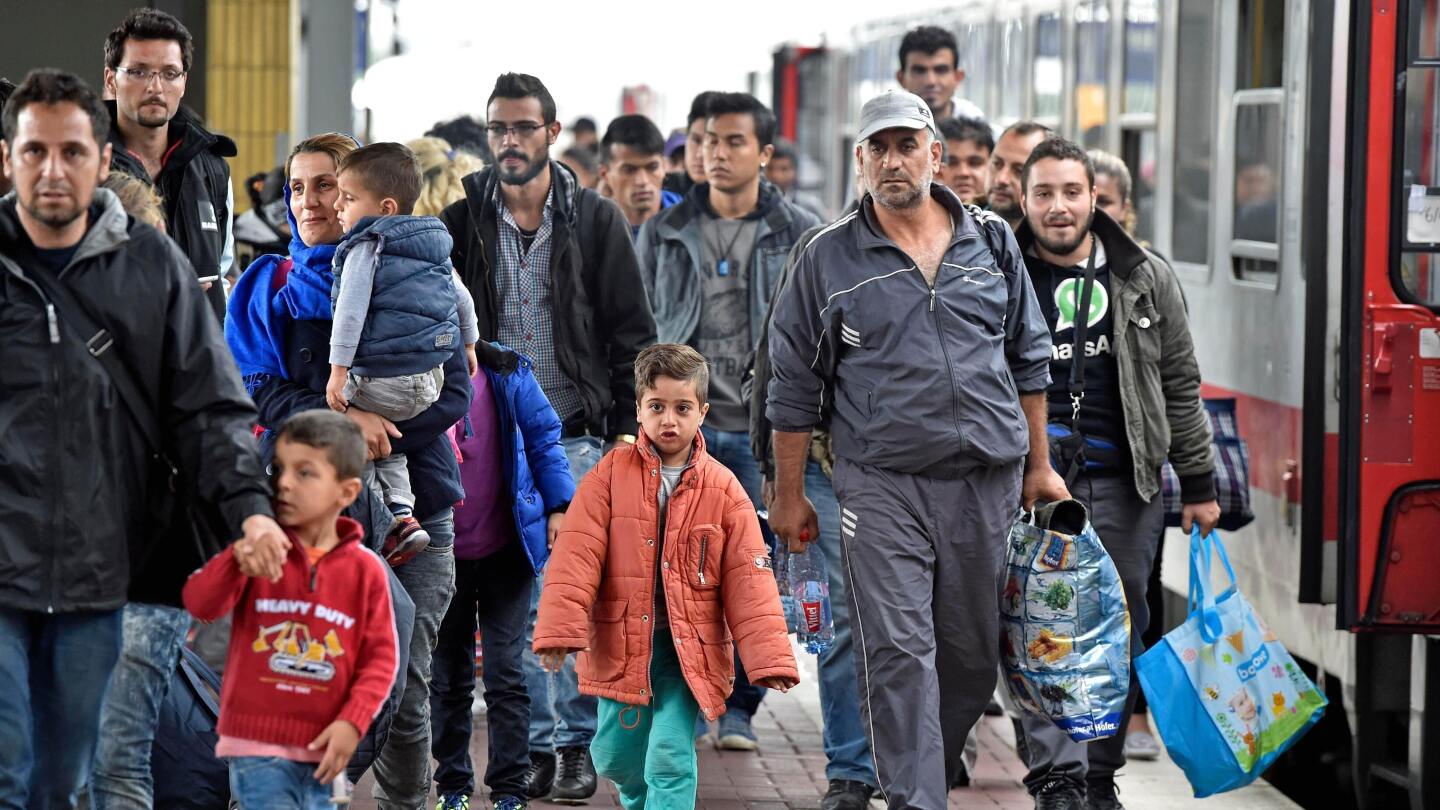
    BARCELONA, Spain — The European Union has implemented significant revisions to its asylum application guidelines for Syrian nationals, reflecting the transformed political landscape one year after the collapse of Bashar Assad’s regime. These updated directives, issued Wednesday by the European Union Agency for Asylum, could substantially impact the pending applications of approximately 110,000 Syrians awaiting asylum decisions across EU member states.

    The new guidance indicates that individuals who opposed Assad’s government or evaded military service no longer face automatic presumption of persecution risk. Conversely, the agency identifies several vulnerable groups that may still qualify for international protection, including former government affiliates and members of specific ethnic-religious minorities such as Alawites, Christians, and Druze communities.

    While asylum determinations remain within national jurisdiction, these EU-wide recommendations aim to foster greater consistency among the 27 member states plus Norway and Switzerland in granting international protection. Statistical data reveals a dramatic decline in Syrian asylum seekers, dropping from 16,000 monthly applications in October 2024 to just 3,500 by September 2025, though Syrians still constitute the largest group with pending cases.

    The agency characterizes Syria’s current situation as ‘improved but volatile’ since Assad’s ouster in December 2024, noting that ‘indiscriminate violence continues’ in certain regions. Despite the capital Damascus being deemed secure, recent sectarian violence in coastal areas and Sweida province has resulted in hundreds of casualties.

    Additional groups maintaining refugee eligibility include LGBTQ+ individuals and Palestinians in Syria who have lost UN assistance and protection. According to UNHCR data, over one million refugees and nearly two million internally displaced persons have returned to Syria since the regime change, marking a complex humanitarian transition following a conflict that claimed approximately 500,000 lives and displaced half the country’s pre-war population.

  • Winter scenery across China

    Winter scenery across China

    China Daily Information Co (CDIC) has issued a formal declaration regarding the intellectual property rights governing all content published across its digital platforms. The comprehensive copyright notice explicitly states that all materials—including textual content, photographic images, multimedia information, and other digital assets—remain the exclusive property of CDIC.

    The company has established stringent protections against unauthorized republication or utilization of its content in any form without obtaining prior written authorization. This policy reinforces CDIC’s commitment to safeguarding its intellectual property in accordance with international copyright standards.

    Additionally, the publication provides technical recommendations for optimal user experience, suggesting browsers with 1024*768 resolution or higher for best viewing performance. The notice also contains reference to official publishing licenses and registration numbers, including Multimedia Online Publishing License 0108263 and Registration Number 130349, underscoring the organization’s compliance with regulatory requirements.

    The footer section includes navigational links to corporate information pages, advertising opportunities, contact channels, and employment sections specifically catering to expatriate professionals. The announcement concludes with an invitation for readers to follow the organization’s official social media channels for ongoing updates.

  • Belgium urges Europe to drop plan for frozen Russian assets to aid Ukraine

    Belgium urges Europe to drop plan for frozen Russian assets to aid Ukraine

    Belgium has launched a forceful diplomatic offensive against the European Union’s controversial proposal to transform frozen Russian state assets into a reparations loan for Ukraine, warning the scheme could trigger national bankruptcy and decades of litigation. The escalating confrontation pits Belgian leadership against German Chancellor Friedrich Merz and EU institutional leaders who champion the €140 billion plan.

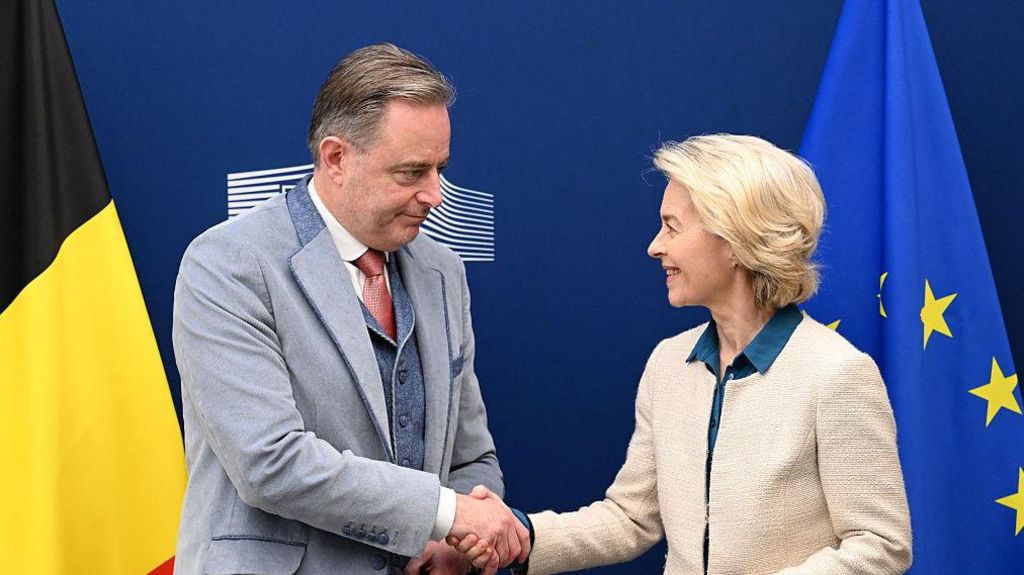
    Prime Minister Bart De Wever has formally written to European Commission President Ursula von der Leyen declaring the proposal “fundamentally wrong,” while Foreign Minister Maxime Prévot articulated specific legal and financial perils. Their central concern stems from Belgium hosting €185 billion of the €210 billion in frozen Russian assets at Euroclear, the Brussels-based securities depository, making the nation disproportionately vulnerable to Russian legal retaliation.

    “If Russia takes us to court, it will have every chance of winning,” Prévot stated bluntly. “We, Belgium, will not be able to repay those €200 billion because that represents the equivalent of an entire year of the federal budget. It would mean bankruptcy for Belgium.”

    The Belgian government proposes an alternative approach: the EU should borrow required funds on international markets using provisions within the existing shared budget of member states. This structure would distribute financial risk across the bloc rather than concentrating liability on Belgium.

    Legal experts substantiate Belgium’s concerns. Professor Veerle Colaert of KU Leuven University explained that Euroclear maintains contractual obligations to repay the Russian Central Bank upon demand, currently prevented only by sanctions. “If sanctions are lifted and Euroclear hasn’t got the money because it’s being lent to the EU,” Colaert noted, “Belgium would have to step in, but the amount involved is simply too large.”

    Russia has amplified pressure through Andrei Kostin, president-chairman of state-owned VTB Bank, who threatened “half a century of litigation” should the EU proceed. Moscow condemns the proposal as unacceptable seizure that would fund warfare rather than peace.

    The European Commission had intended to present a legal framework by late November, but public disagreements have delayed the process. With EU leaders scheduled to vote on the proposal at an upcoming Brussels summit, the deep divisions suggest a resolution remains uncertain as member states balance Ukraine’s urgent needs against financial stability and legal integrity.

  • Thailand relaxes afternoon alcohol ban to boost tourism

    Thailand relaxes afternoon alcohol ban to boost tourism

    In a landmark policy shift, Thailand has suspended its longstanding prohibition on afternoon alcohol sales, initiating a six-month pilot program aimed at revitalizing its tourism sector. Effective immediately, licensed venues including restaurants, bars, and retail stores are permitted to sell alcoholic beverages between 14:00 and 17:00 local time.

    This prohibition, originally enacted in 1972, was designed to prevent government workers from consuming alcohol during official hours. For decades, the regulation has perplexed international visitors in a nation globally renowned for its vibrant nightlife and hospitality culture.

    The suspension coincides strategically with the peak Christmas and New Year travel period, maximizing potential economic benefits. Under the temporary framework, alcohol sales are now permitted from 11:00 to midnight for 180 days, during which a special committee will meticulously evaluate the policy’s socioeconomic impact.

    The reform aligns with Prime Minister Anutin Charnvirakul’s administration’s broader agenda to accelerate economic recovery following extended political instability. Deputy Prime Minister Sophon Saram recently articulated the government’s updated perspective, noting contemporary societal shifts have reduced concerns about civil servants drinking during work hours.

    Previously, violations carried substantial penalties, including fines reaching 10,000 baht (approximately $313). Thailand maintains one of Asia’s highest alcohol consumption rates according to World Health Organization data, with local brands like Chang and Singha enjoying widespread popularity.

    This experimental deregulation represents a significant balancing act between stimulating tourism revenue and maintaining social order in the Buddhist-majority kingdom.