作者: admin

  • US axes website for reporting human rights abuses by US-armed foreign forces

    US axes website for reporting human rights abuses by US-armed foreign forces

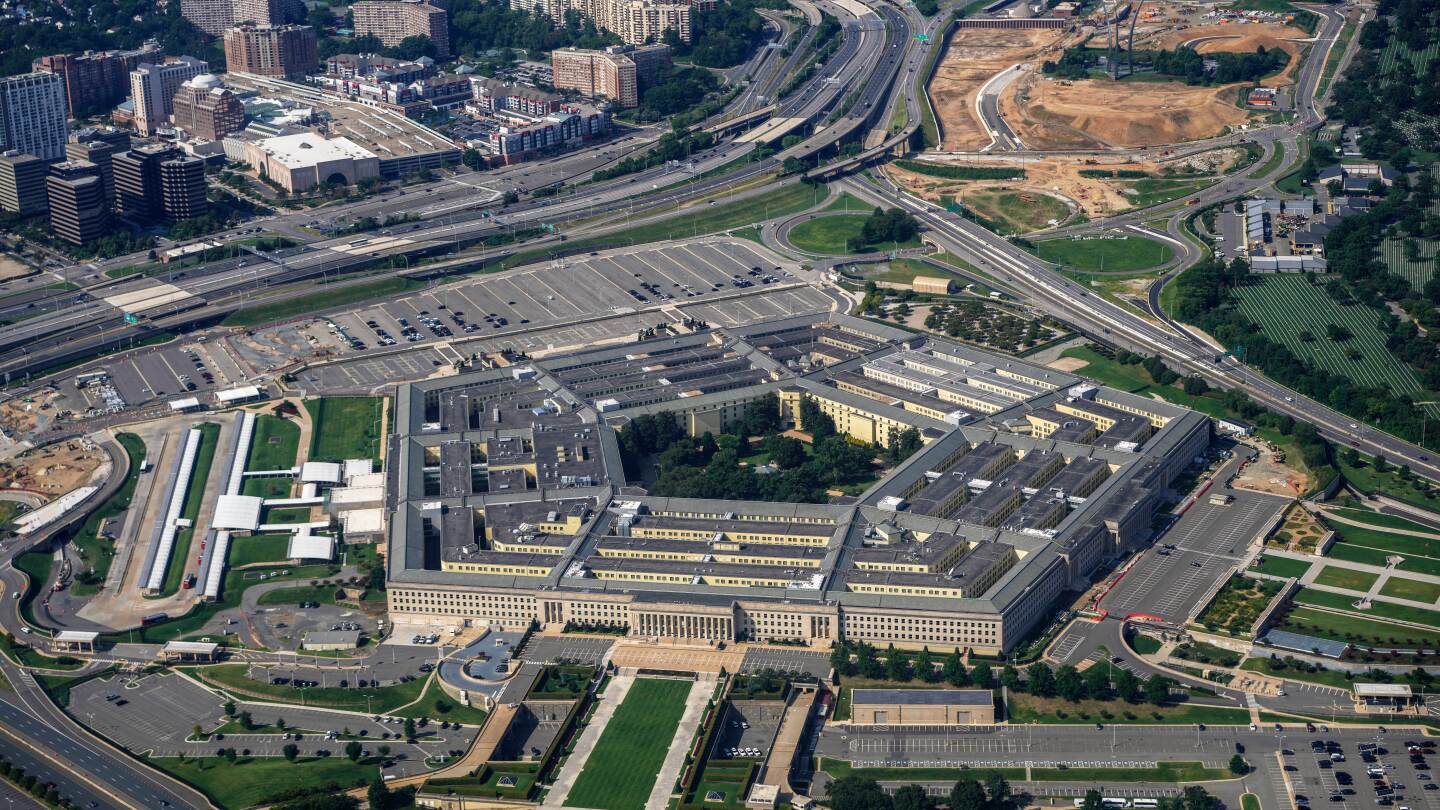
    The US State Department has dismantled its Human Rights Reporting Gateway (HRG), a critical online portal designed to receive allegations of human rights violations by foreign military units supplied with American weapons. Established in 2022 under the Leahy Law, the HRG served as the sole public channel for organizations and individuals to report serious abuses directly to the US government. Its removal has sparked widespread condemnation from human rights advocates and lawmakers, including Tim Rieser, a former senior aide to Senator Patrick Leahy, who described the move as a clear violation of legal mandates. Rieser warned that the deletion undermines the US government’s ability to hold foreign security forces accountable, potentially enabling continued support for units involved in heinous crimes. The State Department, however, maintains that it continues to receive reports of human rights violations and adheres to its legal obligations. The HRG’s elimination follows a broader restructuring of the State Department under Secretary Marco Rubio, which has included layoffs and the scaling back of human rights monitoring offices. Critics argue that these changes reflect a shift away from promoting human rights, aligning instead with the Trump administration’s ‘America First’ foreign policy. The HRG had previously facilitated reports of abuses, including allegations of excessive force by Colombian security forces during 2021 anti-government protests and incidents involving US-armed Israeli Defense Forces in the occupied West Bank. Amnesty International, which had prepared submissions for the portal, expressed concern over the loss of this critical reporting mechanism. Charles Blaha, former Director of the Office of Security and Human Rights, emphasized that the removal severely weakens the government’s ability to deter abuses, leaving no established channel for reporting violations. The US remains the world’s largest provider of military aid, raising questions about the accountability of foreign units receiving American support.

  • Myanmar’s army is taking back territory with relentless air strikes – and China’s help

    Myanmar’s army is taking back territory with relentless air strikes – and China’s help

    The strategic town of Kyaukme, a vital trade route linking the Chinese border to Myanmar’s interior, has become a microcosm of the nation’s protracted civil war. After months of intense fighting, the Ta’ang National Liberation Army (TNLA) seized control of Kyaukme in late 2023, marking a significant victory for the opposition. However, the junta’s swift recapture of the town in just three weeks this month underscores a dramatic shift in the military balance, favoring the regime. Kyaukme’s devastation, with large areas flattened by relentless air strikes, highlights the heavy toll of the conflict. The junta’s use of advanced drones, motorized paragliders, and Chinese-supplied aircraft has intensified its offensive, causing significant civilian casualties and forcing many to flee. The TNLA’s retreat from Kyaukme and Hsipaw, another key town, signals the junta’s growing dominance, bolstered by China’s support for its plan to hold elections in December. This election, widely criticized for excluding Aung San Suu Kyi’s National League for Democracy, is seen as a bid to legitimize the regime. China’s backing, including technical and financial aid, has been pivotal in the junta’s resurgence. Meanwhile, the fragmented opposition, comprising poorly-armed local militias and ethnic insurgent groups, struggles with internal divisions and lack of central leadership. Despite initial successes, such as Operation 1027 in 2023, the opposition’s momentum has waned. The junta’s forced conscription drive has replenished its ranks, while China’s tightening of border controls and export bans on dual-use products have crippled the resistance’s access to drones and other critical supplies. As the junta regains control of strategic areas, the prospects for a political resolution remain bleak, with the legacy of violence and destruction casting a long shadow over Myanmar’s future.

  • Israel passes preliminary bill to annex the occupied West Bank

    Israel passes preliminary bill to annex the occupied West Bank

    Israel’s Knesset has taken a significant step toward annexing the occupied West Bank, passing a preliminary reading of a contentious bill with a narrow margin of 25 votes in favor to 24 against. The proposed legislation, introduced by Avi Maoz of the far-right Noam party, seeks to extend Israeli sovereignty over settlement areas in the region, referred to in the bill as ‘Judea and Samaria.’ The bill must undergo three additional votes before becoming law. Concurrently, Avigdor Lieberman of the Yisrael Beiteinu party proposed a separate bill to annex the Maale Adumim settlement near Jerusalem, which also passed. Prime Minister Benjamin Netanyahu’s Likud party criticized the move, labeling it as an attempt to undermine the government during US Vice President JD Vance’s visit. Likud dismissed the bill as ‘trolling’ aimed at damaging US-Israel relations and Israel’s achievements in Gaza. The party emphasized that true sovereignty is achieved through practical actions, not symbolic laws. Meanwhile, Israel’s finance minister, Bezalel Smotrich, recently unveiled a controversial plan to annex the majority of the West Bank, leaving only six Palestinian enclaves outside Israeli control. Smotrich’s proposal includes dismantling the Palestinian Authority and replacing it with ‘regional civilian management alternatives.’ The plan has sparked widespread concern over its implications for regional stability and Palestinian rights.

  • Trump says ‘existing structure’ of White House East Wing to be torn down

    Trump says ‘existing structure’ of White House East Wing to be torn down

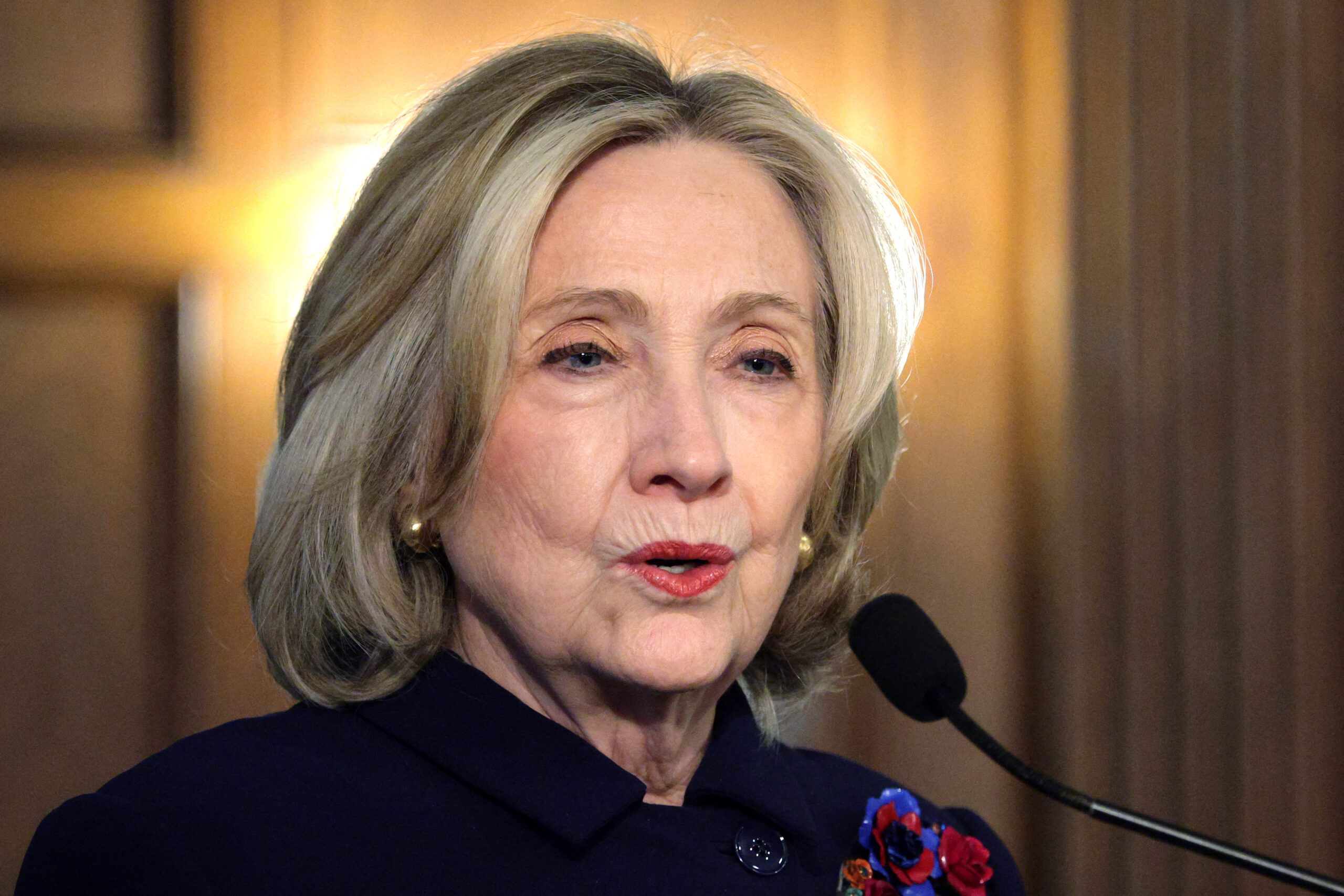
    US President Donald Trump has announced the demolition of the White House East Wing to make way for a new $250 million ballroom, a project that has ignited significant debate. Construction crews began dismantling parts of the structure on Monday, with plans to complete the demolition by the weekend. This marks a major expansion of a construction initiative initially announced earlier this year. Trump has emphasized that the project is fully funded by himself and private donors, with military involvement also noted. The East Wing, built in 1902 and last modified in 1942, houses offices for the First Lady and staff, as well as hosting meetings and special events. Trump dismissed criticisms, stating that the changes have been desired ‘for at least 150 years’ and that the East Wing was ‘never thought of as being much.’ He also defended the transparency of the project, asserting, ‘I think we’ve been more transparent than anyone’s ever been.’ However, the National Trust for Historic Preservation has expressed deep concern, urging a pause on demolition and calling for a public review process. Critics, including former presidential candidate Hillary Clinton, have accused Trump of disregarding the White House’s historical significance. Clinton remarked on social media that the White House ‘is not Trump’s house, and he’s destroying it.’ Despite the backlash, Trump has celebrated the project, describing the sound of construction as ‘music to my ears’ and a reminder of prosperity.

  • Jingdezhen a ‘rare space’ for creators, French ceramic artist says

    Jingdezhen a ‘rare space’ for creators, French ceramic artist says

    Jingdezhen, renowned as the ‘porcelain capital’ of China, continues to attract global artists seeking inspiration and collaboration. French ceramic artist Manon Valle recently returned to the city for the third time, participating in the Jingdezhen International Ceramic Expo held from October 18 to 22. Valle emphasized that Jingdezhen offers a unique environment where creators from diverse cultural backgrounds can converge, exchange ideas, and foster artistic growth. The city’s vibrant artist-in-residence community has become a melting pot of creativity, enabling cross-cultural dialogue and innovation. Valle’s experience underscores Jingdezhen’s enduring significance as a hub for artistic exchange and its role in bridging global artistic communities. The expo, a key event in the ceramic art world, further solidifies Jingdezhen’s reputation as a center for both traditional craftsmanship and contemporary artistic exploration.

  • Haniyeh family denies reports relatives left Gaza after Turkish request

    Haniyeh family denies reports relatives left Gaza after Turkish request

    The family of the late Hamas leader Ismail Haniyeh has refuted claims that some of their relatives were permitted to exit the Gaza Strip following a request from Turkey. Abdul Salam Haniyeh, the eldest son of the deceased leader, categorically denied these reports in a statement to Middle East Eye, asserting that no arrangements or discussions regarding such a move had taken place. This rebuttal comes in response to earlier reports suggesting that Israel had allowed at least 66 Palestinians and Turkish citizens to leave Gaza earlier this month, facilitated by a bilateral agreement between Israel and Turkey. While some of those who departed reportedly shared the Haniyeh surname, Abdul Salam clarified that none were directly related to his father. He dismissed the news as false and aimed at sowing confusion. The reported deal followed a ceasefire agreement between Israel and Hamas in early October, brokered in part by Turkey. Turkey had maintained longstanding ties with Ismail Haniyeh, who led Hamas’s political bureau until his assassination by Israel in Tehran in July 2024. An Israeli decision to permit Haniyeh’s relatives to leave Gaza would be unexpected, given the Israeli military’s April 2024 airstrike that killed three of his sons and four grandchildren in Gaza. Additionally, Haniyeh’s sister, Sabah al-Salem Haniyeh, was arrested around the same time in Tel Sheva, a southern Israeli town. Middle East Eye, known for its independent coverage of the Middle East and North Africa, continues to provide in-depth analysis of the region’s complex geopolitical landscape.

  • SetupMate launches Business Gateway Package to simplify company formation for global entrepreneurs

    SetupMate launches Business Gateway Package to simplify company formation for global entrepreneurs

    SetupMate Management Consultancy, a prominent UAE-based firm specializing in business and banking advisory services, has introduced its innovative “Business Gateway Package.” This comprehensive solution aims to simplify company formation in Dubai, making it more accessible, efficient, and affordable for startups, small businesses, and international investors. The package, priced at a flat fee of Dh14,900 until December 31, includes essential services such as business establishment and licensing, visa issuance, VAT or corporate tax consultancy, corporate bank account support, and a personal counseling session with CEO Rishi Raj Singh Rathore. Additional value-added services are designed to streamline operations and ensure a seamless startup journey. Dubai’s favorable regulations, tax-free zones, and world-class infrastructure continue to attract entrepreneurs globally, reinforcing its status as a leading investment hub. SetupMate’s initiative aligns with Dubai’s vision of becoming a global startup hub, supporting innovation across various sectors. The company’s success in the UAE has also led to international expansion, with a new office recently opened in London, further solidifying its role as a trusted partner for entrepreneurs worldwide.

  • Commercial Bank of Dubai achieves record net profit and surpasses Dh100 billion in loans

    Commercial Bank of Dubai achieves record net profit and surpasses Dh100 billion in loans

    The Commercial Bank of Dubai (CBD) has achieved a historic milestone, reporting a record net profit before tax of Dh2.83 billion for the first nine months of 2025, a 15.6% increase compared to the same period last year. Net profit after tax stood at Dh2.58 billion, marking the bank’s 21st consecutive quarter of profit growth—a remarkable feat in the UAE banking sector. Additionally, CBD’s net loans surpassed Dh100 billion for the first time, reflecting a 13.1% increase since the end of 2024. The bank’s total assets surged to Dh163.4 billion, up 16.6% year-on-year, while customer deposits grew 14.9% to Dh112.1 billion, with low-cost CASA deposits accounting for 51% of the total. Dr. Bernd van Linder, CEO of CBD, emphasized the significance of these achievements, attributing them to the bank’s resilient strategy and customer-focused approach despite global challenges such as the pandemic, volatile interest rates, and supply chain disruptions. CBD’s return on equity after tax reached 22.3%, placing it among the top performers in the industry. Asset quality also improved, with the non-performing loan ratio dropping to 3.5%, down 146 basis points from the previous year. The bank’s cost of risk declined to 0.49%, and provision coverage stood at 98.93%, rising to 140.83% when including collateral. CBD’s transformation agenda continues to deliver results, with the bank achieving its highest SME Net Promoter Score in over three years and receiving multiple industry awards, including Best Digitisation Initiatives and Best Mobile Banking Services. The bank remains committed to national initiatives, supporting programs like Aani payments, the UAE Central Bank’s Digital Currency project, and the Financial Infrastructure Transformation Program. CBD also participated in global forums such as SIBOS 2025 and the BAFT Global Councils Forum, showcasing its dedication to innovation and thought leadership. With a capital adequacy ratio of 15.84% and a Tier 1 ratio of 14.70%, CBD maintains a strong capital position well above regulatory requirements. As it enters its sixth decade, the bank continues to support the nation’s ambitions through disciplined growth, digital innovation, and customer-centric strategies.

  • Fitness coach on wearable tech and wellness: ‘Know your numbers, but also know your body’

    Fitness coach on wearable tech and wellness: ‘Know your numbers, but also know your body’

    As wearable technology continues to dominate the fitness landscape in 2025, Diren Kartal, a renowned fitness coach and speaker, emphasizes the importance of balancing data-driven insights with intuitive self-awareness. Kartal, who is set to return to Dubai Active 2025, shares his journey from a football player in Turkey’s Beşiktaş youth academy to a global fitness influencer. His philosophy revolves around consistency, discipline, and the transformative power of fitness on both the body and mind. Kartal’s experience in Brazilian Jiu-Jitsu has profoundly shaped his approach, teaching him humility, patience, and resilience. He believes that while wearable devices like smartwatches and trackers can gamify fitness and enhance accountability, they should not replace the intrinsic understanding of one’s body. Kartal also highlights the challenges of balancing fitness, business growth, and fatherhood, advocating for structured routines and realistic goals. At Dubai Active, he aims to inspire attendees with energy, laughter, and practical advice, encouraging them to view fitness as empowerment rather than punishment. Kartal debunks common fitness myths, such as the necessity of extreme diets or overnight results, and stresses the importance of mental wellness in physical training. He advises beginners to start simple, build consistency, and avoid comparing themselves to others. For long-term success, Kartal’s non-negotiable principle is consistency—showing up regularly, even when motivation wanes. He also shares his excitement about emerging fitness trends like cold plunges, saunas, and functional training, while reminding everyone that the basics—strength training, nutrition, sleep, and community—remain timeless.

  • First Abu Dhabi Bank profit surges 24% to Dh16b as AI powers record 9-month growth

    First Abu Dhabi Bank profit surges 24% to Dh16b as AI powers record 9-month growth

    First Abu Dhabi Bank (FAB) has announced unprecedented financial results for the first nine months of 2025, with a 24% surge in net profit to Dh16.02 billion. This marks the highest earnings ever recorded by the bank for this period. The third quarter alone saw a 21% increase in net profit, reaching Dh5.39 billion. Loans and advances grew by 13% year-to-date to Dh596 billion, while customer deposits rose 8% to Dh848 billion. Total assets climbed 14% to Dh1.38 trillion, with capital and liquidity ratios comfortably exceeding regulatory requirements.

    The bank’s robust performance is attributed to broad-based growth across all divisions, driven by strong client activity, diversified revenue streams, and significant productivity gains from its AI-driven transformation strategy. Operating income increased by 16% to Dh27.65 billion, supported by sustained business momentum. Net interest income rose 2% to Dh14.96 billion, while non-interest income surged 37% to Dh12.7 billion, accounting for nearly half of total revenue.

    Group CEO Hana Al Rostamani emphasized the success of FAB’s diversification strategy and its growing international presence. The bank is expanding its footprint in Europe, Turkey, and Nigeria, with plans to open a new branch in India. Al Rostamani highlighted the transformative impact of AI integration across operations, which has enhanced agility and efficiency. “By embedding intelligent technologies across the Group, we are redefining how we serve clients and driving long-term value creation,” she said.

    Group CFO Lars Kramer noted the bank’s resilient margins and double-digit revenue growth across all divisions, supported by a strong balance sheet. FAB’s commitment to sustainable finance was also underscored, with the issuance of its inaugural Blue Bond and Low Carbon Energy Bond. International operations contributed 17% of Group revenue, with loans and deposits from overseas markets rising 23% and 18%, respectively.

    FAB continues to lead in AI-enabled transformation, deploying 18 live AI agents across functions such as trade operations, customer service, and finance analytics. These systems have doubled processing capacity and reduced turnaround times by up to 50%, solidifying FAB’s position as a pioneer in technology-driven banking excellence. Analysts predict strong momentum for FAB as it enters the final quarter of 2025, with high confidence in sustaining its growth trajectory into 2026 and beyond.