作者: admin

  • US firms continue to ‘grow, invest in China’

    US firms continue to ‘grow, invest in China’

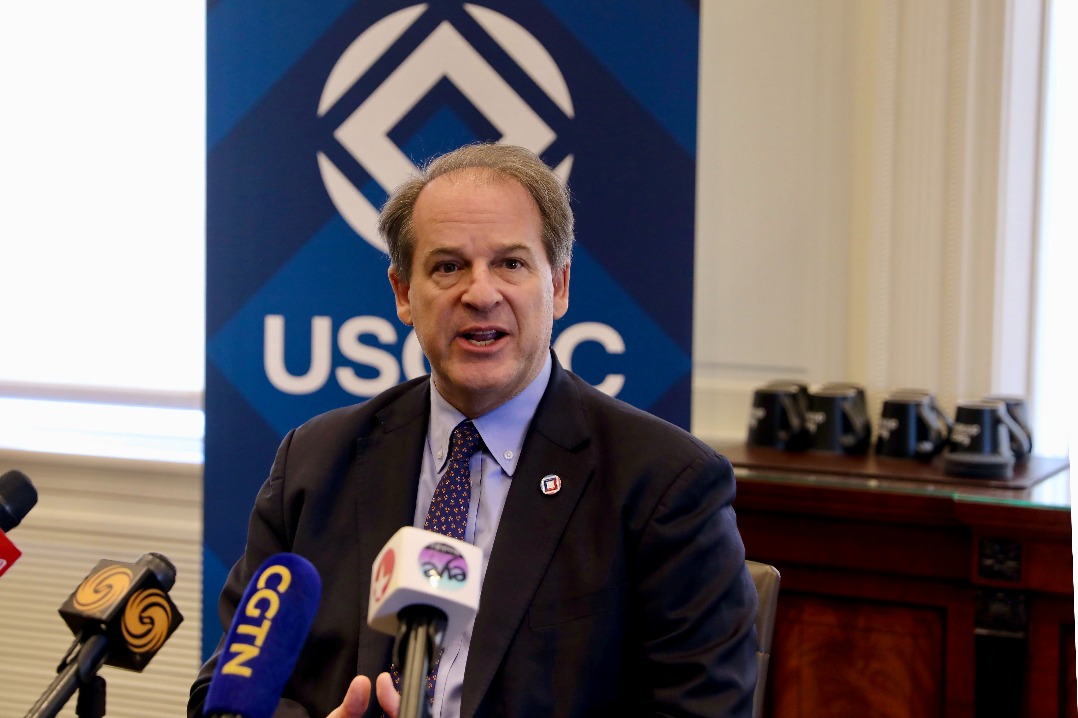
    Contrary to prevailing narratives of economic decoupling, American corporations are not only maintaining but expanding their substantial presence in China, according to Sean Stein, President of the US-China Business Council. Speaking to journalists in Washington on Wednesday during a meeting with a Chinese business delegation, Stein directly challenged what he termed the ‘myth’ of US corporate withdrawal from the Chinese market.

    Stein emphasized that despite media reports and political rhetoric suggesting otherwise, the reality on the ground reveals continued commitment to China operations. ‘American companies are somehow leaving the China market or stepping away from it. That is absolutely not the case,’ Stein stated unequivocally.

    The business leader’s comments come amid conflicting media narratives. While some outlets including The Wall Street Journal, Reuters and Forbes have documented instances of companies reducing exposure or reconsidering China strategies due to cost pressures, tariff implications and geopolitical risks, other publications such as Bloomberg, Politico and the New York Post have reported sustained US corporate engagement driven by market scale, supply chain depth and persistent consumer demand.

    Stein highlighted that many US companies have maintained operations in China for half a century and show no signs of departure. Rather than disengaging, these firms are implementing sophisticated ‘China-plus-one’ strategies—maintaining Chinese operations while simultaneously developing additional supply chain options elsewhere in Asia and beyond. This approach allows companies to benefit from China’s established manufacturing ecosystem while building resilience through regional diversification.

    Supporting Stein’s assessment, the US-China Business Council’s 2025 Member Survey released in July revealed that over 80% of American companies continue to invest in China to serve the local market. Notably, nearly all surveyed firms indicated that maintaining China operations remains essential for global competitiveness. The survey did acknowledge that some companies are recalibrating supply chains with expansions into Southeast Asia, India and Mexico—adjustments driven primarily by tariff considerations, rising input costs and the pursuit of operational resilience rather than wholesale departure from China.


  • ’10-hour wait’: UAE-India flights impacted by IndiGo’s massive cancellations

    ’10-hour wait’: UAE-India flights impacted by IndiGo’s massive cancellations

    India’s largest carrier IndiGo faces mounting operational challenges as massive flight cancellations and severe delays continue to disrupt travel between the United Arab Emirates and India for the fourth consecutive day. The airline canceled over 500 flights on Friday alone, creating a backlog that may require weeks to fully resolve.

    Passengers traveling between Dubai and Mumbai have borne the brunt of these disruptions, with some experiencing delays extending up to ten hours. Dubai resident Mohammed reported his brother’s 12:15 PM Thursday flight to Mumbai ultimately departed at approximately 10:00 PM that evening. Another traveler, Satish, arrived at Dubai International Airport Terminal 1 before 5:00 PM for a 7:00 PM flight only to face eventual cancellation, leaving him with limited rebooking options and visa complications.

    The scale of disruptions extends beyond the Mumbai route. A Dubai-Kozhikode flight scheduled for 3:20 AM Friday departed over eight hours late at 11:29 AM. Similarly, a Dubai-Ahmedabad flight originally set for 5:15 AM Friday was rescheduled for 3:00 PM—a nearly ten-hour delay.

    IndiGo issued a public apology on social media platform X, acknowledging ‘widespread disruption across IndiGo’s network and operations’ over the previous two days. The airline expressed regret to affected customers and industry stakeholders.

    The crisis stems primarily from new Flight Duty Time Limitations implemented by India’s Directorate General of Civil Aviation (DGCA). These regulations mandate 48 hours of weekly rest for pilots and cap weekly night landings at two, significantly reduced from the previous allowance of six. The changes respond to growing concerns about pilot fatigue but have created immediate operational challenges.

    In response to the ongoing disruptions, Indian media reports indicate the DGCA has issued notices to relax weekly rest requirements for crew members, suggesting regulatory flexibility to address the airline’s operational crisis.

  • Netflix to buy Warner Bros Discovery’s studios, streaming unit for $72 billion

    Netflix to buy Warner Bros Discovery’s studios, streaming unit for $72 billion

    In a landmark transaction reshaping the global media landscape, streaming pioneer Netflix has finalized a $72 billion acquisition agreement for Warner Bros. Discovery’s television/film studios and streaming division. The Friday announcement culminates an intense bidding competition where Netflix’s $28-per-share offer surpassed Paramount Skydance’s $24 bid for the entire Warner Bros. Discovery portfolio.

    This unprecedented deal transfers control of legendary entertainment franchises including ‘Game of Thrones,’ ‘DC Comics,’ and ‘Harry Potter’ to the streaming disruptor that originally built its dominance through organic growth rather than major acquisitions. The transaction significantly alters Hollywood’s power dynamics, strengthening Netflix’s position against competitors like Walt Disney and the Ellison family-backed Paramount.

    Industry analysts indicate Netflix’s strategic motivation centers on securing long-term rights to premium content libraries as the company expands into gaming and seeks new growth avenues following its successful password-sharing crackdown implementation.

    However, the acquisition faces substantial regulatory challenges. Antitrust authorities in both Europe and the United States are expected to scrutinize the combination that would grant the world’s largest streaming service ownership of HBO Max, a direct competitor boasting approximately 130 million subscribers.

    Netflix has proactively addressed competition concerns by emphasizing potential consumer benefits through reduced costs for bundled streaming offerings. The company has additionally committed to maintaining theatrical releases for Warner Bros. films, alleviating industry fears about further studio consolidation impacting cinema distribution channels.

  • Abu Dhabi Grand Prix: Over 1,600% spike in hotel rates, limited parking on F1 weekend

    Abu Dhabi Grand Prix: Over 1,600% spike in hotel rates, limited parking on F1 weekend

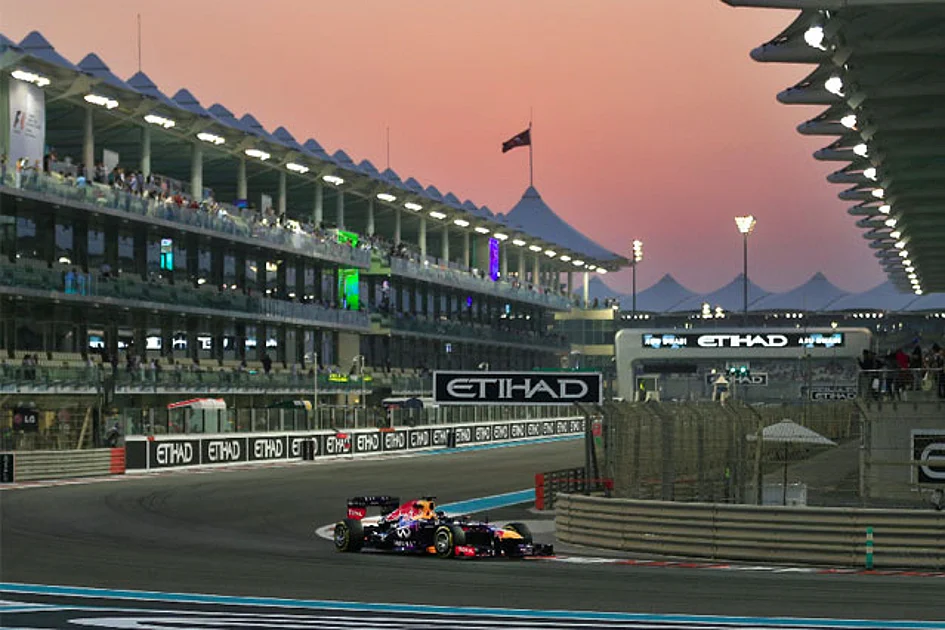
    The Formula 1 Etihad Airways Abu Dhabi Grand Prix has unleashed an unprecedented hospitality crisis, with hotel rates experiencing astronomical increases exceeding 1,600% and severe parking restrictions transforming Yas Island into a logistical challenge for thousands of attendees.

    Premium accommodations have reached extraordinary price points. The W Abu Dhabi – Yas Island is offering its ‘Spectacular Room’ at Dh90,000 for single occupancy and Dh92,000 for double occupancy during the race weekend. The property’s ‘Fantastic Suite’ commands Dh110,000 and Dh112,000 respectively. These packages include complimentary after-race concert access for up to three guests per room and race viewing privileges that typically eliminate the need for separate race tickets.

    Even non-luxury accommodations reflect the severe price inflation. Hilton Yas Island listings start from Dh48,020 plus taxes, while an overnight superyacht experience costs Dh32,464. The Marriott Hotel Al Forsan and Aloft Abu Dhabi are charging Dh18,855 and Dh13,405 respectively for three-night stays, excluding substantial additional fees.

    This pricing landscape represents a dramatic departure from normal rates. Comparative analysis reveals that identical three-night stays at the same hotels in February would cost merely Dh3,145 at W Hotel Yas Island, Dh5,267 at Hilton Yas Island, and Dh3,537 at Aloft Abu Dhabi including all taxes.

    The parking situation has compounded visitor challenges. Yas Island implemented tiered parking fees reaching Dh3,500 during peak evening hours, with many familiar parking spots restricted even for non-race activities. Residents reported being unable to access regular facilities like gyms due to widespread parking limitations.

    Event organizers have directed attendees to utilize Yas Mall parking with complimentary shuttle services. The Integrated Transport Centre has deployed 82 public buses shuttling from Yas Mall and Warner Bros. car parks, supplemented by approximately 3,000 taxis and 15 autonomous vehicles operating on designated island routes.

    Despite the logistical and financial hurdles, dedicated fans like petroleum engineer Nasser consider the premium justified. ‘I was keen to be here tonight—it’s the place to be during F1,’ he stated, having secured a discounted room at Dh15,000 for a single night, still dramatically above typical pricing.

  • What to know as lawmakers disclose vivid new details of US boat strikes

    What to know as lawmakers disclose vivid new details of US boat strikes

    A controversial U.S. military operation targeting drug smugglers in international waters near Venezuela has ignited intense congressional scrutiny and raised profound legal questions about the Trump administration’s expansion of military authority. According to classified briefings obtained by congressional oversight committees, American forces conducted a secondary missile strike on September 2nd that killed two survivors clinging to wreckage of a vessel allegedly carrying cocaine.

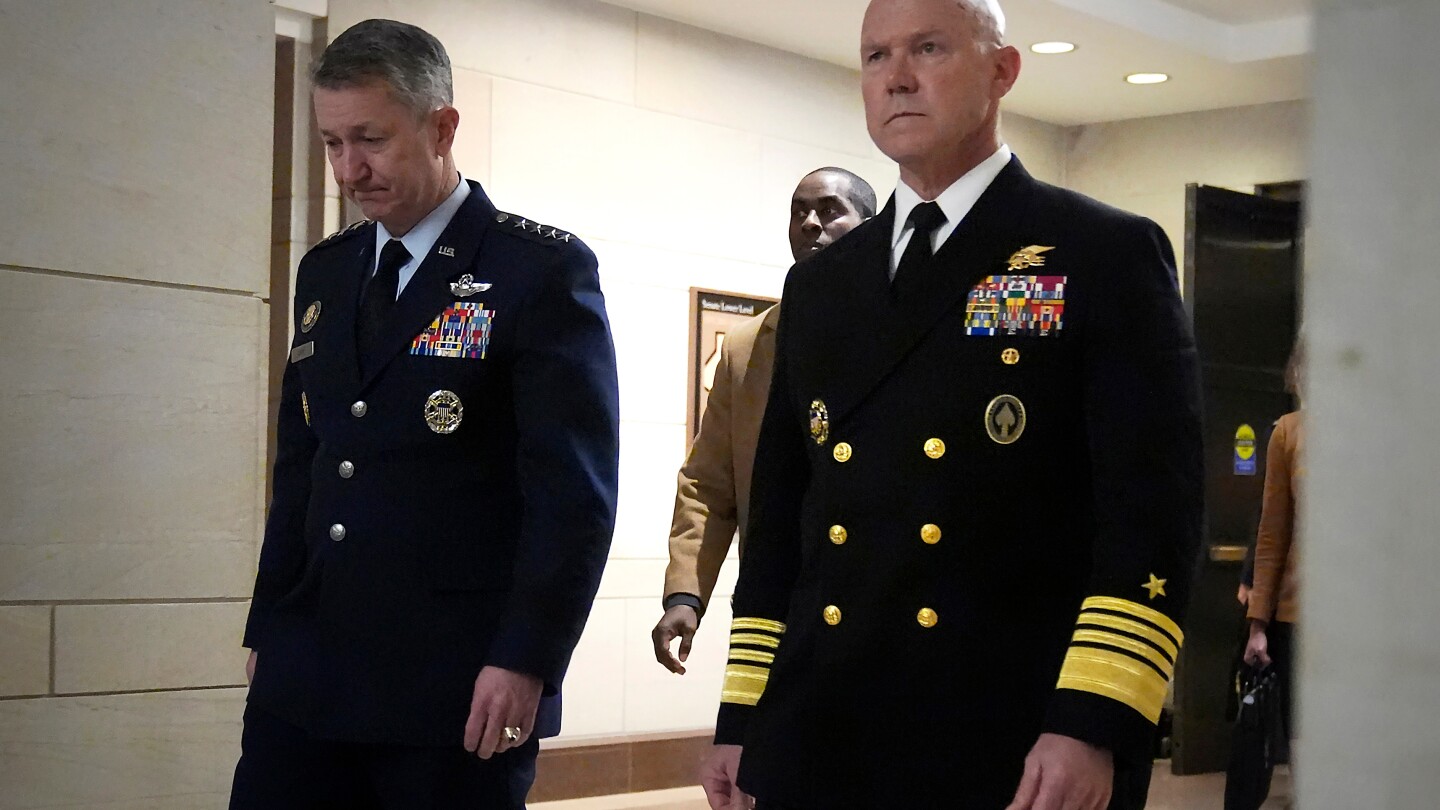
    The operation, which represents the military’s first foray into destroying drug-running vessels, has resulted in approximately 87 fatalities across 22 separate engagements. Navy Admiral Frank ‘Mitch’ Bradley, who authorized the controversial follow-up strike, testified that the action aimed to prevent recovery of narcotics rather than target survivors. However, Democratic lawmakers described the incident as ‘deeply concerning,’ with Representative Adam Smith characterizing the victims as ‘drifting in the water until the missiles come and kill them.’

    At the heart of the constitutional debate lies a 40-page legal opinion from the Justice Department’s Office of Legal Counsel, dated September 5th—three days after the initial attack. This document reclassifies drug traffickers as terrorist threats, applying counterterrorism rules of engagement to narcotics interdiction operations. The administration has classified this legal justification, withholding it from most military lawyers until mid-November.

    The operation’s legal foundation remains particularly contentious as Congress never explicitly authorized military action against drug cartels. Democratic senators have demanded full disclosure of the legal argument and operational orders, with Senator Jack Reed calling the briefing ‘his worst fears confirmed.’ Meanwhile, Republican Senator Tom Cotton defended the strikes, suggesting survivors attempting to right the vessel remained legitimate targets.

    Defense Secretary Pete Hegseth’s absence during the critical decision-making phase and the premature retirement of Admiral Alvin Holsey, commander of U.S. forces in Central and South America, have further intensified congressional investigation. The administration continues to defend the operations, announcing another successful drug vessel interception immediately following congressional briefings.

  • A timeline of the US military’s buildup near Venezuela and attacks on alleged drug boats

    A timeline of the US military’s buildup near Venezuela and attacks on alleged drug boats

    A significant U.S. military mobilization is underway in the Caribbean, marking the largest American naval presence in Latin America in decades. The Trump administration has deployed a formidable fleet, including the advanced USS Gerald R. Ford aircraft carrier and multiple guided-missile destroyers, amassing approximately 12,000 personnel in the region under ‘Operation Southern Spear.’

    The official justification for this deployment is an intensified campaign against narcotics trafficking. Since early September, U.S. forces have conducted at least 22 lethal strikes on vessels suspected of smuggling operations, resulting in 87 fatalities. President Trump has characterized these actions as a necessary escalation in an ‘armed conflict’ against drug cartels, asserting that these groups have been formally designated as foreign terrorist organizations.

    However, the campaign has drawn substantial criticism and scrutiny. Venezuelan President Nicolás Maduro condemns the operations as a direct threat to his administration and a pretext for forced regime change. Internally, the strategy faces mounting legal challenges from U.S. lawmakers. Senior Democrats, including Senator Jack Reed, have challenged the legal basis for the strikes, arguing the military lacks authority to ‘hunt down suspected criminals and kill them without trial.’

    The controversy intensified following reports that the initial strike in September involved a follow-on attack targeting survivors. This prompted a Congressional investigation, leading to classified briefings with Navy Admiral Frank ‘Mitch’ Bradley, who oversaw the operations. Simultaneously, international bodies have expressed concern, with the UN human rights chief calling for an investigation and condemning the actions as potential extrajudicial killings.

    Amidst the tension, President Trump has confirmed authorizing CIA covert operations within Venezuela and has hinted at potential land operations, while also suggesting openness to diplomatic discussions with Maduro. The situation remains a volatile nexus of military action, international law debates, and heightened geopolitical tensions in the Western Hemisphere.

  • Bestselling author RF Kuang withdraws from Dubai festival over Sudan war

    Bestselling author RF Kuang withdraws from Dubai festival over Sudan war

    Prominent American author Rebecca F Kuang has publicly withdrawn from the Emirates Airline Festival of Literature in Dubai, aligning herself with the Palestinian-led Boycott, Divestment and Sanctions (BDS) movement’s call to boycott the United Arab Emirates. The decision stems from the UAE’s alleged involvement in the ongoing conflict in Sudan.

    In an Instagram story posted Monday, Kuang shared her formal communication with event organizers, stating she is ‘no longer able to travel to Dubai’ for the festival. The author emphasized her consistent respect for ‘organized calls for cultural boycotts against genocide from communities affected.’ She specifically referenced her adherence to ‘the Palestinian BDS National Committee’s recent call given the mass atrocities in Sudan.’

    The literary festival receives sponsorship from multiple government-affiliated entities, including the Investment Corporation of Dubai (identifying as the government’s ‘principal investment arm’), the Dubai Culture and Arts Authority, and Abu Dhabi’s Department of Culture and Tourism.

    Kuang’s announcement followed significant social media criticism highlighting the apparent contradiction between her literary focus on colonial themes and her planned participation in the UAE-based event. Critics questioned the authenticity of her written works concerning colonization, forced labor, and displacement given her initial acceptance to headline the January festival.

    Middle East Eye has documented the UAE’s alleged role in supplying arms to Sudan’s Rapid Support Forces (RSF) paramilitary group, which stands accused of ethnic cleansing and mass killings. In April 2025, the Sudanese government filed an International Court of Justice case against the UAE, alleging complicity in genocide.

    This development coincides with growing global attention on the UAE’s foreign policy actions. In November, the Palestinian BDS National Committee issued a statement drawing parallels between tactics used in Gaza and Sudan, specifically calling for boycotts of Emirati institutions. The movement has previously successfully pressured international artists, including American rapper Macklemore in 2024, to cancel UAE appearances.

    On Tuesday, academic and cultural workers formally launched the ‘Cultural and Academic Boycott of the UAE’ campaign (TAGATU3), gaining signatures from prominent figures like Angela Davis and Hatem Bazian. The initiative urges rejection of funding and collaborations with Emirati government entities and complicit institutions.

  • China again urges Japan to destroy the abandoned chemical weapons

    China again urges Japan to destroy the abandoned chemical weapons

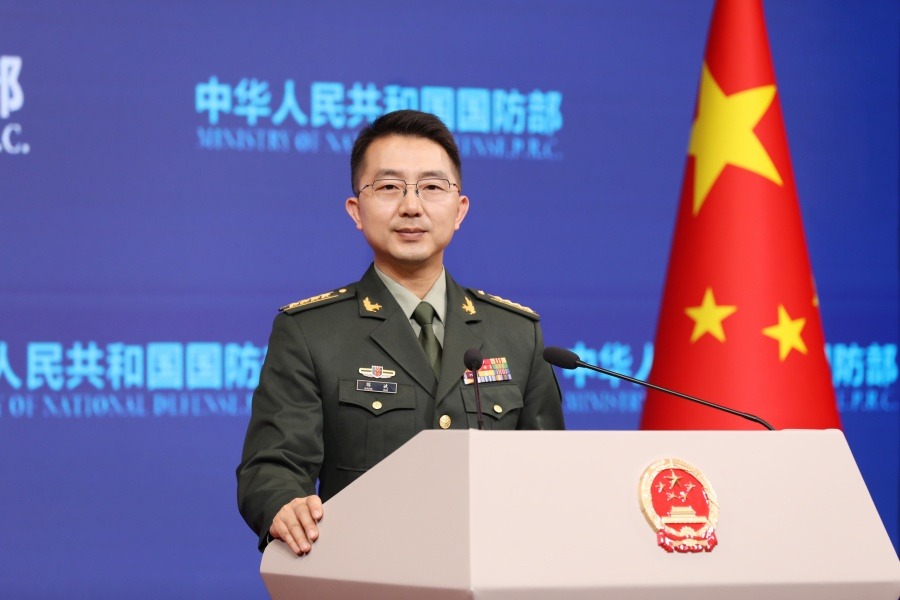
    China has intensified its diplomatic pressure on Japan, demanding the immediate and comprehensive destruction of chemical weapons abandoned on Chinese territory during World War II. The Chinese Ministry of National Defense issued a formal statement through Senior Colonel Jiang Bin, highlighting Japan’s ongoing responsibility under international law.

    Historical records indicate that Imperial Japanese forces deployed chemical weapons in violation of international conventions during their occupation of China, resulting in approximately 200,000 military and civilian casualties. In their retreat, Japanese forces concealed evidence of these violations by abandoning massive stockpiles of chemical agents across Chinese territory. These remnants continue to pose severe threats to public safety and environmental health, with over 2,000 documented poisoning cases attributed to accidental encounters with the weapons.

    Despite Japan’s ratification of the Chemical Weapons Convention, which mandates the secure disposal of such hazardous materials, progress has been critically delayed. Chinese officials attribute this delay to insufficient commitment and resource allocation from Japanese authorities. The Defense Ministry emphasized that toxin elimination represents both a historical obligation and a binding international legal requirement for Japan.

    The Chinese government has called for enhanced Japanese cooperation in several critical areas: expedited information sharing regarding weapon locations, comprehensive assistance in identification and recovery operations, and assuming full responsibility for environmental remediation of contaminated sites. China’s statement concludes by urging Japan to reflect sincerely on its wartime aggression and fulfill its promises of creating ‘a world free of chemical weapons.’

  • Legendary architect Frank Gehry dead aged 96

    Legendary architect Frank Gehry dead aged 96

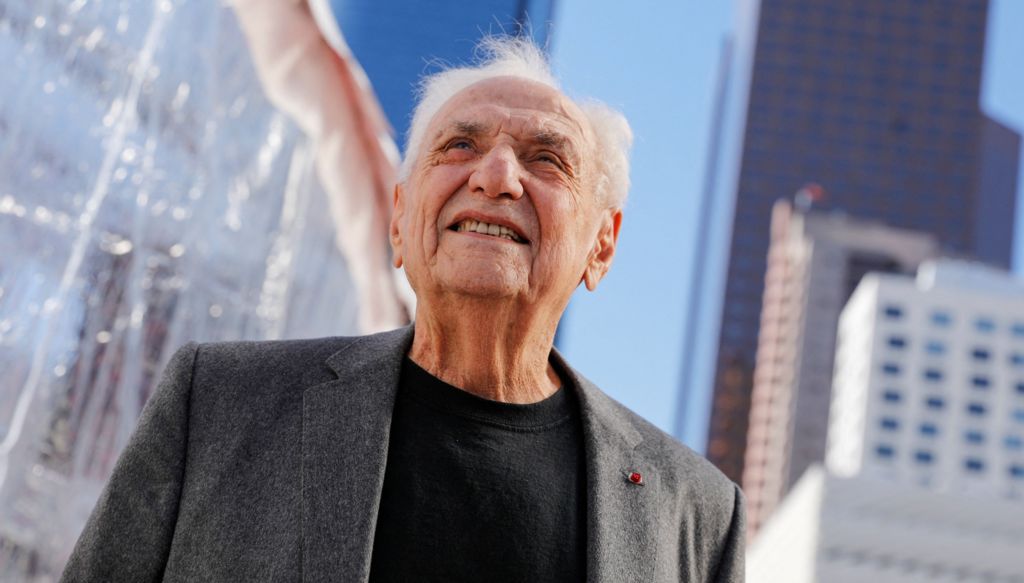
    The architectural world mourns the passing of Frank Gehry, the revolutionary designer who redefined modern architecture with his avant-garde creations, at age 96. His death was confirmed on Friday by Meaghan Lloyd, his chief of staff.

    Born in Toronto in 1929, Gehry relocated to Los Angeles during his teenage years where he pursued architectural studies at the University of Southern California. After establishing his own practice, he dramatically departed from conventional architectural norms by embracing asymmetry and employing unexpected materials in what would become known as deconstructivism.

    Gehry’s international breakthrough arrived in 1997 with the completion of the Guggenheim Museum Bilbao, a magnificent structure sheathed in titanium that transformed both the Spanish city’s landscape and contemporary architectural possibilities. This masterpiece established his reputation for creating culturally transformative buildings that became immediate icons.

    Earlier in his career, Gehry had demonstrated his innovative approach through the radical transformation of his Santa Monica residence, utilizing industrial materials such as chain-link fencing, plywood, and corrugated steel to challenge domestic architectural conventions.

    Following his Bilbao success, Gehry’s distinctive style garnered global commissions including Chicago’s Jay Pritzker Pavilion in Millennium Park, the twisting Gehry Tower in Hanover, Germany, and the magnificent Louis Vuitton Foundation in Paris with its soaring glass sails.

    Gehry is survived by his wife Berta Isabel Aguilera and their two sons, Alejandro and Samuel, along with two daughters from his first marriage, Leslie and Brina. His architectural legacy continues to inspire generations of designers who challenge conventional boundaries of form and function.

  • Frank Gehry’s most iconic work – in pictures

    Frank Gehry’s most iconic work – in pictures

    The architectural world mourns the loss of Frank Gehry, the revolutionary designer who passed away at age 96. Celebrated as one of the most inventive architects of the modern era, Gehry transformed urban landscapes worldwide with his audacious, sculptural designs that challenged conventional building aesthetics.

    Gehry’s pioneering approach to architecture blended artistic expression with structural innovation, creating landmarks that became cultural destinations in their own right. His masterpiece, the Guggenheim Museum in Bilbao, Spain, featuring its iconic titanium curves, demonstrated how architecture could revitalize entire cities—a phenomenon now known as the ‘Bilbao Effect.’

    Other seminal works include the Walt Disney Concert Hall in Los Angeles, with its striking stainless steel panels that reflect California’s golden light; Prague’s Dancing House, which embodies dynamic movement in glass and concrete; and the Louis Vuitton Foundation in Paris, resembling billowing glass sails. His designs extended to spectacular structures like Barcelona’s golden fish sculpture, the Hotel Marques de Riscal winery in Spain, and the forthcoming Guggenheim Abu Dhabi.

    Gehry’s career spanned over six decades, during which he received architecture’s highest honors, including the Pritzker Prize. His unconventional style, characterized by deconstructed forms, unexpected materials, and organic shapes, established him as both a provocateur and visionary who forever expanded architecture’s possibilities.