作者: admin

  • Belarus frees 123 prisoners as US lifts sanctions

    Belarus frees 123 prisoners as US lifts sanctions

    In a significant diplomatic breakthrough, Belarusian authorities have released 123 political prisoners, including prominent opposition leader Maria Kolesnikova and Nobel Peace Prize recipient Ales Bialiatski. This prisoner amnesty follows successful negotiations between Minsk and U.S. Special Envoy John Coale, representing the Trump administration.

    The release arrangement coincides with Washington’s agreement to remove critical sanctions on Belarusian potash exports—a vital fertilizer component that constitutes a substantial portion of the nation’s economy. The sanctions relief marks a dramatic shift in U.S. policy toward the Eastern European country, which has maintained close ties with Russia.

    Belarusian state media confirmed the immediate lifting of potash restrictions, with Coale stating that additional sanctions would be gradually eliminated as bilateral relations normalize. The development represents a major victory for President Alexander Lukashenko, whose administration has faced international isolation since the controversial 2020 election that sparked widespread protests and brutal government crackdowns.

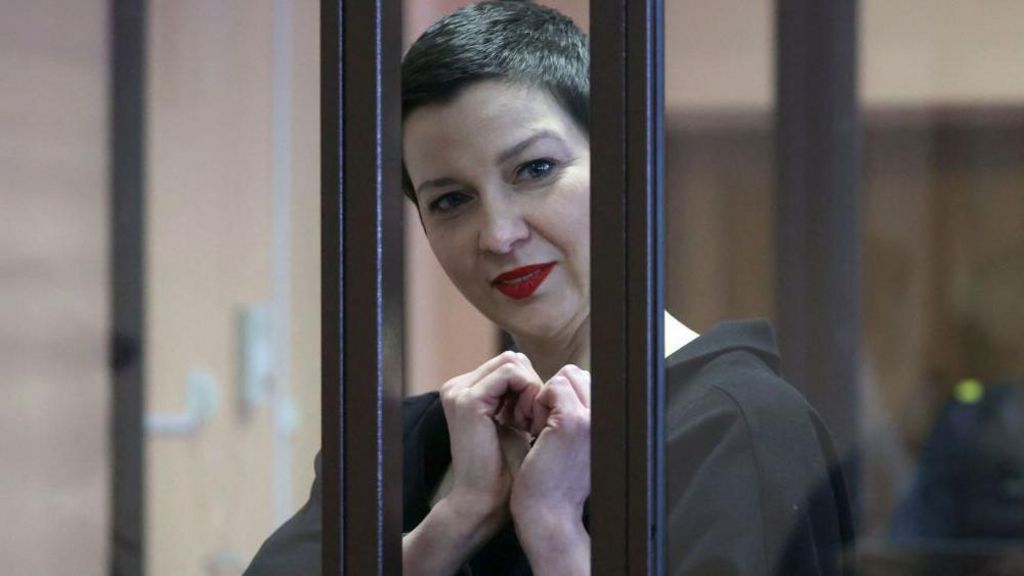
    Maria Kolesnikova, imprisoned since 2020 often under solitary confinement, was among the most high-profile releases. Her sister Tatiana Khomich, a relentless campaigner for her freedom, confirmed via video call that Kolesnikova appeared in good health following her release. Initial reports indicate that several freed individuals are expected to arrive shortly in Vilnius, Lithuania, where crowds have gathered outside the U.S. embassy.

    The diplomatic engagement extends beyond bilateral relations, with Coale reportedly discussing Ukraine-related matters with Lukashenko and exploring potential assistance from Minsk in negotiations with Russian President Vladimir Putin. This overture creates a notable policy divergence between the United States and European allies, who continue to maintain sanctions against Lukashenko’s government.

    The prisoner release occurs against the backdrop of Belarus’s involvement in Russia’s 2022 invasion of Ukraine, which prompted strengthened Western sanctions. Despite this complicating factor, the negotiations demonstrate the Trump administration’s willingness to pursue diplomatic channels with traditionally isolated governments.
  • Street art festival sees Lagos turned into ‘open-air gallery’

    Street art festival sees Lagos turned into ‘open-air gallery’

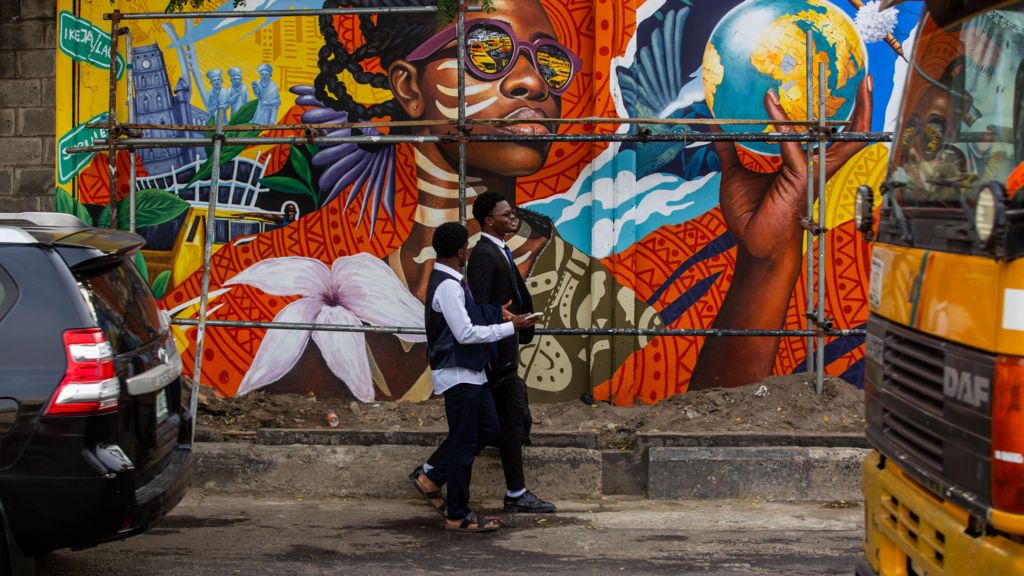
    Lagos, Nigeria’s bustling metropolis, has undergone a remarkable transformation into what organizers describe as an “open-air gallery” during the city’s pioneering street art festival. The event represents a bold initiative to democratize artistic expression beyond traditional gallery spaces.

    Osa Okunkpolor, the renowned Nigerian graffiti artist known as Osa Seven and co-founder of the festival, articulated the vision behind the movement: “We maintain that artistic creativity shouldn’t be restricted to conventional galleries and museums. Public art enables citizens to engage with creativity within their daily environments. This initiative embodies hope and demonstrates art’s transformative potential in reshaping societal narratives.”

    The artistic installations prominently adorn Ozumba Mbadiwe Avenue, a heavily trafficked thoroughfare in Victoria Island at the city’s core. This strategic placement ensures maximum visibility and interaction with Lagos’ diverse population.

    Despite Lagos’ established reputation for vibrant arts, dynamic nightlife, and creative innovation, street art has historically remained underrepresented compared to other African nations. Painter Ernest Ibe acknowledged this disparity while expressing optimism: “The visibility hasn’t been particularly strong relative to other African countries. While challenging, Nigeria is progressively evolving. We’re developing greater appreciation for social murals and their broader societal and environmental impacts.”

    The festival attracted both local and international talent, including Babalola Oluwafemi who traveled from Manchester, UK. Her artwork captures quintessential Lagos culture: “I’m portraying how Lagos residents cherish celebrations, culinary experiences, and vibrant expressions. They embody colorfulness in every aspect.” Her incorporation of the peacock—a traditional Nigerian symbol of beauty and pride—adds cultural depth to the urban landscape.

    Artist Ashaolu Oluwafemi, 34, captured the city’s essence: “Lagos embodies joy amidst struggle. Even during challenging times, maintaining joyfulness and creating happiness remains essential to our spirit.”

    The event, which commenced Wednesday and continues through December 15th, features predominantly Nigerian artists alongside international contributors like Ottograph who journeyed from Amsterdam to create his mural. This cross-cultural exchange enriches Lagos’ artistic landscape while fostering global creative dialogue.

  • Australians set the pace as Mudadana and Scaysbrook impress in UAE Cup at Al Ain

    Australians set the pace as Mudadana and Scaysbrook impress in UAE Cup at Al Ain

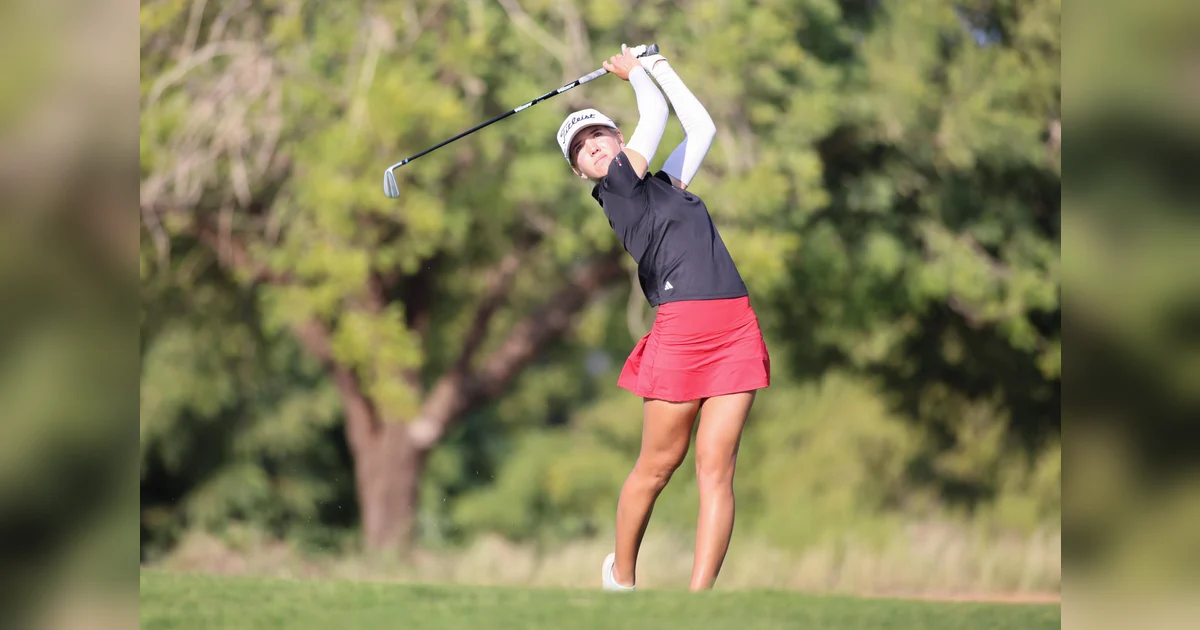
    Australian golfers Kayun Mudadana and Ella Scaysbrook delivered commanding performances to seize early control at the Emirates Golf Federation’s flagship amateur tournament, the UAE Cup powered by Emirates NBD. The international championship commenced with exceptional play at Al Ain Equestrian, Shooting & Golf Club, featuring competitors from 39 nations vying for World Amateur Golf Ranking points.

    Mudadana demonstrated extraordinary precision and momentum throughout his round, carding a spectacular seven-under-par 63 to establish a one-stroke advantage in the Men’s Division. His performance featured eight birdies against a single bogey, including a remarkable front-nine 31. The Australian currently leads England’s Eliot Baker, a Walker Cup participant and multiple international amateur winner ranked 67th in the WAGR standings.

    Nineteen-year-old Scaysbrook showcased mature composure in the Women’s Division, posting a polished four-under 66 to claim the initial lead. The Australian, who finished as runner-up in last year’s championship, expressed satisfaction with her performance and anticipation for the remaining rounds. English contender Imogen Hall trails closely with a 67, demonstrating adaptability to changing course conditions throughout her round.

    The tournament’s significance extends beyond individual accolades, offering substantial professional pathway opportunities. The men’s champion will receive two starts on the HotelPlanner Tour, while the women’s winner earns entry into a Ladies European Tour event. Additionally, leading junior competitors will secure invitations to the 2026 Dubai Junior Desert Classic.

    A newly implemented team competition adds strategic depth to the championship, with Australia and England sharing the lead after the initial round. This format requires each nation to nominate one male and one female amateur, creating an international team dynamic alongside individual competition.

    The UAE Cup continues to enhance its stature within global amateur golf, combining elite competition with tangible professional development opportunities while highlighting the United Arab Emirates’ growing commitment to both amateur and women’s golf development.

  • As Trump slams Europe over migration, most leaders toughen their stance. Spain is an exception

    As Trump slams Europe over migration, most leaders toughen their stance. Spain is an exception

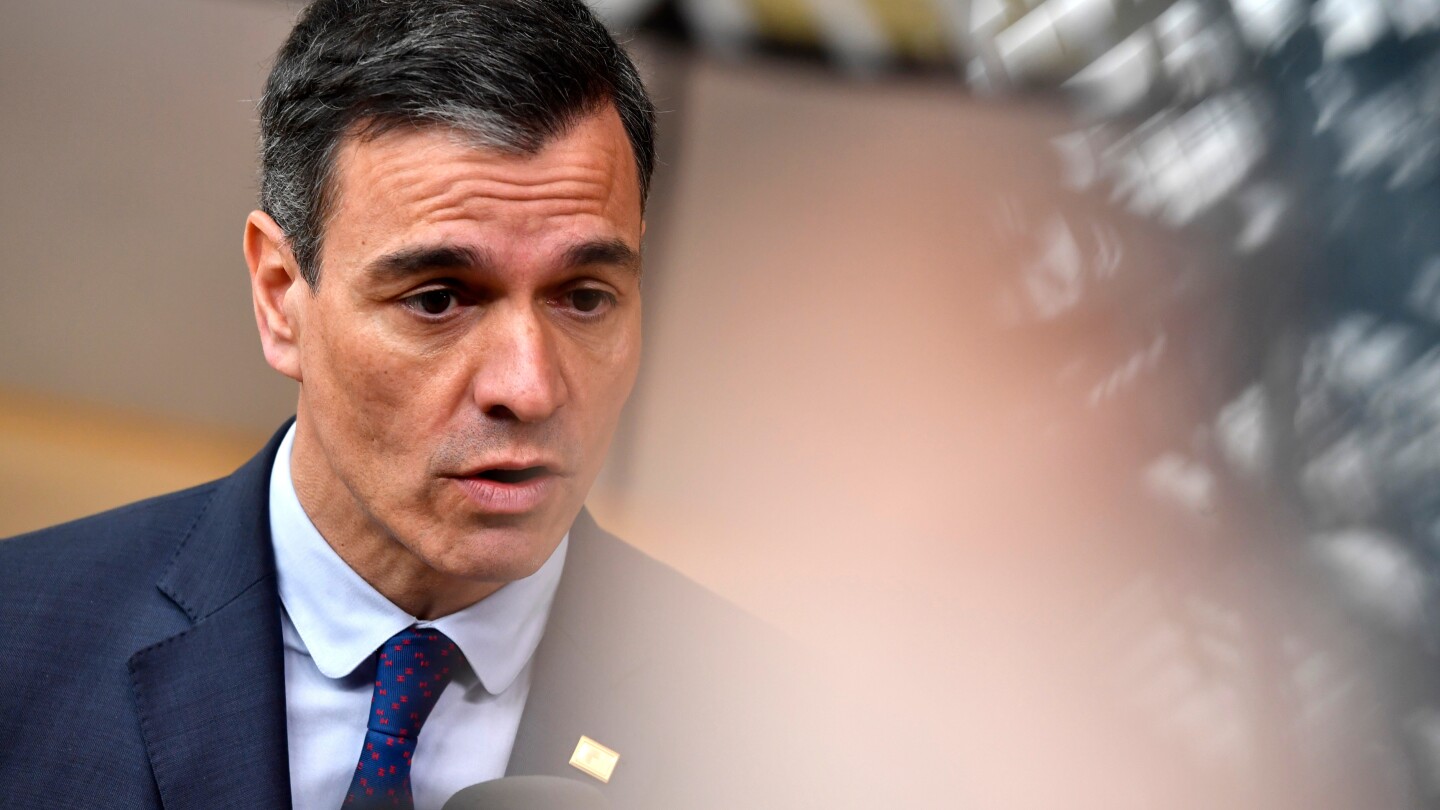
    While European leaders increasingly adopt restrictive immigration policies amid rising far-right influence and warnings of “civilizational erasure” from Trump-aligned voices, Spanish Prime Minister Pedro Sánchez champions a markedly different approach. Spain has welcomed millions from Latin America and Africa in recent years, with Sánchez consistently highlighting the substantial economic and social benefits these immigrants bring to Europe’s fourth-largest economy.

    The Iberian nation’s immigration strategy appears to be yielding significant dividends. Spain’s economy has outperformed all other EU members for two consecutive years, partially attributable to immigrants revitalizing its aging workforce. Sánchez frames Spain’s choice as fundamental: “being an open and prosperous country or a closed and poor one.”

    This stance distinguishes Spain within the Western political landscape. Unlike France’s Emmanuel Macron, who now references “the migration problem,” or Germany’s Friedrich Merz, who pledged migration policy toughening, Sánchez directly confronts anti-immigrant narratives. His government amended immigration laws to facilitate residency and work permits for hundreds of thousands of undocumented migrants, addressing critical labor shortages that threaten Spain’s social benefits system.

    Despite these progressive measures, Sánchez’s government faces political constraints. A more ambitious amnesty proposal stalled in Parliament due to contentious politics and European context. Simultaneously, Spain has implemented border control measures, collaborating with African nations and the EU to reduce irregular arrivals. Migrant arrivals to the Canary Islands have decreased 60% this year, though rights advocates criticize policies they associate with migrant deaths.

    Spain’s immigration landscape is uniquely shaped by its historical connections. Over 4 million legal residents from Latin America benefit from language sharedness and citizenship fast-tracking. However, rapid population growth has exacerbated housing affordability issues, prompting government pledges to increase construction and regulate foreign property purchases.

    The Spanish model demonstrates the complex balance between humanitarian values, economic necessities, and political realities in contemporary migration governance.

  • A collection of archives detailing the crimes of Japan’s Unit 731 released

    A collection of archives detailing the crimes of Japan’s Unit 731 released

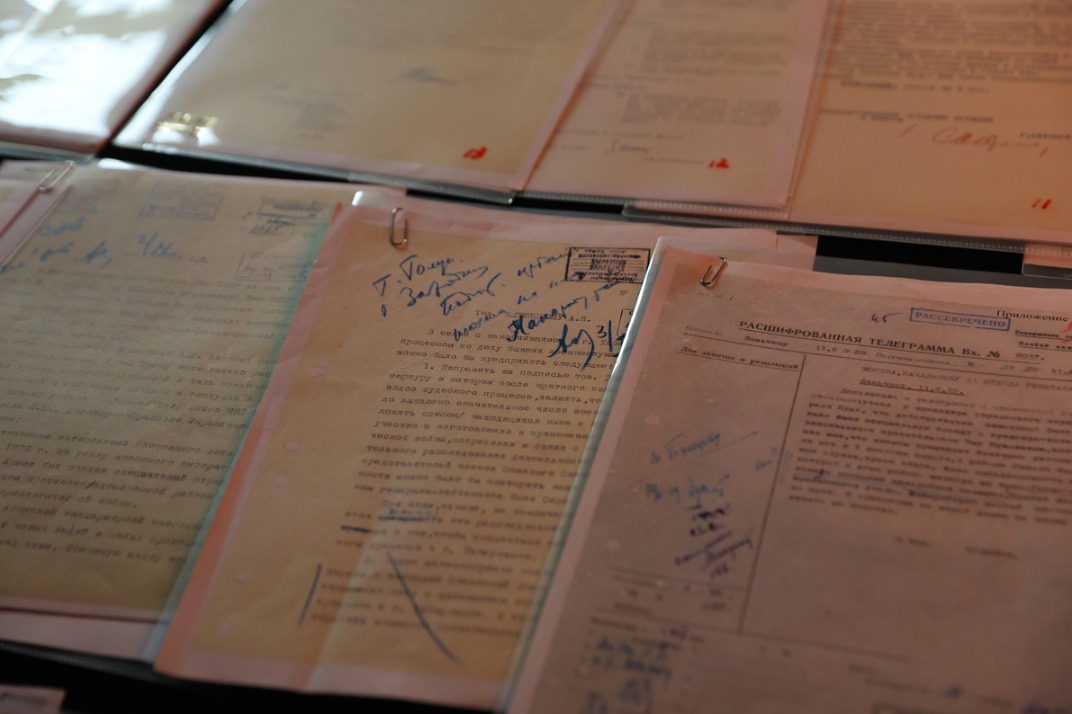
    China’s National Archives Administration has unveiled a significant collection of historical documents exposing the wartime atrocities committed by Japan’s notorious Unit 731. The release coincides with the 12th National Memorial Day for Nanjing Massacre Victims, creating a powerful juxtaposition of historical remembrance.

    The newly publicized archives contain comprehensive Soviet interrogation records and detailed investigation reports spanning from May 1939 to December 1950. These documents provide irrefutable evidence of Japan’s systematic biological warfare operations against China during World War II, revealing the imperial army’s extensive program of human experimentation and biological weapons development.

    Historical experts analyzing the materials emphasize that these records confirm the premeditated and state-sponsored nature of the crimes committed. The documentation includes firsthand accounts from unit members, detailed descriptions of experimental procedures, and evidence of coordinated biological attacks on Chinese civilian populations.

    The archival release represents a significant contribution to the historical record of Pacific Theater warfare, offering researchers and historians unprecedented access to primary source materials that detail one of the most disturbing chapters of biological warfare in modern history. The timing of the disclosure reinforces China’s ongoing efforts to document and memorialize victims of Japanese wartime aggression.

    International historians have long sought greater access to Unit 731 documentation, with many previous records remaining classified or destroyed at the end of World War II. This release provides crucial insights into the operational structure, scientific methodologies, and ethical violations committed under the guise of military research and development.

  • €17m EuroMillions jackpot ticket bought in Ulster

    €17m EuroMillions jackpot ticket bought in Ulster

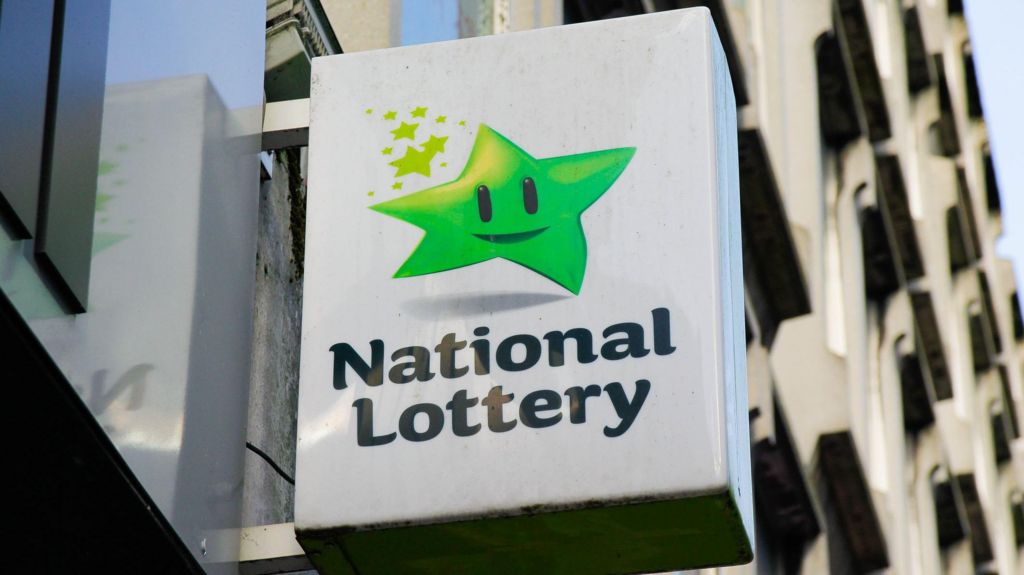
    For the second time this year, Ireland has produced a EuroMillions jackpot winner, with a single ticket holder from the Ulster region securing the €17 million (£14.9 million) top prize in Friday’s draw. The National Lottery confirmed the winning ticket, purchased at a physical retail outlet, successfully matched all five main numbers—7, 25, 30, 37, and 41—along with both Lucky Stars, 5 and 11.

    This significant win follows the historic €250 million (£213 million) jackpot claimed by an Irish player in June, which represented the maximum capped prize in the EuroMillions game. National Lottery spokesperson Emma Monaghan expressed excitement over the latest victory, stating, “We are absolutely thrilled to announce that an Irish player has won the €17m EuroMillions jackpot in last night’s draw.”

    The lottery organization is urging all participants to meticulously check their tickets for the winning combination. The rightful winner is advised to immediately sign the back of their ticket and store it securely. Further details regarding the exact winning location are anticipated to be released in the coming days.

    In addition to the jackpot winner, Friday’s draws produced other notable prizes for Irish participants. An online player from County Limerick won €500,000 (£439,000) as the top prize winner in the separate EuroMillions Plus draw, which featured the numbers 11, 16, 31, 35, and 38. Furthermore, a player in County Kilkenny won €30,745 (£26,994) by matching five numbers in the main draw using a Quick Pick ticket purchased at Kitty’s Cabin on Rose Inn Street on the day of the draw.

  • Cambodia says Thailand still bombing hours after President Trump truce call

    Cambodia says Thailand still bombing hours after President Trump truce call

    A US-brokered ceasefire between Thailand and Cambodia has unraveled within hours of its announcement, with Phnom Penh accusing Bangkok of continuing aerial bombardments along their disputed border region. The Cambodian Defense Ministry stated that on December 13, 2025, Thai F-16 fighter jets dropped seven bombs on multiple targets within Cambodian territory, directly contradicting the truce agreement facilitated by President Donald Trump.

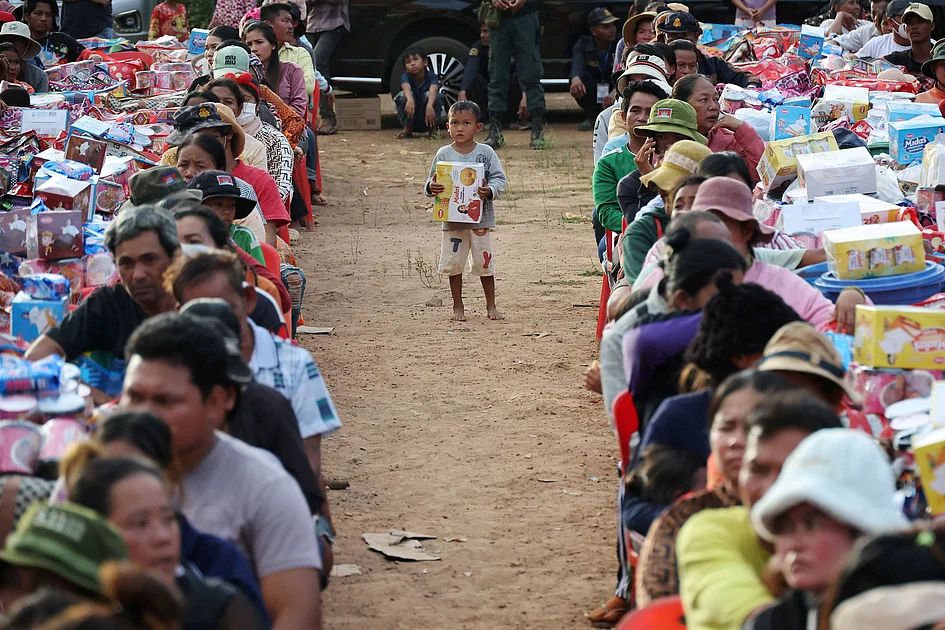
    The escalation comes despite President Trump’s announcement on his Truth Social platform that both neighboring nations had agreed to halt hostilities following his diplomatic engagement with Thai Prime Minister Anutin Charnvirakul and Cambodian Prime Minister Hun Manet. The border conflict, reignited earlier this week, has already claimed at least 20 lives and displaced approximately half a million people from both sides.

    This recent violence represents the collapse of a July ceasefire agreement that was jointly brokered by the United States, China, and Malaysia through the ASEAN framework. The current clashes stem from longstanding territorial disputes along the 800-kilometer colonial-era border demarcation. Thailand had previously suspended the peace agreement in November following incidents where Thai soldiers were wounded by landmines at the border.

    Both nations have engaged in mutual recriminations, with each government blaming the other for initiating the renewed conflict. Prime Minister Hun Manet has proposed utilizing US and Malaysian intelligence capabilities to determine which side initiated hostilities on December 7. Meanwhile, Prime Minister Anutin dissolved Thailand’s parliament on Friday after just three months in office, setting the stage for early general elections next year amid the ongoing border crisis.

  • Migrant Channel crossings resume after four-week gap

    Migrant Channel crossings resume after four-week gap

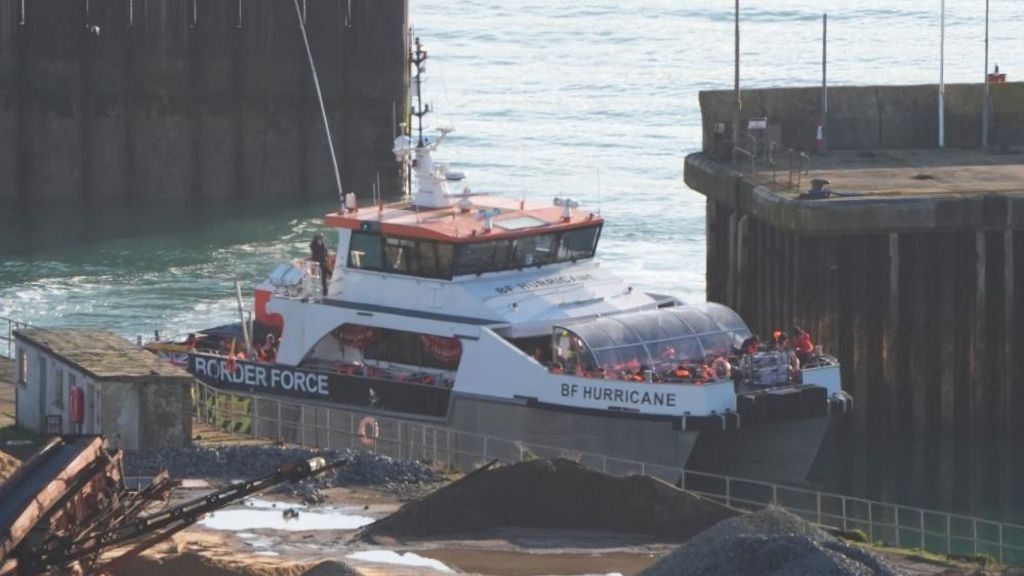
    The prolonged hiatus in small boat migrant arrivals across the English Channel concluded this weekend as Border Force vessels transported dozens of individuals to Dover, Kent. This event terminated a four-week period without recorded crossings—the most extended interruption since 2018.

    Photographic evidence depicted groups wearing life jackets disembarking from a government vessel on Saturday. While official statistics from the Home Office will be released Sunday, this arrival breaks a significant pause that began after the last documented crossing on November 14th.

    Seasonal patterns indicate December typically experiences reduced crossing activity due to harsh winter weather in the Channel, which is considered a primary factor in the recent lull. Despite this temporary respite, the cumulative figure for 2025 has reached 39,292 individuals, positioning it as the second-highest annual tally on record, trailing only the peak of 45,774 arrivals witnessed in 2022. Historical data reveals that more than 187,000 people have undertaken the perilous journey via small boats since official record-keeping commenced seven years ago.

    Concurrently, the UK government is intensifying its multifaceted strategy to combat irregular migration. Prime Minister Sir Keir Starmer has publicly committed to dismantling people-smuggling networks with the objective of significantly reducing crossings by 2029. On the diplomatic front, Deputy Prime Minister David Lammy recently engaged with European counterparts to deliberate on potential reforms to the European Convention on Human Rights (ECHR), aiming to streamline deportation procedures for those deemed to have entered illegally.

    Further policy adjustments were unveiled in November by Home Secretary Shabana Mahmood, introducing a system of temporary refugee status subject to reassessment every 30 months. This framework includes provisions for returning individuals to their countries of origin if conditions are subsequently classified as safe.

    A notable bilateral initiative, the “one in, one out” pilot program established with France in August, continues its operation. This agreement facilitates the return of a migrant to France in exchange for the UK accepting another individual with a substantiated asylum claim. As of late November, this mechanism has resulted in 153 individuals being returned under its provisions.

  • India: Lionel Messi lands in Kolkata, set to virtually unveil 70-foot statue of himself

    India: Lionel Messi lands in Kolkata, set to virtually unveil 70-foot statue of himself

    Football icon Lionel Messi arrived in Kolkata early Saturday morning to an ecstatic reception, commencing the inaugural leg of his GOAT Tour India 2025. The Argentine legend’s visit centers around the virtual unveiling of a colossal 70-foot iron statue erected in his honor at Sreebhumi Sporting Club in Lake Town.

    The monumental sculpture, crafted in a record 40 days, depicts Messi hoisting the FIFA World Cup trophy—a symbolic representation of his historic 2022 triumph with Argentina in Qatar. West Bengal Minister and Club President Sujit Bose confirmed this statue stands as the world’s tallest tribute to the football maestro.

    Messi’s arrival triggered massive fan gatherings across key Kolkata locations, demonstrating his profound popularity in India’s football-crazy eastern region. This visit marks his first return to Indian soil since 2011, when he participated in a friendly match at Salt Lake Stadium where Argentina defeated Venezuela 1-0.

    Tour promoter Satadru Dutta emphasized the significance of this visit: ‘Messi’s return after 14 years has generated unprecedented excitement and renewed enthusiasm for football across India. The sponsorship response reflects growing commercial interest in Indian football.’

    The virtual unveiling ceremony represents both a technological innovation in fan engagement and a testament to Messi’s enduring global legacy, particularly in West Bengal where football culture runs deep.

  • King Charles shares ‘good news’ about his cancer treatment in video message

    King Charles shares ‘good news’ about his cancer treatment in video message

    In a nationally televised address marking a cancer awareness campaign, King Charles III delivered encouraging health updates regarding his ongoing battle with cancer. The 77-year-old monarch revealed that medical professionals will substantially reduce his treatment regimen beginning in the new year, characterizing this development as both a personal blessing and evidence of remarkable advancements in oncology care.

    The King’s diagnosis of an unspecified cancer emerged in February 2024 following a corrective procedure for an enlarged prostate. Buckingham Palace officials confirmed that physicians are transitioning His Majesty’s treatment “into a precautionary phase” due to his exceptional response to therapeutic interventions, though continuous health monitoring will remain in effect.

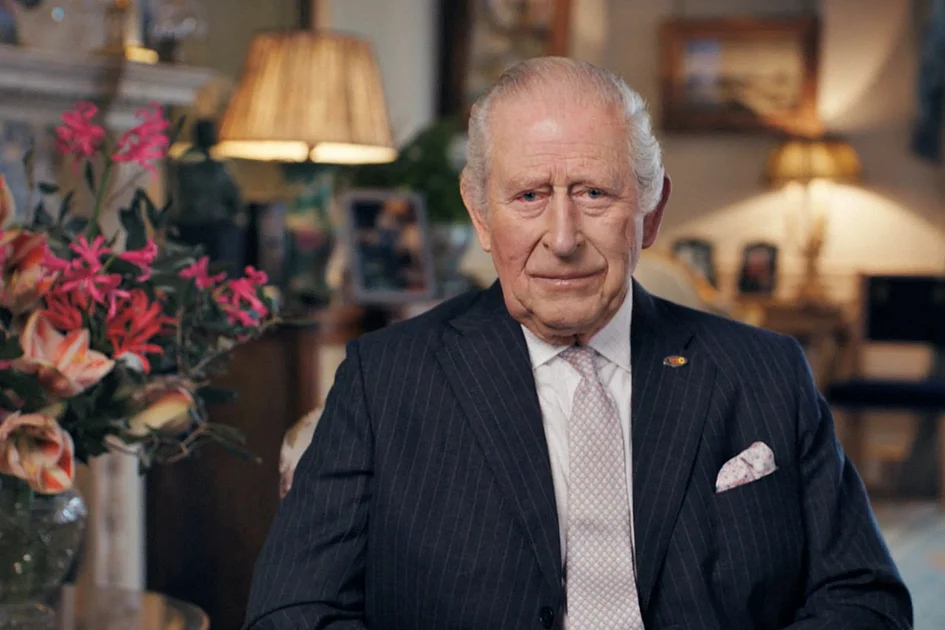
    Breaking with royal tradition of maintaining privacy regarding health matters, Charles utilized his platform to emphasize the critical importance of early cancer detection. “Early diagnosis quite simply saves lives,” the monarch stated while wearing a pinstriped suit adorned with a ‘Stand Up to Cancer’ badge. He expressed particular concern that approximately nine million British citizens remain overdue for available cancer screenings, noting that many avoid examinations due to unfounded fears about discomfort or embarrassment.

    The announcement brings measured relief to the royal family following nearly two years of health challenges that also included cancer treatment for Catherine, Princess of Wales, who announced her remission in January. Prime Minister Keir Starmer echoed national sentiment, expressing collective satisfaction with the monarch’s positive prognosis.

    Charles spoke emotionally about the ‘community of care’ surrounding cancer patients, praising nurses, researchers, and volunteers whose compassion illuminates “the darkest moments of illness.” He concluded with a call to action, urging citizens to make early cancer detection their New Year’s resolution and participate in available screening programs.