作者: admin

  • Head? Stokes? Starc? Pick your team of the Ashes

    Head? Stokes? Starc? Pick your team of the Ashes

    As the 2025-26 Ashes series concludes with Australia retaining the urn and holding a commanding 3-1 lead heading into the fifth Test, BBC Sport has launched an interactive fan engagement initiative. The platform is inviting cricket enthusiasts worldwide to select their ultimate combined team from standout English and Australian performers throughout the historic contest.

    The selection process is structured across four distinct categories, requiring participants to strategically assemble their dream XI. Voters must choose two openers from options including Australia’s Travis Head, who leads with 437 runs at an average of 54.62 including two centuries, and England’s Zak Crawley (272 runs at 30.22). The middle order selection presents compelling choices between veteran excellence and emerging talent, featuring England’s Joe Root (306 runs at 43.71 with one century), Harry Brook (310 runs at 44.28), and all-rounder Ben Stokes (183 runs and 13 wickets at 21.69), alongside Australian mainstays Steve Smith and Marnus Labuschagne.

    The wicketkeeper position offers a clear statistical contrast between Australia’s Alex Carey, who has amassed 291 runs at 48.50 with 25 dismissals, and England’s Jamie Smith with 139 runs and 13 dismissals. The bowling department showcases exceptional depth with Mitchell Starc’s series-leading 27 wickets at 18.74 average, complemented by supporting pace from Scott Boland (17 wickets) and England’s Josh Tongue (12 wickets at 18.58). The selection also includes injury-affected stars like Pat Cummins and Mark Wood, who had limited participation.

    The finalized fan selections will be revealed across BBC Sport’s digital platforms, featured on The Ashes Debrief program, and discussed in-depth on the Test Match Special podcast as part of the comprehensive series post-analysis.
  • Portugal’s presidential election draws 11 candidates, making a later runoff vote likely

    Portugal’s presidential election draws 11 candidates, making a later runoff vote likely

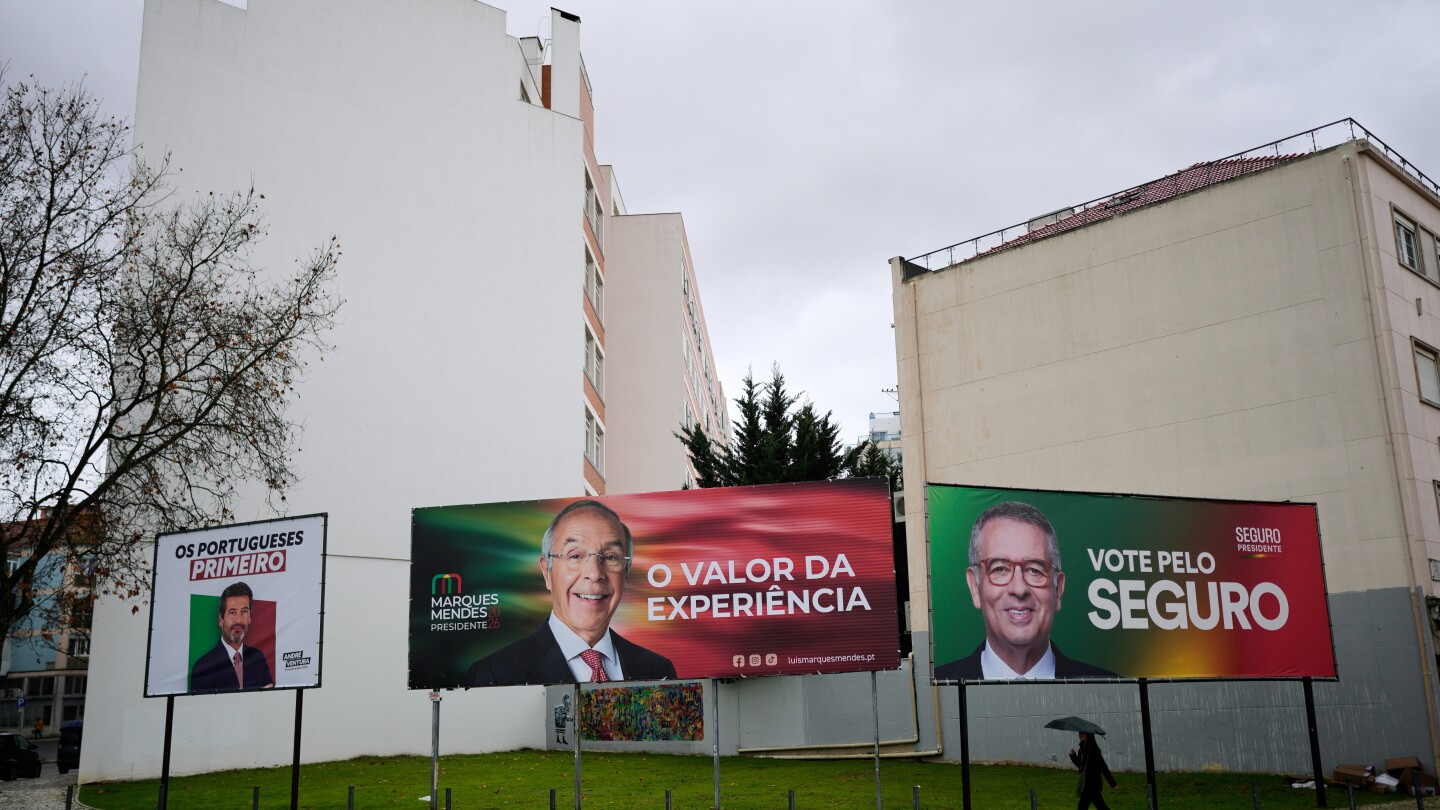
    LISBON, Portugal — Portugal’s political landscape has entered a critical phase as an unprecedented field of 11 presidential candidates officially commenced their campaigns on Sunday, marking the start of a fiercely contested two-week campaign period ahead of the January 18 election. Political analysts predict that the exceptionally crowded field will likely prevent any single candidate from securing an outright majority, necessitating a runoff election between the top two contenders on February 8.

    Recent opinion polls indicate that the frontrunners include representatives from Portugal’s two dominant political forces that have governed the nation for the past half-century: Luís Marques Mendes of the ruling center-right Social Democratic Party and António José Seguro from the opposition center-left Socialist Party. However, these established political figures face formidable challenges from emerging forces, notably André Ventura, whose populist anti-immigration Chega party achieved a remarkable political breakthrough last year by becoming Portugal’s second-largest parliamentary party. Another significant contender is retired Rear Admiral Henrique Gouveia e Melo, an independent candidate who gained widespread public admiration for his exceptional management of Portugal’s COVID-19 vaccination program.

    While the Portuguese presidency is primarily a ceremonial position without executive authority, the head of state plays a crucial constitutional role as an arbiter of political disputes and possesses substantial powers including legislative veto authority (subject to parliamentary override) and the ability to dissolve parliament and trigger snap elections. This election occurs against the backdrop of Portugal’s most severe political instability in decades, following three general elections within three years that concluded last May.

    The incoming president will immediately confront several contentious legislative matters, including a controversial citizenship bill that would establish new limitations on obtaining Portuguese citizenship and conditions for its revocation—legislation previously rejected by the Constitutional Court but returned to Parliament for reconsideration. Additional pressing issues awaiting presidential action include a package of labor reforms that has already provoked significant street protests and nationwide strikes, plus legislation permitting euthanasia and physician-assisted suicide that Parliament approved in 2022 but has been delayed due to constitutional challenges.

    Approximately 10.9 million registered voters are eligible to participate in this pivotal election that will determine Portugal’s political direction for the coming years.

  • Compatriots across Taiwan Strait urged to jointly promote national reunification

    Compatriots across Taiwan Strait urged to jointly promote national reunification

    In a significant New Year’s address, Zhang Zhijun, President of the Association for Relations Across the Taiwan Straits (ARATS), has issued a compelling call for collective action toward national reunification and the revitalization of the Chinese nation. The message, published in the inaugural 2026 edition of the journal “Relations Across Taiwan Straits,” extends heartfelt greetings to Taiwanese compatriots while reflecting on the progress made in cross-Strait relations throughout 2025.

    Zhang characterized the previous year as one of continued momentum building toward the ultimate goal of motherland reunification. The ARATS president highlighted the organization’s multifaceted efforts in countering separatist activities, fostering bilateral exchanges and cooperation, managing Taiwan-related emergencies, and protecting the rights and interests of compatriots on both sides of the Strait.

    Emphasizing the fundamental principle that both sides belong to one China and share the same national identity, Zhang articulated how the great rejuvenation of the Chinese nation would create substantial benefits for Taiwan compatriots and unlock brighter development prospects for the island.

    Looking forward to 2026, Zhang connected cross-Strait relations to China’s broader national agenda, noting that the mainland is embarking on its 15th Five-Year Plan journey. The comprehensive advancement of Chinese modernization and the building of a great country, he suggested, will achieve significant new accomplishments that will substantially strengthen the foundation for cross-Strait relations and provide solid guarantees for eventual national reunification.

  • US allies, foes alarmed by toppling of Venezuela’s Maduro

    US allies, foes alarmed by toppling of Venezuela’s Maduro

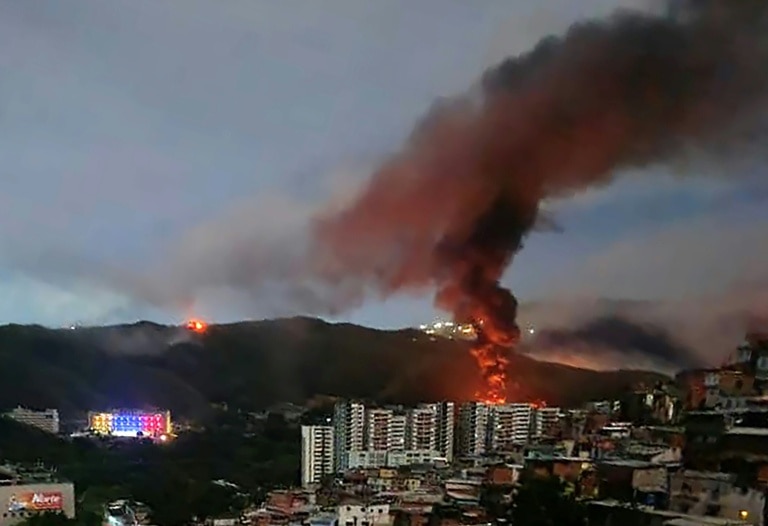
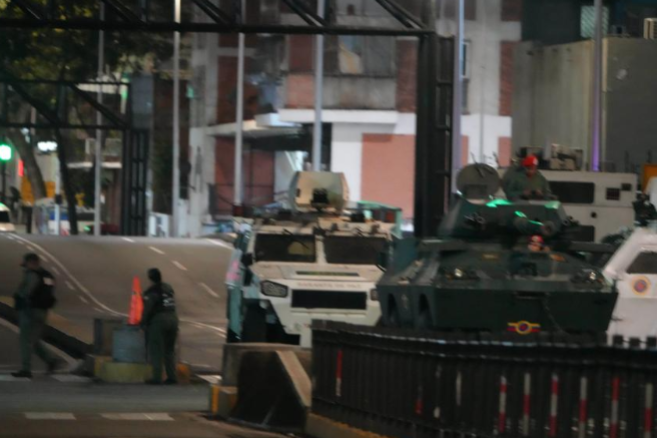
    A dramatic U.S. military operation culminating in the capture of Venezuelan President Nicolás Maduro has triggered widespread international condemnation, drawing sharp criticism from both American allies and adversaries alike. The pre-dawn assault on Caracas, which involved airstrikes and special forces, resulted in Maduro and his wife being transported to New York to face serious drug-trafficking and weapons charges.

    President Donald Trump’s declaration that the United States would ‘run’ Venezuela and access its substantial oil reserves, accompanied by an image of a blindfolded and handcuffed Maduro on a U.S. naval vessel, has intensified global scrutiny. The operation has sparked a complex diplomatic firestorm, revealing deep divisions in the international community’s response to unilateral military action.

    Nations with longstanding ties to Caracas, including China, Russia, and Iran, issued swift condemnations. China’s Foreign Affairs Ministry denounced the operation as a ‘clear violation of international law,’ while Russia demanded the immediate release of ‘the legally elected president of a sovereign country.’ Iran similarly condemned what it termed a ‘flagrant violation of national sovereignty.’

    Remarkably, Washington’s traditional European allies expressed significant reservations. France emphasized that no solution to Venezuela’s crisis could be externally imposed, with President Emmanuel Macron advocating for political transition under opposition figure Edmundo Gonzalez Urrutia. Spain warned the intervention ‘pushes the region toward a horizon of uncertainty and militarism,’ while Germany acknowledged the legal complexity of the operation despite recognizing Maduro’s disastrous leadership.

    The European Union collectively urged respect for international law while noting Maduro’s lack of legitimacy, though candidate country North Macedonia and Balkan allies Albania and Kosovo broke ranks to support Washington. Britain adopted a nuanced stance, with Prime Minister Keir Starmer stating the UK would ‘shed no tears’ over Maduro’s demise while planning discussions with U.S. counterparts about the evolving situation.

    Italy’s far-right Prime Minister Giorgia Meloni provided rare European support, characterizing the operation as ‘legitimate and defensive.’ Israel hailed American action as leadership of ‘the free world,’ while Ukraine focused criticism on Maduro’s repressive governance rather than addressing the military operation’s legality.

    Beyond official government reactions, United Nations Secretary-General Antonio Guterres expressed deep alarm, warning the operation could ‘constitute a dangerous precedent’ in international relations. The broader implications for regional stability were emphasized by Mexico and Colombia, with the latter predicting a humanitarian crisis resulting from what it termed an ‘assault on the sovereignty of Latin America.’

  • Maduro is ‘the only president’ of Venezuela, says Venezuelan vice president

    Maduro is ‘the only president’ of Venezuela, says Venezuelan vice president

    In a dramatic escalation of international tensions, Venezuelan Vice President Delcy Rodríguez delivered a defiant national address on Saturday, emphatically declaring Nicolás Maduro as “the only president” of the Bolivarian Republic. The statement came hours after U.S. forces launched an unprecedented military operation against the South American nation, resulting in the capture and extraction of President Maduro and his wife.

    Speaking through state-run television channels with key cabinet members including the Ministers of Interior and Foreign Affairs, Rodríguez issued a stern demand for the immediate release of the detained Venezuelan leaders. She characterized the pre-dawn operation as a violation of international law and national sovereignty, urging citizens to maintain composure while rallying behind the constitutional government.

    ‘The Venezuelan people must remain steadfast in defending our nation’s independence,’ Rodríguez asserted during her nationally televised appearance. ‘We will never transform into any nation’s colonial possession or become subservient to imperial powers.’

    The vice president framed the incident as a regional security concern, warning that similar interventions could potentially target other sovereign states in Latin America. She emphasized Venezuela’s preparedness to protect its substantial natural resources from foreign exploitation.

    Meanwhile, U.S. President Donald Trump conducted a press conference confirming the military action, controversially claiming that Rodríguez had already assumed presidential powers and engaged in discussions with Secretary of State Marco Rubio. ‘She has demonstrated willingness to implement necessary measures to restore Venezuela’s greatness,’ Trump told White House reporters.

    The international community has responded with widespread condemnation, with multiple nations and organizations expressing profound alarm over the unilateral use of military force against a sovereign government. Diplomatic channels are actively seeking resolution to the escalating crisis that threatens to destabilize regional geopolitics.

  • Rocket launches boost aerospace-themed tourism in Hainan’s Wenchang

    Rocket launches boost aerospace-themed tourism in Hainan’s Wenchang

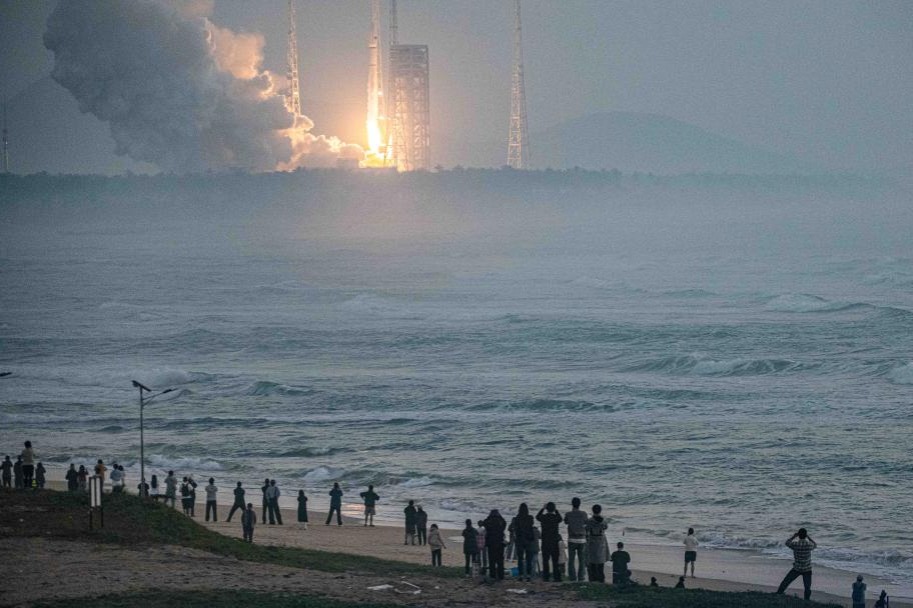
    The coastal city of Wenchang in Hainan Province has transformed into a thriving hub for space-themed tourism, driven by an unprecedented frequency of rocket launches from its advanced space facilities. This remarkable development showcases how technological advancement is catalyzing economic and tourism growth in the region.

    At the heart of this transformation lies the Wenchang Spacecraft Launch Site, China’s first independently designed and constructed green, eco-friendly modern spaceport. This state-of-the-art facility features two all-weather, multi-directional launch pads specifically engineered to handle heavy payload missions with exceptional reliability.

    Complementing this national asset is China’s pioneering commercial aerospace launch site, also located in Wenchang, which has achieved remarkable milestones since its inaugural launch in November 2024. The commercial facility has successfully deployed over 90 satellites into their planned orbits, demonstrating both technical proficiency and operational consistency.

    This regular launch schedule has generated substantial tourism interest, with specially constructed rocket-viewing platforms attracting thousands of spectators for each launch event. Visitors flock to witness the spectacular ascent of rockets against Hainan’s tropical backdrop, creating a unique tourism experience that combines scientific fascination with natural beauty.

    The aerospace tourism boom has stimulated comprehensive development of supporting infrastructure, including space-themed homestays, restaurants, and cafes that capitalize on the breathtaking scenic views. Local businesses have creatively integrated space motifs into their offerings, providing visitors with immersive experiences that extend beyond the launch events themselves.

    This symbiotic relationship between space technology and tourism represents an innovative economic model where cutting-edge scientific advancement drives sustainable tourism development, positioning Wenchang as a distinctive destination that merges educational value with entertainment.

  • America’s chip export controls are working

    America’s chip export controls are working

    In a significant policy shift with profound geopolitical implications, the Trump administration has authorized the export of Nvidia’s advanced H200 AI chips to China, reversing previous export controls implemented during the Biden presidency. This decision represents a dramatic departure from established national security protocols designed to maintain America’s technological advantage in artificial intelligence and semiconductor technology.

    The H200 chips, approximately six times more powerful than the previously restricted H20 model, provide Chinese AI laboratories with computational capabilities rivaling top US supercomputers. According to analysis from the Institute for Progress, this move substantially erodes America’s projected AI compute advantage over China—from a potential 21-49x superiority down to as little as 1.2-6.7x by 2026, depending on measurement methodologies and Chinese adoption rates.

    National security experts express grave concerns that this technology transfer could accelerate China’s military modernization efforts, given that advanced semiconductors form the foundation of modern weaponry including missiles, drones, satellites, and AI-powered combat systems. The decision comes despite China’s documented efforts to develop domestic alternatives through Huawei’s Ascend chips, with Chinese companies strategically purchasing both domestic and American semiconductors to maximize their technological capabilities.

    Proponents of the policy shift argue that maintaining chip exports creates dependency on American technology, potentially slowing China’s indigenous development efforts. However, critics point to China’s explicit technological self-sufficiency mandates under Xi Jinping and the nation’s systematic investment in alternative supply chains regardless of import availability.

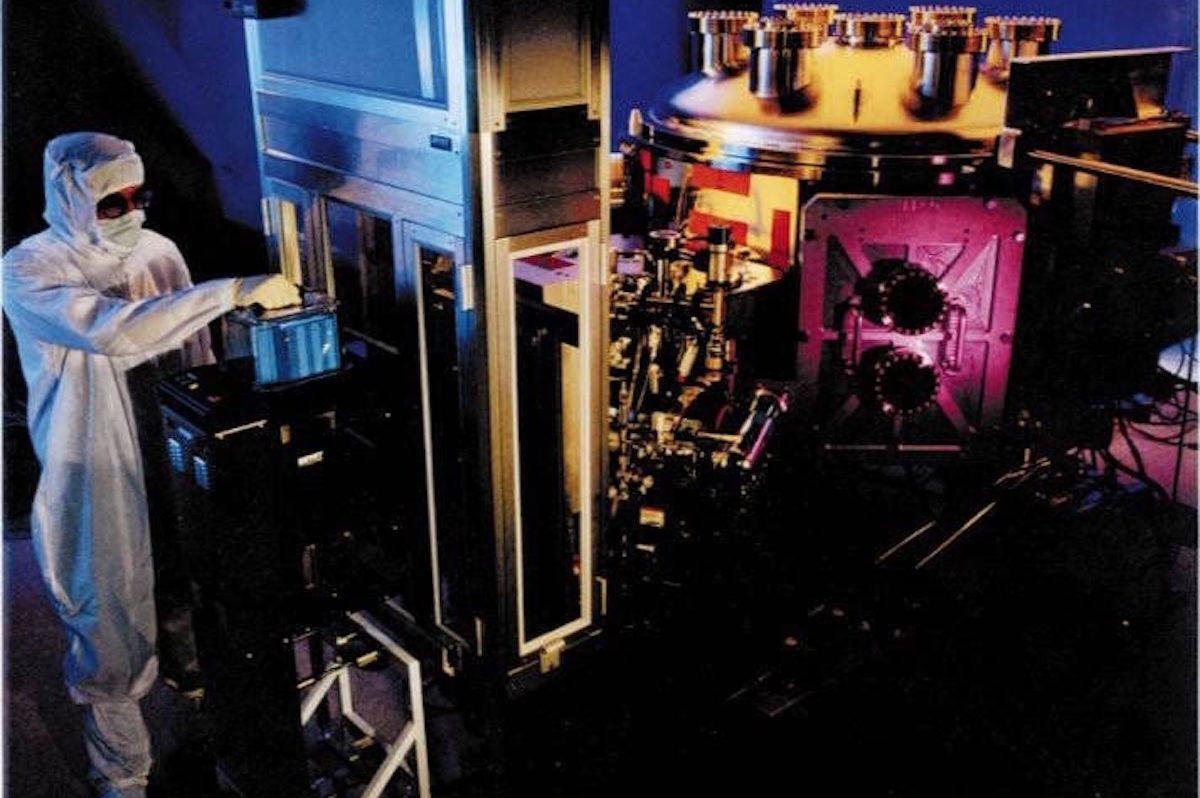
    The timing of this decision coincides with reports of China’s purported breakthrough in extreme ultraviolet lithography (EUV) technology, though experts note these claims remain unverified and likely represent another ‘Potemkin breakthrough’ similar to previous announcements that failed to materialize into practical manufacturing capabilities.

    This policy reversal raises fundamental questions about America’s strategic approach to technological competition with China, particularly regarding how maintaining AI superiority serves as a crucial deterrent against potential military conflict in the Taiwan Strait and broader Pacific region. The decision reflects ongoing tensions between commercial interests and national security priorities in managing the delicate balance of power between the world’s two largest economies.

  • Sydney airport, hospital, and Qantas flight on alert as NSW records third measles case

    Sydney airport, hospital, and Qantas flight on alert as NSW records third measles case

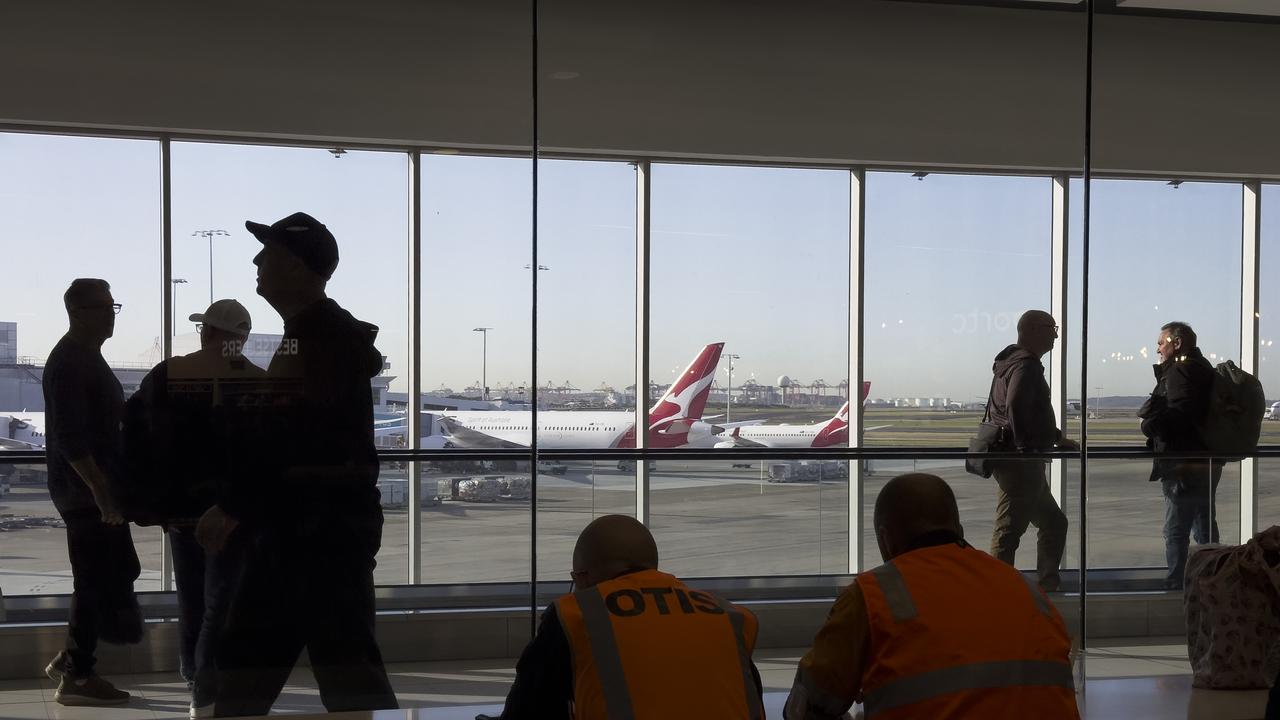
    Health authorities in New South Wales have issued a renewed public health alert following the confirmation of a third measles case in the state, linked to travelers returning from Southeast Asia. The latest exposure sites include Sydney Airport’s domestic Terminal 3 Qantas arrival hall and a specific interstate flight, significantly expanding the list of potential public exposure venues.

    NSW Health has identified specific exposure windows, urging individuals present at the Terminal 3 domestic arrivals area between 10:30 PM and 11:00 PM on December 29 to monitor for symptoms. Passengers aboard Qantas flight QF748 from Adelaide to Sydney arriving during that same period have also been alerted. Additionally, visitors to Concord Repatriation General Hospital’s Emergency Department between 1:00 PM and 4:10 PM on January 3 are considered at potential risk.

    This development brings the total number of identified exposure locations across NSW to more than 50, spanning from December 3 to January 3. The list includes various restaurants, train services, Woolworths supermarkets in eastern and northern Sydney, multiple healthcare facilities, Sydney Airport’s international terminal, and a children’s play area.

    Health officials emphasize that while there is no continuing risk of exposure at any identified sites, individuals who visited these locations during specified times should remain vigilant for symptoms until January 16 for airport exposures and January 21 for the hospital exposure.

    Measles, a highly contagious vaccine-preventable disease, spreads through airborne transmission when infected individuals cough or sneeze. Initial symptoms typically appear approximately 10 days after exposure and often resemble influenza, including fever, fatigue, cough, runny nose, and red, sore eyes. A distinctive rash usually develops within several days. Approximately one-third of infected individuals experience complications that may require hospitalization, including pneumonia, diarrhea, and ear infections. In severe cases, measles can lead to serious illness or death.

    Dr. Conrad Moreira, Acting Director of Public Health for Western Sydney Local Health District, emphasized the importance of vaccination: ‘The measles vaccine can prevent the disease even after exposure if administered promptly. This situation serves as a critical reminder for all residents to verify their vaccination status, particularly before international travel.’

    Health authorities specifically recommend that anyone born after 1965 ensure they have received two doses of the measles vaccine. The measles-mumps-rubella (MMR) vaccine is available for children as young as six months traveling overseas and is routinely administered to children aged 12-18 months. The vaccine is provided free of charge in NSW for eligible individuals born after 1965 who haven’t previously received two doses.

    The recent cases have been linked to travel to Southeast Asian destinations currently experiencing measles outbreaks, including Indonesia (Bali), Vietnam, Thailand, and the Philippines – all popular vacation spots for Australian tourists.

  • In a frozen northeastern Chinese city, an annual ode to ice rises

    In a frozen northeastern Chinese city, an annual ode to ice rises

    HARBIN, China — Annually each January, the capital of Heilongjiang province undergoes a breathtaking metamorphosis as it hosts one of the world’s most spectacular winter celebrations. Despite its already frosty climate, Harbin becomes the epicenter of frozen artistry, drawing master sculptors from across the region to participate in prestigious ice carving competitions that transform the urban landscape into an ethereal wonderland.

    The festival creates a surreal atmosphere where massive ice installations glow with internal illumination, casting vibrant hues across the snow-covered terrain. This transformation turns entire city sectors into what appears to be a live-action holiday special, attracting multigenerational families who brave subzero temperatures to witness the crystalline marvels.

    Recent photographic documentation reveals artisans meticulously preparing their frozen masterpieces for judgment while visitors ascend the radiant, color-drenched steps of monumental obelisk sculptures. The festival’s programming extends through mid-February, offering an array of winter activities including the daring opportunity for polar plunges amid the ice formations—a testament to human resilience and celebration of winter’s beauty.

    Located near China’s northeastern border with Russia, Harbin leverages its extreme climate to create this temporary gallery of ephemeral art, demonstrating remarkable human creativity working in harmony with nature’s most challenging elements.

  • Maduro and wife arrive in New York to face US charges

    Maduro and wife arrive in New York to face US charges

    Venezuelan President Nicolas Maduro and First Lady Cilia Flores have been transported to United States territory following a dramatic military operation conducted by American forces on Venezuelan soil. The controversial capture operation, which Venezuelan officials have denounced as a flagrant violation of national sovereignty, culminated in the couple’s arrival at Stewart Air National Guard Base in Newburgh, New York aboard a US government aircraft on Saturday.

    US Attorney General Pam Bondi has confirmed that the Venezuelan leader and his spouse will face multiple federal charges including narco-terrorism, conspiracy to import cocaine into the United States, and international drug trafficking offenses. The case represents an unprecedented escalation in the long-standing tensions between Washington and Caracas.

    Venezuelan Vice-President Delcy Rodriguez issued an urgent demand for ‘proof of life’ documentation, stating that the government had lost contact with the presidential couple following the cross-border military intervention. The operation marks one of the most significant applications of US judicial authority against a sitting head of state in recent history.

    The defendants are expected to be held at the Metropolitan Detention Center in Brooklyn pending their initial court appearance, which judicial sources indicate could occur as early as Monday. Legal experts anticipate this case will raise complex questions regarding international law, diplomatic immunity, and extraterritorial jurisdiction.