作者: admin

  • Thousands protest Slovak leader Fico over whistleblower office closure and penal code changes

    Thousands protest Slovak leader Fico over whistleblower office closure and penal code changes

    BRATISLAVA, Slovakia — Massive demonstrations swept across Slovakia on Tuesday as thousands of citizens mobilized against Prime Minister Robert Fico’s controversial governmental measures targeting the nation’s anti-corruption infrastructure. Protesters gathered in ten municipalities including the capital, where crowds at Freedom Square voiced their demands with resounding chants of “Resign, resign” directed at the populist leader.

    The protests erupted following parliamentary approval of legislation that would dismantle the independent Whistleblower Protection Office—a move that has drawn sharp criticism both domestically and internationally. Simultaneously, lawmakers aligned with Fico’s coalition government endorsed penal code revisions that would prohibit evidence obtained through suspect cooperation with law enforcement, effectively eliminating mechanisms for reduced sentences in exchange for criminal intelligence.

    Opposition leader Michal Šimečka of the Progressive Slovakia party addressed the rally, declaring: “Slovakia stands alone as the only nation where governmental authorities enact legislation specifically designed to facilitate criminal and mafia activities.” Protesters displayed banners with the stark message: “Fico’s government helps mafia.”

    The reforms have raised particular concerns regarding their potential benefit to Tibor Gašpar, Deputy Speaker of Parliament and Fico ally, who faces impending trial for alleged establishment of a criminal organization. Demonstrators have appealed to President Peter Pellegrini, typically a government supporter, to exercise his veto power against the legislation.

    Notably, the protest marked the first participation of László Gubík, leader of the Hungarian Alliance representing Slovakia’s 450,000-strong Hungarian minority. Critics increasingly draw parallels between Fico’s policies and the democratic backsliding observed in Viktor Orbán’s Hungary, signaling growing international concern over Slovakia’s political trajectory.

  • Look: Overcast skies in Sharjah as unstable weather continues in UAE

    Look: Overcast skies in Sharjah as unstable weather continues in UAE

    Sharjah, UAE – December 16, 2025 – The United Arab Emirates continues to experience a period of meteorological instability, with Sharjah notably witnessing consistently overcast skies. The persistent cloud cover and unstable atmospheric conditions have become a defining feature of the region’s weather pattern this week.

    Meteorological analysts attribute this prolonged period of instability to a convergence of regional climatic factors, including shifting wind patterns and unusual pressure systems affecting the Arabian Peninsula. While the UAE typically experiences predominantly sunny weather, such extended periods of cloud cover during December represent a notable deviation from seasonal norms.

    Local authorities have maintained weather advisories, recommending residents and visitors stay informed about developing conditions. The National Center of Meteorology continues to monitor atmospheric developments closely, providing regular updates through official channels.

    The visual landscape of Sharjah has been transformed by the extensive cloud formations, creating dramatic skyscapes that have attracted photographic interest among residents and weather enthusiasts alike. The continued instability serves as a reminder of the dynamic and evolving nature of regional climate patterns in the Gulf region.

  • US designates Colombian cocaine gang a terrorist group

    US designates Colombian cocaine gang a terrorist group

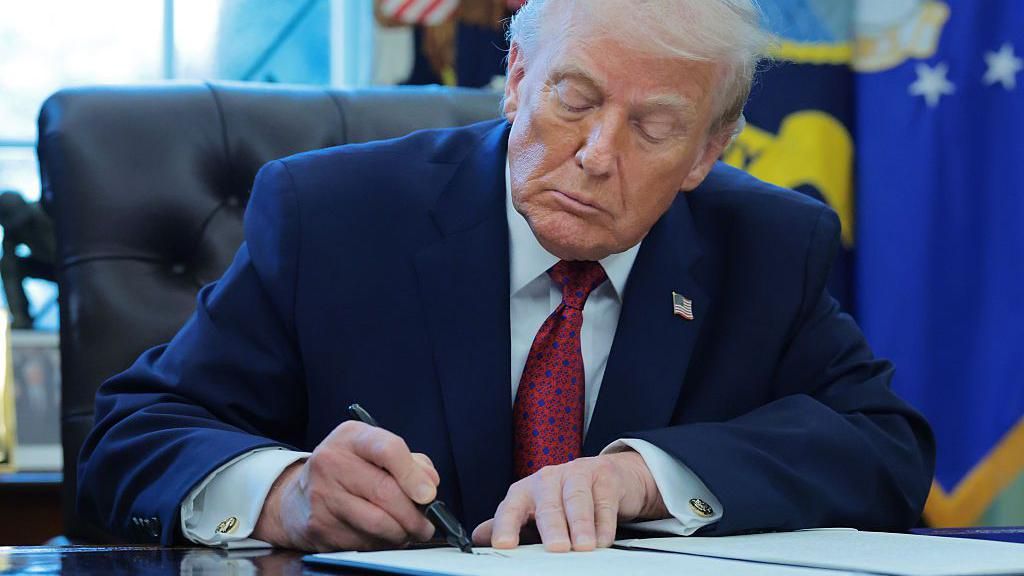
    In a significant escalation of America’s counter-narcotics campaign, the Trump administration has simultaneously designated fentanyl as a weapon of mass destruction and classified Colombia’s notorious Gulf Clan cartel as a Foreign Terrorist Organization. President Trump’s executive order reframing the synthetic opioid as a WMD represents an unprecedented approach to combating drug trafficking, granting federal agencies expanded authority to target production and distribution networks.

    The Treasury Department’s terrorist designation for the Clan del Golfo (Gulf Clan) marks the fourth Colombian armed group to receive this classification, joining the National Liberation Army (ELN) and two dissident factions of the former FARC rebels. This criminal empire, estimated to command thousands of members, dominates cocaine trafficking from Colombia’s northern Urabá region to markets in the United States and Europe while additionally controlling migrant smuggling routes through the treacherous Darién Gap jungle.

    This strategic move creates immediate diplomatic complications for Colombian President Gustavo Petro, who secured a landmark peace agreement with the Gulf Clan just two weeks prior. The accord, negotiated in Doha, promised steps toward disarmament in exchange for protection from extradition to the United Nations. Secretary of State Marco Rubio justified the terrorist designation by citing the group’s attacks against Colombian officials, security forces, and civilians.

    The administration’s hardened stance extends beyond designations. Over twenty lethal strikes against suspected drug vessels in the Caribbean and Pacific have resulted in approximately ninety fatalities, drawing condemnation from President Petro who characterized these operations as ‘murder.’ The relationship between the two administrations has grown increasingly acrimonious, with Rubio publicly labeling Petro a ‘lunatic’ while the Colombian leader denounces US interventionism.

    Trump has defended the aggressive tactics, asserting that each maritime strike ‘saves 25,000 American lives’ by preventing fentanyl from reaching US shores. This potent synthetic opioid contributed significantly to the nation’s overdose crisis, which claimed over 110,000 lives in 2023 before seeing a 25% reduction in fatalities during 2024. However, counternarcotics experts note that neither Colombia nor Venezuela produce fentanyl, questioning the geographical focus of enforcement efforts.

    The administration appears to be pursuing a dual-track strategy: continuing cocaine interdiction while expanding capabilities against fentanyl trafficking. Trump has hinted at further escalation, suggesting potential ‘strikes on land’ against ‘narco-terrorists’ in both Venezuela and Colombia, specifically mentioning alleged cocaine processing facilities within Colombian territory.

    Mexico’s President Claudia Sheinbaum has criticized the WMD classification, emphasizing the legitimate medical applications of fentanyl in pain management and advocating for addressing root causes of drug abuse rather than militarized responses. This development signals a profound transformation in how the United States conceptualizes and prosecutes its war on drugs, with potentially far-reaching implications for international relations, security policy, and public health approaches to substance abuse crises.

  • UAE plastic ban 2026: Phase 2 targets single-use cutlery, bags, containers from January

    UAE plastic ban 2026: Phase 2 targets single-use cutlery, bags, containers from January

    The United Arab Emirates is intensifying its war on plastic pollution with the implementation of Phase Two of its comprehensive plastic ban, scheduled to commence on January 1, 2026. The Ministry of Climate Change and Environment (MOCCAE) formally announced this significant environmental policy expansion on December 16, 2025.

    This forthcoming phase substantially widens the scope of prohibited items, targeting an extensive array of single-use consumer products that contribute significantly to environmental degradation. The ban will comprehensively restrict the import, manufacturing, and commercial trade of beverage cups and their lids; all forms of cutlery including spoons, forks, knives, and chopsticks; disposable plates; drinking straws; beverage stirrers; and food containers manufactured from Styrofoam materials.

    Concurrently, the legislation imposes stringent regulations on single-use bags, applying to all constituent materials including paper, with a specific thickness threshold of 50 microns. Bags falling below this micron measurement will be prohibited from circulation within the UAE market.

    The policy framework incorporates strategically designed exemptions to balance environmental objectives with practical economic considerations. Products manufactured explicitly for export markets are permitted, provided they are clearly labeled for international distribution and remain outside domestic circulation. In a move to bolster local sustainability initiatives, items produced from recycled materials within the UAE receive exemption status, effectively supporting and stimulating the national recycling industry.

    Additional exemptions maintain practicality for essential services, including medicine bags, refuse collection bags, very thin plastic wrapping necessary for fresh food preservation (meat, vegetables, bread), and substantial shopping bags designed for clothing, electronics, and toy retailers.

    MOCCAE has issued a formal appeal to all commercial establishments, retail markets, and supply chain stakeholders to ensure full compliance with the new regulations. The ministry emphasizes the critical role of private sector cooperation in achieving the nation’s ambitious environmental protection goals and advancing sustainable development objectives.

    This second phase builds upon the foundational measures implemented on January 1, 2024, when Phase One initially prohibited the import, manufacture, and trade of all single-use plastic shopping bags, including those marketed as biodegradable. The sequential implementation demonstrates the UAE’s methodical approach to environmental policy transformation.

  • UAE: Fire erupts in Sharjah Industrial Area, eyewitnesses report

    UAE: Fire erupts in Sharjah Industrial Area, eyewitnesses report

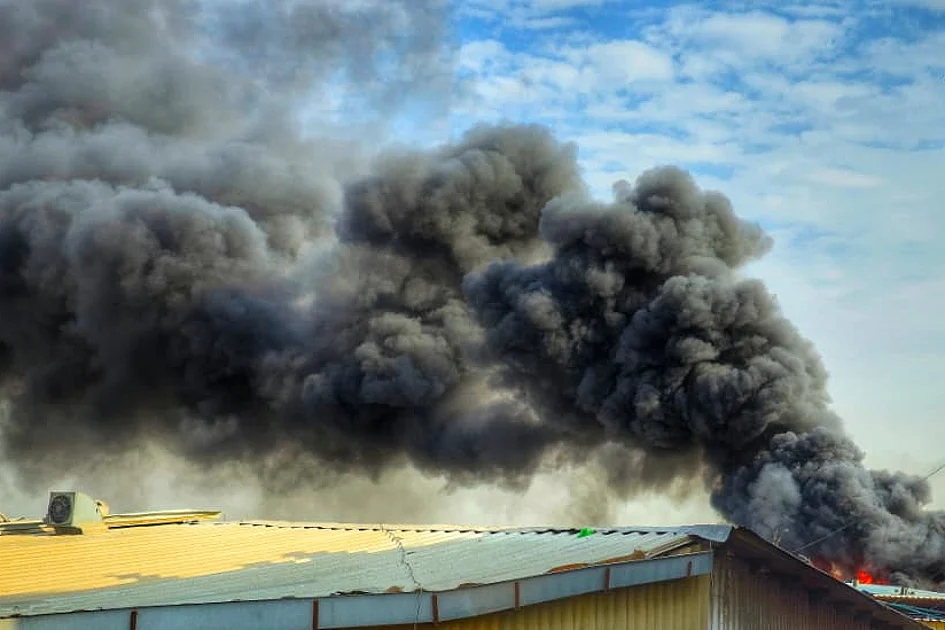
    A significant industrial fire broke out in Sharjah’s Industrial Area 6 on Tuesday afternoon, December 16, 2025, sending massive plumes of dark smoke billowing across the commercial district. The blaze, which ignited shortly after 2:00 PM local time, rapidly engulfed a large warehouse facility, with intense flames visible from considerable distances and audible cracking sounds echoing throughout the industrial complex.

    Eyewitness accounts and video evidence captured by nearby workers revealed a scene of organized chaos as employees attempted to salvage materials and personal belongings from adjacent warehouses threatened by the spreading flames. Despite the dramatic nature of the emergency, witnesses reported maintained composure among workers, with no visible signs of panic despite the proximity of the advancing fire.

    Emergency services responded promptly to the incident, with multiple firefighting units deployed to the location. Preliminary reports indicate at least five fire trucks were dispatched to combat the blaze and prevent its spread to neighboring facilities. The rapid response from Sharjah’s civil defense teams appeared to contain the situation effectively, though official damage assessments and cause investigations remain ongoing.

    The incident occurred during peak business hours, forcing workers to abruptly abandon their regular tasks to address the emergency. Industrial operations in the immediate vicinity were temporarily suspended as safety precautions were implemented throughout the affected area. The event highlights the ongoing fire safety challenges faced by industrial zones containing combustible materials and high-density storage facilities.

  • Novartis leads effort to bring breast cancer awareness and early detection to UAE workplaces

    Novartis leads effort to bring breast cancer awareness and early detection to UAE workplaces

    In a groundbreaking public health initiative, pharmaceutical giant Novartis has partnered with the Friends of Cancer Patients’ Pink Caravan to bring breast cancer awareness and screening services directly to workplaces across the United Arab Emirates. This corporate-health sector collaboration represents a strategic shift in cancer detection approaches, moving beyond traditional healthcare settings into the daily environments of working professionals.

    The comprehensive program has already engaged major employers across telecommunications, aviation, and media sectors, providing hundreds of employees with accessible health screenings during work hours. While launched during Breast Cancer Awareness Month in October, the campaign maintains year-round operations, reflecting a sustained commitment to early detection rather than seasonal awareness.

    Aisha Abdulla Al Mulla, Director of Friends of Cancer Patients, emphasized the critical nature of this initiative: ‘Breast cancer constitutes over one-third of all female cancer cases in the UAE, presenting a significant healthcare challenge that demands collaborative solutions. By integrating education and screening into workplace settings, we’re breaking down barriers to early detection.’

    Medical experts note the particular urgency in the UAE context, where breast cancer manifests at younger average ages and more advanced stages compared to Western populations, with approximately 20% of cases occurring in women under 40. Dr. Aydah Al Awadhi, Consultant Medical Oncologist and Division Chair at Sheikh Shakbout Medical City, praised the initiative for addressing cultural stigmas while providing essential health resources.

    Among participating organizations, telecommunications leader e& has implemented on-site testing for its workforce. Ali Al Mansoori, Group Chief People Officer at e&, stated: ‘Employee wellbeing forms the cornerstone of our corporate culture. This collaboration eliminates access barriers and empowers our colleagues to make informed health decisions.’

    Mohamed Ezz Eldin, GCC Cluster Head at Novartis, explained the strategic vision: ‘Transformative progress requires both awareness and accessibility. By integrating detection protocols into employee wellness programs, we’re ensuring breast health receives priority alongside professional responsibilities.’

    Novartis has announced plans to expand these workplace health initiatives throughout 2026, demonstrating an ongoing commitment to fostering proactive health management across the UAE’s corporate landscape.

  • Gaza newborn dies of exposure while heavy rains cause buildings to collapse

    Gaza newborn dies of exposure while heavy rains cause buildings to collapse

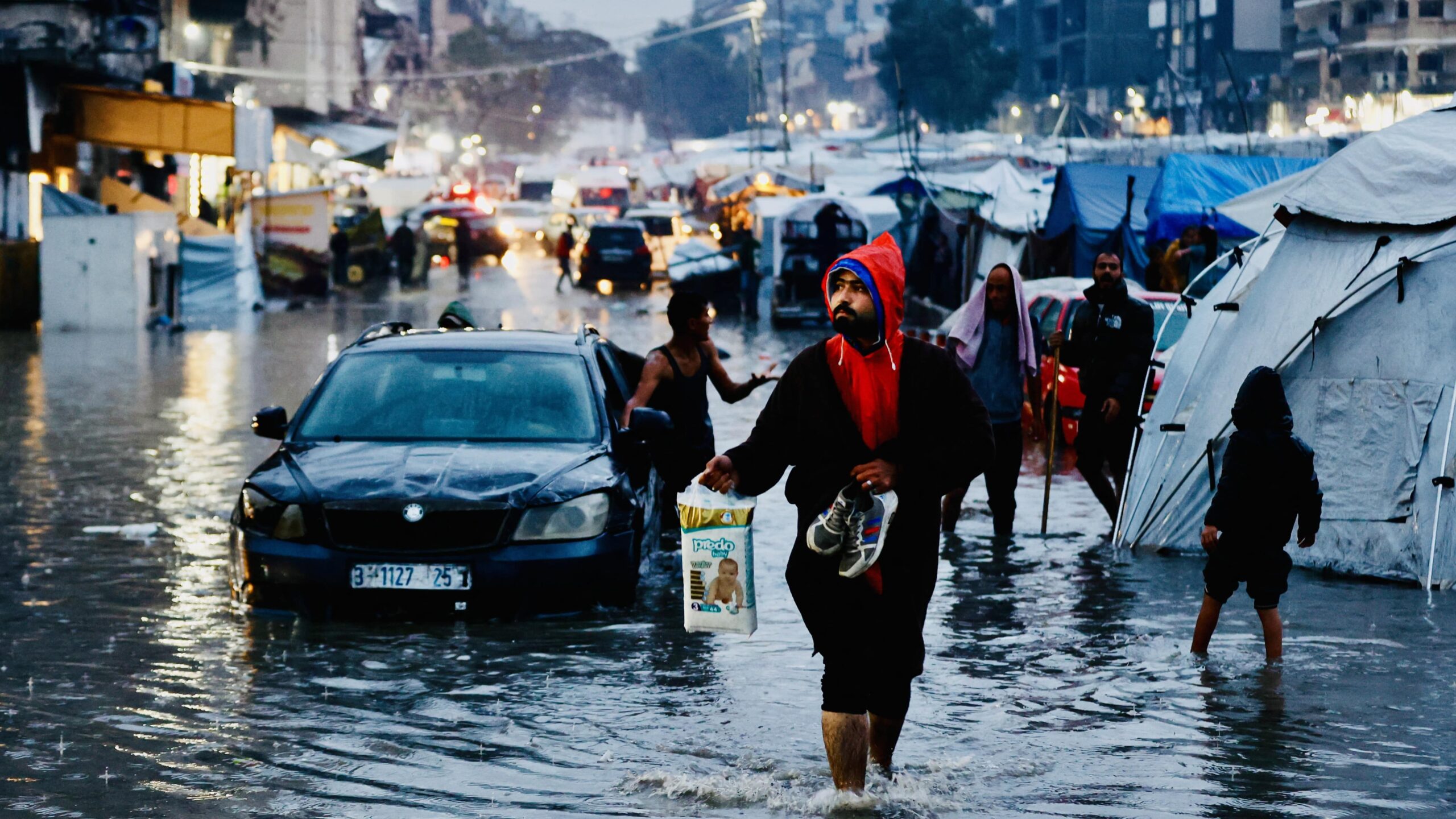
    A devastating winter storm has exacerbated the already dire humanitarian situation in Gaza, resulting in the death of a two-week-old infant from hypothermia. Mohammed Khalil Abu al-Khair succumbed to severely low body temperature despite being admitted to a hospital intensive care unit two days prior. His death marks one of at least 13 child fatalities attributed to worsening weather conditions as Storm Byron batters the Palestinian territory.

    The crisis has been intensified by Israel’s stringent restrictions on essential goods entering Gaza for over two years. Critical winter supplies including clothing, blankets, and shelter materials have been severely limited, with only minimal provisions arriving through international aid channels. This has left approximately two million residents facing extreme shortages during the coldest months.

    The UN Agency for Palestinian Refugees (UNRWA) has issued urgent warnings that Palestinians across the territory are ‘freezing to death.’ The agency emphasized on social media platform X that aid workers are struggling to maintain pace with escalating needs amid continued limitations on importing tents and other shelter materials. UNRWA stressed that aid must be allowed ‘at scale, without delay’ to prevent further risk to displaced families.

    Compounding the emergency, heavy rainfall has destroyed numerous already fragile structures throughout Gaza. The Palestinian Civil Defence reported multiple building collapses causing injuries and deaths across the strip. Spokesman Mahmoud Bassal confirmed that response capabilities are severely hampered by shortages of heavy equipment, pumps, and fuel.

    Visual evidence circulating online shows makeshift shelters being inundated by floodwaters, tents blown away by strong winds, and nearly fully submerged living areas. In one incident, a concrete wall collapsed onto a tent sheltering displaced Palestinians in Gaza City’s Tel al-Hawa neighborhood, representing a recurring pattern of tragic events that have claimed multiple lives in recent weeks.

    Meanwhile, Israeli military operations continue with reports of airstrikes targeting areas in southern and eastern Gaza City, as well as the eastern regions of Rafah and Khan Younis. The Israeli military has conducted extensive demolition operations affecting civilian residential buildings in Rafah.

    Civil Defence teams in cooperation with the International Committee of the Red Cross have resumed search and recovery operations for victims of Israel’s ongoing military campaign, while urgently requesting heavy machinery that Israel has not permitted into the territory.

  • EU moves to ease 2035 ban on internal combustion cars as auto industry faces headwinds

    EU moves to ease 2035 ban on internal combustion cars as auto industry faces headwinds

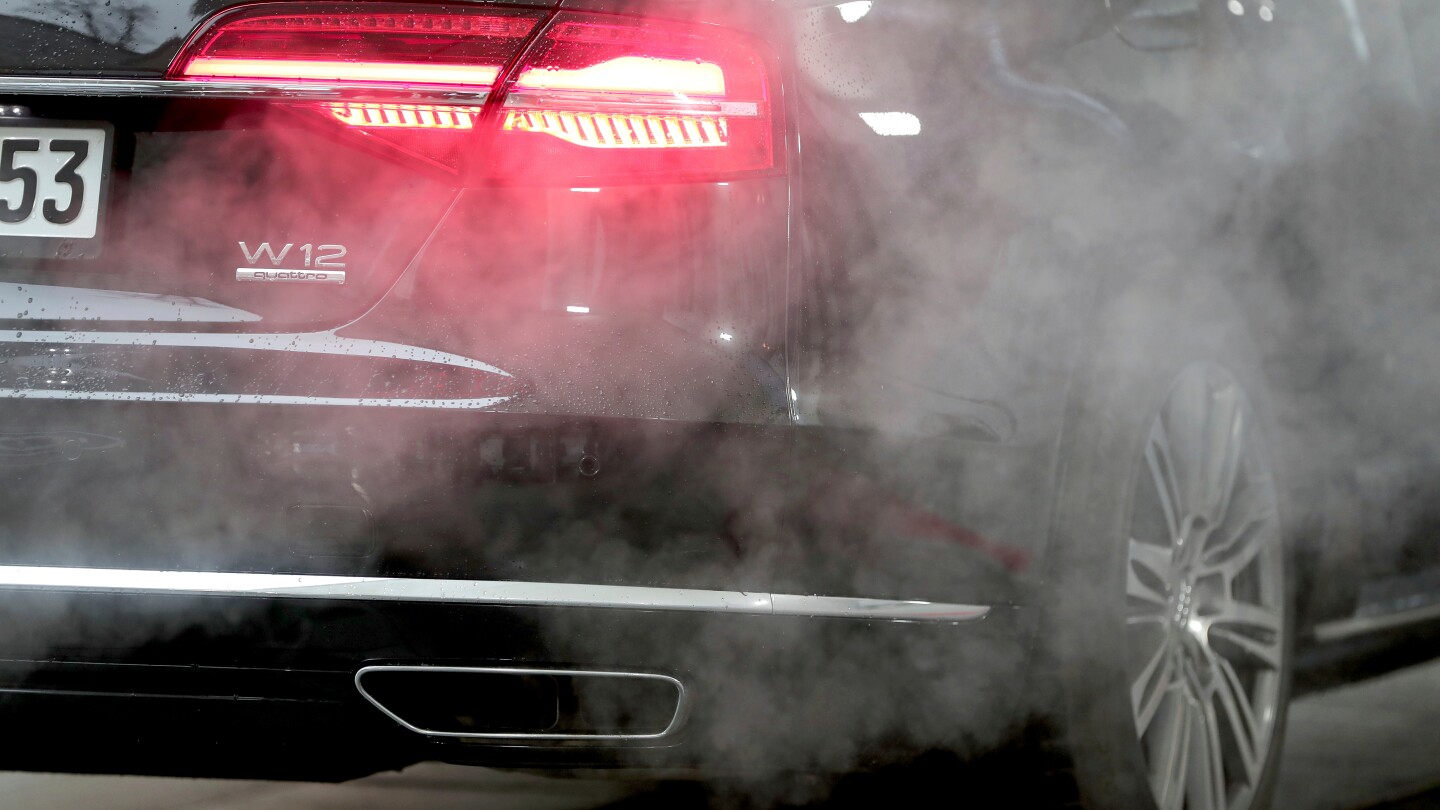
    FRANKFURT, Germany — In a significant policy shift, European Union officials have amended their stringent automotive emissions regulations, modifying the previously mandated total phase-out of internal combustion engines by 2035. The European Commission now proposes a 90% reduction in carbon emissions from new vehicles compared to 2021 levels, creating flexibility for automakers while maintaining climate objectives.

    This revised framework permits continued limited production of combustion engine vehicles provided manufacturers utilize carbon offset mechanisms. These include sourcing European steel manufactured through low-emission processes and incorporating climate-neutral synthetic fuels (e-fuels) produced from renewable electricity and captured CO2, alongside sustainable biofuels.

    The regulatory adjustment follows intensive lobbying from major automotive manufacturing nations including Germany and Italy, where industry representatives highlighted infrastructure challenges and economic concerns. Automakers argued that charging infrastructure development hasn’t matched the pace needed for full consumer transition to electric vehicles, compounded by subsidy reductions and premium pricing for European EVs.

    Despite the modification, EU officials maintain the amended regulations will not compromise the bloc’s 2050 climate neutrality targets. The proposal includes complementary measures to bolster European battery production and promote smaller electric vehicles.

    The policy change occurs against a competitive backdrop where Chinese manufacturers have captured 34% of their domestic EV market through state support and aggressive pricing, outpacing both European and American adoption rates. Meanwhile, the United States has similarly moved toward less stringent vehicle emissions standards under recent regulatory changes.

    Environmental group Transport & Environment criticized the decision as sending ‘a confusing signal’ that might divert investment from electrification precisely when European manufacturers need to compete with Chinese EV producers. The proposal now awaits ratification by EU member states and the European Parliament.

  • Melodica Music & Dance Academy ramps up UAE growth with multiple new locations

    Melodica Music & Dance Academy ramps up UAE growth with multiple new locations

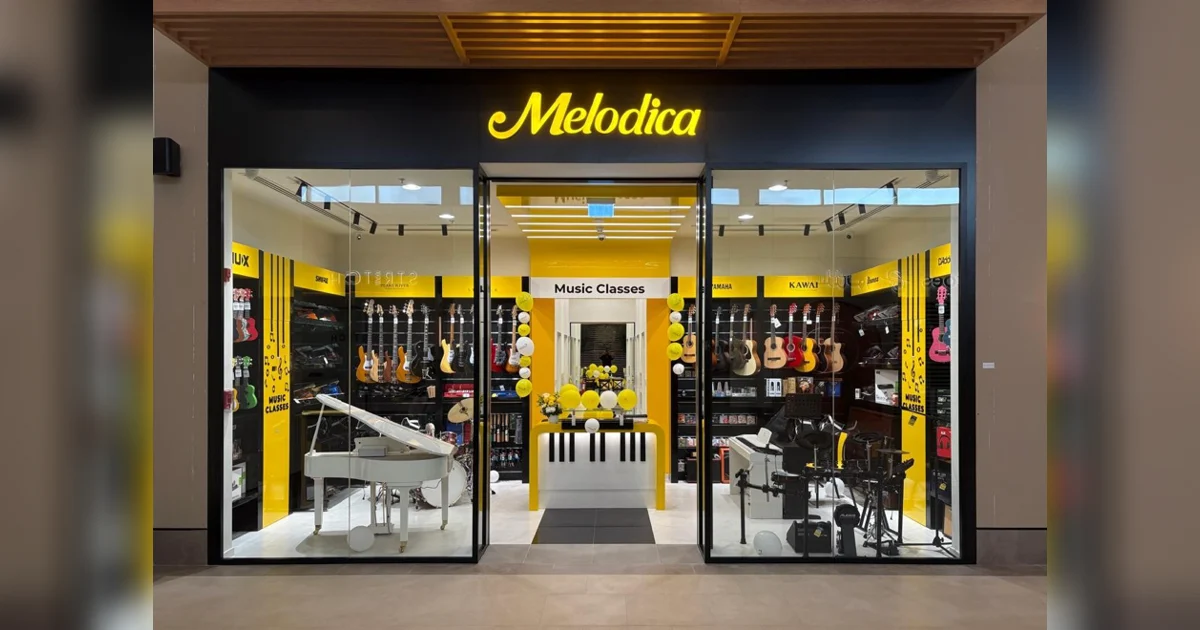
    Melodica Music & Dance Academy has unveiled an ambitious expansion strategy across the United Arab Emirates, signaling substantial growth in the region’s arts education sector. This development follows the recent inauguration of their 27th branch in Arabian Ranches 3, representing a pivotal moment in the institution’s strategic growth trajectory.

    The academy is currently preparing multiple new facilities across Dubai, with two branches in Dubai Festival City and Town Square undergoing final fit-out phases. Additionally, a strategically positioned facility within KidZania at The Dubai Mall is approaching completion, positioning the academy to capitalize on one of the city’s most frequented family entertainment destinations.

    Further expansion plans include confirmed locations at Ibn Battuta Mall, Dubai Expo Mall, and Al Khail Avenue Mall, significantly extending the academy’s accessibility across major residential and commercial districts. This multi-location expansion demonstrates Melodica’s commitment to broadening access to comprehensive arts education throughout the UAE, particularly targeting communities with demonstrated demand for quality educational programs.

    Afshin, Founder and CEO of Melodica Music & Dance Academy, articulated the institution’s vision: ‘Our fundamental objective is to ensure every child across the UAE has convenient access to music and dance education regardless of their geographical location. These new openings represent not merely physical expansion but the creation of enhanced opportunities for young learners to explore and develop their artistic capabilities.’

    The academy distinguishes itself through several key attributes, including its extensive network of over 27 operational branches across Dubai, Abu Dhabi, Sharjah, and Al Ain, with additional locations in development. Currently serving more than 25,000 students, Melodica caters to diverse learner levels from beginners to advanced practitioners across all age groups. The institution maintains rigorous academic standards through internationally trained instructors and offers certification programs through recognized examination boards including ABRSM, Trinity, MTB, and RAD.

    This expansion initiative reflects growing market demand for structured arts education within the UAE, as increasing numbers of families seek enrichment programs that foster creative development and personal growth in children. The academy’s strategic placement in high-traffic retail and residential locations underscores its commitment to accessibility and community engagement.

  • Double-amputee food delivery rider inspires online

    Double-amputee food delivery rider inspires online

    A 39-year-old double-amputee food delivery rider has emerged as an unlikely social media phenomenon in China, inspiring thousands with his extraordinary determination and positive outlook. Gao Longyou, who lost both legs in a tragic train accident at age 12, has amassed approximately 70,000 followers on Douyin (China’s TikTok equivalent) by documenting his daily work experiences.

    His viral videos showcase remarkable adaptability as he navigates urban delivery challenges using unconventional methods. One particularly compelling clip depicts Gao making deliveries on a skateboard and manually climbing stairs to complete orders. The footage has resonated deeply with viewers, with his most popular video surpassing 148,000 likes.

    “My body may be imperfect, but my spirit remains whole,” Gao declares in one of his posts, encapsulating the philosophy that has made him an online inspiration. His content demonstrates various employment attempts and creative problem-solving approaches, all emphasizing his refusal to let physical limitations define his capabilities.

    The emotional impact on viewers has been profound. Many commenters express how Gao’s perseverance puts their own challenges into perspective. One typical response read: “Seeing you makes my problems feel insignificant. I truly admire you.” Another post bearing the caption “This is my proof of love for life” particularly moved audiences, highlighting how Gao has transformed his delivery work into a powerful testament to human resilience.

    Gao’s story emerges amid China’s growing gig economy, where food delivery riders have become ubiquitous in urban centers. His unique situation provides both inspiration and perspective on the determination required to overcome severe physical challenges while working in a demanding service industry.