作者: admin

  • Zelensky replaces Ukraine’s powerful security service chief

    Zelensky replaces Ukraine’s powerful security service chief

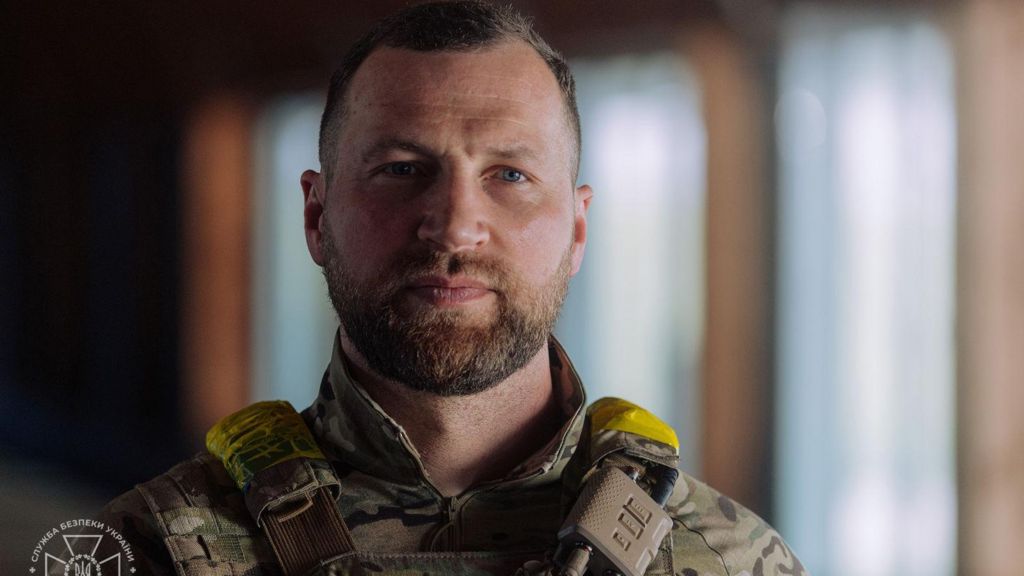
    In a significant wartime leadership reorganization, Ukrainian President Volodymyr Zelensky has restructured the nation’s security apparatus by replacing Security Service (SBU) chief Vasyl Malyuk and designating Major General Yevhenii Khmara as acting head. This decision represents the latest in a series of strategic personnel adjustments since Russia’s full-scale invasion began in 2022.

    The SBU, traditionally responsible for domestic security and counter-intelligence operations, has dramatically expanded its mandate during the conflict, orchestrating sophisticated sabotage missions and targeted assassinations deep within Russian territory. Malyuk, who had commanded the agency since the war’s inception, earned national recognition for his aggressive campaign against Russian assets and successful purging of suspected double agents from SBU ranks.

    His removal sparked considerable controversy within Ukrainian defense circles, particularly given his celebrated coordination of last June’s ‘Spider Web’ offensive—a daring operation involving over 100 drones striking Russian airbases. Reports indicating Malyuk’s initial refusal to relinquish his position voluntarily further intensified scrutiny of Zelensky’s decision.

    Despite the dismissal, Malyuk will retain operational control over special missions against Russian forces, with Zelensky emphasizing Ukraine’s critical need for ‘asymmetric operations’ and describing Malyuk as uniquely qualified for such tasks.

    Khmara, Malyuk’s successor and co-architect of the Spider Web operation, brings substantial battlefield credentials to the role. The decorated officer participated in the liberation of Kyiv region in 2022 and engaged in combat operations against Russian forces in occupied Donetsk. His appointment requires formal confirmation by Ukraine’s parliament, where approval remains uncertain.

    Analysts offer divergent perspectives on the leadership transition. Former SBU operative Ivan Stupak suggests the move connects to the recent appointment of former spy chief Kyrylo Budanov as Zelensky’s chief of staff, noting historical tensions between Malyuk and Budanov. Conversely, political analyst Oleksandr Notevskyi praises Khmara’s operational record leading Alpha, one of SBU’s elite divisions, describing him as ‘young, experienced, and specialized in eliminating Russia’s military capacities.’

    The restructuring occurs as Ukraine increasingly relies on asymmetric warfare tactics—targeting energy infrastructure, weapons manufacturing facilities, and military airbases—amid challenges in conventional battlefield operations against Russian forces along the eastern front.
  • US would lead Ukraine ceasefire monitoring, back multinational force: draft statement

    US would lead Ukraine ceasefire monitoring, back multinational force: draft statement

    A draft statement circulating ahead of Tuesday’s Paris summit reveals a comprehensive security framework being developed by Ukraine’s international allies. According to documents obtained by AFP, the United States would assume leadership of a ceasefire monitoring and verification mechanism with European participation should a peace agreement be reached in the Russia-Ukraine conflict.

    The proposed security architecture includes a European-led multinational force that would deploy following any ceasefire arrangement. Washington has committed to supporting this force with intelligence, logistical capabilities, and military assistance in the event of renewed Russian aggression. The statement emphasizes “binding commitments” from participating nations to ensure Ukraine’s security against future attacks.

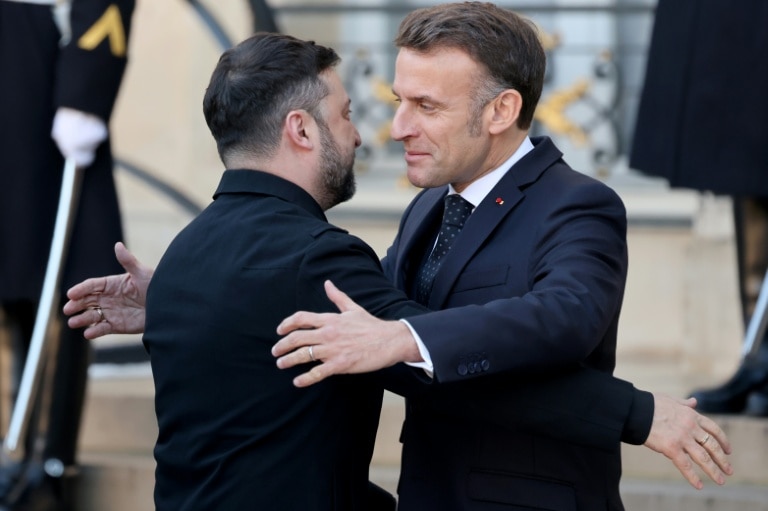
    President Emmanuel Macron is hosting the Coalition of the Willing meeting, which brings together European leaders, Ukrainian President Volodymyr Zelensky, and American representatives. The summit focuses specifically on establishing concrete security guarantees that would deter further Russian aggression during any ceasefire period.

    The proposed monitoring system would provide comprehensive oversight capabilities across air, sea, and land domains while facilitating the regeneration of Ukraine’s armed forces. European nations would lead the multinational force component, with American participation concentrated in intelligence sharing, logistical support, and contingency response capabilities.

    The security commitments outlined in the draft extend beyond military measures to include diplomatic initiatives and additional sanctions against Russia. This multilateral approach represents the most detailed framework proposed to date for ensuring Ukraine’s security in any potential post-ceasefire environment.

  • Swiss bar fire: 83 still in hospital; all injured identified

    Swiss bar fire: 83 still in hospital; all injured identified

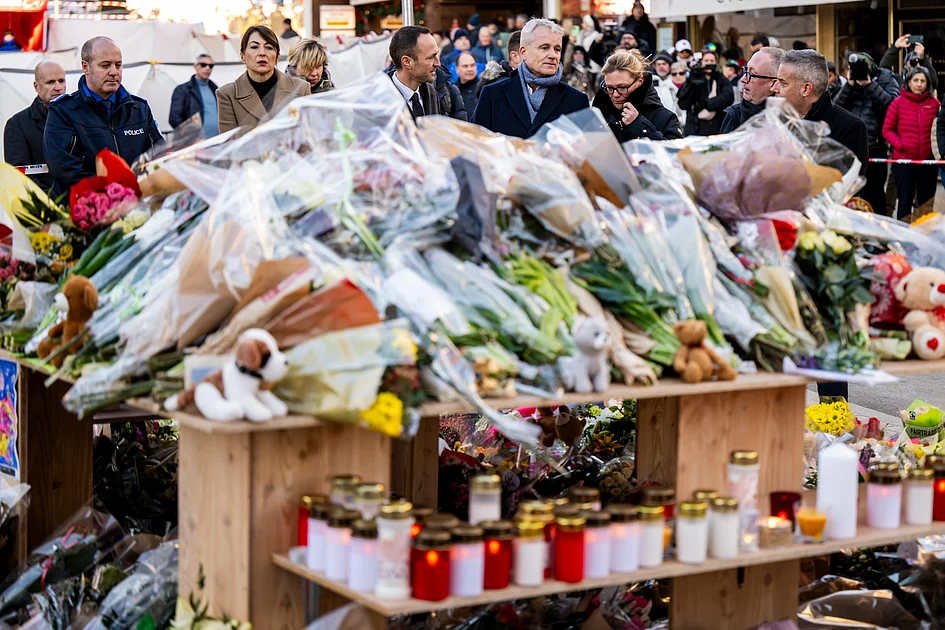
    SWITZERLAND – Four days after the catastrophic New Year’s Eve blaze at Le Constellation bar in the luxury Alpine resort of Crans-Montana, Swiss authorities confirmed all 156 casualties have been formally identified. The devastating incident claimed 40 lives—predominantly teenagers—while 116 individuals sustained injuries, with 83 remaining hospitalized under critical care.

    Forensic investigation indicates the inferno originated in the basement level when celebratory sparklers attached to champagne bottles ignited sound insulation foam on the ceiling during early Thursday celebrations. The tragedy has exposed potential regulatory violations, as 26 deceased were teenagers including eight under age 16, contradicting local ordinances prohibiting minors from alcohol-serving establishments after 10pm without guardian supervision.

    Victims represented 19 nationalities, with Swiss nationals comprising the majority. The fatalities included nine French and six Italian citizens, while the injured encompassed 23 French, 11 Italian, and multiple other European nationals. The most severely burned patients have been transferred to specialized burn centers across Switzerland and neighboring countries.

    Emotional repatriation ceremonies commenced Monday as five Italian teenagers’ coffins were transported via military aircraft from Sion Airport. Italian Ambassador Gian Lorenzo Cornado, present during the solemn proceedings, stated this tragedy ‘could have been avoided through prevention and common sense,’ citing ‘numerous safety shortcomings’ at the establishment.

    Wallis Cantonal Government President Mathias Reynard acknowledged public anger while promising full transparency: ‘We owe these families justice, even if it won’t bring their children back.’ The personal devastation was echoed by local councillor Joel Rey, whose 24-year-old daughter Caroline perished: ‘My world fell apart… The pain felt by a parent who loses a child is unimaginable.’

    Switzerland will observe a national day of mourning Friday with church bells tolling simultaneously at 2pm local time, accompanied by a moment of silence. French President Emmanuel Macron is scheduled to attend memorial ceremonies, underscoring the international impact of this alpine community tragedy.

  • 6.2-magnitude earthquake strikes Japan’s Chugoku region, no damage reported

    6.2-magnitude earthquake strikes Japan’s Chugoku region, no damage reported

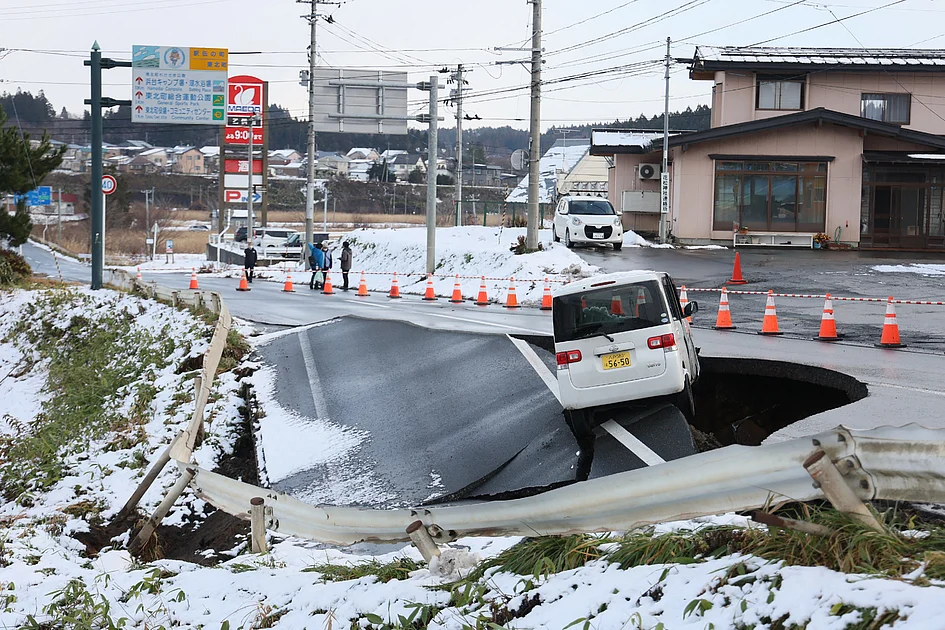
    A substantial earthquake measuring 6.2 on the Richter scale struck Japan’s Chugoku region on Tuesday, according to the Japan Meteorological Agency. The seismic event, centered in eastern Shimane prefecture, triggered multiple aftershocks but posed no tsunami threat to the coastal nation.

    The tremor registered an intensity of upper-5 on Japan’s specialized 7-point scale, indicating force strong enough to impede movement without support. Despite the significant magnitude, initial assessments revealed no structural damage or operational abnormalities at critical infrastructure facilities.

    Of particular significance was the proximity to Shimane Nuclear Power Station, located approximately 32 kilometers from the epicenter. Chugoku Electric Power confirmed that operations continued normally at the facility’s No. 2 unit, which had only resumed operations in December 2024 following nationwide nuclear shutdowns after the 2011 Fukushima disaster. Japan’s Nuclear Regulation Authority separately verified no irregularities at nuclear facilities.

    The seismic activity prompted West Japan Railway to temporarily suspend Shinkansen bullet train services between Shin-Osaka and Hakata stations as a precautionary measure, demonstrating the country’s rigorous safety protocols.

    Japan’s vulnerability to earthquakes remains noteworthy as the archipelago experiences approximately 20% of the world’s magnitude 6+ quakes, reflecting its position within one of Earth’s most seismically active zones. The nation’s advanced early warning systems and construction standards have been developed through extensive experience with seismic events.

  • Sudan: Nearly 65,000 flee Kordofan amid escalating insecurity

    Sudan: Nearly 65,000 flee Kordofan amid escalating insecurity

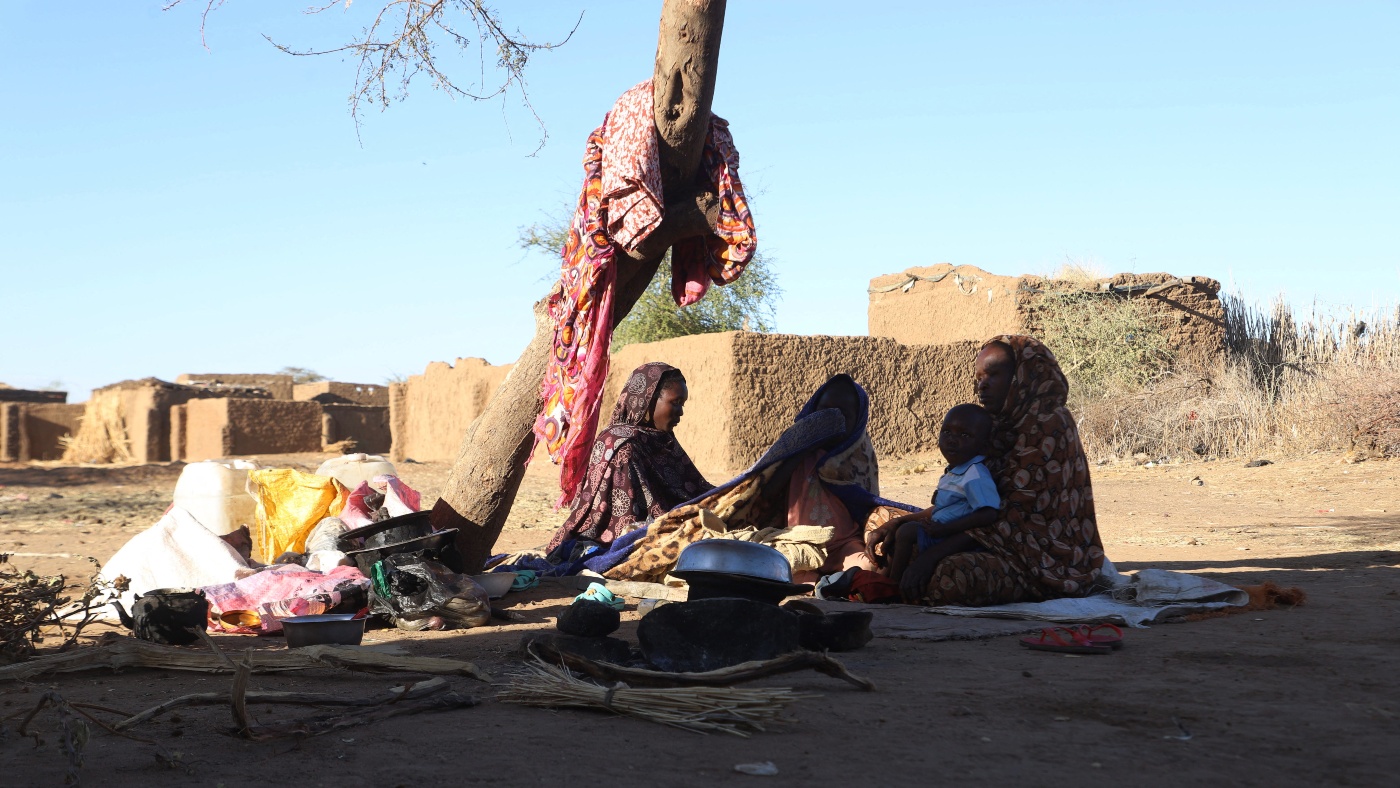
    A severe humanitarian crisis is unfolding in Sudan as the United Nations reports approximately 65,000 civilians have been displaced from the Kordofan region over the past three months due to escalating violence. According to a statement released by the UN’s International Organisation for Migration (IOM), this mass exodus occurred between October 25 and December 30, 2025, with 56 separate displacement incidents documented across the region.

    The displacement breakdown reveals North Kordofan as the most severely affected area, with over 42,000 people forced to flee. South Kordofan witnessed nearly 21,860 displacements, while West Kordofan’s Geibaish area saw approximately 250 people seeking safety. The IOM emphasized these figures are preliminary and likely to increase given the ongoing instability and security challenges throughout the region.

    This recent displacement adds to the staggering total of nearly 13 million people uprooted since Sudan’s civil war erupted in April 2023. The conflict originated from tensions between the paramilitary Rapid Support Forces (RSF) and the Sudanese Armed Forces (SAF) that escalated into full-scale warfare.

    The geopolitical landscape shows the RSF currently controlling five states in the Darfur region, while the Sudanese army maintains dominance over the remaining 13 states across southern, northern, eastern, and central regions, including the capital city of Khartoum. These factions previously collaborated in 2019 to overthrow Omar al-Bashir, Sudan’s ruler of three decades, before splitting in 2023.

    International scrutiny has intensified as both sides face serious allegations. The RSF has been accused of genocide and war crimes, including mass killings in el-Fasher in November. The Sudanese government and human rights monitors have implicated the United Arab Emirates in complicity regarding these atrocities, alleging military support for RSF leader Mohamed Hamdan ‘Hemedti’ Dagalo.

    The RSF stands accused of widespread human rights violations including torture, rape, and summary executions, resulting in international sanctions and genocide accusations. Meanwhile, the SAF has also faced allegations of war crimes and human rights abuses, creating a complex humanitarian disaster.

    Financial investigations reveal Hemedti’s estimated wealth of $7 billion in 2023, with significant financial ties to the UAE. Amnesty International reported in May 2025 that the UAE was supplying Chinese-made weaponry to Darfur through complex networks across Libya, Chad, Uganda, and breakaway regions of Somalia, potentially violating UN arms embargoes.

    The UAE’s strategic interests in Sudan include significant stakes in the country’s untapped agricultural and mineral sectors, particularly gold resources. This engagement aligns with Abu Dhabi’s broader economic strategy to diversify beyond oil dependence by establishing itself as a global gold trading hub.

  • Hungarian director Béla Tarr, known for darkly comic films, dies at 70

    Hungarian director Béla Tarr, known for darkly comic films, dies at 70

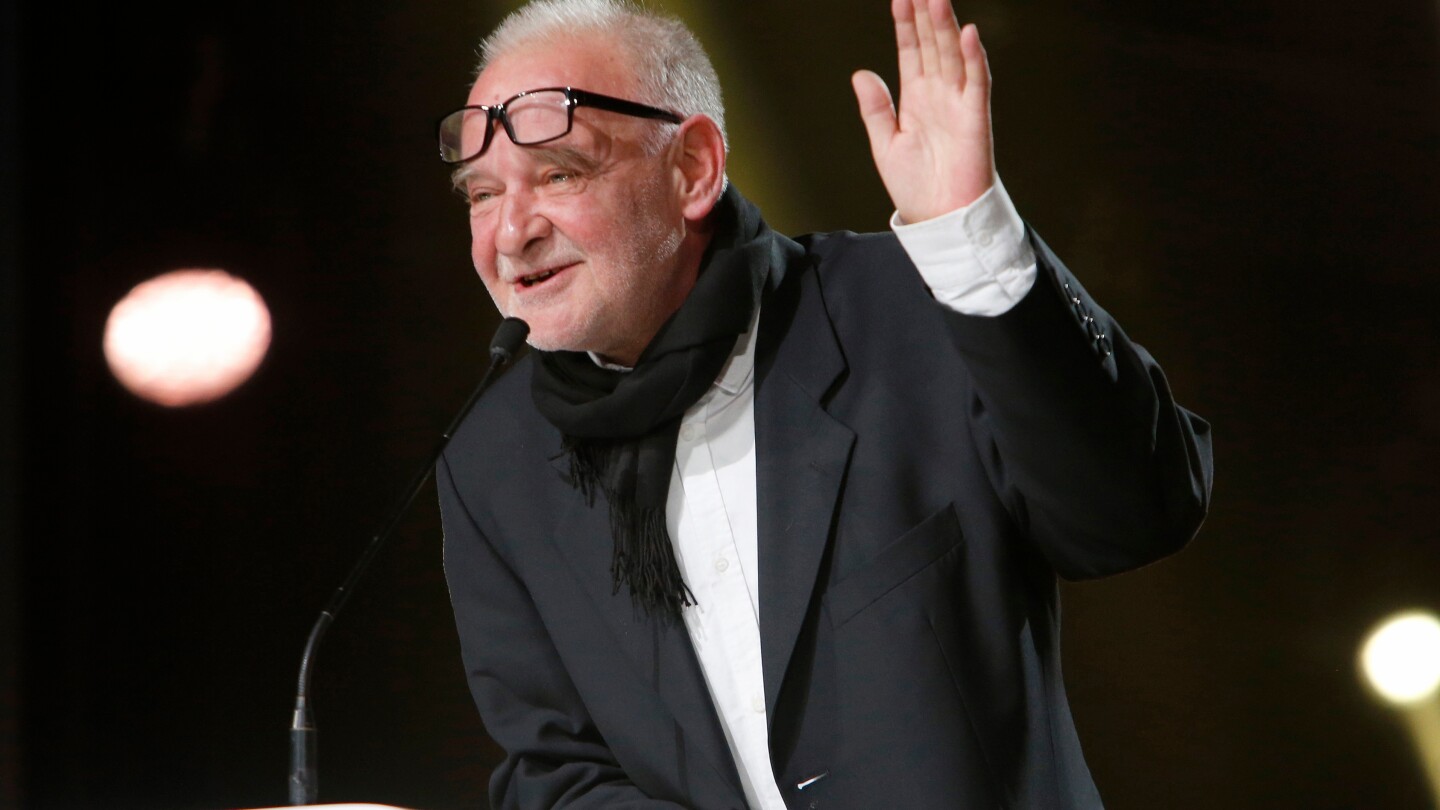
    The global film community is in mourning following the passing of acclaimed Hungarian director Béla Tarr, who died Tuesday at age 70 after battling a prolonged illness. The Hungarian Filmmakers’ Association confirmed the news with “deep sorrow,” marking the end of an era for cinematic artistry.

    Tarr’s distinctive filmography, spanning over four decades, established him as one of cinema’s most uncompromising visionaries. His works, including the monumental 7-hour masterpiece “Sátántangó” and the critically acclaimed “The Turin Horse,” revolutionized cinematic storytelling through their hypnotic long takes and stark black-and-white aesthetic.

    Renowned for his meditative pacing and profound exploration of human despair and societal decay, Tarr’s films earned international recognition at prestigious festivals across Europe and Asia. His artistic contributions transcended borders, earning him honorary professorships at Chinese universities in recognition of his pedagogical influence.

    The director’s retirement in 2011 after completing “The Turin Horse” marked the conclusion of an extraordinary career that challenged conventional narrative structures. Tarr’s legacy endures through his profound impact on art cinema, influencing generations of filmmakers with his unique visual language and philosophical depth.

  • Flash floods in Indonesia’s North Sulawesi kill 14; four still missing

    Flash floods in Indonesia’s North Sulawesi kill 14; four still missing

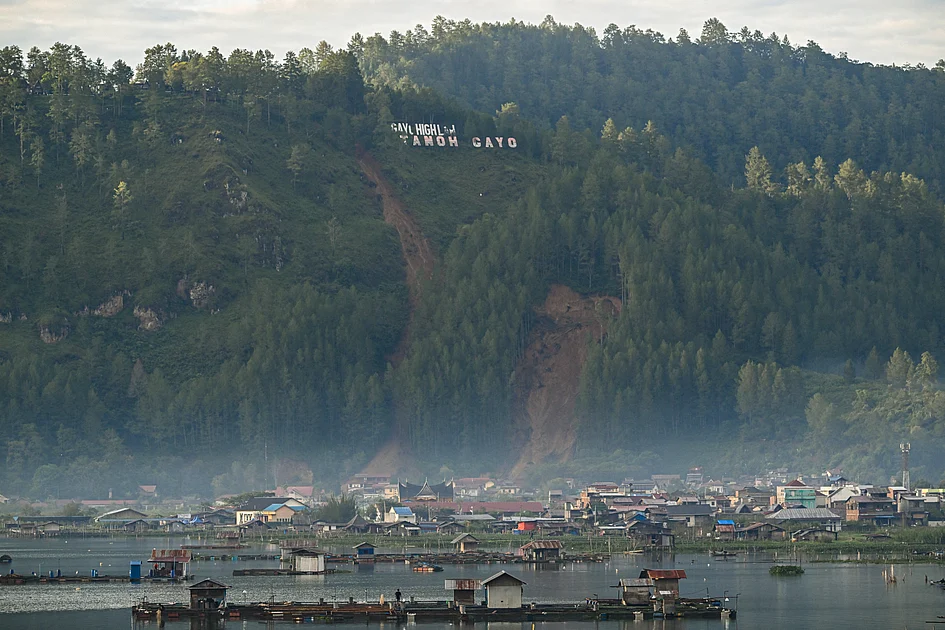
    A catastrophic flash flooding event has struck Indonesia’s North Sulawesi region, resulting in significant casualties and widespread destruction. Official reports confirm at least 14 fatalities with four individuals remaining unaccounted for as rescue operations intensify.

    The disaster unfolded early Monday when torrential rainfall triggered sudden flash floods across Siau Island within the Siau Tagulandang Biaro archipelago. According to Nuriadin Gumeleng, spokesperson for the local rescue agency, the flooding occurred during the region’s peak wet season period as predicted by meteorological authorities.

    Emergency response teams have deployed 16 specialized rescuers to locate missing persons while attending to 18 confirmed injuries. The scale of devastation has necessitated the evacuation of 444 residents who have sought temporary shelter in local educational institutions and churches, as confirmed by national disaster mitigation agency spokesperson Abdul Muhari.

    Infrastructure throughout the affected areas has suffered severe damage, with primary transportation routes remaining obstructed by substantial accumulations of rock debris, mud, and flood wreckage. Heavy machinery including excavators has been mobilized to clear access routes for rescue and recovery operations.

    North Sulawesi Governor Yulius Selvanus reported extensive property damage with hundreds of residential structures and government buildings destroyed by the forceful floodwaters. The incident occurs within the anticipated January-February peak wet season for Sulawesi, Maluku, and Papua islands, according to Indonesia’s meteorological agency.

    This tragedy follows recent similar devastation in November when cyclone-induced flooding and landslides in Sumatra claimed over 1,000 lives. Environmental organizations have repeatedly highlighted how deforestation associated with mining and logging operations exacerbates flood impacts throughout the Indonesian archipelago.

  • Israeli foreign minister visits Somaliland after contentious recognition of breakaway territory

    Israeli foreign minister visits Somaliland after contentious recognition of breakaway territory

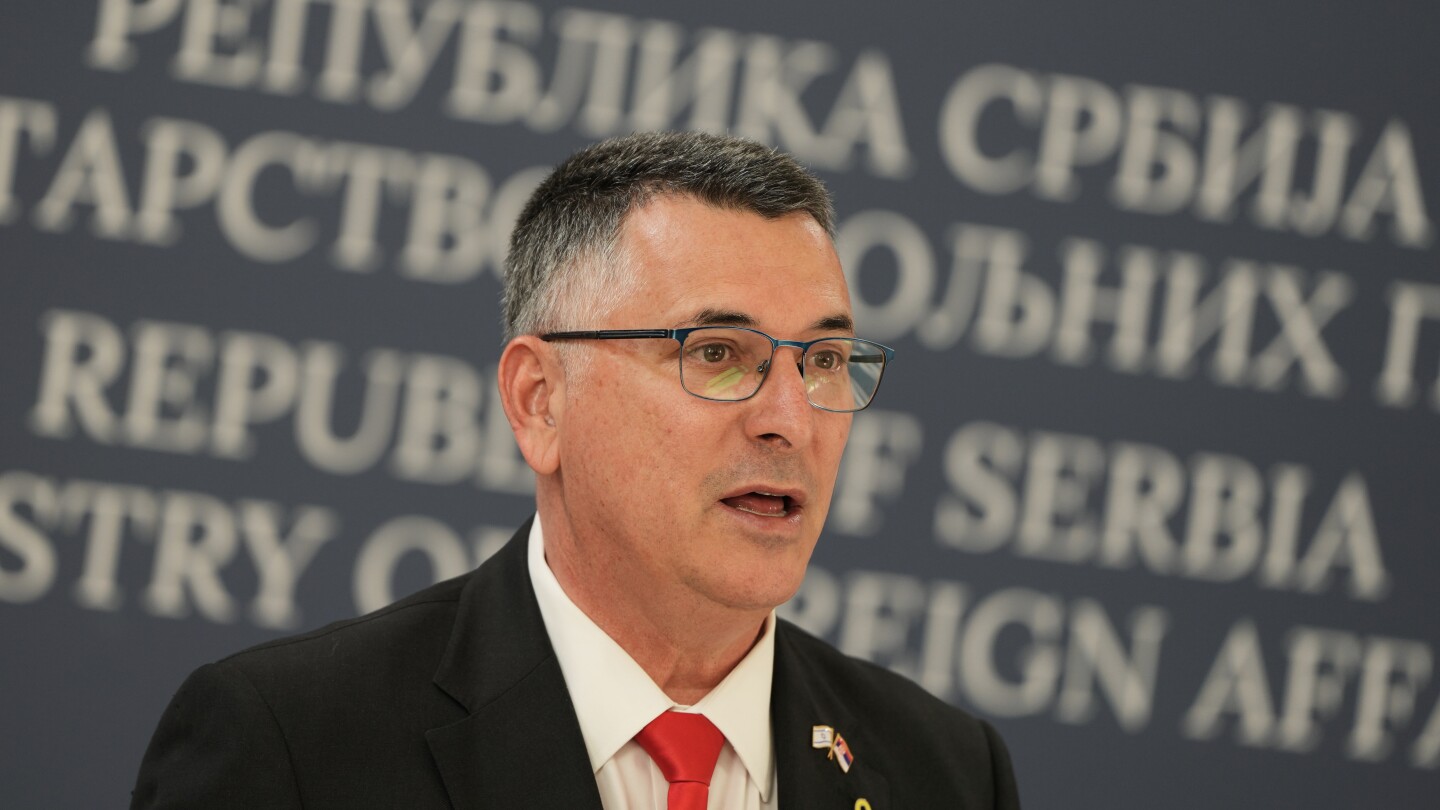
    MOGADISHU, Somalia — In a groundbreaking diplomatic maneuver, Israeli Foreign Minister Gideon Saar conducted an official visit to Somaliland on Tuesday, marking the first high-level Israeli engagement since Israel’s formal recognition of the breakaway territory as a sovereign state in December. The controversial move has ignited international condemnation and raised geopolitical tensions across the Horn of Africa.

    The Somaliland Ministry of Information confirmed Saar’s arrival via social media, noting his reception by senior cabinet members at Hargeisa International Airport. The ministry characterized the event as a historic milestone in bilateral relations. Saar is scheduled to meet with Somaliland President Abdirahman Mohamed Abdullahi (commonly known as Irro) at the presidential palace later today.

    This diplomatic development has drawn sharp criticism from multiple quarters. The Federal Government of Somalia issued an official statement condemning what it termed an “unauthorized incursion” and “unacceptable interference in internal affairs.” Somalia maintains that Somaliland remains an integral part of its sovereign territory.

    The African Union, Organization of Islamic Cooperation, and more than twenty nations—primarily from the Middle East and Africa—have rejected Israel’s recognition of Somaliland. The United States, through State Department channels, reaffirmed its position recognizing Somalia’s territorial integrity, which includes Somaliland.

    Unverified social media footage purportedly showed fighter jets flying over Hargeisa during Saar’s visit, though the aircraft’s origin remains unconfirmed. This development occurs against the backdrop of previously reported discussions between Israel and Somaliland regarding potential resettlement of Palestinians from Gaza—a plan since abandoned by the U.S. administration.

    Somaliland declared independence from Somalia in 1991 amid the country’s civil conflict. Despite maintaining its own government, currency, and security apparatus for three decades, no nation had previously recognized its sovereignty until Israel’s December 26th announcement.

  • Venezuelan security forces detain journalists as armed police patrol streets

    Venezuelan security forces detain journalists as armed police patrol streets

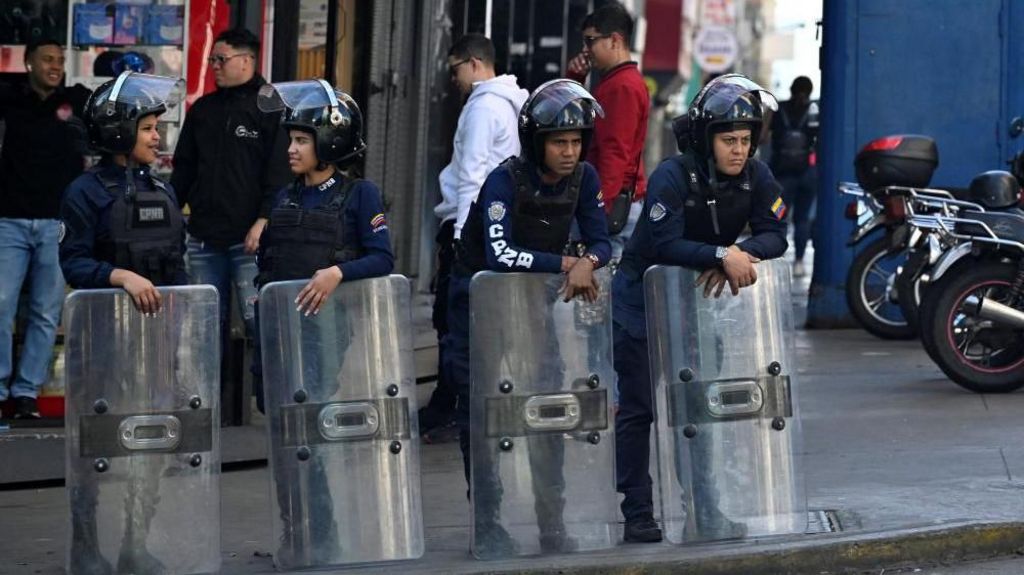
    Venezuelan security forces detained at least 14 journalists on Monday amid heightened political turmoil following the capture of President Nicolás Maduro by US forces. The detentions occurred as Delcy Rodríguez assumed the role of interim president, marking a significant escalation in the government’s suppression of information.

    According to Venezuela’s media workers union, the majority of those detained were foreign correspondents, with all but one released later that day. One reporter faced deportation. The journalists were apprehended at multiple locations including the National Assembly building and the Altamira district in Caracas, where Rodríguez was being sworn into office.

    The detained media professionals underwent extensive equipment searches, with authorities examining their phones, social media posts, and private messages. In a separate incident, Colombian and Spanish reporters were held incommunicado for hours at the Venezuela-Colombia border near Cúcuta before being released back into Colombia.

    This press crackdown coincides with Rodríguez’s declaration of willingness to cooperate with the Trump administration, which has previously stated its intention to ‘run’ Venezuela following Maduro’s capture in a military operation that resulted in numerous casualties among his security detail.

    The repression extends beyond journalists to the general population. Residents report armed, masked groups patrolling neighborhoods, checking citizens’ WhatsApp statuses and messages for critical content. A heavy presence of police, military, and pro-government armed groups known as ‘colectivos’ has created an atmosphere of fear throughout Caracas.

    Interior Minister Diosdado Cabello publicly showcased security forces’ visibility in communities, posting images of himself with armed police on social media. Meanwhile, anonymous sources describe military personnel on every corner and armed civilian groups instilling fear among the population.

    This incident continues a pattern of media suppression in Venezuela, where foreign news organizations face significant visa restrictions. The current situation echoes the post-2024 election crackdown when security forces similarly monitored digital communications, leading many Venezuelans to delete their social media accounts and message histories.

    According to human rights organization Foro Penal, Venezuela currently holds over 800 political prisoners as of January 5, with many previously sentenced to lengthy prison terms for ‘treason’ following the disputed 2024 presidential election.

  • Ashley Tisdale says she quit her ‘toxic mom group’

    Ashley Tisdale says she quit her ‘toxic mom group’

    Former Disney Channel star Ashley Tisdale has revealed her distressing experience with a toxic celebrity mother’s group that left her emotionally devastated during her early motherhood journey. The 40-year-old actress, renowned for her portrayal of Sharpay Evans in the High School Musical franchise, detailed how what began as a supportive network of mothers transformed into an exclusionary clique reminiscent of high school social hierarchies.

    Tisdale, who shares two young daughters with husband Christopher French, initially praised the concept of maternal community support following her first childbirth in 2021. However, the dynamic within her exclusive group—reportedly comprising several high-profile celebrities—gradually deteriorated into patterns of social exclusion and subtle alienation. The singer-actress noticed increasing distance during group gatherings and became aware of organized social events from which she was deliberately omitted.

    In a candid article adapted from her personal blog for the Cut magazine, Tisdale described recognizing familiar exclusionary patterns within the group’s interactions. She recalled previously observing similar behavior directed toward another mother, realizing the group maintained a consistent pattern of ostracizing members. These interactions triggered deeply buried insecurities from her adolescent years, making her question her self-worth and social acceptability.

    The emotional toll became substantial enough that Tisdale made the decisive choice to formally exit the group, explicitly stating her reasons in a message to other members: “This is too high school for me and I don’t want to take part in it anymore.” While her departure message reportedly received mixed reactions, including some attempts at reconciliation, Tisdale maintains that the group’s dynamic had become fundamentally unhealthy and detrimental to her wellbeing.

    Tisdale emphasized that her criticism targets group dynamics rather than individual character judgments, noting that most members weren’t inherently “bad people” but participated in collectively toxic behavior. The overwhelming response to her revelations demonstrated that her experience reflects a widespread phenomenon among mothers seeking community support. Her phone, she noted, “blew up like no other topic” with messages from women sharing parallel experiences of exclusion within supposed support networks.

    The actress specifically discouraged speculation about identities involved, asserting that assumptions would inevitably miss the broader point about systemic group dynamics. Her testimony highlights the paradoxical phenomenon of maternal support groups—intended as empowering communities—sometimes morphing into sources of emotional distress and social anxiety during particularly vulnerable life stages.