作者: admin

  • French farmers force their way through Paris with tractors to protest free trade deal

    French farmers force their way through Paris with tractors to protest free trade deal

    PARIS — In a dramatic display of agricultural dissent, approximately one hundred tractors converged upon the French capital on Thursday as farmers launched a major protest against the European Union’s proposed free trade agreement with Mercosur nations. The demonstration, organized by the Rural Coordination union, saw farmers defy government bans by positioning agricultural vehicles at iconic locations including the Arc de Triomphe and Eiffel Tower neighborhoods.

    The protest targets the EU’s renewed negotiations with five South American countries—Brazil, Argentina, Uruguay, Paraguay, and Bolivia—amid speculation that a deal could be finalized during a January 12 meeting in Paraguay. French agricultural representatives argue the agreement would devastate local farming sectors by exposing them to unfair competition from countries with less stringent production standards.

    José Perez, president of the Rural Coordination in southwestern France’s Lot-et-Garonne region, stated the mobilization aimed to bring farmers’ concerns directly to policymakers. ‘The goal today is to come to Paris to express our demands closer to those who have the power,’ Perez told The Associated Press, describing the tractor procession as ‘a strong symbol’ of agricultural discontent.

    Despite government efforts to restrict tractor access to central Paris, protestors managed to bypass security barriers, though most vehicles were ultimately contained at major traffic arteries marking the city’s perimeter. The French Interior Ministry confirmed approximately 20 tractors reached central Paris despite an official prohibition.

    The demonstration combines longstanding opposition to the Mercosur agreement with recent frustrations over government sanitary measures addressing bovine disease outbreaks. French Agriculture Minister Annie Genevard reiterated the nation’s firm opposition to the trade deal on Wednesday, warning it threatens numerous agricultural sectors including beef, chicken, sugar, ethanol, and honey production.

    While Germany leads supporter nations pushing for the agreement’s adoption, France and Poland remain its most vocal opponents within the EU. Previous French opposition successfully stalled the agreement last month, though renewed negotiations have intensified concerns among farming communities about the deal’s potential implementation.

  • US halts assistance to Somalia over claims food aid was illegally seized

    US halts assistance to Somalia over claims food aid was illegally seized

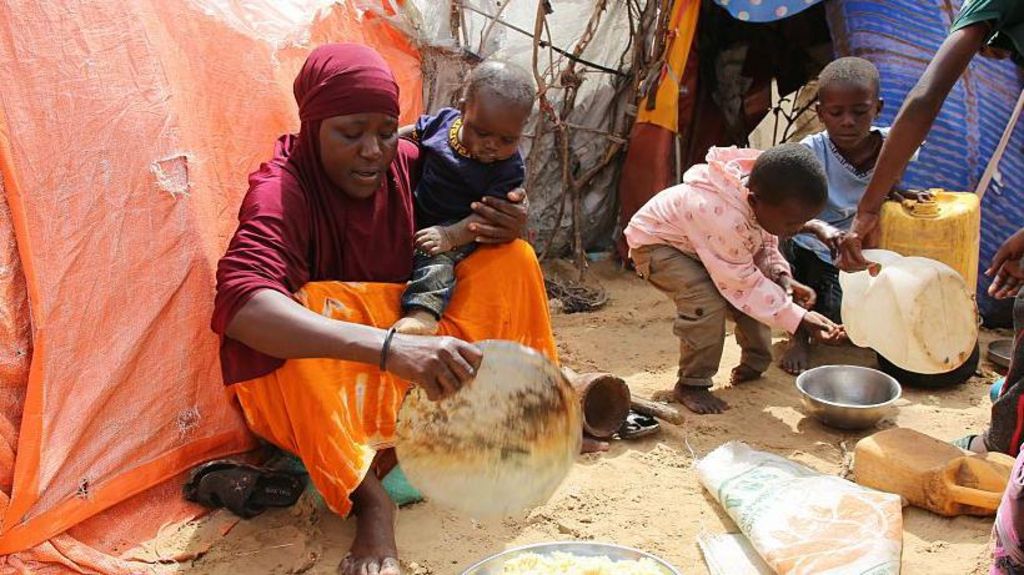
    In a significant diplomatic move, the United States has suspended all assistance to Somalia’s government following allegations that officials destroyed a UN World Food Programme warehouse and confiscated approximately 76 tonnes of donor-funded food aid intended for vulnerable populations.

    The State Department announced the decision through the account of the Under Secretary for Foreign Assistance, stating the Trump administration maintains a ‘zero-tolerance policy for waste, theft, and diversion of life-saving assistance.’ The suspension will remain until Somali authorities ‘take accountability for unacceptable actions and implement appropriate remedial measures.’

    This development occurs against a backdrop of escalating tensions between Washington and Mogadishu. Recent months have witnessed strained relations following President Trump’s controversial remarks about Somali migrants in the United States and Israel’s recognition of breakaway region Somaliland, which Somalia considers part of its sovereign territory.

    Despite the suspension, the U.S. remains the WFP’s largest contributor, providing $2 billion in 2025—nearly one-third of the organization’s total funding. The seized aid was critical for addressing Somalia’s severe hunger crisis, where 4.6 million people face emergency food shortages exacerbated by drought, floods, conflict, and diminishing harvests.

    The Somali government, engaged in a prolonged battle against al-Qaeda-linked militants while rebuilding from civil war and environmental disasters, has not yet responded to the allegations or the aid suspension.

  • Bringing care from afar

    Bringing care from afar

    For over a quarter century, a remarkable medical partnership has been unfolding at the B.P. Koirala Memorial Cancer Hospital in Nepal’s Chitwan district, where Chinese medical professionals have established an enduring legacy of cross-border healthcare cooperation.

    Established in 1998 through Chinese government assistance, this oncology center has evolved into a critical healthcare institution serving not only Nepalese citizens but also patients from across South Asia. The hospital represents one of the most sustained international medical aid initiatives in the region, with continuous rotations of medical teams from China’s Hebei province since 1999.

    The collaboration has progressed through multiple phases of development. Initially providing basic clinical support, Chinese medical experts have gradually implemented comprehensive capacity-building programs including specialized department co-development, standardized treatment protocols, and extensive training for local healthcare professionals. More than 250 Chinese doctors have contributed their expertise across various medical specialties, creating knowledge transfer that has fundamentally enhanced Nepal’s healthcare infrastructure.

    The current medical team, designated as the 16th Chinese medical contingent, includes specialists like anesthesiologist He Kun and gynecologist Liu Fang, who recently conducted consultations for elderly Nepalese patients. Their work exemplifies the ongoing commitment to addressing Nepal’s healthcare needs while fostering professional exchange.

    This medical diplomacy initiative has transformed healthcare accessibility in Nepal’s southern Terai plains, providing oncology services that were previously unavailable to many communities. The partnership stands as a testament to long-term international cooperation in healthcare development, demonstrating how sustained medical assistance can create lasting impact beyond immediate treatment to include systemic healthcare improvement and professional capacity building.

  • Tianjin town is top in trumpets

    Tianjin town is top in trumpets

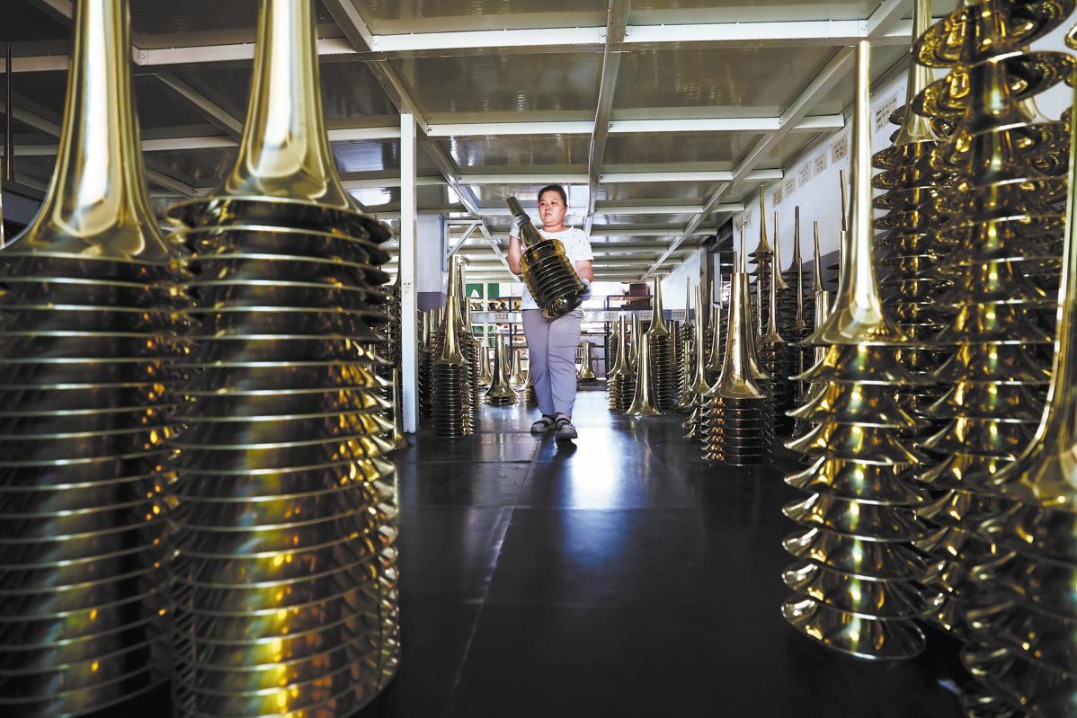
    Nestled within Tianjin’s Jinghai district, the modest town of Caigongzhuang has quietly emerged as the world’s predominant manufacturing hub for brass and woodwind instruments, accounting for over 50% of global production. This unassuming Chinese community serves as the unseen craftsmanship behind saxophones, trumpets, flutes, piccolos, and clarinets played by musicians across continents.

    The industry thrives through a unique blend of family-operated workshops and expansive manufacturing facilities that have perfected their craft over decades. Tianjin Shengyue Music Instrument, one of the established enterprises in the region, exemplifies this successful model. Manager Liu Xuehong, a veteran with extensive experience in the field, reports a significant shift toward premium international orders. “We’ve been receiving sophisticated custom requests from Germany, Spain, Singapore, and numerous other countries,” Liu revealed.

    This evolution toward high-value craftsmanship is demonstrated through collaborations with internationally recognized musicians. The town recently fabricated a custom saxophone for Jay Metcalf, the distinguished saxophonist and founder of the BetterSax educational platform, signaling Caigongzhuang’s growing reputation for excellence rather than merely quantity.

    The town’s industrial dominance remains relatively unknown to end consumers, creating an intriguing paradox where artists worldwide perform with instruments originating from this specialized Chinese manufacturing center without awareness of their provenance. This disconnect highlights both the globalization of specialized manufacturing and the silent efficiency of Caigongzhuang’s production ecosystem.

  • New clashes in Iran as opposition urges more protests

    New clashes in Iran as opposition urges more protests

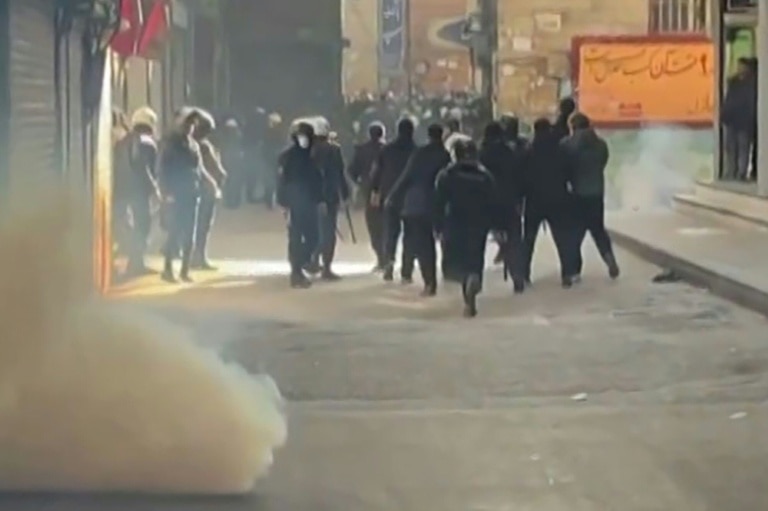
    Iran enters its twelfth consecutive day of widespread civil unrest as protests initially sparked by economic grievances evolve into a direct challenge to the Islamic Republic’s clerical leadership. The movement, which originated with Tehran’s bazaar shutdown on December 28 following the rial’s catastrophic devaluation, has now expanded across all 31 provinces with demonstrations reported in 348 locations according to HRANA monitoring group.

    Security forces have intensified their response, deploying tear gas and live ammunition against protesters in multiple regions. In the southeastern hub of Kerman, security personnel reportedly opened fire on demonstrators while violently assaulting civilians according to Iran Human Rights. The Norway-based organization confirmed at least 27 protester fatalities, including five teenagers under eighteen, with warnings that the death toll will likely increase as additional killings are verified.

    The protest movement has gained symbolic momentum with videos circulating showing participants in Kuhchenar, Fars province, toppling a statue of Qassem Soleimani, the Revolutionary Guards commander killed by a U.S. strike in 2020 who is officially celebrated as a national hero. Nighttime demonstrations have continued with footage from Karaj showing crowds lighting street fires while security forces attempt dispersal tactics.

    Exiled opposition figures, including Reza Pahlavi (son of the deposed Shah), have amplified calls for intensified protests, characterizing Wednesday’s turnout as unprecedented. Pahlavi has warned that authorities are attempting internet blackouts to suppress mobilization efforts. Judicial authorities have vowed no leniency toward what they term rioters, following the stabbing death of a police officer near Tehran during unrest containment operations.

    The sustained protests represent a significant challenge to Ayatollah Khamenei’s government, which already contends with severe economic crisis exacerbated by international sanctions and post-conflict recovery from June hostilities with Israel. Demonstrators are increasingly adopting explicitly political slogans including chants referencing Khamenei’s overthrow and the return of monarchist leadership.

  • Why Southeast Asia’s online scam industry is so hard to shut down

    Why Southeast Asia’s online scam industry is so hard to shut down

    In an unprecedented move against transnational cybercrime, Cambodian authorities have extradited powerful tycoon Chen Zhi to China, marking a rare victory against a sophisticated criminal network accused of orchestrating massive online scams that have defrauded victims worldwide of tens of billions of dollars.

    The arrest represents merely the tip of a criminal iceberg that spans Southeast Asia, where an estimated 220,000 people across Myanmar and Cambodia alone are trapped in forced labor conditions according to UN estimates. These victims, recruited from at least 56 countries through deceptive job offers, find themselves confined to sprawling compounds where they work 12-16 hour days under threat of violence.

    These scam centers evolved from casino operations that previously catered to Chinese high-rollers. When COVID-19 travel restrictions devastated their revenue streams, criminal syndicates pivoted to digital fraud operations, utilizing existing infrastructure and trafficked labor to target victims globally. The compounds range from massive rural complexes like Myanmar’s notorious KK Park to discreet urban offices, often operating with protection from local elites.

    The global impact is staggering: Americans lost approximately $10 billion to Southeast Asian-linked scams in 2024 alone, while victims worldwide have been targeted through increasingly sophisticated methods. Scammers now employ AI-powered translation tools to overcome language barriers and create convincing fraudulent schemes ranging from cryptocurrency investments to fake romantic relationships.

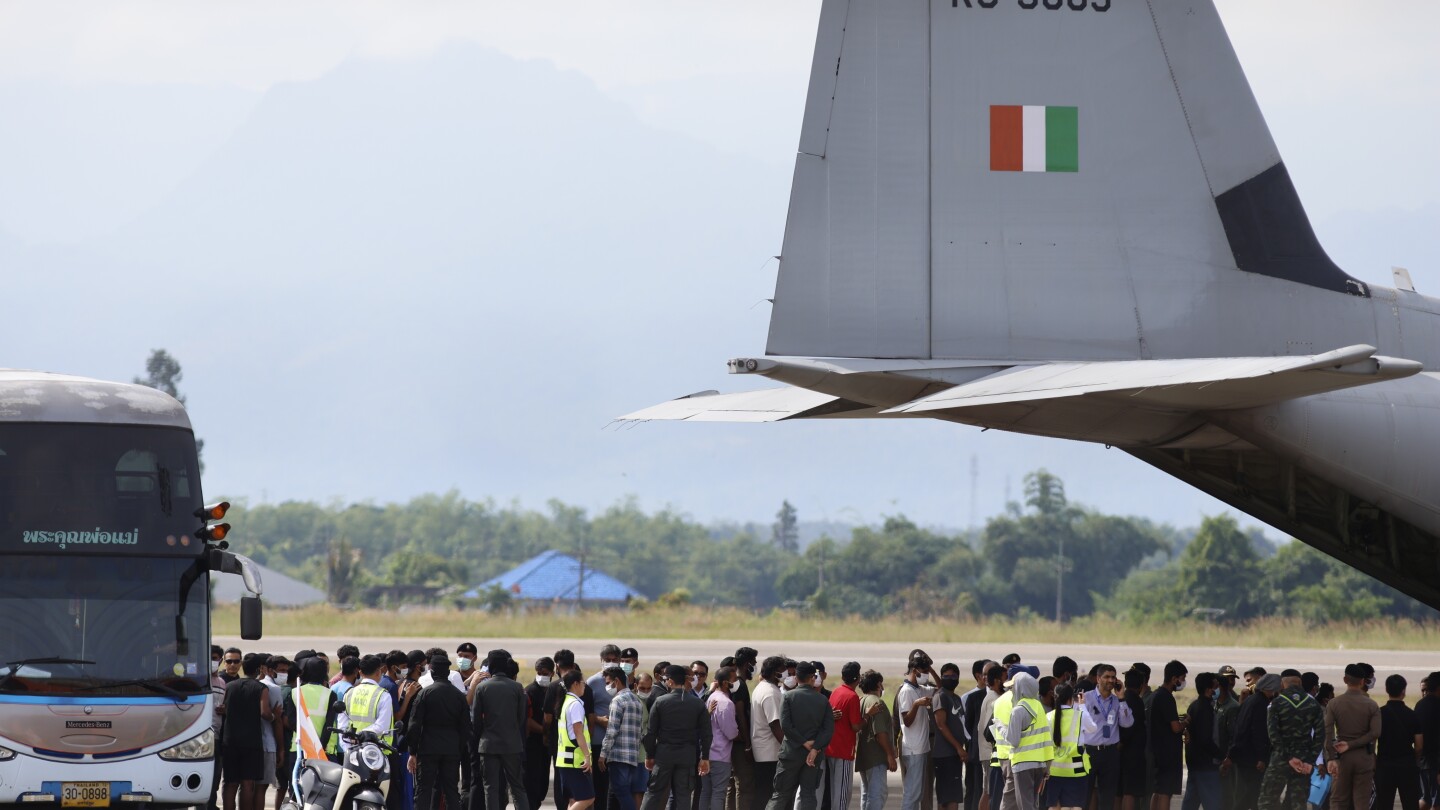
    Despite high-profile raids and rescues—such as the 1,500 workers who fled to Thailand during a Myanmar military operation—the industry demonstrates remarkable resilience. New centers continually emerge across the region and beyond, with operations reported as far as Africa and Latin America. Experts emphasize that without targeting the criminal masterminds behind these operations, rather than just rescuing victims, the scourge will continue to proliferate globally.

  • A familiar refrain as China and Japan, uneasy neighbors in East Asia, begin 2026 at odds again

    A familiar refrain as China and Japan, uneasy neighbors in East Asia, begin 2026 at odds again

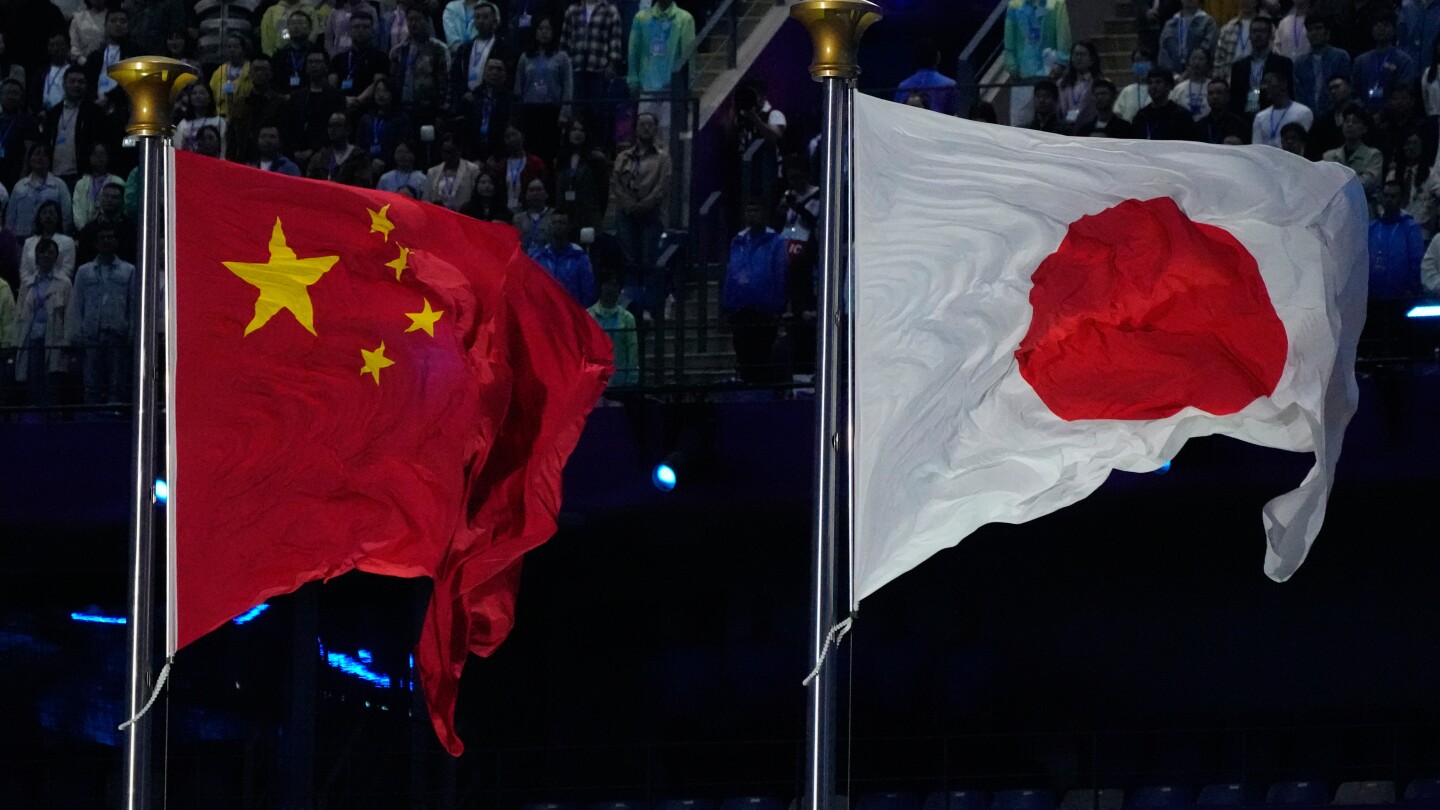
    BEIJING — Diplomatic relations between China and Japan have entered a new phase of confrontation as 2026 begins, reigniting historical grievances and contemporary geopolitical tensions. The current escalation stems from November remarks by Japanese Prime Minister Sanae Takaichi suggesting Japan might intervene militarily if China moves against Taiwan—comments Beijing characterized as a direct threat to its sovereignty.

    China’s Foreign Ministry spokesperson Mao Ning condemned Takaichi’s statements as “erroneous remarks” that “infringe upon China’s sovereignty and territorial integrity” during a Wednesday briefing. This diplomatic offensive follows recent Chinese military exercises around Taiwan and represents the latest chapter in a complex relationship marked by alternating cooperation and confrontation.

    The current tensions are deeply rooted in historical context. Japan’s colonization of Taiwan in 1895 and its brutal occupation of parts of China in the 1930s-40s created enduring resentment that continues to shape bilateral relations. Contemporary flashpoints include disputes over the Diaoyu/Senkaku Islands and Japanese officials’ visits to the Yasukuni Shrine, which honors war criminals from Japan’s imperial past.

    This week, China implemented multiple measures against Japan, including restrictions on “dual-use exports” that could be adapted for military purposes. While not specifying banned items, the move potentially affects everything from drone technology to rare earth minerals. Japan’s Foreign Ministry condemned the restrictions as “deviating significantly from international practice” and “absolutely unacceptable.”

    Additionally, China launched an investigation into alleged dumping of Japanese dichlorosilane—a chemical used in chip manufacturing—after prices dropped 31% between 2022-2024. In a more provocative move, a Chinese arms control association released a report titled “Nuclear Ambitions of Japan’s Right-Wing Forces: A Serious Threat to World Peace,” accusing Japan of failing to confront its militaristic past.

    Simultaneously, China conspicuously strengthened ties with South Korea, hosting President Lee Jae Myung for a four-day visit that produced 24 export contracts worth $44 million and agreements on trade, technology, and environmental cooperation. Chinese media highlighted South Korea surpassing Japan as the top destination for Chinese outbound flights, alongside government warnings about “significant risks” to Chinese citizens in Japan.

    Regional analysts suggest the current tensions may prove more persistent than previous diplomatic spats. Sebastian Maslow, an East Asia specialist at the University of Tokyo, noted that “with diplomatic channels in short supply and domestic political agendas paramount, an off-ramp for the current dispute is not in sight.” The situation is further complicated by the United States’ planned arms sales to Taiwan, adding another layer of complexity to already fraught regional dynamics.

  • Legal support for IPs to be bolstered

    Legal support for IPs to be bolstered

    China is embarking on significant legislative reforms to enhance its intellectual property protection framework, according to announcements from the China National Intellectual Property Administration. Commissioner Shen Changyu revealed on Wednesday that the administration will prioritize legal upgrades to cultivate a more innovation-conducive environment through elevated protection standards.

    The comprehensive overhaul includes advancing amendments to integrated circuit layout design regulations and accelerating revisions to the Trademark Law. A draft amendment to the Trademark Law has already undergone preliminary review by the Standing Committee of the National People’s Congress in December, marking a crucial step in the legislative process.

    Addressing emerging technological challenges, Shen emphasized the urgent need for robust IP protection in new sectors and the expedited establishment of data-related intellectual property regulations. This initiative responds to the rapid evolution of technologies including artificial intelligence, biomedicine, and advanced internet applications.

    Legal expert Liu Bin of Beijing Zhongwen Law Firm endorsed the proposed reforms, highlighting critical gaps in current regulations. “Data has transformed into an essential production factor, yet the absence of clear guidelines creates a paradox where everyone desires to utilize it but hesitates due to legal uncertainties,” Liu noted. He identified pressing challenges including determining ownership of AI-generated content and clarifying rights concerning data circulation and utilization.

    Liu advocated for establishing comprehensive data IP protection rules that would clarify legal data sources, define permissible usage parameters, and implement benefit-sharing mechanisms. “These measures are fundamental to safeguarding contributors’ legitimate interests while encouraging corporate participation in data development and innovative applications,” he added.

    Recent achievements during the 14th Five-Year Plan period (2021-25) demonstrate China’s progressive trajectory in IP development. The administration completed substantial revisions to the Patent Law and its implementing regulations, establishing a high-standard system for punitive damages against infringement. Updated patent examination guidelines have improved review standards for emerging fields, including artificial intelligence.

    Operational efficiencies have shown marked improvement, with invention patent examination periods reduced from 20 to 15 months since 2020. Trademark registration reviews have stabilized at approximately four months, ranking among the fastest globally. Quantitative achievements include surpassing 5 million valid domestic invention patents and reaching 16 high-value invention patents per 10,000 people, exceeding established targets.

  • China expects huge surge in winter tourism

    China expects huge surge in winter tourism

    China’s winter tourism sector is experiencing unprecedented growth, with snow sports rapidly evolving from specialized activities into mainstream economic drivers. According to the China Tourism Academy’s latest report, the December 2025-February 2026 season is projected to witness 360 million winter tourism excursions, generating approximately 450 billion yuan ($64 billion) in revenue.

    The transformation reflects a fundamental shift in consumer behavior, as evidenced by Yang Lezhi, a 27-year-old Beijing resident who represents the new generation of winter sports enthusiasts. “Skiing makes me feel like Elsa from Frozen—it’s almost addictive once you master the slopes,” she remarked, highlighting how winter activities have transitioned from niche pursuits to popular recreational trends.

    This remarkable expansion stems from multiple factors: the successful legacy of the 2022 Beijing Winter Olympics, substantial government support, and strategic infrastructure investments. In November 2024, China’s State Council issued comprehensive guidelines targeting a 1.2 trillion yuan winter economy by 2027 and 1.5 trillion yuan by 2030.

    Industry analyst Yang Jinsong from the China Tourism Academy identifies several growth catalysts: “Post-Olympic awareness has significantly increased public interest in winter activities, while supportive policies have encouraged broader industry participation. Both naturally advantaged northern regions and southern provinces with artificial facilities are contributing to this expansion.”

    Remarkably, southern China—including Guangdong province—has emerged as the national leader in winter tourism infrastructure investment, exceeding 30 billion yuan annually. The industry’s structural development is equally impressive, with 1,423 new winter tourism companies established in 2025, bringing the national total to over 14,000 enterprises—an 11% increase from 2024.

    Supporting data reveals consistent industry expansion, with winter-related consumption reaching 187.5 billion yuan between late 2024 and early 2025. The sector has demonstrated remarkable growth trajectory, expanding from 270 billion yuan in 2015 to 980 billion yuan in 2024, and is projected to surpass 1 trillion yuan for the first time in 2025.

    Consumer surveys indicate strong continued demand, with 75% of respondents expressing interest in winter travel, over 40% planning increased participation frequency, and a similar percentage intending to boost winter activity spending—signaling sustained momentum for China’s burgeoning winter economy.

  • Mainland sanctions Taiwan officials, warns separatists

    Mainland sanctions Taiwan officials, warns separatists

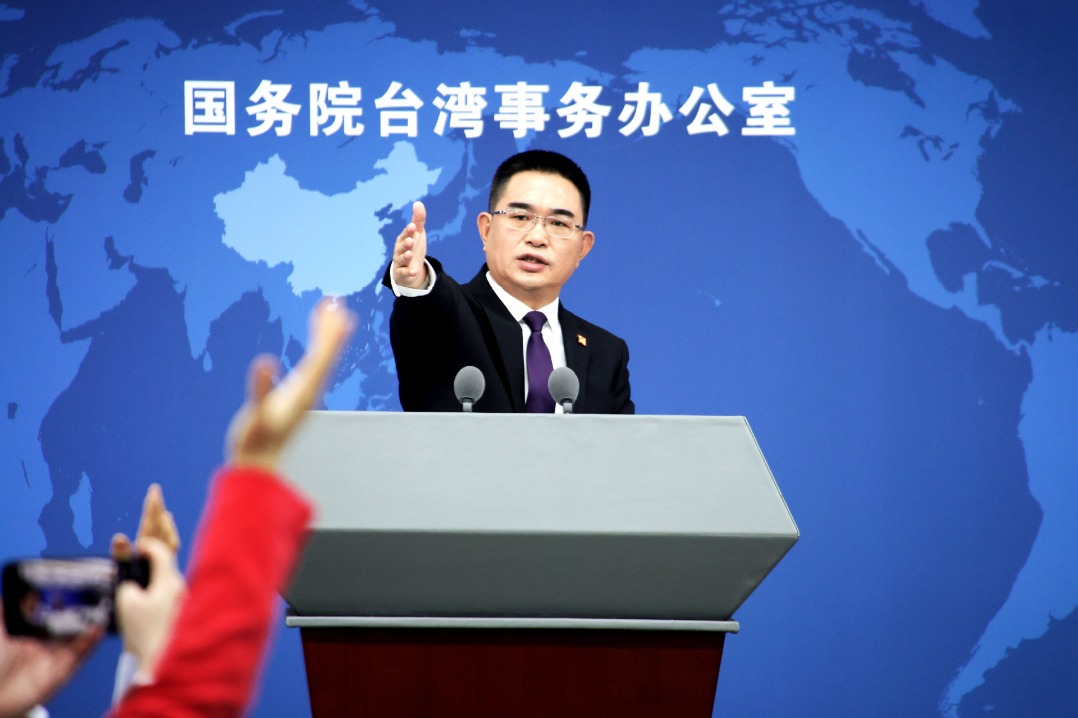
    In a significant escalation of cross-strait tensions, Chinese mainland authorities have designated two senior Taiwanese officials as hardened ‘Taiwan independence’ separatists and imposed comprehensive sanctions against them. The announcement came from Chen Binhua, spokesperson for the State Council’s Taiwan Affairs Office, during a press briefing on Wednesday.

    Liu Shih-fang, head of Taiwan’s Interior Affairs Department, and Cheng Ying-yao, overseeing the island’s education policy, were formally added to Beijing’s list of individuals accused of promoting separatist agendas. According to the spokesman, both officials have engaged in persistent activities that contradict mainstream public opinion and deliberately undermine cross-strait relations.

    The sanctions package imposes lifelong legal accountability measures, prohibiting the officials and their family members from entering mainland China, Hong Kong, and Macao. Additionally, organizations affiliated with either official are barred from conducting business or establishing cooperative ties with mainland entities.

    In a parallel development, prosecutor Chen Shu-yi from Taiwan’s High Prosecutors Office was designated as an accomplice to separatist activities. Authorities accused her of manufacturing cases and targeting individuals who support cross-strait exchanges, allegedly creating an atmosphere of intimidation.

    The mainland has now identified 14 individuals as primary ‘Taiwan independence’ separatists, including Taiwan’s deputy leader Hsiao Bi-khim and defense chief Koo Li-hsiung, alongside 12 individuals listed as accomplices.

    The spokesman referenced China’s Anti-Secession Law, emphasizing that challenges to national sovereignty would face severe consequences. He also addressed a recently withdrawn proposal by DPP lawmakers that sought to redefine cross-strait relations, warning that such ‘de jure independence’ attempts would not be tolerated.

    Authorities have encouraged citizens from both sides of the strait to provide information regarding illegal activities by those named in the sanctions list.