作者: admin

  • Bishops and Spanish government agree on a plan to compensate sexual abuse victims

    Bishops and Spanish government agree on a plan to compensate sexual abuse victims

    In a historic reconciliation between state and religious authorities, Spain’s government and Catholic bishops have established a groundbreaking compensation framework for victims of clergy sexual abuse. The agreement, announced Thursday, creates an independent pathway for survivors to seek reparations through government channels rather than confronting church institutions directly.

    The collaborative plan addresses long-standing disputes between Spain’s left-wing administration and ecclesiastical leadership regarding appropriate victim compensation in a nation that has undergone significant secularization. Under the new system, survivors may submit petitions to Spain’s Justice Ministry, which will forward cases to the national ombudsman for evaluation and compensation recommendations. The church’s specially formed committee will subsequently review these proposals.

    Justice Minister Félix Bolaños emphasized that this mechanism finally acknowledges hundreds of cases where abusers have died or become elderly, making criminal prosecution impossible due to statute of limitations. “Today, we have paid a debt to the victims,” Bolaños stated. “While the State has acted late, we are acting now.”

    The agreement establishes a tiered dispute resolution process. If the church’s committee and victims cannot reach consensus, cases progress to a joint committee comprising church representatives, ombudsman officials, and victim advocacy groups. The ombudsman retains ultimate decision-making authority when deadlocks occur.

    This development follows Spain’s delayed confrontation with clerical abuse, initially exposed through investigative journalism by El País newspaper. The 2023 ombudsman’s report documented 487 confirmed cases and suggested potential victims might number in the hundreds of thousands—a estimate the bishops contested, citing their internal investigation identifying 728 abusers since 1945.

    The compensation window will remain open for one year, extendable for an additional year if necessary. Archbishop Luis Argüello acknowledged that many survivors feel uncomfortable approaching church authorities directly, making this state-facilitated process essential. The church has already distributed €2 million in compensation to over 100 victims through its earlier initiative, with new payments being tax-exempt under the current agreement.

    This Spanish model emerges amidst global variations in abuse compensation approaches. While the U.S. church has paid billions through litigation and bankruptcy proceedings, European programs often combine financial reparations with therapeutic and spiritual support services. The Vatican’s child protection board has emphasized financial compensation and stronger abuser sanctions as essential components of institutional accountability.

  • Denmark sees talks with the US as a chance for ‘the dialogue that is needed’ over Greenland

    Denmark sees talks with the US as a chance for ‘the dialogue that is needed’ over Greenland

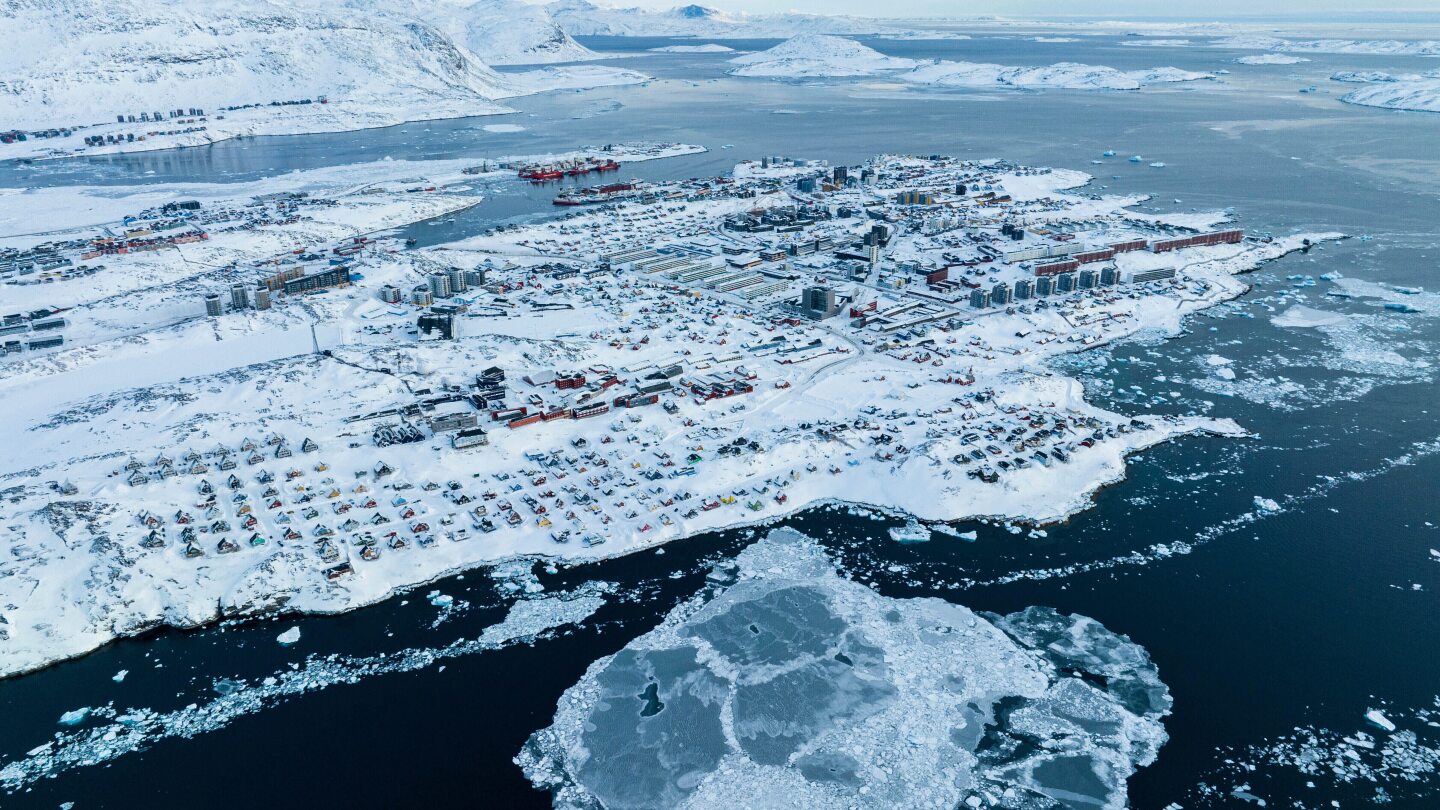
    Diplomatic channels are activating as Denmark confirms an upcoming high-level meeting with United States officials to address President Donald Trump’s renewed interest in establishing American control over Greenland. The strategic Arctic territory, rich in mineral resources and occupying a crucial geopolitical position, has become the focal point of international discussions.

    Danish Defense Minister Troels Lund Poulsen characterized the dialogue as both necessary and requested, telling national broadcaster DR that the Greenlandic government would participate directly. This confirmation follows statements from U.S. Secretary of State Marco Rubio, who announced the meeting would occur next week without disclosing specific details regarding participants or location.

    The principle of “Nothing about Greenland without Greenland” has emerged as a guiding tenet, with Greenland’s Foreign Minister Vivian Motzfeldt emphasizing their requested involvement. This comes amid heightened rhetoric from U.S. Vice President JD Vance, who asserted on Fox News that Denmark has inadequately secured the territory that hosts critical missile defense infrastructure partially dependent on Greenland’s strategic location.

    Vance maintained that historical military alliances, including Denmark’s support during World War Two and recent counterterrorism operations, don’t preclude current security concerns. “Just because you did something smart 25 years ago doesn’t mean you can’t do something dumb now,” Vance stated, framing Trump’s position as a clear assessment that Denmark is “not doing a good job with respect to Greenland.”

    European leaders have rallied behind Greenland’s sovereignty, with European Council President Antonio Costa declaring “Greenland belongs to its people” and affirming the European Union’s full solidarity. The leaders of Canada, France, Germany, Italy, Poland, Spain, and the United Kingdom joined Danish Prime Minister Mette Frederiksen in defending Greenland’s territorial integrity within the NATO alliance.

    The diplomatic exchange occurs against the backdrop of existing defense agreements. Danish Foreign Minister Lars Løkke Rasmussen referenced the 1951 defense pact between Denmark and the U.S., noting it offers “ample opportunity for the United States to have a much stronger military presence in Greenland” if desired. Rasmussen documented how the American military footprint has diminished from thousands across 17 bases to approximately 200 personnel at the remote Pituffik Space Base, which supports missile warning and space surveillance operations.

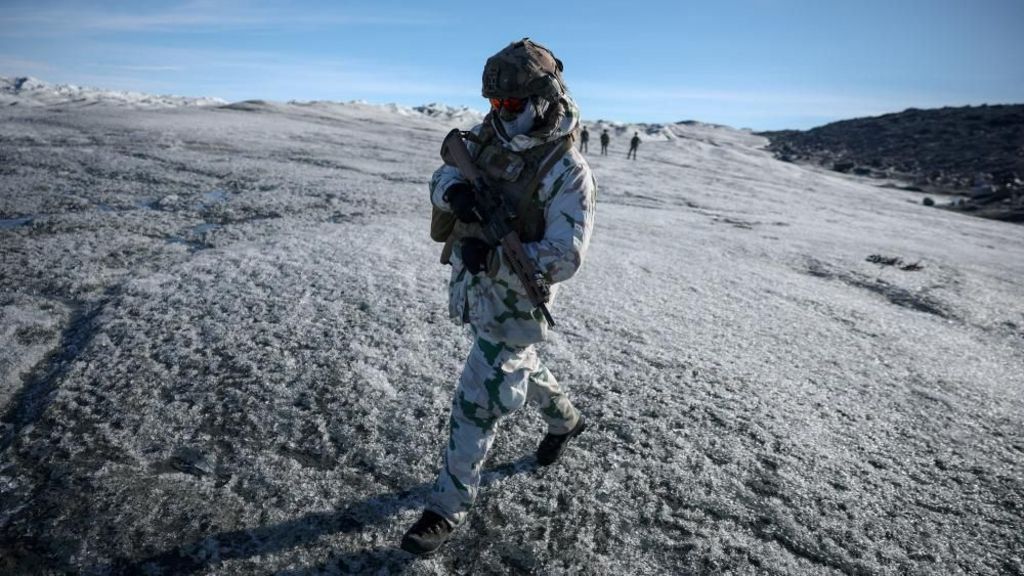
    Denmark is simultaneously enhancing its Arctic capabilities through a substantial 14.6 billion-kroner ($2.3 billion) agreement with Greenland and the Faroe Islands to improve regional surveillance and sovereignty maintenance. This initiative includes three new Arctic naval vessels, additional long-range surveillance drones, and enhanced satellite capacity, complementing the existing Joint Arctic Command headquartered in Nuuk and the elite Sirius Dog Sled Patrol that enforces Danish sovereignty in the Arctic wilderness.

  • Empty chairs mark grief as UAE schools help students cope with loss of classmates

    Empty chairs mark grief as UAE schools help students cope with loss of classmates

    Educational institutions across the United Arab Emirates are transforming into sanctuaries of collective healing as they develop innovative approaches to help students navigate profound loss following recent tragedies within school communities.

    The educational sector’s response comes after two devastating incidents that shook the expatriate community. In Abu Dhabi, four young Indian brothers lost their lives in a catastrophic vehicle collision on Sunday morning. This tragedy follows closely after the sudden passing of 17-year-old Aisha Mariam in Sharjah last month, who collapsed from cardiac arrest despite having no prior medical conditions.

    Educators are demonstrating extraordinary emotional intelligence in their response strategies. Naseer Chowthodika, a Physics instructor at Arab Unity School, shared his poignant experience of confronting an empty desk during exam distribution, describing how the silence spoke volumes about the irreplaceable void left by his departed Year 10 student.

    At Sharjah Indian School, Principal Pramod Mahajan employed a powerful nonverbal approach by personally occupying the chair of the deceased student for ten minutes. This symbolic gesture helped classmates gradually overcome their reluctance to use the space, demonstrating that acknowledging absence can be the first step toward healing.

    Veteran educator Lisa Johnson of American Academy for Girls emphasized the importance of structured emotional support systems. Her institution has implemented a wellbeing triage protocol that identifies distressed students and pairs them with trusted adults for regular check-ins. The school also utilizes creative outlets like memory books and remembrance trees with personalized messages to facilitate processing of grief.

    Dubai-based life coach Girish Hemnani provided professional insight, noting that grief manifests in children through often-misinterpreted symptoms including irritability, exhaustion, and physical discomfort. He stressed the critical importance of validating these responses rather than dismissing them as behavioral issues.

    Parents like Dubai resident Fiza have expressed appreciation for schools’ delicate handling of these situations, particularly how administrators balanced honesty with compassion when breaking tragic news to students.

    The educational community’s comprehensive approach includes teacher training on sensitivity adjustments, academic flexibility during mourning periods, and long-term support mechanisms that continue through anniversaries and significant dates, ensuring no student feels abandoned in their grief journey.

  • Vance criticises Denmark and Europe’s handling of ‘critical’ Greenland

    Vance criticises Denmark and Europe’s handling of ‘critical’ Greenland

    A significant geopolitical confrontation is unfolding across the Atlantic as the United States administration renews its strategic interest in Greenland, triggering a firm diplomatic response from European allies. The situation escalated when US Vice-President JD Vance declared the semi-autonomous Danish territory “critical” for global missile defense systems during a Fox News interview, criticizing European nations for their perceived failure to adequately secure the region.

    Vance articulated concerns about Greenland’s pivotal role in early warning systems against potential Russian or Chinese missile attacks, stating that European partners “have not done a good job” in maintaining the territory’s defensive capabilities. His comments came alongside White House confirmation that officials are “actively” discussing potential acquisition options for Greenland, including military annexation as a viable alternative.

    The Trump administration’s position marks a revival of similar attempts made during the former president’s first term in 2019, though with notably heightened rhetoric following recent military actions in Venezuela. This renewed interest has been met with unequivocal rejection from both Danish and Greenlandic authorities, who have consistently maintained that the island is not available for purchase or transfer.

    In a powerful show of European solidarity, leaders from France, the UK, Germany, Italy, Poland, and Spain joined Denmark in issuing a joint statement affirming that “Greenland belongs to its people, and only Denmark and Greenland can decide on matters concerning their relations.” The European leaders emphasized their commitment to Arctic security through NATO collaboration while explicitly invoking the principles of the UN Charter regarding sovereignty and territorial integrity.

    Greenland’s political representatives expressed alarm at the American position, with Danish parliament member Aaja Chemnitz characterizing the administration’s comments as “a clear threat” and “completely disrespectful” toward a NATO ally. Meanwhile, local residents like Inuit hunter Aleqatsiaq Peary conveyed indifference toward potential ownership changes, noting that transition from Danish to American control would simply represent “switching from one master to another” for the historically colonial territory.

    Beyond military considerations, Greenland’s significance extends to substantial natural resources including rare earth minerals, uranium, and potential oil and gas reserves—assets becoming increasingly accessible due to climate-induced ice melt. The strategic Pituffik Space Base (formerly Thule Air Base), operational under US control since World War II, further underscores the territory’s enduring importance in global defense architecture.

    With US Secretary of State Marco Rubio scheduled to hold talks with Danish officials next week, the diplomatic resolution of this emerging crisis remains uncertain, potentially testing the resilience of transatlantic alliances and established international norms regarding territorial sovereignty.

  • UK braced for heavy snow as cold weather snap in Europe persists

    UK braced for heavy snow as cold weather snap in Europe persists

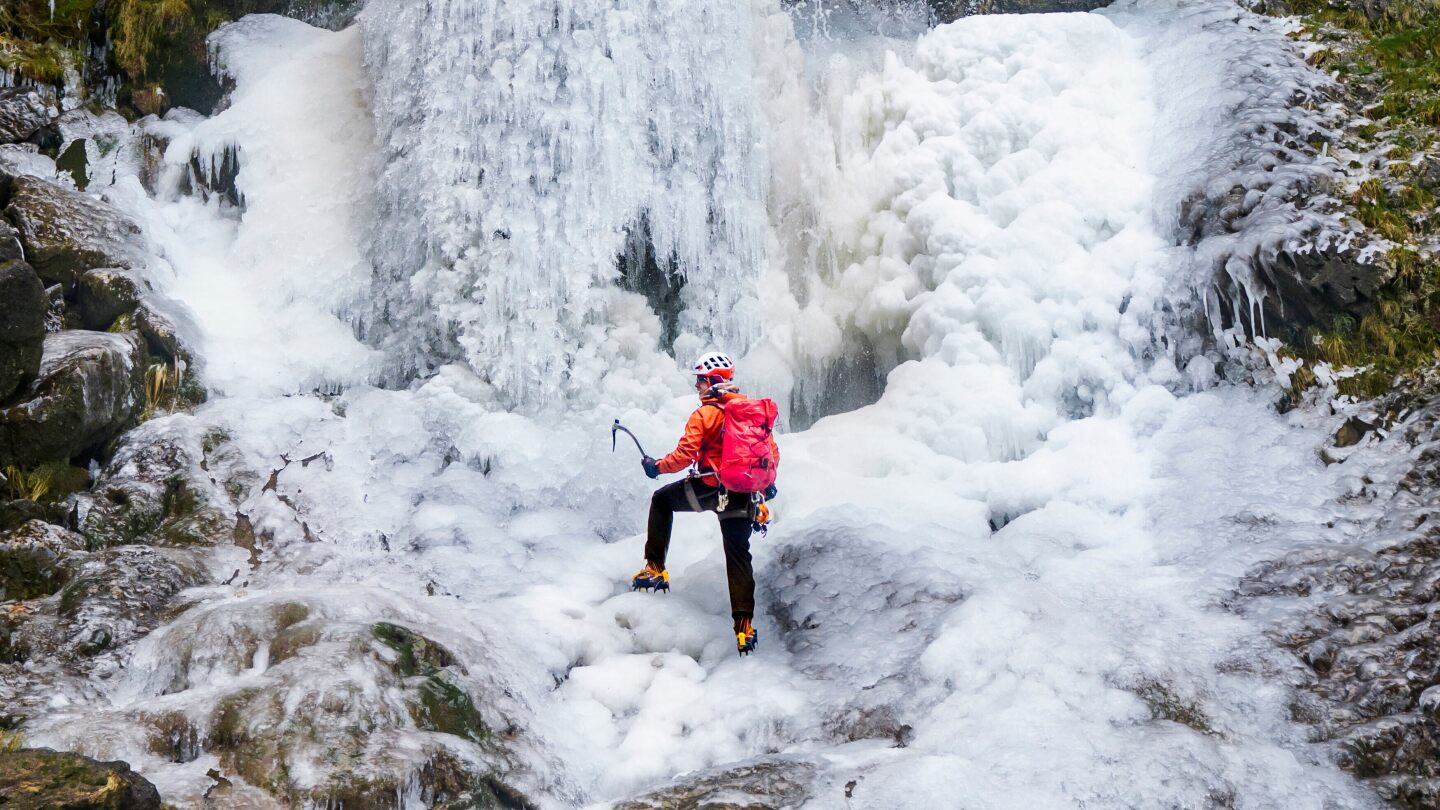
    The United Kingdom is bracing for an escalation of its prolonged cold spell as Storm Goretti approaches with potentially life-threatening conditions. Meteorological authorities have issued severe weather alerts anticipating heavy snowfall and powerful winds throughout Thursday, particularly impacting central England regions.

    According to the Met Office, Britain’s national weather service, certain areas could experience up to 30 centimeters (12 inches) of snow accumulation within mere hours. Chief Forecaster Neil Armstrong characterized the approaching system as a “multi-hazard event” combining substantial precipitation, gale-force winds, and significant snowfall.

    The French meteorological service, France Meteo, which officially named the storm, indicates the weather system will depart British territory by late Friday before progressing toward northwest European nations already grappling with freezing temperatures.

    Amber-level warnings have been activated across multiple UK regions, indicating substantially increased risks compared to standard yellow alerts. These advisories warn of probable transportation disruptions including road closures, rail service suspensions, and flight cancellations. Additional concerns include widespread power outages, communication network failures, and potential isolation of rural communities.

    The UK Health Security Agency has concurrently extended cold weather health alerts throughout England until January 12th. Health officials anticipate severe strain on medical and social care systems, with particular concern for mortality rates among senior citizens and individuals with preexisting health conditions.

    Neighboring nations are similarly experiencing weather-related challenges. Amsterdam’s Schiphol Airport attempted to resume normal operations Thursday following several days of substantial flight cancellations, though morning power outages created additional complications. KLM Royal Dutch Airlines reported persistent passenger congestion despite efforts to maintain departure schedules.

  • China’s patrols around Diaoyu Island lawful, justified: spokesperson

    China’s patrols around Diaoyu Island lawful, justified: spokesperson

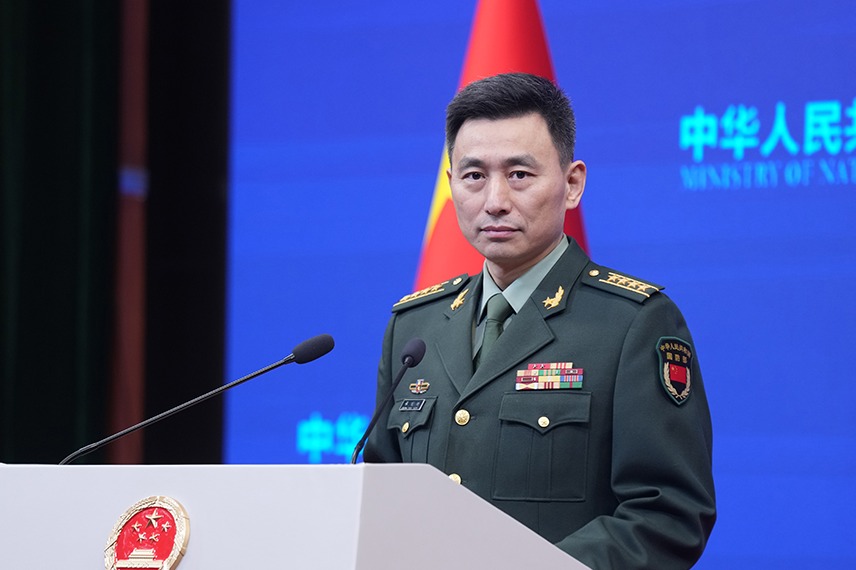
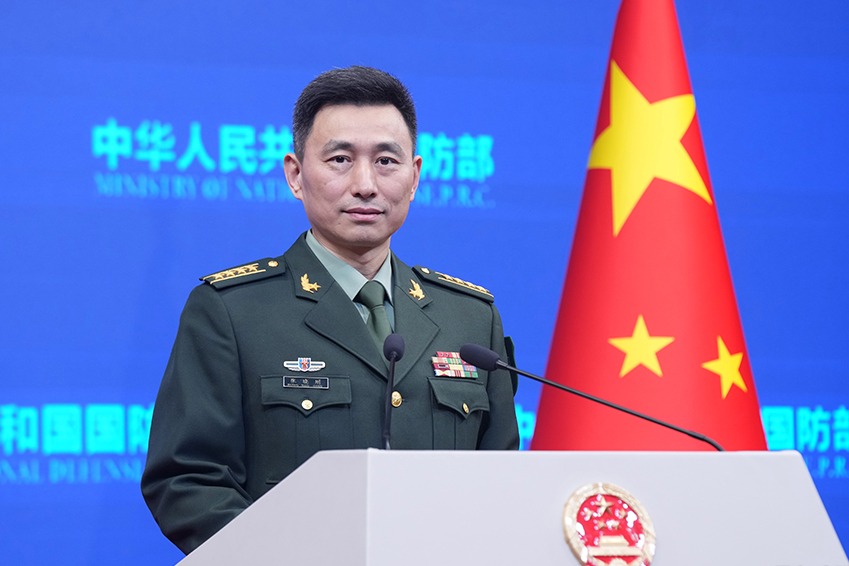
    In a definitive statement addressing regional maritime tensions, China’s Ministry of National Defense has formally declared its patrol activities around the Diaoyu Islands as both lawful and justified. Defense spokesperson Zhang Xiaogang articulated China’s position during a Thursday press briefing, emphasizing the nation’s historical claims to the islands and their adjacent waters.

    Zhang characterized the Diaoyu Islands and their affiliated territories as ‘China’s inherent territory,’ framing coast guard operations in these waters as legitimate measures to protect national maritime interests. The spokesperson’s comments came specifically in response to recent Japanese media reports scrutinizing China’s maritime patrols in the contested region.

    The defense official issued a stern warning to Japan, urging caution in both actions and rhetoric regarding the matter. ‘We urge Japan to act and speak with caution and refrain from taking any moves that may escalate the situation,’ Zhang stated, employing a vivid Chinese proverb to underscore his point: ‘Otherwise, it will lift a rock only to drop it on its own feet.’

    The spokesperson’s remarks reinforce China’s firm stance against external criticism of its maritime activities, presenting them as non-negotiable exercises of national sovereignty rather than subjects for international debate.

  • Who was Renee Nicole Good, the woman killed by ICE?

    Who was Renee Nicole Good, the woman killed by ICE?

    Minneapolis has become the epicenter of another national controversy following the fatal shooting of 37-year-old Renee Nicole Good by a federal immigration agent. The mother of three, an award-winning poet and devoted Christian, had recently relocated to the city from Kansas City.

    Good’s identity as a legal observer monitoring Immigration and Customs Enforcement (ICE) activities has been confirmed by city officials, directly contradicting the Trump administration’s characterization of her as a ‘domestic terrorist.’ The incident has ignited widespread protests across the United States, with demonstrators demanding ‘Justice for Renee.’

    According to family members, Good was a compassionate caregiver and creative spirit who had won the Academy of American Poets undergraduate prize in 2020 for her work ‘On Learning to Dissect Fetal Pigs.’ A graduate of Old Dominion University with an English degree, she balanced her writing pursuits with raising her three children from two marriages, having tragically lost her second husband in 2023.

    The confrontation occurred during an ICE operation in south Minneapolis, mere blocks from Good’s residence and approximately one mile from where George Floyd was murdered in 2020. While White House officials claim Good ‘weaponized her vehicle’ and attempted to run over agents—characterizing her actions as ‘domestic terrorism’—Minneapolis Mayor Jacob Frey dismissed these accounts after reviewing footage, stating the agent ‘recklessly used power that resulted in somebody dying.’

    A fundraiser established for Good’s family dramatically exceeded its $50,000 goal, raising over $370,000 within ten hours, reflecting the widespread public response to the incident. The case continues to develop amid conflicting narratives between local authorities and federal administration officials.

  • Farmers block highways across Greece in protest over rising costs and EU trade deal

    Farmers block highways across Greece in protest over rising costs and EU trade deal

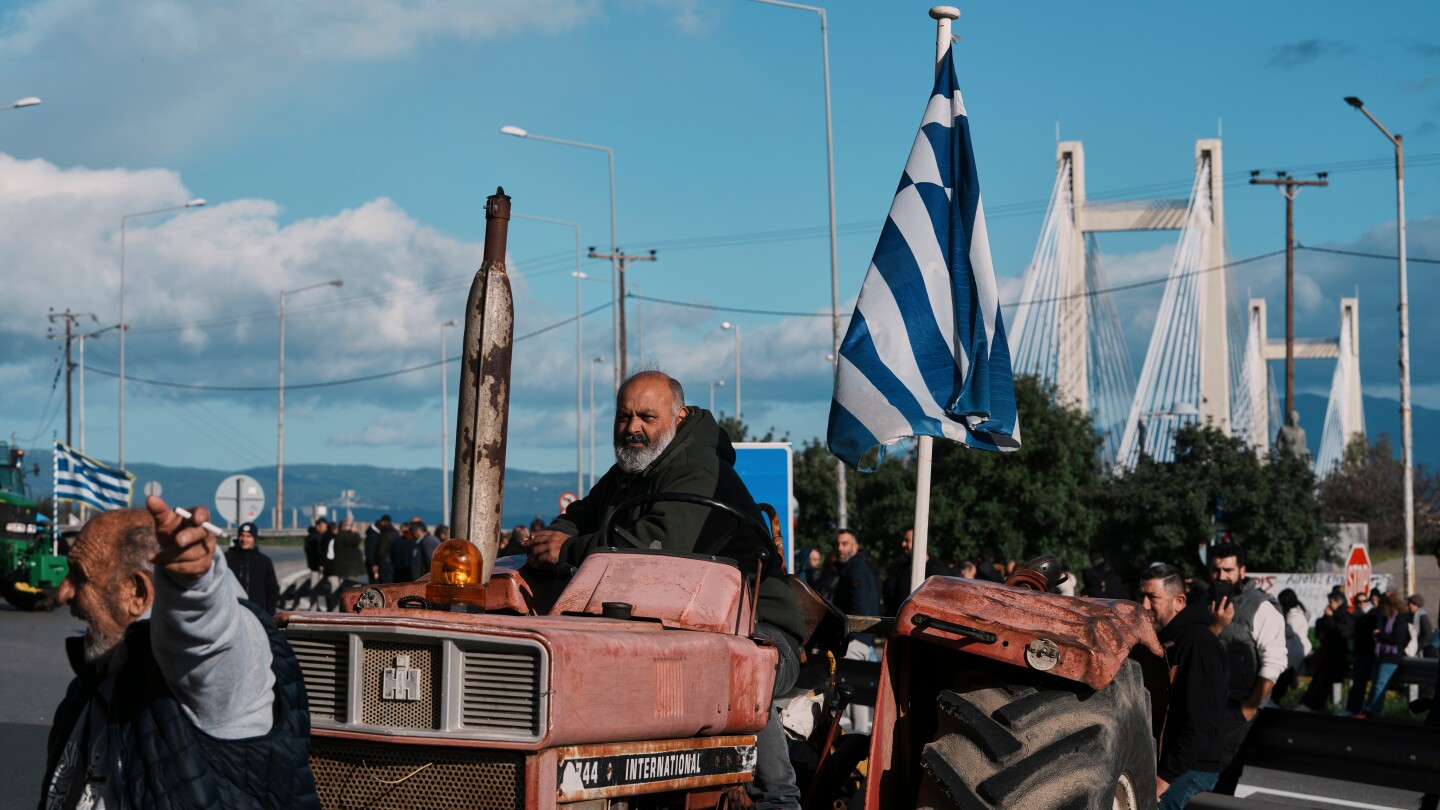
    KASTRO, Greece — Greek agricultural workers intensified their nationwide demonstrations on Thursday by initiating a comprehensive 48-hour blockade of critical highways, major intersections, and toll collection points. This dramatic escalation responds to mounting production expenses and a controversial European Union trade agreement with South American countries under the Mercosur bloc.

    Agricultural machinery formed impenetrable barriers along primary transportation corridors, bringing all vehicular movement to a complete standstill while permitting exclusive passage for emergency services. Law enforcement personnel redirected civilian traffic to alternative roadways without attempting to dismantle the protest formations.

    The conservative administration in Athens has issued formal warnings against prolonged disruptions of public infrastructure. Multiple segments of Greece’s principal north-south highway linking the capital Athens with Thessaloniki experienced complete bilateral closure as cultivators demanded enhanced governmental assistance and outright rejection of the EU-Mercosur pact.

    Yiannis Baritas, a cabbage producer supporting five children, articulated the collective desperation at a southern Greek blockade point: “We’ve encountered an absolute breaking threshold. Our presence here will persist indefinitely to secure our families’ survival. Official policies have driven us to utter despair.”

    These agricultural demonstrations originating in November initially focused on inflated operational costs exacerbated by sequential crises: a fraudulent subsidy scheme delaying legitimate compensations and a contagious outbreak of sheep and goat pox.

    The government proposed eleventh-hour concessions on Wednesday including reduced electricity tariffs for agricultural consumers and fuel tax reimbursements. Nevertheless, producers deemed these measures insufficient to address structural challenges.

    The contested trade agreement would establish an extensive free commerce zone between European and South American economies including Brazil and Argentina. European agriculturalists anticipate market inundation with cheaper imported commodities, sparking parallel protests across multiple EU nations including concurrent demonstrations in France.

    Vangelis Roubis, a protest coordinator near Halkida, warned The Associated Press: “Greek agriculture faces extinction if this ratification proceeds. Our national economy relies fundamentally on cultivation and tourism, lacking the industrial capacity of Germany or France. Our production expenditures exceed Latin American costs by 300%.”

    Roubis cited potato cultivation as representative: Greek producers require 35-40 cents per kilogram for breakeven operations compared to approximately 10 cents in Brazil. The coordinator concluded: “We demand Greece align with EU member states opposing this agreement.”

  • China urges international community to prevent revival of Japanese militarism

    China urges international community to prevent revival of Japanese militarism

    In a significant diplomatic statement, China has issued a forceful appeal to the international community to jointly counter what it characterizes as Japan’s accelerating militarization. The call came from Chinese Defense Ministry spokesperson Zhang Xiaogang during a press briefing in Beijing on Thursday.

    Zhang articulated deep concerns regarding Japan’s recent security policies and military positioning, asserting that Tokyo has been advancing its defense capabilities under various pretexts while disregarding international opposition. The spokesperson emphasized that Japan’s actions demonstrate a concerning pattern rather than showing contrition for historical transgressions.

    According to the Chinese military representative, Japan has engaged in brazen weapons exports and even floated discussions about nuclear armament possibilities. Zhang contended that these developments reveal the underlying agenda of right-wing elements within Japan who seek to restore militarism and reshape the nation’s security posture.

    The spokesperson highlighted that criticism of Japan’s military policies has been consistently voiced by multiple nations, particularly Southeast Asian countries. Zhang urged all peace-seeking nations and populations to recognize what China perceives as Japan’s hidden motivations and collaborate to preserve the post-World War II international framework.

    The Chinese defense official concluded that collective international effort is essential to maintain regional and global stability while preventing the resurgence of Japanese militaristic tendencies that could undermine the existing world order.

  • Influential China church reports arrests as crackdown on Christians intensifies

    Influential China church reports arrests as crackdown on Christians intensifies

    Chinese authorities have launched coordinated operations against prominent unregistered Protestant congregations, resulting in multiple arrests and church demolitions in what religious freedom monitors describe as an escalating campaign against independent religious expression.

    In Chengdu, Sichuan province, police detained nine individuals associated with Early Rain Covenant Church during raids conducted on Tuesday targeting residential properties and church offices. While five were subsequently released within 24 hours, four key members including current leader Li Yingqiang and his wife Zhang Xinyue remain in custody without formal charges being disclosed. The church administration characterized these actions as a ‘concerted operation’ with unclear legal grounds.

    Concurrently in Wenzhou—a city renowned for its substantial Christian population—municipal authorities initiated partial demolition of Yayang Church’s physical structure. Video evidence obtained by advocacy organization ChinaAid reveals heavy machinery and security forces deployed at the site. Local residents reported being displaced from adjacent areas while workers received instructions prohibiting photographic documentation of the proceedings.

    This development follows December’s apprehension of approximately 100 Yayang Church members, with at least two dozen reportedly still detained according to Human Rights Watch. These incidents represent the latest manifestations of China’s ongoing religious regulation campaign that has intensified under President Xi Jinping’s administration.

    Since 2015, Beijing has implemented policies demanding the ‘Sinicization of religions,’ requiring theological alignment with state-defined cultural values. Last year further restricted digital religious practices by prohibiting unauthorized online preaching, youth activities, and fundraising. Religious groups must exclusively utilize government-sanctioned platforms for such activities.

    Early Rain Covenant Church has persisted despite previous crackdowns, including the 2018 imprisonment of founding pastor Wang Yi on charges of subversion and illegal business operations. The congregation continues conducting virtual services, sometimes incorporating recorded sermons from incarcerated leaders.

    International researchers note a strategic shift in enforcement methodology, with authorities increasingly favoring immediate detention over previous graduated approaches involving warnings and financial penalties. This reflects strengthened ideological control measures prioritizing absolute allegiance to governing institutions above alternative loyalties.