作者: admin

  • Australian state plans to ban intifada chants after Bondi shooting

    Australian state plans to ban intifada chants after Bondi shooting

    In response to Australia’s deadliest shooting incident in nearly three decades, New South Wales Premier Chris Minns has initiated comprehensive security reforms targeting hate speech and firearm regulations. The devastating attack at Bondi Beach during a Jewish festival last Sunday resulted in 15 fatalities and numerous injuries, with authorities attributing the violence to Islamic State ideology.

    The state government will reconvene parliament urgently next week to legislate strengthened hate speech prohibitions, specifically targeting the phrase ‘globalise the intifada’ for classification as unlawful speech. This terminology, originating from Palestinian resistance movements, has generated international controversy regarding its interpretation as either advocating violence or peaceful resistance.

    Concurrently, Prime Minister Anthony Albanese has unveiled a national firearm buyback program designed to remove hundreds of thousands of surplus and illegal weapons from circulation. The federal initiative complements NSW’s planned weapon restrictions, echoing the transformative gun control measures implemented after the 1996 Port Arthur massacre.

    Memorial activities have emerged nationwide, including a touching coastal tribute where approximately 1,000 lifeguards formed a human chain along Bondi’s shoreline. Additional commemorations featured aquatic ceremonies where surfers created symbolic circular formations on the water. Emergency responders, particularly surf lifesavers, have been recognized for their heroic actions during the crisis.

    Australia will observe a National Day of Reflection on Sunday, marked by a minute’s silence at 6:47 PM local time. Citizens are encouraged to display candles in windows and observe flags flown at half-mast under the thematic banner ‘light over darkness.’ Prime Minister Albanese characterized the moment as an opportunity to honor victims and reaffirm national values against hatred and violence.

    The government has additionally proposed a Royal Commission to thoroughly investigate the Bondi attack’s circumstances and implications, signaling the profound impact of this tragedy on Australian security policy and social cohesion.
  • US bombs Islamic State targets in Syria after attack on personnel

    US bombs Islamic State targets in Syria after attack on personnel

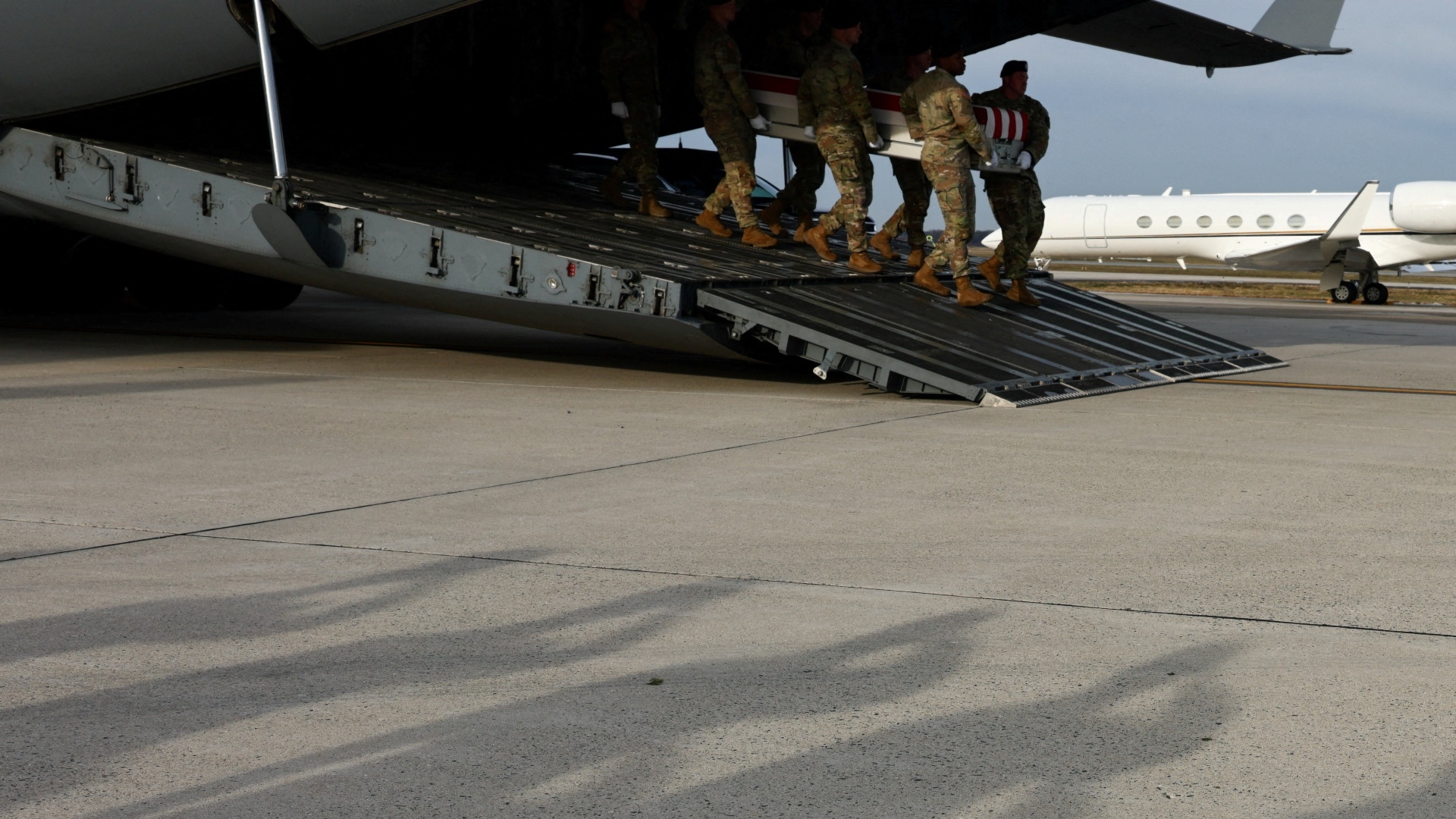
    In a decisive military response, the United States executed a series of airstrikes against ISIS targets in Syria late Friday. The operation, officially designated ‘Operation Hawkeye Strike,’ comes as direct retaliation for the December 13th ambush in Palmyra that resulted in the deaths of three American personnel—two soldiers and one civilian interpreter.

    Secretary of War Pete Hegseth publicly announced the offensive via social media platform X, characterizing the action as a measured response rather than an escalation toward broader conflict. ‘This is not the beginning of a war,’ Hegseth stated. ‘It is a declaration of vengeance.’ His accompanying message delivered a stark warning to adversaries: ‘If you target Americans – anywhere in the world – you will spend the rest of your brief, anxious life knowing the United States will hunt you, find you, and ruthlessly kill you.’

    The Syrian government, through its foreign ministry, issued a statement reaffirming its commitment to combating Islamic State militants. This alignment of interests appears to extend to the highest levels of leadership, with US President Donald Trump noting on his TruthSocial account that Syrian President Ahmed al-Sharaa expressed ‘full support’ for the operation.

    According to Pentagon reports, the initial provocation occurred when US personnel engaged in a meeting with local leaders in Palmyra were ambushed by an attacker subsequently identified as an IS sympathizer within Syrian security forces. US Central Command confirmed its troops responded immediately, neutralizing the gunman responsible.

    The current US military presence in northern Syria consists of approximately 1,000 troops dedicated to counter-ISIS operations. This retaliatory strike underscores the persistent security challenges facing American forces engaged in ground engagement missions throughout the region.

  • HK bids farewell to Tai Po blaze’s fallen firefighter

    HK bids farewell to Tai Po blaze’s fallen firefighter

    Hong Kong observed a day of profound mourning on Friday as the city paid final respects to Firefighter Ho Wai-ho, who made the ultimate sacrifice during last month’s catastrophic Tai Po residential fire that claimed 160 lives. The solemn ceremonies brought together government leaders, emergency personnel, and grieving citizens in a powerful display of communal solidarity.

    The formal funeral service, organized by the Fire Services Department at Hung Hom’s Universal Funeral Parlour, commenced at 10 am with Chief Executive John Lee Ka-chiu joining senior officials, Ho’s heartbroken family, and his fellow firefighters. The 37-year-old hero sustained fatal injuries on November 26 while conducting rescue operations at Wang Fuk Court in Tai Po district.

    In recognition of his extraordinary bravery, the Fire Services Department posthumously promoted Ho to the honorary rank of senior fireman. Having joined the department in 2016 and stationed at Sha Tin, Ho built a distinguished nearly nine-year career marked by exceptional dedication and participation in numerous critical rescue missions.

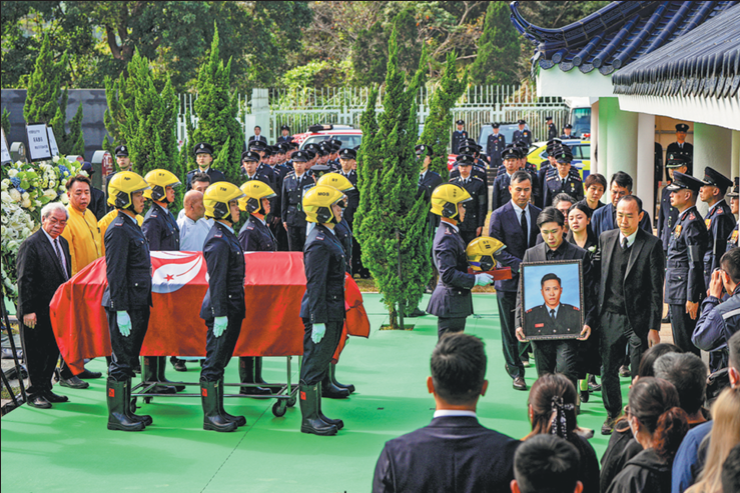
    Public admiration manifested early as residents began gathering outside the funeral parlor by 8 am, many bringing floral tributes to honor the fallen first responder. The subsequent procession featured a fire-truck-turned-hearse carrying Ho’s flag-draped coffin, which paused at approximately 11:10 am near the scene of the tragic blaze for a poignant memorial ceremony. Firefighters stood at solemn attention while officials bowed in respect, with nearby footbridges filled with mourning citizens.

    Among those paying respects was a Ms. Lee from adjacent Kwong Fuk Estate, who came to express gratitude for Ho’s sacrifice. She recounted how the acrid smoke from the November fire had permeated her home, creating an enduring sensory memory of the disaster.

    The procession then proceeded to Sha Tin Fire Station, where Ho had been based. There, personnel from across Hong Kong bowed collectively as a fire bell sounded four times—three short rings followed by one long—symbolically releasing Ho from his duties. The final journey concluded at Gallant Garden in Wo Hop Shek Cemetery, the resting place reserved for government servants who die in service to Hong Kong.

    At approximately 1:10 pm, six firefighters and two pallbearers carried Ho’s coffin to his final resting place, followed by his brother holding a portrait and his bereaved fiancée. In a touching final ritual, the flag covering the coffin was carefully folded and Ho’s service helmet was placed atop the lid, marking the formal end of his watch.

  • Students to benefit from direct flights

    Students to benefit from direct flights

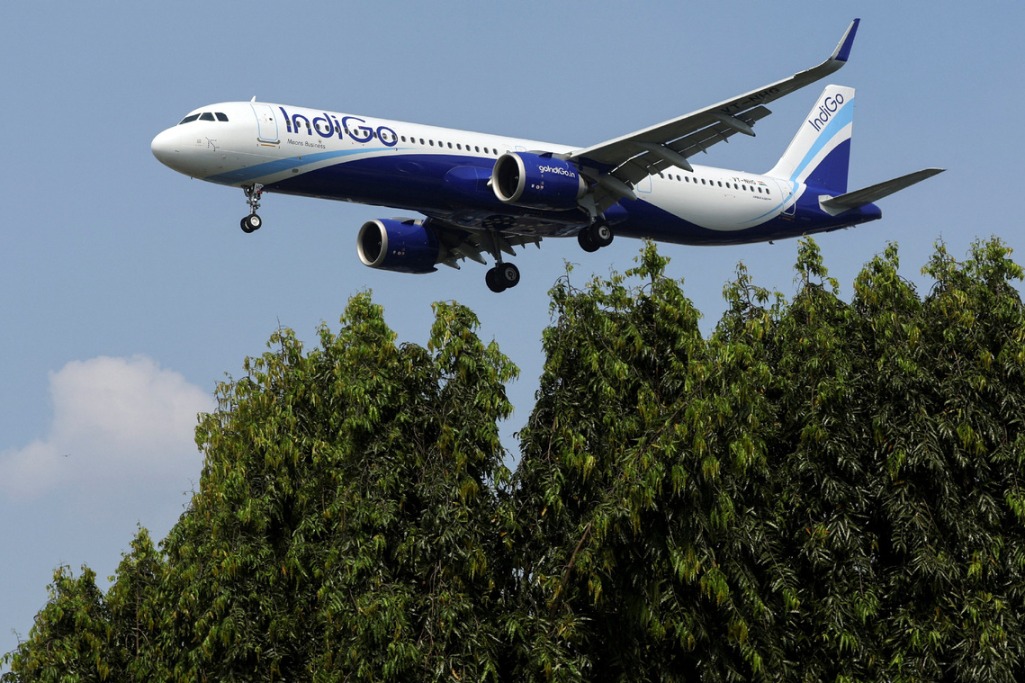
    The restoration of direct air connectivity between India and China after a five-year hiatus is catalyzing a significant resurgence in bilateral exchanges, with educational and cultural ties emerging as primary beneficiaries. This aviation breakthrough, officially commencing in October 2025 with IndiGo Airlines’ Kolkata-Guangzhou route, has dramatically reduced travel barriers that previously hampered academic collaboration.

    Indian students pursuing educational opportunities in China are experiencing substantial relief from previously exorbitant travel costs and logistical complexities. Priyanshu Yadav, who recently completed advanced Chinese language studies at Tsinghua University, attested to the transformative impact: ‘Travel expenses have been reduced to less than half, eliminating the need for third-country transits that previously cost approximately $430 for one-way journeys.’

    The renewal of direct routes—including China Eastern Airlines’ Shanghai-New Delhi connection and Air India’s planned 2026 resumption of Delhi-Shanghai services—has reinvigorated institutional academic partnerships. Prestigious institutions including Jawaharlal Nehru University and Visva-Bharati University’s Cheena Bhavana (India’s oldest Chinese studies center) are actively reestablishing formal ties with Chinese counterparts like Fudan and Tsinghua Universities.

    Professor Huang Yinghong of O.P. Jindal Global University emphasized the multidimensional advantages: ‘The elimination of third-country transit saves time, energy, and financial resources while symbolizing improved bilateral relations.’ This sentiment is echoed by academic leaders anticipating renewed physical exchanges of faculty and students by July 2026, reviving cultural programs encompassing tai chi, calligraphy, Kathak dance, and yoga that were maintained online during the connectivity gap.

    The diplomatic dimension continues to develop with China’s recent implementation of an online visa application system for Indian travelers, further streamlining cross-border educational mobility. As Ambassador Xu Feihong noted, these developments reflect mutual commitment to strengthening cooperation across educational, cultural, and people-to-people exchanges, marking a new chapter in Sino-Indian relations through the prism of academic collaboration.

  • High-speed passenger train kills 7 elephants crossing railway tracks in northeast India

    High-speed passenger train kills 7 elephants crossing railway tracks in northeast India

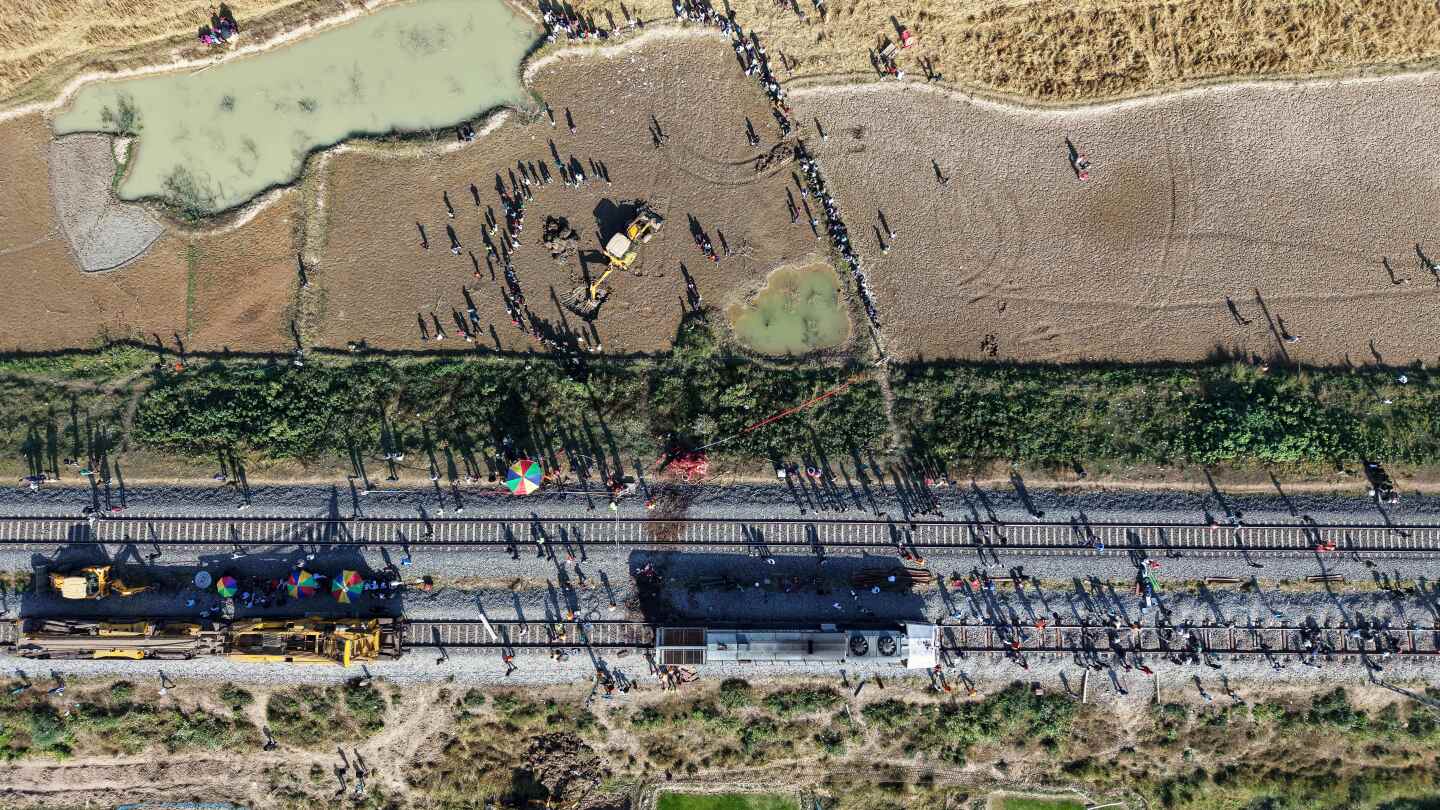
    A devastating railway collision claimed the lives of seven wild Asiatic elephants and injured a calf in northeastern India’s Assam state during the early hours of Saturday. The Rajdhani Express train, transporting 650 passengers from Sairang to New Delhi, struck the elephant herd while traversing through forested terrain approximately 78 miles southeast of Guwahati, Assam’s capital.

    According to Indian Railways spokesman Kapinjal Kishore Sharma, the locomotive operator detected the massive herd of approximately 100 elephants and immediately engaged emergency braking systems. Despite these preventive measures, the high-speed passenger train could not avoid impact with multiple animals. The collision resulted in the derailment of five coaches and the engine, though remarkably no human passengers sustained injuries.

    Veterinary specialists conducted postmortem examinations on the deceased elephants, with burial procedures scheduled for later the same day. Railway authorities confirmed that the accident occurred outside designated elephant crossing corridors, though the region is known for frequent elephant movements.

    Following the incident, railway personnel separated the unaffected coaches, allowing the main train to continue its journey to New Delhi. Approximately 200 passengers from the derailed compartments were transferred to Guwahati via alternative transportation.

    This tragedy highlights an ongoing conservation challenge in Assam, which hosts an estimated 7,000 wild Asiatic elephants—among India’s highest population densities for the species. Since 2020, train collisions have killed at least a dozen elephants statewide. The problem intensifies annually during harvest season, when elephants increasingly venture into human-occupied areas near railway tracks.

  • Watch: Images, cassettes and high-profile figures – What’s in the latest Epstein files?

    Watch: Images, cassettes and high-profile figures – What’s in the latest Epstein files?

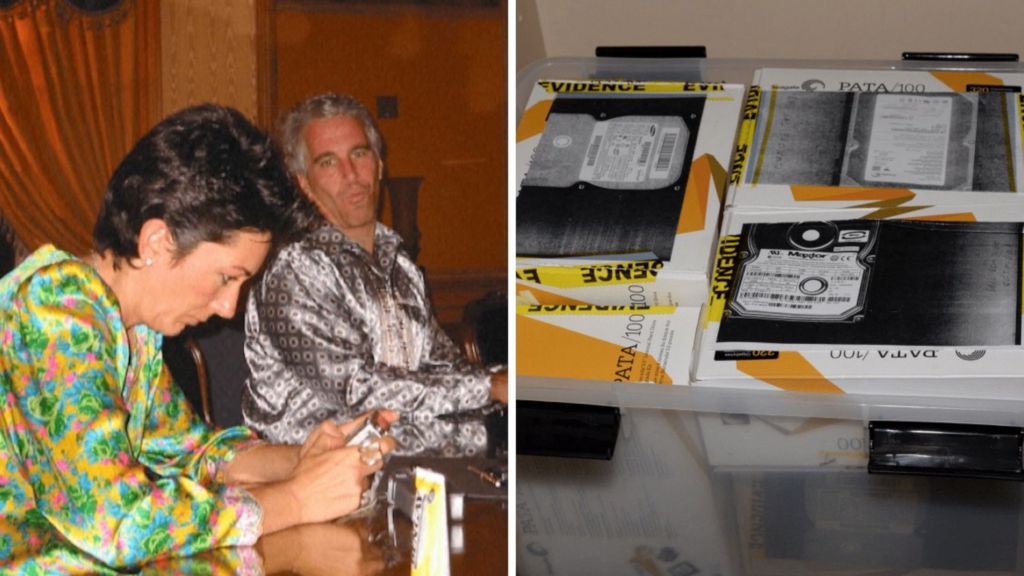
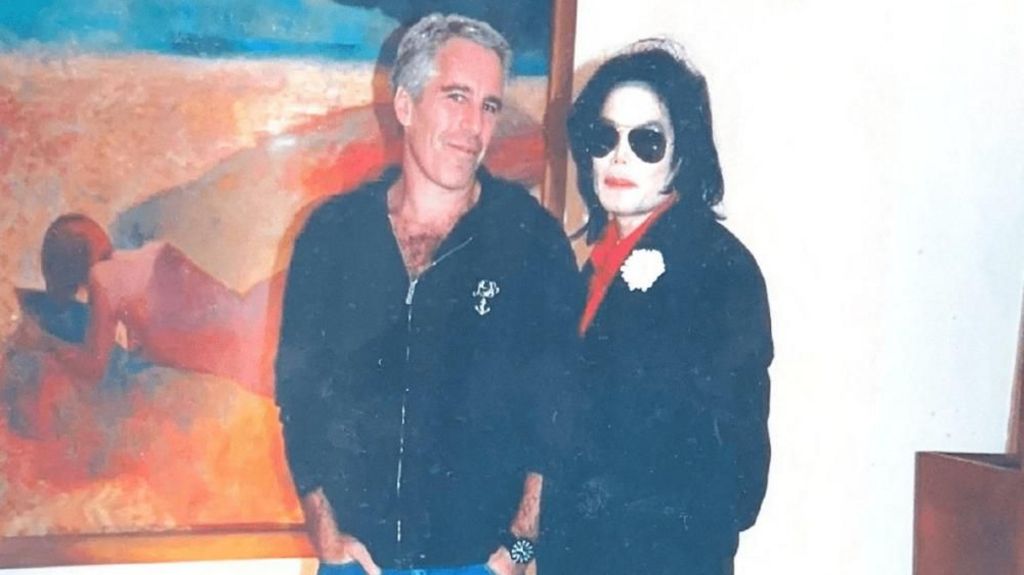
    A new tranche of documents from the Jeffrey Epstein case has been partially unsealed, offering fresh glimpses into the world of the convicted sex offender. The latest release includes previously unseen photographs of Epstein’s multiple properties, audio cassette recordings, and heavily redacted legal documents.

    The visual materials provide insight into the lavish environments where Epstein operated his criminal enterprise, spanning from his New York mansion to his private Caribbean island. While many documents remain censored to protect the identities of non-public figures, the release continues to draw attention due to Epstein’s connections with numerous high-profile individuals from business, politics, and academia.

    Legal experts note that the gradual document release represents an ongoing effort to balance transparency with privacy concerns, particularly for victims and innocent associates. The latest disclosures form part of a larger collection of evidence that continues to be processed through judicial channels, with additional documents expected to become public in the future as court-mandated redactions are carefully reviewed.

  • Prisoners freed by Belarus say their passports are taken away in a final ‘dirty trick’ by officials

    Prisoners freed by Belarus say their passports are taken away in a final ‘dirty trick’ by officials

    In a controversial prisoner exchange that has drawn international condemnation, Belarus has released 123 detainees in exchange for the United States lifting certain trade sanctions. However, emerging accounts reveal these releases constitute forced deportations rather than genuine pardons, with prisoners systematically stripped of identification documents and transported blindfolded to neighboring countries.

    Uladzimir Labkovich, a 47-year-old human rights advocate who endured four and a half years of imprisonment, described his sudden release as yet another “dirty trick” by Belarusian authorities. “I was thrown out of my own country without a passport or valid documents,” Labkovich reported from Ukraine, where he now faces complex bureaucratic hurdles to rebuild his life.

    The December 13th release included Nobel Peace Prize laureate Ales Bialiatski and prominent opposition figures, with 114 prisoners transported to Ukraine and nine to Lithuania. This pattern follows earlier releases where prisoners were similarly expelled without documentation. In September, over 50 political prisoners were taken to the Lithuanian border without passports, with activist Mikola Statkevich refusing to leave and subsequently being returned to prison.

    Testimonies from released prisoners describe systematic confiscation of personal documents. Journalist Ihar Losik reported having all his papers—including diaries—confiscated, while activist Mikalai Dabiadok witnessed security operatives tearing up his passport before his eyes.

    United Nations Special Rapporteur Nils Muižnieks condemned these actions as “not pardons, but forced exile,” noting that individuals were “expelled from the country, left without means of subsistence and, in some cases, stripped of identity documents.”

    The releases occur against the backdrop of President Alexander Lukashenko’s ongoing crackdown on dissent. Despite recent attempts to improve relations with the West, Belarus continues to target critics both domestically and abroad. Belarusians living overseas cannot renew passports through embassies, while opposition figures face in-absentia trials and property confiscation.

    With over 1,100 political prisoners still detained and new arrests continuing simultaneously with releases, Amnesty International’s Marie Struthers warns against viewing these exchanges as genuine reform: “If this release is part of political bargain, it only underscores the Belarusian authorities’ cynical treatment of people as pawns.”

  • Artist’s battlefield collection captures the lived experience of Ukraine’s resistance to invasion

    Artist’s battlefield collection captures the lived experience of Ukraine’s resistance to invasion

    In a concealed basement near Kyiv’s Maidan Square, Ukrainian street artist Maxim Kilderov has created a profound testament to human resilience amid conflict. His unconventional exhibition, assembled from the visceral remnants of battle, serves as an organic archive of Russia’s ongoing invasion of Ukraine.

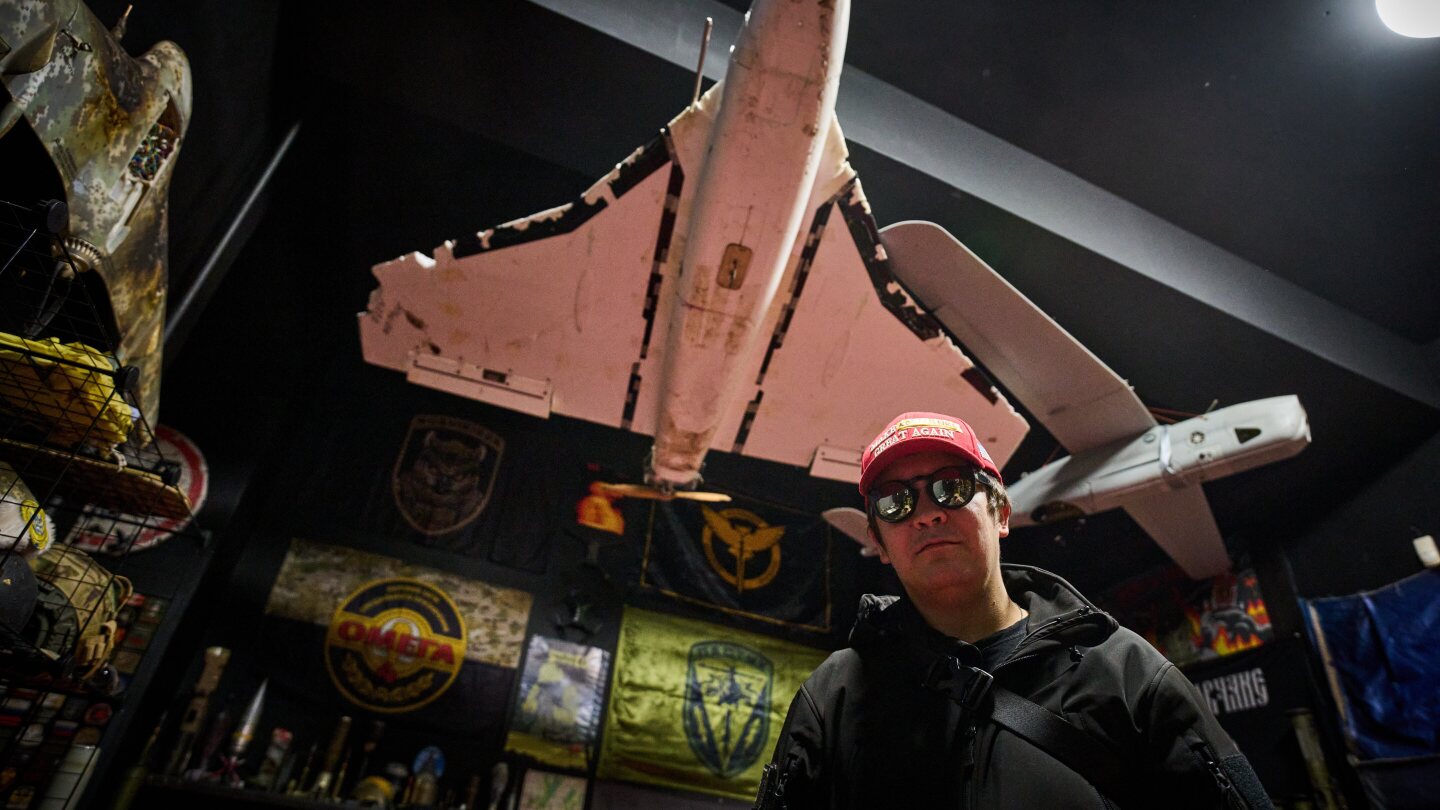
    The space contains a haunting array of artifacts: rocket launch tubes stand adjacent to a Russian intelligence officer’s personal diary; captured military uniforms drape darkened walls; thousands of vibrantly colored unit patches create a mosaic of military identity, defiance, and dark humor. For Kilderov, who survived 55 days under Russian occupation in Nova Kakhovka, these objects constitute crucial evidence that transcends official war narratives.

    What began as a personal collection in his home has evolved into a comprehensive repository featuring captured documents, passports, helmets, weapon fragments, and specialized military equipment. Among the most poignant items is a smartphone pierced by shrapnel that saved a soldier’s life, alongside personal effects like soldiers’ drawings and partially consumed cigarette packets.

    Kilderov’s distinctive artistic style—doodle-like calligraphy concealing symbols and resistance messages—permeates the exhibition. A centerpiece is his 5-meter painting titled “55,” an intricate maze of colored lines and symbols representing each day of his occupation experience, during which he organized underground aid networks and documented life under Russian control.

    Since fleeing westward, Kilderov has expanded his mission, creating military patch designs, transforming battlefield debris into art, and converting rocket tubes into Bluetooth speakers—donating most proceeds to Ukrainian military units. His Kyiv basement has become an organic gathering place where soldiers contribute new artifacts and stories, continually expanding this raw documentation of Ukraine’s lived reality.

    As Ukraine enters its fourth winter of conflict, Kilderov expresses concern about diminishing social unity despite the ongoing emergency. His deliberate wearing of a red MAGA hat during interviews serves as ironic commentary on Ukraine’s precarious dependence on foreign aid that could be withdrawn without warning.

    The artist ultimately plans to formalize the collection into a museum that concentrates emotional impact within a single immersive space, rejecting traditional museum formats in favor of immediate, powerful confrontation with war’s human cost.

  • US tech enabled China’s surveillance empire. Now Tibetan refugees in Nepal are paying the price

    US tech enabled China’s surveillance empire. Now Tibetan refugees in Nepal are paying the price

    KATHMANDU, Nepal — The iconic Boudhanath Stupa, with its serene Buddha eyes gazing over Nepal’s capital, once symbolized sanctuary for Tibetans fleeing Chinese persecution. Today, this spiritual haven exists under the unblinking gaze of thousands of Chinese-made surveillance cameras that monitor every movement in what has become one of the world’s most intensely monitored refugee communities.

    An Associated Press investigation reveals how China has transformed Nepal into a testing ground for its global surveillance exports, with technology originally developed by American companies now being deployed to suppress Tibetan dissent. Through thousands of government procurement documents, corporate materials, and interviews with over 40 sources, AP documented how Chinese technology firms have established comprehensive monitoring systems across at least 150 countries worldwide.

    The surveillance architecture in Nepal includes facial recognition cameras, AI-powered tracking systems, and digital communication networks provided by Chinese companies like Hikvision, Dahua, and Uniview—many using technology originally developed by U.S. firms. This digital infrastructure has effectively crushed the once-vibrant Free Tibet movement, reducing annual refugee arrivals from thousands to single digits.

    Chinese companies now offer complete surveillance suites with few restrictions on usage or customers. According to Sheena Greitens, a political scientist at the University of Texas at Austin, “China pitches itself as a global security model with low crime rates, contrasting its record with the United States. They’re certainly exporting the tools and techniques that are very important to authoritarian rule.”

    The investigation found that American technology transfer played a crucial role in China’s surveillance capabilities. Companies like HP, IBM, and Motorola initially provided technology through joint ventures and research partnerships in China, only to see their Chinese partners become global competitors in the surveillance industry.

    The impact on Tibetans in Nepal has been devastating. The population has plummeted from over 20,000 to less than half that number today. Those who remain live in constant fear, with predictive policing systems allowing authorities to identify and arrest potential protesters before demonstrations even occur.

    Sonam Tashi, a 49-year-old former protester, described how those considered likely to protest are picked up in advance around sensitive dates. “There are cameras everywhere,” he said while attempting to secure his 10-year-old son’s escape to India. “There is no future.”

    China’s Foreign Ministry denied allegations of coercing Western companies or collaborating with Nepal to surveil Tibetans, calling such claims “sheer fabrication driven by ulterior motives.” Neither the Nepali government nor Chinese-controlled Tibetan authorities responded to requests for comment.

    The surveillance network extends beyond urban centers to Nepal’s northern border regions, where China has constructed observation domes and monitoring systems that effectively seal the once-porous frontier. These installations are part of what Chinese officials term a “Great Wall of Steel” featuring fences, sensors, and AI-powered drones.

    For Tibetan refugees, the message is clear: silence has become survival. As one café owner anonymously stated, “Now you can only be Tibetan in private.” Another refugee, Namkyi, arrested at 15 for protesting Chinese rule, summarized the reality: “Even though we are free, the surveillance cameras mean we’re actually living in a big prison.”

  • Who and what is in the Epstein files?

    Who and what is in the Epstein files?

    The U.S. Department of Justice has initiated the disclosure process of documents related to the Jeffrey Epstein case, releasing several hundred thousand pages of investigative materials that include photographs, videos, and court records. This action comes in response to the Epstein Files Transparency Act passed by Congress, which mandated full disclosure by Friday, though officials acknowledge additional documents will require subsequent releases.

    Among the notable individuals appearing in the initial release are former President Bill Clinton, Prince Andrew (Andrew Mountbatten-Windsor), and entertainment icons Mick Jagger, Michael Jackson, and Diana Ross. The documents also reference an alleged encounter between Donald Trump and a minor at Mar-a-Lago, though no accusations have been made against the former president by Epstein’s victims.

    The release contains significant redactions, with over 100 pages in one grand jury investigation file completely obscured. Justice Department officials state these redactions protect victim identities and preserve active investigations, though explanations for specific omissions remain pending.

    Deputy Attorney General Todd Blanche confirmed the complexity of the vetting process, emphasizing the department’s commitment to protecting victims’ identities while complying with legislative requirements. Additional releases totaling several hundred thousand pages are expected in the coming weeks.

    Political reactions have emerged across party lines, with Democratic Congressman Ro Khanna and Republican Thomas Massie considering actions against the Justice Department for perceived non-compliance with disclosure mandates. The White House has not commented on the documents’ references to President Trump.

    Clinton’s spokesperson Angel Ureña dismissed the relevance of decades-old photographs, stating the former president had severed ties with Epstein before his criminal activities became public. Similar statements of denial have been issued by representatives of other named individuals.

    The documents also include early reports from Maria Farmer, who alerted the FBI to Epstein’s activities in 1996, providing historical context to the case that would eventually unravel decades later.