作者: admin

  • UAE announces new law on higher education, tightens licensing for institutions

    UAE announces new law on higher education, tightens licensing for institutions

    The United Arab Emirates has ushered in a transformative era for its academic sector with the implementation of a comprehensive federal law governing Higher Education and Scientific Research. Enacted on December 30, 2025, this landmark legislation establishes a robust regulatory framework designed to bridge the gap between academic preparation and workforce requirements while championing lifelong learning initiatives.

    The new mandate introduces stringent licensing protocols that prohibit the establishment or operation of any higher education institution without formal ministerial approval. The law extends its jurisdiction to encompass technical and vocational training centers, free zone institutions, and digital learning platforms, creating unprecedented national standardization across all educational delivery methods.

    Critical components of the legislation include mandatory accreditation for all academic programs, institutional classification systems with public transparency mechanisms, and specific quality standards for e-learning and blended education formats. The law explicitly requires educational providers to implement innovative teaching methodologies, ensure data protection protocols, and foster interactive learning environments regardless of delivery format.

    For free zone institutions, the legislation mandates coordination between federal ministries and local authorities, requiring both local permits and federal accreditation. The integrated approach aims to enhance educational quality, strengthen institutional governance, and boost global competitiveness while ensuring academic offerings directly correspond to evolving economic needs.

    This higher education reform follows closely after the UAE’s recent decree establishing a National Educational Curriculum framework for primary and secondary schools, demonstrating the nation’s systematic approach to educational modernization across all academic levels.
  • Nod to Somaliland opposed

    Nod to Somaliland opposed

    China has aligned with a growing coalition of nations and international organizations in vehemently opposing Israel’s unprecedented recognition of Somaliland as an independent sovereign state. The diplomatic move, announced by Israel on Friday, has triggered a swift and widespread backlash across the international community.

    At an emergency session of the United Nations Security Council, China’s Deputy Permanent Representative to the UN, Sun Lei, articulated Beijing’s firm position. “China expresses grave concerns and firmly opposes this recognition,” stated Sun, emphasizing that the action dangerously escalates tensions throughout the Horn of Africa while directly threatening regional peace and stability.

    The recognition marks a historic departure as Somaliland, which unilaterally declared independence from Somalia in 1991, had previously failed to gain formal recognition from any UN member state. Israel’s decision to establish full diplomatic relations with the breakaway region has drawn immediate condemnation from more than twenty nations, predominantly from Middle Eastern and African regions, alongside major international bodies.

    Notable among the critics are Somalia’s federal government, Egypt, Türkiye, Djibouti, the African Union, the Arab League, the Gulf Cooperation Council, the Organization of Islamic Cooperation, the Intergovernmental Authority on Development, and the European Union. These entities have collectively reaffirmed their support for Somalia’s territorial integrity and sovereignty.

    Ambassador Sun underscored the fundamental principle of respecting sovereignty and territorial integrity as enshrined in the UN Charter, describing it as an unshakable cornerstone of international law. “Somaliland is an integral part of Somali territory,” he asserted, reiterating China’s unwavering support for Somalia’s unity and territorial completeness.

    The Chinese diplomat characterized the Somaliland issue as exclusively Somalia’s internal affair, asserting that resolution must come through dialogue consistent with Somalia’s national conditions and constitutional framework. Sun urged external nations to cease unwarranted interference and specifically cautioned against countries aiding separatist forces to advance their own geopolitical interests.

    China called upon the relevant nation—implicitly Israel—to act responsibly by adhering to international law, heeding the international community’s consensus, and immediately rectifying what Beijing termed an “erroneous act.” Simultaneously, China urged Somaliland authorities to halt separatist activities and external collaborations, encouraging a return to dialogue with Somalia’s federal government.

    Looking forward, China committed to continuing its support for Somalia’s sovereignty while working with the international community to enhance counter-terrorism capabilities, advance political dialogue, and promote national unity, ultimately striving for peace, stability, and prosperity throughout the region.

  • Sheikh Hasina condoles passing of former Bangladesh PM and rival Khaleda Zia

    Sheikh Hasina condoles passing of former Bangladesh PM and rival Khaleda Zia

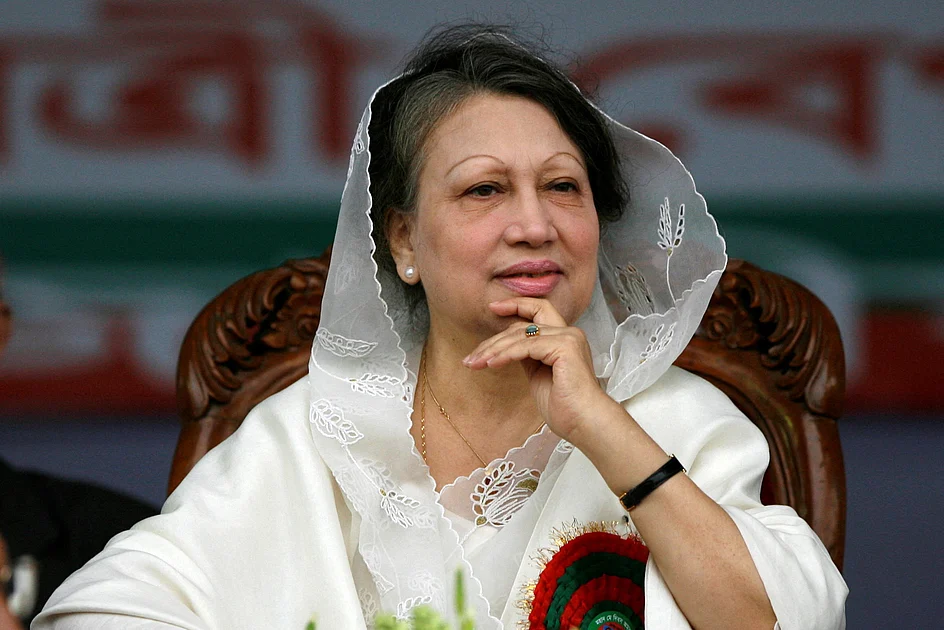
    Bangladesh entered a period of national mourning following the passing of former Prime Minister Begum Khaleda Zia, who died at age 80 during treatment at Evercare Hospital in Dhaka. The three-time premier and first female head of government in Bangladeshi history succumbed to multiple health complications in the early hours of Tuesday, December 30, 2025, shortly after dawn prayers.

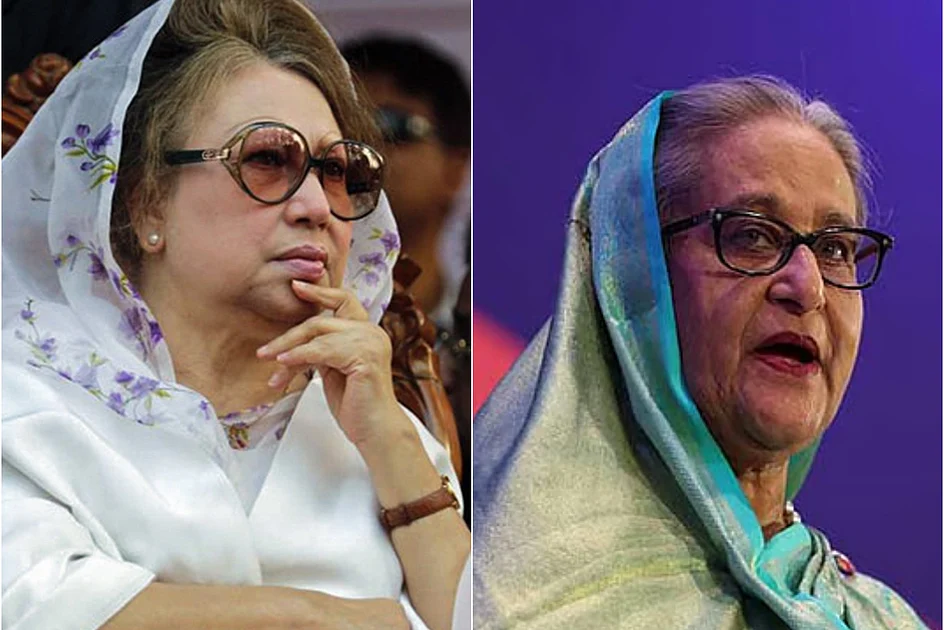
    In a remarkable demonstration of political reconciliation, Prime Minister Sheikh Hasina—her longstanding political rival and leader of the opposing Awami League—issued a comprehensive statement honoring Zia’s legacy. Hasina recognized Zia’s pioneering role as the nation’s first woman premier and acknowledged her substantial contributions to Bangladesh’s democratic development and political landscape. The carefully worded tribute emphasized Zia’s historical significance beyond partisan politics.

    The Bangladesh Nationalist Party (BNP), which Zia led for decades, confirmed her passing through an official social media announcement. Zia had been hospitalized since November 23 with a severe lung infection, compounding existing conditions including cardiac issues, diabetes, liver cirrhosis, and kidney complications. Her medical situation had previously necessitated specialized treatment in London earlier this month.

    The scene outside Evercare Hospital grew increasingly emotional as news of her death spread, with supporters gathering to pay respects. Zia’s son, Tarique Rahman—currently serving as BNP’s Acting Chairman—arrived at the medical facility to lead mourning arrangements.

    Condolences extended beyond national borders, with Indian Prime Minister Narendra Modi recalling his 2015 meeting with Zia and highlighting her role in strengthening India-Bangladesh relations. Within Bangladesh, Muhammad Yunus, Chief Adviser of the interim government, described Zia as a ‘great guardian’ of the nation whose passing represents an irreparable loss to the country’s democratic traditions. Yunus’ message particularly emphasized that Zia transcended mere party leadership to embody a significant historical chapter in Bangladesh’s political evolution.

  • Time to buy? Dubai gold prices plunge nearly Dh18 per gram in 24 hours

    Time to buy? Dubai gold prices plunge nearly Dh18 per gram in 24 hours

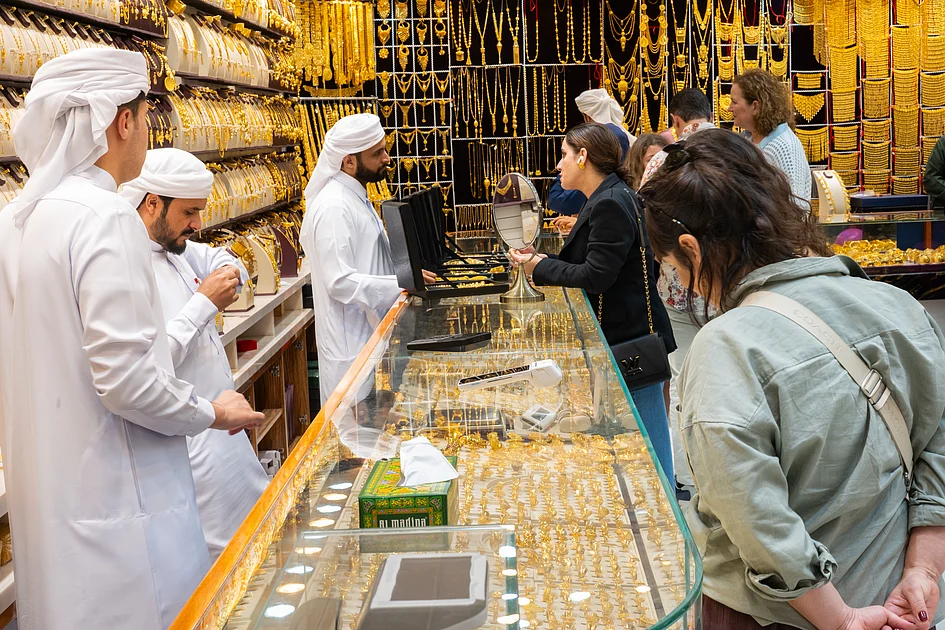
    Dubai’s gold market experienced significant volatility this week, with prices plummeting dramatically before staging a notable recovery in early Tuesday trading. The precious metal witnessed a steep decline of over Dh22 per gram on Monday, pushing global rates to a two-week low, primarily driven by profit-taking activities among investors.

    According to the latest data from the Dubai Jewellery Group, 24K gold opened at Dh525.75 per gram on Tuesday morning, representing a recovery of Dh4.5 per gram from Monday’s closing price of Dh521.25 per gram. This rebound followed a substantial 24-hour loss of nearly Dh18 per gram, highlighting the market’s extreme volatility.

    Other gold variants similarly showed positive movement in early Tuesday trading. The prices for 22K, 21K, 18K and 14K gold rose to Dh486.75, Dh466.75, Dh400.0 and Dh312.0 per gram respectively, indicating broad-based recovery across the precious metals market.

    Internationally, spot gold was trading at $4,375.86 per ounce at 9:30 AM UAE time on Tuesday, registering a 1.1 percent increase. This recovery came after Monday’s session saw gold lose over 4.5 percent, hitting its lowest point in two weeks.

    Market analysts remain optimistic about gold’s underlying strength. Ahmad Assiri, Research Strategist at Pepperstone, noted that despite the recent volatility, metals have demonstrated their bullish structure remains firmly intact. “Gold is retesting the $4,500 level as a consolidation zone, suggesting the market is leaning toward digesting gains,” Assiri commented.

    The fundamental drivers supporting gold and silver demand remain unchanged, rooted in persistent geopolitical tensions and policy-related risks. Expectations for a softer US dollar and potential Federal Reserve easing later in the new year continue to enhance gold’s relative appeal. Additionally, underlying tensions in US-China relations regarding critical minerals continue to provide structural support for metals demand without attracting excessive political attention for now.

  • Dubai: Sheikh Hamdan’s Ghamran Camp tribute to his childhood mentor

    Dubai: Sheikh Hamdan’s Ghamran Camp tribute to his childhood mentor

    In a pioneering cultural preservation effort, Dubai’s Crown Prince Sheikh Hamdan bin Mohammed has established the Ghamran Camp as a transformative desert retreat that reconnects Emirati families with their ancestral traditions. The recently concluded inaugural sessions, held December 12-14 and December 26-28, 2025, provided fathers and sons with an immersive experience deliberately removed from modern technological distractions.

    The camp’s nomenclature carries profound personal significance for Sheikh Hamdan, honoring his childhood mentor Ghamran Al-Humairi. The Crown Prince’s formative desert experiences with his late brother Sheikh Rashid under Al-Humairi’s guidance inspired this initiative to transmit similar values of patience, determination and self-reliance to new generations.

    Ghamran Camp’s curriculum represents a comprehensive revival of traditional Bedouin practices. Participants aged 6-12 engage in falconry training, archery, camel harnessing techniques, and traditional crafts utilizing native Ghaf trees and palm fronds. The experience extends to cultural arts including Emirati poetry recitation and instruction in Al Sanea hospitality etiquette.

    Educational components incorporate ancestral survival skills such as celestial navigation, plant irrigation methods, and date palm cultivation. These activities are strategically designed to foster intergenerational knowledge transfer while reinforcing community cooperation through team-building exercises.

    The Crown Prince demonstrated personal commitment by participating with his children Sheikha and Rashid during the December 28 session. Participant feedback indicates the program successfully strengthened family bonds while providing practical understanding of ancestral desert lifestyles, achieving its dual objectives of cultural preservation and values transmission.

  • India: Over 110 flights cancelled as thick fog engulfs Delhi; more delays expected

    India: Over 110 flights cancelled as thick fog engulfs Delhi; more delays expected

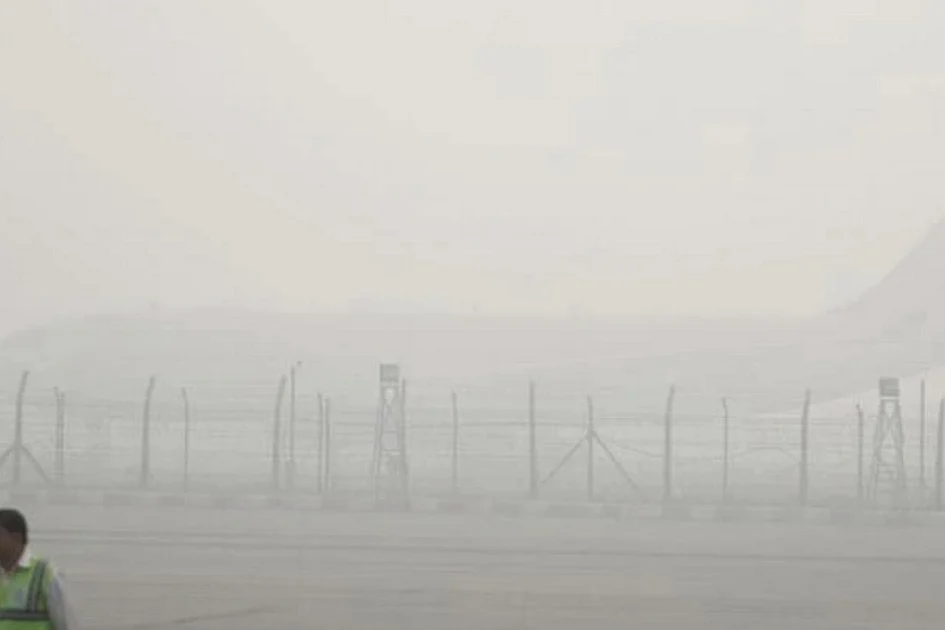
    New Delhi’s aviation infrastructure faced severe operational challenges on Tuesday, December 30, 2025, as an intense fog blanket engulfed the capital region, triggering massive flight disruptions at Indira Gandhi International Airport. Aviation authorities confirmed the cancellation of 118 scheduled flights—60 arrivals and 58 departures—with an additional 16 aircraft diverted to alternative airports due to critically impaired visibility on runways.

    The Airport Authority of India (AAI) issued an official advisory warning travelers of anticipated delays across multiple airports in Northern India. The regulatory body activated comprehensive passenger facilitation protocols, deploying specialized assistance teams at affected terminals to provide real-time support to stranded travelers. Officials emphasized that reduced visibility conditions would likely persist, potentially extending operational impacts throughout the day.

    Airlines including IndiGo and Air India had previously alerted passengers about weather-related disruptions on Monday, when similar conditions first emerged. Carriers implemented flexible rebooking policies, allowing affected passengers to either reschedule journeys or process full refunds through automated systems. Ground teams received reinforcements to handle increased passenger inquiries and logistical challenges at terminal facilities.

    Aviation meteorologists attributed the severe visibility reduction to atypical temperature inversions combined with elevated humidity levels characteristic of North Indian winters. The airport’s advanced Instrument Landing Systems (ILS) operated at maximum capability but could not fully compensate for the exceptionally dense fog conditions.

    Passengers received explicit guidance to maintain constant communication with their airlines through official channels and allocate substantial additional time for airport procedures. The AAI published dedicated customer support numbers for major carriers including SpiceJet (+91 124 498 3410), Air India Express (+91 124 443 5600), and Akasa Air (9606112131) to streamline information dissemination.

    Industry analysts noted that such severe December fog events, while historically occurring, have shown increased frequency and intensity in recent years. Airport authorities reiterated their commitment to implementing enhanced cold-weather operational protocols developed specifically for such adverse conditions, prioritizing both safety and passenger convenience during weather-induced disruptions.

  • Guinea restricts social media sites as junta chief takes election lead

    Guinea restricts social media sites as junta chief takes election lead

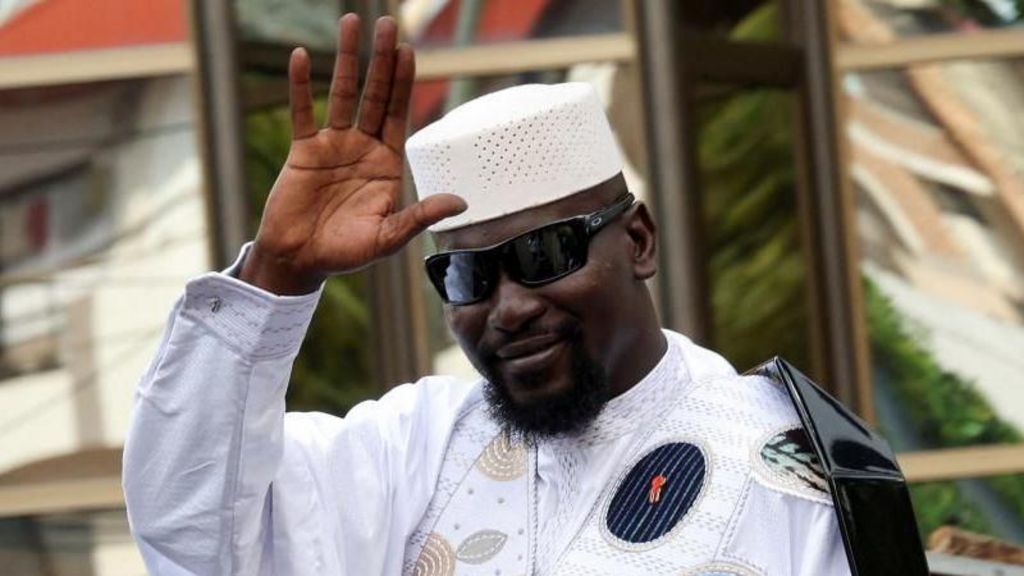
    Guinea’s military government has imposed sweeping restrictions on major social media platforms including TikTok, YouTube, and Facebook as the nation awaits final results from Sunday’s contentious presidential election. Internet monitoring organization NetBlocks confirmed widespread disruptions affecting primary service providers Orange and MTN.

    Initial results released Monday evening reveal junta leader General Mamady Doumbouya, who seized power in a 2021 coup, commanding a substantial lead in the presidential race. According to AFP reports, the 41-year-old general has secured over 80% of votes across multiple districts in the capital Conakry, with similar dominance reported in western regions including Boffa and Fria, northwestern Gaoual, northern Koundara and Labe, and southeastern Nzerekore.

    The electoral process has drawn sharp criticism from opposition groups and civil society organizations. Main opposition parties RPG Arc en Ciel and UFDG were barred from participation, leaving eight alternative candidates with limited political footing. A civil society coalition advocating for civilian rule condemned the election as a ‘charade,’ citing numerous irregularities.

    General Doumbouya’s candidacy represents a direct reversal of his previous commitment. Following his overthrow of 83-year-old President Alpha Condé in 2021, he explicitly promised: ‘Neither I nor any member of this transition will be a candidate for anything… As soldiers, we value our word very much.’ His reversal became possible through a new constitution implemented in September that permitted his electoral participation.

    Critics interpret the social media restrictions as a deliberate attempt to suppress dissent and scrutiny of the electoral process. The junta has previously faced condemnation for restricting opposition activities, banning protests, and curtailing press freedom in the pre-election period.

    Paradoxically, General Doumbouya justified his 2021 coup using similar grievances—citing Condé’s alleged corruption, human rights violations, and economic mismanagement. Despite Guinea possessing the world’s largest bauxite reserves and recently launching the massive Simandou iron-ore project, World Bank data indicates over half the population lives in poverty.

  • Protests draw largest turnout of Somalis since Israel’s recognition of Somaliland

    Protests draw largest turnout of Somalis since Israel’s recognition of Somaliland

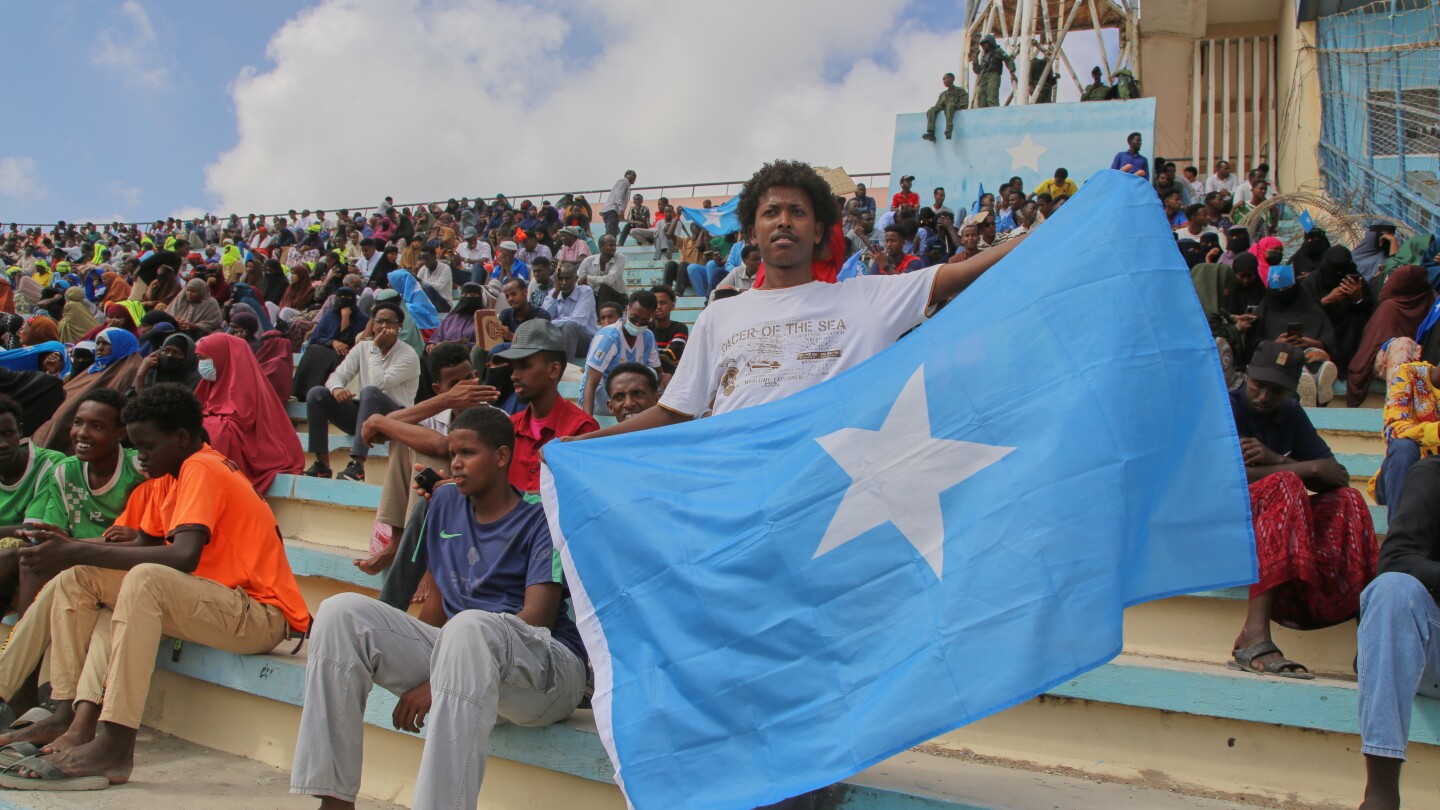
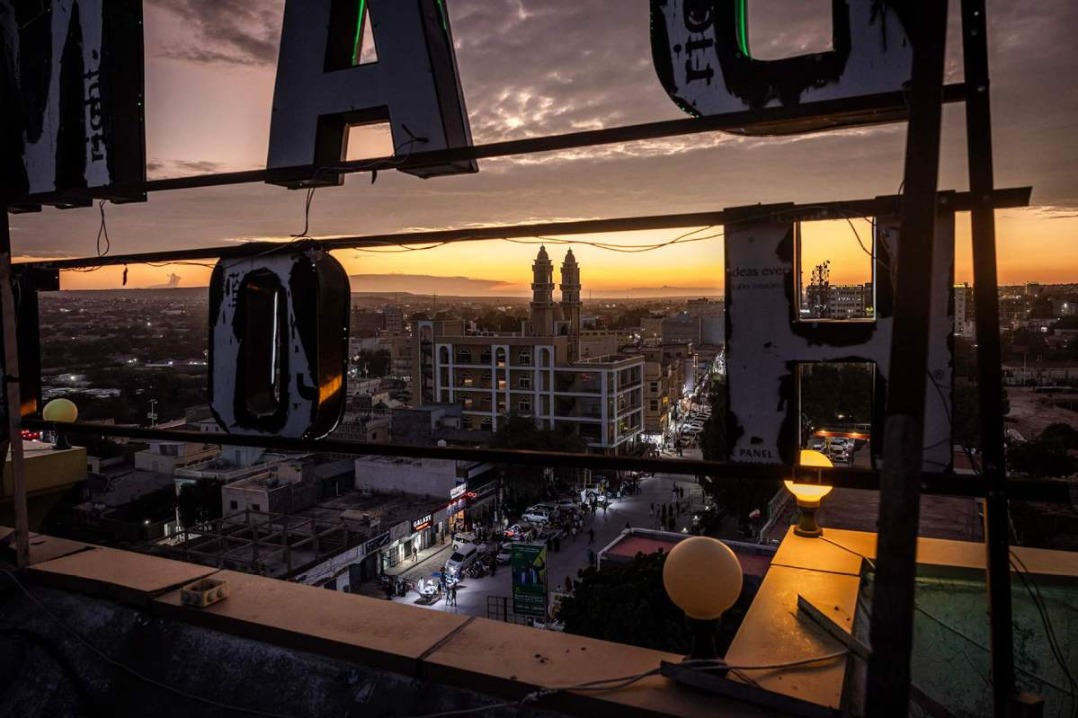
    MOGADISHU, Somalia — Massive demonstrations erupted across Somalia on Tuesday as tens of thousands of citizens united in protest against Israel’s unprecedented recognition of the breakaway region of Somaliland. The controversial diplomatic move has ignited a firestorm of international condemnation and raised concerns about regional stability in the Horn of Africa.

    In the capital Mogadishu, protesters filled the national stadium waving Somali flags and chanting slogans rejecting what they perceive as an assault on their nation’s sovereignty. Religious leader Sheikh Mohamud Sheikh Abulbari addressed the crowd, condemning Israel’s action as “unacceptable” given its treatment of Palestinians and Muslim holy sites in Jerusalem. Similar large-scale protests were documented in Baidoa, Guriel, Dhusamareeb, Lasanod, and Buhoodle, marking the largest public mobilization since Israel’s declaration.

    Meanwhile, Somali President Hassan Sheikh Mohamud embarked on a strategic diplomatic mission to Turkey, meeting with President Recep Tayyip Erdogan in Istanbul. Both leaders delivered strong statements against Israel’s recognition, with Mohamud characterizing it as a violation of international law, the UN Charter, and African Union principles. “This sets a dangerous precedent contrary to the principle of sovereignty and territorial integrity,” Mohamud stated alongside his Turkish counterpart.

    Erdogan pledged unwavering support for Somalia’s territorial unity, accusing Israel of attempting to destabilize the already fragile Horn of Africa region. The Turkish president emphasized that preserving Somalia’s integrity remains “a priority for us under all circumstances.”

    The diplomatic confrontation reached the United Nations Security Council on Monday, where Somalia’s permanent representative Abukar Dahir Osman warned that Israel’s action “poses a serious threat to regional and international peace and security.” The Israeli delegation countered by accusing Somalia of applying double standards, noting that other nations have recognized Palestinian statehood.

    The recognition controversy occurs against the backdrop of ongoing tensions between Somalia and Ethiopia, which signed a memorandum of understanding with Somaliland in January 2024 to lease coastline territory for a naval base in exchange for potential recognition. Turkey has emerged as a key mediator in these disputes while strengthening its military and economic presence in Somalia, including operating a military training base in Mogadishu and planning offshore drilling operations by 2026.

    Somaliland, with approximately 3 million inhabitants, declared independence from Somalia in 1991 during the country’s civil conflict. Despite maintaining its own government and currency for over three decades, no nation had formally recognized its sovereignty until Israel’s surprise announcement last week.

  • Sustainovation Challenge wins Gold at International Sustainability Awards

    Sustainovation Challenge wins Gold at International Sustainability Awards

    De Montfort University Dubai (DMU Dubai) and its strategic partner Ehfaaz have achieved top honors at the prestigious International Sustainability Awards, capturing the Gold award in the “Best Education and Awareness” category. The recognition was bestowed upon their collaborative Sustainovation Challenge initiative during the inaugural awards ceremony that celebrated exceptional sustainability advancements across the globe.

    The International Sustainability Awards brought together pioneering concepts and transformative projects that demonstrate substantial impact in sustainability practices worldwide. Ehfaaz’s Gold award specifically acknowledges the remarkable success of the Sustainovation Challenge, highlighting the powerful synergy between academic institutions and innovative startups in addressing environmental concerns.

    Aliyu Mohammed Ali, co-founder and CEO of Ehfaaz, emphasized the action-oriented nature of the initiative: “The Sustainovation Challenge transcended conventional awareness campaigns by creating tangible platforms for climate innovators. Rather than conducting traditional workshops, we established a dynamic launchpad that enabled participants to develop, pitch, and prototype practical solutions. This prestigious award validates our vision and recognizes the contributions of all innovators working toward a more circular economy in the UAE.”

    Dr. Adham Fayad, lead organizer and driving force behind the Sustainovation Challenge, expressed profound satisfaction with the international recognition: “Witnessing the evolution of this initiative from conceptual framework to award-winning reality represents a milestone in educational innovation. This achievement celebrates the collective dedication and shared vision of all contributors who believed in transforming sustainability education into actionable solutions.”

    The Sustainovation Challenge emerged from a strategic alliance between DMU Dubai and Ehfaaz, combining academic expertise with entrepreneurial innovation. Their collaborative approach from conceptualization through execution established a new benchmark for academia-startup partnerships in sustainability education. The award underscores the effectiveness of their combined efforts in promoting environmental consciousness through hands-on, practical engagement methodologies that inspire real-world change.

  • ‘Battling Begum’ falls silent: How Khaleda Zia became Bangladesh’s first female PM

    ‘Battling Begum’ falls silent: How Khaleda Zia became Bangladesh’s first female PM

    Khaleda Zia, Bangladesh’s pioneering female prime minister and formidable political force, passed away at 80 after battling prolonged health complications. Her death marks the end of an era for a nation shaped by her decades-long rivalry with contemporary Sheikh Hasina.

    Initially characterized as a shy homemaker devoted to her two sons, Zia’s political destiny transformed following the 1981 assassination of her husband, military leader and President Ziaur Rahman. Assuming leadership of his Bangladesh Nationalist Party (BNP) in 1984, she emerged as an unexpected political powerhouse who would eventually break gender barriers in Muslim-majority governance.

    Zia’s 1991 electoral victory constituted a historic milestone, making her Bangladesh’s first female premier and only the second woman to democratically lead a majority-Muslim nation after Pakistan’s Benazir Bhutto. Her administration implemented significant constitutional reforms, replacing the presidential system with parliamentary governance and instituting progressive policies including free compulsory primary education and economic liberalization measures.

    Her political journey was defined by the legendary rivalry with Sheikh Hasina—daughter of Bangladesh’s founding father—which earned them the collective nickname ‘the battling Begums.’ Their contrasting leadership styles—Zia’s reserved deliberateness versus Hasina’s assertive outspokenness—created a political dichotomy that dominated national discourse for generations.

    Zia’s second term faced significant challenges including militant extremism and corruption allegations. The 2004 grenade attack targeting Hasina’s rally, which killed over 20 people, remains a controversial chapter with her administration facing widespread accusations of involvement.

    Following her 2006 exit from power, Zia endured imprisonment and house arrest on corruption charges she consistently denounced as politically motivated. Her final years witnessed partial political rehabilitation, with August 2024 bringing release from house arrest after Hasina’s ouster, and early 2025 Supreme Court acquittals clearing her of previous convictions.

    The BNP, under leadership of her son Tarique Rahman following his recent return from exile, remains a potent political force as Bangladesh approaches February parliamentary elections. Zia’s legacy endures as that of a transformative leader who reshaped constitutional governance while embodying both the possibilities and perils of dynastic politics in South Asia.