作者: admin

  • Quiet luxury: Why the world’s wealthiest are choosing privacy over visibility

    Quiet luxury: Why the world’s wealthiest are choosing privacy over visibility

    The prestigious Fluxx Conference 2025 has recognized two transformative leaders for their groundbreaking contributions to education and renewable energy development across the Middle Eastern region. This annual gathering of innovators and change-makers spotlighted individuals whose work demonstrates exceptional potential for creating sustainable societal impact.

    The education honoree has revolutionized learning accessibility through digital platforms that connect remote communities with quality educational resources. Their initiative has significantly reduced educational disparities while incorporating culturally relevant curricula that preserve regional heritage while preparing students for global challenges.

    Simultaneously, the renewable energy pioneer was acknowledged for developing scalable solar power solutions specifically engineered for desert environments. Their technological advancements have enabled previously energy-insecure communities to access reliable electricity while establishing new benchmarks for sustainable infrastructure development in arid climates.

    Conference organizers emphasized that both awardees exemplify Fluxx’s core mission of identifying and amplifying solutions that address pressing regional needs while creating replicable models for global application. The selection process involved rigorous evaluation of projects based on innovation scalability, community engagement, and long-term sustainability metrics.

    Industry analysts note that recognizing these parallel advancements highlights the interconnected nature of educational development and energy infrastructure in building resilient communities. The honorees’ work demonstrates how technological innovation and human development must progress simultaneously to achieve meaningful regional progress.

    The awards ceremony included commitments from several venture philanthropy organizations to fund the expansion of both projects, potentially affecting millions across the Middle East. This recognition comes amid increased global attention on the region’s capacity for innovation that addresses both local challenges and universal human needs.

  • New Year’s Eve style, UAE to NYC: SemSem Founder on dressing with confidence

    New Year’s Eve style, UAE to NYC: SemSem Founder on dressing with confidence

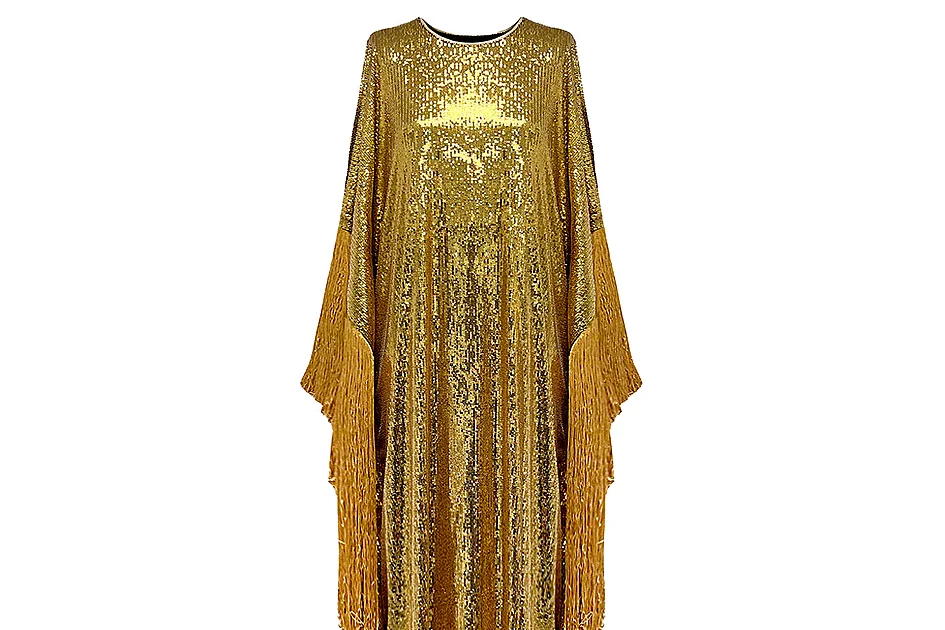
    As global celebrations approach, fashion visionary Abeer Shoukry-Al Otaiba, founder of the New York-based luxury label SemSem, shares her expert insights on achieving sartorial confidence for New Year’s Eve occasions. The brand, which elegantly fuses Emirati, Egyptian, and French design influences, has become synonymous with sophisticated eveningwear favored by international celebrities including Taylor Swift, Kendall Jenner, and Emily Blunt.

    Shoukry-Al Otaiba’s unique perspective stems from her multicultural background—born in Alexandria, raised in France, and having lived extensively in both the UAE and United States. This global sensibility informs SemSem’s aesthetic philosophy, which emphasizes architectural silhouettes, jewel-toned iridescent fabrics, and precision craftsmanship over excessive ornamentation.

    In an exclusive interview, the designer outlined her approach to NYE styling: ‘The strongest looks begin with one clear concept—whether sparkle or structure—and thoughtful editing from there. Elegance emerges from knowing when to stop, not from holding back.’ She emphasizes that true confidence comes from wearing garments that feel authentic rather than merely responding to perceived expectations of the moment.

    Regarding accessories, Shoukry-Al Otaiba advocates for minimalism: ‘SemSem pieces are designed to lead, so accessories should serve as supporting characters. A sharp heel, sculptural clutch, and one intentional jewelry piece typically suffice.’

    The designer also contrasted NYE dressing experiences between the UAE and other global locations, noting that the Emirates’ climate and infrastructure allow for more fluid sartorial expression: ‘Lighter fabrics and open silhouettes make sense here, and glamour doesn’t feel forced.’

    Beyond fashion, SemSem maintains commitment to philanthropic initiatives supporting female empowerment, blending aesthetic excellence with social purpose. As 2026 approaches, Shoukry-Al Otaiba plans to celebrate quietly with close companions, reflecting her belief that meaningful transitions stem from genuine connection rather than spectacular displays.

  • Tatiana Schlossberg, granddaughter of John F Kennedy, dies aged 35

    Tatiana Schlossberg, granddaughter of John F Kennedy, dies aged 35

    Tatiana Schlossberg, granddaughter of former U.S. President John F. Kennedy and prominent climate journalist, has passed away at age 35 following a courageous battle with acute myeloid leukemia. The tragic news was confirmed through a social media announcement by the John F. Kennedy Library Foundation on behalf of her grieving family.

    Schlossberg, who had recently welcomed her second child, received her devastating cancer diagnosis in May 2024. In a profoundly moving essay published in The New Yorker last November titled “A Battle With My Blood,” she revealed her prognosis gave her less than a year to live. The climate journalist documented her intensive medical journey, including chemotherapy treatments and a bone marrow transplant, while confronting the heartbreaking reality that her children might grow up without memories of their mother.

    Her writing poignantly addressed the emotional weight of introducing another tragedy to a family already marked by profound loss. President Kennedy was assassinated in 1963, and her uncle, John F. Kennedy Jr., died in a 1999 plane crash. Schlossberg expressed particular concern for her mother, Caroline Kennedy—former U.S. ambassador to Japan and Australia—writing about her lifelong effort to protect her mother from additional pain and sorrow.

    As the daughter of designer Edwin Schlossberg and diplomat Caroline Kennedy, Tatiana had built her own professional identity as an environmental writer, contributing to The New York Times and authoring “Inconspicuous Consumption: The Environmental Impact You Don’t Know You Have.” Her work focused on making complex climate issues accessible to broader audiences.

    The Kennedy family, American political royalty, has now endured another generation of untimely loss, with Tatiana’s passing marking the latest chapter in their very public history of personal tragedies.

  • Canadian couple found dead while vacationing in Dominican Republic

    Canadian couple found dead while vacationing in Dominican Republic

    A Canadian couple’s dream retirement vacation in the Dominican Republic ended tragically when they were discovered dead in their accommodation on Christmas Day. Christine Sauvé and Alain Noël, who had been saving extensively for their worldwide travels, passed away unexpectedly during their holiday stay.

    According to family statements, the couple’s son made the distressing discovery after they failed to wake on the morning of December 26th. Gilles Sauvé Jr., Christine’s brother, revealed to Canadian media that his sister had reported feeling unwell and experiencing dizziness shortly before the incident. She had sought medical attention at a local hospital where preliminary bloodwork was conducted, with additional scans scheduled for the following day that ultimately never occurred.

    Dominican authorities have launched a formal investigation into the mysterious circumstances surrounding the simultaneous deaths. The Canadian government, through Global Affairs Canada, has confirmed awareness of the situation and is providing consular support to the grieving family. Autopsy results, which might clarify the cause of death, are anticipated within 45 days according to official timelines.

    The tragic timing during the holiday season has complicated repatriation efforts, with family members reporting difficulties navigating bureaucratic processes due to closed embassies and government offices. The couple, described as typical ‘snowbirds’ who planned to escape Canadian winters through travel, had envisioned this trip as the beginning of their retirement adventures together.

  • ‘Genocide’ behind bars: 32 Palestinians killed in Israeli detention in 2025

    ‘Genocide’ behind bars: 32 Palestinians killed in Israeli detention in 2025

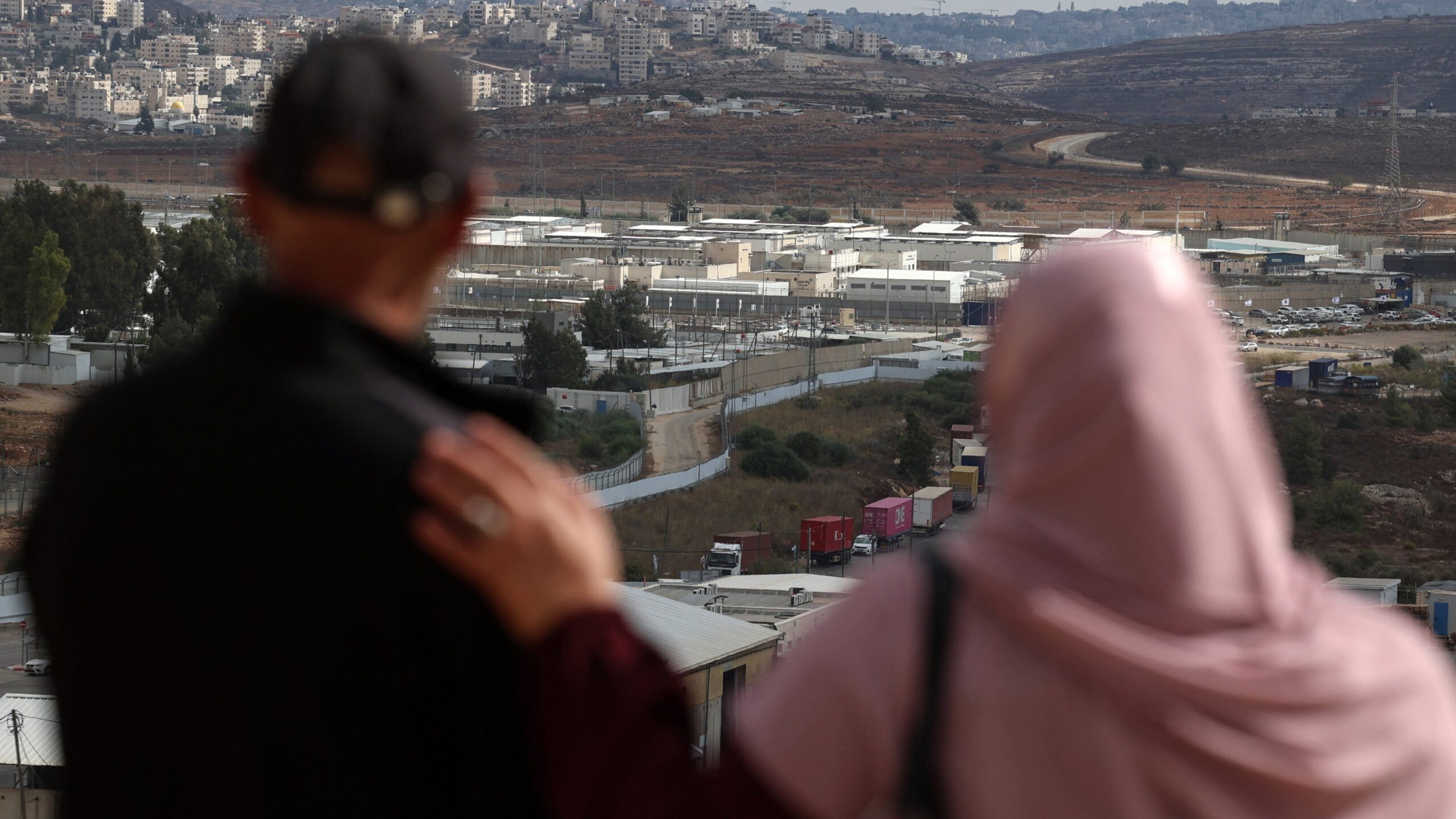
    A coalition of leading Palestinian prisoner advocacy organizations has issued a damning report alleging Israel is perpetrating a systematic genocide against detainees, with documented cases of 32 prisoner fatalities occurring in 2025 alone. The joint publication from the Palestinian Commission of Detainees’ Affairs, the Palestinian Prisoners’ Society (PPS), and Addameer characterizes Israeli detention facilities as centers of torture engineered to inflict prolonged physical and mental suffering, effectively implementing slow-execution policies. Since October 2023, at least 100 prisoner deaths under these severe conditions have been officially acknowledged by Israeli sources, with 86 identities disclosed, though the actual Palestinian fatality count in Israeli prisons remains undetermined. The report further indicates that Israeli authorities continue to withhold 94 Palestinian bodies, including 83 individuals killed during the Gaza conflict. Advocacy groups emphasize that the brutality witnessed over the past two years represents an unprecedented escalation, with prisoner deaths equaling the total documented over the preceding 24-year period. Detainees reportedly endure systematic torture, deliberate starvation, medical neglect, sexual violence, mass isolation, and deprivation of fundamental human needs. The report also highlights a campaign of mass arrests across the occupied West Bank and Jerusalem, documenting over 21,000 detentions since October 2023—including 1,655 children and 650 women—with 7,000 arrests occurring in 2025 alone. This figure excludes Gaza arrests and detainees from Palestinian communities within Israel. Journalists and medical personnel are identified as particularly targeted groups. These operations allegedly involve systematic field executions, severe physical assaults, intentional property destruction, home ransacking, asset confiscation, and the use of human shields. As of December 2025, more than 9,300 Palestinians are imprisoned, with approximately 4,750 held without trial or charge. Israel continues to withhold information regarding hundreds of detainees seized from Gaza, leaving families without official knowledge of their relatives’ whereabouts or status. The report concludes that systematic impunity and judicial complicity enable these alleged crimes, reinforcing policies of apartheid and persecution.

  • London activists replace UAE embassy plaque with ‘United Arab Zionists’

    London activists replace UAE embassy plaque with ‘United Arab Zionists’

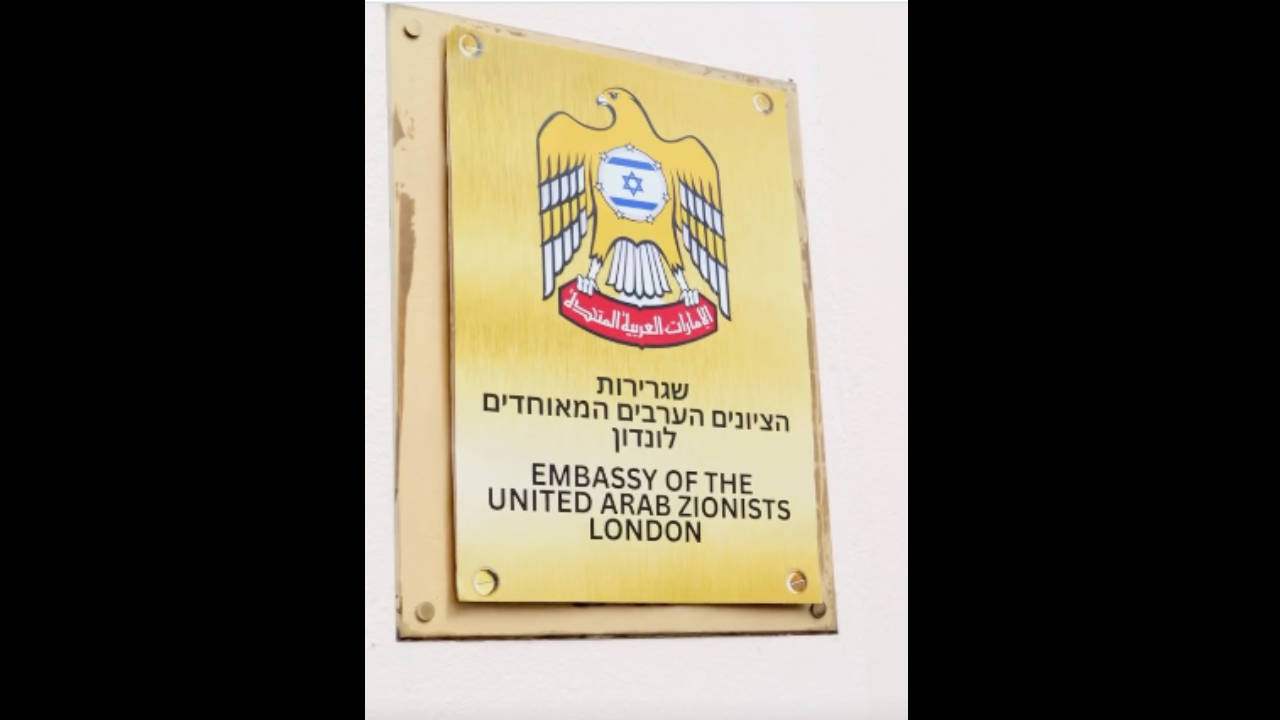
    In a bold demonstration of dissent, activists in London have transformed the facade of the United Arab Emirates embassy, replacing its official designation with a politically charged placard labeling it the ‘Embassy of the United Arab Zionists’ in both English and Hebrew. The protest, organized by the youth-led movement ‘Deenified’, featured masked participants carrying symbolic props including shrouded toy infants and placards accusing the UAE of ‘Supporting Genocides in Sudan and Gaza’.

    The demonstration reflects escalating frustration toward Arab nations that normalized relations with Israel through the US-brokered Abraham Accords of 2020. The UAE, Bahrain, Morocco, and Sudan established formal diplomatic and trade ties with Israel, drawing renewed criticism amid Israel’s military actions in Gaza and broader regional conflicts.

    Simultaneously, the UAE faces mounting condemnation for its alleged role in Sudan’s civil war. Activists have launched boycott campaigns and public awareness efforts, including a prominent Oxford Street billboard highlighting the juxtaposition between Dubai’s luxury image and the humanitarian crisis in Sudan. According to Middle East Eye reports, the UAE has been supplying weapons to the Rapid Support Forces (RSF) paramilitary group through complex transnational networks.

    The Sudan conflict, erupting in April 2023 from power struggles between national armed forces and the RSF, has resulted in catastrophic human losses exceeding 150,000 fatalities and displaced approximately 14 million people, creating one of the world’s most severe humanitarian disasters.

  • China’s poverty eradication practice inspires world

    China’s poverty eradication practice inspires world

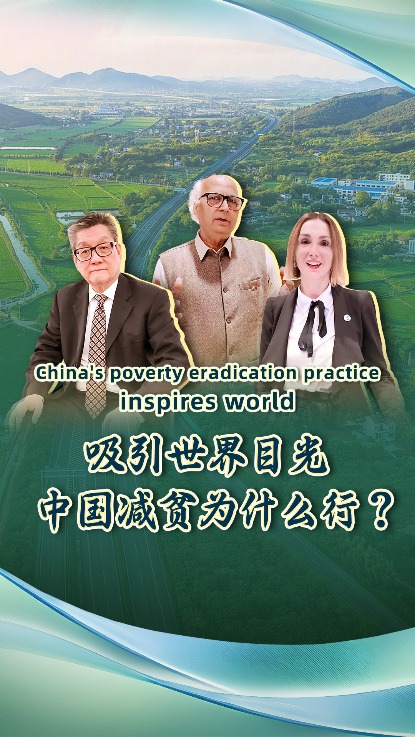
    International development specialists worldwide are recognizing China’s monumental achievement in poverty elimination as a transformative model for global development strategies. The unprecedented success, accomplished through resolute national leadership and meticulously implemented targeted approaches, presents actionable insights for emerging economies grappling with similar challenges.

    Development economists highlight that China’s comprehensive anti-poverty framework combined top-down political commitment with grassroots implementation mechanisms. This multi-dimensional strategy incorporated infrastructure development, educational enhancement, and economic empowerment programs tailored to regional specificities. The scale and speed of China’s poverty reduction—lifting hundreds of millions from deprivation within decades—represents one of the most significant socioeconomic transformations in modern history.

    Global South nations are particularly examining China’s experience as they formulate their own development agendas. The Chinese approach demonstrates how coordinated policy measures, technological integration, and social mobilization can simultaneously address both income poverty and multidimensional deprivation. International organizations are documenting these methodologies for potential adaptation in different cultural and economic contexts.

    This recognition comes as developing countries seek practical solutions to achieve their Sustainable Development Goals by 2030. China’s experience provides empirical evidence that large-scale poverty reduction is achievable through context-specific strategies that combine economic growth with targeted social protection measures. The model emphasizes the importance of maintaining poverty alleviation as a consistent national priority supported by measurable implementation frameworks.

  • Stripping Alaa Abd el-Fattah of citizenship would be a ‘dangerous’ precedent, rights groups warn

    Stripping Alaa Abd el-Fattah of citizenship would be a ‘dangerous’ precedent, rights groups warn

    A contentious political battle has emerged in the United Kingdom regarding the citizenship status of British-Egyptian activist Alaa Abd el-Fattah, with human rights organizations warning that proposed measures could establish a dangerous precedent for fundamental freedoms.

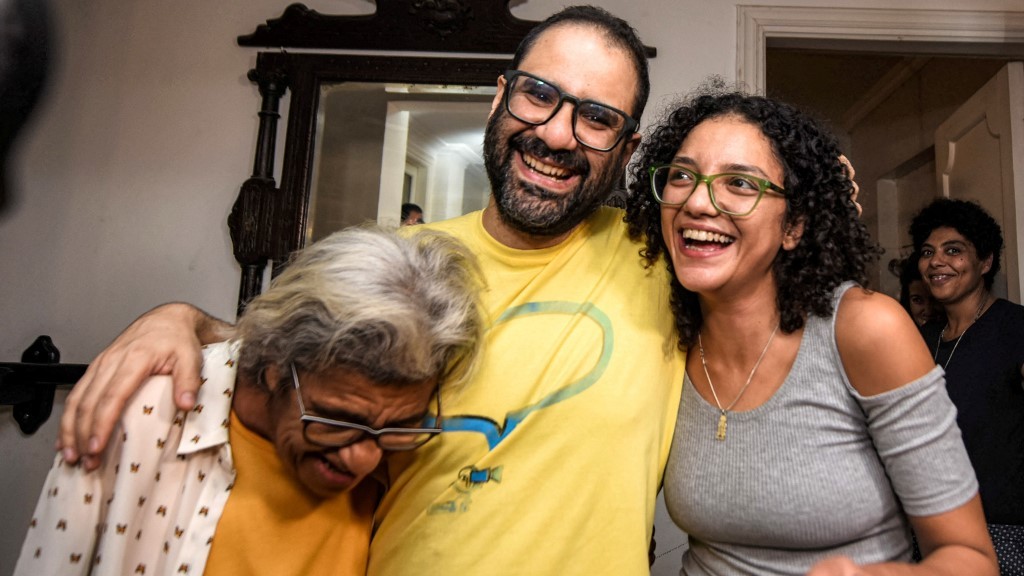
    The 44-year-old prominent figure of the 2011 Arab Spring uprising recently arrived in the UK following his release from Egyptian imprisonment, where he had spent most of the past decade after Abdel Fattah el-Sisi’s military takeover in 2013. His arrival, initially welcomed by Prime Minister Keir Starmer, quickly turned controversial when opposition politicians uncovered social media posts dating back to 2008 that they characterized as antisemitic and advocating violence.

    Reform UK leader Nigel Farage announced he had reported Abd el-Fattah to the Metropolitan Police’s counterterrorism unit, while Conservative Party leader Kemi Badenoch publicly advocated for stripping his citizenship through a Daily Mail column. Despite the activist’s comprehensive apology on Monday, in which he explained many posts were misinterpreted sarcasm or expressions of youthful anger during regional conflicts, demands for citizenship revocation persist.

    Legal organization Reprieve condemned the proposals as “alarming authoritarian overreach” that threatens rule of law principles. Deputy Chief Executive Dan Dolan emphasized that permitting politicians to strip citizenship based on social media content establishes a dangerous precedent that disproportionately targets non-white citizens with dual nationality.

    Abd el-Fattah’s complex history includes significant activism during Egypt’s democratic revolution, subsequent imprisonment under both Muslim Brotherhood and Sisi regimes, and recent removal from terrorism watchlists two months before his release. Human rights experts warn that forced return to Egypt would likely result in renewed persecution, arbitrary detention, or fabricated charges by Egyptian authorities.

    The case has become instrumentalized by both UK right-wing groups and pro-government Egyptian media, creating psychological distress for Abd el-Fattah’s family while potentially undermining his legal status in an increasingly unstable global environment. The Home Office has remained silent on whether deportation proceedings are being considered.

  • RAKIA Group: Turning noise into clarity for public safety

    RAKIA Group: Turning noise into clarity for public safety

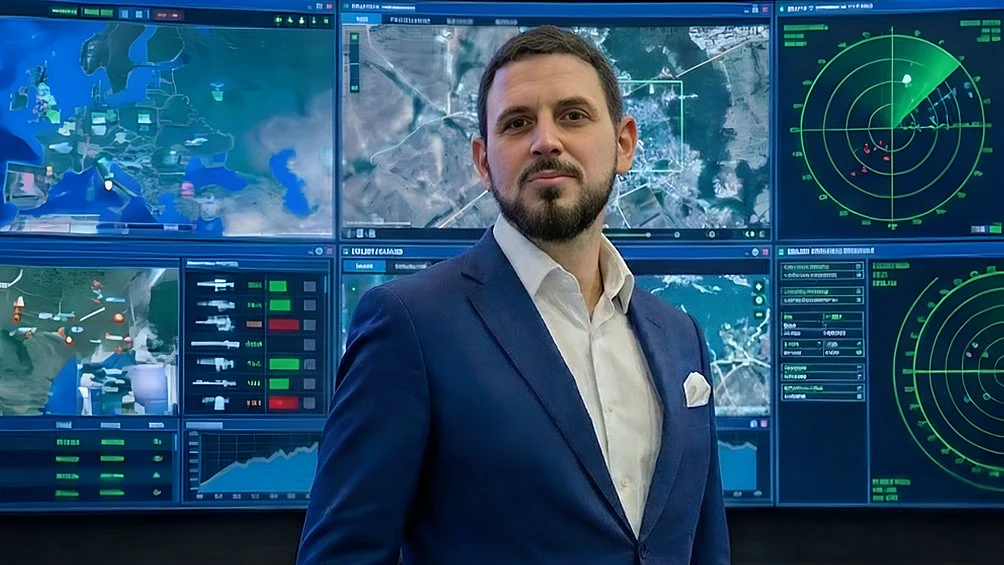
    DUBAI – Public safety agencies worldwide are undergoing a transformative shift in operational intelligence, moving from fragmented data streams to integrated situational awareness. At the forefront of this revolution stands RAKIA Group, an artificial intelligence data fusion company that has developed groundbreaking technology to convert overwhelming information noise into actionable intelligence.

    Founded in Dubai with global aspirations, RAKIA addresses the critical challenge facing modern governments: the paradox of data abundance coupled with analytical scarcity. While agencies possess vast amounts of information from sensors, operational systems, maritime and aviation feeds, financial records, and cyber signals, this data traditionally remains siloed and contextually disconnected.

    The company’s proprietary platforms integrate legally permitted data sources across multiple domains – land, air, maritime, cyber, financial, and open-source intelligence – synthesizing them into a continuously updated operational mosaic. This human-readable interface enables officials to detect emerging threats earlier and coordinate responses more effectively by revealing subtle correlations that would otherwise remain hidden across separate systems.

    CEO Omri Raiter, a Romanian entrepreneur with 18 years of expertise in artificial intelligence, Big Data, and cyber threat intelligence, established RAKIA as one of Dubai’s pioneering AI startups focused specifically on government data fusion. His vision centered on creating systems that enhance rather than replace human judgment, prioritizing accountability, transparency, and trust within all technological solutions.

    The company’s rapid expansion from regional startup to international provider serving governments across the GCC, Middle East, and beyond culminated in a strategic 2024 move into the United States market with offices in Washington DC. This expansion positioned RAKIA alongside federal agencies and policy makers while validating its governance-first approach to sensitive government technology.

    RAKIA’s technology operates on a fundamental principle: connecting weak signals across systems to reveal patterns that predict and prevent crises rather than merely responding to them. Artificial intelligence serves a supporting role, correlating information at scales impossible for human analysts alone, while maintaining human oversight throughout the decision-making process.

    The company’s success reflects both Dubai’s emergence as a global technology innovation hub and the growing international demand for sophisticated data fusion solutions that operate within clear legal and ethical boundaries. As complexity in public safety challenges continues to escalate, RAKIA’s approach demonstrates how targeted technological innovation can provide clarity amidst information overload, ultimately empowering governments to protect citizens more effectively.

  • UN aid workers describe Sudan’s el-Fasher as a ‘crime scene’ after RSF takeover

    UN aid workers describe Sudan’s el-Fasher as a ‘crime scene’ after RSF takeover

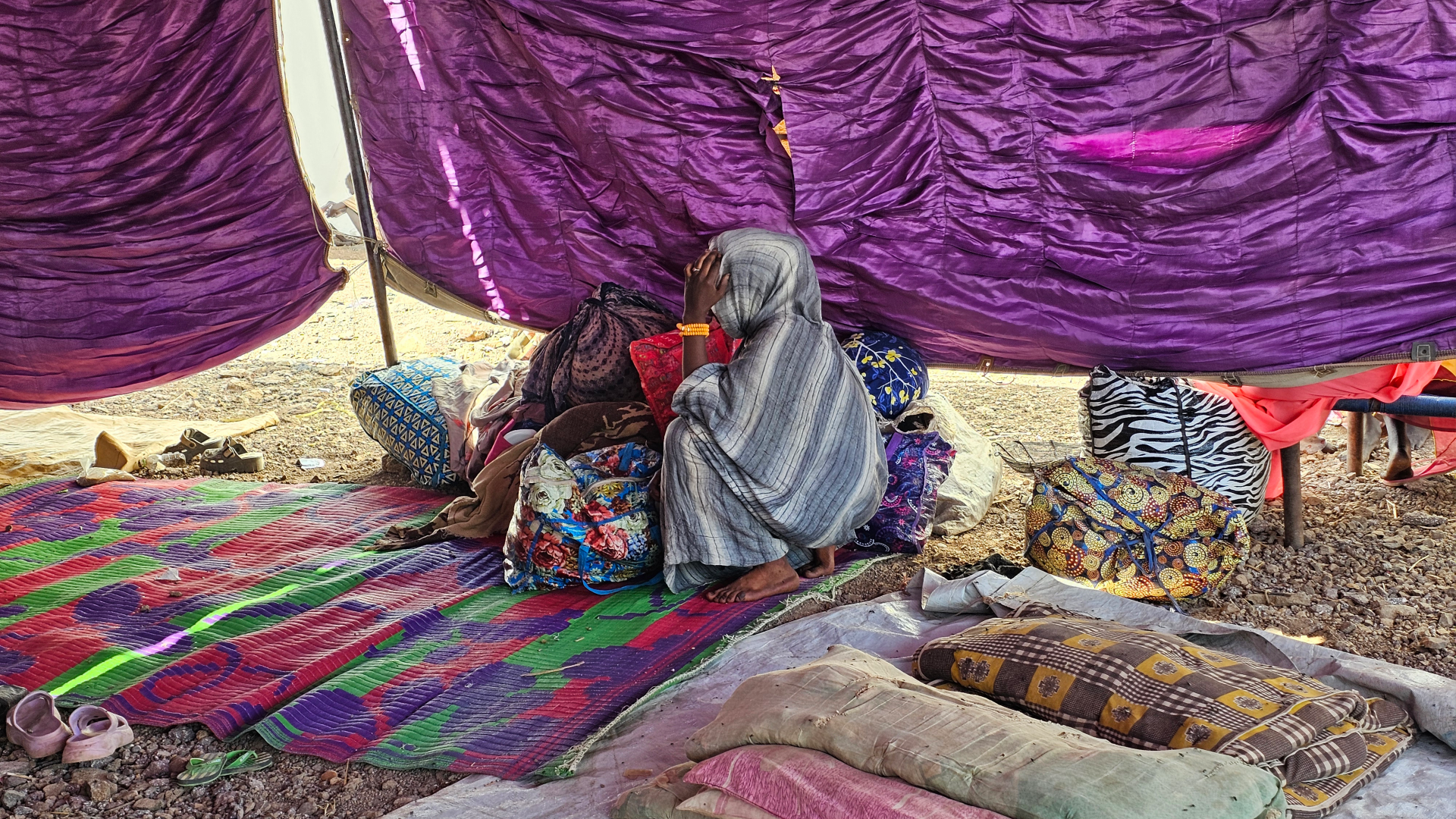
    United Nations aid personnel have finally gained access to Sudan’s el-Fasher city, only to discover a landscape of devastation following its capture by the paramilitary Rapid Support Forces (RSF). Senior UN official Denise Brown, the UN Resident and Humanitarian Coordinator for Sudan, characterized the scene as a “crime scene” with remarkably few survivors remaining after the violent takeover.

    The carefully negotiated entry, which occurred on Friday after weeks of diplomatic efforts, revealed a city largely emptied of its population. Brown expressed particular concern for injured individuals who remained unseen during the assessment and those potentially detained by the paramilitary forces. The visit’s primary objective was to evaluate whether safe humanitarian access could be established for delivering essential supplies to the devastated region.

    According to displacement estimates, over 100,000 residents have fled el-Fasher since late October when the RSF, after maintaining a 500-day siege, wrested control from the Sudanese Armed Forces and their allied Joint Forces. Those who remained were typically individuals too elderly, ill, or severely injured to attempt escape.

    Disturbing evidence compiled by the Yale Humanitarian Research Lab indicates the RSF has engaged in systematic efforts to conceal mass atrocities, including the destruction of evidence through burial and burning of victims. Multiple witnesses have reported to Middle East Eye that the paramilitary group has conducted mass executions targeting specific ethnic groups and perceived political opponents, alongside widespread incidents of sexual violence.

    Survivor testimonies describe horrific scenes, with one witness recounting how RSF forces methodically entered neighborhoods and opened fire on civilians. Another survivor reported extortion attempts, with family members detained until substantial ransoms were paid.

    The scale of violence has been so extensive that satellite imagery analysis has identified 38 distinct locations showing reddish discoloration consistent with blood spills visible from space. This episode represents one of the most brutal chapters in Sudan’s conflict that began in April 2023, creating what the UN has classified as the world’s most severe humanitarian crisis.

    International attention has increasingly focused on the United Arab Emirates’ alleged role as the primary sponsor of the RSF, despite Abu Dhabi’s consistent denials. The UAE now faces accusations of complicity in genocide at the International Court of Justice, though jurisdictional issues have complicated the case filed by the Sudanese government in April.

    The atrocities in el-Fasher have triggered global condemnation, with coordinated protests and targeted lobbying campaigns against the UAE emerging worldwide. In London’s Oxford Street, billboards have appeared directly linking the Emirates to the Sudan conflict, signaling growing international awareness and outrage over the humanitarian catastrophe.