The 2025 United Nations Climate Change Conference (COP30), held in Belem, Brazil, concluded with a watered-down resolution that failed to meet the expectations of many delegates and environmental advocates. Hosted in the Amazon rainforest, a critical climate regulator and home to Indigenous communities, the summit initially raised hopes under the leadership of Brazilian President Luiz Inácio Lula da Silva. Lula’s impassioned speeches inspired over 80 nations to call for a detailed roadmap to drastically reduce the use of fossil fuels—oil, gas, and coal—the primary drivers of climate change. However, the final decision, announced on November 22, omitted any mention of fossil fuels or a timeline for their reduction, sparking widespread criticism. While the resolution included increased financial support for developing nations to adapt to climate change, it fell short of the ambitious goals many had anticipated. Critics, including Panama’s negotiator Juan Carlos Monterrey Gomez, labeled the outcome as “complicity” rather than neutrality, accusing the summit of sidelining scientific evidence to appease polluters. Environmental activists and delegates expressed frustration, with many already looking ahead to COP31 in Turkey. The conference, once dubbed a “COP of truth,” instead eroded confidence in multilateral climate negotiations, leaving many questioning the process’s ability to address the escalating climate crisis.
作者: admin
-

China hails ‘hard-won’ COP30 Global Mutirao Decision
China has lauded the Global Mutirao Decision, a landmark agreement reached at the 30th United Nations Climate Change Conference (COP30) in Belem, Brazil, as a testament to global solidarity in addressing climate change. The agreement, described as ‘hard-won,’ was finalized on November 22, 2025, after intense negotiations that extended the conference by an additional day. Li Gao, head of the Chinese delegation and vice-minister of China’s ecology and environment, emphasized the significance of the decision, which encompasses climate mitigation, adaptation, finance, and international cooperation. The term ‘Mutirao,’ borrowed from Brazilian Portuguese, symbolizes collective action, reflecting the spirit of the agreement. Li highlighted the challenges posed by rising unilateralism, protectionism, and the United States’ withdrawal from the 2015 Paris Agreement, underscoring the difficulty of reaching consensus. The Global Mutirao Decision reaffirms that climate measures should not serve as tools for arbitrary trade restrictions, a principle China has long advocated. Additionally, China, alongside other Global South nations, secured increased support from developed countries for climate adaptation funding. The conference also adopted a call to triple adaptation finance by 2035, albeit with a timeline longer than developing nations had hoped. Li noted that China’s Nationally Determined Contributions (NDCs), announced in September 2025, aim to reduce net greenhouse gas emissions by 7-10% from peak levels by 2035, with a commitment to ‘striving to do better.’ This phrase, which became a rallying cry at COP30, was incorporated into the conference’s key political document as a shared global objective. The timing of COP30, coinciding with the 10th anniversary of the Paris Agreement, was particularly significant, setting the stage for the next decade of climate action. Li described the outcome as a milestone in the global multilateral climate process, signaling the irreversible shift toward green and low-carbon development, the resilience of multilateralism, and the necessity of international cooperation.
-

China-SA science exhibition showcases innovation, cultural exchange
A groundbreaking science exhibition, collaboratively developed by China and South Africa, is currently underway in Johannesburg, symbolizing a significant milestone in the bilateral partnership in science, technology, and cultural exchange. Titled ‘L.I.S.T.E.N Science Space,’ the exhibition is a joint initiative of the China Science and Technology Museum and South Africa’s Sci-Bono Discovery Center, occupying a 200-square-meter space within the latter’s premises. The exhibition is ingeniously divided into four thematic zones, each designed to stimulate innovative thinking, explore scientific principles embedded in traditional Chinese intangible cultural heritage, offer an immersive space exploration experience, and showcase the allure of bionic robot dogs. Beyond the exhibits, the event features regular open science classes, enabling visitors to engage in hands-on scientific activities. The China Science and Technology Museum has contributed its vast resources and expertise in science education, while the Sci-Bono Discovery Center has tailored the content to resonate with local audiences, exemplifying a model of cooperation aimed at fostering a shared future between China and Africa. The exhibition’s inauguration aligns with South Africa’s hosting of the G20 Summit, presenting a tangible demonstration of the fruitful collaboration between China and Africa to international delegates. Looking ahead, both nations intend to utilize this platform to expand bilateral cooperation through joint research, the creation of a digital resource library, and personnel exchanges, thereby sustaining the momentum for deepening China-Africa relations and enhancing mutual understanding.
-

50 schoolchildren escape captivity in Nigeria, 253 students and 12 teachers still being held
In a glimmer of hope amidst a harrowing ordeal, fifty of the 303 schoolchildren abducted from St. Mary’s Catholic School in Niger state, Nigeria, have managed to escape captivity and reunite with their families. The Most Rev. Bulus Dauwa Yohanna, chairman of the Christian Association of Nigeria in Niger state and proprietor of the school, confirmed the development on Sunday. The children, aged between 10 and 18, reportedly escaped individually between Friday and Saturday. However, the situation remains dire, as 253 schoolchildren and 12 teachers are still being held by the kidnappers. Yohanna stated that the school authorities were able to verify the escapes after contacting and visiting some of the parents. The abduction occurred on Friday when gunmen stormed the remote Papiri community school, seizing both students and teachers. No group has claimed responsibility for the attack, and authorities have deployed tactical squads alongside local hunters in a bid to rescue the remaining captives. The whereabouts of the children during their captivity and the circumstances of their escape remain unclear. Nigeria’s military and police have yet to respond to inquiries from the Associated Press regarding the incident.
-

Developing nations push for climate action and debt relief at G20 summit in South Africa
The Group of 20 (G20) summit in Johannesburg, South Africa, became a platform for developing nations to address pressing global issues such as climate change and unsustainable debt levels. These nations, including Zimbabwe, Namibia, Jamaica, and Malaysia, emphasized their potential as economic partners in sectors like mining, technology, and artificial intelligence. South Africa, which concluded its G20 presidency and handed it over to the United States, was praised for fostering an inclusive agenda that prioritized the needs of poorer countries and highlighted global inequality. However, the summit was marked by the absence of the United States, which boycotted the event due to President Donald Trump’s allegations of South Africa’s mistreatment of its Afrikaner white minority. Ethiopian Prime Minister Abiy Ahmed underscored the importance of translating debt relief into tangible investments, stating, ‘Inclusivity is not charity, it is efficiency.’ Namibian President Netumbo Nandi-Ndaitwah called for fair financing terms, noting that despite timely debt repayment, her country is still perceived as high-risk. Jamaica’s Prime Minister Andrew Michael Holness highlighted the devastating impact of climate-fueled natural disasters, such as Hurricane Melissa, on developing nations. World Trade Organization Director General Ngozi Okonjo-Iweala urged African leaders to rethink trade policies, emphasizing the need to move beyond exporting raw materials and instead develop regional value chains. Nabil Ahmed of Oxfam commended South Africa for centering inequality in the G20 agenda, calling it a critical step in addressing both the climate and inequality emergencies.
-

Hiring in Dubai: Are freelancers eligible to get leave, other benefits?
In Dubai, the freelance work model is gaining traction as a flexible and independent employment option. Governed by Article 8 of the Cabinet Resolution No. 1 of 2022, freelancers are defined as individuals who provide services or perform tasks for a specified period without being tied to a specific employer. This legal framework ensures that freelancers operate independently, earning income through their services while maintaining no formal employment relationship with clients or organizations.
-

Facing verbal abuse at work in Dubai? Know your rights and legal protections
Workplace harassment, particularly verbal abuse, is a pressing issue that many employees face in Dubai. A recent inquiry from a Khaleej Times reader highlights a common yet distressing scenario: a boss who frequently shouts at employees, often in front of colleagues, and demands work beyond office hours. The reader sought advice on legal protections available to address such harassment while safeguarding their job and dignity.
In the UAE, employers are legally obligated to provide a safe and appropriate working environment. This is mandated by Article 13(13) of the Federal Decree Law No. 33 of 2021 on the Regulation of Employment Relations. Additionally, Article 14(2) of the Employment Law explicitly prohibits various forms of harassment, including verbal abuse, which can come from employers, superiors, or colleagues.
For those facing such harassment, the law provides robust protections. Article 427 of the Federal Law No. 31 of 2021 stipulates that employers who use demeaning language or shout at employees in the presence of others can face imprisonment for up to six months or a fine of up to Dh5,000. Moreover, employees have the right to terminate their employment without serving a notice period if they file a complaint with the Ministry of Human Resources & Emiratisation (MoHRE) within five working days of the incident.
Ashish Mehta, founder and Managing Partner of Ashish Mehta & Associates, emphasizes that employees should not endure such treatment silently. By filing a complaint with MoHRE, employees can seek justice and potentially resign without notice, ensuring their rights and dignity are upheld.
For further legal advice, readers can contact Ashish Mehta & Associates via email at news@khaleejtimes.com or visit their website at www.amalawyers.com.
-

Ukraine’s Aonishiki becomes sumo champion in Japan
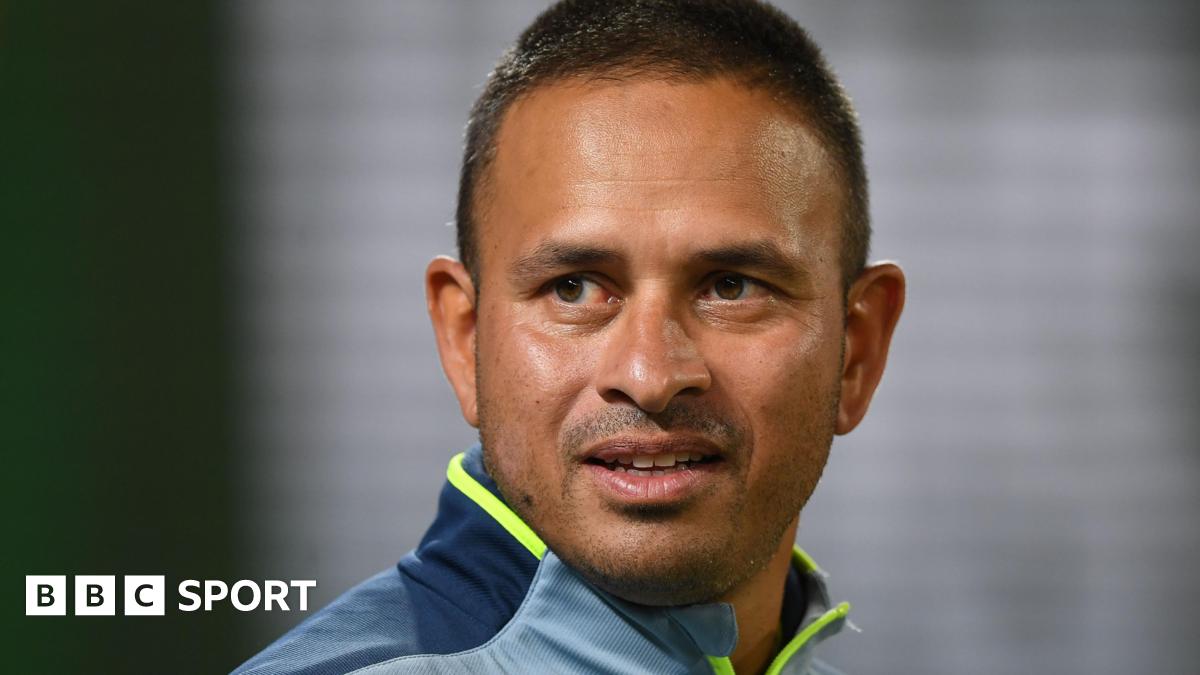
In a historic achievement, Danylo Yavhusishyn, known by his sumo ring name Aonishiki, has become the first Ukrainian to win an elite-level sumo tournament. The 21-year-old, who fled to Japan in 2022 following the Russian invasion of Ukraine, claimed the prestigious Emperor’s Cup in Fukuoka, Japan, marking a significant milestone in his career. Aonishiki, who first tried sumo at the age of seven, finished the 15-day tournament with an impressive record of 12 wins and three losses, culminating in a championship play-off victory against Mongolian Yokozuna grand champion Hoshoryu. This victory not only makes him the first European in nearly eight years to win the Emperor’s Cup but also positions him on the brink of being promoted to the second-highest rank of Ozeki, potentially the fastest promotion in sumo history. Aonishiki’s journey to success is a testament to his resilience and dedication. After fleeing Ukraine with his family to Germany, he moved to Japan alone in April 2022, supported by a university sumo club captain he had met at a youth championship event. Despite the language barrier and the challenges of adapting to a new culture, Aonishiki has rapidly ascended in the world of professional sumo, gaining fans in Japan and globally for his unique techniques and relentless improvement. His name, Aonishiki, incorporates the Japanese character for ‘blue,’ symbolizing the Ukrainian flag. With his recent triumph, Aonishiki is now widely regarded as a strong contender to become the first European to achieve the highest rank of Yokozuna grand champion, further solidifying his place in sumo history.
-

Japan ‘crossed a red line’ with Taiwan military intervention remarks, Chinese foreign minister says
Chinese Foreign Minister Wang Yi issued a stern warning to Japan on Sunday, accusing its new leader, Prime Minister Sanae Takaichi, of “crossing a red line” with remarks suggesting potential military intervention in Taiwan. Wang described Takaichi’s comments, which implied that Japan could respond militarily to a Chinese naval blockade or other actions against Taiwan, as “shocking” and a violation of diplomatic norms. In a statement published on the Chinese Foreign Ministry’s website, Wang emphasized that China must “resolutely respond” to such provocations and called on the international community to prevent the resurgence of Japanese militarism. The escalating tensions were further highlighted by a letter from China’s U.N. Ambassador Fu Cong to U.N. Secretary-General Antonio Guterres, criticizing Takaichi’s remarks as a “grave violation of international law.” Fu asserted that any armed intervention by Japan in the Taiwan Strait would be considered an act of aggression, and China would defend its sovereignty and territorial integrity under the U.N. Charter. Beijing views Taiwan, a self-ruled island and former Japanese colony, as an inseparable part of its territory and opposes any foreign involvement, particularly from the U.S. and its Asian allies, including Japan and the Philippines. Takaichi’s stance marks a departure from previous Japanese leaders, who expressed concern over China’s threats to Taiwan but avoided specifying potential military responses. While Takaichi refused to retract her comments, she stated she would refrain from discussing specific scenarios in the future.
-

Dubai: ‘Back home for few hours’, thousands of Syrians reunite with pride, nostalgia
On a vibrant Saturday morning at Expo City Dubai, thousands of Syrians gathered to celebrate Syria Day, an event that transcended mere cultural festivities to become a profound moment of unity and shared heritage. Among the attendees was six-year-old Mohammed Joud Ahmed, whose excitement was palpable as he proudly wore a small Syrian flag pinned to his shirt. His mother, Oula, shared how Mohammed had been eagerly counting down the days to the event, a testament to the deep connection he feels to his homeland.
The celebration was a sensory feast, with traditional music, colorful displays, and the irresistible aroma of Syrian cuisine filling the air. Shawarma, kebbeh, sujuk, and fresh saj drew long queues of visitors, while cultural stalls showcased Syrian calligraphy, traditional handmade soap, and paintings of historical landmarks like Palmyra and Aleppo. For many, these elements evoked cherished memories and a sense of belonging.
Three young men, Shabab Hassan, Mohammed Nur, and Abu Khalid, stood out in their traditional Syrian attire, embodying the pride and heritage of their culture. “Today is not just a celebration; it’s a reminder of us as Syrians,” Shabab remarked. Abu Khalid emphasized the importance of passing on this heritage to younger generations, many of whom have grown up in the UAE.
The event also highlighted the strong bond between the UAE and Syria. Sheikh Nahyan bin Mubarak Al Nahyan, Minister of Tolerance and Coexistence, praised the contributions of the Syrian community in the UAE, noting the event’s role in fostering mutual respect and cooperation. “Our relations are built on a long history, an authentic heritage, and noble human values,” he said.
As the night concluded, the celebration left attendees with a renewed sense of pride and connection, proving that even far from home, the spirit of Syria remains alive and vibrant.