作者: admin

  • Bubble fears, AGI deadlines: The AI boom hits crossroads in 2026

    Bubble fears, AGI deadlines: The AI boom hits crossroads in 2026

    The artificial intelligence sector enters 2026 at a pivotal crossroads, transitioning from unbridled optimism to pragmatic assessment as multiple challenges converge simultaneously. After three years of explosive growth and soaring valuations, the industry now confronts fundamental questions about its sustainability, societal impact, and technological trajectory.

    Financial markets are closely monitoring the AI investment landscape as concerns mount about a potential speculative bubble. Despite projections indicating global AI spending will exceed $2 trillion in 2026 according to Gartner, significant investors including Japan’s SoftBank and Peter Thiel have begun divesting Nvidia shares. This cautious movement contrasts with Nvidia’s reports of ‘off the charts’ chip demand, creating a complex financial picture that has even Google CEO Sundar Pichai warning that ‘no company is going to be immune’ to market corrections.

    The employment landscape faces unprecedented transformation as AI automation accelerates. While predictions vary considerably, McKinsey projects that 30% of US jobs could be automated by 2030, with 60% experiencing significant alteration. Federal Reserve Vice Chair Philip Jefferson acknowledges that ‘the AI phenomenon is here and influencing how firms think about the labour force.’ Contrary to dystopian forecasts, Gartner analysts suggest AI may create more jobs than it eliminates by 2027, though the nature of employment will undoubtedly evolve.

    Technological advancement continues at a breathtaking pace, with industry leaders predicting near-term breakthroughs in artificial general intelligence (AGI). Anthropic founder Dario Amodei contends the next AI evolution could emerge in 2026, potentially surpassing human intelligence levels. OpenAI’s Sam Altman anticipates creating a ‘legitimate AI researcher’ capable of independent discoveries by early 2028, while Meta’s Mark Zuckerberg has invested hundreds of millions in AGI research during 2025 alone.

    The media industry confronts what consultant David Caswell describes as ‘the largest transformation in the information ecosystem since the printing press.’ Generative AI tools and Google’s AI overviews are fundamentally disrupting traditional revenue models by repurposing content without driving traffic to original sources. News organizations are exploring survival strategies including premium content models, technical blocking measures, and legal actions seeking compensation.

    A more immediate concern involves the proliferation of ‘AI slop’—low-quality AI-generated content that saturates digital platforms. This content, often presented as authentic, generates revenue through algorithmic gaming despite requiring minimal effort to produce. While platforms have implemented labeling systems and moderation protocols, no comprehensive solution has emerged to stem the tide of synthetic content threatening information integrity.


  • UAE expresses solidarity with Switzerland over deadly fire at ski resort

    UAE expresses solidarity with Switzerland over deadly fire at ski resort

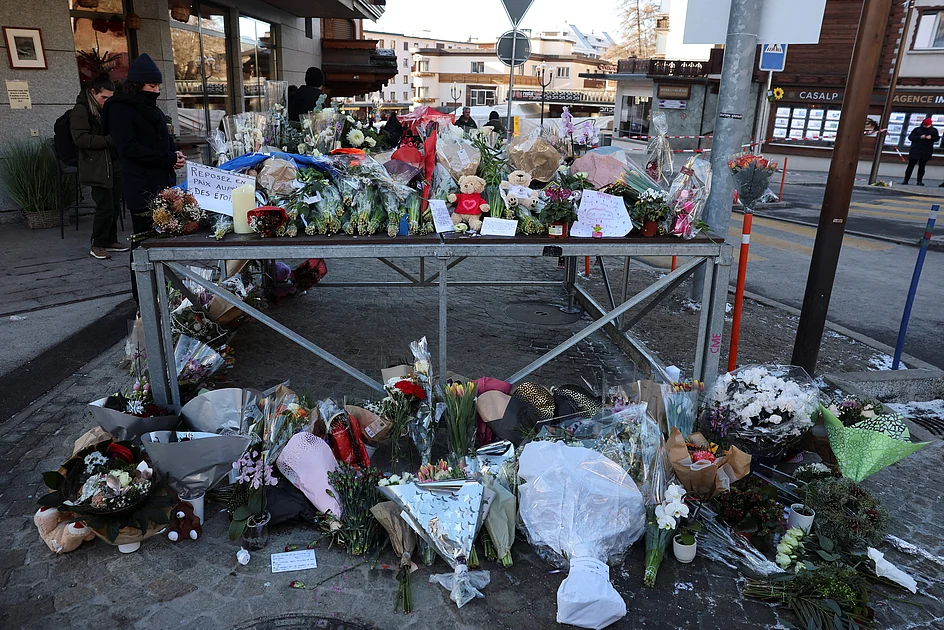
    The United Arab Emirates has formally expressed its profound solidarity with Switzerland in the aftermath of a catastrophic fire that engulfed a popular bar at the Crans-Montana ski resort during New Year’s celebrations. The blaze, which erupted in the early hours of January 1st, resulted in approximately 40 fatalities and left more than 100 individuals injured.

    In an official communiqué, the UAE Ministry of Foreign Affairs (Mofa) conveyed its deepest sympathies to the Swiss government and citizens, emphasizing the nation’s support during this period of immense grief. The Ministry extended heartfelt condolences to bereaved families while wishing swift recovery to all those affected by the injuries sustained.

    Eyewitness accounts described scenes of chaos and desperation as revelers attempted to break windows to escape the rapidly spreading flames. Many emerged onto the streets suffering from severe burns while emergency services, including police and rescue teams, mobilized extensively at the luxury resort destination.

    The tragedy has cast a shadow over the upcoming Ski World Cup events scheduled to commence at Crans-Montana on January 30th. As Swiss authorities undertake the complex process of identifying victims, international media reports have indicated that among those lost was a 17-year-old student residing in Dubai, recognized as an accomplished golfer who had recently participated in December’s UAE Cup tournament.

    The UAE’s demonstration of international compassion highlights the cross-border impact of the disaster that cut short New Year festivities with devastating consequences.

  • Watch: Cars crash due to distracted driving; Abu Dhabi police warn of Dh1,000 fine

    Watch: Cars crash due to distracted driving; Abu Dhabi police warn of Dh1,000 fine

    Abu Dhabi authorities have launched a stark public safety campaign highlighting the grave consequences of distracted driving through compelling visual evidence. The emirate’s police force released a gripping compilation of surveillance footage capturing multiple vehicular collisions at intersections, all stemming from driver inattention.

    The educational video demonstrates how momentary distractions cause sudden lane deviations and catastrophic accidents. Officials specifically identified mobile phone usage—including internet browsing, social media engagement, calling, and photography—as particularly dangerous behaviors that compromise road safety.

    Police emphasized that any activity diverting attention from driving is “extremely dangerous,” urging motorists to maintain constant vigilance toward pedestrians, road signage, and traffic conditions. The campaign reinforces the critical importance of obeying traffic police instructions to prevent avoidable accidents.

    The warning comes with serious legal ramifications: Running red lights under Abu Dhabi’s Vehicle Impoundment Law No. (5) of 2020 carries a Dh1,000 monetary penalty, 12 traffic points, and mandatory vehicle confiscation for 30 days. Additionally, drivers face a six-month license suspension from the date of revocation.

    Vehicle retrieval requires a substantial Dh50,000 release fee, with impounded automobiles held for up to three months pending payment. Failure to settle outstanding dues within this period results in the vehicle being referred for public auction.

    The initiative represents the latest effort by UAE authorities to enhance road safety through public education and stringent enforcement of traffic regulations.

  • Interest in Turkiye soars among Chinese tourists after introduction of visa-free entry

    Interest in Turkiye soars among Chinese tourists after introduction of visa-free entry

    A seismic shift in travel patterns is underway as Turkey’s newly implemented visa exemption policy for Chinese passport holders triggers an extraordinary surge in travel interest. Effective January 2, 2026, the landmark agreement permits Chinese citizens carrying ordinary passports to enter Turkey for tourism or transit purposes without visa requirements, allowing stays of up to 90 days within any 180-day period.

    The policy change has generated immediate and substantial market response. Leading Chinese travel platform Qunar reported remarkable spikes in flight searches within hours of the announcement. Istanbul-bound flights witnessed a staggering 630% increase in search volume compared to the previous week, while inquiries for Antalya and Izmir routes grew by 130% and 100% respectively. Competing platform Trip.com simultaneously recorded over 50% year-on-year growth in user engagement regarding Turkish travel options.

    This diplomatic development builds upon strengthened aviation connections established between the two nations. In May 2025, China and Turkey signed a memorandum of understanding that dramatically expanded flight capacity, increasing weekly passenger flights from 21 to 49. This enhanced connectivity provides the necessary infrastructure to support the anticipated tourism boom.

    Travel analytics expert Yang Han from Qunar’s Big Data Research Institute noted that Turkey had already established itself as an increasingly popular destination throughout 2025. ‘The visa-free entry policy effectively eliminates significant travel barriers,’ Yang explained. ‘When combined with the extended nine-day Spring Festival holiday in 2026, we anticipate substantially amplified demand for Turkish tourism during the peak travel period.’

    The convergence of simplified entry procedures, expanded flight availability, and favorable holiday scheduling creates ideal conditions for a transformative period in Sino-Turkish tourism relations, potentially establishing Turkey as a premier destination for Chinese travelers seeking international experiences.

  • Swiss ski resort fire: 17-year-old Dubai student reportedly among victims

    Swiss ski resort fire: 17-year-old Dubai student reportedly among victims

    A devastating fire that erupted at the Le Constellation bar in the renowned Crans-Montana ski resort of Switzerland during the early hours of New Year’s Day has resulted in a significant loss of life, with over 40 fatalities and more than 115 individuals injured. Among the victims is a 17-year-old student from Dubai, whose identity is being withheld by media outlets pending official confirmation and out of respect for the grieving family.

    The young man, described as a talented and passionate golfer who regularly participated in UAE golfing circuits, had recently competed in the UAE Cup in December. The Italian Golf Federation issued an official statement expressing profound condolences, honoring him as an athlete who embodied authentic values and genuine passion for the sport. Tributes have poured in from prominent figures within the UAE’s golf community, reflecting the profound impact of his loss.

    Authorities face a painstaking identification process that could extend for days or even weeks due to the severity of the injuries sustained. Witness accounts describe scenes of utter chaos as patrons, including many young people, attempted to escape the blaze by breaking windows. The bar’s popular basement nightclub was reportedly crowded at the time of the incident, though the exact number of attendees remains unverified.

    International casualties have been reported with Italy’s foreign ministry confirming 16 nationals missing and 12 injured, while France reported eight citizens unaccounted for, with potential fatalities among them. One Australian citizen was among the injured. The cause of the fire remains under investigation, with preliminary witness reports suggesting sparklers or flares in champagne bottles as potential ignition sources.

  • 2026 fashion trends: The battle between AI perfection and human mess

    2026 fashion trends: The battle between AI perfection and human mess

    The fashion industry stands at a technological crossroads in 2026 as major retailers deploy advanced artificial intelligence tools that promise to revolutionize how consumers select clothing. Google Shopping and Zara have launched sophisticated virtual try-on systems that generate hyper-realistic digital avatars, enabling shoppers to visualize garments without physical changing rooms.

    Google’s implementation leverages its ‘Nano Banana’ image editing technology to create detailed body doubles from user photographs, while Zara’s application requires both facial and full-body images to construct AI likenesses. These systems eliminate traditional shopping inconveniences—zippers, sizing inconsistencies, and fitting room queues—by presenting digitally perfected versions of users wearing selected items.

    However, this frictionless technological advancement has sparked a counter-movement celebrating human imperfection. Fashion futurists note growing consumer resistance to algorithmic perfection, predicting a resurgence of interest in the chaotic, experimental process that traditionally defined personal style development. Where teenagers once experimented with fashion in private bedrooms with disposable cameras documenting style evolution, contemporary youth face permanent digital footprints of every sartorial choice.

    The technology demonstrates significant limitations despite its advanced capabilities. Early adopters report discrepancies between AI projections and physical reality, with garments appearing differently in digital simulations versus actual wear. Dubai-based style influencer Irene Feeney noted that while the technology effectively identified unflattering garments, it occasionally misjudged items that would work well in reality.

    Critical shortcomings include the technology’s inability to convey textile weight, fabric texture, or physical comfort—essential components of fashion satisfaction. The AI cannot simulate the discomfort of high heels or the constriction of body-conscious garments, presenting only visually optimized outcomes without practical considerations.

    Industry analysts suggest these tools serve best as supplementary decision-making aids rather than replacement for physical shopping experiences. The technology proves particularly valuable for coordinating accessories and footwear with existing wardrobe items, though generation times currently approximate physical changing room durations.

    This technological development represents broader cultural tensions between algorithmic efficiency and human experiential learning, with fashion becoming the latest battlefield in the ongoing negotiation between digital convenience and authentic human experience.

  • Seven people killed by Saudi air strikes in southern Yemen, say separatists

    Seven people killed by Saudi air strikes in southern Yemen, say separatists

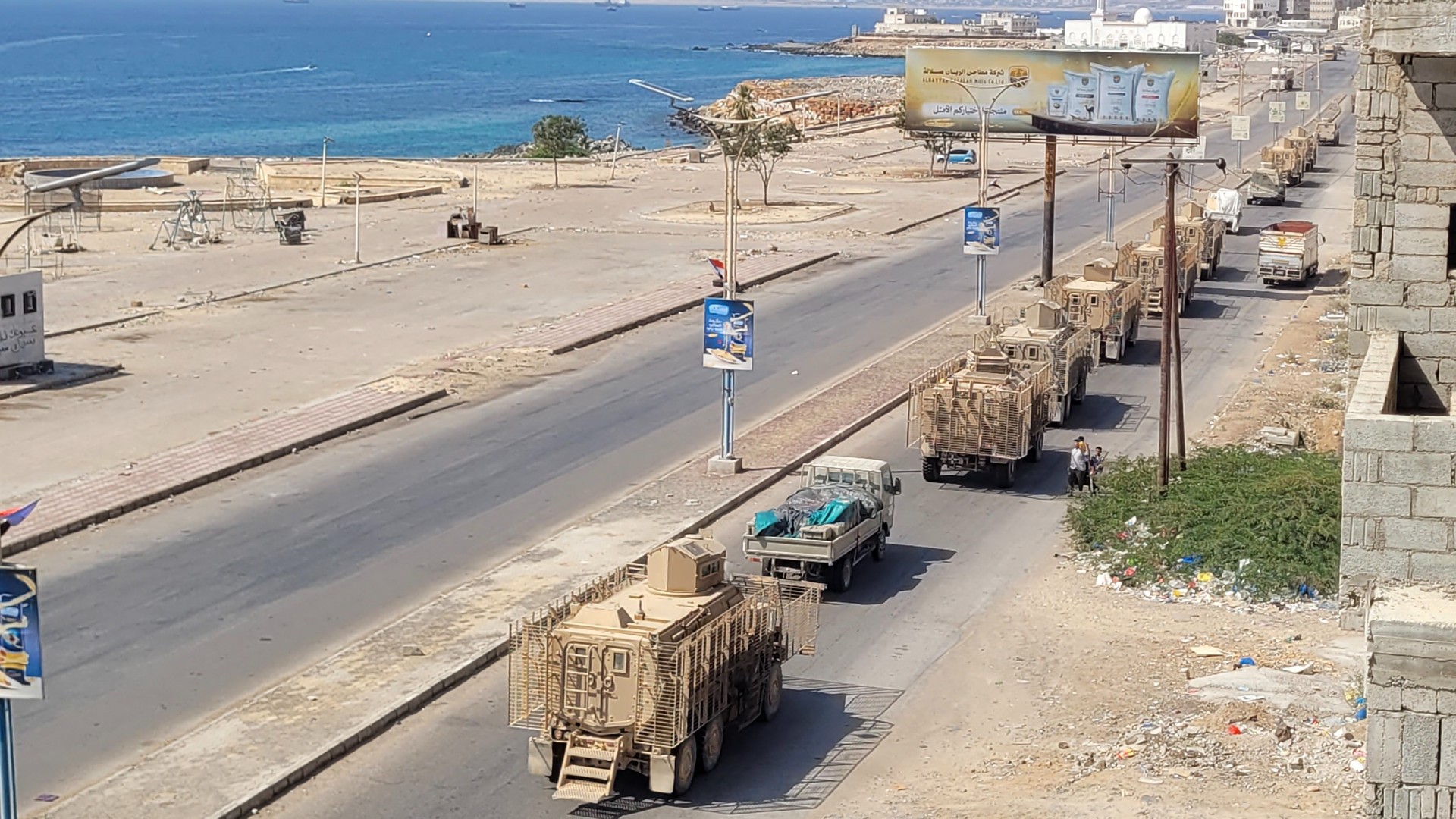
    Saudi Arabia has conducted a series of airstrikes against positions held by the Southern Transitional Council (STC) in southeastern Yemen, resulting in significant casualties and escalating tensions within the fragile coalition. According to STC officials, seven aerial assaults targeted a camp in al-Khasah, killing at least seven individuals and wounding more than twenty others.

    The military action follows the launch of what Saudi-backed authorities termed a “peaceful operation” to reclaim territory seized by the separatist group during its rapid offensive in December. Governor Salem al-Khanbashi of Hadhramout province, granted full military and administrative authority by Yemen’s internationally recognized Presidential Leadership Council (PLC), described the initiative as a “precautionary measure to protect security and prevent chaos” rather than a declaration of war.

    However, STC leadership has vehemently condemned Saudi actions as deceptive and contradictory. Amr al-Bidh, the STC’s special representative for foreign affairs, accused Riyadh of deliberately misleading the international community by announcing peaceful intentions while simultaneously preparing military strikes. “Their actions indisputably prove otherwise,” al-Bidh stated regarding Saudi claims of seeking de-escalation.

    The conflict emerges amid deepening fractures within the PLC, an eight-member governing body originally established with both Saudi and Emirati support. Half of the council’s members reportedly support the southern separatists, creating significant internal divisions.

    In a related diplomatic development, Saudi Arabia’s ambassador to Yemen publicly accused STC chairman Aidarus al-Zubaidi of refusing landing permission to a Saudi delegation seeking de-escalation talks at Aden’s airport. Ambassador Mohammed al-Jaber characterized Zubaidi’s unilateral decisions as “dangerous,” particularly his leadership of military operations in Hadhramout and al-Mahra provinces.

    The tensions reflect broader regional complexities, including recently strained relations between Saudi Arabia and the United Arab Emirates. Earlier this week, Saudi forces targeted an Emirati shipment in southern Yemen and explicitly criticized UAE support for the southern separatists—a notable escalation in rhetoric. Abu Dhabi rejected these accusations as containing “fundamental inaccuracies” while subsequently announcing the withdrawal of its limited forces from Yemen following a request from PLC leadership.

  • Yunnan e-bike fire probe identifies raft of failings

    Yunnan e-bike fire probe identifies raft of failings

    A comprehensive provincial investigation into a fatal electric bicycle fire in Kunming has revealed multiple systemic failures that led to the deaths of eight individuals last April. The official report, released Wednesday, details how illegal modifications, regulatory negligence, and improper building use converged to create the deadly conditions.

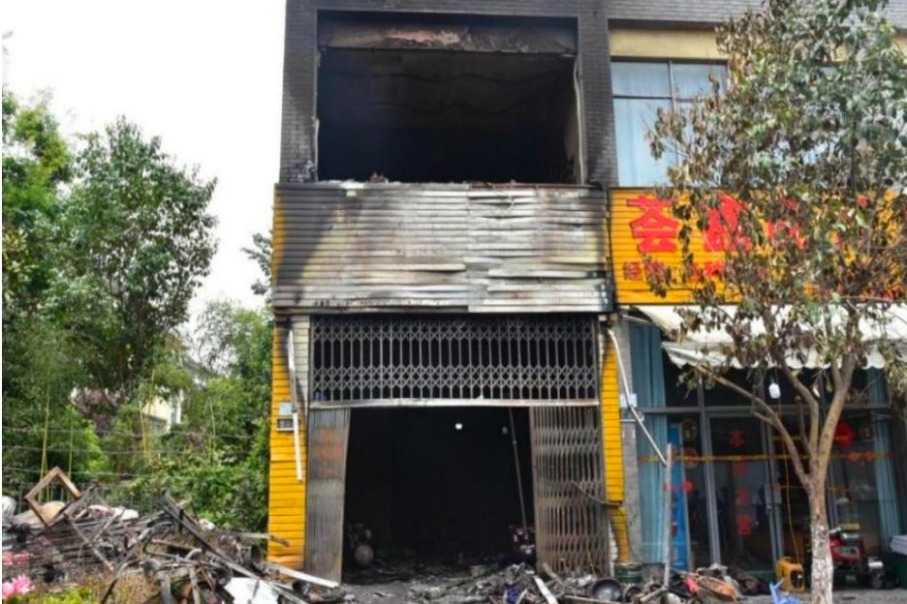
    The tragedy occurred on April 12, 2026, at a motorcycle parts store in Chenggong district where an illegally modified e-bike battery ignited while charging. The subsequent blaze resulted in 530,400 yuan ($75,839) in direct economic losses alongside the devastating human toll.

    Investigators determined the direct cause was a short-circuit in a modified battery that had previously shown signs of failure, including visible swelling. The shop operator, Yan Cai, had illegally replaced and added large-capacity lead-acid and lithium batteries to extend the vehicle’s range and increase speed, fundamentally compromising the original electrical safety design.

    The building’s dangerous configuration proved equally fatal. Yan had illegally converted the second floor into living quarters without proper fire safety separations. On the night of the incident, nine people—including family members and visiting relatives—were sleeping upstairs when the fire broke out on the cluttered first floor around 1:50 am. With only an ordinary staircase connecting the two levels, toxic smoke and flames rapidly ascended, blocking the only escape route. Most victims were elderly, women, or children.

    The property owner, He Wenjuan, faces proceedings for including an unauthorized ‘business and residential’ clause in the rental contract and failing to ensure mandatory fire separations or a separate evacuation staircase.

    The investigation also implicated the company that sold the substandard battery and identified widespread regulatory failures. Twenty-five officials from ten entities, including the Chenggong district government, are now facing disciplinary action for deficiencies in performing their duties.

    Yan Cai, deemed primarily responsible, has been placed under residential surveillance on suspicion of causing a fire by negligence and faces potential criminal charges.

  • Watch: How 6,500 drones took off on NYE to form stunning images of UAE leaders

    Watch: How 6,500 drones took off on NYE to form stunning images of UAE leaders

    The United Arab Emirates ushered in the New Year with an unprecedented technological and pyrotechnic marvel that captivated millions of spectators. Beyond the visible splendor, the Sheikh Zayed Festival’s celebrations represented a monumental achievement in precision engineering and coordinated execution.

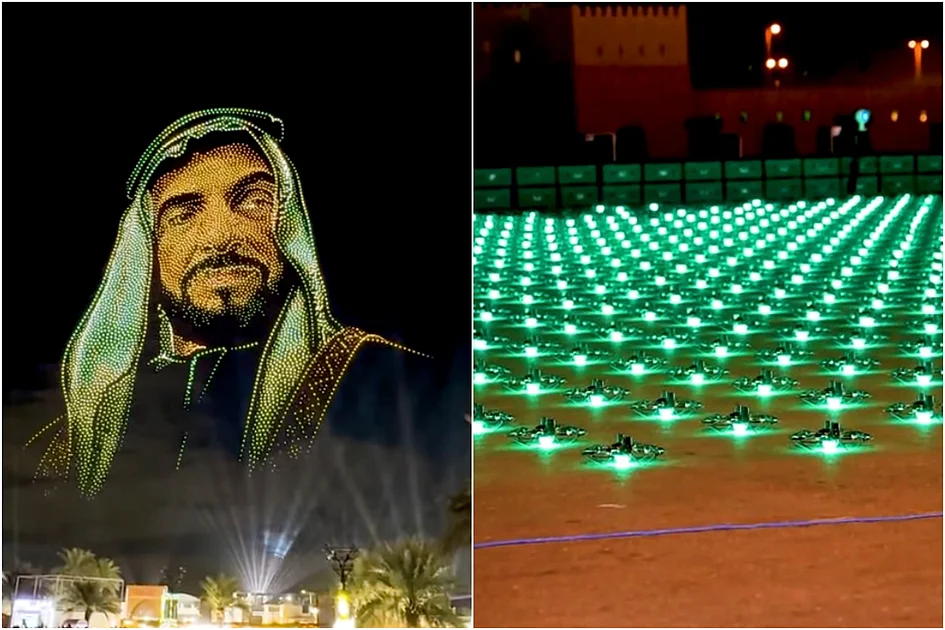
    The centerpiece of the evening featured 6,500 synchronized drones ascending into the Al Wathba night sky, forming intricate three-dimensional tributes to UAE leadership and cultural heritage. This record-setting performance operated in perfect harmony with a continuous 62-minute fireworks display—a logistical feat requiring thousands of shells, extensive wiring networks, and strategically positioned launch platforms.

    Mohammed Al Marzooqi, a key organizer, revealed the intricate planning behind the spectacle. “Our drone sequences were meticulously designed to complement the pyrotechnics while celebrating Emirati identity,” he explained. The production involved hundreds of specialists—from engineers and technicians to security personnel—all coordinated through a central command center with redundant power and communication systems.

    Preparations included extensive nighttime rehearsals conducted after public hours, focusing on timing precision and weather adaptation. In the critical hour before midnight, teams implemented final safety verifications and system checks. The entire performance operated through pre-programmed sequences with live monitoring capabilities for immediate intervention if required.

    The post-show phase commenced immediately after the final fireworks faded, with crews beginning equipment dismantlement while already planning future celebrations. This demonstration of technological artistry not only entertained global audiences but established new benchmarks for large-scale public spectacles.

  • Dubai leads global surge in ‘branded residences’ as wellness takes centre stage

    Dubai leads global surge in ‘branded residences’ as wellness takes centre stage

    The global luxury real estate landscape is undergoing a fundamental transformation, with Dubai emerging as the epicenter of a new era in branded residences. According to Knight Frank’s comprehensive Residence Report 2025-2026, which analyzed over 1,000 active and pipeline developments across 83 countries, the market has evolved from niche offering to core developer strategy.

    The Middle East commands approximately 27% of the global branded residence pipeline, with Dubai achieving unprecedented performance metrics. The city recorded $8.2 billion in home sales exceeding $10 million through June 2025—the highest global total—demonstrating its dominance in the ultra-prime property sector.

    A paradigm shift is occurring in what constitutes luxury value. Flashy amenities are declining in appeal while wellness integration, longevity-focused design, and everyday livability are becoming the primary value drivers. Developments now prioritize health-led living through dedicated clinics, community wellness programs, and sensory-focused architecture, as exemplified by London’s Surrenne and Dubai’s SHA Emirates.

    Three significant trends are reshaping the market:

    1. **Brand Diversification**: Beyond traditional hotel partnerships, fashion labels, restaurants, and wellness brands are entering real estate. Dubai showcases this through Bulgari Residences at Jumeirah Bay with distinctive Italian design and upcoming Bentley-branded towers targeting ultra-prime buyers.

    2. **Standalone Privacy**: Properties are increasingly designed as self-contained experiences rather than hotel attachments. Developments like Raffles Residences on The Palm offer exclusive amenities without shared spaces with hotel guests, providing complete privacy while maintaining five-star service standards.

    3. **Master-Planned Communities**: Beyond individual towers, developers are creating comprehensive branded ecosystems. Dubai Hills Estate and Sobha Hartland combine multiple residences with shared amenities including golf courses, private clubs, and cultural hubs, creating immersive lifestyle-oriented neighborhoods.

    Andrew Cummings, Head of Residential Agency at Savills Middle East, notes that Dubai’s regulatory frameworks, tax incentives, and infrastructure have enabled it to translate global trends into exceptional market performance. Unlike mature hubs facing regulatory pressures and higher borrowing costs, the UAE provides a supportive environment for wealthy buyers seeking both lifestyle enhancement and long-term investment.

    Will McKintosh, Regional Partner at Knight Frank MENA, confirms the UAE’s position as an outperformer in the global luxury residential landscape. Market dynamics are driven by substantial inward migration fueled by safety, world-class amenities, and overall quality of life rather than speculative investment.

    As the market progresses into 2026, industry experts anticipate continued high demand with increased investor selectivity. Prime and super-prime assets offering genuine differentiation through brand credibility, design excellence, and authentic community creation will likely outperform projects focused merely on immediate appeal.