作者: admin

  • Fireworks guaranteed as Sam Curran, Kieron Pollard eye ILT20 season 4 trophy

    Fireworks guaranteed as Sam Curran, Kieron Pollard eye ILT20 season 4 trophy

    The Dubai International Stadium prepares to host the grand finale of DP World ILT20 Season 4 on Sunday, featuring a championship battle between the Desert Vipers and MI Emirates. This showdown presents a classic narrative of first-time glory versus historic achievement, with the Vipers seeking their maiden title while MI Emirates aim to become the tournament’s first two-time champions.

    Desert Vipers captain Sam Curran emphasized the team’s collective approach during pre-final preparations. “Our focus remains on executing team strategies rather than individual brilliance,” stated the English all-rounder. “Finals bring unique pressure and atmosphere, but these are precisely the moments we train for. We’re prepared mentally and tactically for this challenge.”

    MI Emirates skipper Kieron Pollard, drawing from previous final experience, projected calm confidence. “We’re comfortable embracing the underdog role,” Pollard remarked. “Cricket ultimately simplifies to performance execution on the day. We’ve earned this opportunity through resilience, and now we must maintain composure under pressure.”

    The statistical backdrop reveals remarkably balanced contention. The Vipers boast a slight historical advantage with 29 victories from 46 matches across four seasons, while MI Emirates follow closely with 27 wins. Their most recent encounter saw the Vipers secure a decisive 45-run victory in Qualifier 1, powered by Andries Gous’ spectacular unbeaten 120.

    Desert Vipers dominated the league phase with unprecedented consistency, becoming the first franchise to qualify for playoffs after six consecutive opening victories. They concluded the group stage with a record-breaking eight wins from ten matches, advancing to their second consecutive final.

    Curran has been instrumental in their campaign, contributing 323 runs including two half-centuries and claiming seven wickets. He received substantial support from Max Holden (318 runs) and Emirati bowler Khuzaima Tanveer, whose 15 wickets demonstrate the growing impact of local talent.

    MI Emirates’ journey to the final featured a remarkable mid-season resurgence. After winning only two of their initial five matches, the Season 2 champions mounted a five-match winning streak to secure second position. Their qualification was sealed through a comprehensive seven-wicket victory against Abu Dhabi Knight Riders in the eliminator.

    The Emirates’ campaign has been highlighted by Muhammad Waseem’s exceptional form, with the UAE international leading both batting (344 runs) and local player rankings. English batsman Tom Banton (320 runs) and bowler Allah Ghazanfar (15 wickets) have provided crucial support throughout the tournament.

    The championship carries significant prestige and financial rewards, with the winners claiming $700,000 and the runners-up receiving $300,000. Individual excellence will be recognized through specialized belts—Green (Best Batter), White (Best Bowler), Red (MVP), and Blue (Best UAE Player)—each accompanied by a $15,000 prize, underscoring the tournament’s commitment to recognizing both team and individual prowess.
  • Trump says US to ‘run’ Venezuela after toppling Maduro in military attack

    Trump says US to ‘run’ Venezuela after toppling Maduro in military attack

    In a dramatic escalation of hemispheric tensions, United States special forces executed a lightning military operation in Caracas on Saturday resulting in the capture of Venezuelan President Nicolás Maduro and his wife. The pre-dawn assault combined precision airstrikes targeting key military installations with a ground operation that extracted the controversial leader from his compound.

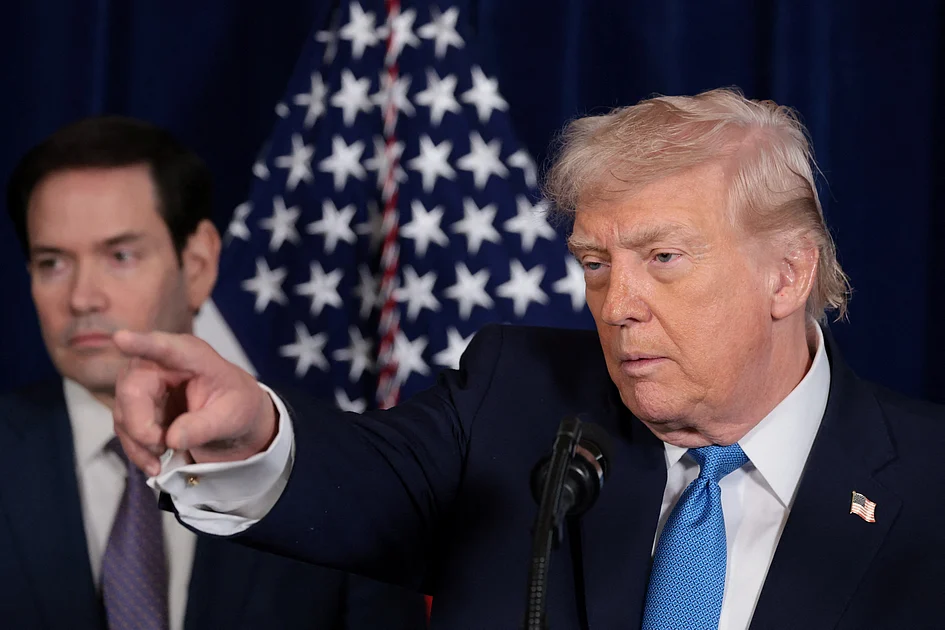
    President Donald Trump announced the successful mission at a Florida press conference, declaring the U.S. would now ‘run’ Venezuela and utilize its substantial oil reserves. ‘We’re going to be running it with a group,’ Trump stated, indicating cabinet officials accompanying him would oversee the transition. The Republican leader surprisingly dismissed opposition figure Maria Corina Machado as a potential successor, instead suggesting openness to working with Maduro’s deputy Delcy Rodriguez.

    The operation involved approximately 150 aircraft and leveraged extensive intelligence gathering on Maduro’s daily routines. General Dan Caine confirmed the captured leader surrendered without resistance and was being transported to New York to face narcotics and terrorism charges. The assault triggered widespread alarm internationally, with China condemning the action and the United Nations expressing concern about violations of international law.

    Venezuelan residents described waking to explosions and military helicopter activity around 2 a.m. local time, with airstrikes persisting for nearly an hour. The capital subsequently fell into an eerie silence as police secured public buildings and smoke drifted through streets near bombed installations. The Trump administration provided shifting justifications for the intervention, citing drug trafficking, migration concerns, and energy interests at various points.

  • Shock, disbelief in bombed Venezuelan port

    Shock, disbelief in bombed Venezuelan port

    Twelve hours following a clandestine United States military operation targeting Venezuelan leadership, the port city of La Guaira north of Caracas remained shrouded in smoke, its infrastructure scarred by precision airstrikes. The mission, designed to apprehend and extract President Nicolás Maduro from his stronghold, represents an unprecedented escalation in the protracted geopolitical standoff between Washington and Caracas.

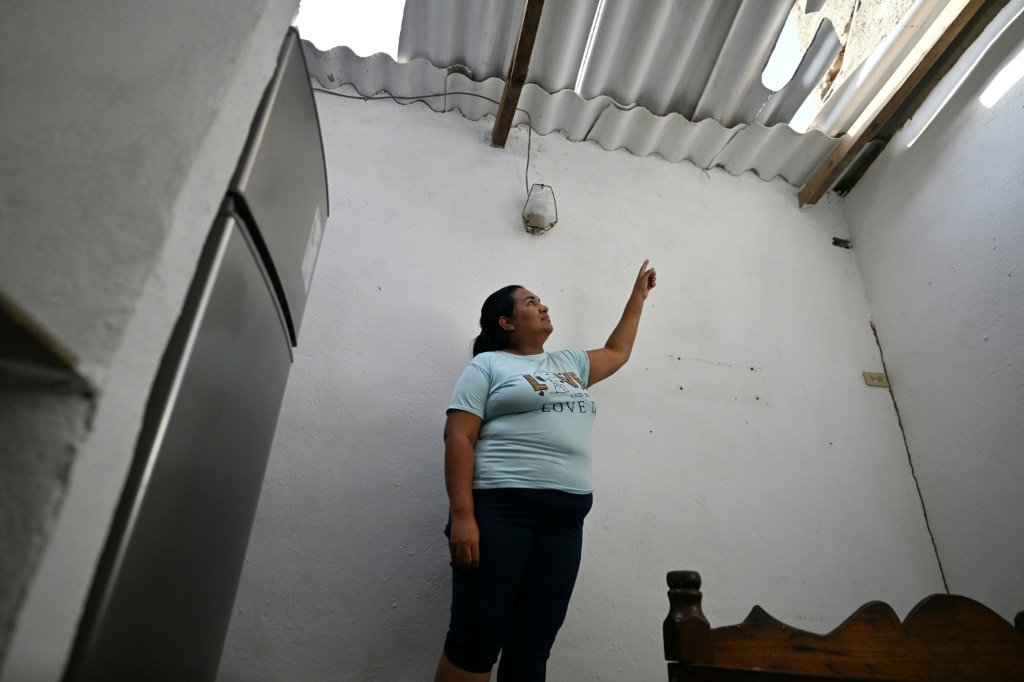
    Eyewitness accounts describe scenes of devastation and collective trauma. Alpidio Lovera, a 47-year-old resident, recounted the terrifying sequence of events: “First we saw the flash and then the explosion,” prompting him to flee with his pregnant wife to higher ground. The force of the strikes deformed shipping containers, blew out windows of public buildings, and ripped roofs from residential houses, though official reports noted no casualties in the area.

    The psychological impact on residents was profound. Linda Unamuno, 39, broke into sobs describing how the blast destroyed her roof, initially mistaking the attack for another natural disaster reminiscent of the catastrophic 1999 landslide that claimed thousands of lives. “I saw the fire from the airstrikes. It was traumatizing,” she stated, adding she “wished it on no-one.”

    While US President Donald Trump publicly confirmed Maduro’s capture with an image of the handcuffed and blindfolded leader aboard a US warship, skepticism persists among segments of the Venezuelan population. Pensioner Alirio Elista, 68, whose water tank was damaged in the strikes, dismissed the news as “fake” and criticized those celebrating the intervention. His weekly pension of under half a dollar “doesn’t pay for anything,” he complained, highlighting the desperate economic conditions that have plagued the country under Maduro’s rule.

    The operation culminates years of US sanctions and alleged coup plots against Maduro, whose administration presided over rampant inflation and critical shortages of fuel, medicine, and basic foodstuffs despite Venezuela possessing the world’s largest proven oil reserves. Trump’s vision of US oil companies revitalizing Venezuela’s crumbling infrastructure contrasts sharply with local expectations of a long recovery. As Elista predicted: “We’ll need at least 15 years to get back to where we were.”

  • Venezuelan political figures condemn US aggression

    Venezuelan political figures condemn US aggression

    Senior Venezuelan officials have issued forceful condemnations of what they characterize as an unprovoked US military aggression against sovereign territory. The coordinated statements emerged on Saturday following reported attacks on multiple locations including the capital Caracas and surrounding states.

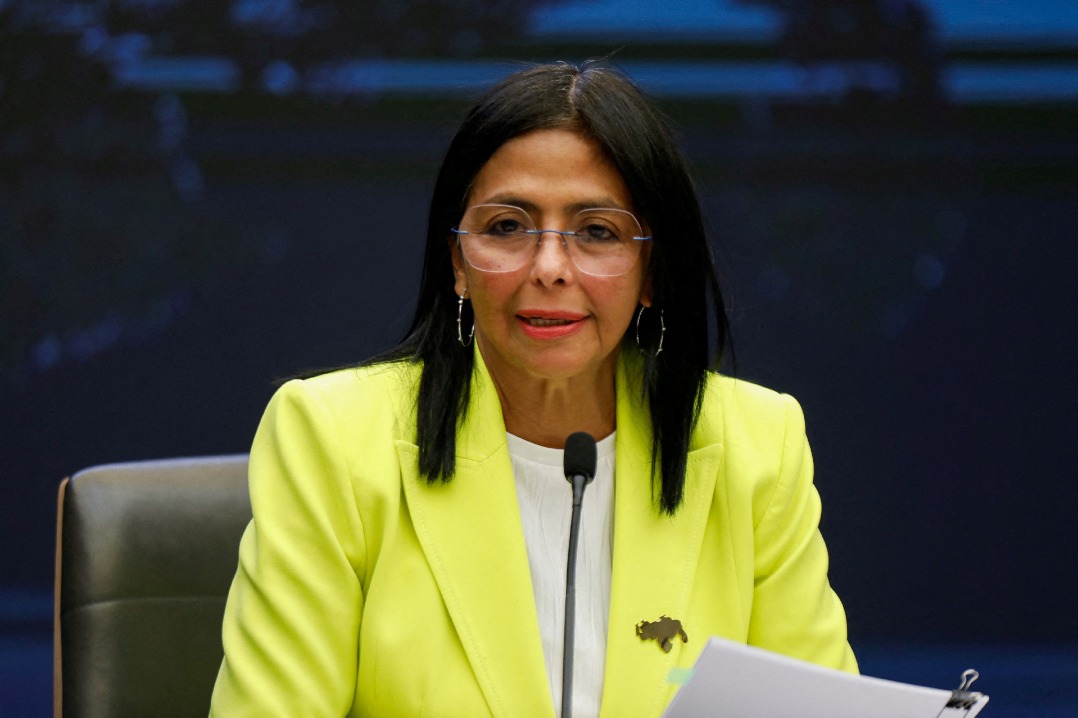
    Vice President Delcy Rodriguez, appearing on state television, revealed that President Nicolas Maduro and First Lady Cilia Flores’ current whereabouts remain unknown, demanding immediate proof of life from US authorities. She confirmed significant casualties among both military personnel and civilians across Caracas, Miranda, Aragua and La Guaira regions following overnight operations.

    ‘The United States has violated international norms through this cowardly assault on our sleeping nation,’ Rodriguez stated. ‘No external force possesses the authority to impose its will upon the Venezuelan people or compromise our sovereign integrity.’

    Interior Minister Diosdado Cabello characterized the offensive as a ‘sneaky, vile attack’ targeting defenseless civilians, urging citizens to maintain composure despite provocations. ‘We must not yield to despair or facilitate the objectives of these invading terrorists,’ he emphasized during a national address.

    Attorney General Tarek William Saab accused the US government of bearing full responsibility for the safety of Maduro and his wife, labeling the operation as ‘imperial aggression against innocent civilian targets.’ He cautioned citizens against psychological warfare tactics while affirming that the president’s prior warnings about foreign intervention had materialized into ‘bloody reality.’

    The unified government response framed the incident as justification for Venezuela’s longstanding anti-imperialist stance, calling for international recognition of sovereignty violations. Officials repeatedly emphasized civilian casualties while urging population-wide vigilance against further provocations.

  • BBC Mundo reports from a quiet Venezuela-Colombia border after Maduro’s arrest

    BBC Mundo reports from a quiet Venezuela-Colombia border after Maduro’s arrest

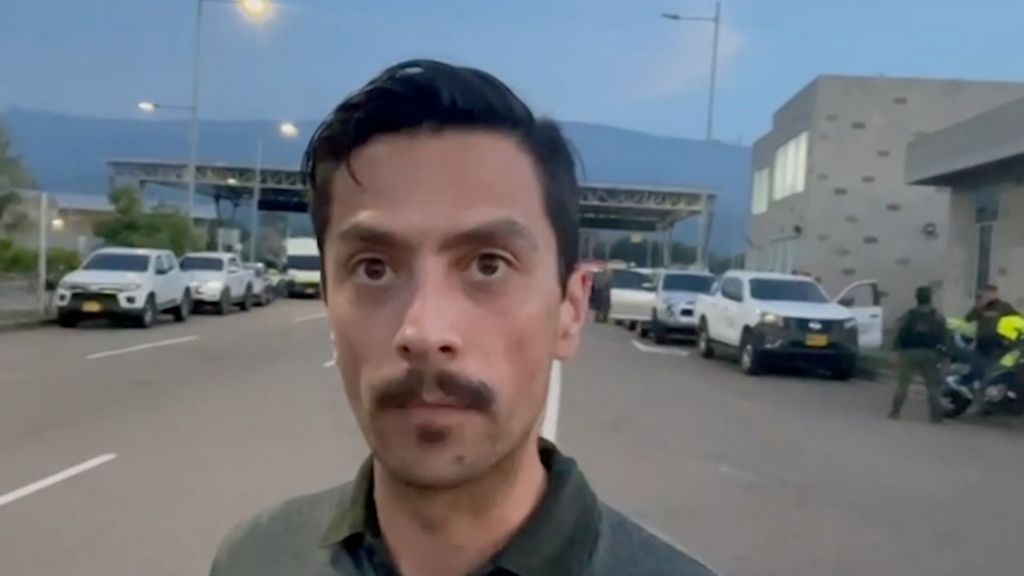
    The typically bustling commercial corridors along the Venezuela-Colombia border have been transformed into zones of unusual quietude, following the issuance of an arrest order for President Nicolás Maduro. This dramatic shift in atmosphere underscores the profound anxiety gripping many Venezuelans, who are now adopting a cautious wait-and-see approach toward their nation’s volatile political future. The border region, historically a vibrant hub of cross-border trade and constant movement, now reflects a nation in suspended animation. Local merchants and residents report a significant decline in activity, as citizens prioritize monitoring the unfolding political crisis over daily commerce. This palpable tension highlights how high-stakes political developments in Caracas directly impact economic vitality and social dynamics in border communities. The current stillness is not merely an economic pause but a societal response to profound uncertainty, with many fearing potential repercussions that could alter the country’s trajectory.

  • Venezuela’s ‘hour of freedom’ has arrived: Opposition leader Machado

    Venezuela’s ‘hour of freedom’ has arrived: Opposition leader Machado

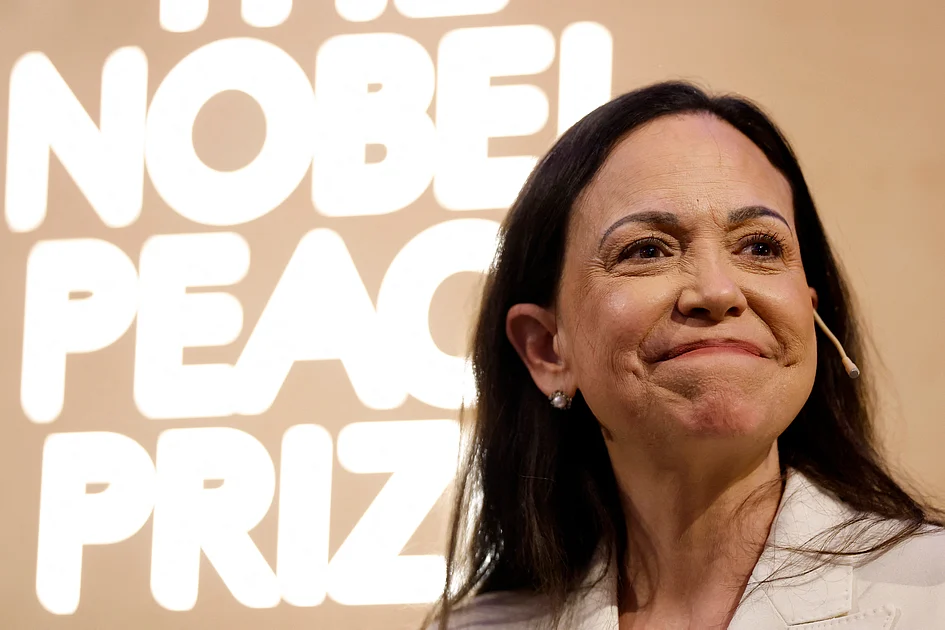
    Venezuelan opposition leader and Nobel Peace Prize laureate Maria Corina Machado has proclaimed the arrival of her nation’s ‘hour of freedom’ following a decisive US military operation targeting strongman Nicolas Maduro. The dramatic development marks a potential turning point in Venezuela’s prolonged political crisis.

    In a powerful statement issued Saturday, Machado declared that opposition candidate Edmundo Gonzalez Urrutia must immediately assume his constitutional presidential mandate. The opposition coalition maintains that Gonzalez Urrutia legitimately won the July 2024 election, despite Maduro’s disputed reelection which drove Machado into hiding for months.

    The political upheaval follows an early-morning US military strike on Caracas, prompting Machado’s triumphant social media announcement. Currently abroad at an undisclosed location after secretly traveling to Oslo in December to accept her Nobel Prize, Machado dedicated the honor to US President Donald Trump while endorsing American intervention in her homeland.

    Machado emphasized the critical need for vigilance and organization during what she termed the ‘Democratic Transition,’ stating: ‘Today we are ready to enforce our mandate and take power.’ She further demanded that Gonzalez Urrutia be ‘recognized as Commander in Chief of the National Armed Forces by all officers and soldiers.’

    The opposition leader had been barred from the 2024 presidential race by institutions loyal to Maduro, leading to Gonzalez Urrutia’s emergence as the consensus opposition candidate. While internationally praised for her democratic advocacy, Machado has faced criticism for her alignment with Trump’s administration.

    Gonzalez Urrutia echoed the historic significance of these developments, posting on social media platform X: ‘These are decisive hours, know that we are ready for the great operation of the reconstruction of our nation.’ The Nobel Committee had previously awarded Machado its peace prize specifically for ‘her struggle to achieve a just and peaceful transition from dictatorship to democracy.’

  • Trump says US will not forget about Monroe Doctrine anymore

    Trump says US will not forget about Monroe Doctrine anymore

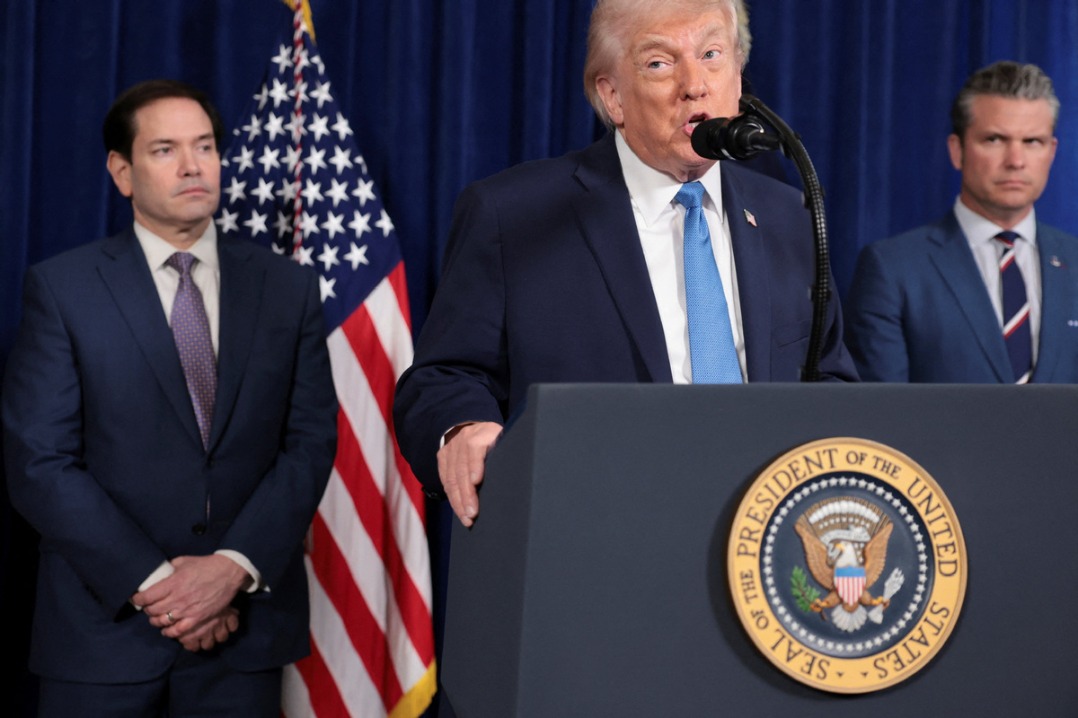
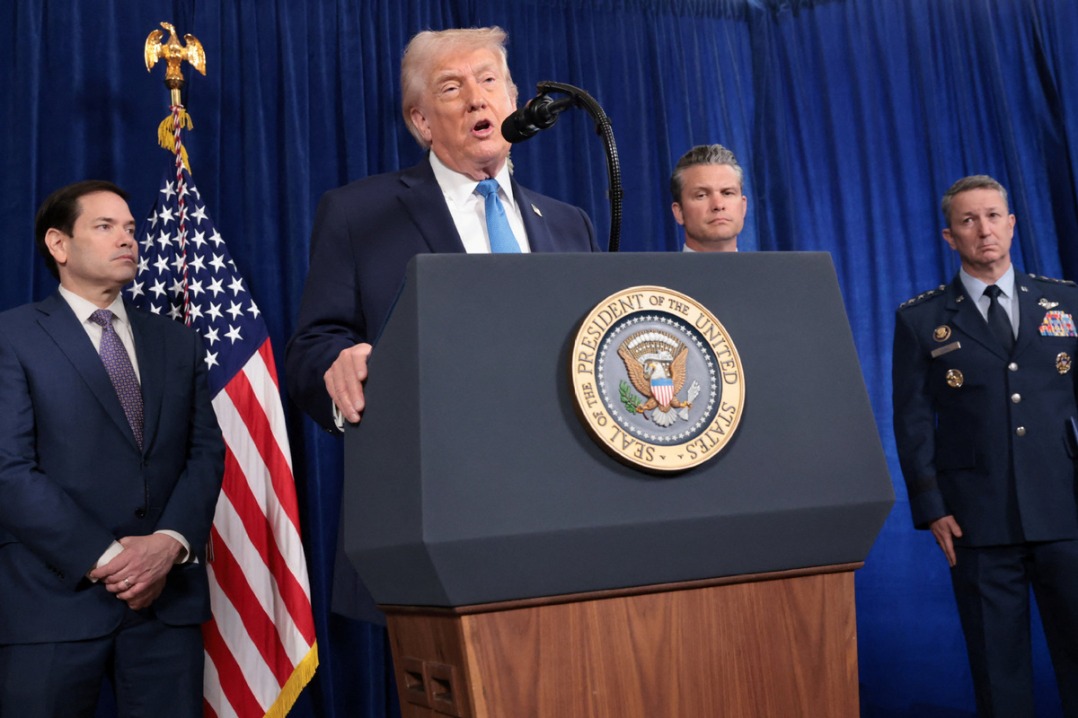
    In a significant foreign policy declaration from his Mar-a-Lago estate, President Donald Trump has emphatically reinstated the Monroe Doctrine as a cornerstone of American hemispheric policy. The announcement came during a press conference where Trump was flanked by key administration officials, including Secretary of Defense Pete Hegseth and Secretary of State Marco Rubio.

    The presidential address followed confirmed U.S. military operations against Venezuelan targets, resulting in the capture of President Nicolás Maduro and First Lady Cilia Flores. Trump characterized these actions as necessary measures to restore stability in the Western Hemisphere.

    ‘Our nation will no longer neglect the fundamental principles that have safeguarded our hemisphere for generations,’ Trump stated, referencing the 19th-century doctrine that established America’s sphere of influence in the Americas. ‘The Monroe Doctrine remains as relevant today as when it was first articulated, and this administration will vigorously uphold its principles.’

    The administration’s renewed commitment to this policy framework signals a potential shift in U.S. approach to regional affairs, emphasizing sovereign interests and strategic dominance in the Western Hemisphere. This development occurs against a backdrop of increasing geopolitical tensions and follows years of strained relations between Washington and several Latin American governments.

    Secretary Rubio reinforced the president’s message, indicating that the administration would pursue ‘all necessary diplomatic and strategic measures’ to protect American interests in the region. Defense Secretary Hegseth emphasized the military’s readiness to execute the president’s national security directives.

  • Trump says US oil companies would fix Venezuela’s infrastructure, ‘and start making money for the country’

    Trump says US oil companies would fix Venezuela’s infrastructure, ‘and start making money for the country’

    In a significant post-operation address from his Mar-a-Lago estate in Florida, former U.S. President Donald Trump outlined a prospective economic strategy for Venezuela following military actions that resulted in the capture of President Nicolás Maduro and First Lady Cilia Flores. Speaking alongside key administration figures including Secretary of Defense Pete Hegseth, Secretary of State Marco Rubio, and General Dan Caine, Chairman of the Joint Chiefs of Staff, Trump revealed his vision for Venezuela’s reconstruction.

    The central proposition involves deploying American petroleum corporations to rehabilitate Venezuela’s deteriorated energy infrastructure. Trump asserted that such collaboration would generate substantial revenue for the South American nation, stating that U.S. companies would ‘start making money for the country’ while addressing critical infrastructure deficiencies.

    This declaration comes amid a complex geopolitical landscape, with the January 3, 2026 military operation representing a dramatic escalation in longstanding tensions between Washington and Caracas. The proposal signals a potential shift from military intervention to economic partnership, suggesting an unconventional approach to foreign policy that blends corporate engagement with diplomatic objectives.

    The announcement has sparked immediate international attention, raising questions about resource sovereignty, the role of private corporations in national reconstruction, and the future of U.S.-Venezuela relations following the removal of Maduro’s administration.

  • ‘A long road ahead’: Venezuelans react to Maduro’s arrest with hope and worry

    ‘A long road ahead’: Venezuelans react to Maduro’s arrest with hope and worry

    Venezuela has been thrust into a period of profound uncertainty following the dramatic capture of President Nicolás Maduro by United States military forces. The operation, authorized by President Donald Trump and executed in Caracas early Saturday, represents a dramatic escalation in the longstanding tensions between the two nations.

    The immediate aftermath in the capital was a study in contrasts. While some citizens emerged to celebrate, expressing gratitude to the U.S. for removing a leader they view as illegitimate, staunch government loyalists mounted counter-protests. Caracas Mayor Carmen Meléndez decried the action as an outright ‘kidnapping,’ rallying supporters who demand Maduro’s immediate release.

    The U.S. justification for the unprecedented military incursion centers on accusations that Maduro presides over a ‘narco-terrorist’ regime. These claims, which Maduro has consistently denied, form the basis for his extradition to New York City to face formal drug trafficking and weapons charges. In the power vacuum, President Trump has declared the U.S. will temporarily administer the nation and manage its vast oil reserves until a permanent government can be established.

    Yet, beneath the surface of celebration for many, deep-seated fear and skepticism persist. Interviews with citizens reveal widespread apprehension about the future. Many, like a woman identified only as ‘Dina’ for her safety, express cautious hope for economic investment but profound distrust in U.S. political consistency. The threat of violence remains palpable; reports indicate armed pro-government paramilitary groups, known as colectivos, continue to patrol streets, intimidating citizens.

    The situation is further complicated by the enduring influence of powerful Maduro allies within the government structure, creating fears of internal instability. For the nearly eight million Venezuelans living in exile, Maduro’s capture is a watershed moment, though they recognize that healing the nation’s profound wounds—including addressing those who are missing, imprisoned, or dead—will be a long and arduous process.

  • ‘At last’: Venezuelans abroad celebrate Maduro ouster

    ‘At last’: Venezuelans abroad celebrate Maduro ouster

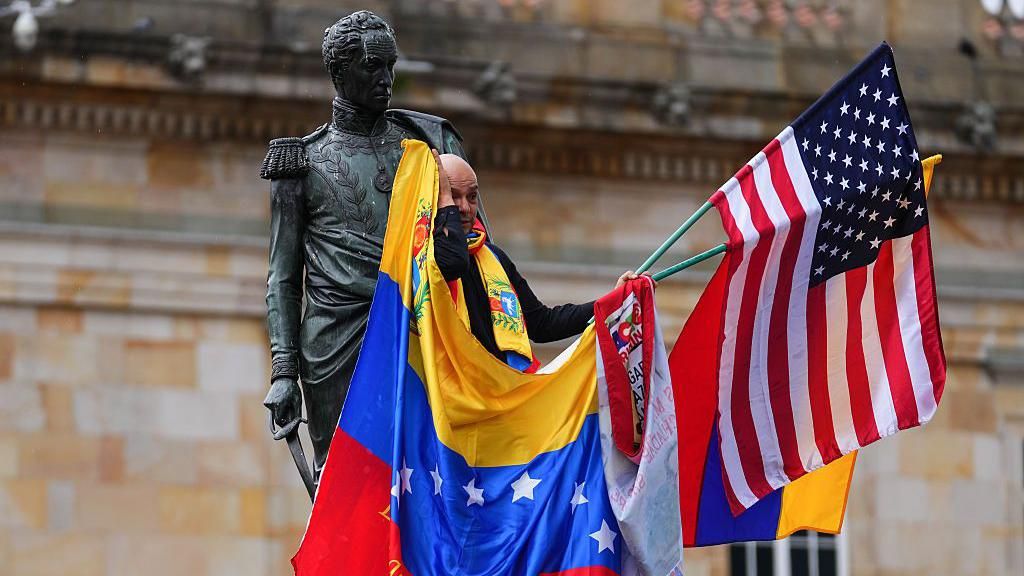
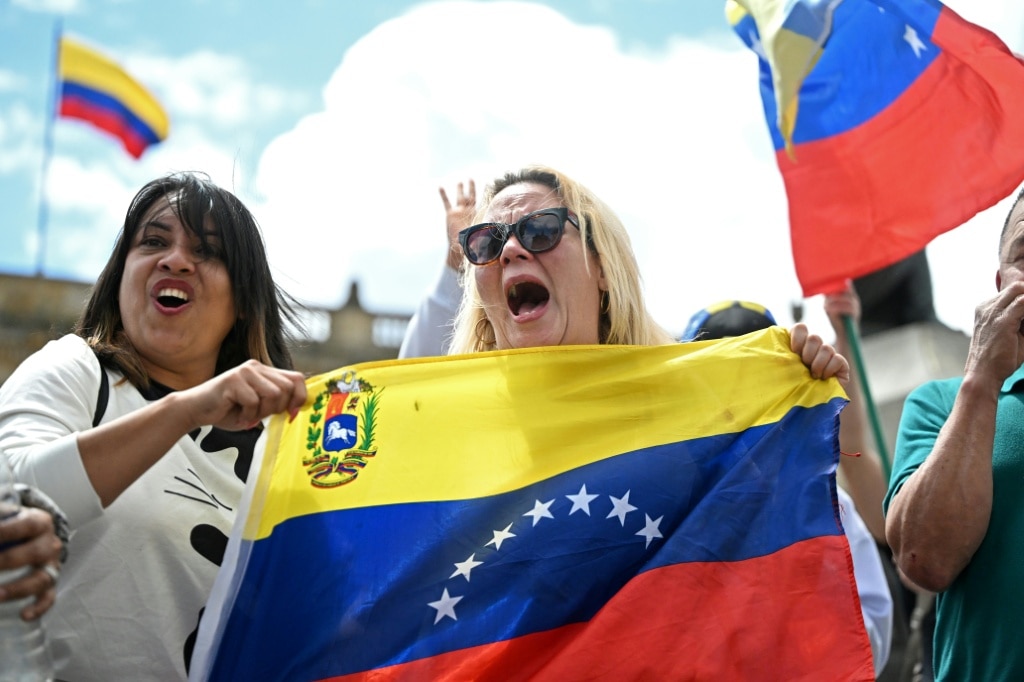
    Venezuelan expatriates across the globe erupted in emotional celebrations following the military capture of President Nicolás Maduro by United States forces. The operation, which resulted in Maduro’s extradition to New York to face drug trafficking charges, triggered massive gatherings from Santiago to Madrid as diasporic communities expressed overwhelming relief after years of economic hardship and political repression.

    In Santiago, Chile, thousands congregated in a vibrant sea of yellow, blue, and red national flags. Yurimar Rojas, a local street vendor, encapsulated the collective sentiment shouting over the cheering crowds, “At last we’ll be able to go back home!” This hope was echoed by Yasmery Gallardo, 61, who announced immediate plans to return after eight years abroad. The celebrations carried particular significance in Chile, where many Venezuelans face uncertainty under incoming far-right President José Antonio Kast’s proposed migrant deportation policies.

    Similar scenes unfolded in Miami where revelers chanted gratitude toward former US President Donald Trump, whom they credit for enabling the operation. Ana Gonzalez declared, “Today, the dreams of Venezuelans abroad came true,” while Anabela Ramos celebrated the culmination of a 27-year wait for political change.

    Madrid witnessed profound emotional displays as Pedro Marcano, 47, stated his intention to return home after 11 years, though he cautioned that clarity regarding Venezuela’s political future remained necessary. The gathering observed a moment of silence for a broadcast by opposition leader María Corina Machado, whose message of freedom moved many to tears despite US assertions questioning her capacity to lead.

    While most celebrations continued peacefully, dissenting voices emerged protesting American interventionism. Demonstrators gathered outside US embassies in Mexico City and Buenos Aires, waving anti-war banners and chanting slogans like “Out, Yankees, out!” arguing against perceived American imperialism and resource exploitation.

    The developments leave Venezuela’s political landscape in flux. While Vice President Delcy Rodríguez insisted Maduro remains the legitimate leader and promised to defend national sovereignty, the US administration has committed to overseeing transitional governance. For countless Venezuelans who fled economic collapse and humanitarian crisis, however, the events represent long-awaited justice and the potential for national healing.