作者: admin

  • Watch: Massive avalanche engulfs Jammu and Kashmir’s Sonamarg tourist resort

    Watch: Massive avalanche engulfs Jammu and Kashmir’s Sonamarg tourist resort

    A dramatic avalanche event unfolded in the Himalayan region of Jammu and Kashmir on Tuesday night, with security cameras capturing the terrifying moment when a massive wall of snow descended upon the popular Sonamarg tourist resort. The incident occurred at approximately 10:12 PM local time, as subzero temperatures and heavy snowfall created dangerous conditions throughout the valley.

    Surveillance footage circulated by Indian media outlets shows the powerful avalanche maneuvering through mountainous terrain before engulfing several structures in the resort area. Remarkably, despite the substantial force of the snowslide, local authorities confirmed no casualties resulted from the event, attributing the fortunate outcome to timely warnings and evacuation procedures.

    The avalanche formed part of a broader weather crisis affecting the region, where western disturbances have triggered the heaviest snowfall witnessed in a quarter-century. The extreme conditions have paralyzed transportation networks, stranding thousands of vehicles along the Jammu-Srinagar highway since Monday and prompting significant flight cancellations at Srinagar Airport.

    Meteorological officials from India’s weather department reported continuing snowfall and rainfall across multiple Jammu regions, accompanied by isolated thunderstorms with lightning, hail, and gusty winds reaching 40-50 kmph. The Pir Panjal range, particularly the Kotranka-Budhal belt, has experienced exceptional accumulation, unexpectedly transforming the area into a tourist attraction despite the hazardous conditions.

    Administrative response efforts are underway, with Deputy Commissioner Abhishek Sharma confirming that restoration teams are working to reinstate essential services including electricity, road access, and emergency provisions. ‘Continuous work on road traffic management is underway from early morning,’ Sharma stated, emphasizing the priority of ensuring uninterrupted rations, water, medical care, and emergency services for affected communities.
  • 67 traffic improvements in 2025 in key areas of Dubai reduce travel time by 45%

    67 traffic improvements in 2025 in key areas of Dubai reduce travel time by 45%

    Dubai’s Roads and Transport Authority (RTA) has achieved remarkable success in urban mobility through its comprehensive traffic improvement initiative. In 2025, the authority completed 67 strategic enhancements across the emirate’s transportation network, resulting in unprecedented efficiency gains and reduced congestion.

    The infrastructure transformation encompassed three primary categories: 46 upgrades along major arterial roads and residential zones, 12 school zone optimizations, and 9 development area improvements. These interventions have produced measurable outcomes, with travel times decreasing by up to 45% in targeted areas and road capacity expanding by approximately 33% on multiple thoroughfares.

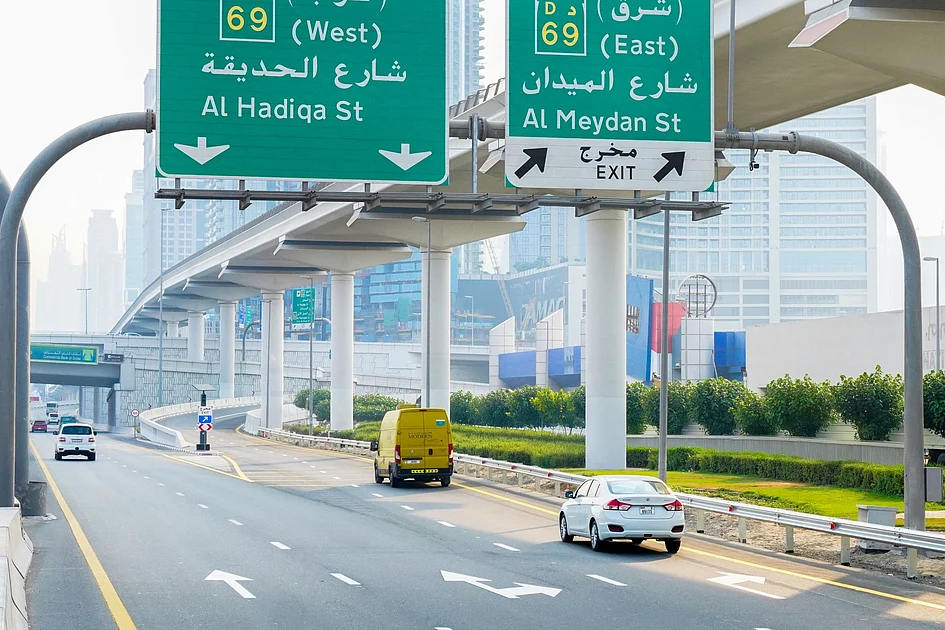
    Key beneficiaries of this urban revitalization include Al Warqa’a, Al Barsha South, Nad Al Hamar, and Al Ras districts. Major corridors experiencing enhanced traffic flow comprise Sheikh Zayed Road, Al Meydan Street, Emirates Road toward Sharjah, and Umm Al Sheif Street. Notable engineering accomplishments feature the widening of Sheikh Zayed Road toward Al Meydan Street from two to three lanes at Al Khawaneej access points and the capacity expansion of Al Meydan Bridge from three to four lanes.

    The intersection of Al Wasl Street and Al Manara Street demonstrated particularly impressive results, achieving a 50% increase in vehicular capacity and over 30% reduction in waiting times through strategic redesign.

    School zone safety received dedicated attention through twelve targeted interventions serving more than thirty educational institutions. The Al Warqa’a First School Complex, Mizhar First School Complex, and Al Qusais School Complex were among the beneficiaries of upgraded parking facilities, improved access points, and traffic calming measures that collectively reduced congestion while enhancing pedestrian safety.

    Looking ahead, the RTA has announced an ambitious continuation plan for 2026, with forty-five additional improvement projects already in development. These future initiatives will focus on intersection modernization, commercial district access optimization, and further school zone enhancements, reinforcing Dubai’s commitment to becoming a global model for urban transportation efficiency.

  • During heated hearing, Rubio insists US action in Venezuela will lead to prosperity and security

    During heated hearing, Rubio insists US action in Venezuela will lead to prosperity and security

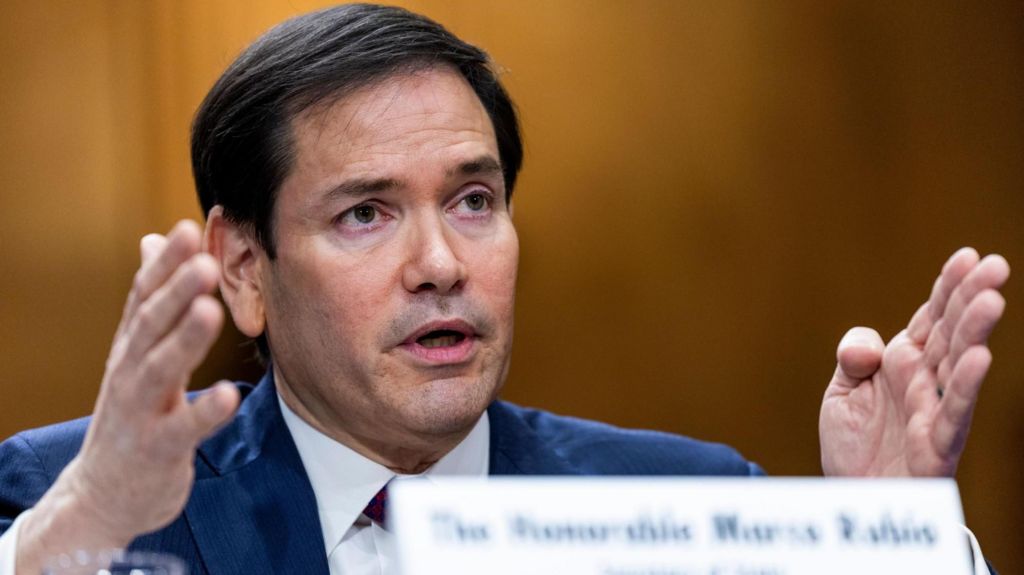
    WASHINGTON – Secretary of State Marco Rubio faced intense congressional scrutiny Wednesday during a long-awaited Senate Foreign Affairs Committee hearing on Venezuela, defending the Trump administration’s military operation that ousted Nicolás Maduro as a justified “law enforcement action” rather than an act of war.

    The hearing marked the first public congressional examination of the unprecedented January 3rd Delta Force operation that extracted Maduro from Caracas in his pajamas to face drug trafficking charges in New York. The session, which senators had requested since well before the military intervention, revealed sharp divisions over the legal and strategic foundations of the administration’s Venezuela policy.

    Rubio, a former senator who previously chaired this very committee, maintained a consistently robust defense throughout the proceedings. He characterized Maduro not as a legitimate head of state but as “an indicted drug criminal” with whom negotiation proved impossible. “The glue that held the regime together was corruption and graft,” Rubio stated. “His removal has created the conditions to begin to move away from that.”

    A central point of contention emerged around the administration’s circumvention of congressional war powers. Rubio carefully stressed that “we did not occupy a country” and that “there are no US troops on the ground,” framing the operation as a targeted drug enforcement action rather than military engagement. This distinction drew skepticism from several committee members, including Republican Senator Rand Paul, who retorted that the operation resembled a “drug bust” lacking proper legal justification.

    The secretary outlined a comprehensive plan for Venezuela’s political and economic restructuring under interim President Delcy Rodriguez. Most significantly, he detailed Washington’s intention to maintain full control over Venezuela’s oil industry, with oil revenues currently held in Qatari offshore accounts pending transfer to U.S. Treasury blocked accounts. These funds would be released only for narrowly defined needs upon Washington’s approval.

    Rubio framed this arrangement as beneficial for both nations, suggesting Venezuelan oil profits would increasingly purchase U.S. goods rather than service debts to Russia or China. He also revealed that Rodriguez had “pledged to end Venezuela’s oil lifeline to the Cuban regime” – a statement with significant implications for regional dynamics.

    While refusing to rule out additional military force, Rubio expressed confidence in the current trajectory, comparing Venezuela’s situation to a “critically ill patient” requiring immediate intervention. He cited Spain and Paraguay’s democratic transitions as historical parallels for the challenging path ahead.

    The hearing concluded without clear consensus, reflecting ongoing debates about executive power, international law, and the future of U.S. policy in Latin America. With Rodriguez’s cooperation described as essential but uncertain, and Cuban officials undoubtedly monitoring developments, the coming months will test whether the administration’s vision of transformative change can be realized.

  • Indigenous protesters block Cargill facility in Brazil over President Lula’s decree

    Indigenous protesters block Cargill facility in Brazil over President Lula’s decree

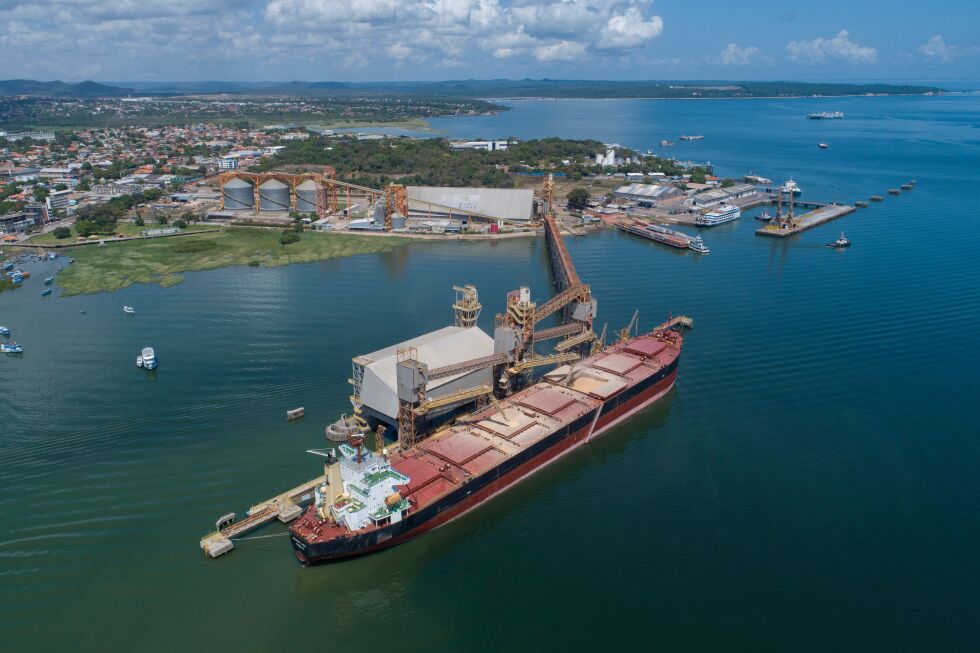
    SAO PAULO — For nearly a week, hundreds of Indigenous demonstrators have maintained a blockade at a Cargill agricultural facility in Santarem, northern Brazil, escalating tensions over President Luiz Inácio Lula da Silva’s controversial August decree. The presidential mandate authorizes private concessions for federal waterways, transferring maintenance, dredging, and traffic management responsibilities to corporate operators.

    The Tapajos and Arapiuns Indigenous Council, representing fourteen distinct Indigenous communities, asserts that the government violated constitutional and international obligations by failing to conduct mandated consultations with affected populations. Protest organizers warn that extensive dredging operations would critically endanger the ecological balance of the Tapajos River, Indigenous territories, and the broader Amazon rainforest ecosystem.

    Indigenous leader Auricelia Arapiun articulated the movement’s demands: ‘We seek governmental recognition of their error and respect for our rights, including commitments made during COP30.’ Referencing last year’s UN climate conference in Belem—located approximately 550 miles from the protest site—Arapiun emphasized the contradiction between environmental rhetoric and policy implementation.

    Protesters strategically targeted Cargill, one of the world’s largest agricultural commodity traders, as symbolic of destructive agribusiness practices that pressure governments for rainforest-compromising projects. The demonstration has effectively obstructed vehicle access to Cargill’s terminal, though the company maintains the dispute falls outside its jurisdiction despite respecting protest rights.

    Brazil’s Secretariat-General of the Presidency, responsible for social movement dialogue, claims commitment to free and prior consultation processes regarding Tapajos waterway concessions. While acknowledging meetings with civil society representatives, government officials have not confirmed attendance at the scheduled in-person assembly with protesters.

    Policy analyst Renata Utsunomiya of the Infrastructure and Socioenvironmental Justice group contextualized the waterway developments within broader Amazon infrastructure initiatives. The Tapajos River currently facilitates approximately 41 million metric tons of annual cargo transportation. Utsunomiya warned that combined dredging operations and the proposed Ferrograo railway would amplify pressure on Indigenous territories, potentially accelerating deforestation, land grabbing, and lasting environmental degradation throughout the region.

  • Trump says ‘massive armada’ will strike Iran with ‘speed and violence’ unless deal made

    Trump says ‘massive armada’ will strike Iran with ‘speed and violence’ unless deal made

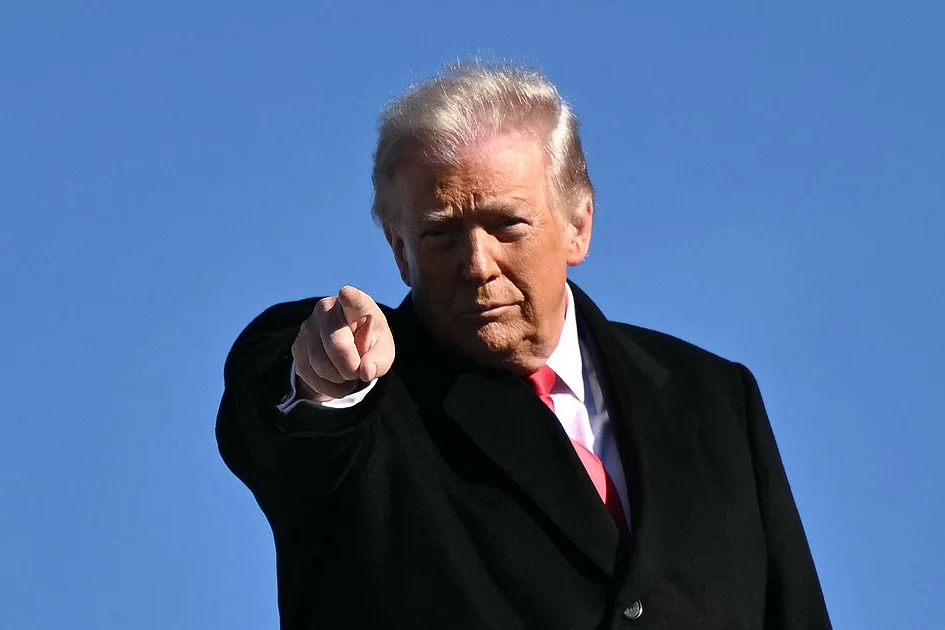
    Former US President Donald Trump has issued a direct military threat against Iran through his Truth Social platform, declaring that a substantial naval fleet is currently en route to the region. Trump emphasized the armada’s readiness to execute operations with maximum force unless Tehran agrees to negotiate a nuclear non-proliferation agreement.

    Drawing parallels to previous military operations in Venezuela that ultimately resulted in the capture of President Nicolas Maduro, Trump characterized the current deployment as significantly larger and more capable. He explicitly warned that the military force stands prepared to fulfill its mission with unprecedented speed and violence if diplomatic efforts fail.

    The former president referenced previous airstrikes against Iranian nuclear facilities in June 2025, known as ‘Operation Midnight Hammer,’ as precedent for potential military action. Trump asserted that any future offensive would substantially exceed previous operations in scale and destruction.

    This escalation occurs amid reports that the Trump administration is considering precision strikes targeting high-ranking Iranian officials allegedly connected to recent protester fatalities. While Israel media outlets suggest Britain, Jordan, and the United Arab Emirates might provide logistical support for potential operations, the UAE foreign ministry has explicitly denied permitting use of its territory or airspace for military actions against Iran.

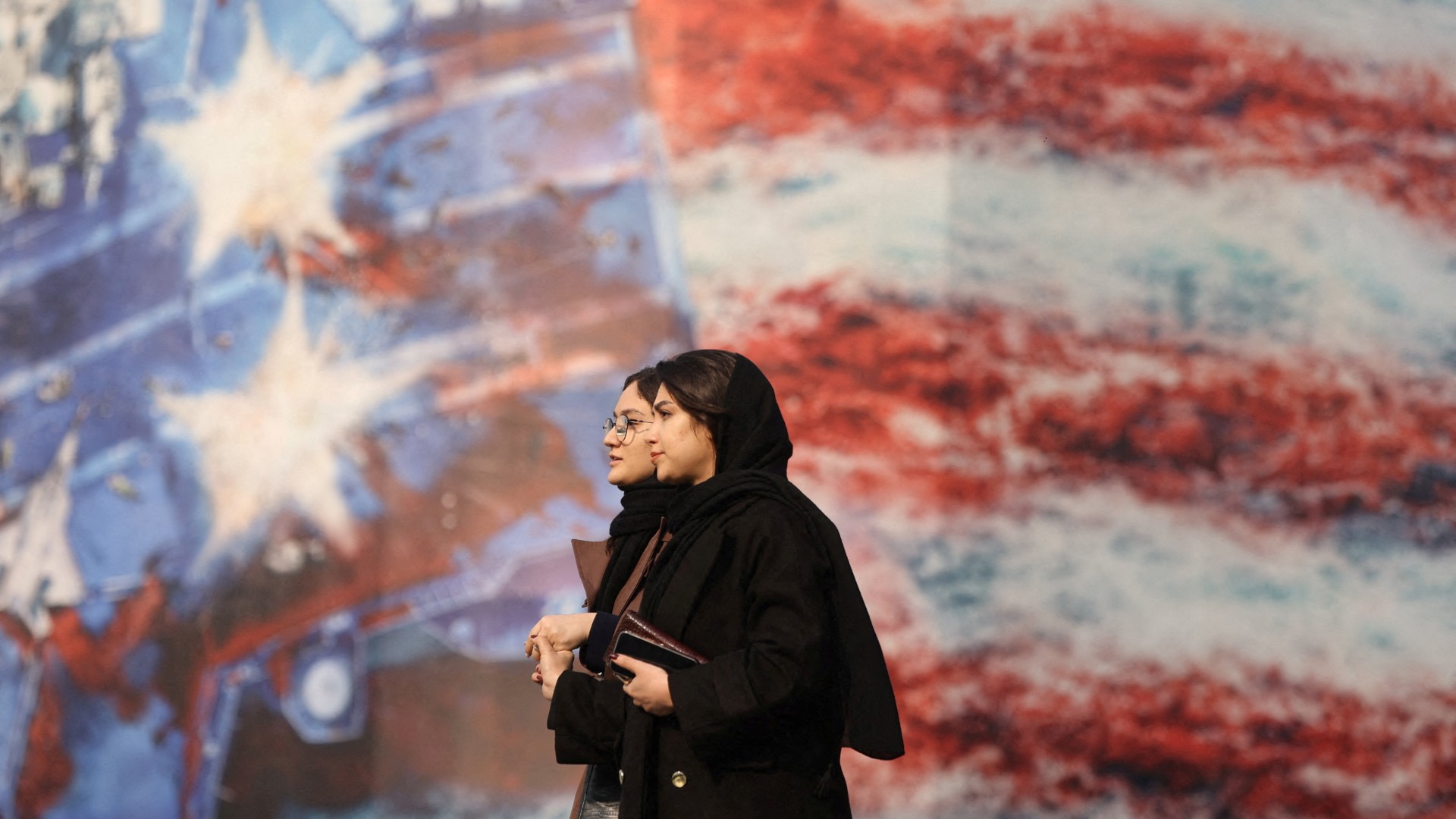
    Iranian Foreign Minister Abbas Araghchi responded by rejecting negotiations under current threat conditions, stating that productive diplomacy cannot coexist with military ultimatums. Despite acknowledging communication channels with Washington, Araghchi clarified that Tehran has not actively sought negotiations and maintains its position that the United States must cease threats and excessive demands before meaningful dialogue can occur.

  • Brazil midfielder Paqueta set for Flamengo move ahead of World Cup after asking to leave West Ham

    Brazil midfielder Paqueta set for Flamengo move ahead of World Cup after asking to leave West Ham

    In a significant transfer development, West Ham United has officially permitted Brazilian international Lucas Paqueta to proceed with medical assessments and negotiate personal terms with Brazilian club Flamengo. This move signals the imminent conclusion of the midfielder’s challenging tenure in the English Premier League.

    The transfer, valued at a reported £35 million (approximately $48 million), follows Paqueta’s formal transfer request. West Ham had initially sought to retain the 28-year-old player until the season’s conclusion to bolster their campaign to avoid relegation from England’s top football division.

    Paqueta’s time at the London club was notably overshadowed by an extensive Football Association investigation into potential gambling regulation violations. The protracted inquiry, which concluded only in July 2025 with Paqueta cleared of all misconduct charges, spanned two years and reportedly inflicted considerable psychological distress on the player.

    In an official club statement, West Ham acknowledged the player’s personal circumstances: “Lucas has articulated that, due to personal and family considerations, he desires to return to his native Brazil and initiate a new chapter following his recent exoneration. Despite implementing comprehensive measures to encourage him to remain with our squad, he maintained his firm position regarding departure. Consequently, both the head coach and club management have acquiesced to his transfer appeal, albeit with reluctance.”

  • US troops to conduct multi-day exercise in Middle East; what does it mean for Iran?

    US troops to conduct multi-day exercise in Middle East; what does it mean for Iran?

    The United States Air Force has initiated a comprehensive, multi-day military exercise across the Central Command (CENTCOM) operational zone, signaling a significant demonstration of aerial combat readiness. Announced on January 26th, the drills are strategically designed to showcase the rapid deployment, dispersion, and sustained operational capacity of American combat airpower in volatile regions.

    Concurrently, Qatar has commenced the ‘Arabian Gulf Security 4’ drill, a joint tactical operation integrating security forces from Gulf Cooperation Council (GCC) member states, including the United Arab Emirates, with specialized units from the United States. This parallel exercise underscores a coordinated approach to regional security preparedness.

    Lieutenant General Derek France, commander of AFCENT and the Combined Forces Air Component for CENTCOM, emphasized the critical nature of the maneuvers. He stated the operations are fundamental to upholding commitments to maintaining combat-ready personnel and ensuring the disciplined execution necessary to project airpower precisely where and when it is required. The exercises will serve to validate protocols for the swift mobilization of personnel and aircraft, alongside testing integrated, multi-national command and control systems across extensive operational theaters.

    These military developments unfold against a backdrop of escalating diplomatic friction between Washington and Tehran. The tensions have been fueled by widespread protests within Iran over recent weeks. US President Donald Trump has publicly assured Iranian citizens of impending ‘help,’ subsequently asserting that American pressure compelled Iran to halt 800 scheduled executions—a claim that adds a layer of psychological dimension to the standoff.

    Iran has remained steadfast in its refusal to engage in negotiations with the United States, condemning what it perceives as threats against the Islamic Republic. President Trump has deliberately kept all options, including potential military action in response to Tehran’s suppression of protesters, on the table. Security analysts speculate that any US intervention could range from targeted strikes on military infrastructure to precision operations aimed at the leadership under Ayatollah Ali Khamenei.

    In response, top Iranian officials are reportedly conducting diplomatic outreach to key Arab states to garner support, with several nations publicly denying they would permit their airspace to be used for offensive actions against Iran. Iranian Foreign Minister Abbas Araghchi has advocated for diplomatic solutions, asserting that military threats are ineffective. He clarified in televised remarks that Iran has not sought negotiations and has had no recent contact with US Middle East envoy Steve Witkoff, insisting that productive talks require the cessation of threats and ‘excessive demands.’

  • Starbucks scraps $250,000 cap on boss’s use of company jet

    Starbucks scraps $250,000 cap on boss’s use of company jet

    Starbucks Corporation has eliminated the $250,000 annual limit on CEO Brian Niccol’s personal use of the company jet following a security evaluation that identified potential safety risks. The decision comes amid heightened media scrutiny and credible security threats targeting the high-profile executive.

    Mr. Niccol, who maintains his family residence in Newport Beach, California, regularly commutes approximately 1,000 miles to Starbucks’ Seattle headquarters using the corporate aircraft. Previously, his personal usage beyond the quarter-million dollar threshold required personal reimbursement to the company.

    An independent security assessment conducted by a third-party firm determined that private aviation represents a necessary safety precaution for all of Mr. Niccol’s air travel, whether for business, commuting, or personal purposes. The review cited Mr. Niccol’s prominent leadership position, increased media attention surrounding Starbucks, and the current threat environment as contributing factors to this recommendation.

    The company’s compensation committee proposed replacing the fixed cap with quarterly reviews of his flight usage, a measure approved by Starbucks’ board of directors in September. This arrangement will undergo regular reassessment every three months to ensure appropriate oversight.

    The security evaluation also recommended implementing a dedicated car and driver service for ground transportation during Mr. Niccol’s visits to Seattle, further enhancing protective measures.

    Mr. Niccol’s compensation package totaled approximately $31 million in 2025, with security expenses reaching $1.1 million plus an additional $997,000 specifically related to his aircraft usage for commuting and personal travel. This arrangement has previously drawn criticism regarding environmental consistency, as some stakeholders have noted disparities between Starbucks’ sustainability commitments and executive travel practices.

    The original employment agreement, established when Mr. Niccol assumed leadership in 2024, explicitly stated he would not be required to relocate from California while committing to commute as necessary to fulfill his executive responsibilities, including authorized use of company aircraft for business and commuting purposes.

  • Chongqing sets GDP growth target of over 5% for 2026

    Chongqing sets GDP growth target of over 5% for 2026

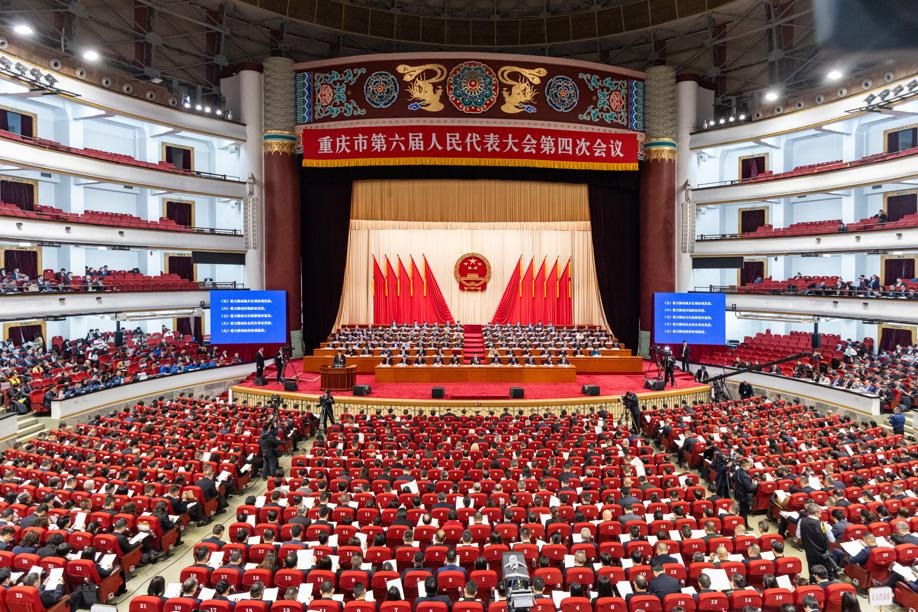
    The southwestern Chinese metropolis of Chongqing has officially established its economic development objectives for 2026, targeting a gross domestic product (GDP) expansion exceeding 5 percent. This announcement emerged from the inaugural session of the municipal people’s congress convened on January 28, 2026.

    Mayor Hu Henghua, presenting the municipal government’s annual work report to legislative delegates, revealed that Chongqing’s economic output reached 3.37 trillion yuan (approximately $485.22 billion) in the previous fiscal year, achieving a robust growth rate of 5.3 percent. This performance demonstrates the city’s resilient economic fundamentals despite global economic uncertainties.

    As a critical industrial hub in China’s strategic development blueprint, Chongqing’s growth target reflects the municipality’s commitment to sustainable economic development while maintaining stability in regional economic contributions. The projected growth rate aligns with national economic planning objectives while accounting for local industrial capabilities and market conditions.

    The announced target emerges amid China’s ongoing economic transformation toward high-quality development, with major manufacturing centers like Chongqing playing pivotal roles in balancing growth stability with technological advancement. The city’s strategic positioning within the Yangtze River Economic Belt further amplifies its significance in regional economic integration efforts.

    Economic analysts will monitor Chongqing’s performance throughout 2026 as an indicator of regional economic health and the effectiveness of municipal development policies implemented across China’s southwestern industrial corridor.

  • Cyprus: Navigating the future of global shipping

    Cyprus: Navigating the future of global shipping

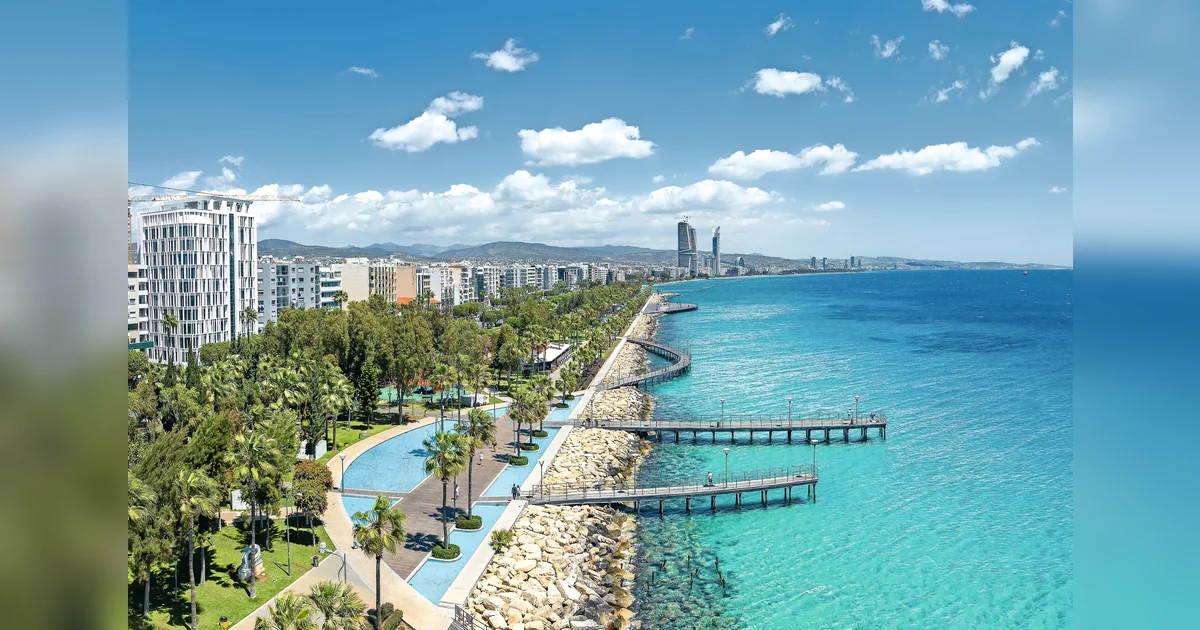
    Positioned at the strategic intersection of Europe, Africa, and Asia, Cyprus has solidified its status as a premier global maritime center. The Mediterranean island nation has developed a comprehensive shipping ecosystem that merges operational excellence with innovative environmental stewardship, establishing itself among the world’s largest shipping registries and top ship management hubs.

    The Cypriot maritime sector has undergone transformative modernization through strategic initiatives implemented by the Shipping Deputy Ministry (SDM). The establishment of a streamlined One-Stop Shipping Center has significantly enhanced administrative efficiency, providing shipowners and maritime operators with accelerated services and reduced bureaucracy. This customer-centric approach is supported by round-the-clock professional assistance and an extensive global network of offices ensuring uninterrupted support regardless of operational geography.

    Cyprus maintains a robust legal framework rooted in English common law principles, regularly updated to preserve competitive advantage. The nation’s Tonnage Tax System, fully compliant with European maritime transport regulations, offers unprecedented stability for shipping entrepreneurs. Environmental responsibility has become central to Cyprus’s maritime strategy, with the 2024 Tonnage Tax (Environmental Incentives) Order providing up to 30% tax reductions for vessels implementing eco-friendly technologies and emissions-reduction equipment.

    Digital transformation represents another cornerstone of Cyprus’s maritime advancement. The SDM is progressing toward complete digitalization of services to boost sector efficiency and competitiveness. Beyond technological progress, Cyprus actively promotes workforce development through diversity initiatives and career promotion programs. These include specialized scholarships at the IMO International Maritime Law Institute and World Maritime University, alongside national campaigns encouraging youth and women to pursue maritime professions.

    With its dual commitment to operational excellence and environmental sustainability, Cyprus has secured consistent placement on the Paris and Tokyo MoU White Lists, reflecting exceptional safety and quality standards. The nation continues to navigate evolving global shipping challenges while maintaining its position as a trusted maritime flag for the future.