作者: admin

  • China maintains strong momentum in anti-corruption drive

    China maintains strong momentum in anti-corruption drive

    China’s comprehensive anti-corruption campaign demonstrated unprecedented intensity throughout 2025, with authorities investigating 65 centrally administered officials—predominantly at ministerial rank or higher—according to data released by the country’s top disciplinary bodies. The sustained crackdown, which recorded nine major investigations launched in December alone, represents the Communist Party of China’s continued commitment to eliminating graft and misconduct at all levels of governance.

    Among the prominent figures facing scrutiny were Jiang Chaoliang, Jin Xiangjun, Lan Tianli, Liu Hui, Yi Huiman, and Zhang Shiping, reflecting the campaign’s reach into the highest echelons of power. Concurrently, grassroots enforcement saw 536,000 lower-ranking officials disciplined between January and November, with 20,000 cases referred for criminal prosecution, demonstrating the operation’s comprehensive scope.

    Internationally, China’s ‘Sky Net’ operation achieved remarkable success, repatriating 782 fugitives and recovering approximately $3.38 billion in illicit assets within just eleven months. Notable apprehensions included Zhou Jinghua, the final Asian-based fugitive on China’s ‘100 most-wanted’ list, who was extradited from Thailand in July. That same month witnessed the return of Liang Jinwen, one of the earliest top-tier corruption suspects, who surrendered after 28 years abroad and fully repatriated assets allegedly acquired through corruption in 1996.

    The campaign’s institutional foundations were strengthened through the implementation of the revised Supervision Law in June, which expanded supervisory powers and addressed previous systemic limitations. Additionally, the CPC conducted a four-month educational initiative targeting its approximately 100 million members to reinforce compliance with the party’s conduct standards, while disciplinary authorities publicly identified violators of the eight-point rules to enhance transparency and accountability.
  • Donald Trump describes himself as acting president of Venezuela in social media post

    Donald Trump describes himself as acting president of Venezuela in social media post

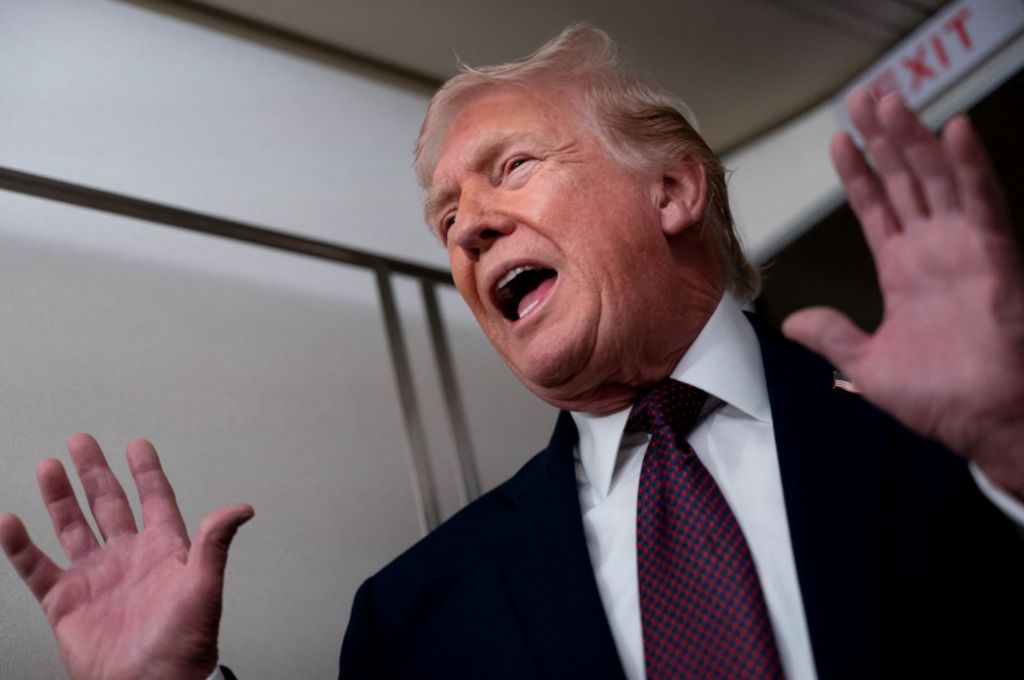
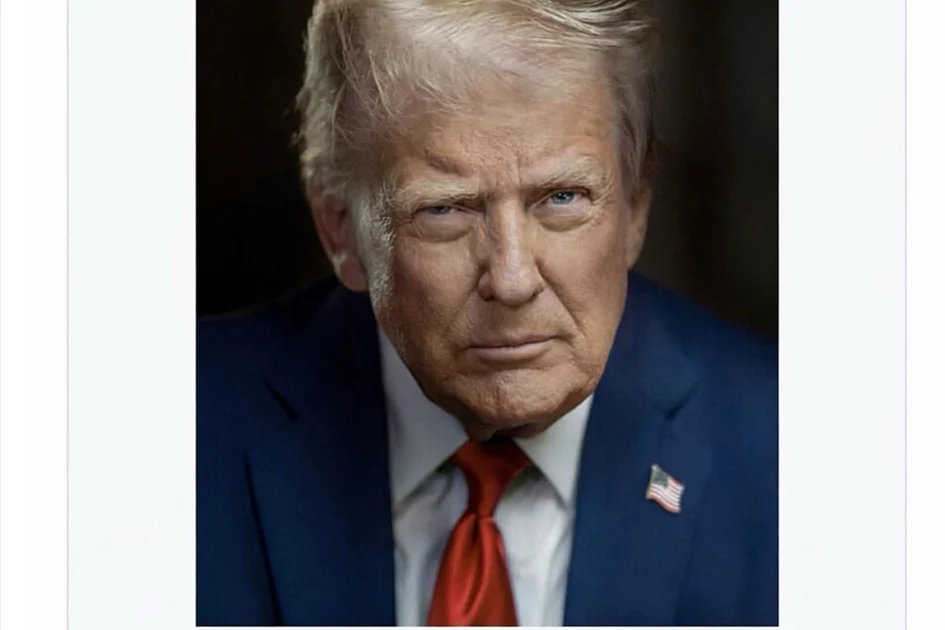
    Former U.S. President Donald Trump has ignited international controversy by proclaiming himself the “Acting President of Venezuela” in a social media post on Truth Social. This unprecedented declaration comes amid heightened geopolitical tensions following a U.S. military operation in Caracas that resulted in the capture of Venezuelan leader Nicolás Maduro and his wife.

    The controversial statement emerged even as Trump expressed willingness to engage with Venezuela’s interim president Delcy Rodríguez, who was sworn in by the parliament just two days after U.S. forces seized her predecessor. Speaking to reporters aboard Air Force One on Sunday, Trump stated, “Venezuela is really working out well. We’re working along really well with the leadership,” while indicating potential future meetings with Rodríguez.

    The current crisis stems from the January 3rd military strike in Venezuela’s capital that removed Maduro from power, with the ousted leader subsequently transported to New York to face federal charges. This intervention has triggered widespread international scrutiny and legal debates regarding sovereignty and foreign intervention.

    Trump has asserted that the United States would oversee Venezuelan affairs until a secure transition can be accomplished, suggesting Washington would manage critical functions including the country’s vital oil sector. The former president has openly advocated for U.S. and private firms to gain “total access” to Venezuela’s oil industry, claiming major oil companies have already pledged $100 billion to revitalize the nation’s energy infrastructure.

    Despite Trump’s bold claims, U.S. Secretary of State Marco Rubio and other administration officials have clarified that Washington does not intend to permanently govern Venezuela, recognizing Rodríguez as the legitimate interim leader while pushing for democratic elections. The situation remains fluid as the international community watches developments in one of the most significant geopolitical confrontations in recent Latin American history.

  • Trump faces extraordinary moment in spat with Fed chair

    Trump faces extraordinary moment in spat with Fed chair

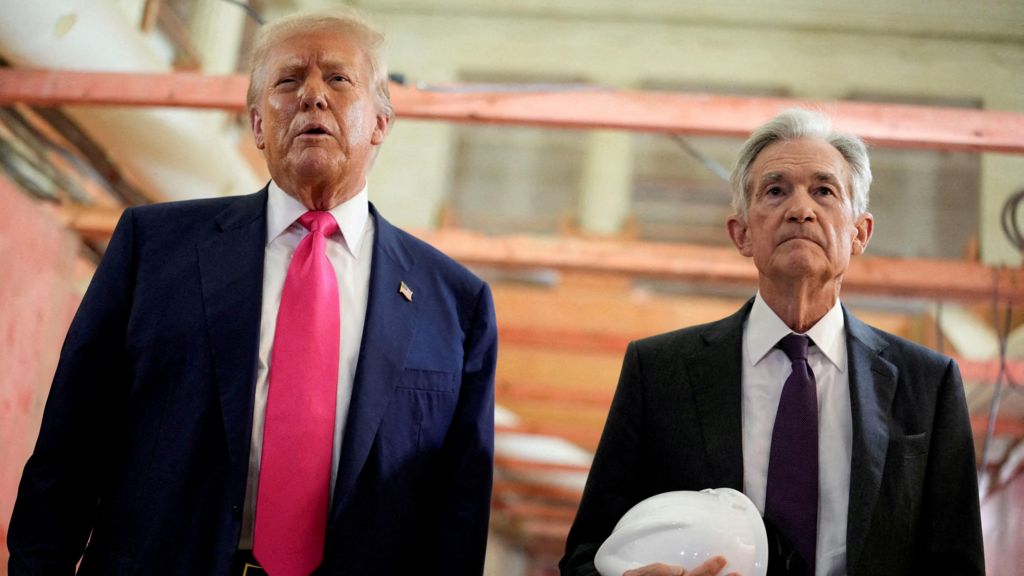
    In an extraordinary break from protocol, Federal Reserve Chair Jerome Powell delivered an unscheduled video statement addressing what he characterized as “unprecedented” political pressure from the Trump administration. The appearance was so unusual that it initially raised concerns about potential AI deepfake manipulation among financial observers.

    The core of the conflict centers on criminal indictments served to the Federal Reserve by the Department of Justice regarding Powell’s testimony on building renovations. However, Powell explicitly stated these charges represent mere “pretexts” in a broader campaign of administration pressure targeting the central bank’s independence.

    “The threat of criminal charges is a consequence of the Federal Reserve setting interest rates based on our best assessment of what will serve the public, rather than following the preferences of the president,” Powell declared in his softly-spoken but firm address.

    This confrontation reflects a prolonged tension between President Trump and the Fed chair, marked by presidential criticism of interest rate decisions, attempts to influence monetary policy through favored economist appointments, and even an unusual personal inspection of Fed renovation projects by Trump’s motorcade.

    Powell framed the struggle as fundamental to global financial stability: “This is about whether the Fed will be able to continue to set interest rates based on evidence and economic conditions, or whether instead, monetary policy will be directed by political pressure or intimidation.”

    The implications extend beyond U.S. markets, as Fed independence serves as the anchor for global financial stability. Analysts are watching Treasury markets closely for reactions to both Powell’s statement and the Justice Department’s actions. Some observers draw parallels to emerging economies like Turkey and Zimbabwe, where central bank independence has frequently succumbed to political pressure.

    With Powell’s term concluding in May and potential replacement by a Trump-friendly economist looming, the stakes intensify. However, interest rate decisions remain committee-based rather than solely chair-dependent. Concerningly, some speculation suggests the administration might weaponize the Fed’s global market tools, including dollar swap lines, as leverage in tariff wars with allies—a move unlikely under Powell’s leadership.

    This development occurs alongside other unprecedented actions, including militarized immigration enforcement, threats regarding NATO ally territory, and Supreme Court deliberations on the legality of Trump’s economic policies. Some Congressional Republicans are reportedly uncomfortable with this challenge to central bank independence, recognizing the Fed’s designed role as an alternative power center that “must speak truth to power.”

    Market reactions reminiscent of the UK’s mini-budget crisis under Liz Truss remain possible, recalling how questions about central bank independence can trigger financial instability. The situation echoes April 2022, when chaotic tariff approaches disrupted global bond markets before stabilization efforts prevailed. The Powell confrontation could potentially trigger similar market consequences.

  • Why are US federal agents gunning down Americans?

    Why are US federal agents gunning down Americans?

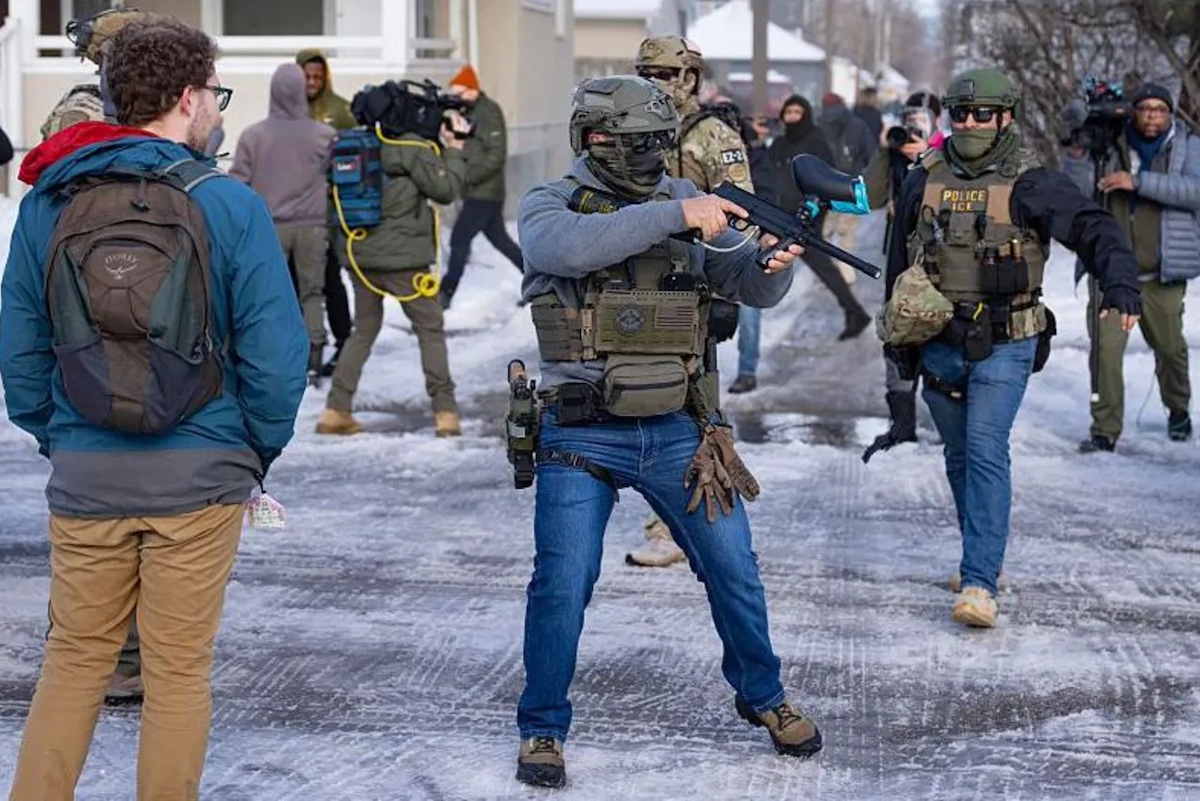
    The fatal shooting of 37-year-old Renee Good by an Immigration and Customs Enforcement (ICE) agent in Minneapolis on January 7th has ignited intense national scrutiny of federal law enforcement practices. Video evidence and frame-by-frame analysis contradict initial official accounts that characterized the incident as justified self-defense against a vehicular attack.

    Multiple video angles show Agent Jonathan Ross firing three shots at Good’s SUV as she attempted to drive away from the encounter. While the first shot was discharged from a diagonal position in front of the vehicle, the second and third shots were fired from the side of the moving car, raising serious questions about the immediate threat posed to the agent at the moment of firing.

    The incident has triggered widespread examination of ICE’s operational conduct under the Trump administration. A YouGov poll conducted on the day of the shooting revealed that 52% of Americans disapprove of ICE’s handling of its duties, with 51% characterizing the agency’s tactics as ‘too forceful.’ This represents a dramatic decline from the agency’s +16 net approval rating at the beginning of Trump’s second term.

    Documented evidence compiled from social media and news reports shows a pattern of concerning behavior by ICE personnel, including arrests of U.S. citizens, physical altercations with bystanders, and questionable use of force. The Wall Street Journal identified 13 instances of agents firing at civilian vehicles since July, resulting in eight people shot and two fatalities.

    The administration’s response has further polarized the situation. Homeland Security Secretary Kristi L. Noem described Good’s actions as ‘domestic terrorism,’ while President Trump asserted she ‘violently, willfully and viciously ran over the ICE officer’—claims that video evidence appears to contradict. Vice President JD Vance has emerged as the most vocal defender of the agent’s actions, despite evidence challenging his assertions.

    Critics point to recruitment issues within ICE, with reports indicating the agency has lowered standards to meet ambitious hiring targets. A Daily Mail investigation found the administration’s $50,000 signing bonus attracted unqualified recruits, including some with pending criminal charges and others who struggled with basic literacy requirements.

    The incident has become emblematic of broader concerns about immigration enforcement philosophy, with some Republican lawmakers using rhetoric that critics characterize as authoritarian. The debate reflects deeper ideological divisions regarding immigration, with polling indicating significant portions of the population viewing immigration through the lens of ‘Great Replacement’ theory.

    As investigations continue, the shooting has intensified scrutiny of federal law enforcement protocols and the political climate surrounding immigration enforcement, raising fundamental questions about accountability, proportionality, and constitutional protections in an increasingly polarized national landscape.

  • Pope Leo XIV meets with Venezuelan opposition leader María Corina Machado in a surprise audience

    Pope Leo XIV meets with Venezuelan opposition leader María Corina Machado in a surprise audience

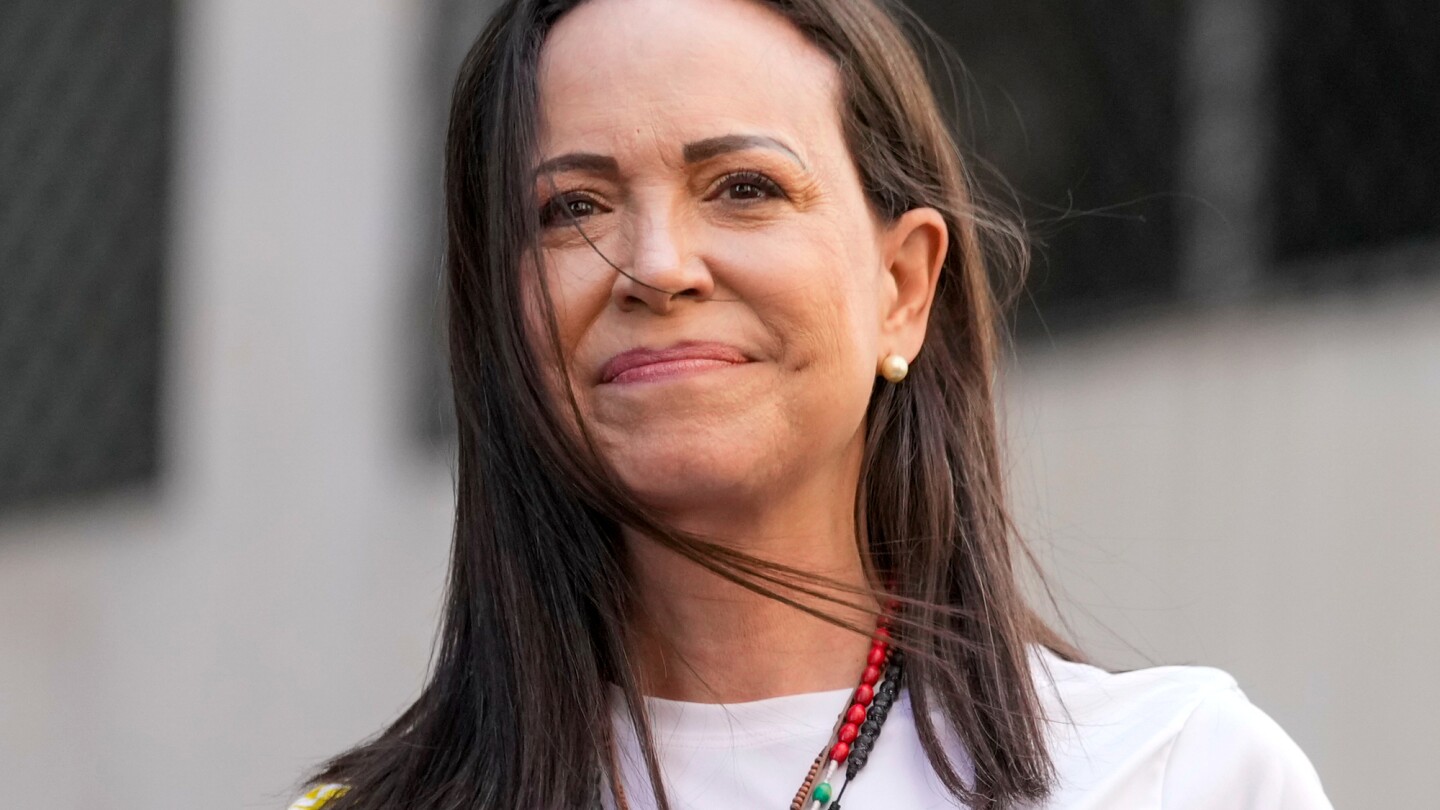
    In an unannounced diplomatic engagement, Pope Leo XIV convened with Venezuelan Nobel Peace Prize recipient María Corina Machado during a private audience at the Vatican on Monday. The meeting, absent from the pontiff’s originally published schedule, was subsequently documented in the Holy See’s official daily bulletin without elaboration.

    Machado’s appearance at the Vatican forms part of her extensive international tour across Europe and the United States, following her December reappearance to accept the Nobel Peace Prize in Oslo. The opposition leader, like many of her political allies, has operated primarily from exile or under detention amid Venezuela’s prolonged political crisis.

    The American-born Pope has maintained consistent diplomatic interest in Venezuela’s sovereignty following the controversial extraction of former President Nicolas Maduro by U.S. forces from Caracas. Maduro currently faces federal narcotics trafficking charges in New York courts. Pope Leo previously expressed profound concern regarding these developments while advocating for the preservation of human and civil rights throughout the Latin American nation.

    Venezuela’s opposition movement, historically supported by both Republican and Democratic U.S. administrations, had committed to restoring democratic governance to the oil-rich nation by displacing Maduro’s regime. This objective suffered a significant setback when U.S. President Donald Trump permitted Maduro’s vice president, Delcy Rodríguez, to assume executive control.

    Machado, upon receiving the 2025 Nobel Peace Prize, proposed dedicating the honor to Trump alongside the Venezuelan people. The American president has publicly expressed personal ambition for the prestigious award since returning to office.

  • Five decapitated heads displayed on Ecuador beach

    Five decapitated heads displayed on Ecuador beach

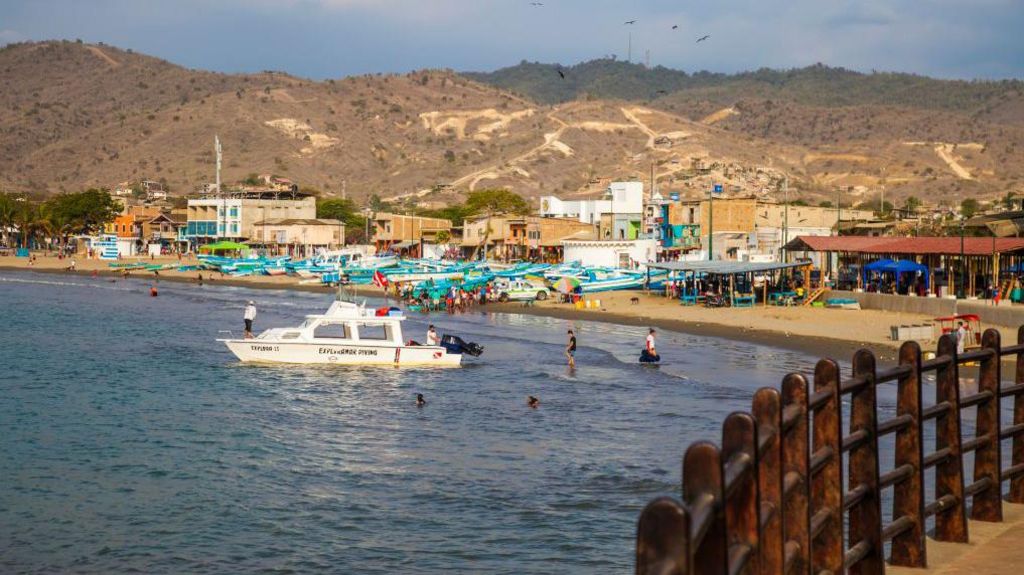
    In a brutal display of criminal intimidation, five decapitated heads were discovered by bathers on a beach in Puerto López, Ecuador, this Sunday. The grim finding underscores the escalating gang violence plaguing the nation’s coastal regions. Authorities confirmed the victims were men, aged 20 to 34, who had been reported missing recently. One was known to police for previous firearm offenses, though their bodies remain missing.

    Accompanying the remains was a menacing message, explicitly warning individuals engaged in the extortion and robbery of local fishermen of a similar fate. This act is perceived as a violent directive from criminal factions controlling the area.

    This incident is the latest in a series of violent outbreaks in Puerto López, a key transit point for cocaine smuggled from Colombia and Peru to the U.S. and Europe. Just days prior on December 28th, a separate attack on the same beachfront claimed six lives, including a two-year-old child, and injured three others. Police attribute these shootings to a vicious turf war between rival factions of the notorious Los Choneros gang for control of the town.

    The situation in Ecuador has reached a critical point. Official data from the interior ministry marks 2025 as the most violent year on record, with homicides soaring to an unprecedented 9,176. The country’s strategic location has made it a hub for narcotics trafficking, with local gangs forming alliances with powerful international cartels like those from Mexico and Colombia. Beyond drug smuggling, these criminal enterprises systematically extort ‘protection money’ from local businesses, resorting to lethal force against those who resist.

    The Los Choneros gang, identified by the U.S. State Department as a Foreign Terrorist Organisation since September, is a primary instigator of this crisis. Its leader, known as Fito, was extradited to the United States in July last year, yet the gang’s violent influence continues to destabilize the region.

  • Trump plan to cap credit card costs hits bank shares

    Trump plan to cap credit card costs hits bank shares

    Financial markets experienced significant turbulence following former President Donald Trump’s unexpected call for a drastic reduction in credit card interest rates. Through his Truth Social platform on Friday, Trump demanded that credit card companies implement a one-year cap of 10% on interest rates effective January 20, 2026, claiming this would prevent the American public from being “ripped off” by financial institutions.

    The announcement triggered immediate sell-offs across the banking and payment processing sectors. Barclays Bank, which maintains substantial U.S. credit card operations, saw its shares decline by 3.5%. Pre-market trading indicated similar downward trends for American Express (-4%), Visa (-1.2%), and Mastercard (-2%). Major U.S. banks including JPMorgan Chase and Bank of America also experienced declines of 3.2% and 2.5% respectively.

    Industry representatives responded with strong opposition. Five leading U.S. banking associations issued a joint statement warning that such a cap would severely restrict credit availability and prove “devastating” for millions of families and small businesses. They argued that the measure would ultimately drive consumers toward less regulated, more expensive alternative credit sources.

    Legal and political challenges emerged quickly. Democratic Senator Elizabeth Warren dismissed Trump’s proposal as insufficient, noting that actual implementation would require congressional legislation. She highlighted Trump’s previous efforts to dismantle the Consumer Financial Protection Bureau (CFPB), which oversees consumer financial products.

    The proposal revives earlier legislative efforts from Senators Bernie Sanders and Josh Hawley, who introduced bipartisan legislation in early 2024 to cap credit card rates at 10% for five years, though their bill has not advanced.

    Notably, the Trump administration had previously moved to eliminate an $8 cap on credit card late fees implemented by the Biden administration in April 2025. Billionaire investor Bill Ackman expressed support for the goal of reducing rates but warned that a 10% cap would likely cause widespread card cancellations as companies struggle to price subprime credit risk adequately.

  • Khaleej Times, Innovation City sign one-year KT Talks partnership

    Khaleej Times, Innovation City sign one-year KT Talks partnership

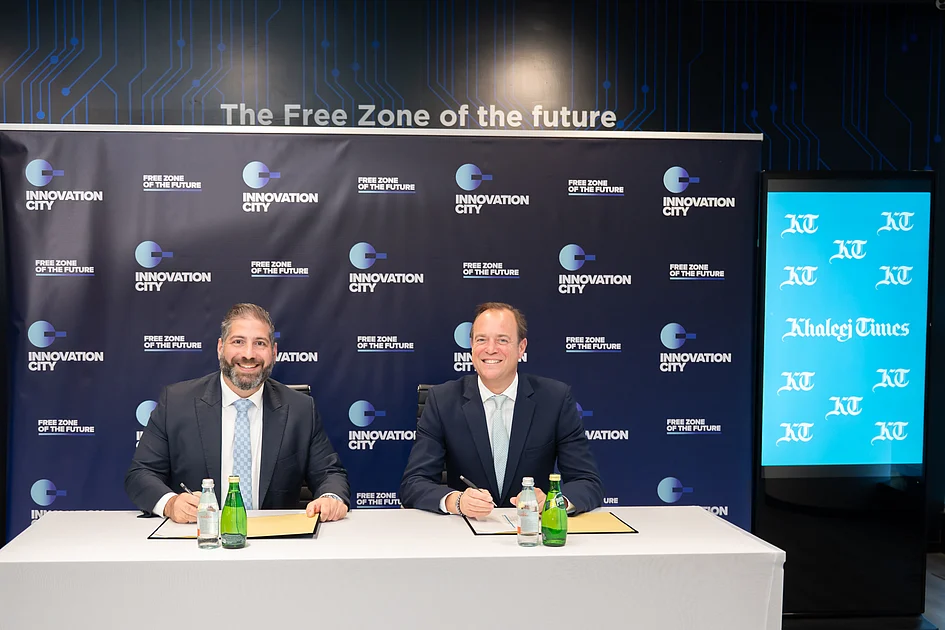
    In a significant development for the UAE’s media and technology sectors, Khaleej Times has entered into a landmark one-year partnership with Innovation City, Ras Al Khaimah’s premier technology free zone. The collaboration, formalized through the KT Talks branded-content platform, represents a strategic initiative to elevate discourse around technological innovation and entrepreneurship throughout the region.

    The agreement was ceremoniously signed by Charles Yardley, Chief Executive Officer of Khaleej Times, and Paul Dawalibi, Chief Executive Officer of Innovation City. This alliance marks the inaugural partnership for the newly launched KT Talks platform, signaling growing market demand for credible, thought-leadership-oriented branded content in the Middle East.

    KT Talks operates as Khaleej Times’ dedicated branded-content publishing ecosystem, providing partner organizations with comprehensive tools to create, curate, and distribute expert content using the same professional infrastructure employed by the newspaper’s editorial team. This integration ensures all published content maintains discoverability, transparency, and alignment with established journalistic standards.

    Innovation City serves as Ras Al Khaimah’s specialized hub for technology and innovation, facilitating the emirate’s strategic pivot toward a knowledge-based economy. The free zone supports startups, scale-ups, and multinational corporations operating across cutting-edge sectors including artificial intelligence, Web3 and digital assets, gaming and iGaming, robotics, and digital health. Through streamlined regulatory frameworks and enhanced access to talent networks, the zone plays a pivotal role in attracting foreign investment and driving economic diversification.

    Paul Dawalibi characterized the partnership as extending beyond mere infrastructure development, describing it as ‘building a movement’ aimed at establishing Innovation City as the Middle East’s definitive reference point for technological advancement. The collaboration will spotlight emerging founders, enterprises, and transformative ideas while shaping broader narratives about the region’s technological future.

    The partnership strategically targets founders, technologists, investors, and ambitious talent within the UAE and international audiences crucial to Innovation City’s expansion. Thought leadership will prioritize several high-growth sectors including artificial intelligence, gaming, Web3 digital assets, advanced software development, and applied research, while simultaneously highlighting human stories behind technological innovation.

    Charles Yardley emphasized the qualitative dimension of the partnership, noting that Innovation City’s status as first partner demonstrates market appetite for innovative storytelling approaches. The KT Talks platform enables organizations to share expertise directly with Khaleej Times’ readership while benefiting from the publication’s strong search visibility, organic website placements, and extensive social media reach.

    Participating organizations receive dedicated profile presence on khaleejtimes.com, where their thought-leadership content is hosted and promoted alongside regular newsroom coverage. All branded articles receive professional editorial support including structured ledes, SEO-optimized headlines, topic targeting, and expert consultation, ensuring authentic engagement with the UAE’s trusted readership base.

  • Former Polish justice minister who faces prosecution at home says he’s received asylum in Hungary

    Former Polish justice minister who faces prosecution at home says he’s received asylum in Hungary

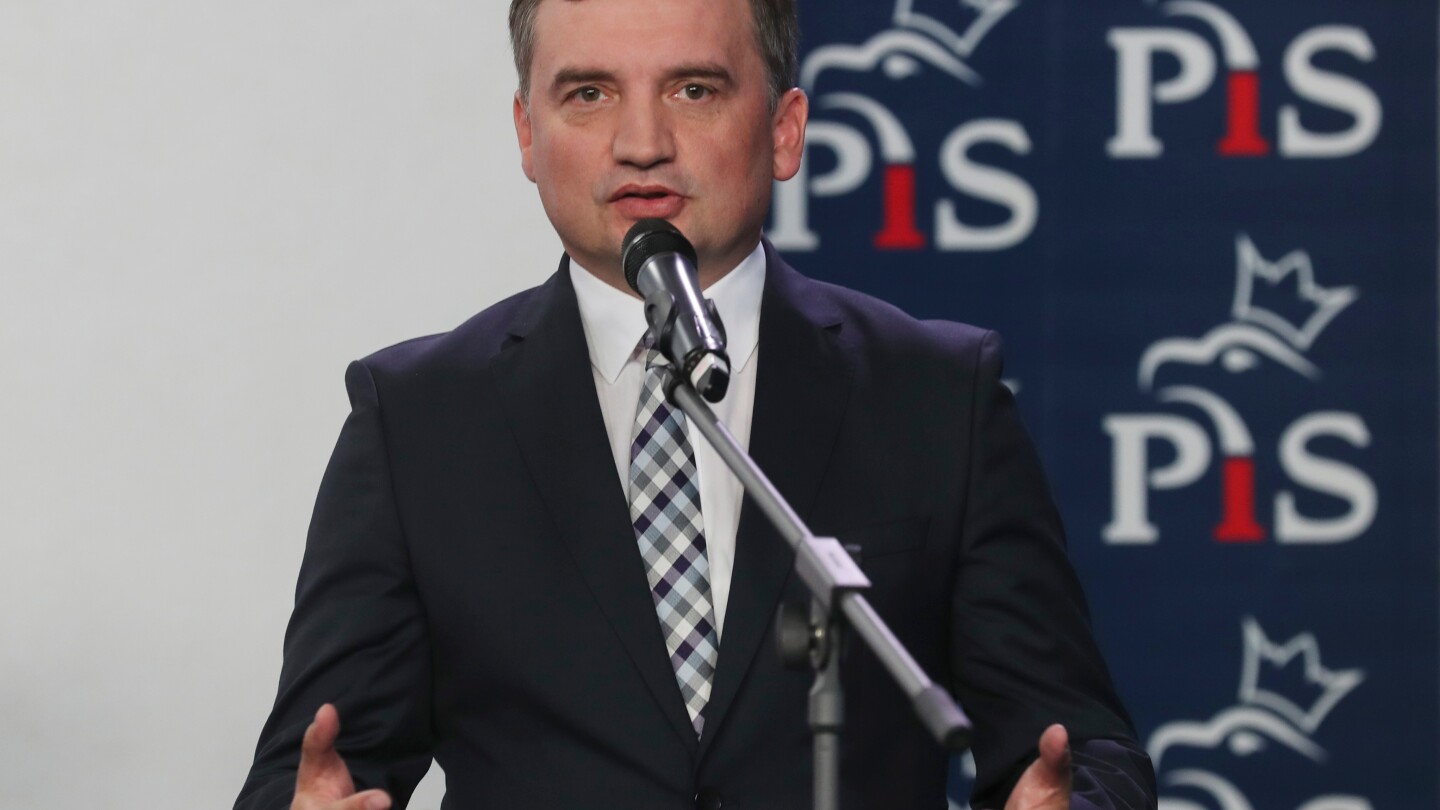
    WARSAW, Poland — In a significant development highlighting East European political tensions, former Polish Justice Minister Zbigniew Ziobro announced Monday that Hungary has granted him political asylum. Ziobro faces prosecution in Poland for alleged abuse of power during his tenure in the previous nationalist conservative government.

    Ziobro served as a central figure in the Law and Justice (PiS) party administration that governed Poland from 2015 to 2023. That government systematically consolidated political control over judicial institutions through strategic judicial appointments and punitive measures against critics, including disciplinary actions and remote reassignments.

    The current administration under Prime Minister Donald Tusk, which assumed power over two years ago, has attempted to reverse these judicial reforms. However, these efforts have been consistently obstructed by two consecutive presidents aligned with the national right wing.

    Prosecutors sought to lift Ziobro’s parliamentary immunity in October to pursue charges including alleged misuse of a violence victim support fund. Authorities claim these resources were improperly diverted to acquire Israeli Pegasus surveillance technology. Tusk’s government alleges PiS employed this sophisticated spyware to conduct illegal surveillance on political opponents—an accusation Ziobro denies, maintaining his actions were lawful.

    Hungary, under the leadership of nationalist Prime Minister Viktor Orbán, has provided sanctuary to multiple politicians affiliated with Law and Justice who face legal proceedings in Poland. In an extensive social media statement, Ziobro declared he had ‘decided to accept the asylum granted to me by the government of Hungary due to the political persecution in Poland.’

    The former minister further stated his intention to ‘remain abroad until genuine guarantees of the rule of law are restored in Poland,’ arguing that this approach allows him to more effectively combat what he describes as ‘mounting lawlessness’ in his homeland.

    Hungarian Foreign Minister Péter Szijjártó confirmed in Budapest that authorities had granted asylum to ‘several’ individuals facing political persecution in Poland, though he declined to provide specific names.

  • China maps cotton’s evolutionary secrets to build better crops

    China maps cotton’s evolutionary secrets to build better crops

    Chinese researchers have achieved a landmark breakthrough in agricultural genomics by constructing the world’s most comprehensive genetic map of upland cotton, the source of over 95% of global natural fiber. This pioneering study, conducted by a team from the Institute of Cotton Research of the Chinese Academy of Agricultural Sciences and published in Nature Genetics, reveals previously unknown evolutionary pathways and hidden genetic traits that could revolutionize cotton cultivation worldwide.

    The research addresses a critical challenge in modern agriculture: decades of intensive cultivation and selective breeding have severely narrowed the genetic diversity of commercial cotton varieties, making crops increasingly vulnerable to diseases, pests, and climate change while limiting quality improvements. To overcome this bottleneck, the team led by Li Fuguang and Yang Zhao’en developed what they term a ‘super pangenome’—an extensive genetic library compiled from 107 representative varieties of upland cotton.

    This sophisticated genomic toolkit enabled the identification of large-scale structural variations in the plant’s DNA, including significant chromosomal rearrangements, exchanges, and inversions that drive environmental adaptation. Among the most significant discoveries was the identification of a specific large-scale chromosomal exchange indicating that modern cotton originated from an unexpectedly narrow lineage in Central America.

    The research successfully connected these structural variations to crucial agricultural traits, identifying 69 genetic loci associated with fiber quality and yield—62 of which were entirely new discoveries invisible to traditional genetic analysis. The team also mapped specific variations controlling natural pest resistance and fiber color, and uncovered a new genetic region (VWD11) that confers resistance to Verticillium wilt, a devastating fungal disease.

    Beyond individual genes, the study reconstructs cotton’s evolutionary journey through a three-stage domestication model: originating in Mexico’s Yucatan Peninsula, spreading to Guatemala, and then disseminating globally. The research demonstrates how historic natural hybridization with another cotton species introduced valuable adaptive traits into the upland cotton genome.

    Leading agricultural scientists have praised the study’s significance. Chen Xiaoya, an academician of the Chinese Academy of Sciences, noted that the research ‘provides a new perspective for understanding cotton domestication and offers crucial genetic markers for accelerating biological breeding.’ Zhang Xianlong, an academician of the Chinese Academy of Engineering, highlighted how the team ‘convincingly show that large-scale structural variations are the core driver of environmental adaptation.’

    According to corresponding author Li Fuguang, this genetic roadmap transforms breeding ‘from a broad search into a targeted engineering process.’ The findings are particularly vital for China, the world’s largest cotton producer and consumer, to enhance agricultural resilience and sustainability, with significant implications for global textile security.