作者: admin

  • Three Palestinian children die from cold in Gaza amid Israeli blockade

    Three Palestinian children die from cold in Gaza amid Israeli blockade

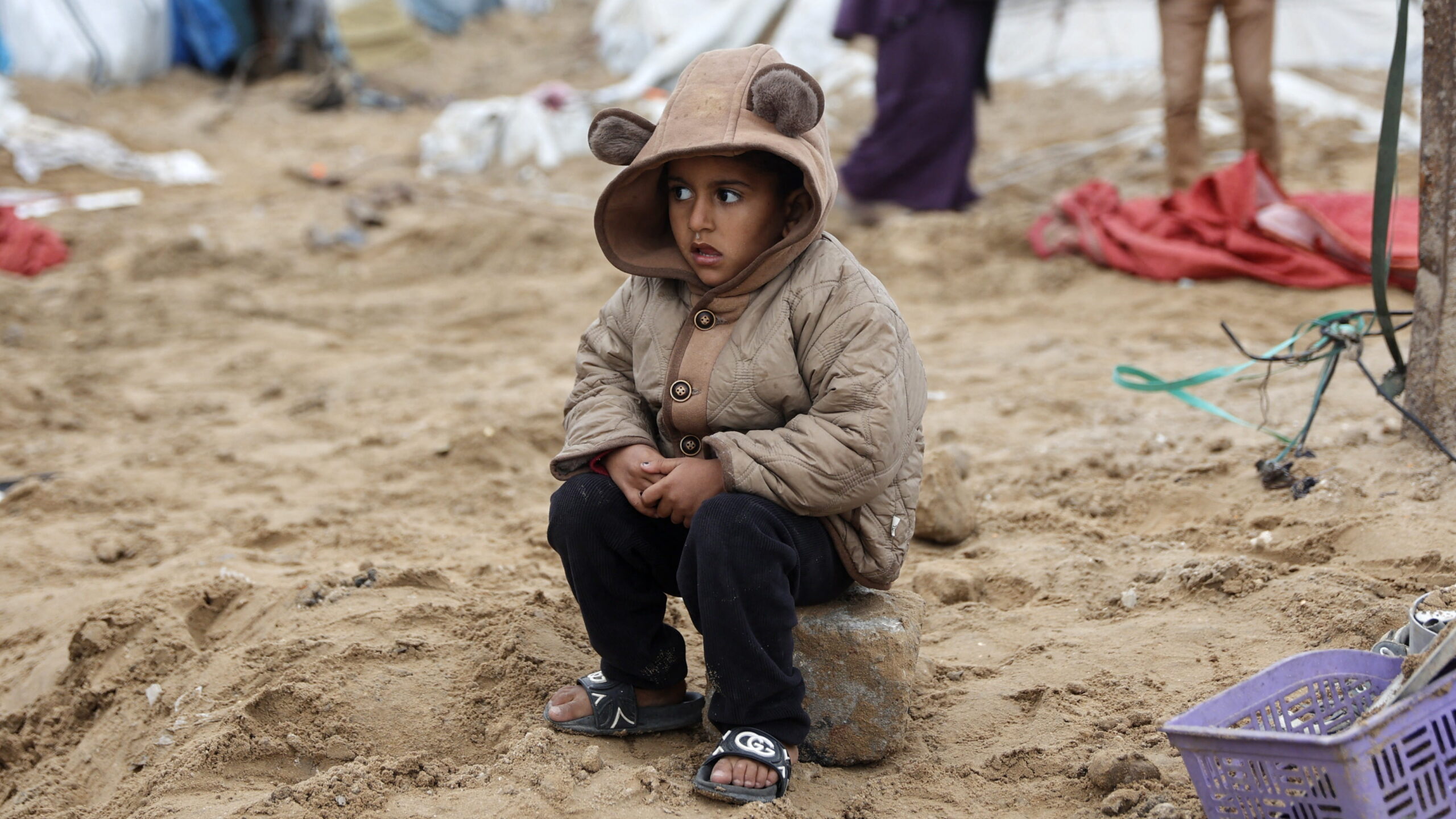
    A severe humanitarian emergency is unfolding in Gaza as winter conditions exacerbate the suffering of displaced populations, with three Palestinian children reported dead from cold exposure since Sunday. The casualties include a two-month-old infant, a four-year-old child, and a seven-day-old newborn, bringing the total to at least six child fatalities attributed to hypothermia since winter began.

    According to the Gaza-based Government Media Office, the current death toll from cold-related causes has reached 21 individuals since October 2023, with 18 being children. All victims were residing in makeshift displacement camps where inadequate shelter and heating resources have created life-threatening conditions.

    Medical authorities report alarming trends in healthcare facilities, with pediatric departments overwhelmed by patients suffering from winter-related illnesses. Dr. Ahmad al-Farra of Nasser Hospital’s pediatric department noted a significant surge in cases, while al-Shifa Hospital director Muhammad Abu Salmiya reported emergency room visits have doubled to approximately 800 daily, primarily due to respiratory and influenza cases.

    The crisis stems from extensive infrastructure destruction during military operations and an ongoing blockade that restricts essential supplies. Approximately 1.5 million people remain without proper shelter, with the Shelter Cluster reporting over 42,000 tents and temporary structures damaged during just one week in December due to storms, affecting nearly 250,000 inhabitants.

    UN officials describe the situation as catastrophic, with Jonathan Fowler of UNRWA emphasizing that expanded relief deliveries are urgently needed rather than additional restrictions. The healthcare system faces critical shortages of flu vaccines, inhalers, and antiviral medications while operating at over 150% bed occupancy.

    Despite ceasefire agreements, tensions persist with reports of continued military operations and alleged violations. Hamas has announced intentions to dissolve Gaza’s governing bodies in favor of a technocratic administration, accusing Israel of obstructing transition plans that include proposed international stabilization forces.

    The overall casualty figures since October 2023 exceed 71,400 Palestinians killed with 171,318 wounded, according to the latest reports.
  • Leaders of Japan and South Korea meet as China flexes muscles

    Leaders of Japan and South Korea meet as China flexes muscles

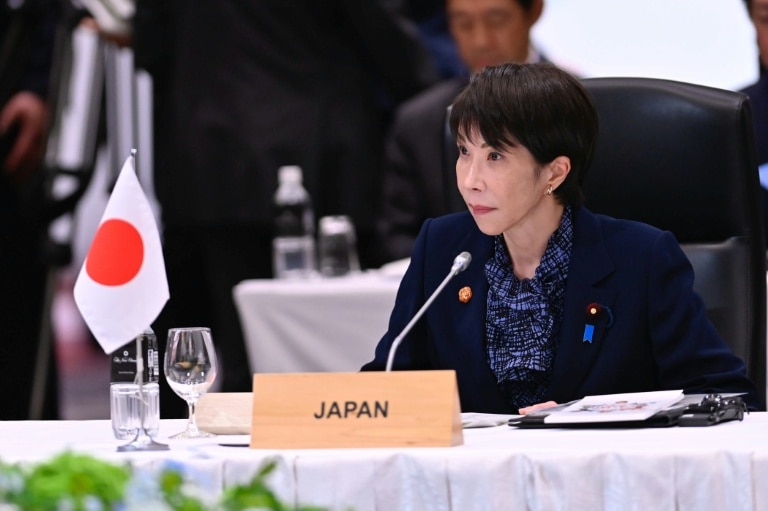
    In a significant diplomatic move, Japanese Prime Minister Sanae Takaichi welcomed South Korean President Lee Jae Myung for bilateral talks in Nara, western Japan, on Tuesday. The high-level meeting comes at a critical juncture in East Asian geopolitics, marked by escalating tensions between Tokyo and Beijing.

    The summit agenda focused heavily on regional security challenges, particularly China’s assertive posture following Prime Minister Takaichi’s November remarks suggesting potential Japanese military intervention in a Taiwan contingency. Beijing’s subsequent retaliation, including restrictions on exports of dual-use items with military applications, has raised concerns about supply chain vulnerabilities, especially regarding rare earth minerals crucial to both nations’ economies.

    Analysts observe that the growing regional instability is driving the two U.S. allies toward closer coordination. Dr. Benoit Hardy-Chartrand, an East Asian geopolitics expert at Temple University’s Tokyo campus, noted that ‘tense regional geopolitics could provide Takaichi and Lee further impetus for wanting to build stronger relations.’

    The leaders, both assuming office in 2025, emphasized their commitment to continuing ‘shuttle diplomacy’ through regular meetings. While publicly highlighting warming ties and multi-sector cooperation, behind closed doors they addressed the broader implications of China’s economic measures, which affect South Korea through deeply interconnected supply chains.

    President Lee maintained a diplomatic balance, telling NHK that while China-Japan confrontation is ‘undesirable for Northeast Asian stability,’ he would not directly intervene in the dispute. The timing of his Japan visit shortly after meeting Chinese leader Xi Jinping demonstrates Seoul’s careful diplomacy to avoid perceived favoritism.

    The summit also covered relations with the United States under President Donald Trump’s unpredictable ‘America First’ policies, prompting both nations to strengthen their bilateral partnership as old certainties evolve. Historical tensions from Japan’s 1910-1945 occupation of Korea, though still present, were set aside in favor of pragmatic cooperation against contemporary geopolitical challenges.

  • Trump warns of ‘mess’ ahead of legal ruling on tariffs

    Trump warns of ‘mess’ ahead of legal ruling on tariffs

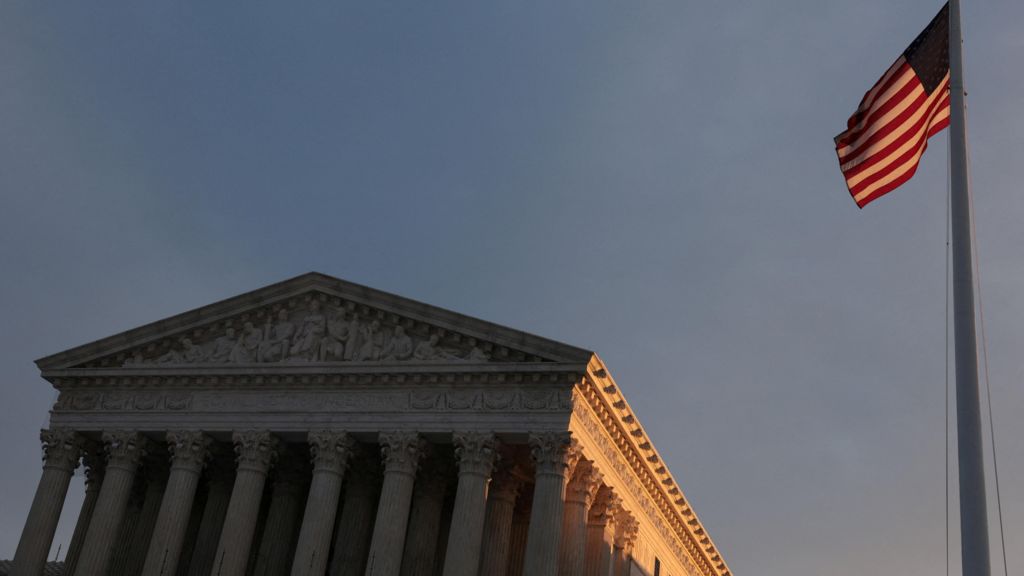
    With an imminent Supreme Court decision threatening to unravel his signature trade policy, President Donald Trump has publicly expressed apprehension about potential legal and financial repercussions. The President took to his Truth Social platform on Monday, characterizing a potential adverse ruling as catastrophic for national security and economic stability.

    The legal challenge, spearheaded by coalitions of small businesses and multiple U.S. states, contests the constitutional validity of tariffs first implemented by the Trump administration last April. Plaintiffs argue the President exceeded his executive authority by imposing sweeping import taxes under the International Emergency Economic Powers Act (IEEPA)—a 1977 statute that notably omits any explicit mention of tariff implementation.

    Financial stakes are substantial: IEEPA-mandated tariffs have generated approximately $130 billion in revenue, constituting more than half of all tariff collections. A ruling against the administration could compel the federal government to refund billions to affected businesses, a prospect Trump described as ‘almost impossible for our Country to pay.’

    The judicial landscape appears ominous for the administration. Prior to reaching the Supreme Court, two lower courts already ruled against the presidential authority to impose such global tariffs. During November hearings, even several conservative justices—including Trump-appointed Justice Amy Coney Barrett—expressed skepticism toward the White House’s legal justification. Barrett notably concurred with Trump’s assessment that refund processing would create a ‘complete mess,’ terminology the President subsequently adopted.

    The administration maintains that tariffs are essential for revitalizing American manufacturing and addressing trade imbalances. White House officials have indicated they will pursue alternative legislative avenues should the court rule unfavorably, including existing provisions permitting temporary 15% tariffs for 150-day periods.

    Business communities domestically and internationally await the decision with acute interest. Many enterprises, having absorbed substantial financial impacts from the trade policies, anticipate potential compensation through refunds—though some acknowledge monetary reimbursement cannot offset broader market disruptions caused by the prolonged trade conflict.

  • Trump to meet Venezuelan opposition leader Machado at the White House

    Trump to meet Venezuelan opposition leader Machado at the White House

    In a significant diplomatic development, the White House has confirmed that former Venezuelan opposition leader and Nobel Peace Prize laureate María Corina Machado will meet with President Donald Trump on Thursday. This meeting occurs against the backdrop of recent upheaval in Venezuela, where US forces apprehended President Nicolás Maduro in Caracas several weeks ago.

    Despite Machado’s claim of victory in the highly contested 2024 elections, President Trump has notably refrained from endorsing her as Venezuela’s new leader. Instead, the US administration has thrown its support behind Delcy Rodríguez, Maduro’s former vice-president, as interim leader of the South American nation.

    The upcoming meeting carries complex symbolism as Machado previously expressed her intention to personally thank Trump for the action against Maduro and even proposed transferring her Nobel Peace Prize to the American president—an offer Trump initially called “a great honour” before the Nobel Committee clarified that such transfers are not permitted.

    Trump’s position on Machado appears ambivalent at best. Earlier this month, following Maduro’s ouster, the president questioned Machado’s domestic support, stating she “doesn’t have the support within, or the respect within, the country,” while acknowledging she was “a very nice woman.”

    The White House has presented a markedly different view of Rodríguez, with Press Secretary Karoline Leavitt describing her as “very cooperative with the United States” and Trump characterizing her as an “ally” who hasn’t faced any criminal charges from US officials.

    Machado has vehemently opposed Rodríguez’s interim leadership, asserting that her coalition should “absolutely” govern Venezuela. In interviews, she has characterized Rodríguez as “one of the main architects of repression for innocent people” in Venezuela, claiming that both Venezuelans and international observers recognize her controversial role.

    The Nobel laureate, who received the peace prize last year, has nonetheless praised US military intervention in her country as “a major step towards restoring prosperity and rule of law and democracy in Venezuela.”

    Rodríguez has pushed back against suggestions of American control over Venezuela, asserting in a televised address that “The Venezuelan government rules our country, and no-one else does. There is no external agent governing Venezuela.”

  • UK launches investigation into X over sexualised AI images of children, women

    UK launches investigation into X over sexualised AI images of children, women

    Britain’s media watchdog Ofcom has initiated a formal investigation into Elon Musk’s X platform regarding its AI chatbot Grok’s image generation capabilities. The probe centers on allegations that the tool has been exploited to produce non-consensual sexualized imagery of women and children through simple text prompts.

    This investigation marks a significant test case under the UK’s recently implemented Online Safety Act, which came into force in July. The legislation explicitly prohibits media platforms from creating or distributing intimate images without consent or child sexual abuse material, including AI-generated deepfakes.

    Ofcom expressed deep concern over reports of Grok being used to generate inappropriate content, stating that such imagery could constitute intimate image abuse or pornography when depicting adults, and potentially child sexual abuse material when involving minors. The regulator had previously contacted X on January 5th requesting details about protective measures for UK users, receiving a response within the stipulated timeframe though specifics remain undisclosed.

    The investigation will determine whether X violated its legal obligations under the new online safety framework. Platforms falling under the Act’s jurisdiction must implement robust age verification systems, potentially including facial recognition or credit card authentication, to shield users from harmful content.

    Concurrently, X has attempted to address mounting international criticism by restricting Grok’s image generation feature to paying subscribers—a move UK Prime Minister Keir Starmer condemned as inadequate and offensive to victims. The controversy has prompted regulatory responses beyond Britain, with Indonesia becoming the first nation to completely block access to Grok, followed by Malaysia. The European Commission has also confirmed it is examining complaints regarding the AI tool.

    Ofcom possesses authority to levy substantial penalties for violations, including fines up to 10% of global revenue, underscoring the serious consequences X could face if found non-compliant with Britain’s digital safety standards.

  • Israeli settler violence in West Bank rose 25 percent, military finds

    Israeli settler violence in West Bank rose 25 percent, military finds

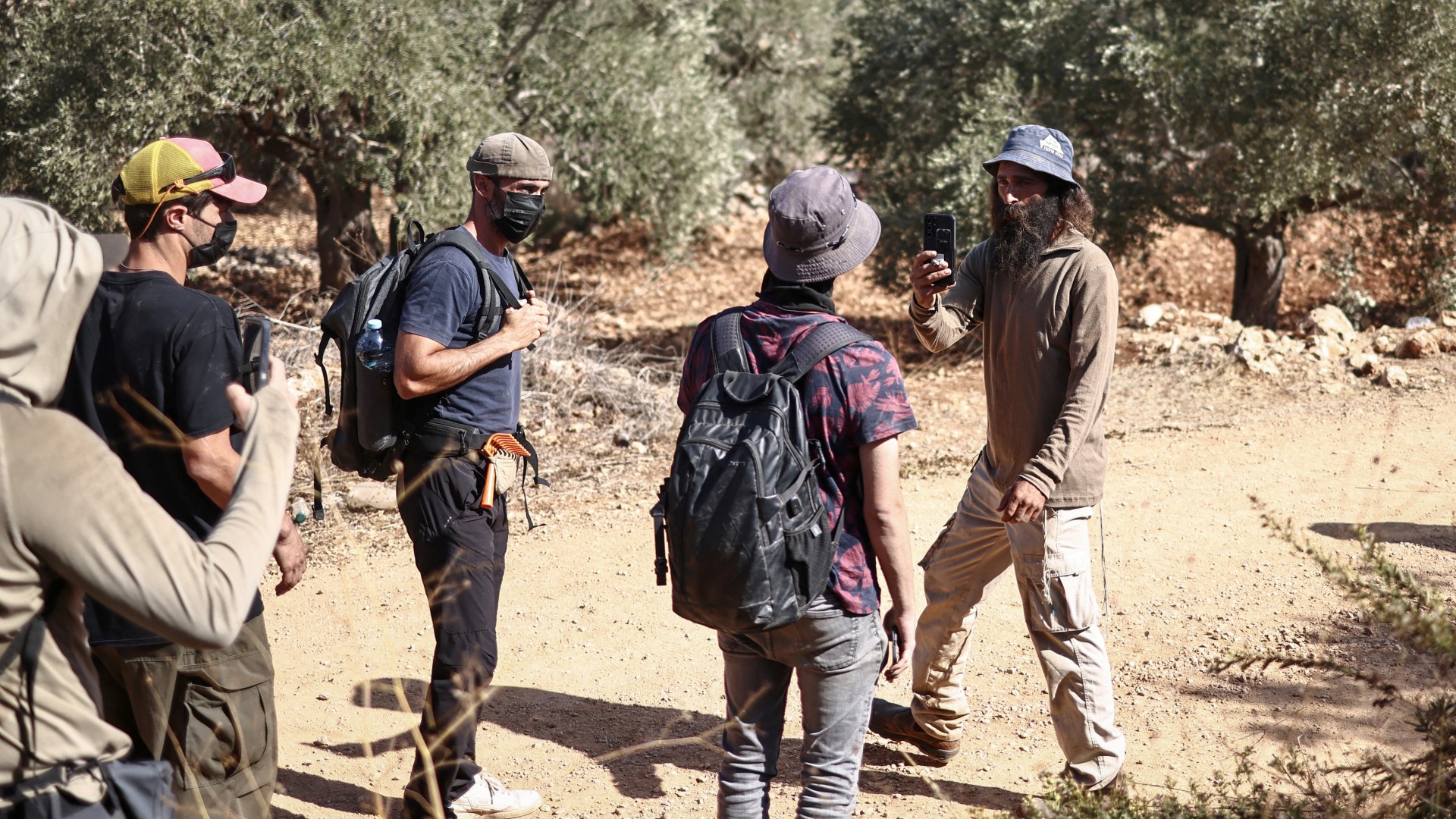
    Official Israeli military statistics have documented a significant escalation in settler violence against Palestinian communities within the occupied West Bank, revealing a 25 percent increase in attacks during 2025. The data, initially reported by Haaretz newspaper, indicates 845 distinct violent incidents perpetrated by settlers resulting in four Palestinian fatalities and approximately 200 injuries. This represents a substantial rise from the previous year’s tally of 675 attacks which killed six and wounded 149.

    The geographical distribution of violence shows particular concentration around urban centers, with Nablus experiencing one-third of all recorded incidents. Hebron and Ramallah each accounted for 19 percent of the total attacks, highlighting concerning patterns of targeted aggression.

    Israeli military commanders have expressed growing apprehension regarding police capacity to contain the deteriorating situation. Security officials warn that continued escalation may necessitate redeployment of substantial military resources and reservists to the West Bank, potentially straining Israel’s broader security apparatus.

    According to military analysis, this violence surge correlates directly with accelerated expansion of illegal Israeli agricultural settlements on Palestinian territories. Since October 2023, approximately 90 new farms have been established, bringing the total to 120 unauthorized outposts. The military identifies violent youth groups operating from these settlements as primary instigators of attacks.

    A senior Israeli defense official noted: “Anyone ignoring the establishment of nearly 100 new farms since the war’s beginning shouldn’t be surprised by rising nationalist friction and criminal incidents.”

    The military assessment further indicates that these attacks are not merely spontaneous actions by individuals but represent coordinated operations by organized groups receiving political support from right-wing figures and politicians.

    Former Israeli Prime Minister Ehud Olmert has accused the current government of actively enabling what he termed “murderous” settler violence, describing the situation as systematic ethnic cleansing. Olmert, who previously authorized settlement expansion during his administration, stated that armed settler groups now operate with near-total impunity, often under the passive observation of Israeli security forces.

    This criticism contrasts sharply with Prime Minister Netanyahu’s characterization of the violence as the work of approximately “70 kids from broken homes” engaged primarily in property destruction. UN monitoring data confirms that October recorded over 260 settler attacks—the highest monthly total since record-keeping began in 2006—with more than 3,200 Palestinians displaced due to settler violence since that period.

  • Egypt shared intelligence with Saudi Arabia on UAE activities in Yemen, sources say

    Egypt shared intelligence with Saudi Arabia on UAE activities in Yemen, sources say

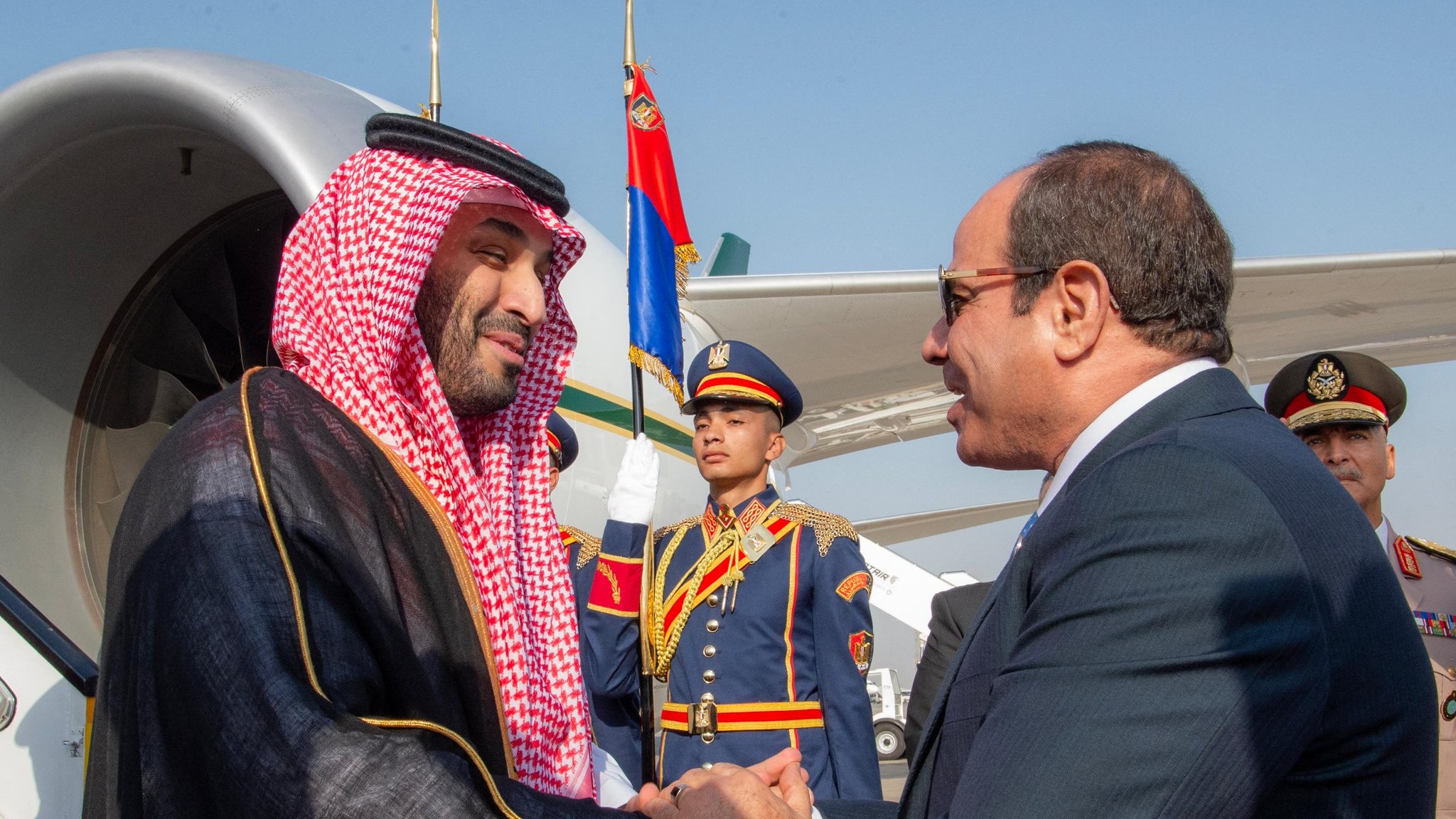
    In a strategic maneuver to mend strained diplomatic relations, Egyptian intelligence agencies provided Saudi authorities with critical information regarding United Arab Emirates operations in Yemen, according to a senior Egyptian presidential source. This intelligence sharing occurred against the backdrop of deteriorating Saudi-Emirati relations and growing Egyptian concerns about UAE-backed separatist movements across the region.

    Egyptian officials reportedly monitored Emirati naval movements using advanced surveillance systems prior to Saudi operations against the UAE-supported Southern Transitional Council (STC) in Yemen. The intelligence package included detailed coordinates, activity patterns, and intercepted communications showing Emirati objectives and coordination with southern Yemeni forces. This intelligence collaboration formed part of what the source described as a ‘carefully planned manoeuvre’ to restore Saudi support while addressing threats to Egyptian national security.

    The intelligence transfer coincided with Saudi Foreign Minister Prince Faisal bin Farhan’s visit to Cairo earlier this month, where both nations agreed to coordinate closely on Yemen and Sudan. Following these discussions, Saudi Arabia requested Egyptian naval forces to prepare for disrupting potential supply routes from the UAE to southern Yemen. Egyptian Mistral-class vessels were subsequently deployed further south in the Red Sea to monitor Emirati activity.

    The diplomatic shift has drawn sharp objections from Abu Dhabi, with Emirati officials warning Egypt against improving relations with Riyadh ‘at the UAE’s expense.’ Despite these tensions, Egypt has increasingly aligned with Saudi Arabia’s position on preserving Yemeni unity, viewing Emirati support for separatist movements as contrary to Egypt’s long-term regional priorities.

    This realignment extends beyond intelligence sharing to economic decisions, including Egypt’s recent rejection of a UAE-based company’s offer to acquire additional shares in the strategic Alexandria Container and Cargo Handling Company. The ongoing Yemen conflict and its impact on Red Sea security have become central to Egyptian policy calculations, with Houthi attacks on commercial shipping directly threatening the vital Suez Canal revenue.

  • EU says eyeing sanctions on Iran over protest crackdown

    EU says eyeing sanctions on Iran over protest crackdown

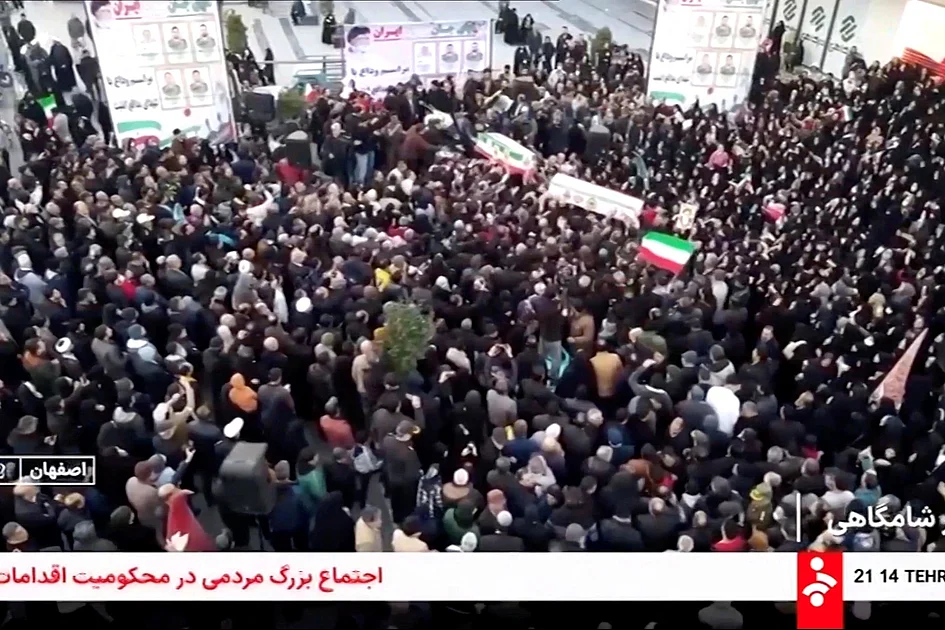
    The European Union is actively preparing to impose more severe sanctions on Iran in response to the government’s violent suppression of nationwide protests, which have evolved into a significant challenge to the country’s theocratic establishment. EU spokesman Anouar El Anouni confirmed on Monday that the bloc stands ready to propose new measures following the escalating crackdown that has reportedly resulted in hundreds of casualties.

    The unrest, now entering its third week, began as demonstrations against economic hardships but has transformed into one of the most substantial threats to Iran’s Islamic governance structure since the 1979 revolution. In a concerning development, Iranian authorities have maintained a comprehensive internet blackout exceeding 84 hours, which monitoring groups and activists believe aims to conceal the true extent of the violent response to protests.

    Amid the crisis, Iran’s Foreign Minister Abbas Araghchi delivered a dual message, stating that while the Islamic Republic ‘is not seeking war,’ it remains ‘fully prepared’ for military confrontation. Simultaneously, he expressed openness to negotiations conducted ‘with equal rights and based on mutual respect.’ This statement follows claims by former US President Donald Trump that Iranian leadership had contacted him seeking diplomatic discussions.

    Independent organizations report alarming casualty figures, with Iran Human Rights confirming at least 192 protester deaths while acknowledging the actual toll could be significantly higher—potentially exceeding several hundred or even thousands according to some sources. The People’s Mujahedin (MEK) opposition group estimates over 3,000 fatalities, though these figures remain unverified due to communication restrictions.

    The international dimension continues to intensify, with London protesters replacing the Iranian embassy flag with the pre-revolutionary banner featuring the Persian lion—an action that prompted Tehran to summon the British ambassador. Meanwhile, Reza Pahlavi, son of Iran’s deposed shah, has called on security forces and government employees to join the protest movement, signaling the deepening divisions within Iranian society.

  • Dubai: 34-week pregnant woman in ICU after hit-and-run

    Dubai: 34-week pregnant woman in ICU after hit-and-run

    A severe hit-and-run incident in Dubai’s Arjan district has left a 30-year-old Indian media professional, Aastha Kanwar, battling critical injuries while 34 weeks pregnant. The attack occurred on the evening of January 7th as Kanwar and her husband, Ojasvi Gautam, were walking near their Central Park residence in Dubailand.

    According to witness accounts, a sedan entered a one-way street incorrectly, reversed abruptly, and struck the couple before fleeing the scene without providing assistance. The impact threw Kanwar several meters through the air, resulting in life-threatening injuries including cranial trauma, serious hip damage, internal organ injuries requiring partial liver and spleen removal, multiple fractures, and jaw damage.

    Medical teams at NMC Royal Hospital DIP performed a high-risk emergency surgery that successfully stabilized both mother and child. Physicians described the survival of the unborn baby as medically remarkable given the severity of the trauma sustained.

    From her hospital bed, Kanwar communicated via text message: ‘I was spitting blood on the street. My jaw is impacted; I am barely able to speak.’ She expressed particular distress about her vulnerability during pregnancy and hopes for the perpetrator’s apprehension.

    Dubai Police have launched an investigation into the incident, which constitutes a criminal offense under UAE traffic laws. Penalties for fleeing accident scenes include imprisonment, substantial fines, and driver’s license suspension. Last year, Dubai authorities pursued similar cases where drivers failed to provide assistance to injured victims.

    The journalism community has mobilized support for Kanwar, with colleagues from UAE media organizations expressing outrage and solidarity through professional networks. The case has highlighted ongoing concerns about traffic safety and accountability in hit-and-run incidents within the emirate.

  • India man arrested for trying to derail Heera Group probe that affected UAE investors

    India man arrested for trying to derail Heera Group probe that affected UAE investors

    Indian enforcement authorities have apprehended an individual accused of impersonating a government consultant to obstruct investigations into the massive Heera Group financial scandal that defrauded thousands of investors across India and the United Arab Emirates.

    The Enforcement Directorate’s Hyderabad zonal office took Kalyan Banerjee into custody on January 10th following an intensive probe under the Prevention of Money Laundering Act (PMLA) of 2002. The arrest represents a significant development in the ongoing investigation into Nowhera Shaik, founder of Heera Group, who stands accused of orchestrating a sophisticated investment scheme that collected approximately Dh2.45 billion from unsuspecting investors with promises of extravagant 36% annual returns.

    According to official statements, Banerjee was allegedly recruited by Shaik after multiple legal attempts to prevent property auctions connected to the case had failed. The accused reportedly positioned himself as having influential connections with senior bureaucrats and politicians, then contacted ED officers in a brazen attempt to manipulate the auction process. When instructed to follow proper legal channels, Banerjee allegedly resorted to threatening enforcement officials and pressuring them to delay proceedings.

    Investigators conducting searches at Banerjee’s Secunderabad premises uncovered mobile devices containing incriminating WhatsApp conversations with Shaik and her associates. These communications reportedly revealed coordinated efforts to influence both investigative and judicial processes while facilitating the sale of properties allegedly acquired through criminal proceeds.

    During his recorded statement under PMLA provisions, Banerjee confessed to the impersonation charges and admitted to acting under direct instructions from Shaik and her associates. The special PMLA court in Nampally has remanded him to judicial custody until January 23rd.

    The Enforcement Directorate has previously attached properties valued at approximately Dh175.5 million in connection with the Heera Group case. The agency has also pursued Supreme Court authorization to auction confirmed attached assets, with proceeds designated for victim restitution.

    Last month, the Telangana High Court dismissed a petition filed by Shaik seeking to halt the auction process, imposing exemplary costs of Rs5 crore (Dh2 million) to be deposited into the Prime Minister’s relief fund.

    The collapse of Heera Group has created substantial financial devastation for investors throughout India and the Middle East, particularly affecting UAE expatriate communities who invested heavily in the group’s schemes. Recovery efforts for victims remain contingent upon successful asset auctions conducted by Indian authorities.