作者: admin

  • Danish foreign minister says Vance will host meeting on Greenland in Washington

    Danish foreign minister says Vance will host meeting on Greenland in Washington

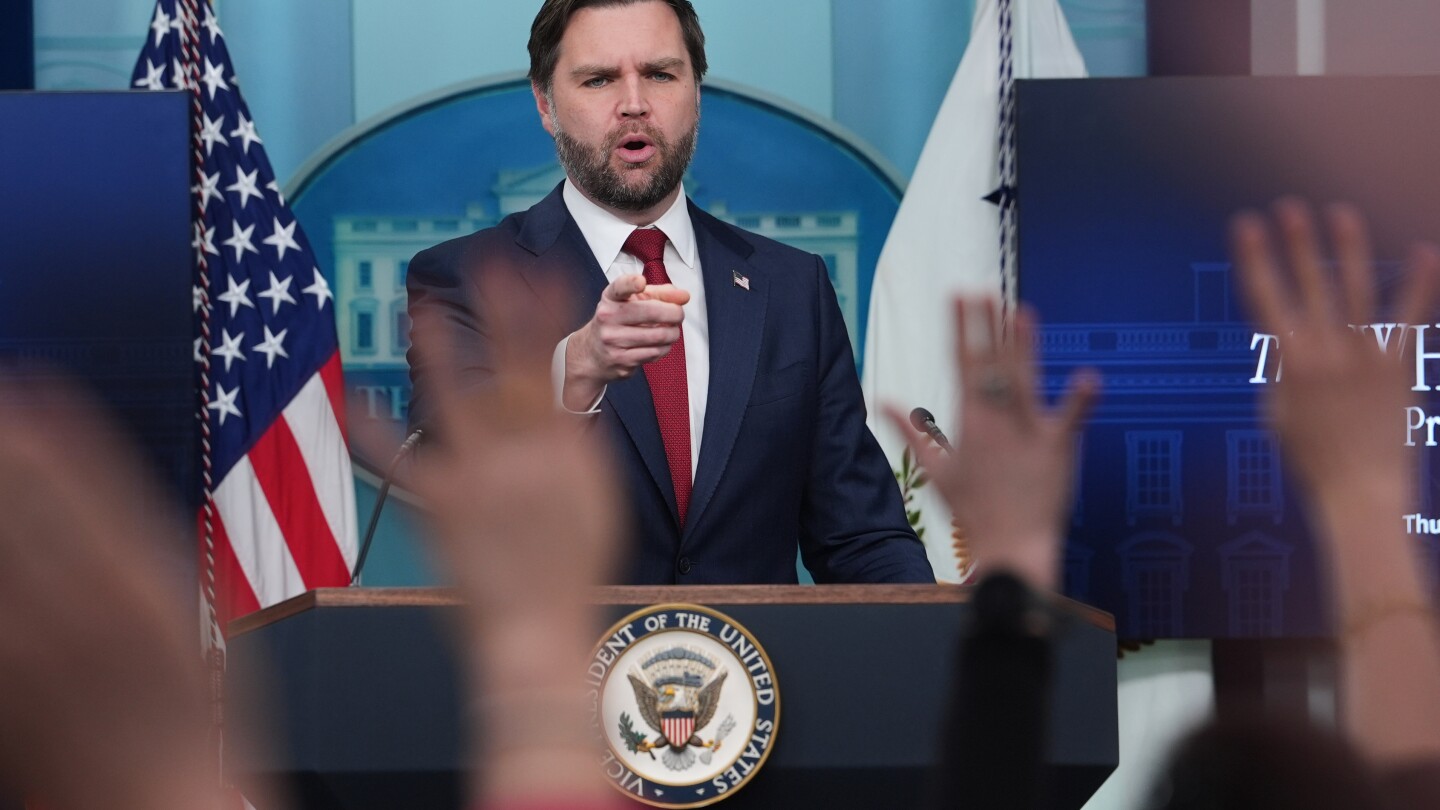
    WASHINGTON — Vice President JD Vance is scheduled to convene a high-level meeting with Danish Foreign Minister Lars Løkke Rasmussen and Greenland’s representative Vivian Motzfeldt this week, signaling escalating diplomatic engagement over Arctic territorial discussions. The gathering, confirmed to occur at the White House with Secretary of State Marco Rubio in attendance, comes amid heightened tensions regarding the Trump administration’s expressed interest in acquiring Greenland.

    The vast Arctic territory, while semiautonomous, remains under Danish sovereignty and represents a strategically crucial NATO asset. The meeting arrangement emerged following Vice President Vance’s personal intervention to participate directly in the negotiations, according to Minister Rasmussen’s statements to journalists after addressing Denmark’s parliamentary foreign policy committee.

    This diplomatic development occurs against the backdrop of increasingly assertive rhetoric from President Trump, who recently reiterated aboard Air Force One that the United States must secure Greenland—whether through negotiated agreement or alternative measures—to prevent Russian or Chinese expansion into the region. The administration has reportedly contemplated multiple options, including military contingency plans, though officials emphasize preference for diplomatic resolution.

    Concurrently, a bipartisan congressional delegation is en route to Copenhagen for weekend meetings aimed at demonstrating continued solidarity between the United States and Denmark. Danish Prime Minister Mette Frederiksen has also arranged emergency consultations with Greenlandic Premier Jens-Frederik Nielsen and leadership from the Faroe Islands, Denmark’s other semiautonomous territory, underscoring the gravity of these geopolitical developments.
  • Prosecutors seek death penalty for ex-South Korean president Yoon

    Prosecutors seek death penalty for ex-South Korean president Yoon

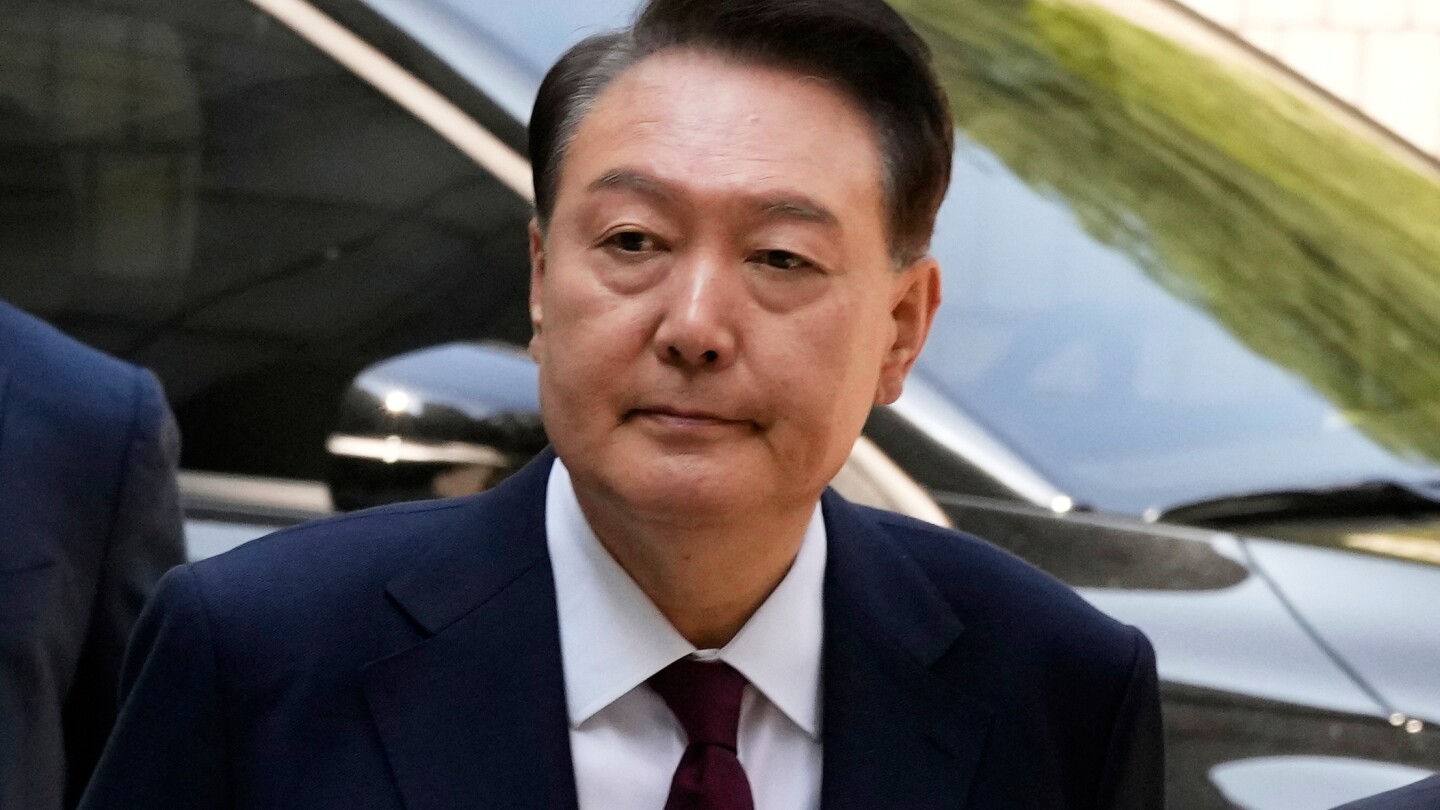
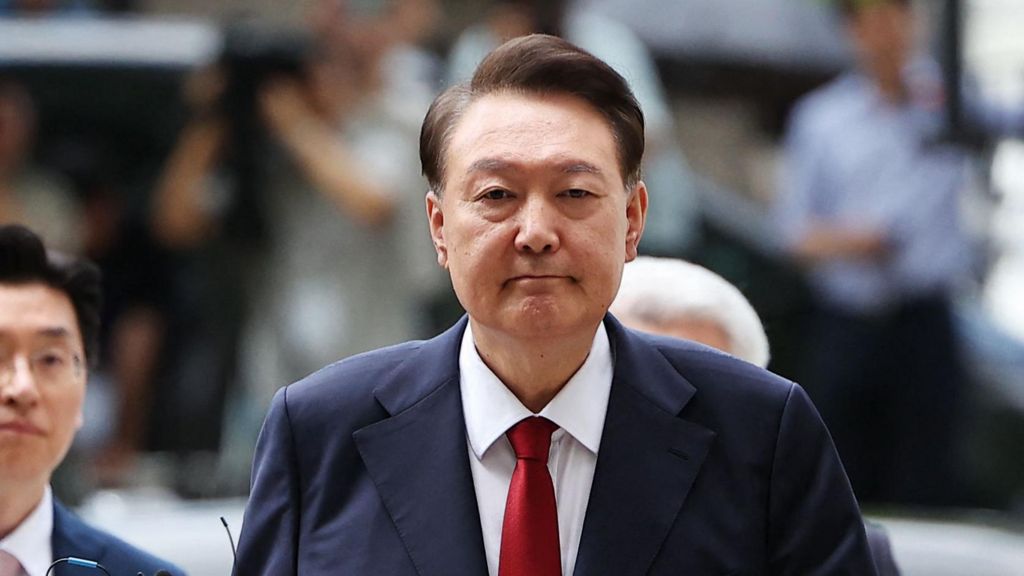
    In a landmark legal proceeding that has captivated South Korea, prosecutors have formally requested the death penalty for former President Yoon Suk Yeol, who stands accused of masterminding an attempted insurrection through his abrupt imposition of martial law in December 2024. The Seoul court heard closing arguments in a trial that has merged cases against three senior figures from Yoon’s administration, including former defense minister Kim Yong-hyun and former police chief Cho Ji-ho.

    The prosecution’s case centers on Yoon’s December 2024 declaration of military rule, which plunged the nation into political chaos despite lasting only hours. While no fatalities resulted from the attempted power grab, prosecutors argued that Yoon’s intentions were fundamentally violent, presenting as evidence a memo from one of the martial law planners that discussed ‘disposing’ of hundreds of journalists, labor activists, and lawmakers. A military commander testified that Yoon had directly ordered the arrest of opposition lawmakers.

    Yoon’s defense maintains that the martial law declaration was merely symbolic, intended to draw public attention to alleged wrongdoings by the opposition Democratic Party. The former president has denied all charges, characterizing himself as a patriot attempting to protect South Korea from North Korean threats amid domestic political tensions.

    The case represents an extraordinary fall from power for Yoon, who became South Korea’s first sitting president to be arrested and charged. His impeachment following the failed power grab triggered snap elections that brought current President Lee Jae Myung to power in June.

    South Korea’s legal system mandates that prosecutors must seek either death or life imprisonment for insurrection convictions. The nation has not carried out an execution in nearly three decades, with the last death sentence for a former leader being imposed on military dictator Chun Doo-hwan in 1996 for his 1979 coup—a sentence later commuted to life imprisonment.

    A verdict in Yoon’s case is anticipated in February, with the court’s decision likely to have profound implications for South Korea’s political landscape and democratic institutions.

  • Uganda’s military deployed in national capital ahead of upcoming presidential election

    Uganda’s military deployed in national capital ahead of upcoming presidential election

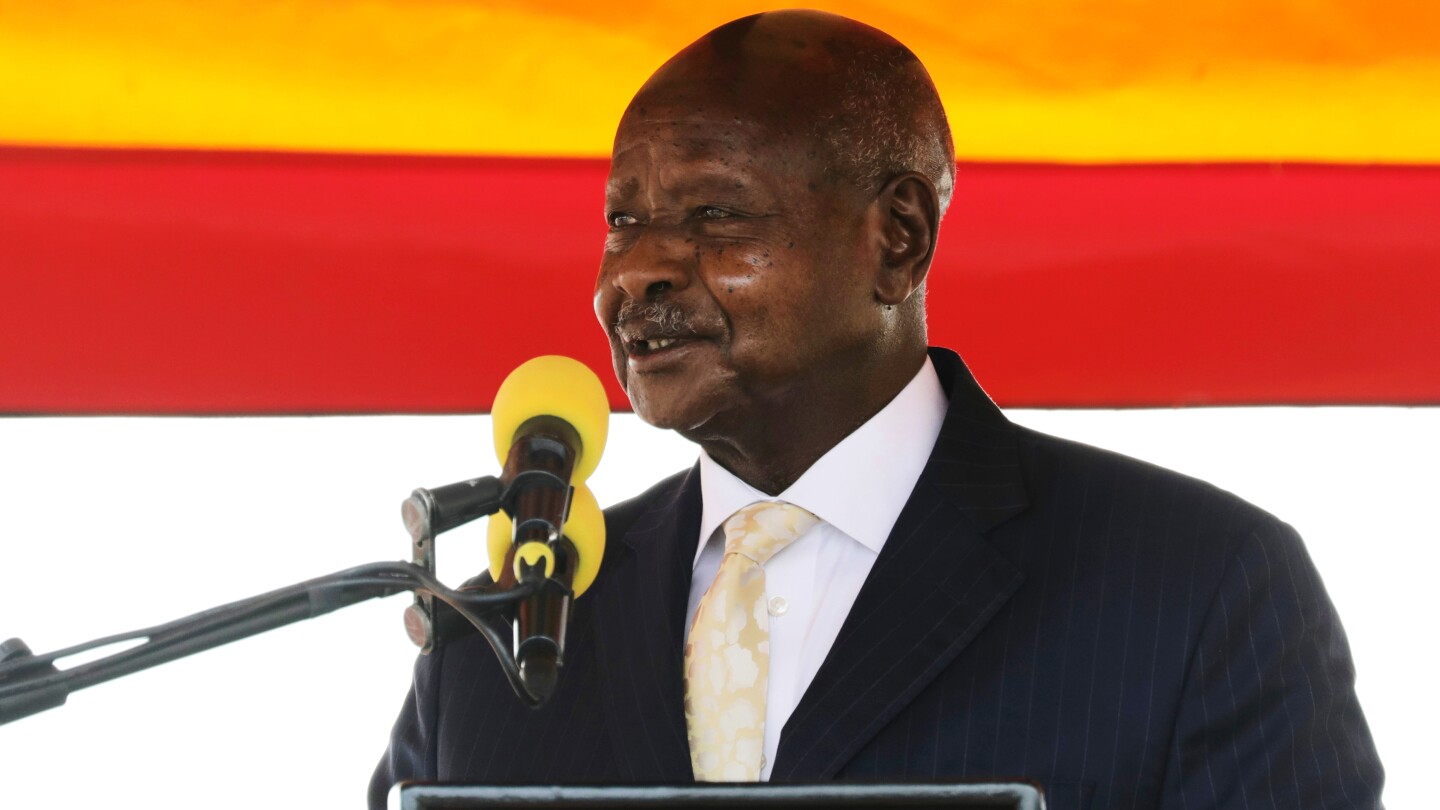
    KAMPALA, Uganda — Uganda stands at a critical juncture as the nation prepares for a high-stakes presidential election on Thursday, pitting long-serving President Yoweri Museveni against a coalition of opposition candidates led by charismatic challenger Bobi Wine. The electoral process has been overshadowed by unprecedented military deployments across the capital, raising concerns about democratic integrity and the potential for authoritarian consolidation.

    President Museveni, Africa’s third-longest ruling leader at 81 years old, seeks to extend his nearly four-decade reign with a seventh term. His primary opponent is 43-year-old musician-turned-politician Bobi Wine (born Kyagulanyi Ssentamu), who represents a burgeoning youth movement demanding political transformation. Six additional candidates complete the presidential field in this East African nation of 45 million people, with electoral authorities reporting 21.6 million registered voters.

    The security situation has intensified markedly since Saturday, when Ugandan authorities initiated widespread troop deployments throughout Kampala. Armored vehicles have positioned themselves strategically across the urban landscape while soldiers conduct visible street patrols. Military spokesman Colonel Chris Magezi characterized these measures as necessary precautions against potential election violence, dismissing concerns about anti-democratic implications.

    This election represents a rematch of the 2021 contest where Wine surprisingly captured 35% of the vote against Museveni’s 58%—the president’s narrowest victory margin since first competing in elections three decades ago. Wine has maintained his popularity among urban youth and in eastern regions, campaigning under heavy security protection including flak jackets and helmets following numerous attacks by security forces documented by Amnesty International.

    Museveni retains strong support in northern Uganda and his western home region, where supporters credit him with establishing relative stability in a nation hosting hundreds of thousands of refugees. However, his campaign slogan of ‘protecting the gains’ has drawn criticism for allegedly justifying corruption and suggesting power is non-negotiable.

    Complicating the political landscape is the prominence of Museveni’s son, four-star General Muhoozi Kainerugaba, who has openly discussed succeeding his father and recently generated diplomatic incidents through controversial tweets. Many analysts suggest the military’s loyalty to the first family rather than democratic institutions makes electoral transition particularly challenging.

    The International Crisis Group recently concluded that Museveni will likely retain power, though voter concerns about unemployment and democratic fatigue remain pressing issues. For many young Ugandans like 37-year-old motorcycle operator Farouk Mugaya, who has never known another leader, the election represents a fundamental choice between continuity and change in a nation struggling with economic opportunities despite relative peace.

  • Czech Prime Minister Babiš faces confidence vote as government shifts Ukraine policy

    Czech Prime Minister Babiš faces confidence vote as government shifts Ukraine policy

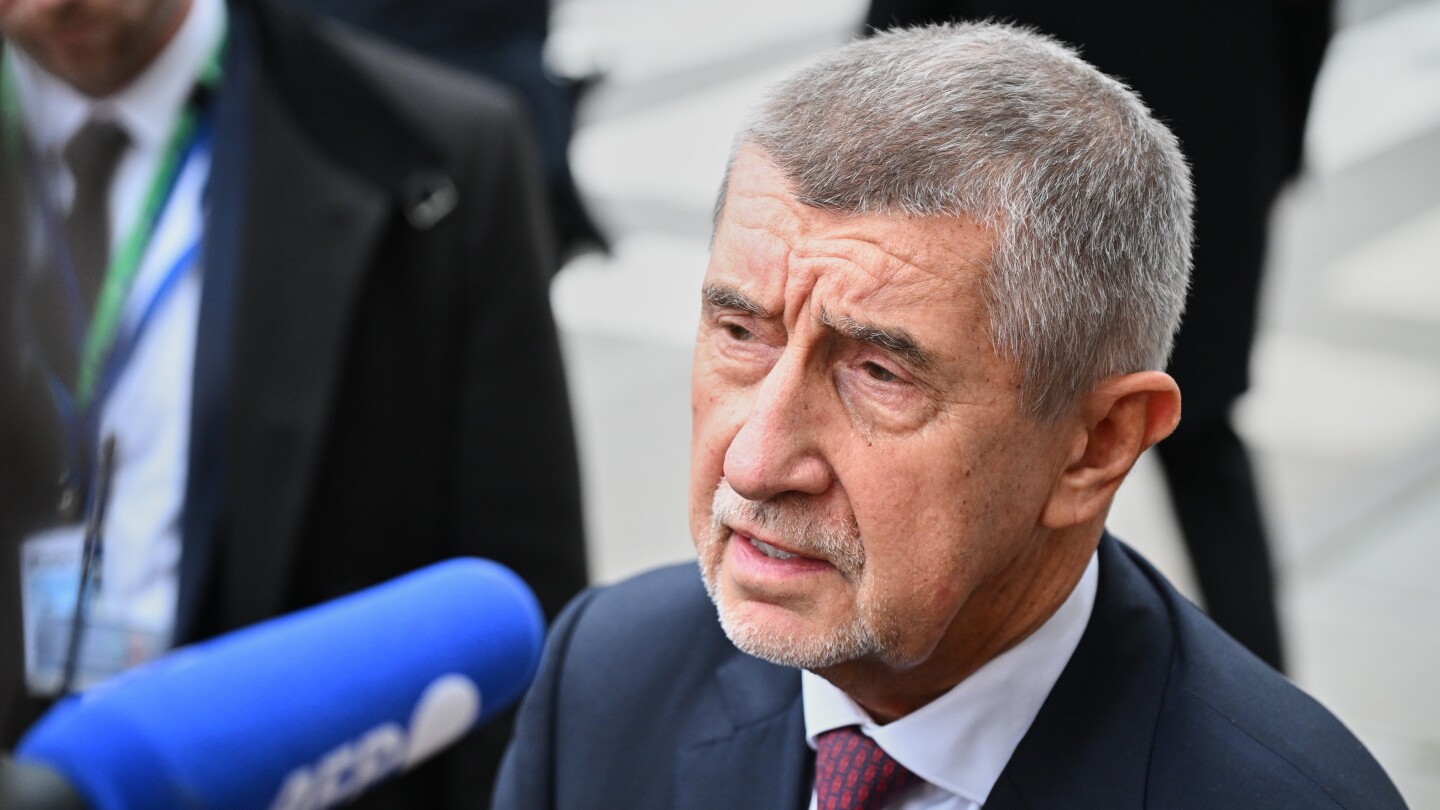
    PRAGUE — The Czech Republic’s newly formed administration under populist Prime Minister Andrej Babiš confronted a crucial parliamentary confidence vote on Tuesday, testing support for its controversial agenda that marks a dramatic departure from previous pro-Western policies. The government coalition, commanding 108 seats in the 200-member lower house, seeks to redefine the nation’s international alignment by distancing itself from European Union initiatives and terminating financial assistance to Ukraine.

    Babiš’s ANO (YES) movement, which secured a decisive victory in October’s parliamentary elections, has established an unconventional alliance with two fringe parties: the anti-immigration Freedom and Direct Democracy party and the right-wing Motorists for Themselves group. This 16-member cabinet, united by their admiration for former U.S. President Donald Trump, represents a significant political transformation in Central Europe.

    In his parliamentary address, Babiš emphasized his government’s priorities: ‘I’d like to make it clear that the Czech Republic and Czech citizens will be first for our government.’ This domestic-focused agenda aligns with similar political movements in Hungary and Slovakia, where Prime Ministers Viktor Orbán and Robert Fico have implemented comparable foreign policy shifts.

    The new coalition’s platform includes rejecting the EU Green Deal, proposing coal industry revitalization, and examining the status of Ukrainian refugees. While maintaining administrative oversight of a previous initiative that secured 1.8 million artillery shells for Ukraine, the government has categorically refused additional financial contributions to Ukrainian defense efforts. The Freedom and Direct Democracy party has further advocated for Czech withdrawal from EU and NATO membership, signaling a potential fundamental reorientation of the country’s international partnerships.

  • Death sentence sought for ex-South Korea leader Yoon over martial law decree

    Death sentence sought for ex-South Korea leader Yoon over martial law decree

    SEOUL, South Korea — In an unprecedented legal development, special prosecutors have formally requested capital punishment for former President Yoon Suk Yeol, who faces charges of rebellion for his controversial imposition of martial law in December 2024. The dramatic demand emerged during Tuesday’s hearing at Seoul Central District Court, where independent counsel Cho Eun-suk’s team presented their final arguments.

    Yoon, who was removed from office in April following the political crisis, maintains that his martial law declaration represented a peaceful effort to alert citizens to what he characterized as the dangerous obstructionism of the liberal opposition Democratic Party. He had previously denounced the legislature as ‘a den of criminals’ and ‘anti-state forces.’

    The December 2024 decree marked South Korea’s first implementation of martial law in over four decades, triggering traumatic national memories of military dictatorships from the 1970s-1980s. The order deployed armed troops throughout Seoul streets, surrounding the National Assembly and election offices—a move that evoked historical parallels to authoritarian regimes.

    In extraordinary overnight proceedings, lawmakers from across the political spectrum, including members of Yoon’s own party, rushed to block the presidential directive. Their successful assembly vote to overturn the decree created a constitutional crisis that plunged the nation into political chaos, disrupted high-level diplomacy, and unsettled financial markets.

    The court is anticipated to deliver its verdict in February, concluding a trial that has captivated the nation and highlighted deep political divisions. Yoon previously made history as South Korea’s first sitting president to be detained in January 2023, following his vehement resistance against impeachment attempts.

  • Hungary sets April 12 election date as Orbán faces tough challenge

    Hungary sets April 12 election date as Orbán faces tough challenge

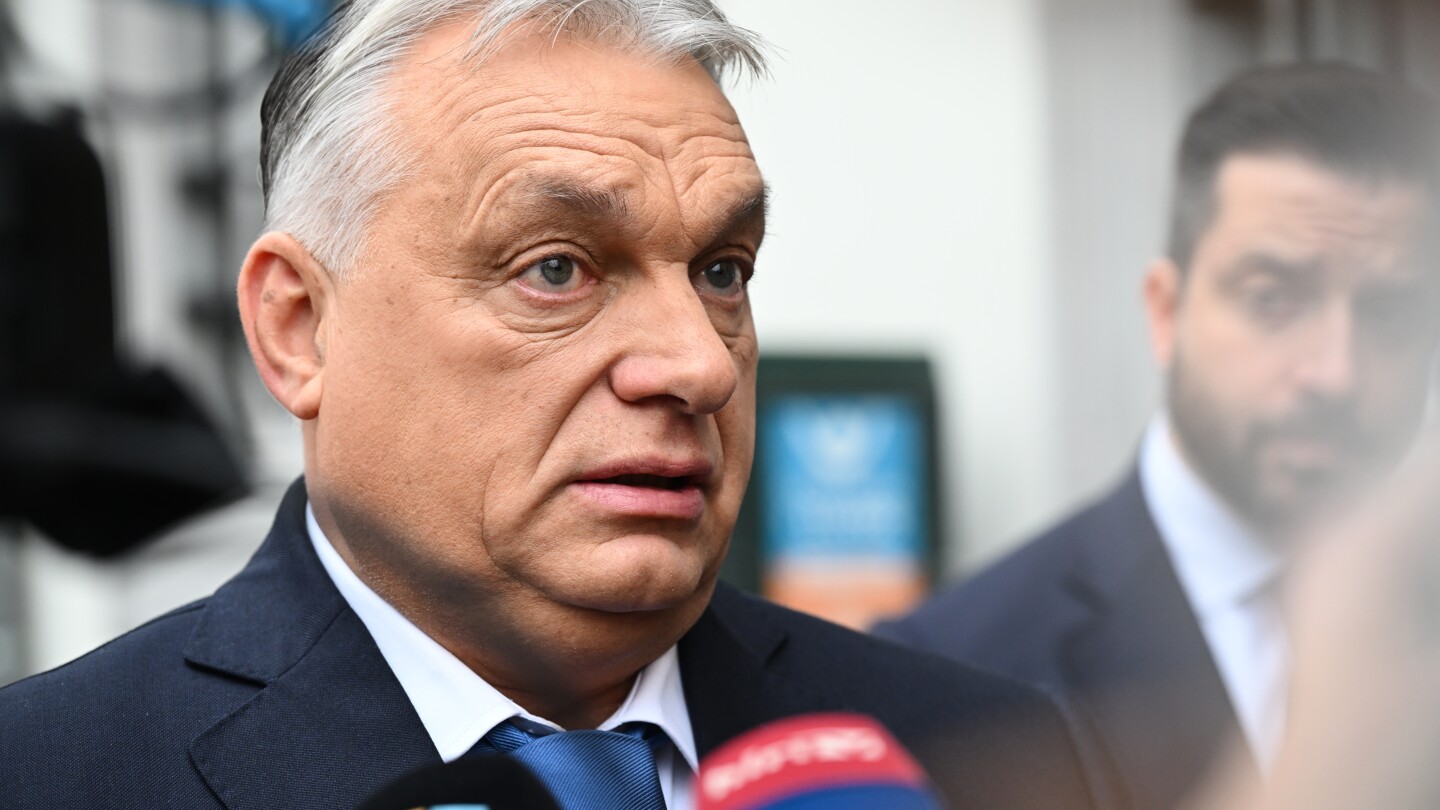
    BUDAPEST, Hungary — Hungary’s political arena is poised for a transformative confrontation as President Tamás Sulyok officially designated April 12 for the nation’s parliamentary election. This electoral contest presents Prime Minister Viktor Orbán with his most formidable political challenge since assuming power in 2010, marking a potential watershed moment in Hungarian politics.

    The political landscape has been dramatically reshaped by the rapid ascent of Péter Magyar, a 44-year-old center-right attorney who has mobilized substantial support through an intensive grassroots campaign across Hungary’s rural regions. Magyar’s Tisza party has capitalized on widespread public discontent regarding economic stagnation, escalating living expenses, and deteriorating public services, positioning itself as a viable alternative to Orbán’s establishment.

    Orbán, the European Union’s longest-serving leader who has championed his vision of an “illiberal democracy,” now confronts an opposition movement that has consistently outperformed his Fidesz party in independent polling. The Prime Minister’s political strategy has centered on consolidating institutional control and media influence throughout his tenure, though critics maintain this has fostered systemic corruption.

    The electoral battle has been framed by Fidesz as a fundamental choice between peace and conflict, with government allies asserting that Tisza represents a Brussels-orchestrated initiative to establish a puppet administration that would redirect Hungarian resources toward supporting Ukraine’s military efforts. These allegations have been vehemently denied by the opposition.

    Magyar has committed to implementing comprehensive anti-corruption reforms and securing the release of billions in frozen EU funds contingent upon judicial independence enhancements, should he attain victory. Notably, Orbán has declined invitations for a televised debate with his challenger—a format he has avoided since his 2006 electoral defeat.

    The formal campaign period commences on February 21, initiating candidate signature collection and permitting political advertising, setting the stage for a historically significant electoral confrontation that could redefine Hungary’s political trajectory and its relationship with European institutions.

  • Dubai Civil Defence to roll out smart uniforms with life-saving medical chips

    Dubai Civil Defence to roll out smart uniforms with life-saving medical chips

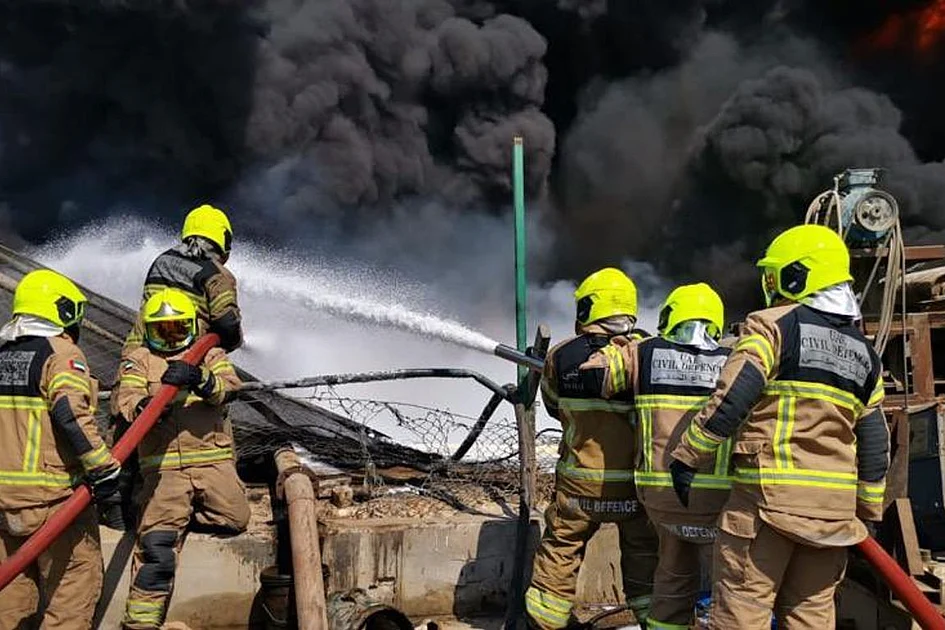
    Dubai Civil Defence is revolutionizing emergency response gear by integrating advanced smart chips into firefighters’ uniforms, creating a groundbreaking medical identification system. Lieutenant General Rashah Al Matrooshi, Commander in Chief of Dubai Civil Defence, announced the innovative initiative that will enable paramedics to instantly access critical medical information during emergencies.

    The technology functions through scannable chips embedded directly into uniform fabric. Healthcare providers can use smartphones to immediately retrieve comprehensive medical records, significantly reducing treatment delays when every second counts. This development addresses a critical gap in emergency care where unconscious or unresponsive firefighters cannot communicate their medical history, allergies, or pre-existing conditions.

    The implementation comes as a response to observed treatment delays during emergency transfers to medical facilities. Firefighters operating on frontlines often face dire injuries where immediate, informed medical intervention becomes life-or-death crucial.

    Currently in its final implementation phase, the program has completed all developmental stages with chips ready for integration into new uniform batches. Dubai Civil Defence will become the first government entity worldwide to deploy such technology operationally.

    In a remarkable commitment to global safety, Commander Al Matrooshi confirmed the program will be distributed internationally without cost. ‘We don’t seek profit—our only reward is the protection of lives and property,’ he stated during the Intersec security, safety and fire protection event at Dubai World Trade Center.

    The initiative represents a significant advancement in merging wearable technology with emergency medical response, potentially establishing new standards for first responder safety worldwide.

  • Freezing rain and ice disrupt travel across central and eastern Europe

    Freezing rain and ice disrupt travel across central and eastern Europe

    A severe winter storm system has unleashed chaos across Central and Eastern Europe, crippling transportation infrastructure with treacherous freezing rain and extreme icing conditions. Major international airports including Vienna International, Prague’s Vaclav Havel, Budapest’s Ferenc Liszt, and multiple Slovakian facilities were forced to implement extensive operational suspensions throughout Tuesday.

    Vienna International Airport, among the region’s busiest aviation hubs, experienced complete temporary shutdowns with incoming flights diverted to alternative airports in Munich, Frankfurt, Cologne and Venice. Peter Kleemann, spokesperson for the Austrian facility, confirmed that departure operations faced significant delays before gradual resumption commenced by late morning.

    The transportation crisis extended beyond aviation networks with widespread disruptions to rail and road systems. Austria’s national railway operator ÖBB reported substantial delays across northern and eastern routes, including Vienna services, advising passengers to postpone non-essential travel. Czech authorities confirmed numerous train and bus cancellations, with passengers at Prague’s main station experiencing multi-hour delays. The critical D8 highway connecting Czech Republic to Germany was closed following weather-related accidents on the German side.

    Urban transit systems similarly struggled with Budapest’s tram services paralyzed by accumulated ice following last week’s heavy snowfall. The Hungarian Meteorological Service warned of continuing adverse conditions with significant snowfall expected in eastern regions while western areas faced additional freezing rain.

    Romanian authorities reported temperatures plunging to -13°C (8.7°F) in some regions, prompting school closures and transition to online education. The compounding weather events represent one of the most significant winter transportation crises to affect the region in recent years, with meteorological services predicting continued challenging conditions throughout the week.

  • Hunt for gunman after Corsican exile is shot dead at mother’s funeral

    Hunt for gunman after Corsican exile is shot dead at mother’s funeral

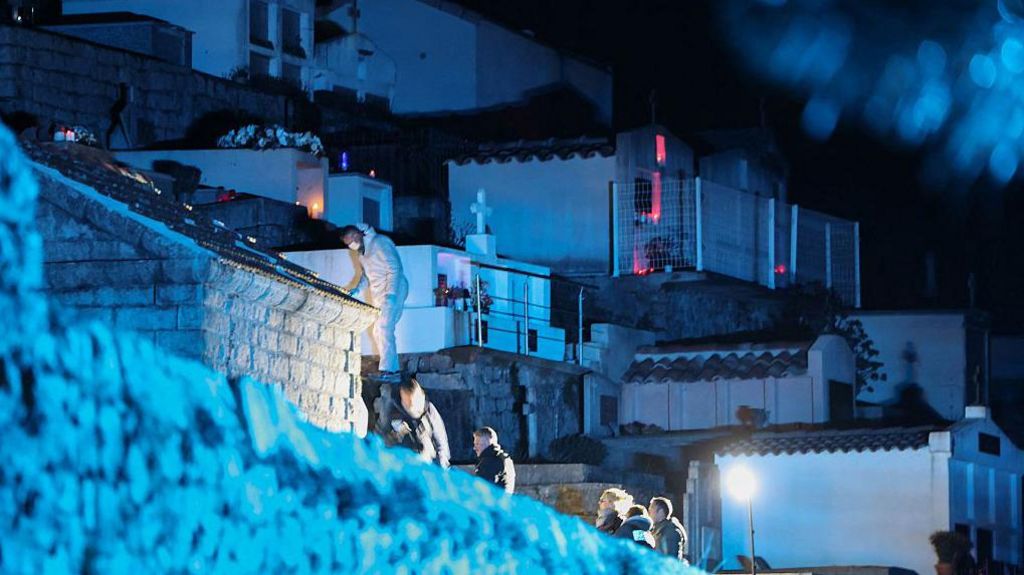
    In a brazen act of violence that has shocked the French island of Corsica, former separatist leader Alain Orsoni was assassinated by a single gunshot while attending his mother’s funeral on Monday afternoon. The 71-year-old, who had spent years living in exile in Nicaragua, was struck in the chest by a long-range shot as the cemetery service concluded in his native village of Vero.

    Corsican prosecutor Nicolas Septe confirmed the tactical precision of the killing, noting that the fatal bullet was fired from a distance and resulted in rapid death. The shooting occurred moments after the burial ceremony had concluded, creating a scene of profound trauma for mourners already grieving the loss of Orsoni’s mother.

    Father Roger-Dominique Polge, who officiated the service, expressed horror at the violation of the sacred moment: ‘We’d just finished burying Alain’s mother—it was a moment of pain and grief. Suddenly we hear a gunshot and Alain falls down dead. In the middle of a cemetery, after a religious ceremony, I ask where are we, what kind of home are we living in?’

    The investigation has been assigned to France’s specialized anti-organized crime units, including the Marseille-based regional crime office. Early evidence suggests connections to recent gangland killings targeting associates of Orsoni’s son, Guy, who is currently serving a 13-year prison sentence for the attempted murder of a Petit Bar gang member in 2018.

    Orsoni’s life was marked by both political activism and criminal notoriety. A charismatic figure known for his singing voice and nationalist fervor, he rose to prominence in the 1970s Corsican independence movement. He founded the separatist Movement for Self-Determination (MPA), which achieved electoral success in 1992, though Orsoni was barred from taking office due to campaign violations.

    His complex history included participation in a 1980 gun attack near the Iranian embassy, the kidnapping and presumed murder of his brother in 1983, and multiple prison sentences. After fleeing to Central America in 1996 amid violent splits within nationalist circles, he later returned to Corsica to serve as president of football club AC Ajaccio, surviving an assassination attempt weeks after his 2008 appointment.

    Despite being aware of persistent threats to his life—four of his associates were killed within a two-year period—Orsoni maintained a defiant stance toward his safety, telling Le Figaro in 2012: ‘I’m not afraid of dying. I don’t wake up every morning thinking I’m going to be killed. I live a normal life, without a squad of bodyguards.’

    The assassination has highlighted the enduring power of criminal clans in Corsican society and raised urgent questions about organized crime’s influence on the island.

  • Japanese PM intends to dissolve lower house for snap election: Kyodo

    Japanese PM intends to dissolve lower house for snap election: Kyodo

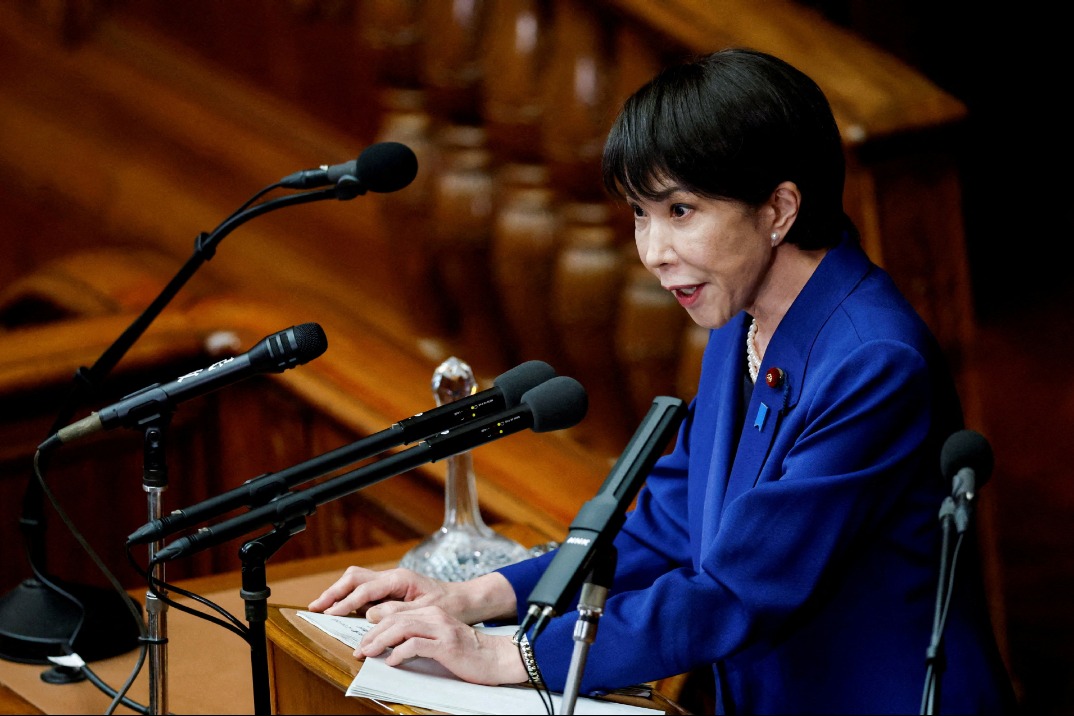
    Prime Minister Sanae Takaichi of Japan has signaled her intention to dissolve the House of Representatives, setting the stage for a snap general election that could reshape the nation’s political landscape. According to Kyodo News sources, the Japanese leader communicated this decision to senior officials within the ruling Liberal Democratic Party (LDP) ahead of the regular Diet session scheduled for January 23rd.

    The anticipated dissolution could trigger one of two potential election timelines: either a campaign period commencing January 27th with voting on February 8th, or a later schedule beginning February 3rd with ballots cast on February 15th. This strategic move comes despite sustained criticism from both opposition parties and factions within the LDP itself, who accuse the Prime Minister of prioritizing political advantage over public welfare.

    Recent opinion polls indicate relatively robust public support for the Takaichi administration, particularly regarding its emphasis on economic measures addressing rising living costs. The Prime Minister has consistently highlighted livelihood issues, including inflation countermeasures, as central to her policy agenda.

    However, media analysts warn that dissolving the lower house at the start of the regular Diet session could significantly delay passage of the fiscal 2026 budget, potentially pushing final approval to April or beyond. Such a scenario would likely force the government to implement a provisional budget to maintain national operations—a stopgap measure expected to have substantial repercussions for public services and economic stability.