作者: admin

  • Chongqing’s cat theme park draws visitors, aids rescues

    Chongqing’s cat theme park draws visitors, aids rescues

    A groundbreaking feline-themed recreational facility in Chongqing has emerged as a pioneering model for integrating animal welfare initiatives with sustainable tourism. Firefly Bay Cat Theme Park, situated along the Yangtze River’s southern bank in Nan’an district, has attracted significant public interest since its January 2026 opening through its unique dual mission of entertainment and animal advocacy.

    Spanning approximately 30,000 square meters—equivalent to four standard soccer fields—the establishment provides sanctuary to numerous rescued felines while offering visitors immersive educational experiences. For a modest admission fee of 19.9 yuan (approximately $2.85), which includes complimentary cat treats, guests gain access to specially designed interaction zones where they can engage with the animals in controlled environments.

    Beyond its primary feline facilities, the park boasts meticulously landscaped outdoor areas featuring panoramic river views and tranquil tea-serving spaces. The complex operates as both a recreational destination and a comprehensive rescue center, providing medical treatment, quarantine services, vaccinations, and sterilization procedures for abandoned, injured, and disabled cats.

    Peng Chen, the park’s director, revealed that approximately two-thirds of the facility is currently operational, with complete public access anticipated by April 1. This innovative approach to animal welfare tourism represents a significant advancement in how urban spaces can simultaneously support conservation efforts and public engagement, potentially establishing new standards for ethical entertainment venues across China.

  • Canada, UAE deepen trade ties with AI, defence and banking deals: Minister

    Canada, UAE deepen trade ties with AI, defence and banking deals: Minister

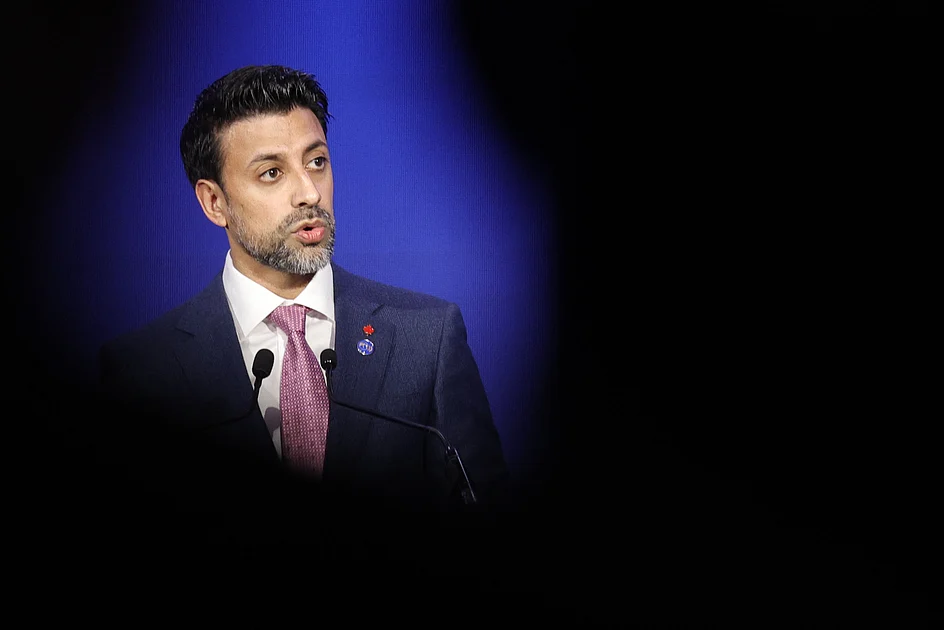
    In a significant move to strengthen economic cooperation, Canada and the United Arab Emirates have finalized a series of comprehensive agreements spanning artificial intelligence, defense, energy, and financial services. Canadian Minister of International Trade Maninder Sidhu confirmed the development during his diplomatic mission to the UAE, highlighting the strategic importance of this bilateral partnership.

    The trade diversification strategy forms a cornerstone of Canada’s economic vision, with ambitious targets to generate $300 billion in non-US exports within the next decade. This initiative gains particular relevance given that the United States currently absorbs the majority of Canadian exports, including substantial shipments of crude petroleum, natural gas, and mineral resources totaling approximately $419.75 billion in 2024.

    Minister Sidhu’s delegation featured representatives from more than 40 Canadian enterprises across diverse sectors including advanced manufacturing, technology innovation, artificial intelligence development, aerospace engineering, and energy solutions. A notable milestone in financial services emerged with Canada’s National Bank establishing its inaugural UAE branch in Dubai, marking the institution’s first international expansion since its founding in 1859 and becoming the fourth Canadian financial institution to operate within the Emirates.

    The bilateral relationship, rooted in longstanding commitments to mutual investments, regional security cooperation, and cultural exchanges, recently witnessed its first Canadian prime ministerial visit since 1983 when Prime Minister Justin Trudeau traveled to the UAE last November. Current trade dynamics show Canadian agricultural exports to the UAE predominantly consist of dried legumes, rapeseed, and wheat, as recorded by the Observatory of Economic Complexity in September 2025.

    Infrastructure development emerged as another critical dimension of the partnership, with Minister Sidhu meeting DP World CEO Sultan Ahmed bin Sulayem to explore opportunities for enhancing Canadian port capabilities, further solidifying the multifaceted nature of this strengthened economic alliance.

  • Dubai: School bus pooling to help cut costs and peak-hour rush, say experts

    Dubai: School bus pooling to help cut costs and peak-hour rush, say experts

    Dubai’s transportation landscape is set for a transformative shift as the Roads and Transport Authority (RTA) initiates a groundbreaking school bus pooling program in collaboration with Yango Group and Urban Express Transport. This innovative approach to student mobility aims to address the chronic traffic congestion that plagues school zones during peak hours while simultaneously reducing transportation costs for families.

    The pilot program, scheduled for implementation in 2026, will deploy shared buses serving multiple schools within designated geographic zones. This strategic consolidation of routes represents a significant departure from traditional single-school transportation models. Advanced technology will facilitate comprehensive trip management, real-time vehicle tracking, and operational monitoring, with the RTA emphasizing strict adherence to all safety, security, and regulatory standards governing student transport in the emirate.

    Transportation experts have welcomed the initiative, highlighting its potential to substantially reduce morning and afternoon traffic pressures. Thomas Edelmann, Founder and Managing Director of RoadSafetyUAE, provided compelling data: “In Dubai, the average trip takes approximately 60% longer around 8 AM when schools open compared to clear road conditions. Between 3 PM and 4 PM during school dismissals, this value escalates to about 80%.” He emphasized that each shared bus could eliminate up to 50 private vehicles from roadways during these critical congestion periods.

    The economic implications are equally significant. Many parents currently face substantial financial burdens from traditional school bus services, with some reporting annual costs reaching AED 10,000 per child. The pooling model promises to optimize route efficiency and vehicle utilization, potentially making school transportation more affordable while addressing environmental sustainability concerns.

    Educational leaders have expressed cautious optimism about the initiative. Deepika Thapar Singh, CEO-Principal of Credence High School, noted: “Families are likely to be receptive to a shared transport model, particularly for senior students, provided there are strong assurances around safety, punctuality and supervision.” She acknowledged that parents of younger children might exhibit more caution regarding multi-school travel arrangements.

    While the program offers promising solutions to traffic congestion and transportation costs, its ultimate success will depend on practical implementation factors including safety protocols, scheduling efficiency, and parental acceptance. If successful, this pilot could establish a new paradigm for student mobility not only in Dubai but potentially across other urban centers facing similar transportation challenges.

  • Slow genocide: Death and displacement continue in Gaza months into ceasefire

    Slow genocide: Death and displacement continue in Gaza months into ceasefire

    While the cessation of active bombing has brought a measure of relief to Gaza, a profound humanitarian crisis continues to unfold silently for the territory’s most vulnerable residents. The fragile ceasefire has failed to address critical medical shortages, displacement, and systemic infrastructure collapse, creating what many describe as a slow-motion disaster.

    Najat Sayed al-Hessi, a 61-year-old Palestinian cancer patient, embodies this ongoing tragedy. For 27 consecutive months, she has been deprived of essential cancer medications, a situation unchanged since the October 2023 ceasefire began. Her scheduled medical transfer to Ramallah for treatment coincided with the outbreak of hostilities, initiating a desperate wait that continues from her makeshift shelter in Deir al-Balah. “I fear the disease is advancing in my body with each passing day,” she reports, a sentiment echoed by approximately 11,000 cancer patients across Gaza.

    The healthcare system faces catastrophic shortages. According to the Palestinian health ministry, 56% of essential drugs, 68% of medical consumables, and 67% of laboratory supplies were unavailable as of November. Dr. Muhammad Abunada, medical director of the Gaza Cancer Centre, confirms a 70% deficit in cancer medications and painkillers, rendering even available treatments largely ineffective due to missing combination therapies. Mortality rates among cancer patients have consequently surged from one daily death before the war to two or three presently.

    This health emergency extends beyond oncology. UNICEF data reveals a 75% increase in newborn mortality rates during the final quarter of the war, with monthly averages jumping from 27 deaths in 2022 to 47 between July and September 2023. These alarming trends persist despite the ceasefire, exacerbated by Israel’s restrictions on border crossings and medical supply entry.

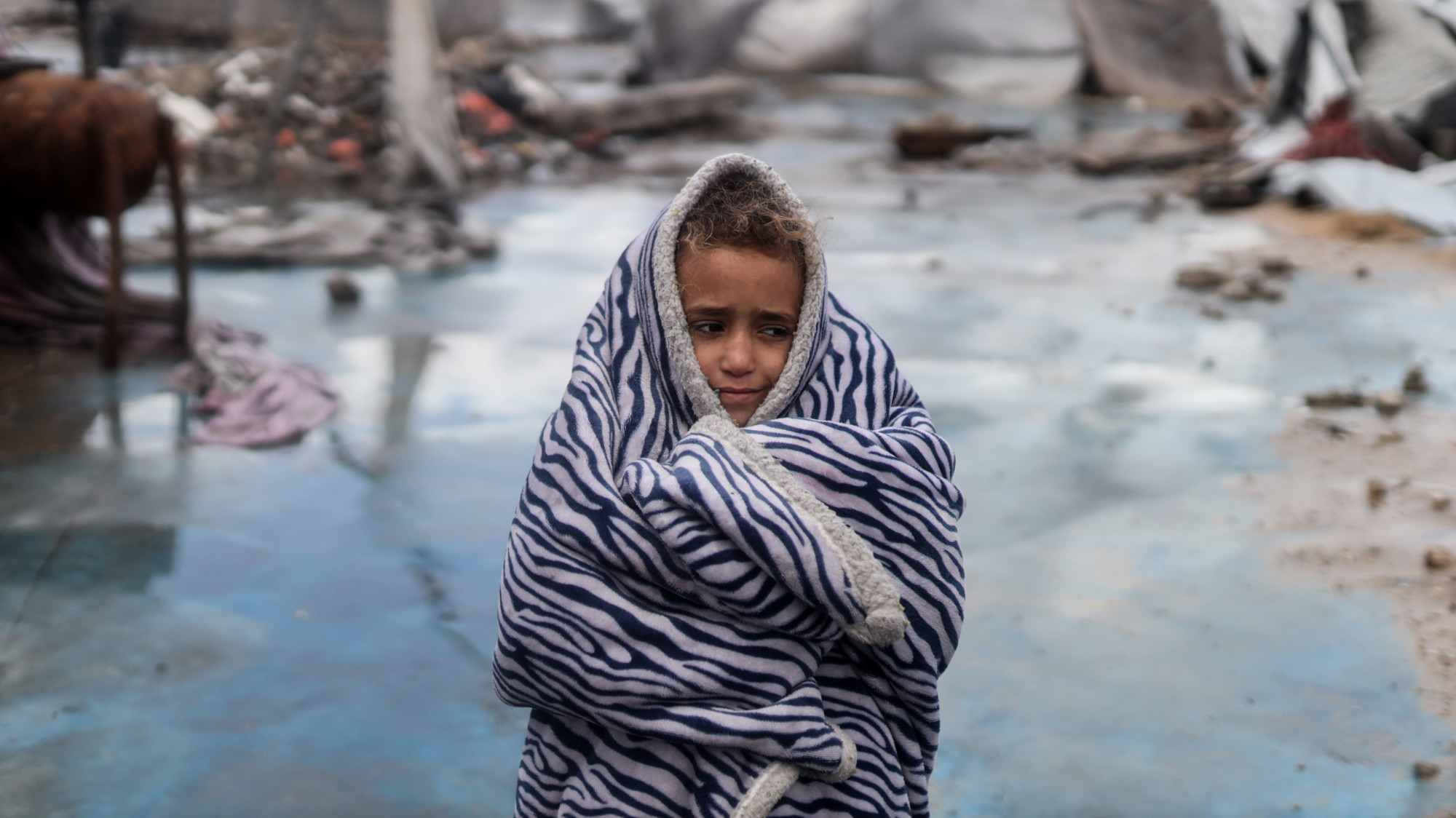
    The situation on the ground remains perilous for displaced populations. An estimated 1.5 million Palestinians endure a third consecutive winter in dilapidated tents, with recent storms destroying thousands of temporary shelters and causing at least 31 cold-related deaths, including 19 children. Rajaa Jendiya, a displaced widow and mother, describes winter as “another assault you have to survive,” with flooding tents and deteriorating health due to prolonged starvation.

    Complicating recovery efforts, Israel’s unilaterally imposed “Yellow Line” no-go zone now encompasses approximately 60% of Gaza’s territory, steadily expanding westward and preventing residents from returning to their homes. This barrier, coupled with new administrative restrictions on international NGOs, has crippled reconstruction efforts and humanitarian aid delivery. The systematic destruction of Gaza’s agricultural land (80%) and fishing sector (95%) has further dismantled local food self-sufficiency, creating near-total dependence on external assistance that remains severely constrained.

    As Abu Rafiq Ubeid, a father of three displaced in Gaza City, summarizes: “We are still living under the same threats and circumstances, only with less noise.” The ceasefire has merely transformed an overt genocide into a protracted humanitarian collapse, with vulnerable populations paying the highest price.

  • Canadian PM arrives in Beijing for official visit

    Canadian PM arrives in Beijing for official visit

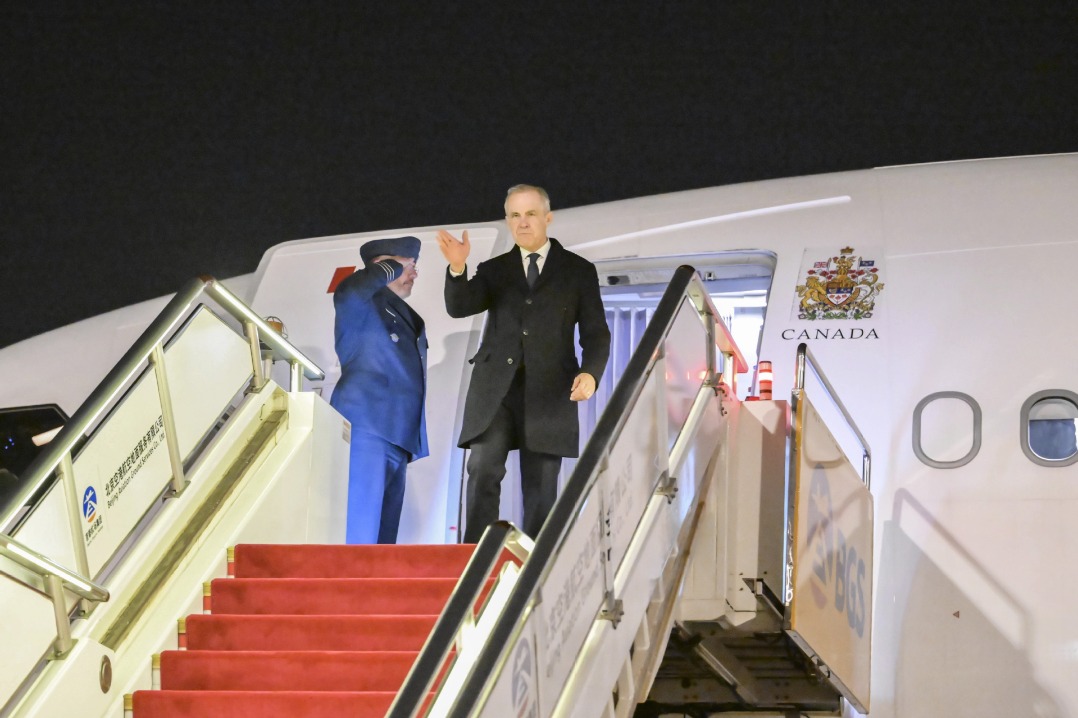
    BEIJING – Canadian Prime Minister Mark Carney commenced a significant diplomatic mission to China on Wednesday, marking the first official visit by a Canadian head of government to Beijing in nearly a decade. The three-day engagement through Saturday represents a substantial step toward normalizing bilateral relations following years of diplomatic strain.

    The arrival signals a mutual commitment to recalibrating the strategic partnership between the two nations. Chinese foreign ministry officials previously characterized the visit as a pivotal opportunity to rebuild diplomatic bridges, emphasizing aspirations for enhanced political trust and expanded cooperative initiatives.

    Diplomatic analysts note this visit could establish frameworks for managing complex bilateral differences while identifying convergent interests across trade, climate policy, and global governance. The timing coincides with both nations seeking to stabilize supply chains and address shared economic challenges amid global uncertainty.

    Observers will monitor developments regarding previously suspended cooperation mechanisms and potential agreements on clean energy technology, agricultural trade, and consular affairs. The engagement includes scheduled meetings with senior Chinese leadership and Canadian business representatives operating in the Asian market.

    This diplomatic re-engagement follows careful negotiations through backchannel discussions, reflecting both capitals’ recognition of their interconnected economic futures despite differing approaches to human rights and regional security matters. The outcome may influence Canada’s positioning within evolving North American-Asian trade dynamics.

  • Winter fishing season brings fresh catches at Hunan’s Liuye Lake

    Winter fishing season brings fresh catches at Hunan’s Liuye Lake

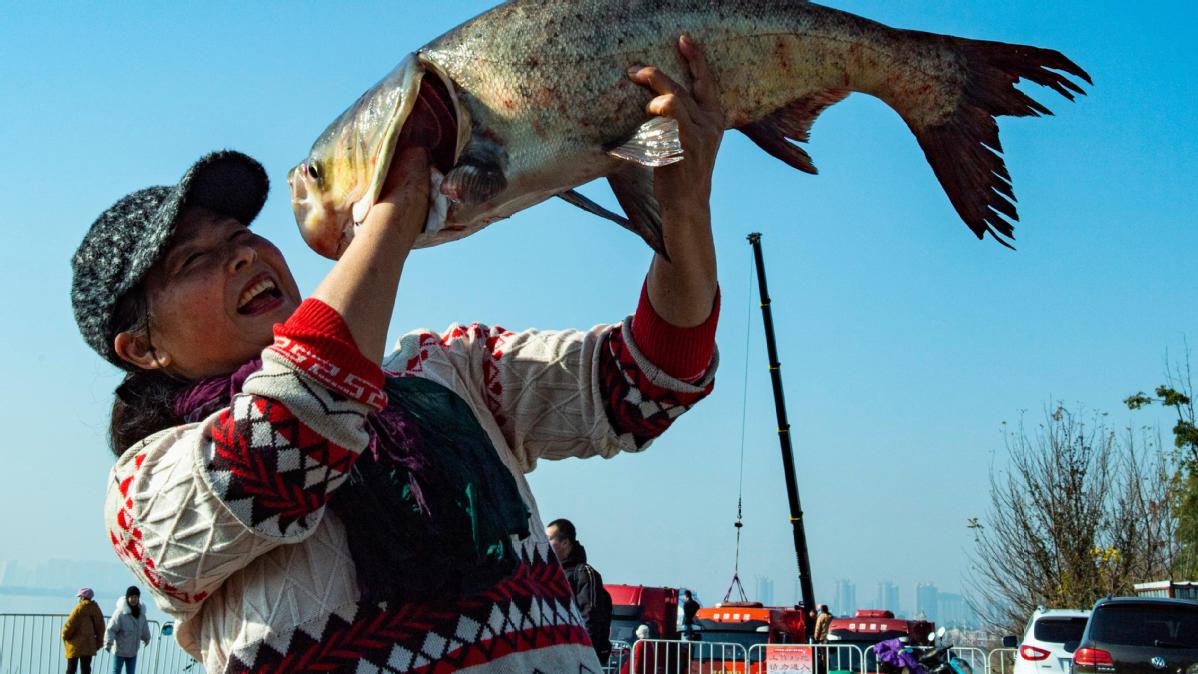
    Against the backdrop of winter’s crisp air, Liuye Lake in Changde, Hunan province, has become the centerpiece of a remarkable annual tradition—the Winter Fish Market. Now in its seventh consecutive year, this highly anticipated event has transformed into both a cultural celebration and economic boon for the region.

    The fishing festival, running from January 8 to January 18, operates on a simple yet effective principle: daily catches are available from 9 am until completely sold out. This year’s market holds special significance as it coincides with preparations for the upcoming Chinese Year of the Horse, symbolizing local aspirations for prosperity and success in the coming year.

    What sets Liuye Lake apart is its commitment to ecological aquaculture practices. The ‘willow-leaf lake’ employs a strict natural farming methodology that completely avoids artificial feeds, chemical fertilizers, and fish medications. This approach has not only ensured the quality of the aquatic products but has also maintained the lake’s ecological balance.

    According to local government estimates, the current winter fishing season is expected to yield approximately 250,000 kilograms of fresh fish. The morning scenes at the lake demonstrate the event’s popularity, with locals forming orderly queues to secure their share of the daily catch, often resulting in complete sell-outs within hours.

    The impact of Liuye Lake’s fishing industry extends far beyond Changde’s boundaries. Fresh catches are systematically transported to major urban markets, including Chongqing and Chengdu, bringing the lake’s renowned freshness to dining tables across the region. This distribution network has effectively turned a local tradition into a regional culinary phenomenon.

    The success of the winter fishing market represents a harmonious blend of environmental conservation, cultural preservation, and economic development—a model that continues to gain recognition and appreciation throughout Central China.

  • California investigates Grok over AI deepfakes

    California investigates Grok over AI deepfakes

    California Attorney General Rob Bonta has initiated a formal investigation into xAI’s Grok artificial intelligence platform following widespread reports of non-consensual sexually explicit deepfakes. The probe targets Elon Musk’s AI company for its alleged role in generating and disseminating explicit material depicting women and children without consent.

    Bonta characterized the situation as an ‘avalanche’ of disturbing content that has been weaponized for online harassment. The investigation emerges alongside international scrutiny, with British Prime Minister Keir Starmer warning of potential regulatory action against X platform and UK communications regulator Ofcom launching its own parallel investigation.

    xAI maintains that users prompting illegal content face consequences equivalent to those uploading prohibited material directly. Musk personally denied awareness of any underage imagery generated by Grok, emphasizing the tool only produces content upon specific user requests rather than spontaneously.

    The controversy has triggered broader legal debates regarding platform accountability. Legal experts question whether Section 230 protections—which traditionally shield online platforms from liability for user-generated content—apply to AI-generated imagery. Cornell University Professor James Grimmelmann argues that when platforms themselves generate content, they exceed Section 230’s protective scope.

    Political responses have intensified with three Democratic senators requesting Apple and Google remove X and Grok from their app stores. Although both platforms remain available, X subsequently restricted its image generation feature to paying subscribers only. The developments occur as the UK prepares legislation criminalizing non-consensual intimate imagery creation, with potential fines reaching 10% of global revenue for violations.

  • Venezuela’s oil riches are years off, but winners and losers will emerge

    Venezuela’s oil riches are years off, but winners and losers will emerge

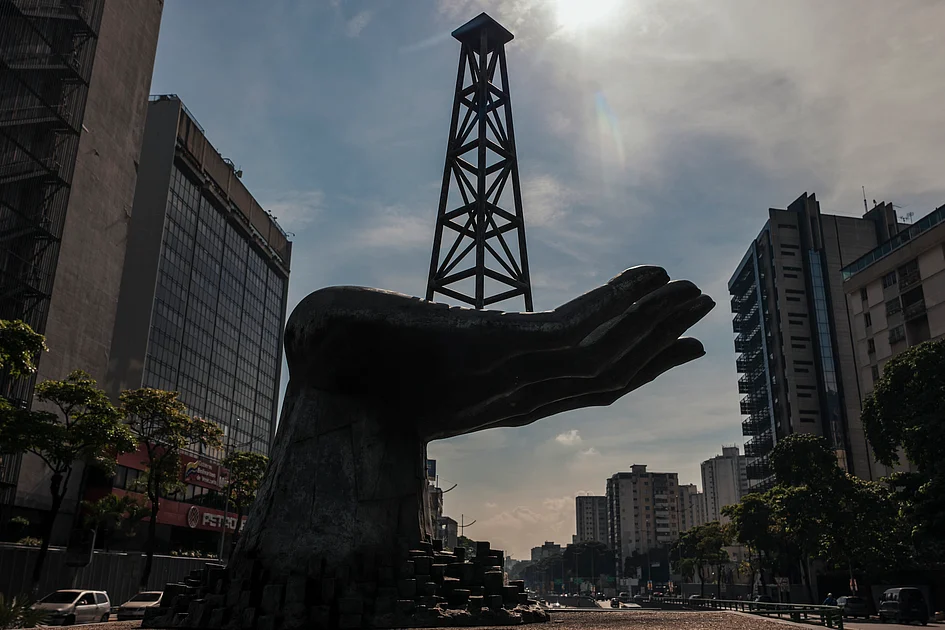
    A strategic transformation of Venezuela’s beleaguered oil industry, championed by US President Donald Trump, is projected to unfold over several years rather than months. While the nation possesses immense hydrocarbon reserves capable of attracting significant investment—particularly as US shale production peaks and Russian resources face sanctions—immediate large-scale production increases remain improbable.

    Initial beneficiaries of this geopolitical shift are already emerging. US energy giant Chevron, alongside European firms Repsol and Eni with established Venezuelan operations, stands to gain substantially. American Gulf Coast refineries, historically configured to process Venezuela’s heavy crude, also position themselves advantageously. Analysts from J.P. Morgan suggest Washington’s growing influence over these resources could recalibrate global energy dynamics, potentially stabilizing oil prices at historically lower ranges for the benefit of American consumers.

    Conversely, nations and entities that capitalized on Venezuela’s previous isolation face potential losses. China, the primary destination for Venezuelan crude, may see discounted oil flows diminish, particularly impacting its independent ‘teapot’ refineries. Cuba, long dependent on Venezuelan oil subsidies, could face severe energy shortages. Furthermore, increased Venezuelan supply threatens to pressure global prices, potentially harming US shale drillers and other OPEC+ members who have meticulously managed market balances.

    Industry leaders express cautious optimism tempered by practical realities. Exxon Mobil’s CEO Darren Woods labeled Venezuela ‘uninvestable’ without profound legal and commercial reforms. Current projections from S&P Global Energy indicate a plausible 50% production increase to 1.5 million barrels per day within two years—a meaningful but not market-shattering addition representing less than 0.5% of global supply.

    The long-term outlook, however, appears more promising. Post-2030, Venezuela’s vast geological reserves could become highly attractive as other global fields decline. Successful US-led investment, in coordination with Caracas, might eventually establish Venezuela as a crucial supplier meeting enduring global demand, fundamentally altering energy geopolitics for decades to come.

  • Indian nationals ‘strongly advised’ to avoid travel to Iran until further notice

    Indian nationals ‘strongly advised’ to avoid travel to Iran until further notice

    The Indian Ministry of External Affairs has significantly escalated its travel guidance concerning Iran, issuing a formal advisory on Wednesday, January 14th, 2026. The new directive strongly advises all Indian nationals against any travel to the Islamic Republic of Iran until further notice. This represents a notable intensification from a prior caution issued on January 5th, which had merely urged citizens to ‘exercise due caution’ within the country.

    The updated advisory carries specific instructions for the Indian community already residing in Iran. All individuals holding resident visas are being instructed to formally register their details with the Indian Embassy in Tehran if they have not done so already. Furthermore, those presently in the country are being directed to exercise heightened vigilance by strictly avoiding all areas where protests or public demonstrations are occurring.

    The Ministry emphasizes the importance of staying informed through official channels. Indian citizens in Iran are advised to monitor local news developments closely and to consistently check the official Embassy website and its social media platforms for any emergent instructions or critical updates. This advisory reflects growing concerns over the regional security environment and a proactive measure by the Indian government to ensure the safety of its citizens abroad.

  • Former Guizhou official gets 11-year sentence for bribery

    Former Guizhou official gets 11-year sentence for bribery

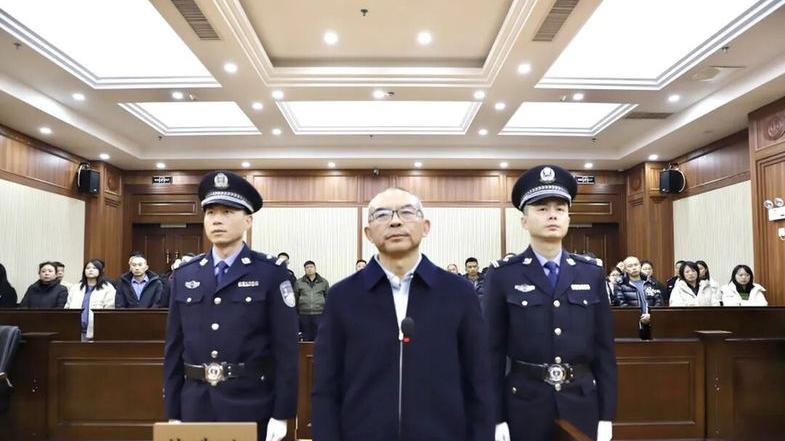
    In a significant judicial ruling underscoring China’s ongoing anti-corruption campaign, Chen Shaorong, a former high-ranking official from Guizhou province, has been sentenced to 11 years and three months imprisonment for bribery offenses. The Qiannan Bouyei and Miao Autonomous Prefecture Intermediate People’s Court delivered the first-instance verdict on Tuesday, marking another milestone in the nation’s systematic crackdown on corrupt practices within public office.

    The court established that Chen, previously serving as deputy director of the Legal Affairs Committee under the Standing Committee of the Guizhou Provincial People’s Congress, systematically abused his official authority over nearly two decades. From 2005 through 2024, he leveraged multiple influential positions—including vice-mayor of Liupanshui, executive vice-mayor of Guiyang, and Party secretary of Anshun—to illicitly benefit organizations and individuals across various sectors.

    His corrupt activities primarily involved facilitating preferential treatment in coal mine operations, project contracting assignments, and personnel promotion decisions. In exchange for these unlawful services, Chen accepted bribes exceeding 22.07 million yuan (approximately $3.16 million), alongside additional illegal gains surpassing 100,000 yuan worth of valuables and benefits.

    The judiciary noted the exceptionally large sum involved warranted severe punishment under Chinese criminal law. However, the court acknowledged mitigating factors including Chen’s confession, voluntary disclosure of bribery offenses, and active restitution of illicit proceeds. These cooperative actions qualified him for legally prescribed sentence reductions.

    In addition to imprisonment, the court imposed a substantial financial penalty of 1.3 million yuan ($186,000) and ordered complete confiscation of all illicit assets and associated interest, which will be transferred to the state treasury. Any outstanding amounts are subject to continued legal recovery procedures.

    Following the verdict announcement, Chen formally accepted the judgment in open court and declared he would not pursue an appeal, concluding a high-profile case that demonstrates China’s sustained determination to combat corruption at all governmental levels.