作者: admin

  • A new era for Canada-China relations? Prime Minister Carney’s visit signals change

    A new era for Canada-China relations? Prime Minister Carney’s visit signals change

    BEIJING — Canadian Prime Minister Mark Carney’s inaugural official visit to China marks a significant diplomatic thaw, signaling a potential renaissance in bilateral relations after an eight-year hiatus in high-level exchanges. The three-day engagement, characterized by substantive dialogues with Chinese leadership, represents a strategic pivot toward reconciliation following years of strained ties.

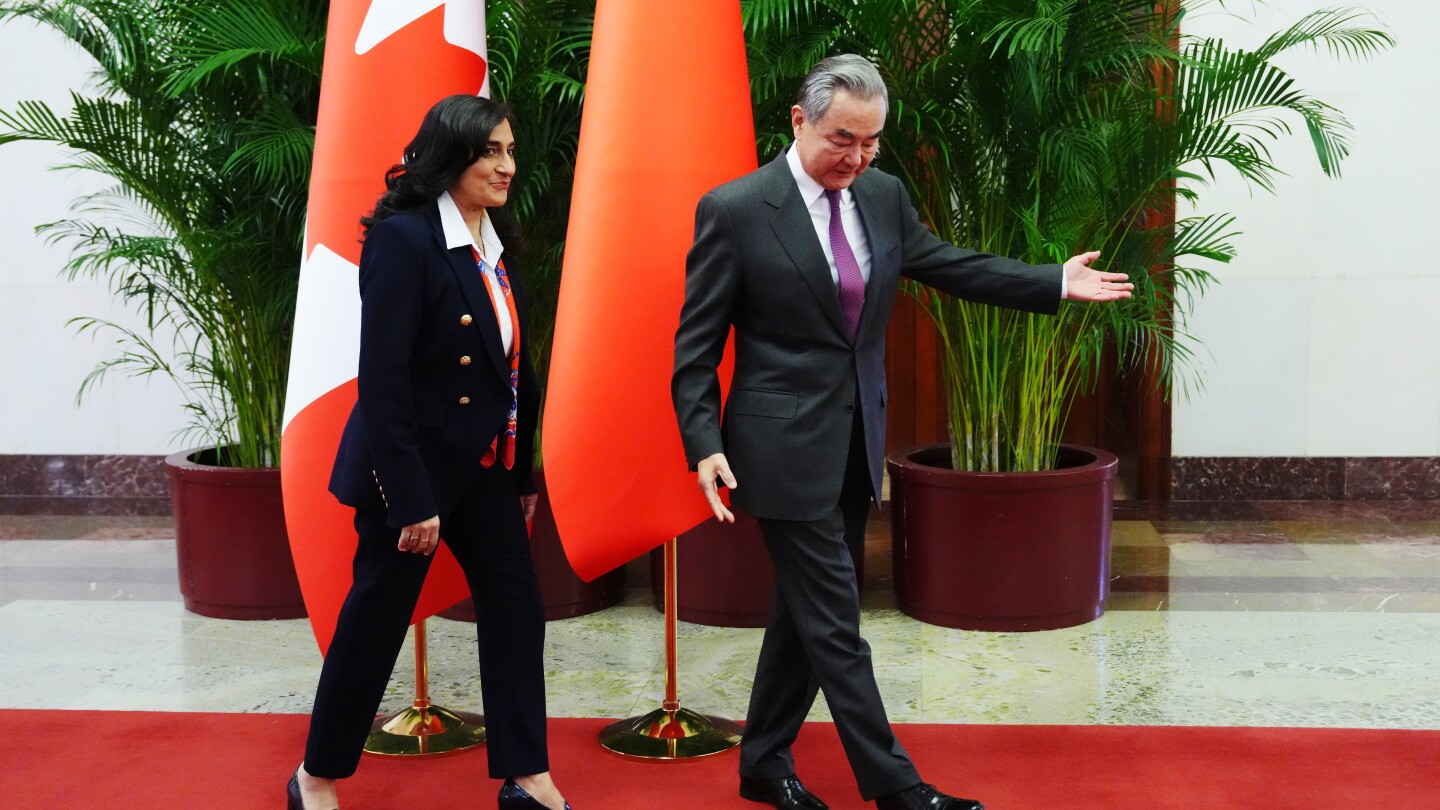
    During Thursday’s ministerial meeting, Chinese Foreign Minister Wang Yi characterized Carney’s visit as a “turning point” that could unlock new cooperative dimensions between the nations. The Canadian delegation, led by Foreign Minister Anita Anand, conveyed Ottawa’s commitment to charting a renewed trajectory for bilateral engagement across multiple sectors.

    The diplomatic reset comes against the backdrop of prolonged tensions stemming from multiple friction points. The 2018 detention of Huawei Technologies CFO Meng Wanzhou by Canadian authorities at America’s request triggered a bitter diplomatic standoff, prompting China to arrest two Canadian citizens on espionage allegations. More recently, trade tensions escalated when Canada imposed 100% tariffs on Chinese electric vehicles and 25% duties on steel and aluminum products, mirroring U.S. trade policies. Beijing retaliated with punitive tariffs targeting Canadian agricultural exports, effectively closing China’s market to Canadian canola products.

    Prime Minister Carney’s diplomatic offensive carries added urgency due to shifting global trade dynamics. With over 75% of Canadian exports currently destined for the American market, the administration seeks to diversify trade partnerships amid concerns about U.S. protectionism under the Trump administration. Carney has articulated an ambitious goal of doubling non-U.S. exports within the next decade.

    The Chinese government perceives current global trade tensions as an opportunity to encourage American allies toward greater foreign policy independence. Beijing has consistently criticized what it characterizes as U.S.-led efforts to contain China’s rise through collective pressure campaigns.

    Carney’s agenda includes high-level meetings with Premier Li Qiang and President Xi Jinping, with discussions expected to address trade normalization, security concerns, and potential cooperation in emerging technology sectors. The Canadian leader emphasized his commitment to building “a new partnership that builds on the best of our past” in social media statements following his arrival.

  • AI cracks the code for faster, better crops

    AI cracks the code for faster, better crops

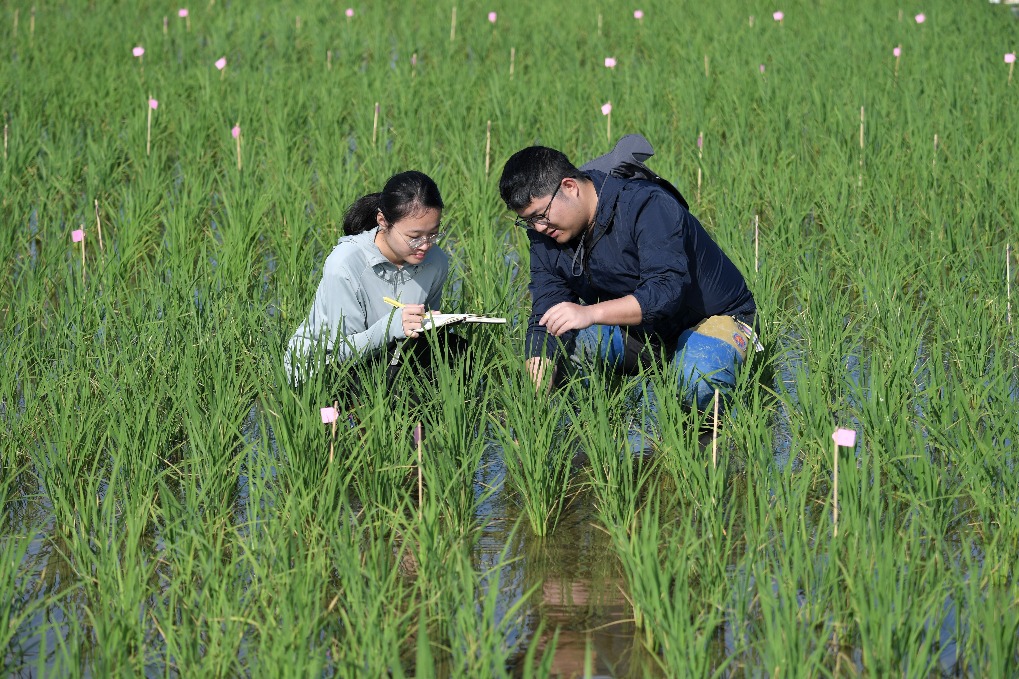
    At the Yazhou Bay Science and Technology City in Sanya, Hainan province, agricultural innovation is undergoing a radical transformation. The Future Agriculture Nexus (Fan) project, a collaborative endeavor between Yazhou Bay National Laboratory and Huawei Technologies Co., is leveraging artificial intelligence to redefine traditional crop breeding methodologies.

    This groundbreaking initiative represents a paradigm shift from conventional breeding practices that typically required approximately ten years of development. Through advanced computer algorithms and data analytics, the project aims to condense this timeline to just three to four years while simultaneously enhancing crop resilience and yield potential.

    The strategic importance of this technological advancement aligns with China’s national food security objectives, where agricultural self-sufficiency has become increasingly crucial. During his 2022 inspection of the Yazhou Bay facility, President Xi Jinping emphasized the critical need for technological independence in the seed sector, comparing seeds to the ‘chips’ of global agriculture.

    Yuan Xiaohui, a senior scientist at the laboratory, highlighted the project’s mission to develop strategic crop varieties that address practical agricultural demands. However, the implementation faces significant challenges, particularly regarding data integration. ‘While AI demonstrates tremendous potential for agricultural science,’ Yuan noted, ‘data accessibility remains the primary constraint limiting its practical application.’

    Chen Fan, deputy director of the laboratory, explained the fundamental transition occurring within the field: ‘Traditional breeding has historically depended on experiential knowledge. The shift toward precision agriculture necessitates comprehensive analysis of correlations between extensive datasets concerning crop characteristics and genetic information.’

    The project represents a significant step toward establishing a comprehensive system capable of aggregating global field and laboratory data while providing sophisticated analytical capabilities. This development comes at a critical juncture for global food security, particularly as climate variability presents increasing challenges to agricultural production worldwide.

  • ‘Hunted’ official slid deeper into corruption

    ‘Hunted’ official slid deeper into corruption

    A recently aired documentary has revealed the systematic corruption network surrounding Jiang Chaoliang, former Communist Party secretary of Hubei province, detailing his transformation from a “hunted” target to an active participant in power-for-money exchanges. The investigation exposes how Jiang consistently abused his authority to benefit his family members and business associates over decades.

    Jiang, who previously served as chairman of Agricultural Bank of China and governor of Jilin province before his investigation in February 2025, confessed in the documentary: “From the beginning, I had ambiguous relationships with those businessmen. Gradually, I became willing to be corrupted—to be ‘hunted’—and even took the initiative to throw myself into their arms.”

    The corruption scheme began as early as the 1990s when businessman Li Yuanguang initiated a long-term “cultivation” strategy. Li strategically targeted Jiang’s entire family, providing annual financial gifts to Jiang’s mother and managing education, investments, and healthcare for family members. This created a dependency that lasted over a decade before Li began requesting favors in return.

    During Jiang’s tenure as Agricultural Bank of China chairman, Li secured a lucrative ATM procurement contract. The businessman further entangled Jiang’s brothers as “shareholders” in his company while continuously seeking project approvals and loans through their influence.

    The documentary reveals how Jiang’s brothers became central figures in the corruption network, acting as intermediaries for businessmen seeking favors. When Jiang assumed leadership of Hubei province in 2016, the brothers capitalized on their connection, with one securing major projects in Xiaogan city through Jiang’s influence and reselling them for substantial profits.

    The case also implicates Pan Qisheng, former Party secretary of Xiaogan, who curried favor with Jiang through his brother to accelerate his political career. Pan received two promotions within a single year and subsequently awarded major projects to Jiang’s brother upon taking office. Pan was expelled from the Party and dismissed from office in January 2021.

    Businessmen employed various methods to secure Jiang’s influence, including direct financial benefits, large investment funds disguised as joint ventures, original shares, and reduced project cooperation fees. Jiang described the arrangement as “a project-based model—no trivial exchanges, just power-for-money deals through my brothers.”

    In October 2025, Jiang was expelled from the Party and dismissed from office, with his criminal case transferred to procuratorial organs. His accomplices and bribe-givers faced legal consequences. Expressing remorse, Jiang acknowledged: “I abused the power entrusted to me by the people for personal and family gain.”

    The Central Commission for Discipline Inspection and National Commission of Supervision emphasized that such “hunting” of officials severely pollutes the political ecosystem and erodes social conduct, warning that without eliminating this corruption source, the cycle would continue indefinitely.

  • Hand-stitched Indian ship arrives in Oman to rousing welcome

    Hand-stitched Indian ship arrives in Oman to rousing welcome

    The Indian Navy’s traditionally crafted wooden sailing ship INSV Kaundinya has successfully completed a 17-day maritime journey from India to Oman, arriving in Muscat on Wednesday to a ceremonial water salute. This remarkable vessel, constructed entirely without engines or metal fastenings, embarked from Porbandar on India’s western coastline on December 29th, retracing ancient trade routes that once connected Indian civilization with global trading partners.

    Built using historical shipbuilding techniques that predate modern naval engineering, INSV Kaundinya represents a significant archaeological reconstruction. The vessel’s construction involved stitching wooden planks together with coir rope derived from coconut fiber, sealed with natural resin instead of modern adhesives. Propelled solely by square sails harnessing favorable winds, the ship embodies maritime traditions that were once commonplace throughout the Indian Ocean region.

    The vessel’s design inspiration originates from a 5th-century painting within the Ajanta caves of western India, considered among the few surviving visual records of early Indian seafaring technology. With no existing blueprints from that historical period, naval architects relied extensively on iconographic evidence and historical documentation to recreate the ship’s authentic form.

    Notable cultural elements adorn the vessel, including sails displaying Gandabherunda motifs (a mythical two-headed bird representing Lord Vishnu) and solar symbols. The bow features a sculpted Simha Yali—a mythical creature from South Indian lore—while the deck showcases a symbolic Harappan-style stone anchor, each element carefully selected to evoke India’s rich maritime heritage.

    Construction of INSV Kaundinya commenced in September 2023, culminating in its launch in Goa in February 2025. Among the crew members was Sanjeev Sanyal, an economic advisor to Prime Minister Narendra Modi, who documented the voyage through regular social media updates. Commander Hemant Kumar, the officer-in-charge, described the journey as both “exhilarating” and “adventurous,” noting challenges including extreme heat without air conditioning, basic sleeping arrangements, and periods of seasickness. The return schedule to India remains undetermined at this time.

  • Australia’s Washington envoy to step down early

    Australia’s Washington envoy to step down early

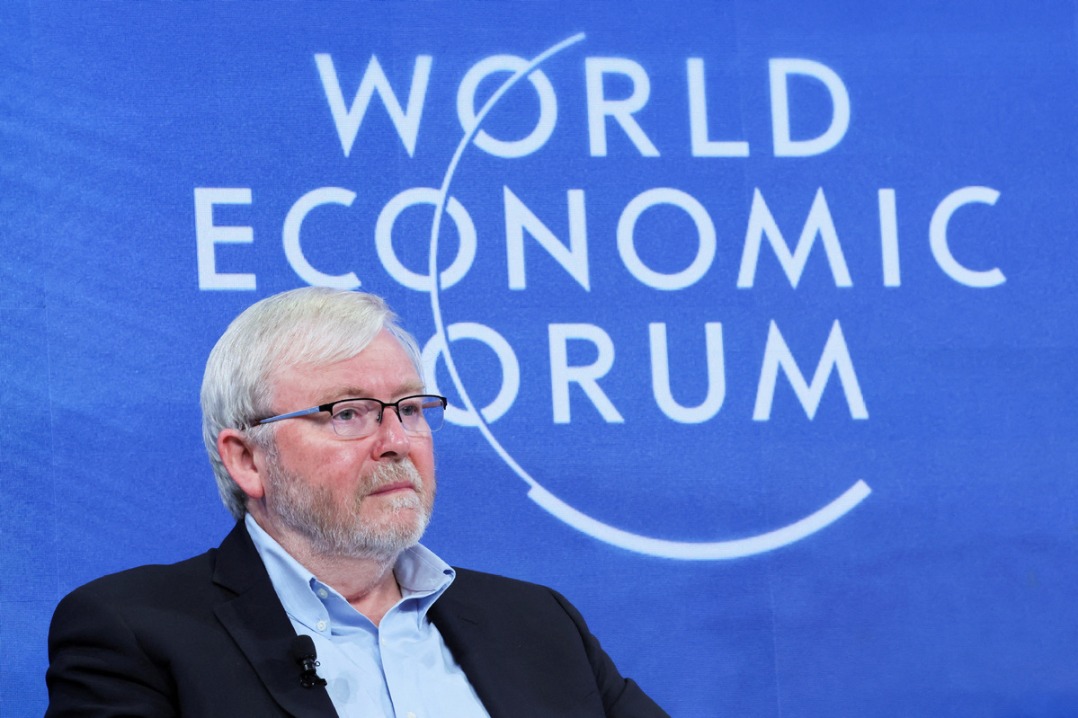
    In a significant diplomatic development, Australia’s Ambassador to the United States Kevin Rudd will conclude his Washington posting nearly a year ahead of schedule, Prime Minister Anthony Albanese confirmed on Tuesday. The former Australian prime minister will depart his position in March 2026 to assume leadership of the prestigious Asia Society think tank, where he will focus on US-China relations.

    Rudd, recognized as one of Australia’s most prominent China experts and a former diplomat who served in Beijing, has spent three years representing Australian interests in Washington. Prime Minister Albanese expressed profound appreciation for Rudd’s “tireless contribution to our national interests” during his tenure, clarifying that the decision to leave early was entirely Rudd’s personal choice.

    The ambassador’s next role will see him serving as global president of the Asia Society and directing its Center for China Analysis, marking his second leadership stint with the organization dedicated to Asia-Pacific affairs since its 1956 founding. Rudd characterized his future work as addressing “the core question for the future stability of our region and the world” through the think tank’s platform.

    According to China-Australia relations expert James Laurenceson, while Rudd’s departure removes an authoritative voice on China from the diplomatic corps, Australia’s fundamental approach to managing the complex China-US-Australia relationship will remain consistent. The next ambassador will continue prioritizing dialogue, diplomacy, and trade while simultaneously seeking US support for strategic balancing against China through mechanisms like the AUKUS security partnership.

    The announcement comes amid ongoing scrutiny of Rudd’s past criticisms of former President Donald Trump, which were deleted from social media following the 2024 election. Official statements indicated the deletion aimed to prevent misinterpretation of these personal views as reflecting Australian government positions. The Australian government stated that an announcement regarding Rudd’s successor would be made in due course.

  • ‘Not a luxury’: Fury as community bank closes 15 branches, forcing some to drive 150km for services

    ‘Not a luxury’: Fury as community bank closes 15 branches, forcing some to drive 150km for services

    A prominent Australian customer-owned financial institution is confronting significant criticism following its decision to shutter multiple physical locations across the country. People First Bank, formed through the recent merger of Heritage Bank and People’s Choice Credit Union, has announced plans to close 15 branch offices and three agency outlets, triggering concerns about customer abandonment in regional communities.

    The Financial Sector Union has vehemently opposed the decision, highlighting that the closures contradict previous commitments made during the 2022 merger negotiations that guaranteed branch network stability. According to union representatives, the banking network has already contracted by approximately 40 percent since the consolidation was finalized in 2023.

    Julia Angrisano, National Secretary of the Financial Sector Union, criticized the institution for prioritizing profitability over community service. “While publicly professing support for customers and communities, the bank’s actions demonstrate contradictory priorities,” Angrisano stated. “Local banking services are being systematically eliminated despite the organization reporting consistently rising profits.”

    The closures will disproportionately affect vulnerable demographic groups including elderly customers, individuals with disabilities, and small business owners who depend on in-person banking services. Certain Queensland communities including Oakey and Pittsworth will be left without any physical banking facilities, forcing residents to travel distances up to 150 kilometers to access face-to-face financial services.

    Bank executives have defended the decision as necessary adaptation to evolving consumer behavior. Chief Customer Officer Maria-Ann Camilleri characterized the move as “difficult but inevitable,” noting that less than one percent of transactions now occur through physical branches with fewer than 0.7 percent of customers regularly utilizing in-person services.

    The institution has committed to retaining all affected employees through alternative role offerings and emphasized that digital banking services remain available through mobile applications and internet platforms. Additionally, customers will maintain access to cash services via ATMs, EFTPOS systems, and Australia Post banking facilities located near the affected branches.

    Despite these assurances, the union maintains that the bank’s 7 percent profit increase during the previous financial year undermines claims of financial necessity driving the branch closures.

  • China’s huge trade surplus brings limited boost to forex reserves

    China’s huge trade surplus brings limited boost to forex reserves

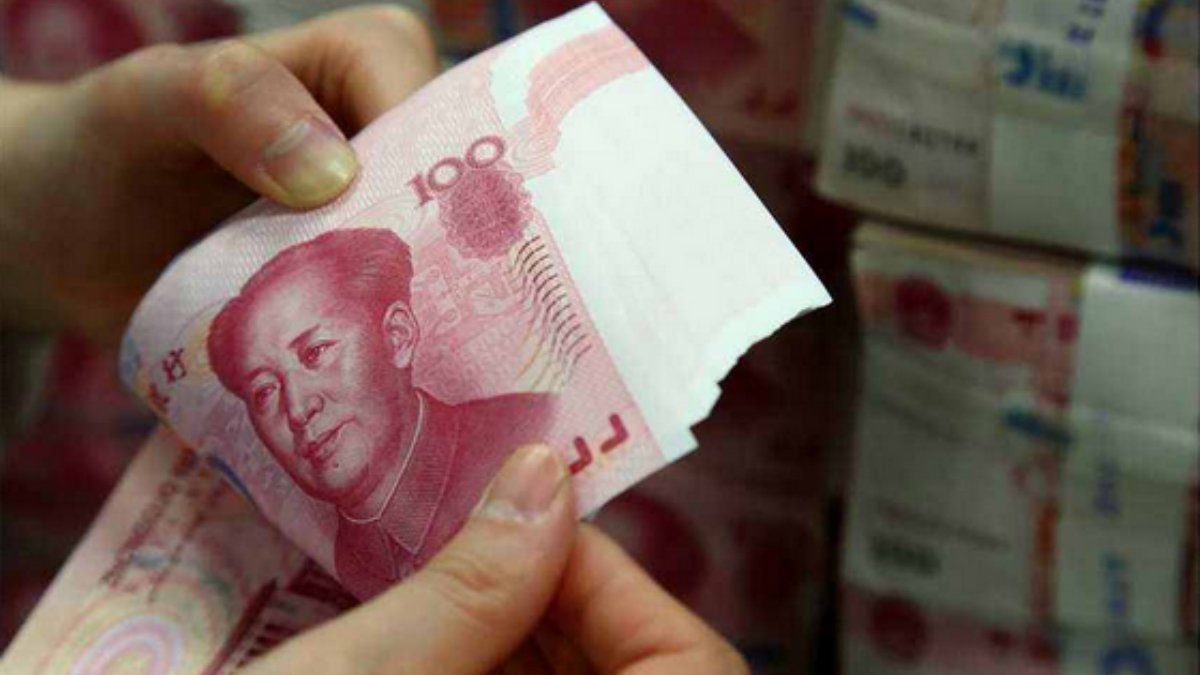
    Despite a new round of tariff impositions initiated by former US President Donald Trump in April 2025, China’s trade surplus soared to an unprecedented $1.19 trillion, according to data released by the General Administration of Customs. This remarkable figure represents a significant increase from the $992 billion surplus recorded in 2024. The surge was primarily driven by a 5.5% year-on-year increase in exports, which reached $3.77 trillion, while imports remained stagnant at $2.58 trillion.

    However, this record trade performance presents a puzzling discrepancy when examined alongside China’s foreign exchange reserves. Data from the People’s Bank of China revealed that forex reserves grew by only $160 billion throughout 2025, reaching $3.36 trillion by December. This minimal increase means that merely 13% of the massive trade surplus actually flowed into the country’s reserves, continuing a pattern of stability within the $3.01-3.33 trillion range maintained over the past decade.

    Financial columnist Dao Ge, based in Beijing, explains several factors contributing to this phenomenon. ‘The $992 billion trade surplus in 2024 wasn’t entirely earned in US dollars,’ Dao notes. ‘A substantial portion was settled in yuan and other currencies, meaning the actual dollar accumulation might have been approximately $200 billion.’ Additional pressures on reserve balances include outbound spending by Chinese tourists and students, profit remittances by foreign companies operating in China, and overseas investments by Chinese state-owned enterprises (SOEs).

    Chinese SOEs have increasingly utilized renminbi for purchasing crude oil from heavily sanctioned nations including Venezuela, Iran, and Russia, as well as minerals from various African countries. These nations can then use the currency to acquire Chinese goods or convert it into global currencies through markets like Hong Kong.

    The record surplus appears contradictory to the widespread narrative of manufacturing relocation to Southeast Asian countries such as Vietnam, Thailand, and Indonesia, which has reportedly left numerous factory workers unemployed. Some international commentators have raised concerns about potentially inflated export data, alleging that certain companies might be fabricating export records to claim tax rebates illegally.

    Notable cases include a Liaoning company that illegally obtained tax rebates worth 212 million yuan ($30 million) through fabricated export transactions, and a Wuhan-based supply-chain firm that created fictitious export records involving over 200 million yuan in offshore cargo value. According to Shanghai Metals Market, approximately 30% of China’s steel exports in 2023 and 2024 involved fake invoice-based exports.

    The central government implemented new regulations effective October 1, 2025, to combat these practices, though comprehensive national estimates of their impact on trade statistics remain unavailable.

    Wang Jun, Vice Head of the General Administration of Customs, attributes China’s strong trade performance to strategic policy support, robust domestic market demand, and industrial strength. Key drivers include targeted government measures to help exporters secure orders, China’s large consumer base sustaining import demand, and the country’s complete industrial system supporting export growth.

    Despite these strengths, Wang acknowledges significant challenges ahead: ‘Global trade momentum is weakening as economic growth slows, geopolitical tensions persist, policy uncertainty remains high, and trade costs continue to rise.’ International organizations have subsequently downgraded their forecasts for global trade growth in 2026.

    Nevertheless, China’s exports of high-tech products rose 13.2% year-on-year, contributing 2.4 percentage points to overall export growth. Notably, China became a net exporter of industrial robots for the first time. The country’s growing dominance in robotics was evident at CES 2026 in Las Vegas, where Chinese companies represented 21 of the 38 exhibitors showcasing humanoid robots, demonstrating rapid commercialization of robotics innovation.

  • US imposes tariff of 25 pct on certain advanced computing chips

    US imposes tariff of 25 pct on certain advanced computing chips

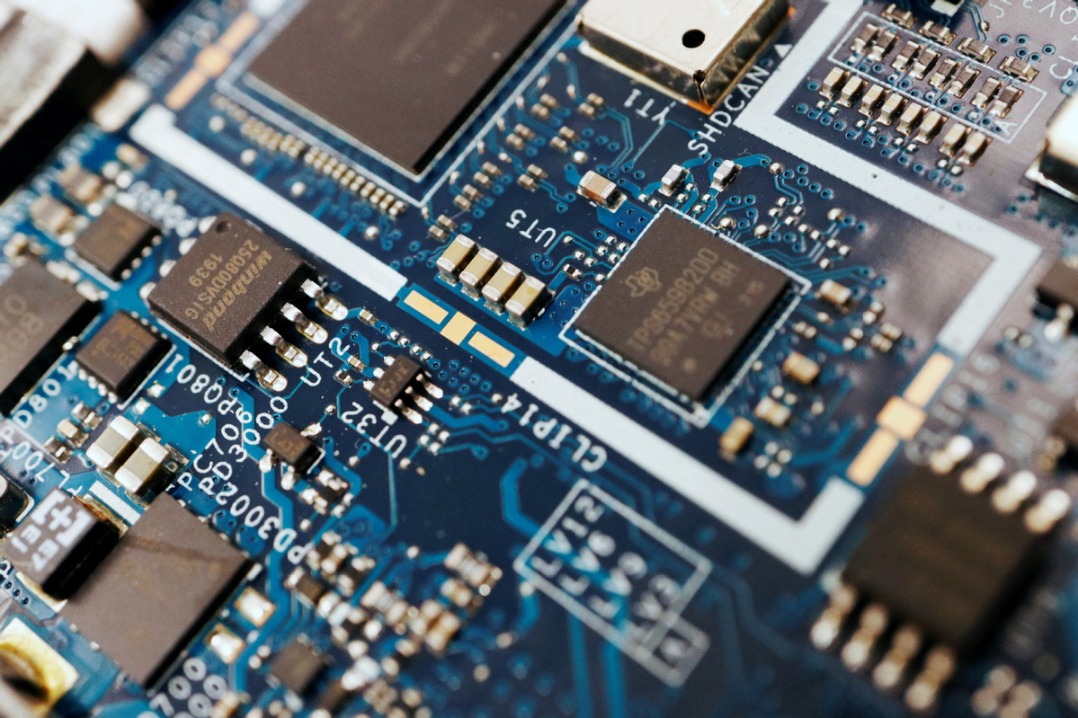
    The United States has implemented a substantial 25 percent tariff on select advanced computing chips, marking a significant escalation in its trade policy approach toward the technology sector. This decisive measure, which took effect in early 2026, represents one of the most aggressive tariff impositions on high-tech components in recent years.

    The tariff specifically targets cutting-edge computing processors essential for artificial intelligence systems, data centers, and high-performance computing applications. Industry analysts indicate this move will directly impact the cost structure of numerous technology companies relying on these specialized semiconductors for their operations and product development.

    This protectionist measure emerges amid ongoing global competition for technological supremacy, particularly in the semiconductor sector where the United States has been seeking to strengthen domestic manufacturing capabilities. The tariff is expected to reshape supply chain dynamics and potentially accelerate the reshoring of advanced chip production to American soil.

    Market reactions have been immediate, with several major tech corporations announcing price adjustments for their computing products and services. The financial implications are projected to extend beyond the technology sector, potentially affecting industries ranging from automotive to healthcare that increasingly depend on advanced computing capabilities.

    Trade experts suggest this policy could trigger retaliatory measures from trading partners and potentially disrupt the global semiconductor ecosystem that has become increasingly interconnected over the past decade. The long-term impact on innovation cycles and technological advancement remains a subject of intense debate among economists and industry leaders.

  • Trump to host Venezuelan opposition leader sidelined by US

    Trump to host Venezuelan opposition leader sidelined by US

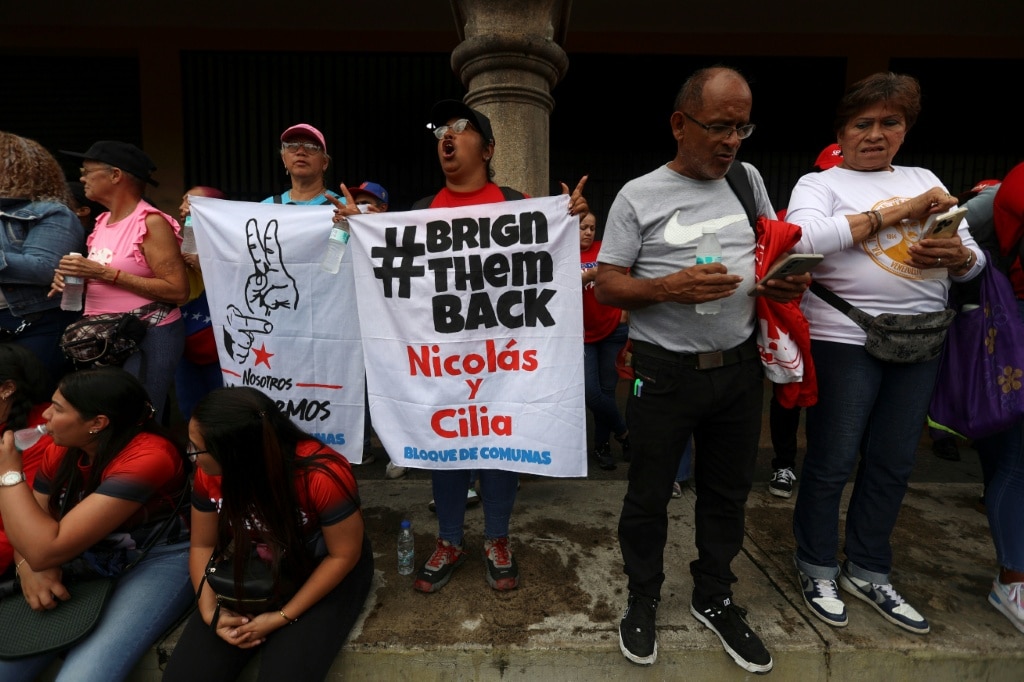
    Former US President Donald Trump is preparing to welcome Venezuelan opposition figure Maria Corina Machado at the White House this Thursday, marking a significant diplomatic engagement with a pro-democracy activist whose movement his administration previously marginalized. This meeting occurs against the backdrop of Trump’s recent cordial communications with Venezuela’s current leadership, signaling potential shifts in American foreign policy toward the South American nation.

    The scheduled discussion follows Trump’s notably positive characterization of his telephone conversation with Venezuela’s interim president Delcy Rodriguez, during which he expressed satisfaction with the current political arrangement maintaining Nicolás Maduro’s allies in power. Trump publicly praised Rodriguez as a ‘terrific person’ and applauded the ‘terrific progress’ achieved since US forces captured Maduro and his spouse in a military operation.

    Machado, awarded the Nobel Peace Prize last year for her persistent democratic activism under constant threat of imprisonment, intends to redirect attention toward Venezuela’s political transition—an issue recently overshadowed by economic considerations, particularly access to Venezuelan petroleum resources. The opposition leader recently made a daring escape by boat to accept her Nobel recognition in Oslo and has not returned to her homeland since.

    Notably, Trump has expressed visible dissatisfaction about not receiving the Nobel Prize himself, describing the omission as a ‘major embarrassment’ for Norway. Machado has offered to share her award with the former president, who indicated in a Fox News interview that he would consider such a gesture ‘a great honor,’ despite the Nobel Institute’s clear stance that prizes are non-transferable.

    Concurrent with these developments, Venezuela has released approximately 70-180 political prisoners under US pressure, though hundreds remain detained. Authorities have conducted these releases discreetly at unconventional locations to avoid media coverage and celebrations, according to documentation from human rights organizations and opposition groups.

  • US to pause immigrant visa processing from 75 countries over public assistance concerns

    US to pause immigrant visa processing from 75 countries over public assistance concerns

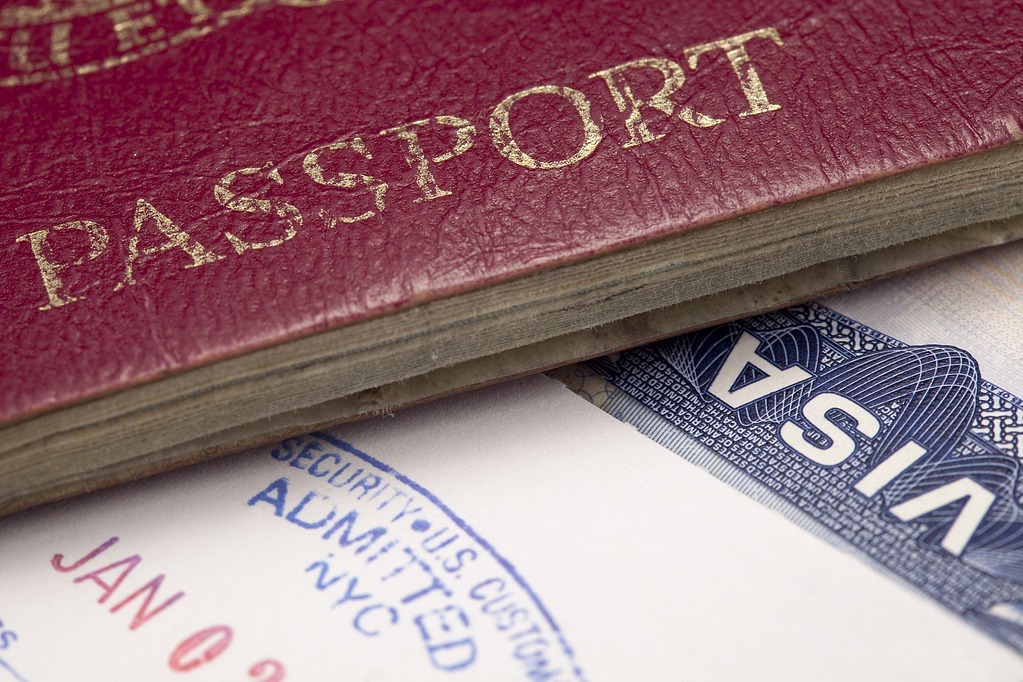
    The United States State Department has announced a significant suspension of immigrant visa processing from 75 countries, citing concerns over immigrants becoming dependent on public assistance programs. The policy shift, announced on Wednesday, will take effect January 21 and affects nations including Somalia, Haiti, Iran, and Eritrea.

    Principal Deputy Spokesperson Tommy Pigott stated the pause will remain while the department reassesses immigration procedures to prevent the admission of foreign nationals likely to require welfare and public benefits. In U.S. immigration terminology, a “public charge” refers to individuals deemed likely to rely on government assistance for basic necessities.

    The decision follows the Trump administration’s recent expansion of travel restrictions, which now encompass 39 countries facing complete or partial entry bans. This visa processing suspension represents the latest in a series of immigration policy changes under the current administration, which has revoked over 100,000 visas since President Trump took office nearly one year ago.

    The full list of affected countries has not been publicly released, raising questions about the criteria used for selection. The move aligns with President Trump’s previously stated intention to “permanently pause migration from all Third World Countries,” which he expressed on his Truth Social platform following a shooting incident in the U.S. capital involving an Afghan national that resulted in the death of a National Guard member.