作者: admin

  • Trump’s Fed fight looks like something from another country

    Trump’s Fed fight looks like something from another country

    A remarkable political confrontation unfolding between former President Donald Trump and Federal Reserve Chair Jerome Powell bears striking resemblance to emerging market crises, according to global economists and former central bankers. The escalating tension has drawn comparisons to Argentina’s economic turmoil and Turkey’s inflationary spiral, raising questions about the resilience of U.S. institutions.

    Martin Redrado, Argentina’s former central bank chief who was fired in 2010 for resisting government pressure to use reserves for debt payments, recognizes the pattern. ‘This seems more like an emerging market story,’ Redrado told the BBC, expressing surprise at seeing similar dynamics in the United States, traditionally considered a global model of institutional stability.

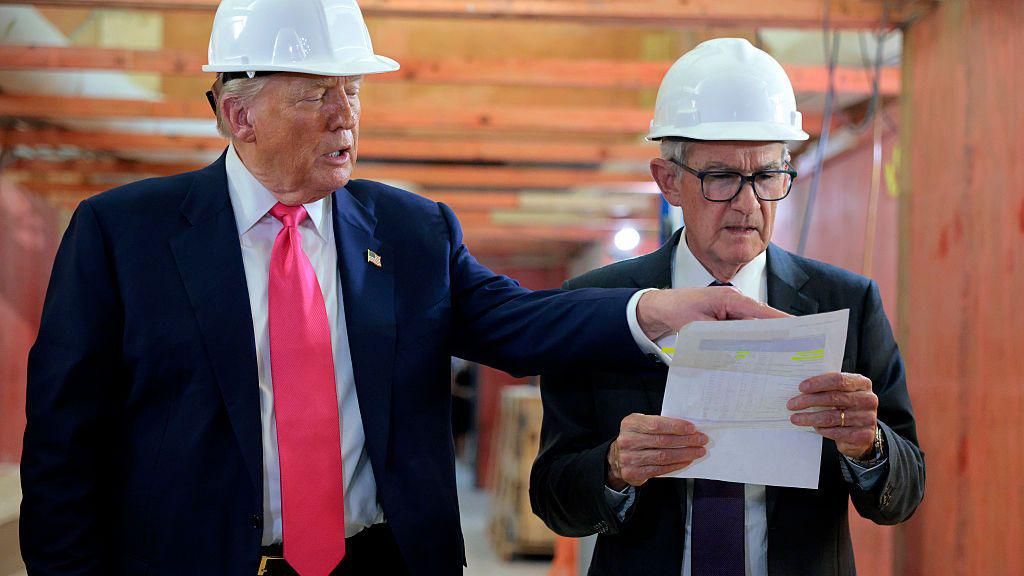
    The conflict has intensified through multiple fronts: Trump’s public accusations that Powell has mishandled the economy by keeping interest rates too high, his August move to dismiss top policymaker Lisa Cook (now challenged at the Supreme Court), and the recent revelation that the Fed faces a Department of Justice criminal probe regarding property renovation cost overruns—which Powell has dismissed as ‘pretext.’

    Prominent economists have used unusually strong language to describe the situation. Jason Furman, former head of Barack Obama’s Council of Economic Advisers, stated: ‘This is what you do in banana republics, not what should happen in the United States of America.’ Former Fed Chair Janet Yellen echoed this concern in a CNBC interview, warning that Trump’s approach represents ‘the road to a banana republic.’

    Academic research supports these concerns. A study of 118 central banks between 2010-2018 found approximately 10% faced political pressure for lower rates each year, particularly in countries with nationalist or populist leaders. University of Texas economist Carola Binder’s research shows such pressure typically precedes higher inflation, as seen in Turkey where President Erdogan cycled through three central bank heads in three years while inflation soared past 50%.

    While market reaction remains muted—interpreted as confidence in the Fed’s ability to maintain independence—analysts warn the situation could test investor faith. The dollar has already fallen 8% against a basket of currencies over the past year, with some analysts linking this to concerns about institutional integrity.

    The Fed’s independence rests more on convention than legal design, with global rankings placing it in the bottom third for legal independence features. However, its committee structure—with 12 members having staggered terms—provides some insulation from political pressure.

    As the Supreme Court prepares to hear arguments about Cook’s firing and Trump considers whether to reappoint Powell when his term ends in May, the world watches whether U.S. institutions will withstand pressures that have damaged economies elsewhere.
  • Venezuelan acting president calls for oil industry reforms to attract foreign investment

    Venezuelan acting president calls for oil industry reforms to attract foreign investment

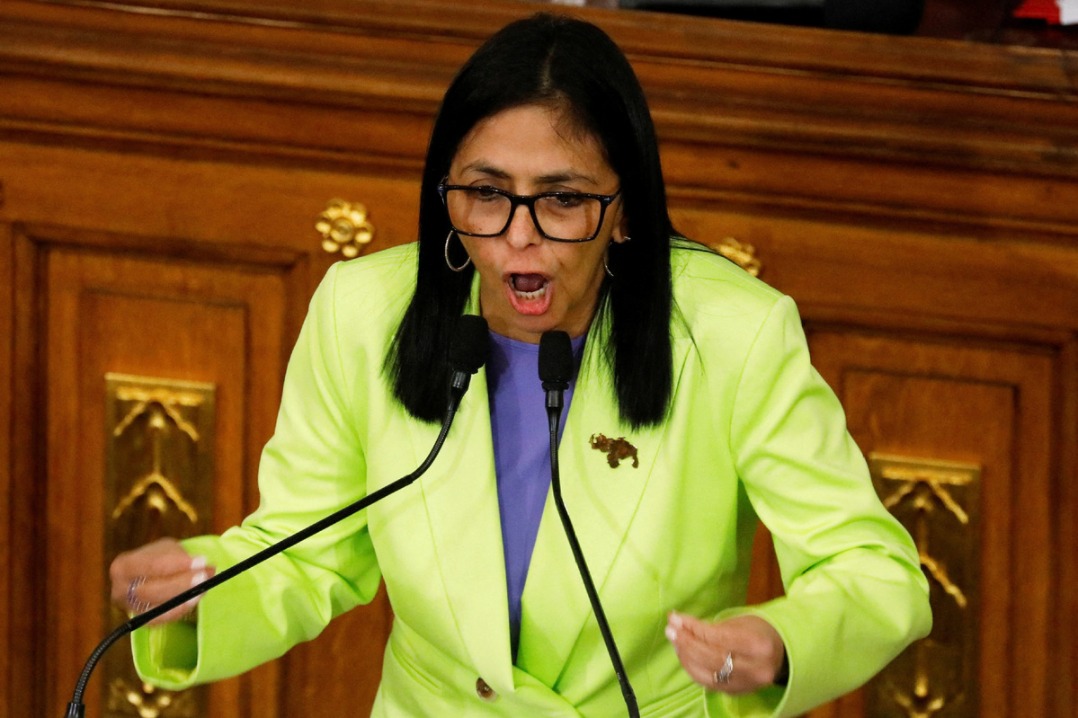
    In a pivotal address to the National Assembly, Venezuela’s Acting President Delcy Rodriguez unveiled sweeping reform proposals for the nation’s crucial oil industry, signaling a strategic shift toward attracting international investment and stimulating economic recovery. The January 15th address—Rodriguez’s first annual report since assuming leadership—comes amid significant political changes following recent developments in Caracas.

    Rodriguez emphasized that the proposed legislative changes would fundamentally transform the operational landscape of Venezuela’s petroleum sector, creating more favorable conditions for external partnerships and collaboration. The acting president revealed that December 2025 production figures reached 1.2 million barrels, demonstrating the sector’s potential despite recent challenges.

    The administration plans to channel oil export revenues toward three primary areas: strengthening the public healthcare infrastructure, accelerating economic development initiatives, and advancing critical infrastructure projects. Rodriguez characterized this moment as a ‘historic turning point’ for Venezuela, emphasizing the government’s commitment to exploring ‘pragmatic and diversified approaches’ to foreign exchange and international engagement.

    Significantly, Rodriguez articulated Venezuela’s intention to rebuild relationships ‘on the foundation of mutual respect,’ specifically mentioning the United States among other international partners. This statement suggests a potential recalibration of foreign policy following recent geopolitical events.

    The proposed oil industry reforms represent the most substantial economic policy initiative since Rodriguez assumed leadership, potentially marking a new chapter in Venezuela’s approach to managing its vast hydrocarbon resources and international relations.

  • South Korea’s ex-president Yoon guilty of abuse of power in martial law bid

    South Korea’s ex-president Yoon guilty of abuse of power in martial law bid

    In a landmark judicial ruling, former South Korean President Yoon Suk Yeol has been convicted on charges of abuse of power and document falsification related to his controversial 2024 martial law declaration. The Seoul Central District Court delivered the verdict while continuing deliberations on additional obstruction of justice charges for his alleged evasion of arrest.

    This conviction represents the first judicial outcome in a series of four distinct trials stemming from Yoon’s abrupt martial law proclamation, which briefly plunged the nation into political chaos and triggered mass demonstrations. Although the emergency measures were swiftly overturned by parliamentary intervention, the episode created profound national division.

    Prosecutors have recommended a decade-long prison sentence for these initial charges, with the court’s Friday decision providing critical indications about potential outcomes in Yoon’s remaining cases. The most severe allegation—insurrection—carries a potential death penalty, with that verdict anticipated next month.

    Central to Friday’s proceedings was the examination of whether Yoon improperly deployed presidential security personnel to avoid arrest, failed to consult his full cabinet before implementing martial law, and orchestrated the creation and subsequent destruction of fabricated documents suggesting endorsement from the prime minister and defense minister.

    The former leader has maintained his innocence across all proceedings, contending that the original arrest warrant lacked legal validity and that constitutional provisions didn’t require full cabinet consultation for emergency powers. His defense argues that investigators lacked proper jurisdiction from the outset and that the martial law declaration followed appropriate procedures.

    Legal observers note that South Korean courts traditionally show leniency when defendants demonstrate remorse, but prosecutors emphasize Yoon’s persistent denial of wrongdoing as justification for enhanced punishment. The case evokes memories of former President Park Geun-hye’s 20-year sentence for corruption in 2021, though she received a presidential pardon shortly thereafter.

    The convictions reactivate deep political fractures within South Korean society, where Yoon retains substantial support despite his impeachment. A December survey revealed nearly 30% of citizens disagreed that his martial law attempt constituted insurrection, reflecting persistent national divisions that previously manifested in competing street demonstrations between supporters and opponents.

    As the judicial process continues, approximately 100 pro-Yoon demonstrators assembled outside the Seoul courthouse during Friday’s proceedings, underscoring the ongoing political polarization surrounding the case.

  • Ayat: The Palestinian restaurant winning hearts and minds through food and culture

    Ayat: The Palestinian restaurant winning hearts and minds through food and culture

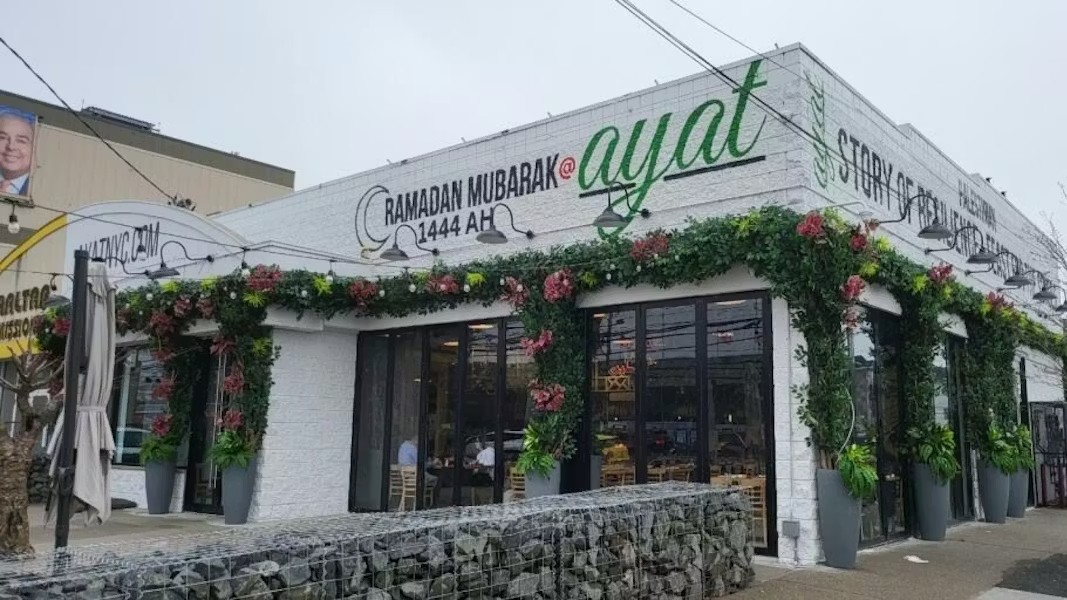
    Abdul Elenani, CEO and founder of New York’s acclaimed Palestinian restaurant Ayat, developed his resilience through childhood experiences defending his hijab-wearing mother and sisters from post-9/11 harassment in New York City. The Egyptian-American entrepreneur recalls first hearing his mother called a terrorist at age five, and by eight, he was actively intervening against anti-Muslim bigotry.

    This early commitment to justice evolved into Ayat, a Michelin-guide featured establishment that boldly communicates Palestinian culture and political realities through cuisine. Elenani’s journey included previous restaurant ventures where he hesitated to explicitly identify as Palestinian, but the COVID-19 pandemic’s devastation of his coffee chain business inspired a more purposeful approach.

    Named after his Palestinian-American wife Ayat Masoud—a lawyer who contributed traditional family recipes—the restaurant features dishes like maklouba, celebrating what Masoud calls “the masters of party slash family meals.” Since opening in Bay Ridge in 2020, Ayat has expanded to eight locations despite significant challenges.

    The restaurant’s explicit Palestinian identity has attracted both support and hostility. During Israel’s war on Gaza, Ayat experienced increased harassment, including anti-Palestinian graffiti, verbal abuse, and coordinated review bombing after a New York Times critic featured their politically-charged murals. One mural depicting Israeli soldiers pointing guns at Palestinian children triggered thousands of negative reviews, many from Tel Aviv.

    Yet Elenani emphasizes overwhelming community support, particularly from Jewish neighbors who attended their free Shabbat dinners. The restaurant regularly hosts community events, including Thanksgiving meals for those alone during holidays and celebrations for political candidates. Their expansion continues with plans for national growth in 2026, including a Columbia University location named after Hind Rajab, a five-year-old Palestinian girl killed in Gaza.

    Hanifa Abbasi, head of communications for Elenani’s Anani Group, summarizes their experience: “For every piece of hate we get, we get ten times more love.” Elenani’s approach combines culinary excellence with cultural advocacy, creating spaces where food becomes a medium for dialogue and resistance.

  • China’s Xi Jinping and Canada’s Mark Carney seek new chapter in relations

    China’s Xi Jinping and Canada’s Mark Carney seek new chapter in relations

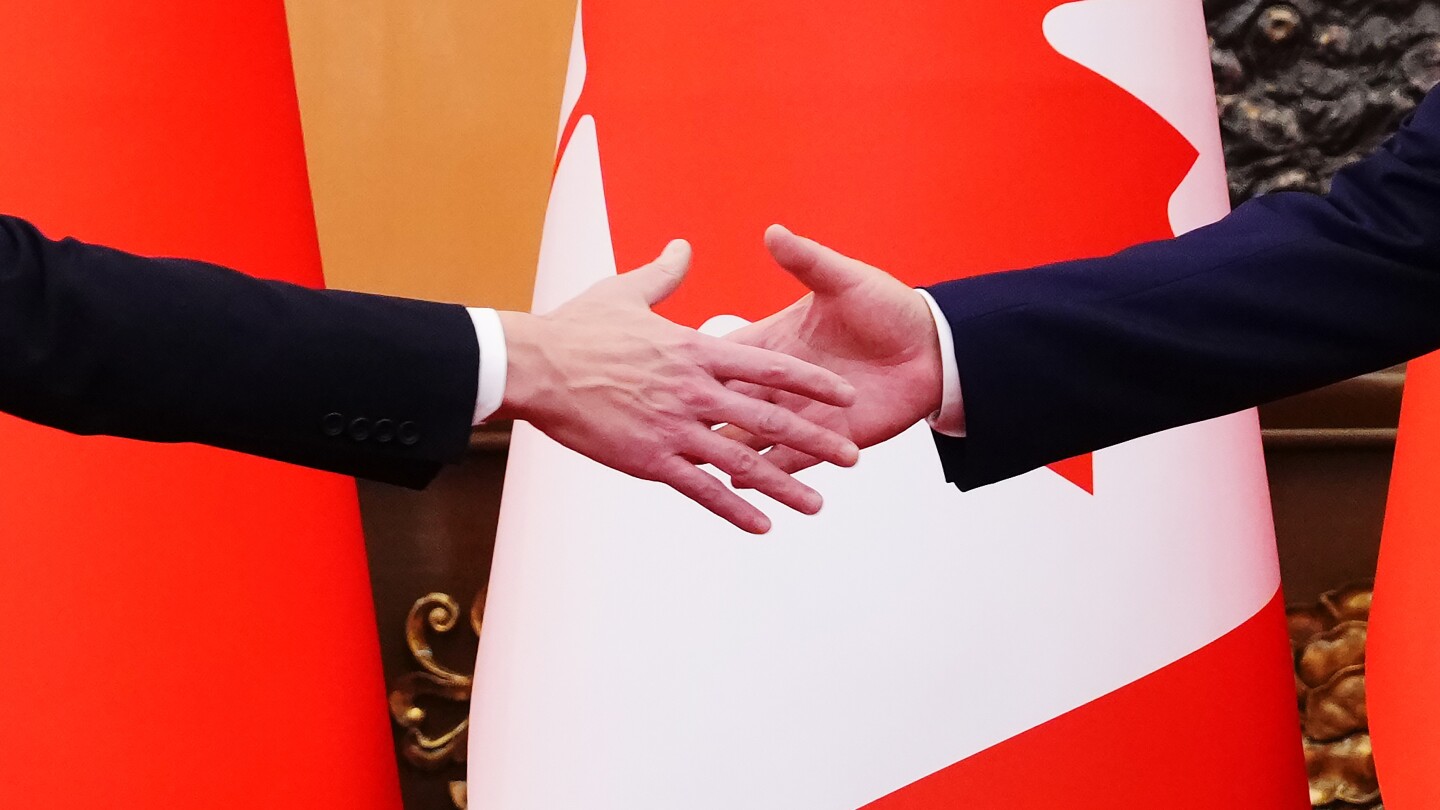
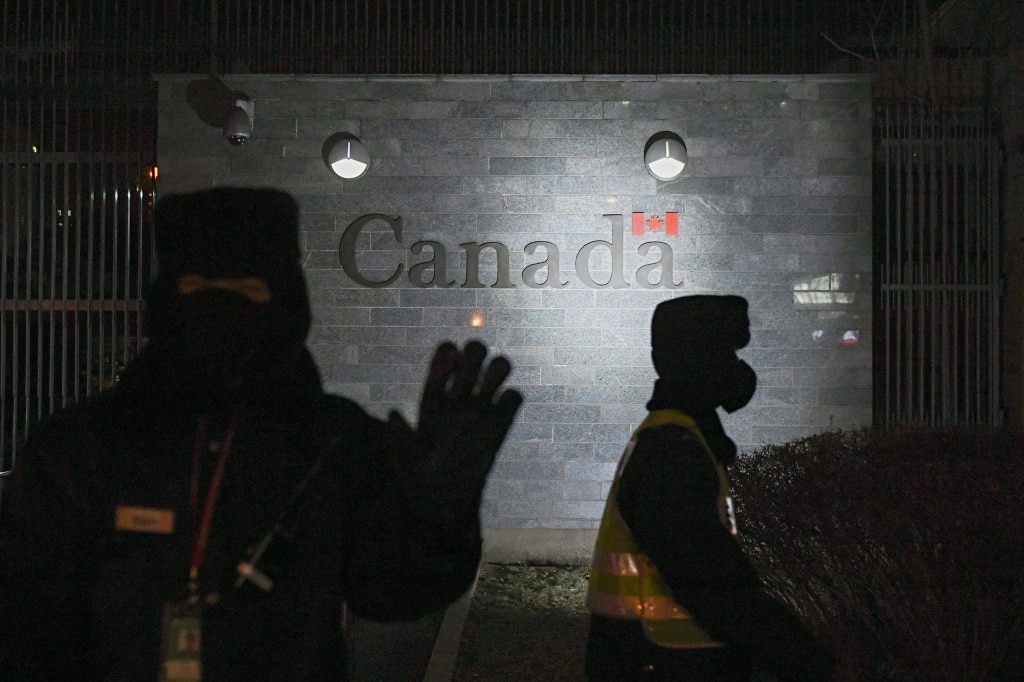
    In a significant diplomatic development, Chinese President Xi Jinping and Canadian Prime Minister Mark Carney committed to revitalizing bilateral relations during their Friday meeting in Beijing, signaling a potential end to years of diplomatic friction between the two nations.

    The landmark discussion, marking the first Canadian prime ministerial visit to China in eight years, centered on rebuilding cooperative frameworks across multiple sectors including agriculture, energy, and financial services. President Xi characterized their previous October encounter during a regional economic conference in South Korea as having “opened a new chapter in turning China-Canada relations toward improvement.”

    Prime Minister Carney emphasized the critical timing of this diplomatic reset, noting that the global governance system faces “great strain” requiring renewed international partnerships. The Canadian leader advocated for a relationship “adapted to new global realities” that acknowledges shifting geopolitical dynamics.

    This diplomatic thaw occurs against the backdrop of significant trade disruptions stemming from former U.S. President Donald Trump’s protectionist policies. Both nations have suffered economic consequences from Trump’s tariff impositions, prompting Canada to pursue reduced economic dependence on the United States.

    Notably absent from the discussions were resolutions regarding existing tariff disputes. Canada maintains substantial tariffs on Chinese electric vehicles (100%) and steel/aluminum (25%), implemented under previous leadership, while China retaliated with equivalent tariffs on Canadian canola products and additional duties on agricultural exports including pork and seafood.

    Analysts suggest China perceives current U.S. pressure on allies as an opportunity to encourage nations like Canada to pursue foreign policies less aligned with American interests, particularly following Trump’s controversial suggestion that Canada could become “America’s 51st state.”

  • Venezuelans in Spain are caught between hope and fear after Maduro’s capture

    Venezuelans in Spain are caught between hope and fear after Maduro’s capture

    MADRID — The dramatic capture of Venezuelan leader Nicolás Maduro by U.S. forces has triggered powerful emotional responses among the 600,000 Venezuelan expatriates residing in Spain—the largest diaspora community outside the Americas. Many originally fled political persecution, violence, and economic collapse under Maduro’s regime, establishing new lives in Madrid’s healthcare, hospitality, and service industries.

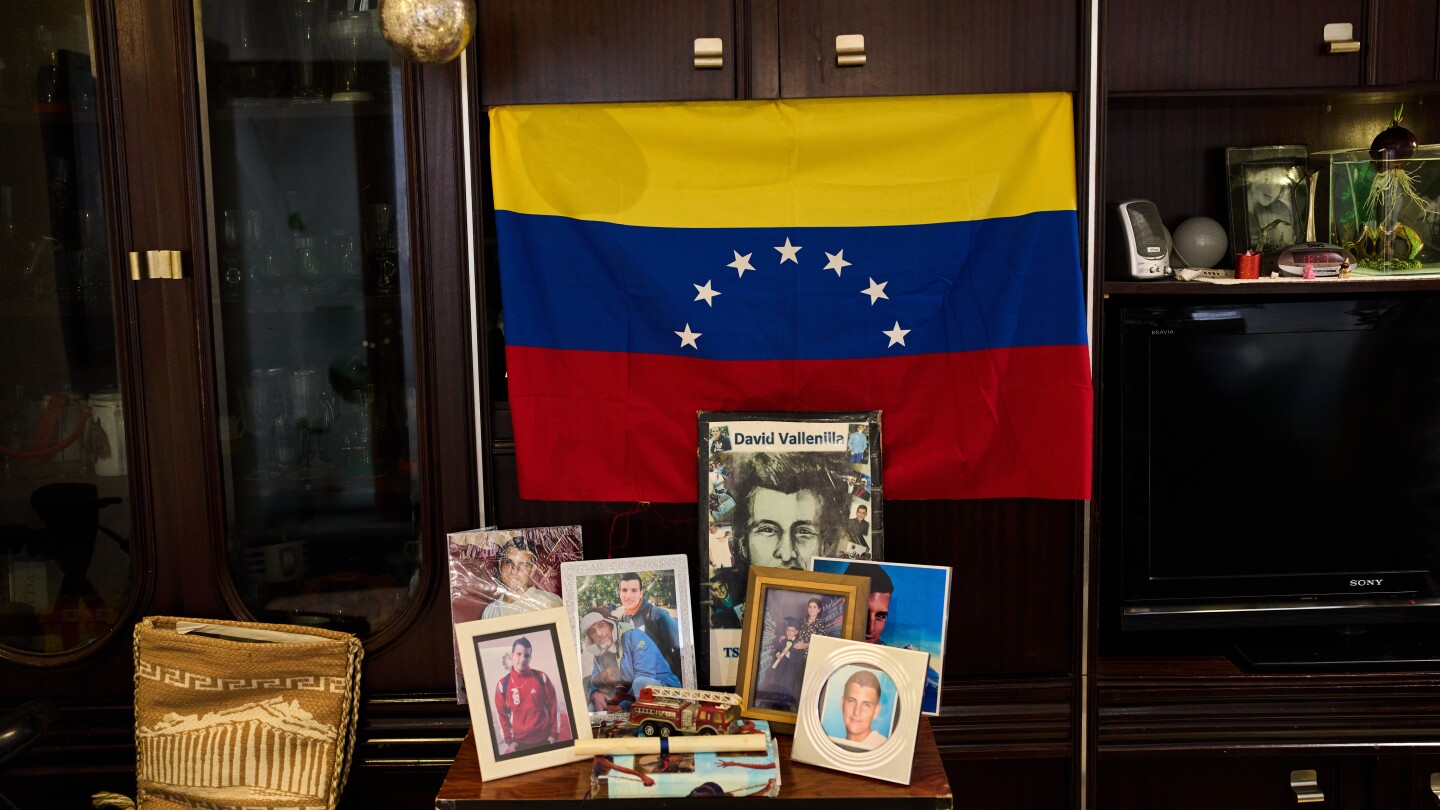
    David Vallenilla, a 65-year-old Caracas native living in Madrid, received the news through frantic messages from relatives. His personal tragedy epitomizes the regime’s brutality: In 2017, his 22-year-old nursing student son was fatally shot point-blank by a Venezuelan soldier during protests. The widely circulated video of the incident became symbolic of state violence. After demanding justice, Vallenilla faced threats and relocated to Spain with NGO assistance. While acknowledging that nothing can restore his son, he views recent developments as potential light after years of darkness.

    Journalist Carleth Morales, who arrived in Madrid twenty-five years ago anticipating temporary studies, never envisioned Venezuela’s prolonged deterioration. She founded the Venezuelan Journalists Association in Spain, connecting hundreds of exiled professionals. Though skeptical about returning personally after decades abroad, she dreams of her daughters someday considering Venezuela a land of opportunity rather than trauma.

    Verónica Noya embodies the anguish of families with imprisoned relatives. Her husband, army Captain Antonio Sequea, remains in solitary confinement since 2020 for participating in a military operation against Maduro. With four relatives still detained, she awaits news of their promised release while struggling to explain her husband’s absence to their children. Despite obtaining Spanish citizenship through family roots, she maintains her Venezuelan identity and hopes for a democratic homeland.

  • ‘Propaganda’: ASIO chief Mike Burgess’ targeted in Hizb ut-Tahrir letter over comparisons to neo-Nazi group

    ‘Propaganda’: ASIO chief Mike Burgess’ targeted in Hizb ut-Tahrir letter over comparisons to neo-Nazi group

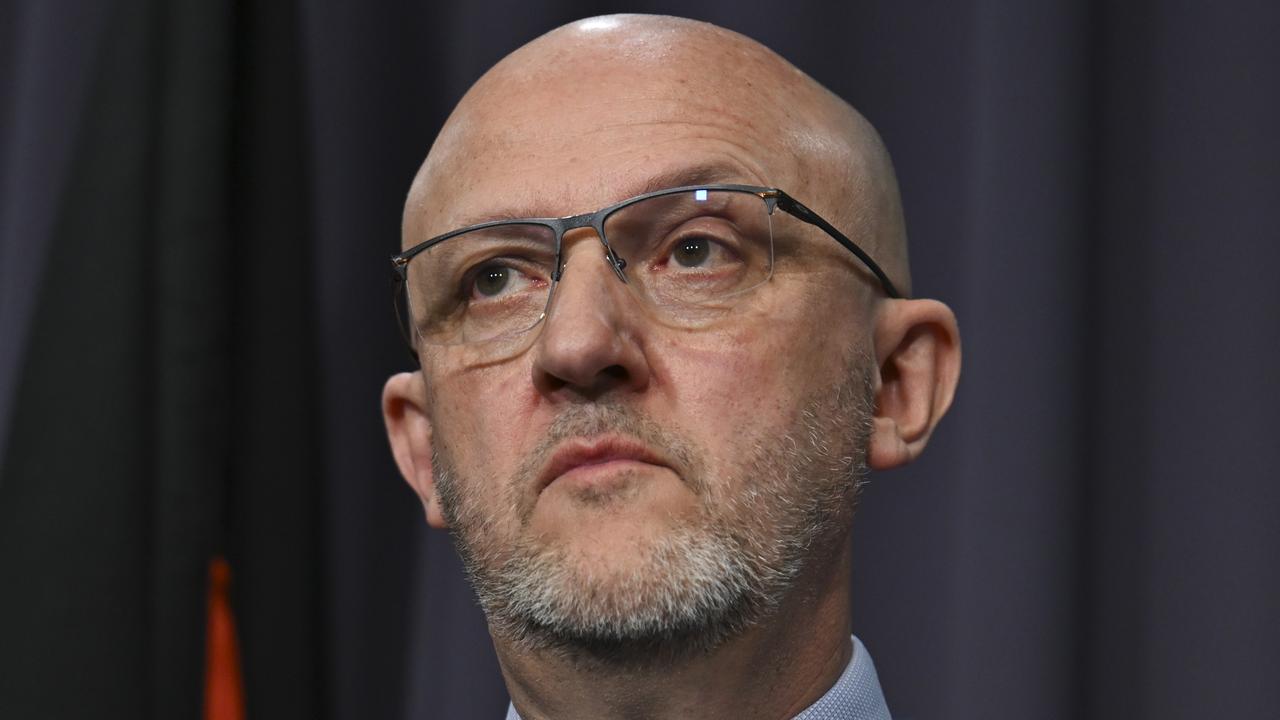
    A globally prohibited radical Islamic organization has launched a formal accusation against Australia’s top intelligence official, alleging he has engaged in ‘propaganda pandering’ as the government advances sweeping reforms targeting hate groups. Hizb ut-Tahrir—already banned across the UK, Europe, and multiple Middle Eastern and Asian nations—faces potential proscription in Australia following recent national security developments.

    In a sharply worded letter addressed to ASIO Director-General Mike Burgess, the organization criticized his public statements during a recent Lowy Institute lecture where he compared Hizb ut-Tahrir’s rhetoric and strategies to those of the recently disbanded neo-Nazi group Nationalist Socialist Network (NSN). The letter asserts that Burgess ‘eviscerated any claim to impartiality’ by drawing such parallels and accused him of deliberately muddying complex public conversations.

    The group specifically challenged Burgess’s characterization of their criticism of Israel as disguised anti-Semitism, arguing this conflation discredits legitimate pro-Palestinian advocacy. ‘This argument cannot be sustained unless you are suggesting all pro-Palestinian activism equates to anti-Semitism,’ the letter stated.

    Hizb ut-Tahrir also defended its lawful operations, rejecting suggestions that operating within legal boundaries indicates nefarious intent. ‘Staying within the law is not circumventing the law, it is the law,’ the organization emphasized, adding that such implications could potentially criminalize any law-abiding citizen.

    The controversy emerges as the Australian government, prompted by the recent Bondi Beach terror attack, moves to implement reforms that would streamline the process of designating organizations as prohibited hate groups. Under the proposed measures, membership in or support of banned groups would carry severe penalties, including potential 15-year prison sentences.

    Despite its global reputation, Hizb ut-Tahrir’s Australian spokesperson Wassim Doureihi recently characterized the organization as ‘neither hateful nor violent’ in media interviews, denying any intentions to establish a caliphate in Australia through force.

  • How the White House and governors want to fix AI-driven power shortages and price spikes

    How the White House and governors want to fix AI-driven power shortages and price spikes

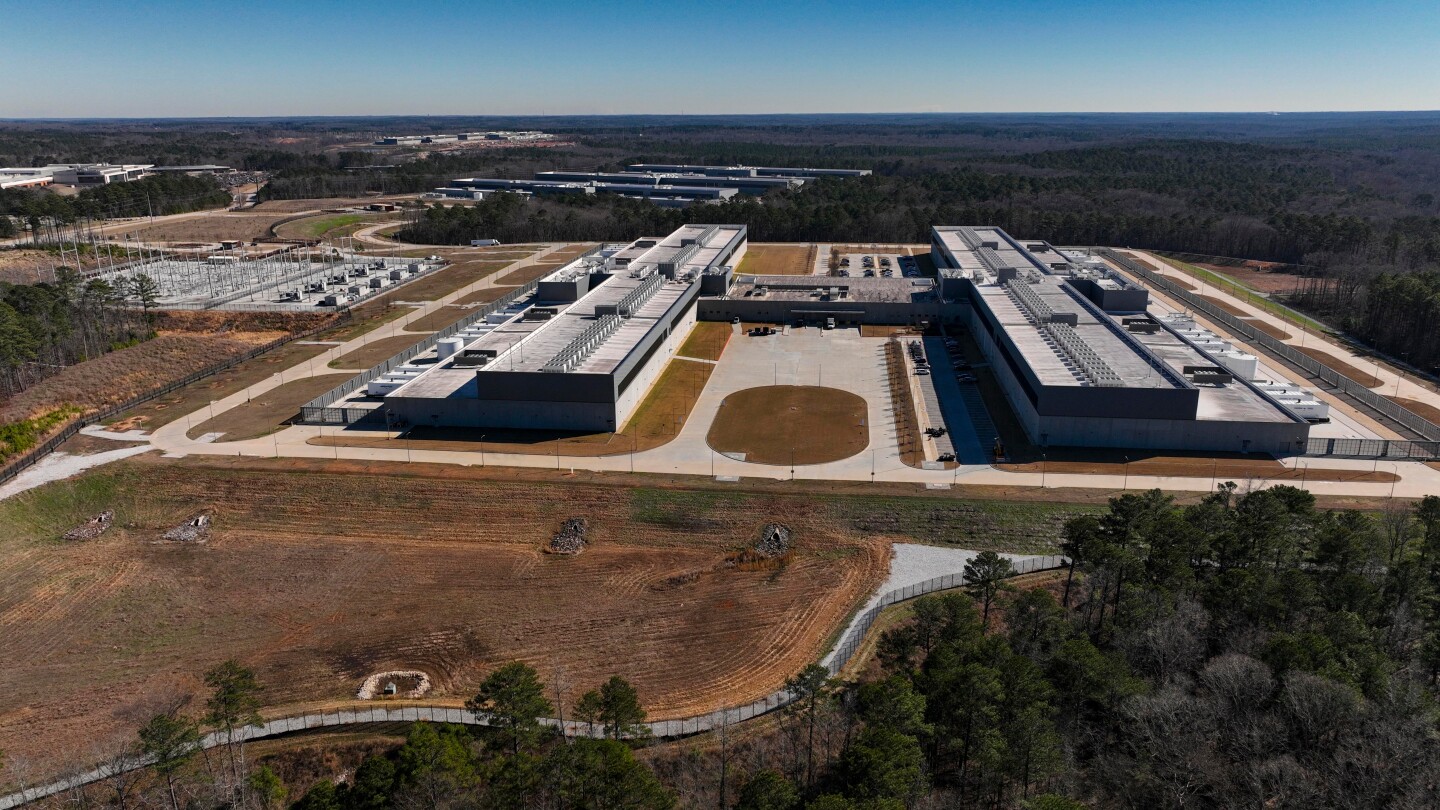
    A bipartisan coalition of state governors joined Trump administration officials in a unified push on Friday, demanding urgent action from the nation’s largest grid operator to expand electricity generation capacity. The extraordinary pressure campaign targets PJM Interconnection, which manages the mid-Atlantic power network serving 13 states and Washington D.C., amid growing concerns that artificial intelligence development could trigger widespread blackouts while dramatically increasing consumer electricity costs.

    Interior Secretary Doug Burgum framed the situation as a national security imperative, stating that winning the AI race against China requires massive power infrastructure investments. “We know that with the demands of AI and the productivity that comes with that, it’s going to transform every job and every company,” Burgum told reporters at the Eisenhower Executive Office Building. “But we need to be able to power that in the race we are in against China.”

    The proposed solution involves creating a specialized power auction allowing technology companies to directly bid on contracts for new power plant construction. This market-based approach would shift the financial burden of data center energy needs from residential consumers to the tech corporations driving demand. Additionally, officials want PJM to extend wholesale electricity price caps implemented last year that limit consumer cost increases through mid-2028.

    Governors Glenn Youngkin (Virginia), Wes Moore (Maryland), and Josh Shapiro (Pennsylvania) expressed mounting frustration with PJM’s response to the crisis. Moore emphasized that “we need for PJM to take action, we need for PJM to take it seriously,” while Youngkin characterized the situation as a “massive, massive crisis.”

    The urgency stems from alarming trends: analysts warn that data centers are consuming increasingly enormous power resources, with mid-Atlantic ratepayers already covering billions in infrastructure costs for facilities that haven’t been built. Meanwhile, electricity bills are rising faster than inflation nationwide, with many Americans falling behind on payments.

    Industry representatives from the Edison Electric Institute support the innovative bidding concept, though energy market experts question its feasibility within existing regulatory frameworks. Rob Gramlich of Grid Strategies LLC noted that PJM faces unique challenges, including longer permitting processes than states like Texas and complications from energy deregulation that left utilities without long-term power contracts.

    The standoff highlights the complex balance between technological advancement, consumer protection, and infrastructure development as America’s power grid faces unprecedented demands from the digital economy.

  • Canada’s Carney hails ‘strategic partnership’ in talks with Xi

    Canada’s Carney hails ‘strategic partnership’ in talks with Xi

    Canadian Prime Minister Mark Carney and Chinese President Xi Jinping have initiated a significant diplomatic reset during their meeting at Beijing’s Great Hall of the People, marking the first Canadian leadership visit to China in eight years. The high-level discussions focused on establishing what both leaders termed a “new strategic partnership” aimed at overcoming years of strained relations.

    The bilateral relationship had deteriorated significantly since 2018, triggered by Canada’s arrest of Huawei executive Meng Wanzhou on a U.S. warrant and China’s subsequent detention of two Canadian citizens on espionage charges. This diplomatic crisis was further exacerbated by reciprocal trade tariffs and allegations of Chinese election interference.

    Prime Minister Carney emphasized the urgent need to diversify Canada’s economic partnerships, particularly in light of recent aggressive tariff impositions by the Trump administration on Canadian steel, aluminum, vehicles, and lumber. “Together we can build on the best of what this relationship has been in the past to create a new one adapted to new global realities,” Carney stated during the meeting.

    President Xi Jinping acknowledged the positive momentum since the leaders’ previous encounter at the October APEC summit, noting that their discussions had “opened a new chapter in turning China-Canada relations toward improvement.” Xi emphasized that “the healthy and stable development of China-Canada relations serves the common interests of our two countries.”

    The renewed partnership identifies agriculture, energy, and finance as priority sectors for immediate cooperation. Both nations are engaged in ongoing negotiations to reduce trade barriers and enhance bilateral commerce, though no formal agreement has been finalized. While China represents Canada’s second-largest export market, it currently accounts for less than 4% of Canadian exports, significantly trailing the United States’ 75% share.

  • ‘The weave’: Trump believes time is on his side to attack Iran, sources say

    ‘The weave’: Trump believes time is on his side to attack Iran, sources say

    The Trump administration is strategically evaluating the optimal timing for potential military action against Iran, according to current and former U.S. officials familiar with internal discussions. Administration analysts believe time favors American interests as widespread protests against Iran’s Islamic Republic show no signs of diminishing.

    The protests, initially sparked by economic discontent in January, have expanded to traditionally supportive rural areas and merchant communities. Iran’s response has reportedly turned exceptionally violent, with Reuters estimating over 2,600 fatalities—potentially making this crackdown the most severe in recent history.

    A U.S. official, speaking anonymously, highlighted upcoming symbolic dates—martyrs’ commemorations, Ramadan, the revolution anniversary, and Nowruz (Iranian New Year)—as potential flashpoints. Historical tensions during such periods have previously fueled revolutionary movements, including the 1979 overthrow of the U.S.-backed Shah.

    Randa Slim of the Stimson Center’s Middle East Program noted: “This deescalation appears temporary, very much awaiting developments in Iran. I think Trump is betting this regime can’t sustain itself long-term.”

    The administration’s deliberative approach reflects Trump’s documented preference for strategic unpredictability. A former official described this as “the weave”—methodically increasing and decreasing pressure while assessing the optimal moment for action.

    Military analysts identify Revolutionary Guard Corps bases and Basij militia facilities as likely targets should strikes occur. However, a former senior defense official cautioned against premature action: “If we allow this to play out naturally, we will be able to see who is remaining and what the public wants. Military action now may merely disrupt ongoing clandestine operations.”

    Logistical considerations also factor into the timing calculus. The USS Abraham Lincoln carrier group requires approximately one week to transit from the South China Sea to the Middle East. Additionally, the U.S. must prepare for potential Iranian retaliation against regional bases and ally Israel, whose Prime Minister Netanyahu reportedly requested a postponement of any attack.

    Regional diplomacy significantly influences Washington’s calculations. Gulf partners—particularly Saudi Arabia, Qatar, and Turkey—have intensified lobbying against military action. Since Trump’s June strikes on Iranian nuclear facilities, regional powers have taken the threat of American intervention more seriously.

    David Schenker of the Washington Institute for Near East Policy concluded: “Everything that has been done is positioning the US to do this. He is signalling that this is coming.” The administration appears to be balancing military preparedness with diplomatic pressures while monitoring Iran’s internal stability.