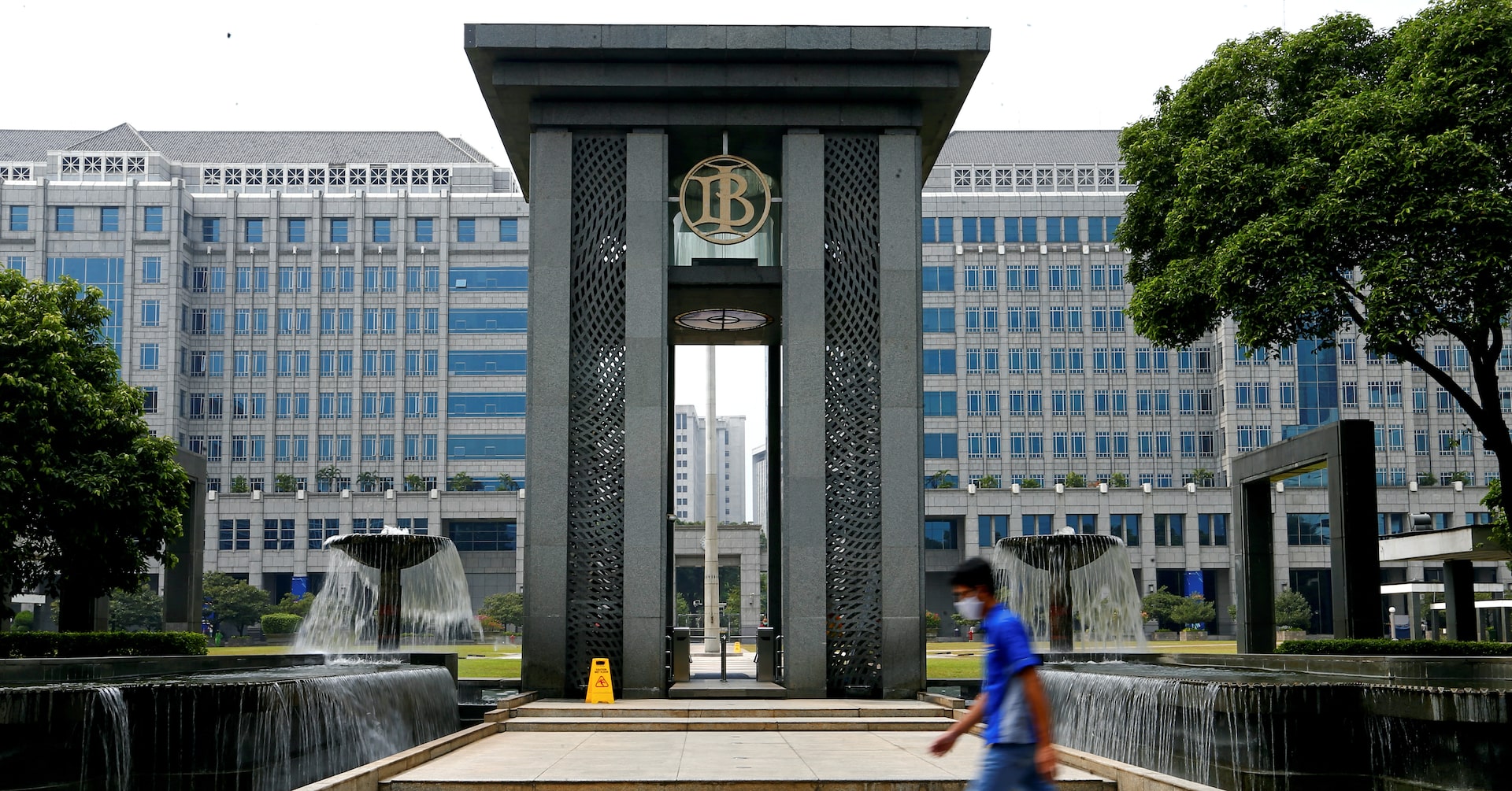
Investors are increasingly optimistic about Asia’s emerging equities as the prospect of further monetary easing overshadows domestic risks, according to fund managers. The dovish stance of the U.S. Federal Reserve has provided Asian central banks with greater flexibility to cut rates without triggering significant currency pressures. Gary Tan, portfolio manager at Allspring Global Investments, highlighted this dynamic during the Reuters Global Markets Forum. Markets anticipate approximately 67 basis points of Fed rate cuts by year-end, including a 25-basis-point reduction recently. This has created a favorable environment for equity markets, particularly in Southeast Asia. Central banks in Indonesia, Thailand, and the Philippines have already implemented rate cuts in response to softening growth, despite ongoing political instability. South Korea has also signaled further easing to mitigate tariff-related economic impacts, while India retains some room for additional cuts. China, however, may hold off on further easing after earlier reductions. Naomi Fink, chief global strategist at Amova Asset Management, noted that these developments are supportive of equity markets. Tan emphasized the positive fundamentals in Southeast Asian companies, particularly in Indonesia and Thailand, reinforcing his bullish outlook on the region. Most Asian emerging market indexes, including South Korea and Taiwan, have reached record highs, with the MSCI Asia ex-Japan index closing at an all-time high. Investors remain particularly optimistic about India’s growth narrative and South Korea’s ‘Value-Up’ program, which aims to unlock shareholder value. Stephen Parker, co-head of global investment strategy at J.P. Morgan Private Bank, reiterated India’s appeal due to its robust growth and earnings potential. Tan also expressed confidence in South Korean shares, citing corporate governance reforms and structural growth drivers.
作者: admin
-

Togo leader’s sister-in-law arrested after calling for end to family rule
Marguerite Gnakadé, a former defense minister and prominent critic of Togo’s government, has been arrested, according to security sources. Gnakadé, the sister-in-law of long-serving leader Faure Gnassingbé, recently called for his resignation and urged the military to support the people in ending decades of dynastic rule. A police source told AFP that she was arrested for serious acts, including inciting the military to rebellion. Local media reported that she was taken into custody by security forces at her home in the capital, Lomé, on Wednesday. Togo has been experiencing deadly protests demanding Gnassingbé’s resignation and the release of political prisoners. These protests reflect widespread anger and fatigue with a family-run regime that has been in power for six decades. Gnassingbé, who has led the country since 2005, succeeded his father, Gnassingbé Éyadéma, who ruled for 38 years from 1967. A new constitutional structure that allows Gnassingbé to prolong his hold on power while shifting to a new role as President of the Council of Ministers has further fueled the protests. In May, Gnassingbé was sworn into this new position, which has no official term limits. Gnakadé, who served as defense minister from 2020 to 2022, has been a vocal critic of Gnassingbé, writing articles calling for his resignation and supporting protests against his leadership. Her arrest has sparked outrage on social media, and she is currently being questioned by authorities. Some reports suggest the charges against her are related to alleged connections with exiled opposition figures and attempts to incite disobedience within the armed forces. If proven, these allegations could result in a prison sentence of 10 to 20 years. Opposition parties and civil society groups have condemned her arrest, calling it an abuse of power aimed at silencing dissent. A youth-led movement, M66, has issued a 72-hour ultimatum demanding her release, threatening nationwide demonstrations if their demand is not met. The situation remains tense as more details about her arrest are expected to emerge in the coming days.
-

Rahul Gandhi says India poll panel shielding ‘vote thieves’
Indian opposition leader Rahul Gandhi has intensified his criticism of India’s Election Commission (ECI), accusing its chief, Gyanesh Kumar, of shielding those who are ‘murdering democracy.’ Speaking at a press conference in Delhi on Thursday, Gandhi alleged that voter rolls had been manipulated to favor the ruling Bharatiya Janata Party (BJP) in key state elections. He claimed to possess ‘100% proof’ of electoral rigging and criticized the ECI for ignoring repeated complaints from his Congress party. The ECI dismissed the allegations as ‘incorrect and baseless,’ while the BJP also rejected the claims. This marks the latest in a series of accusations Gandhi has leveled against the ECI since August, when he first alleged widespread voter manipulation during last year’s parliamentary elections. Gandhi cited specific instances, including the deletion of over 6,000 voter names in Karnataka’s Aland constituency, predominantly affecting minority and disadvantaged groups known to support Congress. He also highlighted the addition of 6,850 allegedly fake names in Maharashtra’s Rajura constituency. Despite the ECI’s rebuttal, Gandhi’s claims have garnered support from opposition parties and some former election commissioners, who argue that the ECI must address concerns about the credibility of India’s electoral process.
-

Bananas? Taiwan entrepreneur wants to make clothes out of plant material
In a groundbreaking move towards sustainability, entrepreneur Nelson Yang is transforming banana plants into eco-friendly textiles in Taiwan. Based in Changhua, Yang’s company, Farm to Material, is utilizing the pseudostem of banana plants—typically discarded after harvest—to create fibres for clothing and vegan leather. This innovative approach not only repurposes agricultural waste but also aligns with global demands for sustainable sourcing. Historically, Taiwan was known as the ‘banana kingdom’ during the 1960s, a title that has since been overshadowed by its dominance in the semiconductor industry. Yang’s initiative revives this legacy by turning banana fibre into a viable textile material. According to Charlotte Chiang of the Taiwan Textile Federation, banana fibre outperforms cotton in water consumption, absorbency, and supply stability, making it a promising candidate for future applications in the textile industry. While the business is still in its early stages, it holds significant potential to position Taiwan as a leader in biomass fibre innovation.
-

Taylor Townsend sorry for videos mocking Chinese cuisine
September 18, 2025 – Tennis star Taylor Townsend issued a public apology on social media following backlash over her disparaging comments about Chinese food. The incident occurred during her participation in the Billie Jean King Cup in Shenzhen, where she posted a series of now-deleted Instagram videos mocking a local buffet that featured dishes like bullfrogs and soft-shelled turtles. In the videos, Townsend questioned whether bullfrogs were ‘poisonous’ and humorously suggested she might need to ‘talk to HR’ about the food. Her remarks sparked widespread criticism for their cultural insensitivity. Townsend, 29, took to Instagram to express her remorse, stating, ‘I just wanted to come on here and apologize sincerely from the bottom of my heart.’ She acknowledged that her comments did not reflect her positive experiences in China and vowed to ‘be better.’ The incident has drawn attention to the importance of cultural sensitivity, especially for public figures representing their countries on the global stage.
-

New Zealand economy contracts sharply, fuelling bets of steeper rate cuts
New Zealand’s economy experienced a more severe contraction than anticipated in the second quarter of 2023, driven by declining construction activity and global economic uncertainties. Official data released on Thursday revealed a 0.9% quarterly drop in gross domestic product (GDP), significantly worse than the 0.3% decline forecasted by analysts and the Reserve Bank of New Zealand (RBNZ). This marks the third contraction in the past five quarters, with annual GDP falling by 0.6%, contrary to market expectations of stability. Following the disappointing data, the New Zealand dollar fell 0.5% to $0.5932, while two-year swap rates hit their lowest level since early 2022, sliding to 2.7290%. The market now anticipates a 58 basis point reduction in the official cash rate (OCR), with a 20% probability of a 50 basis point cut in October. The RBNZ had previously signaled two additional rate cuts this year, citing constrained household and business spending due to economic uncertainty, declining employment, rising essential prices, and falling house prices. Westpac senior economist Michael Gordon noted that the weaker-than-expected GDP outcome reinforces the RBNZ’s inclination to lower rates further. The economic downturn was widespread, with construction, manufacturing, and services sectors all underperforming. The situation was exacerbated by U.S. import tariffs imposed in April, set at 15% for New Zealand products, higher than the 10% rate for Australian goods. Despite the challenges, there are signs of a modest recovery in the third quarter, with improvements in manufacturing, services, employment, and consumer spending. ANZ Senior Economist Matthew Galt suggested that while the economy may avoid another technical recession, a 50 basis point rate cut remains a possibility if data continues to underwhelm.
-
US House advances stopgap bill to avert government shutdown
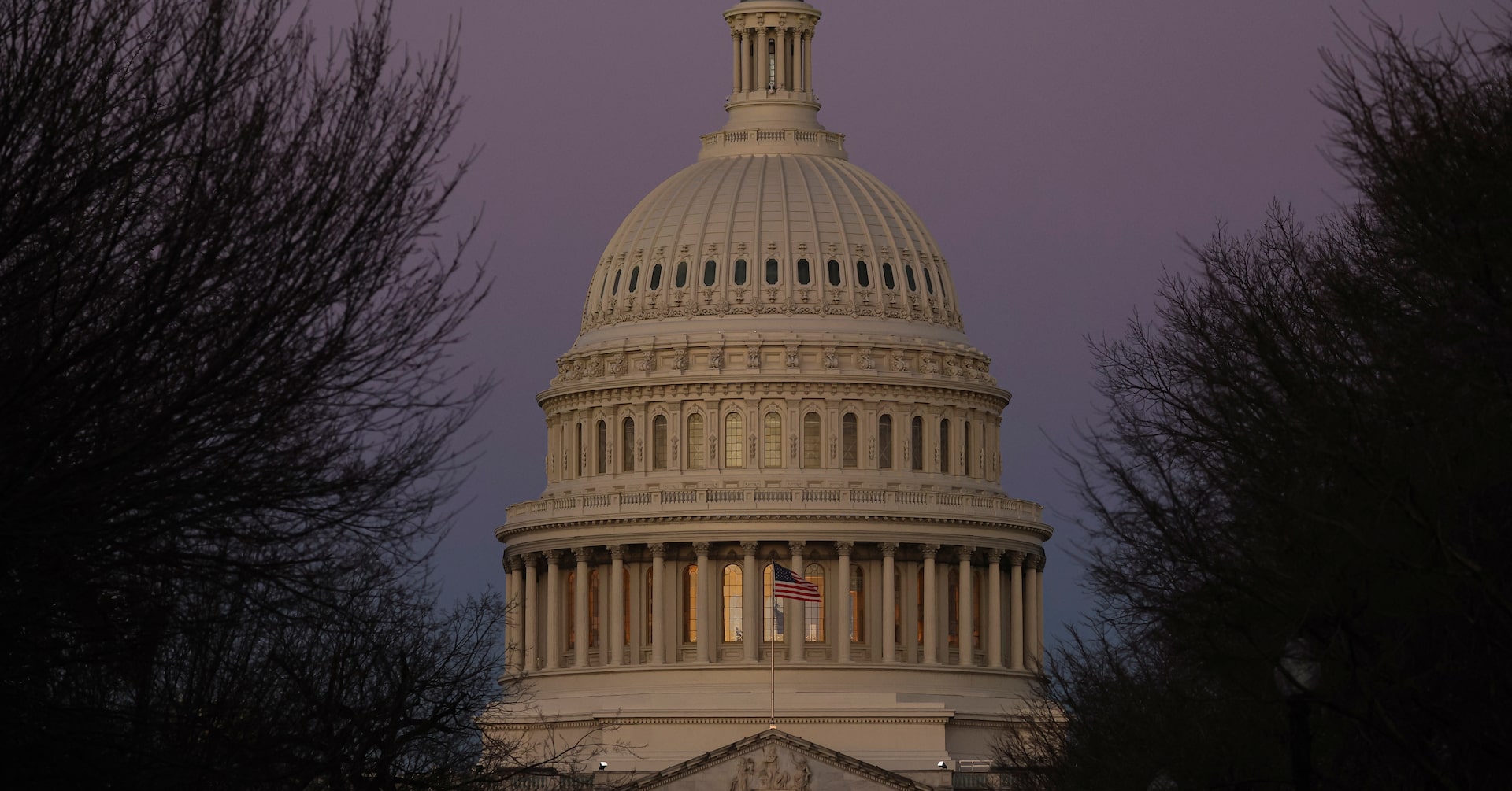
The U.S. House of Representatives, under Republican control, has taken a critical step toward averting a partial federal government shutdown by approving a procedural measure to debate a stopgap funding bill. The vote, which passed 216-210 on Wednesday, sets the stage for a final decision later this week. The proposed continuing resolution (CR) aims to fund federal agencies through November 21, providing Congress additional time to negotiate comprehensive appropriations for fiscal year 2026, which begins on October 1. The CR also allocates $88 million to enhance security for members of Congress, the Supreme Court, and the executive branch, a response to the recent assassination of conservative activist Charlie Kirk. House Republicans aim to pass the CR by Friday and send it to the Senate, where bipartisan support will be essential for approval. The White House has endorsed the resolution, while Democrats have criticized it as partisan. In response, Democrats introduced an alternative bill to extend government funding through October 31, which includes provisions to restore Medicaid funding and extend healthcare tax credits under the Affordable Care Act. However, the Democratic proposal is unlikely to pass. Senate Democratic leader Chuck Schumer emphasized the need for bipartisan collaboration, stating, ‘We have two weeks. They should sit down and talk to us, and we maybe can get a good proposal.’ The annual funding debate addresses approximately one-quarter of the federal government’s $7 trillion budget, excluding mandatory programs like Social Security and Medicare. The outcome of this legislative battle will have significant implications for government operations and public services.
-

€1.2m of suspected cocaine seized in Dublin
In a significant crackdown on drug trafficking, Irish police, An Garda Síochána, have confiscated cocaine worth approximately €1.2 million during coordinated raids in Dublin. The operation, conducted on Wednesday, targeted two separate residences in the city. At a property in Dublin 11, authorities uncovered 12 kilograms of suspected cocaine, estimated to have a street value of €840,000. Simultaneously, a search in Dublin 15 led to the discovery of an additional 5.5 kilograms of the illicit substance, valued at around €375,000. The seized drugs are now slated for forensic analysis to confirm their composition and origin. Two men, aged in their 30s and 40s, were apprehended at the scenes and subsequently charged in connection with the drug seizures. Both individuals are scheduled to appear before Blanchardstown District Court on Thursday morning. This operation underscores the ongoing efforts by Irish law enforcement to combat the illegal drug trade, which continues to pose significant challenges to public safety and health in the region.
-
Fired CDC director says Kennedy plans to change children’s vaccine schedule
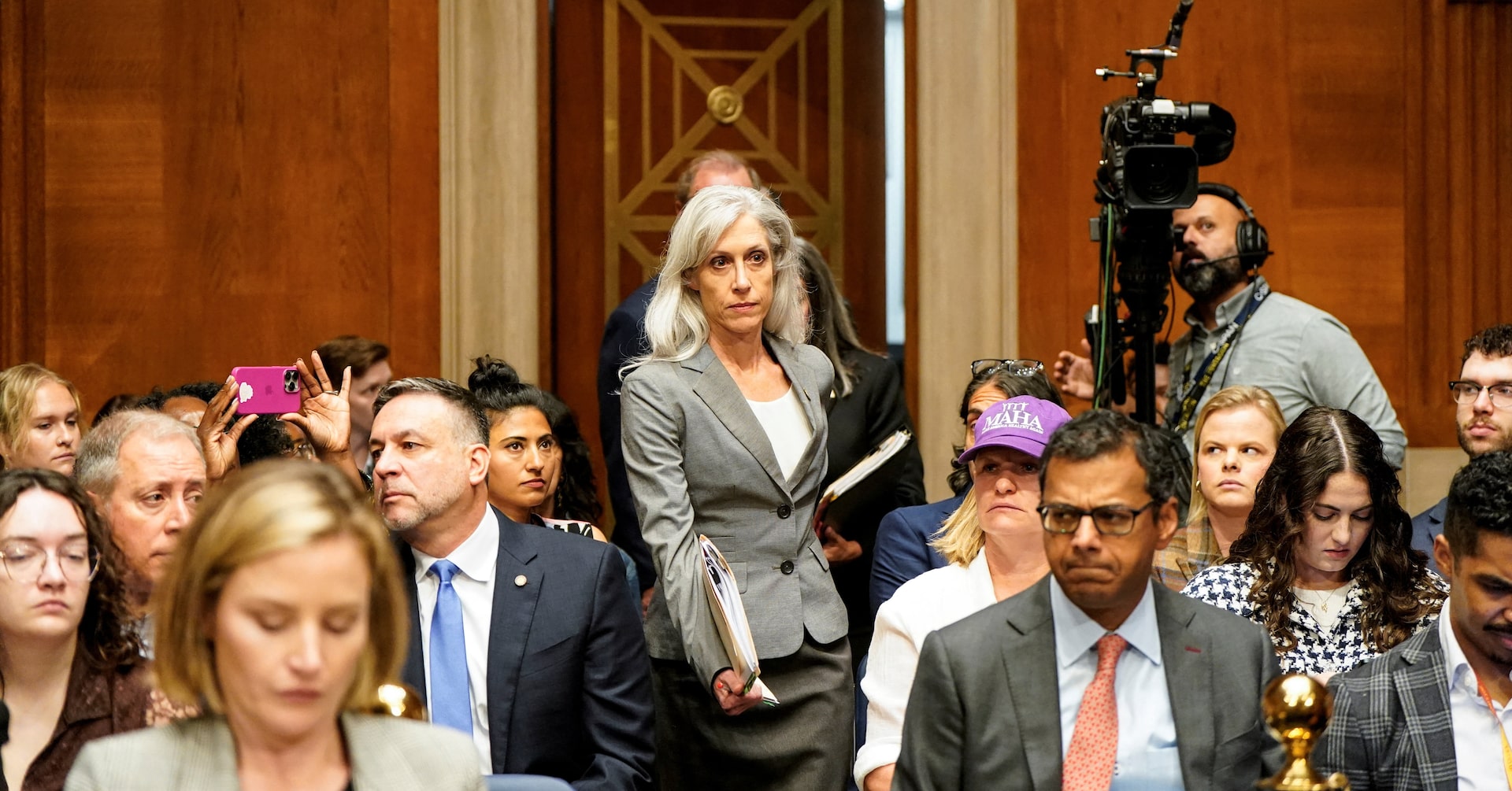
In a revealing Senate hearing on September 17, former CDC Director Susan Monarez detailed her contentious interactions with U.S. Health Secretary Robert F. Kennedy Jr., which ultimately led to her dismissal. Monarez testified before the Senate Health, Education, Labor, and Pensions (HELP) Committee, shedding light on Kennedy’s demands for pre-approval of changes to the childhood vaccination schedule without scientific review. Kennedy allegedly insisted on blanket approval of recommendations from the agency’s vaccine advisory board and required Monarez to seek political staff approval for her decisions, actions she resisted to maintain the CDC’s scientific integrity. Monarez was fired on August 28 after just 29 days in office, a move that has sparked widespread criticism and led to the resignation of four CDC officials. The hearing also highlighted the broader debate over U.S. vaccination policy, with Kennedy advocating for reduced vaccine use and public health experts calling for his resignation. Republicans and Democrats alike expressed concerns over the politicization of vaccine policy, with some Democrats apologizing for their initial lack of support for Monarez. The Department of Health and Human Services defended Kennedy’s actions, stating that any changes to the vaccine schedule would be science-based. The CDC’s Advisory Committee on Immunization Practices, now with 12 new members, is set to discuss two children’s vaccines in an upcoming meeting, raising questions about the future of U.S. vaccination policy.
-
Fed lowers interest rates, signals more cuts ahead; Miran dissents
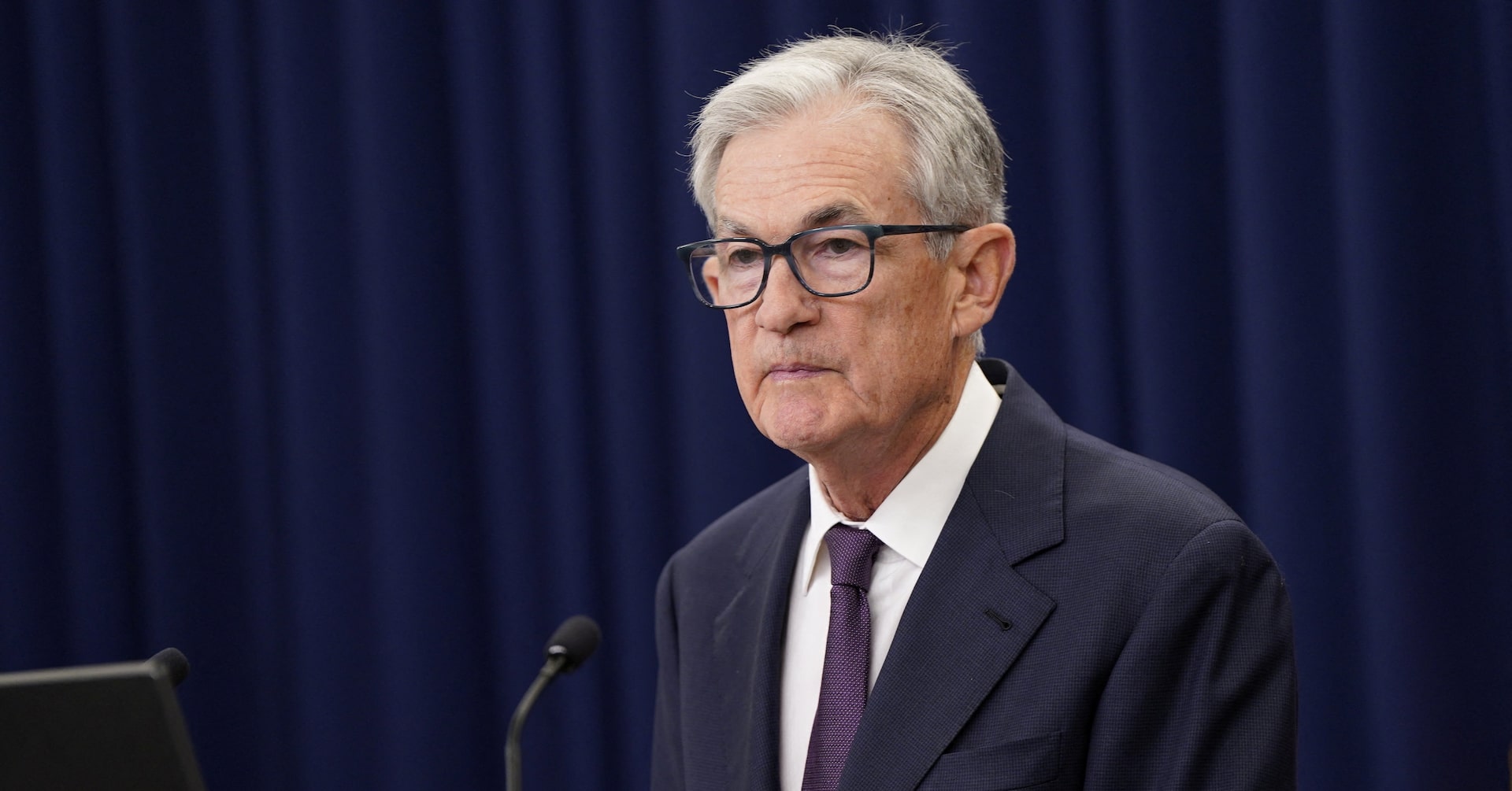
In a significant move to address growing labor market vulnerabilities, the Federal Reserve announced a quarter-percentage-point reduction in its benchmark interest rate on September 17, 2025. This marks the first rate cut since December and signals potential further reductions in the coming months. The decision, which lowers the rate to a range of 4.00%-4.25%, reflects heightened concerns over rising unemployment, particularly among minority groups and younger workers, as well as a declining average workweek and sluggish payroll growth. Fed Chair Jerome Powell emphasized that the softening job market has become a top priority for policymakers, stating, ‘We don’t need it to soften anymore.’ The Fed’s projections indicate two additional rate cuts before the end of the year, though the decision fell short of the more aggressive half-percentage-point cut advocated by newly appointed Fed Governor Stephen Miran, who cast the sole dissenting vote. Miran’s year-end rate projection suggests he supports further significant reductions, potentially bringing the policy rate below 3%. The decision comes amid political tensions, with President Donald Trump’s attempts to influence the Fed through criticism and personnel changes, including an unsuccessful effort to remove Governor Lisa Cook. Despite these pressures, the Fed maintained its independence, with Powell asserting that decisions are driven by data rather than external influences. While inflation remains above the Fed’s 2% target, policymakers prioritized employment risks, reflecting a shift in focus from price stability to labor market health. The announcement briefly buoyed stock markets, though they later closed mixed, while the dollar strengthened modestly. Treasury yields remained stable, and rate futures markets indicated a high probability of another cut at the Fed’s October meeting.