
The U.S. Centers for Disease Control and Prevention (CDC) is set to host a pivotal meeting this week, where vaccine advisers will vote on a proposal to eliminate recommendations for the combined measles, mumps, rubella, and varicella (MMRV) vaccine for children under four. This decision comes amid heightened scrutiny from Health Secretary Robert F. Kennedy Jr., who has long questioned vaccine safety despite overwhelming scientific evidence to the contrary. Kennedy has promoted the unfounded claim that the MMRV vaccine is linked to autism, a theory repeatedly debunked by rigorous scientific studies. The Advisory Committee on Immunization Practices (ACIP) will convene on September 18-19 to deliberate on the proposal, as outlined in a draft agenda on the CDC’s website. The meeting follows Kennedy’s controversial decision in June to dismiss all 17 ACIP members and appoint eight new advisers, some of whom have previously opposed vaccines. Since assuming his role under the Trump administration, Kennedy has initiated a review of vaccine policies, including the measles shot, which remains the most effective method to prevent the highly contagious and potentially deadly virus. Currently, the CDC recommends that children under four receive separate doses of the MMR and varicella vaccines, with the MMRV vaccine preferred for older children. This year, the U.S. has reported 1,454 measles cases, the highest in over three decades, underscoring the urgency of the debate. The MMRV vaccine is marketed in the U.S. by pharmaceutical giants Merck and GSK, with Merck also offering the ProQuad shot, which protects against measles, mumps, rubella, and varicella.
作者: admin
-
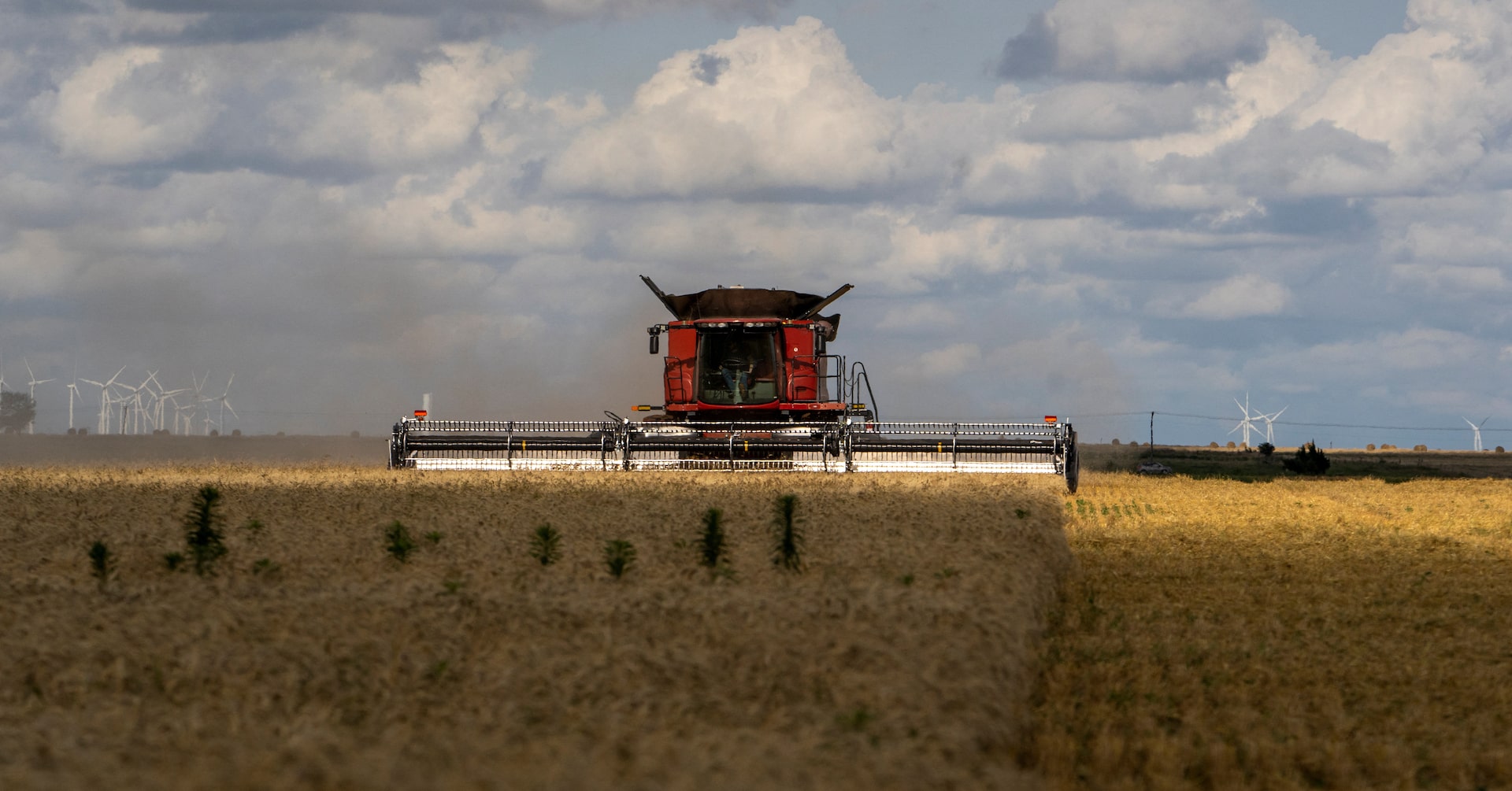
Trump tariffs could fund bailout for US farmers, agriculture secretary tells FT
The Trump administration is reportedly formulating a plan to utilize tariff revenue to finance a support program for U.S. farmers, according to a Financial Times report published on Thursday. Agriculture Secretary Brooke Rollins revealed in an interview that the administration is actively considering this approach, stating, ‘There may be circumstances under which we will be very seriously looking to and announcing a package soon.’ Rollins emphasized that using ‘tariff income that is now coming into America’ is ‘absolutely a potential’ funding source. The White House has yet to comment on the matter. This development comes amid mounting pressure from agricultural groups, exacerbated by China’s halt in soybean purchases from the U.S. due to the ongoing trade dispute. Additionally, tariffs have increased costs for essential farming inputs such as fertilizer and machinery. Agriculture has become a focal point in the escalating trade tensions between the two superpowers, initiated by President Donald Trump’s tariff policies. The situation underscores the broader economic challenges faced by U.S. farmers in the current geopolitical climate.
-

Facebook owner unveils new AI-powered smart glasses
At the annual Meta Connect conference held in Silicon Valley, Meta CEO Mark Zuckerberg introduced a groundbreaking lineup of smart glasses and AI-powered wearable devices, signaling the company’s ambitious push into the future of wearable technology. The event, attended by hundreds of tech enthusiasts and industry leaders, showcased Meta’s latest innovations, including the Meta Ray-Ban Display glasses and the Oakley Meta Vanguard, both designed to integrate seamlessly with the company’s AI ecosystem. The Meta Ray-Ban Display features a high-resolution, full-color screen embedded in one lens, enabling users to conduct video calls, view messages, and capture photos with a 12-megapixel camera. Additionally, Meta unveiled a neural wristband that pairs with the glasses, allowing users to perform tasks like sending messages through subtle hand gestures. Despite a minor hiccup during the live demonstration—a WhatsApp call failed to connect—Zuckerberg emphasized the transformative potential of these devices, calling the technology a ‘huge scientific breakthrough.’ Analysts predict that smart glasses, with their everyday practicality, could outperform Meta’s Metaverse project in terms of market adoption. However, challenges remain in convincing consumers of their value, particularly given the $799 price tag for the Meta Ray-Ban Display. Zuckerberg also highlighted Meta’s massive investments in AI infrastructure, including plans to build sprawling data centers across the U.S., as part of its mission to develop ‘superintelligence.’ The event was not without controversy, as activists protested outside Meta’s New York headquarters, demanding stronger safeguards for children on social media platforms. These concerns were amplified by recent Senate testimonies from former Meta researchers alleging the company downplayed potential harms of its VR products. Meta has denied these claims, labeling them as ‘nonsense.’
-
NYT chief executive warns Trump is deploying ‘anti-press playbook’, FT says
On September 17, 2025, Meredith Kopit Levien, CEO of The New York Times, publicly addressed the $15-billion lawsuit filed by U.S. President Donald Trump against the newspaper. Speaking at a Financial Times conference, Levien dismissed the lawsuit as ‘legally baseless’ and lacking any legitimate claims. She asserted that the suit was a strategic move to intimidate and suppress independent journalism, particularly the fact-based reporting that The New York Times is renowned for. ‘The New York Times will not be cowed by this,’ Levien declared, emphasizing the paper’s commitment to upholding journalistic integrity. This lawsuit is part of a broader pattern of legal actions Trump has taken against media outlets during his second term, including a $10-billion defamation case against The Wall Street Journal in July. The White House has yet to comment on the matter. The New York Times, in response to Reuters, reiterated that the lawsuit was an attempt to stifle independent reporting and lacked any substantive legal foundation. The case underscores the ongoing tension between the Trump administration and the press, raising concerns about press freedom and the role of media in holding power to account.
-
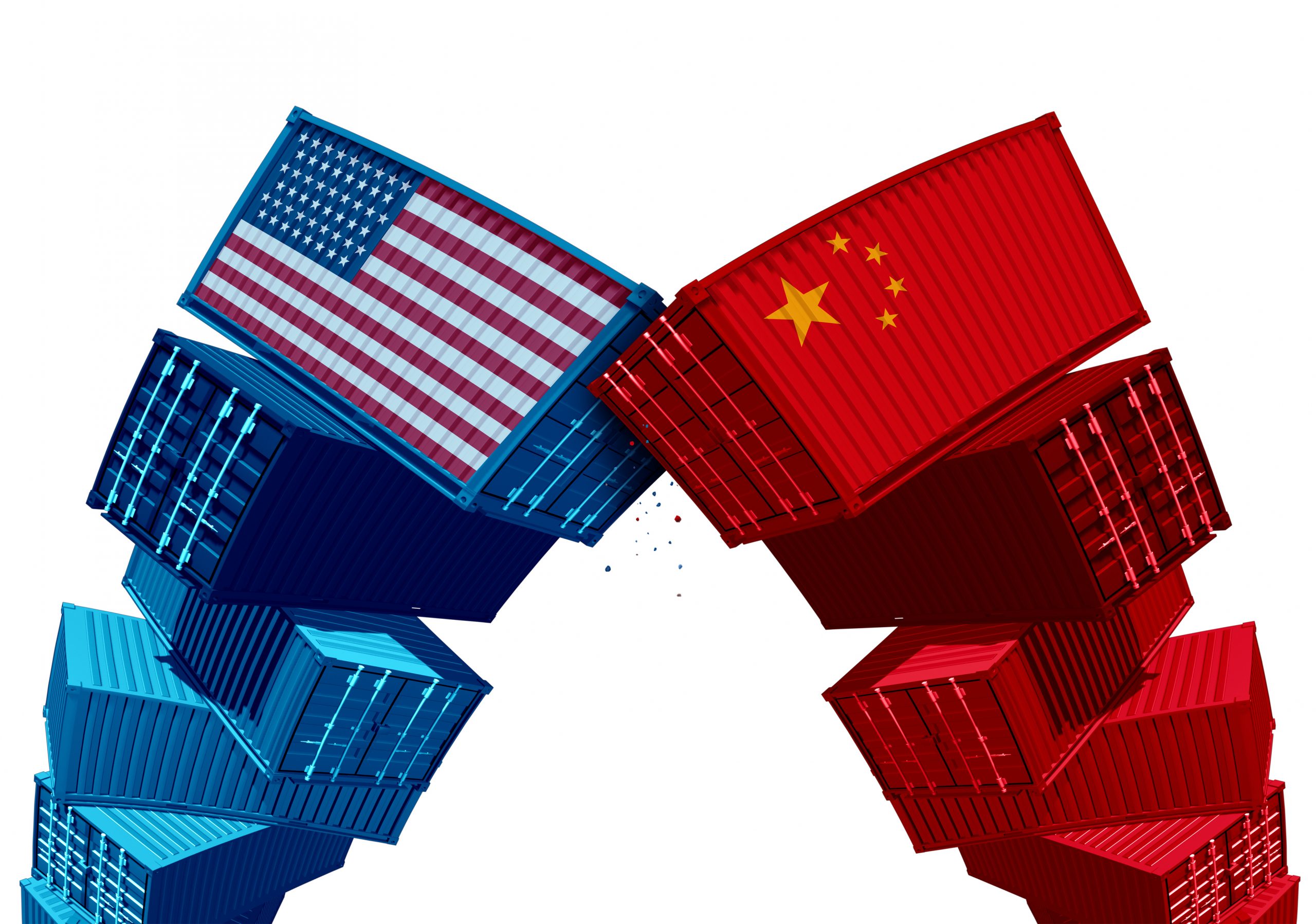
Markets sleeping on US-China trade breakthrough
Despite the optimistic developments in US-China trade negotiations, global investors have largely failed to recognize the potential upside. The world’s two largest economies are steadily moving toward a trade settlement that could yield significant benefits for both nations. Treasury Secretary Scott Bessent and Trade Representative Jamieson Greer have been engaged in ongoing discussions with Beijing, with the latest round of talks set to take place in Spain. A reciprocal-tariff truce has been extended to November, and sensitive issues such as technology transfers, industrial overcapacity, and data rules are now being addressed in detail. The US trade deficit with China, which stood at $300 billion last year, has narrowed to $128 billion through July, with officials forecasting a 30% decline by 2025. However, investors remain cautious, holding cash and safe-haven assets as if confrontation is inevitable. This overlooks the mutual incentives driving Washington and Beijing toward accommodation. For the US, easing tariff threats helps contain inflation and provides clarity for American companies. For China, securing reliable access to the US market stabilizes employment and supports tax revenues. A credible trade agreement would offer tangible economic wins for both nations, yet markets have yet to price in the potential benefits. Reduced tariff risks could lower global shipping costs, ease inflationary pressures, and encourage capital spending. Industries such as advanced manufacturing, semiconductors, and rare-earth mining could see positive re-ratings, while Asian economies integrated into China-plus-one supply chains would benefit from increased investment. The cautious response from investors reflects years of confrontation rather than current realities. Evidence on the ground suggests a shift, with rising US core capital goods orders and multinationals planning for a more stable trade environment. ASEAN nations are attracting record foreign investment as production diversifies but remains linked to China. The political symbolism of a deal is also significant, demonstrating pragmatic leadership and competence for both governments. While verification and enforcement of any agreement will be critical, waiting for perfection before reallocating capital is a speculative bet. The next phase of global growth could be built on a pragmatic bargain between Washington and Beijing, offering mutual gains for the world’s two largest economies.
-
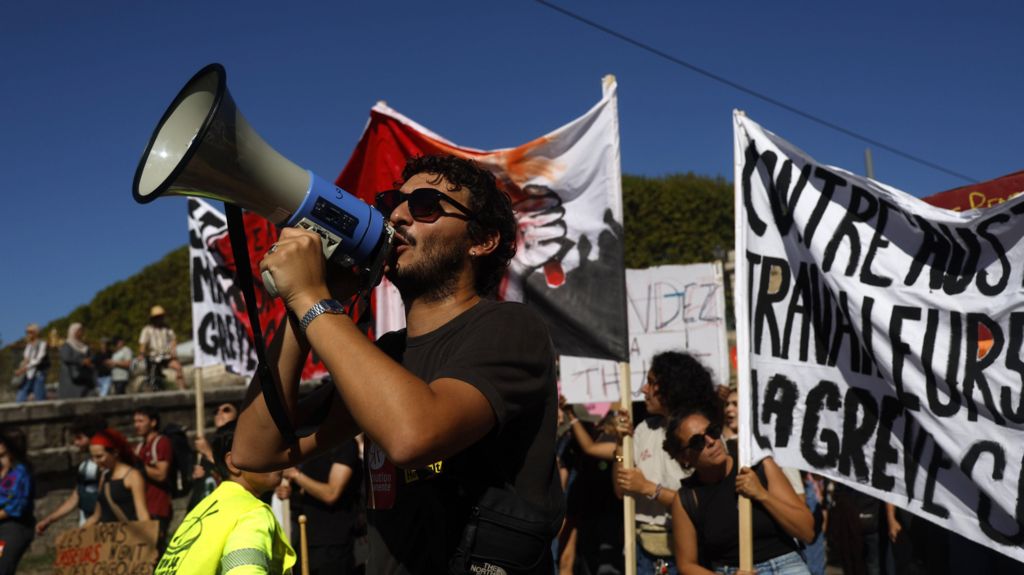
Workers across France strike over budget cut plans
France witnessed a massive wave of protests on Thursday as hundreds of thousands of workers, students, and pharmacists heeded the call of trade unions to demonstrate against proposed budget cuts. The interior ministry estimated that between 600,000 and 900,000 people participated in nationwide demonstrations, prompting the deployment of 80,000 police officers to maintain order. The strikes, which severely disrupted public transport and blocked roads in major cities, come just a week after Sébastien Lecornu was appointed prime minister following the collapse of François Bayrou’s government. Unions are demanding increased public spending, higher taxes on the wealthy, and the abandonment of austerity measures outlined by Bayrou’s short-lived administration. Sophie Binet, leader of the General Confederation of Labour (CGT), emphasized the need for collective action to pressure the government into reversing policies perceived as favoring the rich. Meanwhile, outgoing Interior Minister Bruno Retailleau warned of a zero-tolerance approach to unrest, with 58 arrests reported by mid-morning. The protests follow last week’s demonstrations by the Bloquons Tout movement, which also caused widespread disruption. Lecornu, facing a divided parliament and mounting public debt, has yet to renounce the cuts entirely but is engaging in talks with opposition parties to seek a compromise. France’s public debt, equivalent to nearly €50,000 per citizen, remains a pressing concern, with previous prime ministers Barnier and Bayrou also ousted over similar austerity proposals.
-
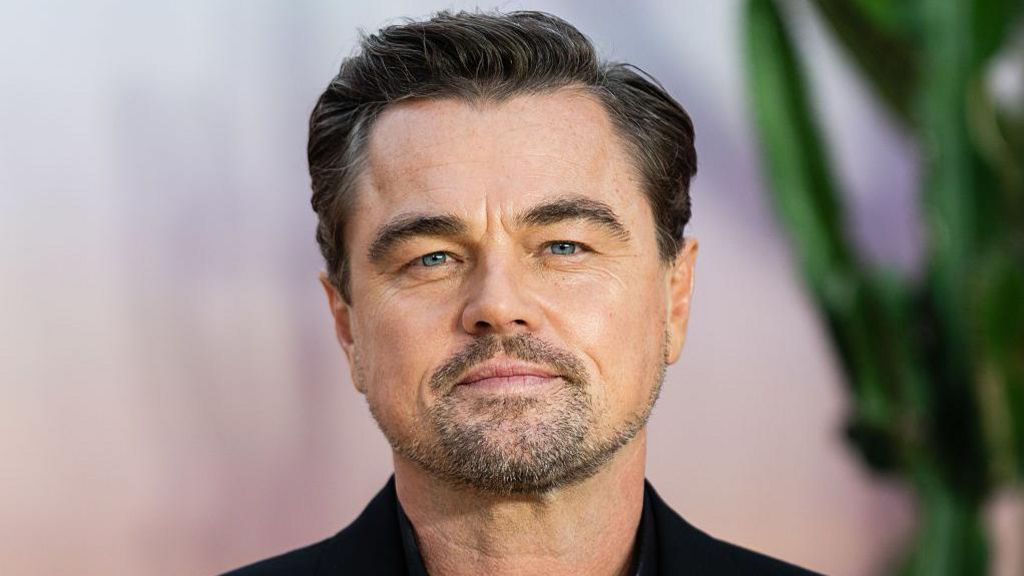
Leonardo DiCaprio on why his new film addresses ‘divisiveness in our culture’
Leonardo DiCaprio, the Oscar-winning actor, recently spoke to the BBC about the political undertones of his latest film, ‘One Battle After Another.’ Directed by Paul Thomas Anderson, the film has been in development for over two decades and features an all-star cast including Benicio del Toro, Sean Penn, Teyana Taylor, and Regina Hall. DiCaprio plays Bob, a paranoid ex-revolutionary who must confront his past when his daughter goes missing. The film, loosely inspired by Thomas Pynchon’s 1990 novel ‘Vineland,’ blends political satire, black comedy, and action, offering a nuanced look at societal polarization. DiCaprio described the film as a reflection of the growing divisiveness in culture, stating, ‘It holds a mirror up to society and talks about the polarity.’ He emphasized that the film is ‘political without making it feel like medicine,’ highlighting its entertaining yet thought-provoking nature. Critics have lauded the film, with many praising DiCaprio’s performance as a flawed yet relatable protagonist. Benicio del Toro, who plays a martial arts instructor, expressed his excitement about working with DiCaprio, calling it a ‘dream come true.’ The film has received widespread acclaim, with reviewers hailing it as a ‘ferocious American masterpiece’ and a potential Oscar frontrunner. Anderson, known for his previous works like ‘Phantom Thread’ and ‘There Will Be Blood,’ is praised for his ambitious direction, with DiCaprio calling him a ‘visionary and seminal director.’
-
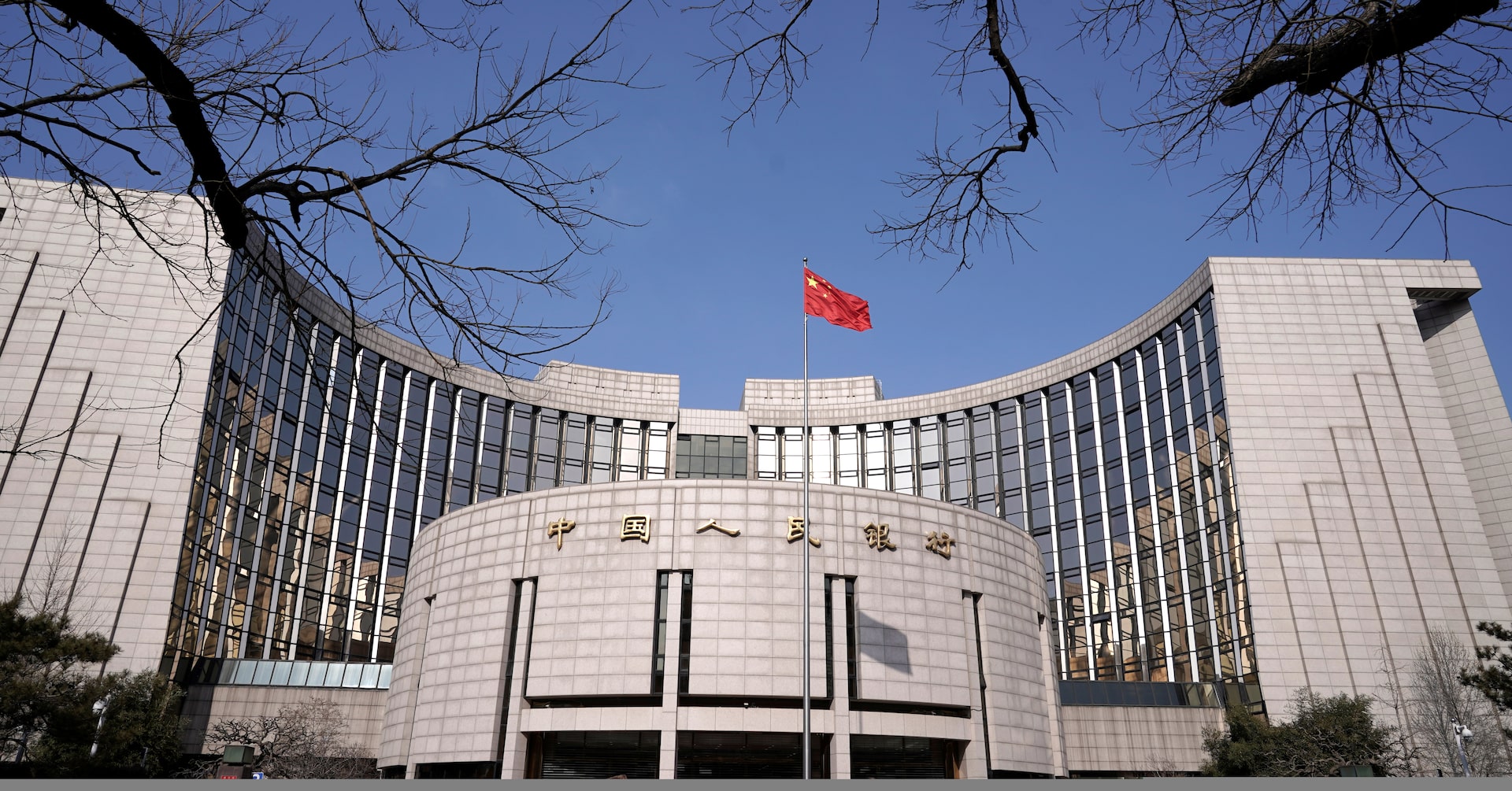
China leaves policy rate unchanged after Fed rate reduction
In a move signaling cautious monetary policy, the People’s Bank of China (PBOC) opted to maintain its key interest rate unchanged on Thursday, despite the U.S. Federal Reserve’s decision to cut rates earlier the same day. The PBOC injected 487 billion yuan ($68.56 billion) through seven-day reverse repos, keeping the rate steady at 1.40%. This decision comes amid resilient export performance and a significant stock market rally, which have provided policymakers with the flexibility to withhold additional stimulus measures. Analysts suggest that while China’s economy is experiencing a slowdown, the deceleration is less severe than anticipated. Goldman Sachs’ chief China economist, Hui Shan, noted that the resilience in exports is likely to persist, and the government may be deferring some planned policy support to next year. Despite recent economic data indicating challenges, experts like Nomura’s Ting Lu believe that major stimulus could risk inflating a stock bubble. However, a modest rate cut of 10 basis points may be considered in the coming weeks if market conditions warrant. China’s stock market has been performing strongly, with the Shanghai Composite Index nearing its 10-year highs. Some analysts anticipate potential monetary easing measures later this year to ensure the economy remains on track to meet its annual growth target of ‘around 5%.’ ANZ’s senior China strategist, Xing Zhaopeng, highlighted that while growth is slowing, it is not yet sufficient to undermine the annual target. The focus remains on long-term structural reforms and the upcoming Fourth Plenum in October, where policy priorities may shift back to short-term growth.
-
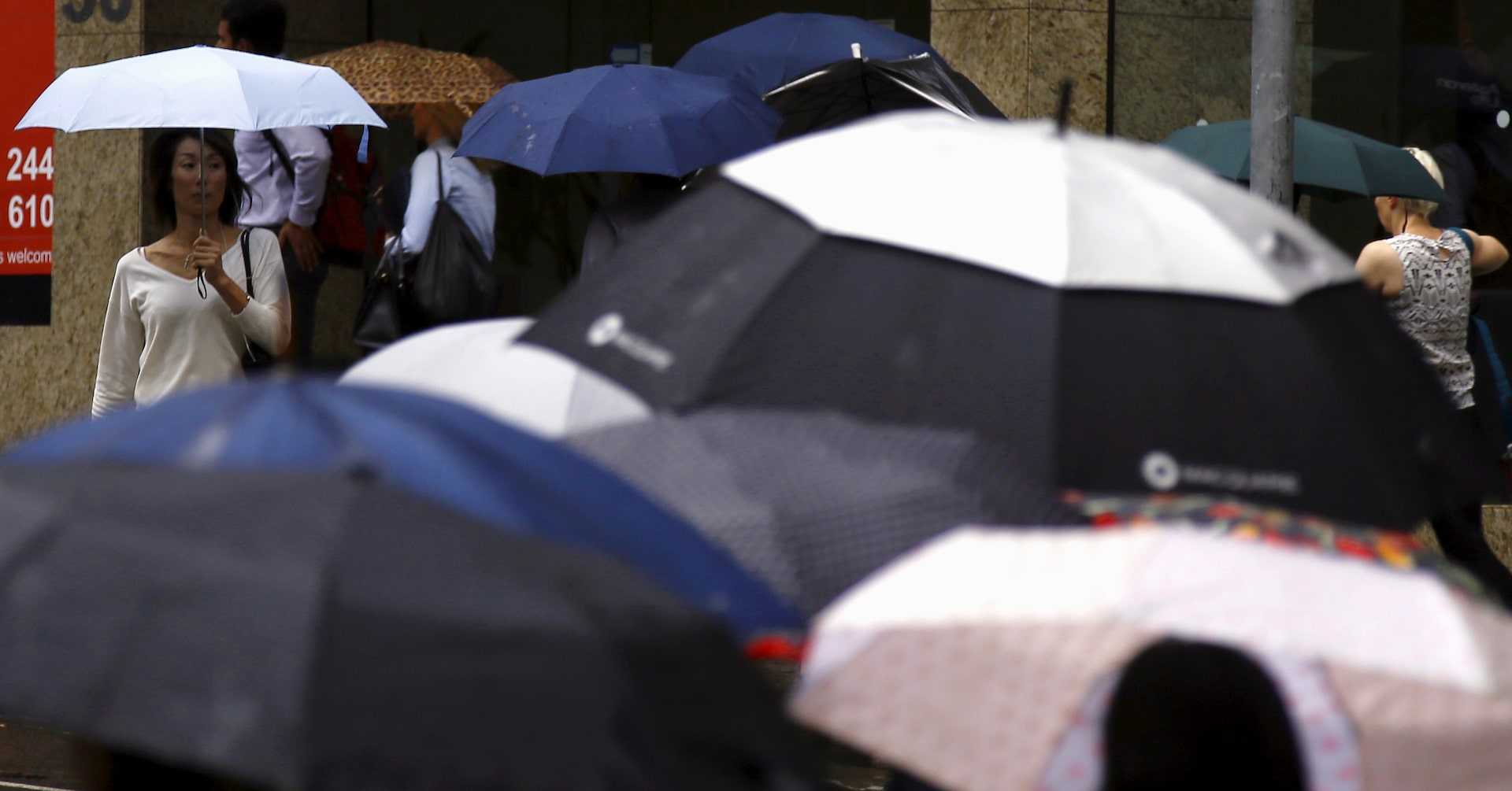
Australia employment unexpectedly falls in August, jobless rate steady
Australia’s labor market displayed unexpected weakness in August, with employment declining by 5,400 jobs, starkly contrasting the anticipated gain of 21,500. The jobless rate remained steady at 4.2%, a figure still considered low by historical standards, while annual jobs growth slowed to 1.5% from 3.5% at the start of 2025. The Australian dollar dipped slightly by 0.2% to $0.6637, and three-year bond futures rose by 3 ticks to 96.6, reflecting market reactions to the mixed economic signals. The Reserve Bank of Australia (RBA) is expected to maintain its current interest rate stance this month, with a potential rate cut in November being 75% priced in by investors. The RBA has adopted a cautious approach to policy easing, having already implemented cuts in February, May, and August, as inflation returned to the target band of 2-3%. Despite the recent dip, leading indicators of labor demand remain robust, with job ads stabilizing above pre-pandemic levels and business surveys reflecting optimism. However, major banks like ANZ and National Australia Bank have announced significant job cuts, signaling potential challenges ahead for the labor market.
-
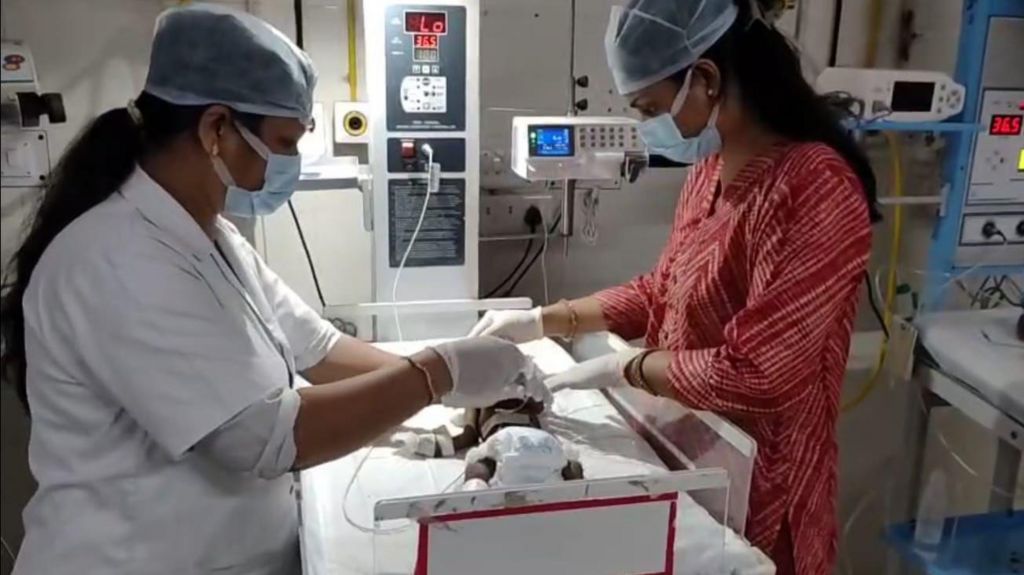
India 20-day-old baby girl found buried fighting for life
A harrowing incident in Uttar Pradesh, India, has drawn global attention after a 20-day-old baby girl was discovered buried alive in the Shahjahanpur district. The infant was found by a shepherd who, while grazing his goats, heard faint cries emanating from beneath a mound of earth. Upon closer inspection, he noticed a tiny hand protruding from the soil. The shepherd immediately alerted villagers, who subsequently called the police. Authorities arrived promptly and rescued the infant, who was rushed to the neonatal intensive care unit of a government-run hospital. Hospital officials report that the baby is in critical condition, battling severe infections and complications from the ordeal. Dr. Rajesh Kumar, the principal of the medical college, stated that the infant was brought in covered in dirt, with mud lodged in her mouth and nostrils, causing oxygen deprivation. Despite initial signs of improvement, her condition has since worsened due to infections and insect bites. Dr. Kumar emphasized that the baby’s wounds appeared fresh, suggesting she was buried shortly before being discovered. A team of specialists, including a plastic surgeon, is working tirelessly to save her life. Police have yet to identify the perpetrators, but the incident highlights the persistent issue of gender-based violence in India, where a cultural preference for male children has led to widespread female infanticide and abandonment. This case is not isolated; in 2019, a premature newborn girl was found buried alive in a clay pot, though she eventually recovered. India’s skewed gender ratio, one of the worst globally, is a consequence of deep-rooted social discrimination against girls, who are often viewed as financial burdens. Activists argue that illegal sex-selective abortions and post-birth killings of female infants remain prevalent, particularly in impoverished communities. The baby’s plight has reignited calls for stricter enforcement of laws against gender-based violence and greater societal change to address this ongoing crisis.