作者: admin

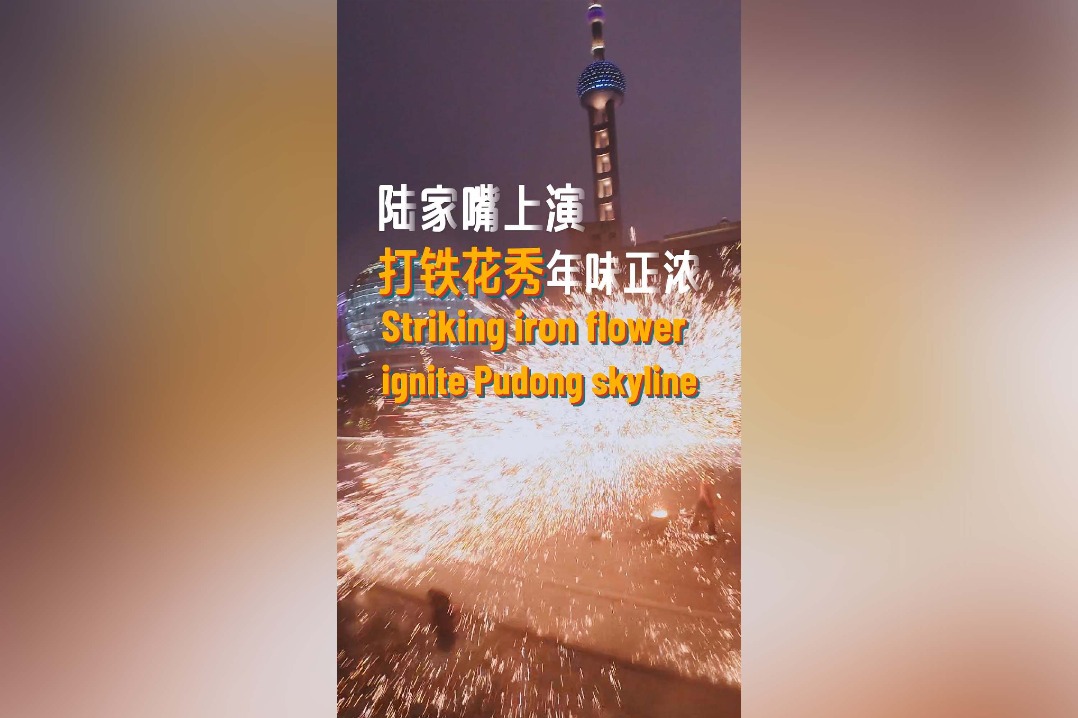
  • Striking iron flower ignites Pudong skyline

    Striking iron flower ignites Pudong skyline

    China Daily Information Co (CDIC) has established stringent copyright protection protocols for all digital content published through its platforms. The comprehensive policy explicitly prohibits unauthorized republication or utilization of any materials—including textual content, photographs, and multimedia information—without obtaining prior written consent from CDIC.

    The company has implemented technical specifications recommending 1024*768 or higher display resolution for optimal viewing experience. CDIC maintains formal publishing accreditation under License 0108263 and operates with official registration number 130349, underscoring its status as a regulated information provider.

    Beyond content protection measures, the organization facilitates multiple engagement channels including corporate advertising opportunities, direct contact protocols, and career placement services catering to both domestic and expatriate professionals. The company further maintains active presence across various social media platforms to enhance audience connectivity.

  • Mirasi Group drives Mauritius’ urban transformation through visionary real estate investments

    Mirasi Group drives Mauritius’ urban transformation through visionary real estate investments

    Mirasi Group has established itself as a transformative force in real estate development across the Indian Ocean region, leveraging four decades of entrepreneurial expertise to reshape urban landscapes in Mauritius and Madagascar. Under the strategic guidance of Deputy CEO Yohan Ismael, the diversified conglomerate is executing an ambitious vision that integrates mixed-use developments, retail management, and long-term investment strategies to create comprehensive urban ecosystems.

    The Group’s philosophy centers on creating value for both investors and local communities through developments that combine strong governance with family-oriented values. This approach has positioned Mirasi as a preferred partner for international investors seeking exposure to Africa’s growing markets through Mauritius’ stable economic environment.

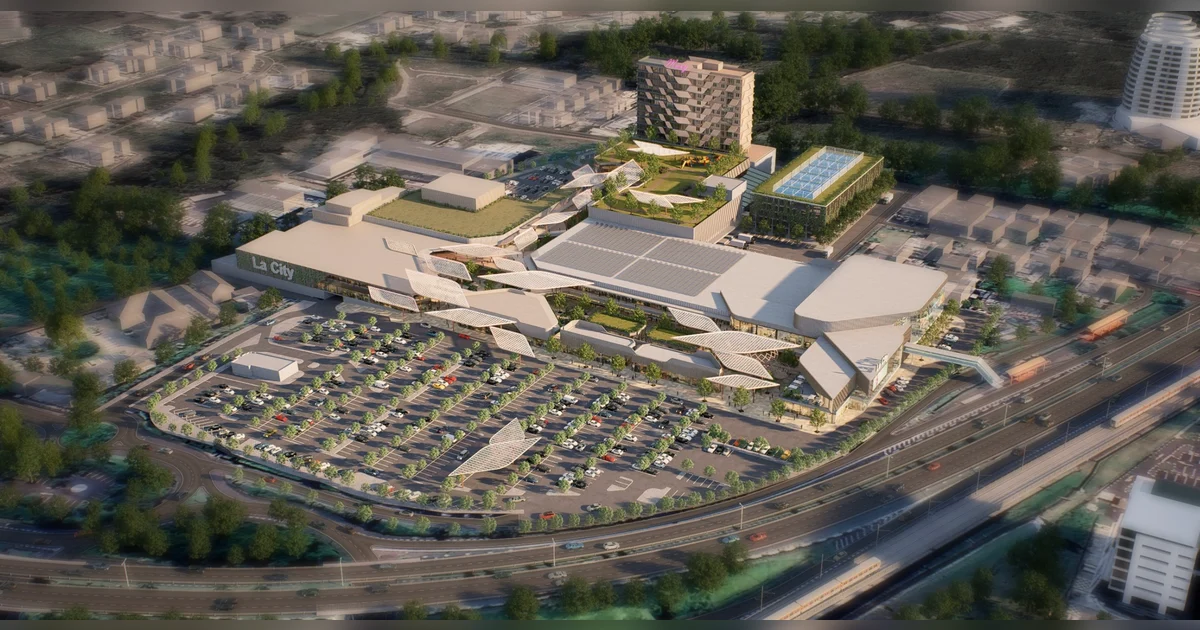
    Central to Mirasi’s transformation strategy is the comprehensive redevelopment of La City Trianon into a next-generation lifestyle destination. The project will incorporate retail spaces, entertainment venues, wellness facilities, diverse dining options, modern workspaces, and hospitality services. The upcoming addition of a Marriott-affiliated business hotel will further establish Trianon as a premier business district, catering to both regional travelers and local professionals.

    In residential real estate, Mirasi is addressing Mauritius’ growing demand for premium living through projects like OryView Residence, which offers modern, secure, and amenity-rich apartments. The company’s pipeline includes additional villa developments and residential communities, alongside ambitious plans for eco-luxury resorts designed to elevate the island’s tourism infrastructure.

    The Group’s expansion strategy extends to Madagascar through landmark projects including Mirasi Tower in Antananarivo, while utilizing Mauritius as a strategic gateway for planned entry into East African markets. This regional approach demonstrates Mirasi’s commitment to long-term growth across developing markets.

    For international investors, particularly those from Gulf regions, Mirasi offers access to Africa’s growth story through Mauritius’ political stability, robust connectivity, and favorable investment climate. The Group emphasizes partnerships with investors who share their vision for sustainable, high-impact developments that will define the next chapter of urban development across the Indian Ocean region.

  • Xi’s military purge is not really about corruption

    Xi’s military purge is not really about corruption

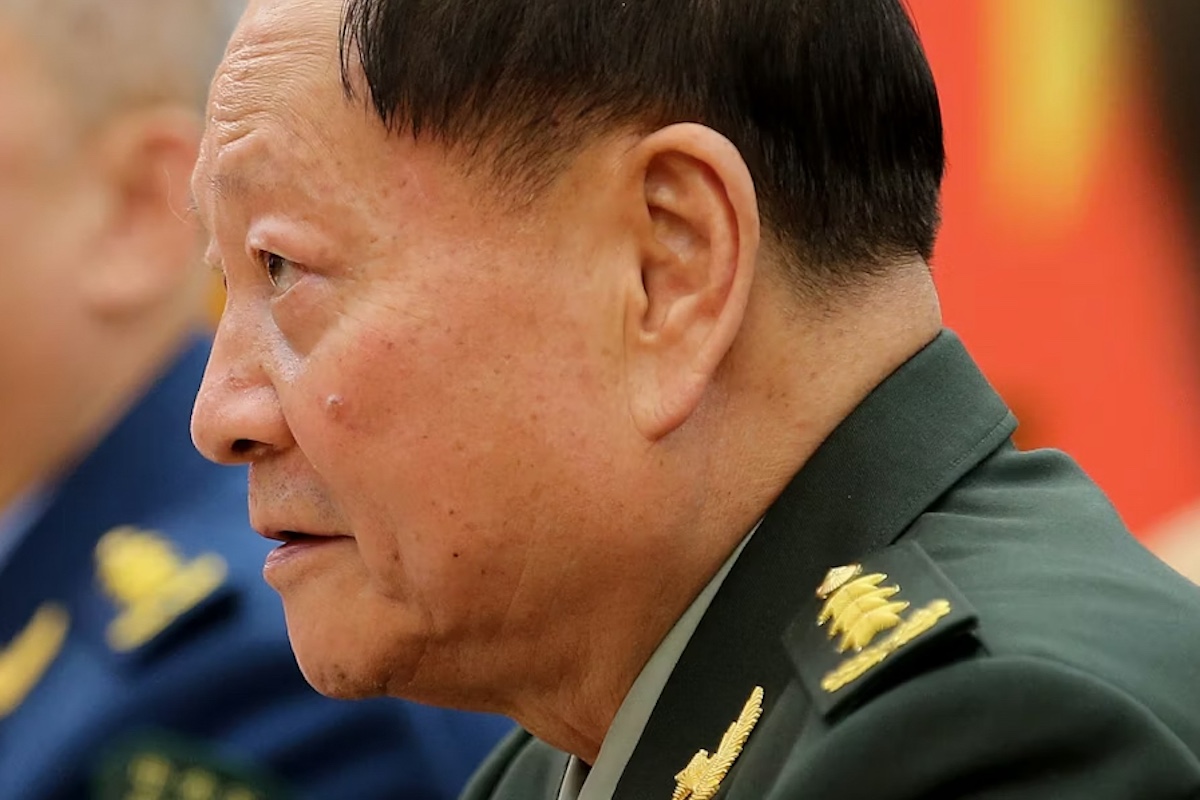
    China’s military command structure has undergone another significant transformation with the removal of General Zhang Youxia from his position as Vice Chairman of the Central Military Commission (CMC) on January 23. This development leaves only one of the original seven CMC members appointed three years ago still in office, marking one of the most substantial leadership overhauls in recent Chinese military history.

    President Xi Jinping, who chairs the CMC, has demonstrated a consistent pattern of removing senior officials throughout his tenure. This approach dates back to the early 2010s when several high-ranking Party members, including Politburo member Bo Xilai and security chief Zhou Yongkang, were purged under anti-corruption campaigns. The Party’s slogan at the time emphasized that ‘tigers’ (high-ranking officials) were equally vulnerable as ‘flies’ (lower-level officials) in the anti-graft drive.

    The recent focus has shifted to the People’s Liberation Army (PLA), which has experienced abrupt personnel changes. The disappearance and subsequent removal of Defense Minister Li Shangfu in mid-2023 preceded the current shakeup. According to the People’s Daily, the official Party newspaper, General Zhang and fellow CMC member Liu Zhenli were formally accused of exacerbating political and corruption issues that threatened Party control over the military.

    While speculation about internal power struggles continues, including unverified claims about nuclear secrets and coup attempts, what remains evident is the PLA’s ongoing structural challenges. General Zhang, in his seventies, represented one of the few senior military figures with actual combat experience from the Vietnam War. Despite reported personal connections to Xi through their shared Shaanxi province origins, personal relationships appear secondary to political objectives in China’s highest leadership circles.

    The timing of these changes is particularly significant as China faces multiple challenges, including economic pressures, demographic issues, and increasing international uncertainty. The performance of Russian forces in Ukraine has reportedly caused concern among Chinese leadership about their own military’s capabilities, particularly regarding potential operations against Taiwan.

    President Xi’s demand for absolute loyalty and battle readiness appears to be driving these personnel decisions. The coming year is expected to bring generational changes throughout China’s leadership structure, with significant implications for the country’s military posture and broader political direction.

  • The F1, football and NFL figures who kept Epstein links after conviction

    The F1, football and NFL figures who kept Epstein links after conviction

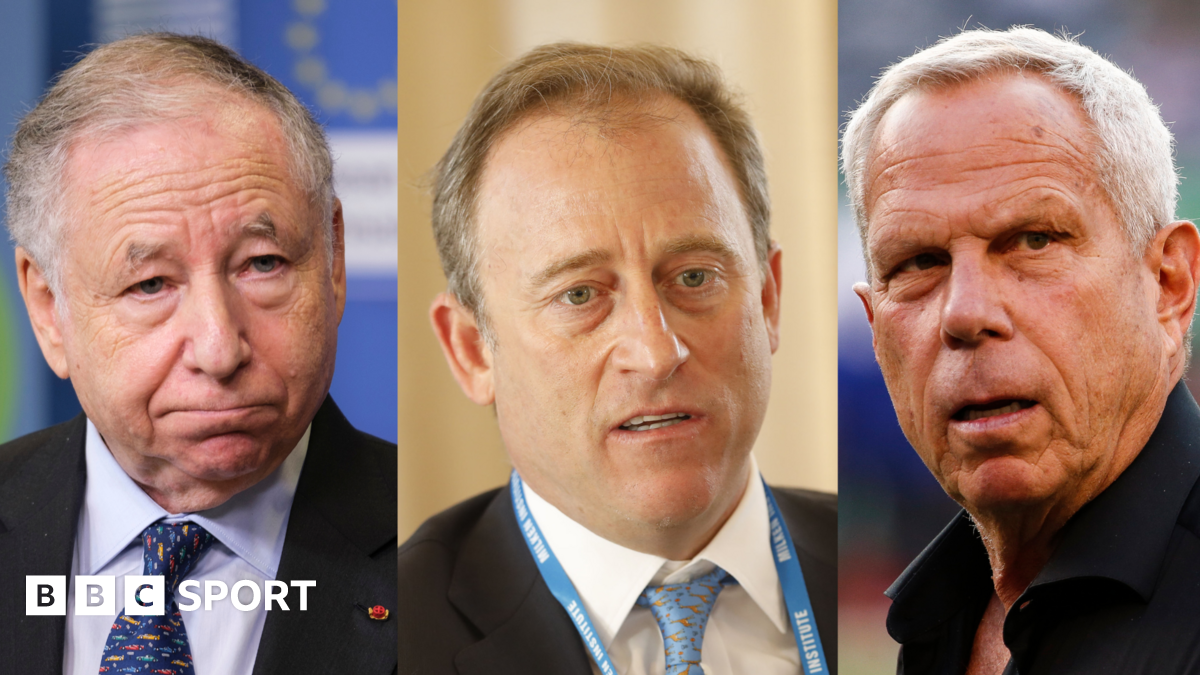
    Newly unsealed court documents reveal sustained connections between prominent sports executives and convicted sex offender Jeffrey Epstein long after his 2008 criminal conviction. The files, released last Friday, contain extensive email and text communications showing relationships between Epstein and leaders across Formula 1, NFL ownership, and European football.

    Among the most detailed correspondences are emails between Epstein and Jean Todt, former Ferrari team principal and FIA president. Records indicate Todt visited Epstein’s New York residence in 2017, with their introduction facilitated by Norwegian diplomat Terje Rod-Larsen. The exchange shows Todt expressing willingness to continue their acquaintance, inviting Epstein to contact him during future visits to Paris or Geneva.

    The documents further reveal communications involving Alpine F1 executive Flavio Briatore, whom Epstein referred to as ‘my Italian friend’ in discussions about potential aircraft purchases and property transactions. Crystal Palace investor Josh Harris maintained email and phone contact with Epstein through 2016, despite his representatives claiming Harris sought to avoid developing a corporate relationship.

    Notably, New York Giants co-owner Steve Tisch exchanged emails with Epstein that included discussions about arranging meetings with women. In one 2013 message, Epstein offered to ‘bring the Russian,’ to which Tisch responded ‘is she fun?’ Tisch has since expressed regret over the association.

    The files also detail pre-conviction communications between sports figures and Ghislaine Maxwell, including sexually charged emails from Casey Wasserman, chairman of the Los Angeles 2028 Olympics. While many named individuals have issued statements expressing regret, several major sports organizations including the NFL are considering formal investigations into the conduct of their executives.

  • Hyvec Group: Building Mauritius’s future through vision, innovation and resilience

    Hyvec Group: Building Mauritius’s future through vision, innovation and resilience

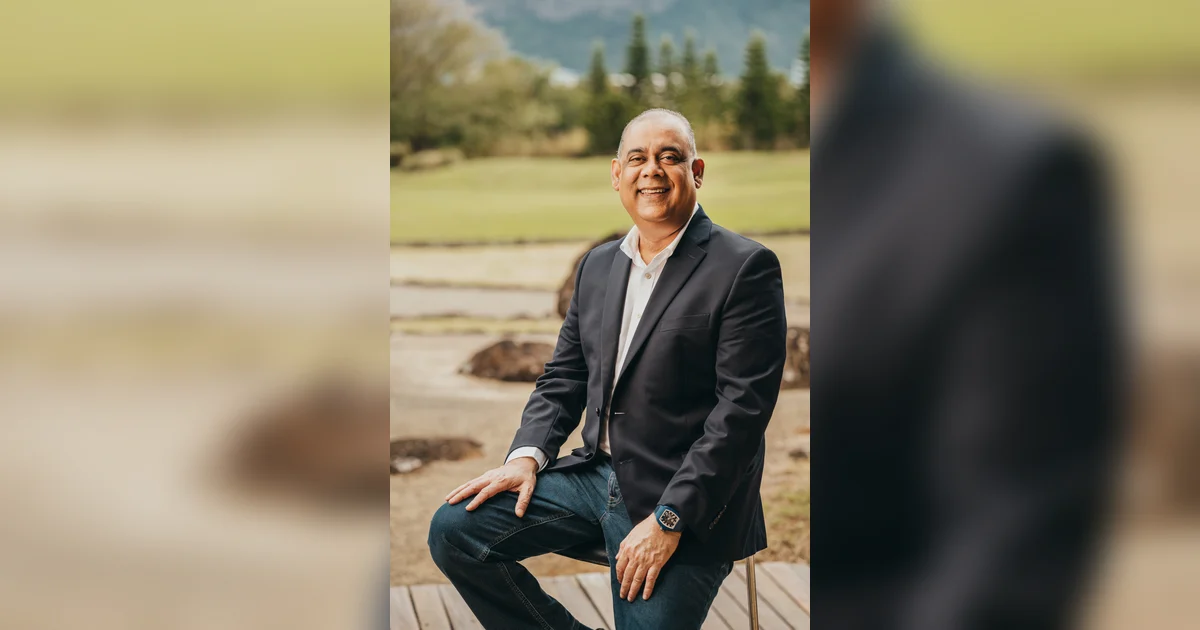
    For over three decades, Hyvec Group has been instrumental in shaping Mauritius’ economic landscape, evolving from its foundational construction roots into a multifaceted business empire. Established in 1993 by visionary entrepreneur Nawaz Khan Chady, the organization has grown into one of the Indian Ocean nation’s most dynamic corporate entities, currently employing more than 2,000 professionals across its diversified portfolio.

    The conglomerate’s strategic expansion spans five core sectors: Construction & Property Development, Retail & Distribution, Finance & Investment, Leisure & Hospitality, and Food Services. This deliberate diversification strategy, guided by principles of hard work, integrity, and innovation, has positioned Hyvec as a critical contributor to Mauritius’ development while facilitating regional expansion across the Indian Ocean and Middle Eastern markets.

    Hyvec’s retail division represents an impressive portfolio of international luxury brands including Ralph Lauren, Montblanc, Armani, Calvin Klein, Tommy Hilfiger, Hackett London, and GANT. The group further strengthens its consumer presence through partnerships with Kohler in home design and Burger King in the quick-service restaurant segment.

    Despite its diversified nature, construction remains central to Hyvec’s operational identity. Through Hyvec Construction and Hyvec Properties, the organization has significantly influenced Mauritius’ urban development, delivering projects ranging from public infrastructure and social housing to luxury residences and commercial complexes. The group’s technical capabilities have been enhanced through collaborations with international construction leaders like Stefanutti Stocks.

    Hyvec’s hospitality footprint is expanding dramatically with four simultaneous hotel developments, including a landmark Ritz-Carlton property under the Marriott Group and the imminent opening of Courtyard by Marriott Ebène. These projects, alongside flagship developments like the One&Only Le St Géran villas and the upcoming WESS Mall in Rose-Belle, demonstrate the group’s commitment to blending global standards with local craftsmanship.

    The organization integrates cutting-edge technologies such as Building Information Modeling (BIM) and sustainable engineering practices into its operations, emphasizing energy efficiency and environmental responsibility. Beyond commercial success, Hyvec has made substantial contributions to national infrastructure, including the delivery of 750 social housing units and the Melrose Prison complex.

    Chairman Nawaz Khan Chady emphasizes the importance of public-private partnerships in driving national development: “We bring efficiency, expertise, and innovation to complement the government’s infrastructure vision.” The group maintains a strong commitment to social responsibility through youth training programs and community support initiatives.

    Looking toward future growth, Hyvec identifies significant opportunities for expansion into African and Middle Eastern markets, particularly in construction, property investment, and hospitality sectors. The group anticipates strengthened collaboration with UAE partners, leveraging Mauritius’ strategic location and stability alongside Gulf innovation and investment capital.
  • TDB Group: Supporting Africa’s trade, integration and sustainable development

    TDB Group: Supporting Africa’s trade, integration and sustainable development

    Since its establishment in 1985, the Trade and Development Bank Group (TDB Group) has transformed from addressing Africa’s critical financing shortages into a premier multilateral financial institution driving continental progress. With a formidable asset portfolio exceeding $10 billion and shareholder capital of approximately $2.3 billion, the Group boasts an impressive network of over 80 sovereign and institutional shareholders across its subsidiaries.

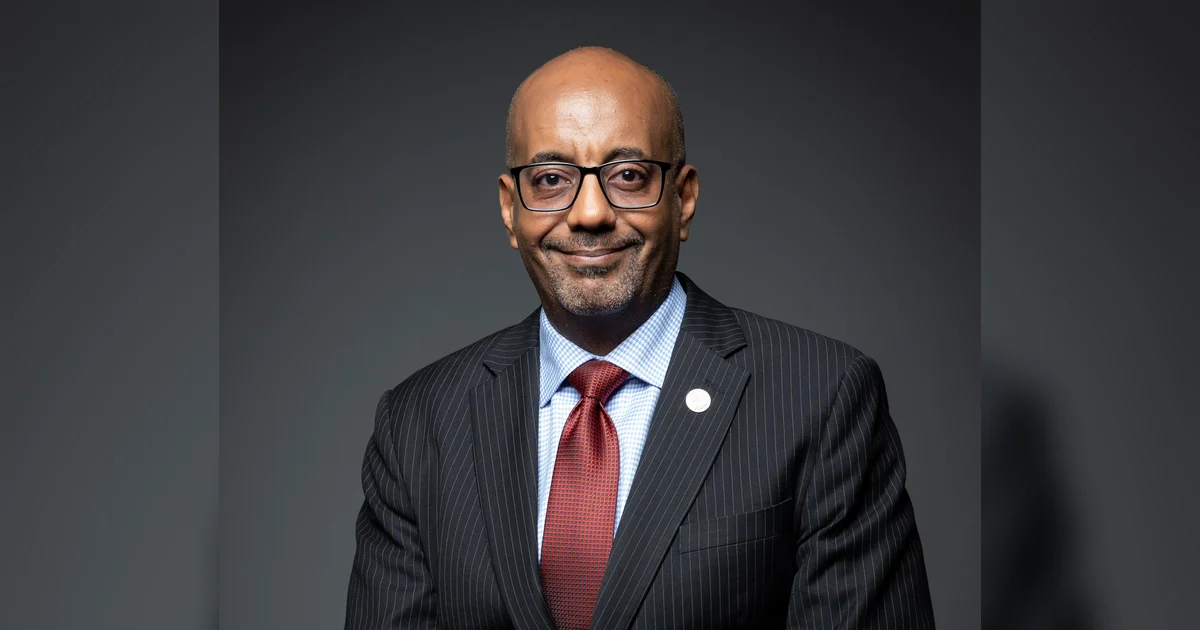
    Over four decades of operation, TDB Group has deployed a cumulative $58 billion in financing and guarantee facilities, creating tangible impact through the support of more than 1.3 million jobs and directly benefiting an estimated 16 million people across Africa. This remarkable growth trajectory has been orchestrated under the strategic leadership of Group President and Managing Director Admassu Tadesse, who has implemented comprehensive governance, capital, and organizational reforms.

    A watershed moment arrived in 2017 when TDB achieved its inaugural investment-grade credit ratings, fundamentally enhancing its capacity to channel global capital into African markets on favorable terms that individual nations might struggle to secure independently. This financial credibility has positioned the institution as a critical intermediary connecting international investors with Africa’s development ambitions.

    The Group’s operational focus spans three pivotal areas: financing intra-African trade, strengthening industrial value chains, and developing cross-border infrastructure. Notable initiatives include facilitating fertilizer trade between Morocco and Ethiopia, alongside substantial investments in manufacturing, railway networks, energy projects, and digital connectivity infrastructure.

    Tadesse emphasizes the strategic alignment with continental integration goals, stating: ‘Sustainable development in Africa centres on economic integration,’ highlighting the institution’s synchronization with African Continental Free Trade Area objectives.

    Mauritius has emerged as a strategic operational hub, hosting critical Group functions including asset management and captive insurance platforms alongside conventional development banking operations. From this Indian Ocean base, TDB mobilizes regional and global capital—including significant investments from Gulf partners—to advance Africa’s sustainable development agenda through both commercial and concessional financing instruments.

  • Axis Fiduciary: Trusted first partner powering Mauritius’ global financial ambitions

    Axis Fiduciary: Trusted first partner powering Mauritius’ global financial ambitions

    In the competitive landscape of global finance, Mauritius has emerged as a formidable international financial center, with Axis Fiduciary Ltd. positioned as a pivotal force behind this transformation. Established in 2008 through a collaboration between BLC Robert & Associates and CEO Assad Abdullatiff, the firm has engineered a unique integrated model combining legal expertise with comprehensive fiduciary services.

    Axis’s operational philosophy centers on three core pillars: fund formation and administration, corporate establishment services, and private client solutions including trusts and family offices. With nearly 250 professionals managing over 1,500 legal structures worldwide, the firm has become instrumental in channeling investments into African markets while maintaining rigorous compliance standards.

    The jurisdiction’s appeal rests on its political stability, robust regulatory framework, and tax efficiency—attributes that Axis has consistently reinforced through strategic partnerships with global law firms, banks, and asset managers. This alignment with international best practices has established Mauritius as a trusted gateway for cross-border investments, particularly between Asia and Africa.

    In an era of escalating regulatory complexity, Axis operates under an uncompromising ‘comply first’ mandate. The firm maintains stringent client vetting procedures, working exclusively with pre-approved intermediaries to preserve jurisdictional integrity. This compliance-first approach is supported by advanced technological infrastructure, including the proprietary Cypress platform which integrates AI and automation to enhance operational efficiency and data security.

    Beyond traditional services, Axis has embraced the growing demand for sustainable finance, embedding ESG and EDI principles within its operations. The firm supports impact-driven investors through specialized frameworks for measuring and reporting developmental outcomes, while simultaneously administering charitable foundations focused on African initiatives.

    With physical presence in Mauritius, Seychelles, UAE, and India—plus representatives in Kenya and Luxembourg—Axis has developed a multi-jurisdictional footprint that reflects the complex nature of modern cross-border investment. The firm identifies particularly strong synergies between Mauritius and Gulf states, especially for clients targeting African markets or pursuing international expansion.

    As Mauritius continues to evolve as a sophisticated financial hub, Axis Fiduciary remains anchored to its founding vision: delivering bespoke, technology-enabled solutions grounded in regulatory strength and long-term partnership—a testament to how specialized fiduciary services can power a nation’s global financial ambitions.

  • Details of Jeffrey Epstein post-mortem released in latest files

    Details of Jeffrey Epstein post-mortem released in latest files

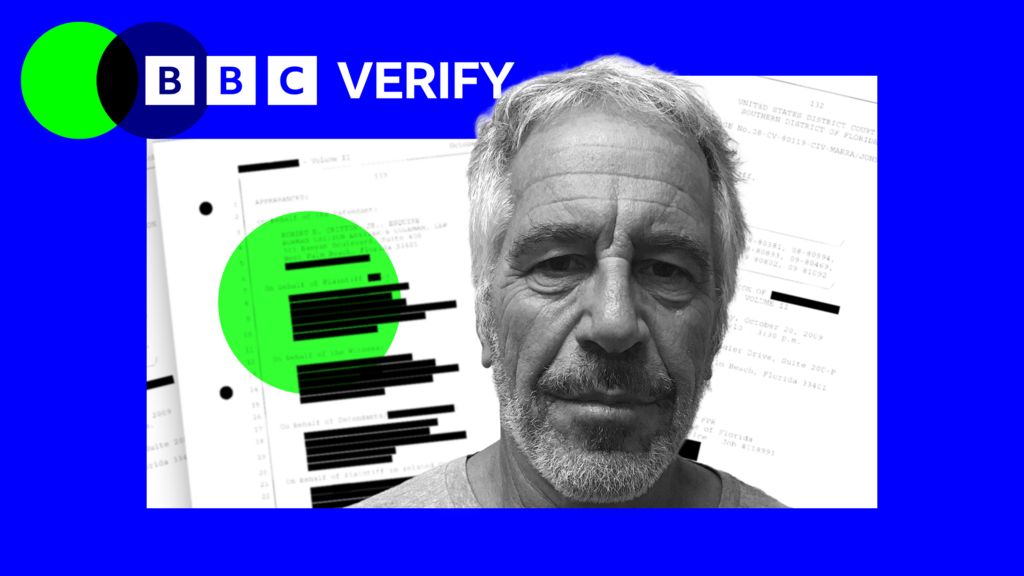
    The U.S. Department of Justice has released previously undisclosed photographs depicting Jeffrey Epstein’s body being attended to by medical personnel immediately following his death in custody. These twenty images, many deemed too graphic for public dissemination, form part of a declassified FBI investigation into the financier’s controversial demise.

    The documents, published Friday among millions of Epstein-related files, include timestamps indicating the photos were taken at approximately 06:49 on August 10, 2019—roughly 16 minutes after guards found him unresponsive in his Metropolitan Correctional Center cell. The images show medical teams performing resuscitation efforts on Epstein while he lay on a stretcher, with visible neck injuries clearly documented in close-up shots.

    BBC Verify conducted extensive forensic analysis of the released materials, confirming these particular images had not previously appeared online prior to January 30. The verification process included reverse image searches and cross-referencing with accompanying documents such as an 89-page post-mortem report filed by New York’s Office of Chief Medical Examiner.

    The comprehensive FBI report spans 23 pages and contains a detailed six-week timeline of Epstein’s incarceration from his July 6, 2019 arrest on sex trafficking charges until his death. Notably, the documents reveal Epstein was placed on suicide watch after an earlier July 23 incident where he allegedly accused his cellmate—Nicholas Tartaglione, a former police officer facing murder charges—of attempting to kill him.

    Contradicting his documented mental state, psychological evaluations from July 24 show Epstein stating he had “no interest in killing myself” and that suicide “would be crazy.” The following day, he reportedly told psychologists he was “too vested in my case to fight it” and wanted to return to living his life.

    Critical security failures emerge in the documentation: prison guards failed to conduct scheduled checks at 03:00 and 05:00 on the night of Epstein’s death, the camera system in his unit was nonfunctional, and his cellmate had been transferred the previous day—contrary to the warden’s specific recommendations against housing Epstein alone.

    The release includes both redacted and unredacted versions of the FBI report, though the Justice Department has not clarified why both versions were included. Both the FBI and DoJ declined to provide additional commentary regarding the newly public documents.

  • Bridging Sri Lanka and the region from DIFC

    Bridging Sri Lanka and the region from DIFC

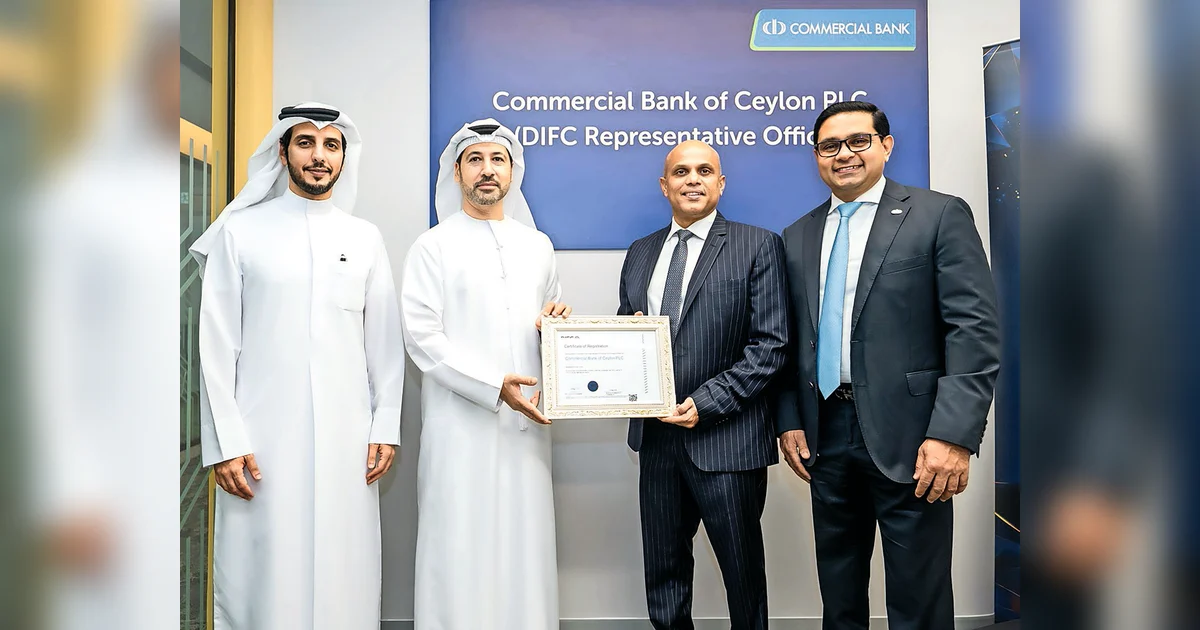
    In a landmark move for Sri Lankan banking, Commercial Bank of Ceylon PLC has established its inaugural Middle Eastern presence with a Representative Office at Dubai International Financial Centre (DIFC). This strategic placement, finalized last year, marks the first regional foothold by any Sri Lankan financial institution within this globally recognized financial ecosystem.

    The newly operational office, situated at Level 3 of Gate Village Building 4, positions the bank at the core of one of the world’s most dynamic and rigorously regulated financial environments. DIFC serves as the principal financial gateway for the Middle East, Africa, and South Asia (MEASA) region, facilitating crucial connections between emerging markets and international trade corridors.

    While the Representative Office will not conduct transactional banking services, it functions as a vital liaison for corporations, entrepreneurs, and investors from Sri Lanka, Bangladesh, and the Maldives with operational interests in the UAE. The office will provide comprehensive information regarding the bank’s corporate banking solutions, trade finance instruments, SME banking services, and digital financial platforms.

    Chairman Sharhan Muhseen characterized this expansion as a natural progression of the bank’s international strategy. ‘As Sri Lanka’s premier private-sector bank, we are committed to supporting our clients’ global growth trajectories,’ Muhseen stated. The DIFC presence significantly enhances the bank’s capacity to cultivate closer relationships with Middle Eastern partners while solidifying its reputation as a trusted regional banking entity.

    Managing Director Sanath Manatunge emphasized the strategic advantages of operating within a globally respected financial center. ‘This office provides an exceptional platform to demonstrate our capabilities, facilitate cross-border business needs, and drive sustainable growth through intensified regional engagement,’ Manatunge explained.

    The expansion reinforces Commercial Bank’s position as the Sri Lankan bank with the most extensive international network, encompassing 20 branches in Bangladesh, a Tier I commercial bank in the Maldives, and a microfinance institution in Myanmar. These assets enable the bank to effectively support cross-border trade, investment flows, and regional supply chain operations – capabilities increasingly crucial for businesses operating between South Asia and the Middle East.

    Commercial Bank of Ceylon maintains several distinguished credentials: first Sri Lankan bank to achieve $1 billion market capitalization, inclusion in the Global Top 1000 Banks ranking, and recognition as the nation’s first fully carbon-neutral banking institution. The bank continues to lead in digital innovation while maintaining its status as Sri Lanka’s most awarded and respected financial organization.

  • Son of Norway’s crown princess chokes back tears giving evidence at rape trial

    Son of Norway’s crown princess chokes back tears giving evidence at rape trial

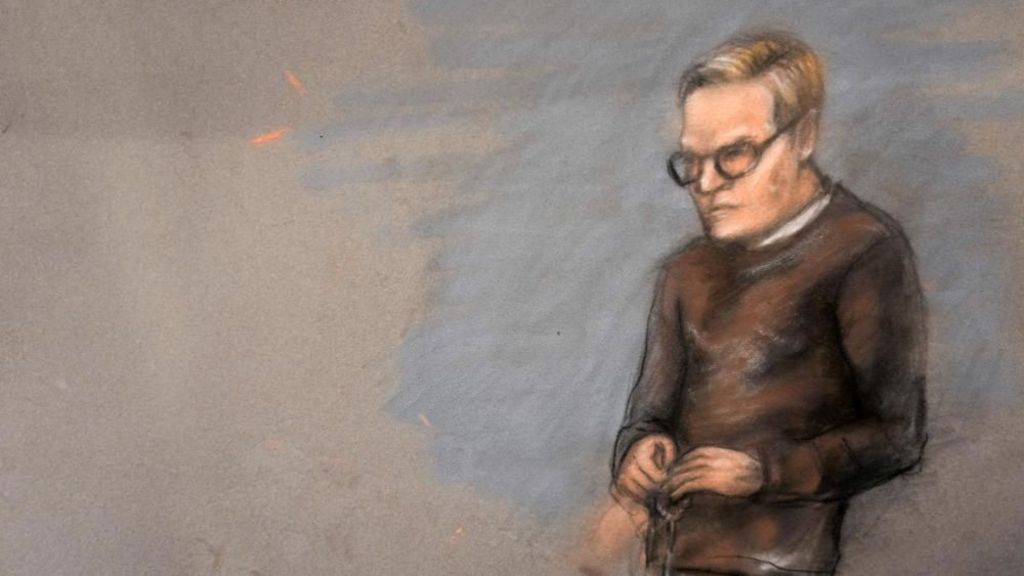
    In a tense Oslo courtroom, Marius Borg Høiby, the 29-year-old son of Norway’s Crown Princess Mette-Marit, delivered emotional testimony at his trial facing four rape charges and approximately thirty additional criminal allegations. The defendant appeared visibly overwhelmed throughout the proceedings, frequently pausing to remove his glasses and wipe tears from his eyes while describing the intense media scrutiny he has endured since childhood.

    Høiby’s testimony followed earlier statements from his first alleged rape victim, who testified under protection of anonymity about experiencing complete memory loss after what she believes was being drugged at a December 2018 gathering in the basement of his parents’ residence. The woman described profound feelings of ‘betrayal and shock’ upon later viewing police evidence containing videos allegedly showing sexual assault occurring shortly after initial consensual contact.

    During his half-hour uninterrupted statement, Høiby acknowledged extensive involvement with drugs and alcohol while articulating what he characterized as an ‘extreme need for validation’ stemming from his public identification primarily as ‘his mother’s son.’ The defendant detailed meeting his first accuser at a social event where he reportedly used cocaine for the initial time, though he maintains innocence regarding all criminal charges.

    The trial unfolds amid simultaneous royal controversy involving Crown Princess Mette-Marit, who recently postponed private travels indefinitely following revelations of her extensive three-year correspondence with convicted American sex offender Jeffrey Epstein. Palace officials confirmed the postponement without elaboration while the royal household faces mounting criticism over the informal tone of these communications.

    Although born prior to his mother’s marriage into royalty, Høiby holds no formal royal status or public position. His court appearance followed overnight hospitalization rather than return to detention facilities, with observers noting visible trembling during earlier proceedings. The three-judge panel heard testimony while two alleged victims observed from the courtroom’s left section, though Høiby avoided visual contact with them throughout his statement.