作者: admin

  • Trade leaders stay bullish on 2026 despite rising barriers

    Trade leaders stay bullish on 2026 despite rising barriers

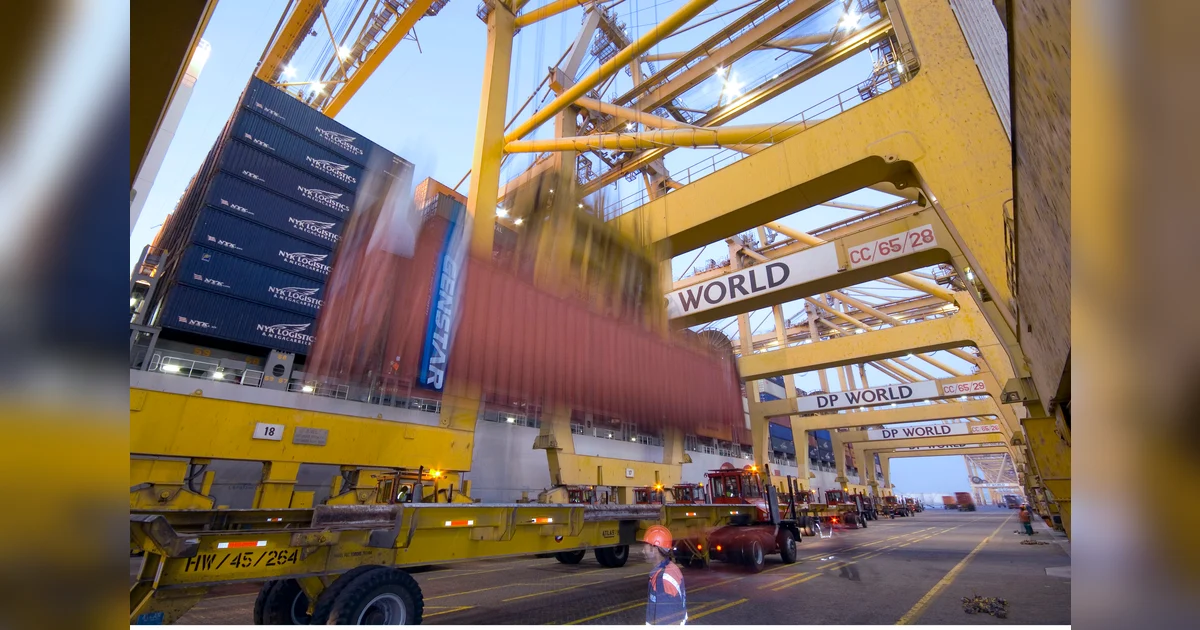
    Despite mounting geopolitical tensions and policy uncertainties, global trade leaders are demonstrating remarkable optimism for 2026, with 94% of senior supply chain executives anticipating growth rates that will match or surpass 2025 levels. This confident outlook emerges from DP World’s comprehensive Global Trade Observatory Annual Outlook, presented during the World Economic Forum in Davos, which surveyed 3,500 executives across 19 countries and eight industries.

    The research reveals a striking divergence between corporate sentiment and institutional projections. While the International Monetary Fund forecasts a decline in global merchandise trade growth from 3.6% in 2025 to 2.3% in 2026, more than half (54%) of business leaders actually expect accelerated expansion. This optimism persists despite widespread recognition of challenges: 90% anticipate rising or sustained trade barriers, and 53% predict high policy uncertainty throughout 2026.

    Sultan Ahmed bin Sulayem, Group Chairman and CEO of DP World, characterized the trading environment as structurally complex rather than cyclical. He emphasized the company’s commitment to maintaining trade flow through strategic infrastructure investments and partnership development that enhance operational efficiency and reliability for customers.

    Regional analysis identifies Europe as the most promising growth area (22% of respondents), followed closely by China (17%), with Asia Pacific (14%) and North America (13%) also generating significant confidence. This regional optimism stems from anticipated European demand stabilization, China’s export resurgence in electric vehicles and renewable energy equipment, and expanding intra-Asian supply chains.

    The United Arab Emirates is emerging as a primary beneficiary of global trade realignment, with WTO projections indicating Middle Eastern outperformance in merchandise trade growth. UAE government data shows non-oil foreign trade exceeding Dh4.3 trillion in 2024, representing 14% year-on-year growth, fueled by comprehensive economic partnership agreements with over 20 nations and deepening integration with Asian and African markets.

    Corporate adaptation strategies are accelerating dramatically, with 51% of firms planning supplier diversification, 44% increasing inventory buffers, and 36% adopting friend-shoring approaches that prioritize politically aligned markets. UNCTAD estimates indicate more than $1.3 trillion in manufacturing investment announced globally since 2022 under supply chain reconfiguration programs.

    Route flexibility has become central to trade strategy, with 26% of executives planning new shipping routes in 2026 and another 23% actively evaluating alternatives. This shift is driven by cost reduction objectives, enhanced inland connectivity, and faster customs processing. The expansion of Asia-Europe overland corridors, Middle Eastern logistics hubs, and Africa-linked maritime routes reflects a strategic reduction in dependency on traditional maritime chokepoints.

    Border friction remains a critical constraint, with 60% of executives citing customs clearance as a primary cause of delays. Investments in warehousing, logistics hubs, road networks, and border processing infrastructure are prioritized as essential efficiency drivers. World Bank research indicates that reducing border processing time by just one day can increase trade volumes by up to 1%, strengthening the economic rationale for digital customs platforms and integrated clearance systems.

  • Dollar tumbles as investors reignite ‘Sell America’ trade

    Dollar tumbles as investors reignite ‘Sell America’ trade

    A dramatic selloff in U.S. dollar assets swept through global markets on Tuesday, January 20, 2026, as geopolitical tensions over Greenland sparked the most significant single-day dollar decline in over a month. The currency’s sharp downturn reverberated across multiple asset classes, highlighting renewed investor anxiety about American economic policy direction.

    The U.S. Dollar Index plummeted by 0.7%, representing its most substantial daily drop since mid-December. This decline was primarily triggered by the White House’s renewed threats toward European allies regarding Greenland’s future status, which simultaneously pressured U.S. stocks and government bonds while boosting the euro and British pound.

    Market analysts identified this movement as a resurgence of the ‘Sell America’ trade pattern that initially emerged following last April’s ‘Liberation Day’ tariff announcements. Tony Sycamore, market analyst at IG in Sydney, noted that investors are rapidly divesting from dollar-denominated assets due to ‘fears of prolonged uncertainty, strained alliances, and potential acceleration of de-dollarization trends.’

    The euro surged 0.8% to $1.1742, marking its strongest daily performance since September, while the pound gained 0.24% to trade at $1.346. Sterling received additional support from UK labor market data showing unemployment holding at a five-year high but with stabilizing vacancy numbers.

    Currency markets exhibited broad-based movements beyond major pairs. The Japanese yen recovered from overnight losses as European trading commenced, with the dollar declining 0.3% to 157.68 yen amid political uncertainty following Prime Minister Sanae Takaichi’s call for snap elections on February 8. The Swiss franc, traditionally a safe-haven asset, strengthened for a third consecutive day, pushing the dollar down 1.1% to 0.7885 francs.

    In Asian markets, the offshore Chinese yuan held steady at 6.952 per dollar, its weakest level since May 2023, following the People’s Bank of China’s decision to maintain benchmark lending rates unchanged for an eighth consecutive month. The Australian dollar advanced 0.48% to $0.675, approaching its strongest position since October 2024, while the New Zealand dollar climbed 0.77% to $0.584, reaching its highest level this year.

    Cryptocurrencies mirrored the traditional market turbulence, with Bitcoin falling 2% to $91,090 and Ether declining 3.3% to $3,104.

    Despite the dramatic market movements, some analysts suggested the ‘Sell America’ effect might prove temporary. Barclays strategist Lefteris Farmakis observed that ‘tariff threats are a marginal negative for the dollar in the near-term given long positions and still-low hedge ratios from a historical perspective,’ while cautioning that major escalation with NATO implications would present more significant challenges for the euro.

  • What is Trump’s ‘Board of Peace’?

    What is Trump’s ‘Board of Peace’?

    In a controversial diplomatic initiative, the Trump administration has formally proposed the establishment of an international ‘Board of Peace’ with extraordinary provisions granting former President Donald Trump permanent leadership authority. According to a charter document obtained by AFP, the organization would require nations to contribute up to $1 billion for permanent membership privileges.

    The proposed board, initially conceptualized for Gaza reconstruction efforts, now envisions a broader mandate to ‘promote stability, restore dependable and lawful governance, and secure enduring peace in areas affected or threatened by conflict.’ The charter explicitly states all operations would comply with international law.

    Central to the controversy are the sweeping powers designated to the chairman position, which would be occupied indefinitely by Donald Trump. The charter grants the chairman ‘exclusive authority to create, modify or dissolve subsidiary entities’ and appoint members to an executive board composed of ‘leaders of global stature.’ Notably, the chairman can only be replaced through ‘voluntary resignation or as a result of incapacity,’ potentially allowing Trump to maintain influence regardless of future political positions.

    The executive board structure reveals a notable concentration of Trump allies and associates, including:
    – US Secretary of State Marco Rubio
    – Special negotiator Steve Witkoff
    – Senior advisor Jared Kushner
    – Former UK Prime Minister Tony Blair
    – Billionaire financier Marc Rowan
    – World Bank President Ajay Banga
    – National Security Council aide Robert Gabriel

    Membership invitations have extended to both traditional allies and adversaries, including China, Russia, and Ukraine simultaneously—a particularly contentious arrangement given Russia’s ongoing invasion of Ukraine. While Hungary’s Viktor Orban and the United Arab Emirates have committed participation, Canada has explicitly rejected the $1 billion permanent membership fee. France has declined involvement, prompting retaliatory tariff threats from Trump against French wine exports.

    The board requires consent from three states to become operational, with annual decision-making conducted through majority voting where the chairman holds tie-breaking authority.

  • UN report declares global state of ‘water bankruptcy’

    UN report declares global state of ‘water bankruptcy’

    A groundbreaking United Nations report has declared that humanity has entered an unprecedented era of “global water bankruptcy,” marking a critical turning point in the planetary freshwater crisis. The comprehensive assessment from the UN University Institute for Water, Environment and Health (UNU-INWEH) reveals that decades of systematic overuse, pollution, and environmental destruction have pushed the world’s water systems beyond recovery thresholds.

    The research institute asserts that conventional terms like “water stress” and “water crisis” have become inadequate to describe the current emergency. These previously used descriptors implied a future scenario that could still be prevented, whereas the world has already transitioned into a new phase of irreversible damage to aquatic ecosystems.

    Water bankruptcy, as defined by the report, represents a condition where long-term water consumption drastically exceeds natural replenishment rates, causing such severe ecological damage that restoration to previous levels becomes virtually impossible. This alarming state manifests through multiple indicators: the dramatic shrinkage of major lakes worldwide, increasingly frequent instances of major rivers failing to reach oceans during dry seasons, and the disappearance of approximately 410 million hectares of wetlands over the past fifty years—an area nearly equivalent to the entire European Union.

    Groundwater depletion presents another critical symptom, with about 70% of major aquifers essential for drinking water and agriculture showing persistent long-term declines. This has led to rising occurrences of “day zero” scenarios where urban demand completely outstrips available supply.

    Climate change exacerbates the crisis, having driven the loss of over 30% of global glacier mass since 1970. This melting threatens the seasonal meltwater relied upon by hundreds of millions of people for survival and agriculture.

    UNU-INWEH Director Kaveh Madani emphasized that while not every nation individually faces water bankruptcy, the consequences are visible across all inhabited continents. He urged governments to confront this “bitter reality” immediately and implement policy overhauls rather than treating water scarcity as a temporary challenge. The report advocates for adopting the bankruptcy framework to facilitate honest assessment and prompt action before further irreversible damage occurs.

    The findings, drawn from extensive existing data and statistics, will be formally proposed in a peer-reviewed paper scheduled for publication in Water Resources Management journal. While some scientists not involved in the report acknowledge the value of highlighting water emergencies, they caution that a blanket global declaration might overlook significant progress being made at local levels to address water management challenges.

  • Exclusive: US envoy accused SDF chief of trying to drag Israel into internal Syria matters, sources say

    Exclusive: US envoy accused SDF chief of trying to drag Israel into internal Syria matters, sources say

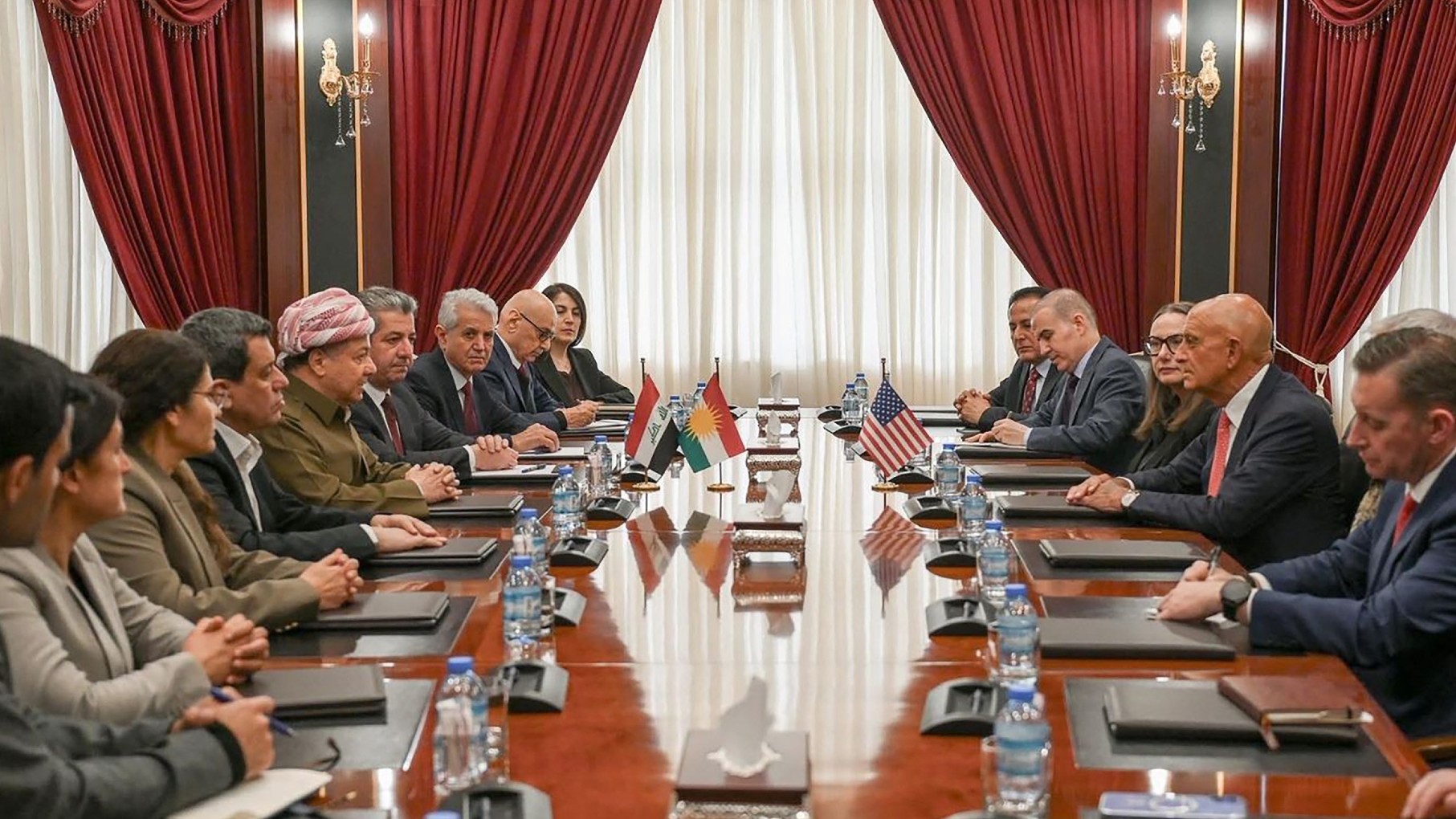
    In a tense diplomatic confrontation preceding Sunday’s ceasefire agreement, U.S. Special Envoy for Syria Tom Barrack allegedly confronted Syrian Democratic Forces (SDF) commander Mazloum Abdi over attempts to involve Israel in Syria’s internal affairs, according to anonymous diplomatic sources who spoke with Middle East Eye.

    The closed-door meeting, which occurred in Erbil on Saturday amid Syrian government advances into SDF-controlled territories, also featured veteran Kurdish leader Massoud Barzani. Sources indicate Barrack delivered sharp criticism regarding Abdi’s delayed implementation of a March 2025 integration agreement that envisioned SDF merging with the Syrian army by year’s end.

    Barrack, a consistent advocate for a unified Syrian state, reportedly accused the SDF leadership of “stalling, failing to implement the agreement with the Syrian government, and relying on foreign powers.” The envoy issued a stark warning against involving Israel, stating such actions would “bring destruction” and potentially create friction between two crucial U.S. allies—Turkey and Israel.

    These allegations emerge alongside acknowledgments from senior SDF officials, including Ilham Ahmed, who confirmed communications with Israeli representatives and expressed openness to support from any external party willing to protect Kurdish communities and their political achievements.

    During the meeting, Barrack challenged Abdi’s apparent failure to recognize Syria’s transformed political landscape, noting: “You still want to deal with the situation as if Bashar al-Assad is ruling Syria… There is a fundamental change; Damascus is our partner today in the fight against terrorism.”

    Contrasting this tone, Barzani reportedly described his recent meeting with Syrian President al-Sharaa as positive while requesting assistance for Kurdish civilian protection, presenting documented evidence of threats facing Kurdish communities. The Kurdish leader offered to serve as “new guarantor” for any revised agreement and requested a follow-up meeting between Sharaa and Abdi.

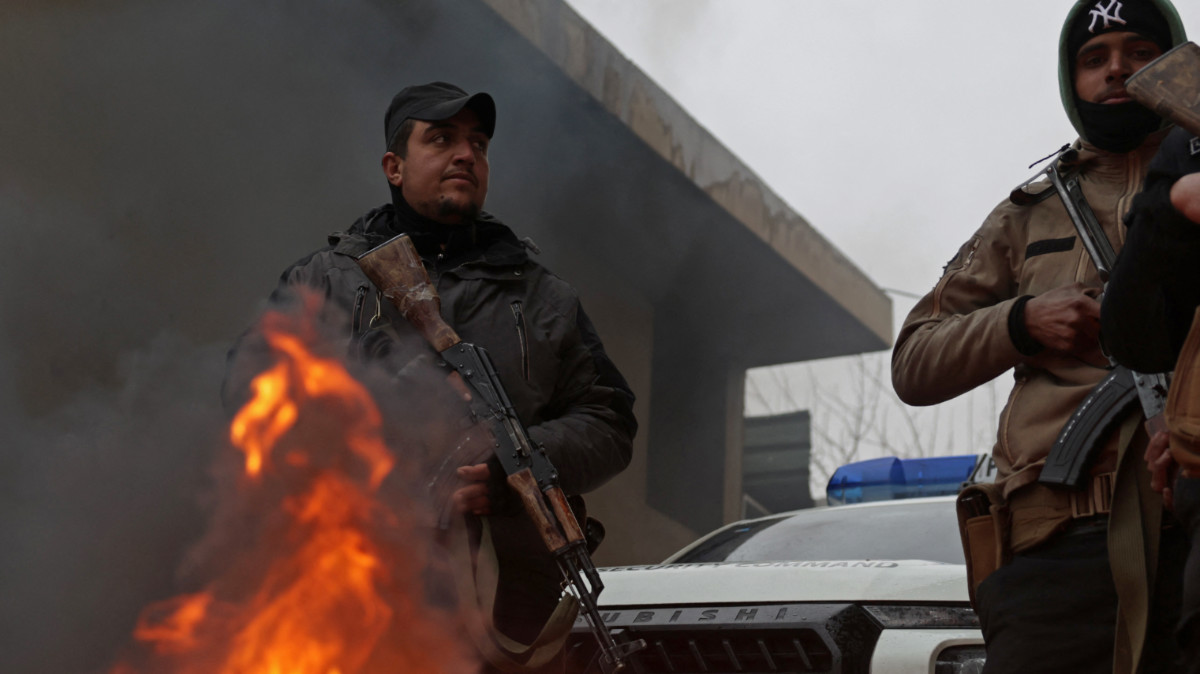
    The diplomatic efforts culminated in Sunday’s ceasefire announcement, with Syria’s military assuming nearly complete territorial control and dismantling the Kurdish-led forces that governed northeast Syria for over a decade. The agreement stipulates SDF withdrawal from Arab-majority Raqqa and Deir Ezzor provinces, including border crossings and energy fields, though specific implementation timelines remain unclear.

    Barrack subsequently praised the agreement on social media, characterizing it as progress toward a “unified Syria” and noting President al-Sharaa’s recognition of Kurds as “an integral part of Syria.”

  • Trump heads for Davos maelstrom over Greenland

    Trump heads for Davos maelstrom over Greenland

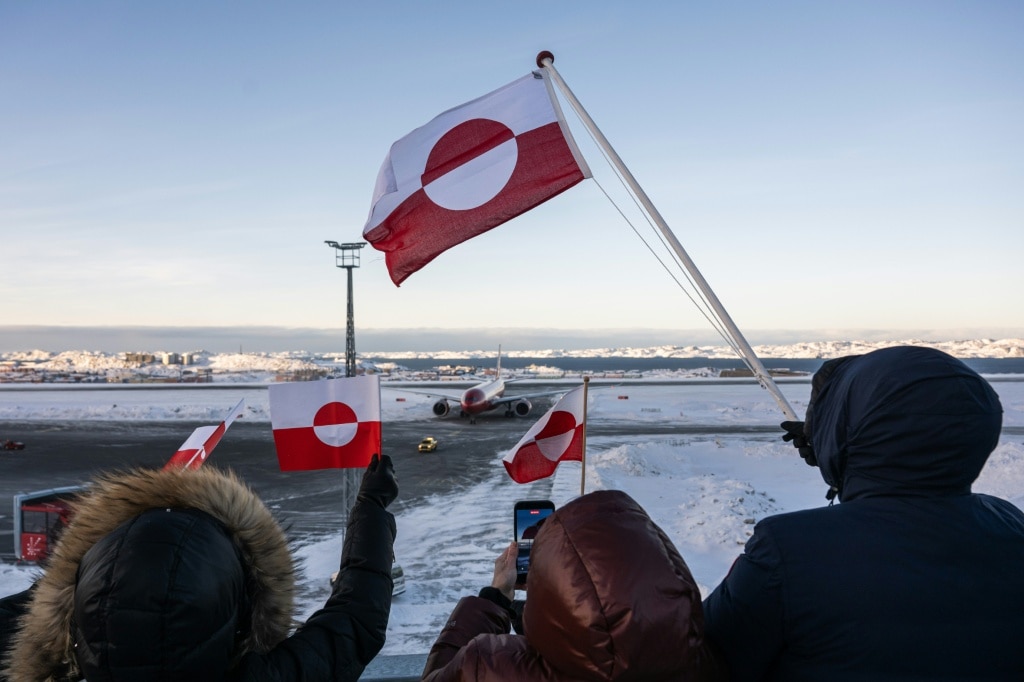
    The World Economic Forum in Davos has become the stage for a significant geopolitical confrontation, with U.S. President Donald Trump’s controversial interest in Greenland creating unprecedented strains within the NATO alliance. During his attendance at the Swiss summit—his first in six years—Trump confirmed he would conduct meetings specifically addressing Greenland, heightening tensions with European leaders who have united against his aggressive foreign policy approach.

    The situation escalated when Trump publicly mocked European counterparts, particularly French President Emmanuel Macron, by revealing private diplomatic communications. Macron had previously condemned Trump’s tariff threats against eight European nations as ‘unacceptable,’ while European Commission President Ursula von der Leyen warned of a potential ‘downward spiral’ in EU-US relations.

    Greenland’s strategic significance has emerged as a central point of contention, with Trump emphasizing its mineral wealth and importance for Arctic security amid growing competition with Russia and China. The autonomous territory’s Prime Minister acknowledged the need to prepare for potential military implications, while Lithuania’s President Gitanas Nauseda declared that any forceful action against a NATO ally would effectively mean ‘the end of NATO.’

    Despite these tensions, some U.S. lawmakers suggested the situation might de-escalate over time. Meanwhile, Trump’s planned announcement of a new international conflict resolution body—the ‘Board of Peace’ with $1 billion membership fees—and his invitation to Russian President Vladimir Putin have further complicated the diplomatic landscape, particularly given Russia’s ongoing invasion of Ukraine.

  • New Zealand election scheduled for Nov. 7 with the costs of living and housing the top issue

    New Zealand election scheduled for Nov. 7 with the costs of living and housing the top issue

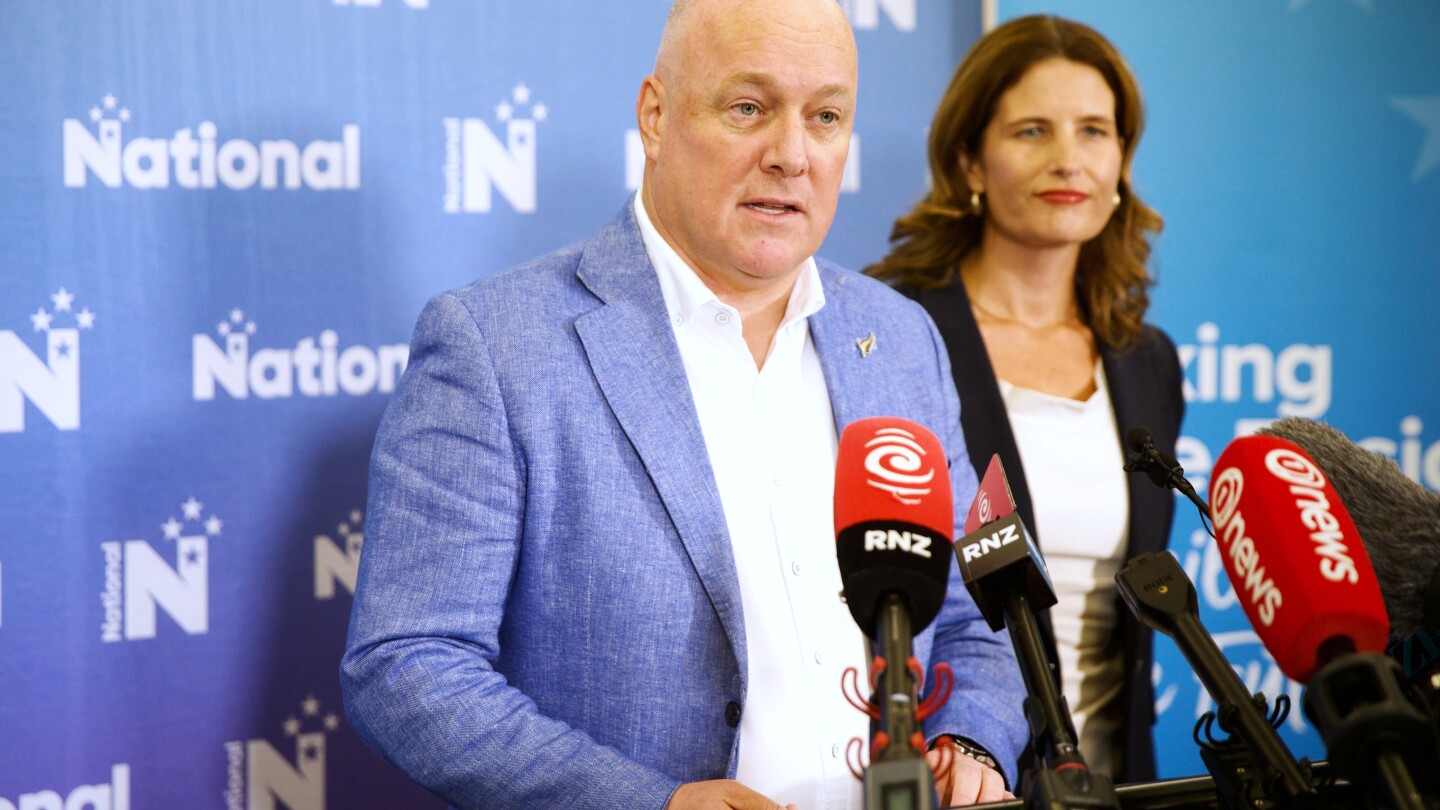
    WELLINGTON, New Zealand — Prime Minister Christopher Luxon has officially designated November 7 as the date for New Zealand’s next general election, setting the stage for a contentious battle over economic leadership and policy direction. The center-right leader will pursue a second term amidst persistent voter concerns about living costs and economic recovery.

    The electoral contest presents a remarkable political coincidence, featuring two leaders named Christopher vying for premiership—repeating the 2023 electoral dynamic. Luxon’s National Party government faces formidable opposition from Chris Hipkins’ resurgent Labour Party, with analysts predicting an exceptionally close race.

    New Zealand’s political structure features a unicameral parliamentary system where coalition-building proves essential. Both major parties typically require alliances with smaller political entities to secure governing majorities, granting minor parties disproportionate influence in determining the nation’s leadership.

    Economic performance dominates the electoral discourse, with Luxon emphasizing his administration’s efforts to rebuild the pandemic-affected economy. Recent economic indicators show a 0.5% contraction over the past twelve months, while emigration to Australia has reached record levels during Luxon’s tenure. The Prime Minister attributes these challenges to what he characterizes as economic mismanagement by the previous Labour administration.

    Opposition Leader Hipkins has dismissed Luxon’s economic narrative as ‘management-speak mumbo-jumbo,’ accusing the government of failing to deliver on key promises including housing affordability and healthcare accessibility. The debate extends to infrastructure investment and pension funding, with Luxon criticizing Labour’s debt accumulation approach while Hipkins condemns the government’s tax policies.

    Luxon, a former Air New Zealand CEO and business executive, brings corporate leadership experience but faces criticism regarding his political novice status and perceived disconnection from ordinary citizens. Hipkins, who briefly served as prime minister following Jacinda Ardern’s resignation, emphasizes his humble background and governmental experience despite his party’s 2023 electoral setback.

    The electoral outcome will likely hinge on negotiations with minor parties. Luxon’s current coalition includes the libertarian ACT and populist New Zealand First parties, while Hipkins would likely seek support from the Green Party and Te Pāti Māori. Historical patterns suggest single-term governments are uncommon in New Zealand politics, with the last occurrence dating to 1975.

  • Syria-SDF deal reached as US says partnership with Kurdish-led group ‘expired’

    Syria-SDF deal reached as US says partnership with Kurdish-led group ‘expired’

    In a significant geopolitical realignment, the United States has declared the original purpose of its security partnership with the Syrian Democratic Forces (SDF) largely fulfilled. US Ambassador Tom Barrack announced this strategic shift on Tuesday, coinciding with Damascus’s proclamation of a four-day ceasefire and a comprehensive compromise agreement.

    The breakthrough arrangement mandates that Kurdish fighters integrate into the Syrian national army as individuals rather than as distinct Kurdish-led divisions. This structure addresses the SDF’s longstanding request for maintaining cultural autonomy while unifying Syria’s security apparatus. Concurrently, Damascus will assume control over critical infrastructure including border crossings, oil facilities, ISIS detention centers, and strategically vital dams in water-scarce eastern regions.

    Ambassador Barrack articulated on social media platform X that ‘the original purpose of the SDF as the primary anti-ISIS force has largely expired,’ noting Damascus’s current willingness and capability to assume security responsibilities. His statement aligned temporally with Syria’s announcement granting the SDF 96 hours to formulate an integration plan for Hasakah province.

    The agreement contains significant concessions from both parties. Syrian government forces have committed to abstain from entering Kurdish-majority villages or the cities of Hasakah and Qamishli, which serve as SDF headquarters. This development follows recent military advances by President Ahmed al-Sharaa’s forces, which reclaimed territories including Raqqa and oil-rich Deir Ezzor from SDF control.

    Barrack framed the diplomatic achievement as creating ‘a unique window for the Kurds’ offering full citizenship rights, constitutional protections for Kurdish language and culture, and participatory governance. These provisions, backed by US diplomacy, reportedly exceed the semi-autonomous status the SDF maintained during civil war instability.

    The agreement follows President Sharaa’s January decree recognizing Kurds as ‘a basic and authentic part of the Syrian people’ while restoring citizenship to those deprived since the 1960s. Ambassador Barrack, who manages Syria policy for the Trump administration, has been mediating between the SDF, Damascus, and Ankara—Turkey being Sharaa’s key foreign supporter and traditional adversary of Kurdish forces.

    This policy shift represents Washington’s most coherent Syria strategy to date, emphasizing extrication from long-term military presence, ensuring ISIS’s definitive defeat, and mediating ethnic reconciliation without endorsing separatism. The unitary state approach also reassures Damascus and Turkey about US commitments to Syria’s territorial integrity, countering regional alternatives including Israeli preferences for segmented governance structures.

  • UK: Katy Perry’s ex-husband in court on two new rape charges

    UK: Katy Perry’s ex-husband in court on two new rape charges

    British actor and comedian Russell Brand appeared remotely before a UK court on Tuesday, January 20, 2026, confronting two new charges of rape dating back to 2009. The additional allegations, filed in December 2025, involve two separate women and expand the legal challenges facing the controversial entertainer.

    The 50-year-old celebrity, known for his marriage to pop star Katy Perry from 2010-2012, participated via video link wearing a partially buttoned pale blue shirt. During the brief hearing, Brand only spoke to confirm his personal details before being granted conditional bail.

    These new charges supplement existing allegations from May 2025, where Brand pleaded not guilty to five separate counts including two rapes, two sexual assaults, and one indecent assault. Those initial charges stem from incidents alleged to have occurred between 1999 and 2005 involving four different women.

    The investigation originated from a 2023 exposé by The Sunday Times and Channel 4 television, which documented multiple sexual misconduct allegations against the comedian. Brand, who transitioned from Hollywood stardom and left-leaning political activism to conservative commentary targeting his substantial social media following, has consistently denied all allegations.

    The court has scheduled a pre-trial hearing for February 17 at Southwark Crown Court, with the full trial on the original five charges set to begin in June. Brand’s public persona has undergone significant transformation in recent years, including his 2024 baptism in the River Thames which he described as marking his conversion to Christianity.

  • AFL 2026: A fit Jordan De Goey stood out at Collingwood main training

    AFL 2026: A fit Jordan De Goey stood out at Collingwood main training

    A revitalized Jordan De Goey has emerged as a pivotal figure in Collingwood’s pre-season preparations, demonstrating a dramatic return to form that could significantly alter the team’s dynamic for the upcoming AFL season. The premiership star, who endured a injury-plagued 2025 campaign limited to just 11 appearances, showcased his trademark explosiveness during Wednesday’s training session at Olympic Park.

    The 29-year-old midfielder dominated particularly in one-on-one combat drills, remaining undefeated in simulated ground ball scenarios while displaying visible confidence and cheerfulness throughout the session. This resurgence comes as welcome news for a squad that felt the substantial impact of his absence last season, particularly during their finals campaign.

    De Goey’s return to peak conditioning creates a cascading effect throughout the lineup, potentially reducing the immense pressure on both young sensation Nick Daicos and veteran champion Scott Pendlebury. Daicos, coming off a career-best season, had shouldered extraordinary responsibility in De Goey’s absence but now stands to benefit from shared midfield duties.

    Meanwhile, Pendlebury’s role appears to be evolving, with the veteran spending substantial time with the defensive unit during training. While speculation continues about a potential permanent move to the backline, the 37-year-old legend received treatment for hip and lower back areas but participated fully in the session.

    The Magpies implemented several innovative training exercises focused on skill development, including specialized drills emphasizing non-preferred foot kicking—a gradually disappearing art form in modern AFL. Additionally, forward Dan McStay engaged in specialized work with coaches, practicing safe landing techniques when brought to ground in tackles, particularly significant given his history of knee injuries.

    Among other observations, Ned Long appeared noticeably leaner and covered ground effectively, while Patrick Lipinski and draftee Tyan Prindable also impressed during the session. The strategic shift in player positioning and specialized skill work suggests coach Craig McRae is implementing nuanced adjustments aimed at optimizing the roster’s considerable talent.