作者: admin

  • NSW to propose per capita GST model after worst-ever tax share

    NSW to propose per capita GST model after worst-ever tax share

    The New South Wales government has launched a formal campaign to dismantle Australia’s Goods and Services Tax (GST) distribution framework, labeling it fundamentally broken and unfair. This move follows the state’s receipt of its worst-ever share from the national tax pool, intensifying a long-standing fiscal feud among Australia’s states and territories.

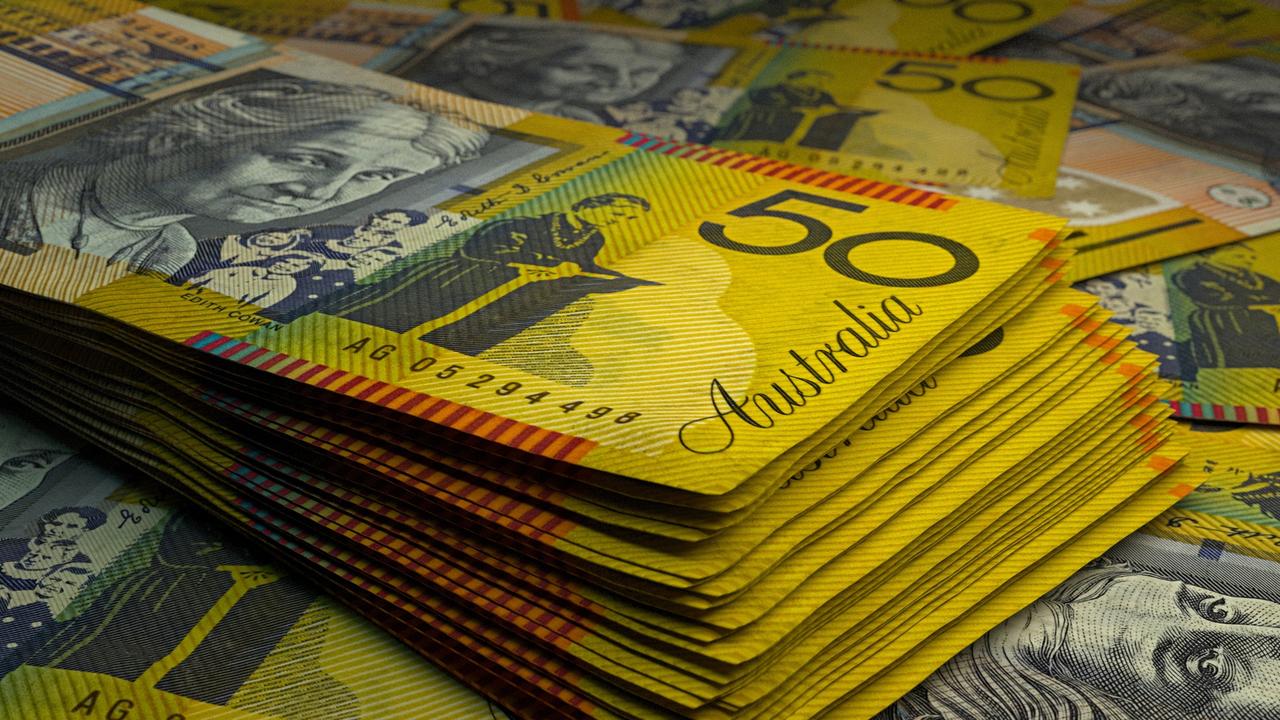
    Treasurer Daniel Mookhey revealed that NSW would submit a proposal to the Productivity Commission advocating for a complete overhaul. The core of the NSW argument centers on the controversial 2018 Morrison government reforms, which established a GST ‘floor.’ This mechanism ensured that mineral-rich Western Australia would receive no less than 75 cents per person for every dollar of GST collected from states like NSW and Victoria. This arrangement was recently extended by the Albanese government, a decision that safeguards approximately $6 billion in revenue for WA.

    NSW contends that this system has cost its economy a staggering $8.6 billion over the past four years alone—funds it states could have allocated to employing over 14,000 teachers or 13,500 nurses. Under the most recent Commonwealth Grants Commission recommendation, Victoria received $1.4 billion more in GST revenue than NSW for the upcoming period.

    The proposed NSW solution is a shift to an equal per capita distribution of GST grants. This would see funds allocated purely based on population share, with the federal government using its own budget to provide ‘top-up’ payments to smaller jurisdictions like the Australian Capital Territory, Tasmania, and the Northern Territory, ensuring they are no worse off. Mookhey argued this would relieve NSW from ‘carrying the federation all by itself.’

    As a potential compromise, NSW has also proposed a return to a modified pre-2018 system by 2030-31 if a consensus cannot be reached on the per capita model. This modified system would feature a lower floor of 50 cents per dollar and require the Commission to provide four-year relativity forecasts for greater transparency. While every state and territory except Western Australia has reportedly criticized the current model, WA Premier Roger Cook’s government remains a staunch defender of the 2018 arrangements that have significantly benefited its budget.
  • Denmark planned to blow up Greenland runways if US invaded, reports say

    Denmark planned to blow up Greenland runways if US invaded, reports say

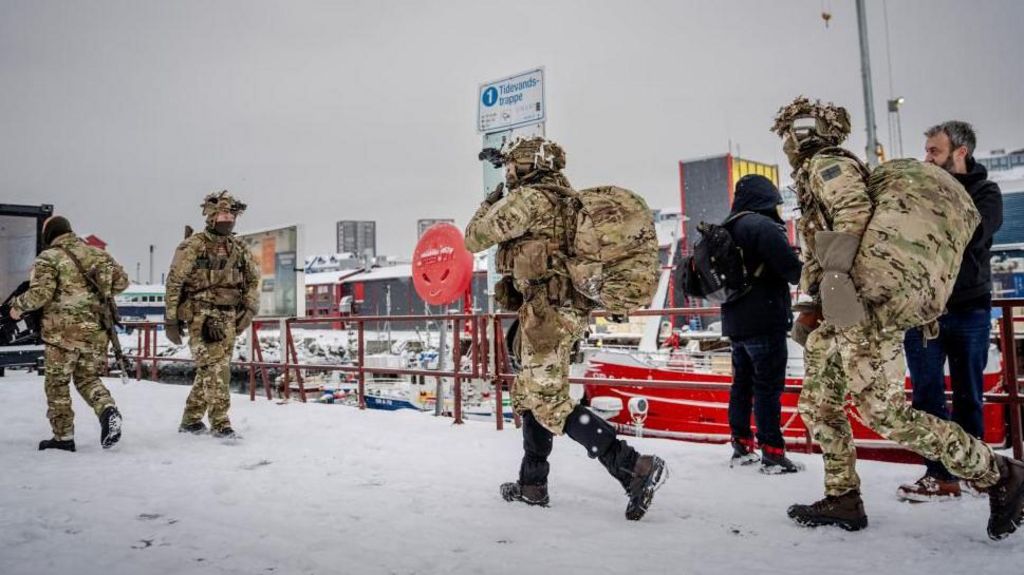
    In a startling revelation, Denmark’s public broadcaster DR has exposed covert military preparations made in response to former US President Donald Trump’s persistent ambitions to acquire Greenland. According to extensive reporting based on twelve high-level sources within the Danish government, military, and European allies, Danish forces were dispatched to the Arctic island in January with explicit instructions to defend against a potential American invasion.

    The operation, publicly branded as ‘Operation Arctic Endurance’—a joint military exercise—masked a grave strategic contingency plan. Elite Danish soldiers, alongside contingents from France, Germany, Norway, and Sweden, were flown to key locations including the capital Nuuk and the critical airfield at Kangerlussuaq. Their classified orders included preparations to demolish airport runways to prevent US military aircraft from landing, a desperate measure to raise the ‘cost’ of any hostile takeover. Military planners also pre-positioned blood supplies, anticipating potential casualties from armed conflict between the NATO allies.

    The geopolitical crisis escalated dramatically following a lightning US military operation in Venezuela on January 3rd, which resulted in the seizure of President Nicolás Maduro. This demonstration of unilateral force sent shockwaves through European capitals. The very next day, Trump publicly reiterated his strategic desire for Greenland, telling reporters, ‘We need Greenland from a national security situation. It’s so strategic,’ while making unsubstantiated claims about Russian and Chinese naval activity around the island.

    Fearing that the Trump administration believed it ‘could walk on water’ after Venezuela, Danish officials urgently sought and received political backing from France, Germany, and other Nordic nations. This European solidarity was manifested through the deployment of joint forces and military assets, including a French naval vessel dispatched toward the North Atlantic. French President Emmanuel Macron publicly pledged to reinforce the initial contingent, though the underlying defensive motive remained concealed.

    The tense standdown concluded on January 21st at the World Economic Forum in Davos, where Trump unexpectedly declared he would not use force to acquire Greenland, stating, ‘All the United States is asking for is a place called Greenland.’ The Danish Defence Ministry has declined to comment on the reports, citing operational security, while a senior anonymous military official confirmed that knowledge of the operation’s true purpose was restricted to a very limited circle.

  • US, Israel tactics diverge on Iran as Trump’s goals still ‘fuzzy’

    US, Israel tactics diverge on Iran as Trump’s goals still ‘fuzzy’

    A discernible tactical divergence is emerging between the United States and Israel regarding their ongoing confrontation with Iran, despite public displays of unity between President Donald Trump and Prime Minister Benjamin Netanyahu. This strategic split appears rooted in fundamentally different objectives and increasingly public disagreements over military operations.

    Recent weeks have revealed contrasting approaches: Israel has conducted aggressive strikes against Iranian infrastructure, including fuel depots around Tehran that blanketed the city of 10 million in toxic smoke, while the Trump administration has expressed unease about such escalatory actions. The divergence became particularly evident when Trump explicitly instructed Netanyahu against attacking Iran’s gas fields following Israeli strikes that prompted Iranian retaliation against Qatari energy facilities.

    Analysts point to a fundamental discrepancy in end goals. Israel under Netanyahu has consistently identified Iran’s clerical government as its primary regional adversary, openly pursuing regime change or at minimum its substantial weakening. Conversely, the Trump administration’s objectives remain deliberately ambiguous, with the president expressing hope for collaboration with elements within the Islamic Republic while simultaneously celebrating tactical military successes.

    This policy disconnect occurs against different domestic backdrops. Netanyahu faces elections where his close relationship with Trump represents a political asset, while Trump confronts an American public increasingly wary of conflict, including within his own base, amid rising gasoline prices and market volatility ahead of congressional elections.

    The conflict represents a paradigm shift for Israel, marking the first time it has fought as part of an alliance rather than independently. This new dynamic creates both opportunities and vulnerabilities, particularly given Trump’s demonstrated willingness to pressure Israel into ceasefires when conflicts threaten broader US interests.

    Foreign policy experts note that while both Iran and Israel have relatively clear strategic objectives—regime collapse versus regime survival—the unpredictable variable remains President Trump himself, whose statements about the conflict’s duration and goals have shifted dramatically, sometimes within hours. This uncertainty complicates alliance coordination and long-term planning, requiring observers to analyze psychological factors as much as traditional policy analysis.

  • Australian coal set for boom on back of Iran war

    Australian coal set for boom on back of Iran war

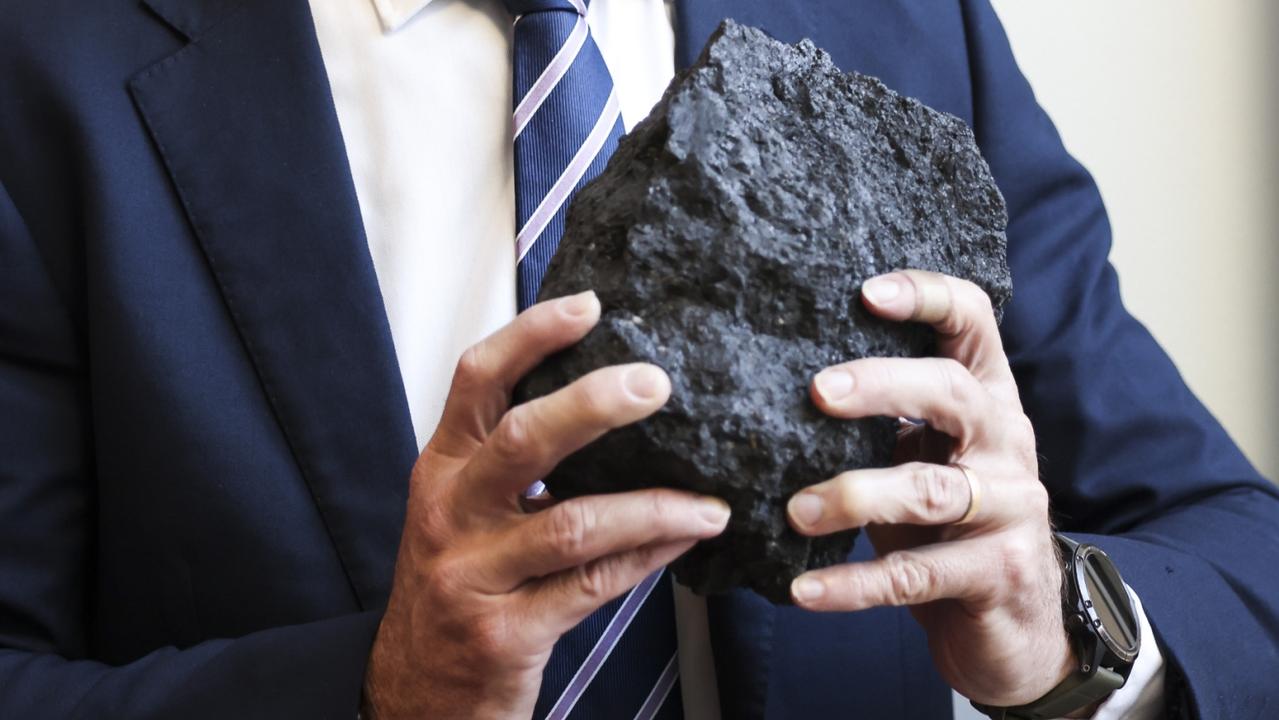
    A significant shift in global energy dynamics, triggered by the ongoing conflict in Iran, is generating substantial financial windfalls for Australia’s major coal producers. Leading financial agency Morningstar has substantially revised its valuation forecasts for key mining corporations, anticipating a sustained period of elevated earnings driven by disrupted energy exports from the Middle East.

    Analyst Jon Mills, in a recent market assessment, detailed comprehensive upward adjustments to fair value share price estimates for prominent Australian coal operators. New Hope Corporation received an 8 percent valuation increase, Glencore’s estimate rose by 6 percent, and Whitehaven Coal gained a 3 percent uplift according to Morningstar’s revised modeling.

    The financial reassessment accompanies a fundamental recalibration of thermal coal price projections. Morningstar has elevated its price forecast through 2028, increasing from $115 to $135 per metric ton, reflecting constrained global energy supplies. The strategic closure of the Strait of Hormuz has particularly disrupted liquefied natural gas (LNG) transportation to critical Asian markets, including Japan and South Korea.

    This supply constraint is driving accelerated thermal coal procurement as nations seek alternative energy sources to meet baseline requirements. The market dynamic is further intensified by potential supply reductions from Indonesia, currently the world’s largest coal exporter, creating additional upward pressure on global coal pricing.

    While New Hope and Whitehaven shares currently present moderate undervaluation according to Morningstar’s analysis, Glencore’s market position approaches fair valuation thresholds. All three corporations maintain extensive mining operations across New South Wales and Queensland regions.

    Concurrently, the NSW government announced a significant policy revision on Thursday, confirming it will cease approval of new coal mine applications while maintaining consideration for existing mine expansion projects. This regulatory development introduces additional complexity to long-term supply considerations within the sector.

  • Global tech innovation competition concludes in Hainan

    Global tech innovation competition concludes in Hainan

    HAIKOU, HAINAN – The inaugural Global Scenario-Based Innovation Competition focused on “Digital Economy and New Consumption” reached its climactic conclusion on Thursday, March 19th, in Haikou, Hainan Province. This landmark event assembled pioneering technology startups from across the globe to demonstrate cutting-edge projects specifically aligned with the strategic industrial development goals of the Hainan Free Trade Port.

    Spanning nearly a full year, the extensive competition garnered significant international participation, receiving 103 submissions from innovators representing 16 different nations. Organizers facilitated preliminary qualification events in several world-renowned technology epicenters, including Paris, France, and Silicon Valley in the United States. After undergoing multiple rigorous evaluation rounds, 11 exceptional finalists were selected to compete in a dynamic pitch format. Their presentations showcased a diverse array of technological advancements across critical sectors such as artificial intelligence, robotics, biotechnology, advanced semiconductor packaging, and digital retail solutions.

    A distinguished panel of judges meticulously assessed each participant based on a comprehensive set of criteria, including technological innovation, demonstrated commercial viability, overall team competency, and practical applicability within current market conditions. The featured projects presented innovative solutions ranging from AI-powered cross-border e-commerce platforms and intelligent systems for pest control in tropical agriculture to sophisticated digital twin management technologies designed for pharmaceutical cold chain logistics.

    The timing of this competition is particularly strategic, following the island’s transition to special customs operations that commenced on December 18th. Hainan is actively cultivating its identity as a premier destination for digital economy investments, leveraging attractive tax incentive structures and progressive free trade policies to draw international business and technological talent.

    Asal Askari, Business Operations Lead at BrandPal Inc., expressed strong enthusiasm, stating, “The unique opportunities Hainan provides through its free trade port status and favorable tax policies are genuinely impressive.” She confirmed her company is actively considering market entry into Hainan to better serve global brands seeking expansion within the free trade port ecosystem.

    Gavenraj Sodhi, founder of the San Diego-based precision medicine firm Maddie BioGenetics, highlighted Hainan’s rapidly developing biotechnology sector and advantageous geographical position as key factors driving his interest. “Hainan holds significant strategic importance due to its prime location,” Sodhi remarked. “It presents a tremendous environment to advance scientific research, foster innovation, establish manufacturing capabilities, and subsequently distribute breakthroughs to international markets.”

    Zhou Guangqi, Vice-President of the Haikou National High-Tech Industrial Development Zone International Investment Consulting Co., detailed the substantial incentives available within the zone. These include dedicated funding for technological innovation, comprehensive talent development initiatives, and specialized support services tailored for biopharmaceutical enterprises. The zone further supports entrepreneurs through operational incubators and dedicated international service teams designed to facilitate smooth market entry and growth.

  • Israel arrests and plans to deport Ethiopian asylum seekers

    Israel arrests and plans to deport Ethiopian asylum seekers

    Israeli authorities have commenced the arrest and detention of Ethiopian asylum seekers, with formal deportations scheduled to begin next month following a January 2024 government directive. The Population and Immigration Authority will execute this policy starting April 17, acting upon a Supreme Court decision that endorsed the state’s position despite petitions from human rights organizations.

    Approximately 8,000 Ethiopian nationals face deportation, including about 1,000 from the conflict-ravaged Tigray region. Gilad Palombo of Assaf, an Israeli refugee aid organization, confirmed that immigration authorities have already begun arresting individuals classified as ‘infiltrators’—a legal designation for those entering Israel illegally.

    The planned deportations occur against a backdrop of ongoing instability in Ethiopia. Although the Tigray conflict officially concluded with a 2022 peace agreement, sporadic fighting persists across multiple regions including Amhara, Oromia, and Benishangul-Gumuz. The UN estimates over 3.3 million people remain internally displaced within Ethiopia, with Human Rights Watch documenting severe humanitarian crises affecting civilians.

    Ethiopian-Israeli writer Bazi Gete warned that returning asylum seekers would face ‘acute danger’ in what he described as ‘a kind of no man’s land,’ with some potentially facing life-threatening situations or detention. Both Gete and Palombo emphasized the particular risks for women and children in Tigray, where economic distress and famine conditions prevail.

    This development reflects Israel’s broader policy approach toward asylum seekers. According to Assaf, only 50,000 of Israel’s 72,000 legal asylum seekers enjoy ‘protected group’ status, primarily from Eritrea, Sudan, and Ukraine. The remaining 22,000—including the Ethiopian cohort—lack official recognition and face severe legal and economic restrictions, with 57% living in poverty and 85% experiencing food insecurity.

    Palombo characterized Israel’s long-standing policy as intentionally making life ‘unbearable for asylum seekers’ to encourage voluntary departure. This approach previously manifested in a controversial agreement with Rwanda (2013-2018) that saw Israel pay $5,000 per person for accepting deportees.

    The Knesset has recently approved two laws targeting asylum seekers, reflecting what Gete describes as systemic propaganda portraying African refugees ‘as the source of all problems’ while denying them dignified existence in Israel.

  • Local version of Kunqu classic captivates audiences in Hunan

    Local version of Kunqu classic captivates audiences in Hunan

    A groundbreaking reinterpretation of the Kunqu Opera masterpiece “Leifeng Pagoda” captivated audiences during its premiere at Changsha’s Meixihu International Culture and Arts Center on Wednesday. The Hunan Kunqu Opera Troupe’s full-length production has reengineered the classic White Snake legend through a distinctly regional lens, incorporating Hunan’s cultural elements and dialects while fundamentally reshaping the protagonist’s character arc.

    The performance, spanning over two hours, transported spectators through an emotional spectrum from delicate romance to spectacular martial artistry. The production’s combat sequences proved particularly breathtaking, featuring high-platform acrobatics and the distinctive long silk ribbon techniques unique to Hunan’s Kunqu tradition that elicited audible gasps from the enthralled audience.

    Most significantly, this adaptation reconceptualizes the mythological heroine Bai Suzhen as a fiercely independent ‘spicy girl’ rather than the traditionally submissive character. Lead actress Liu Jie explained the creative team’s intentional departure from convention: “Recognizing contemporary shifts in aesthetic expectations, particularly regarding female autonomy, we positioned Bai as the absolute narrative centerpiece.”

    The production charts Bai’s complete emotional transformation from profound devotion to assertive resistance, creating a protagonist who embodies modern feminine strength in both romantic and confrontational contexts. In another radical departure from tradition, the performance concludes with an emotionally satisfying reunion at the Broken Bridge rather than Bai’s eternal imprisonment beneath Leifeng Pagoda.

    Longtime Kunqu enthusiast Li Yanzi expressed overwhelming approval: “The emotional intensity kept me constantly engaged. This revised ending provides the emotional resolution that genuine love deserves.” The successful premiere demonstrates how traditional Chinese opera can evolve while maintaining its artistic essence, offering both cultural preservation and contemporary relevance.

  • Senegal and Morocco’s dispute over Africa Cup title has extended beyond sports

    Senegal and Morocco’s dispute over Africa Cup title has extended beyond sports

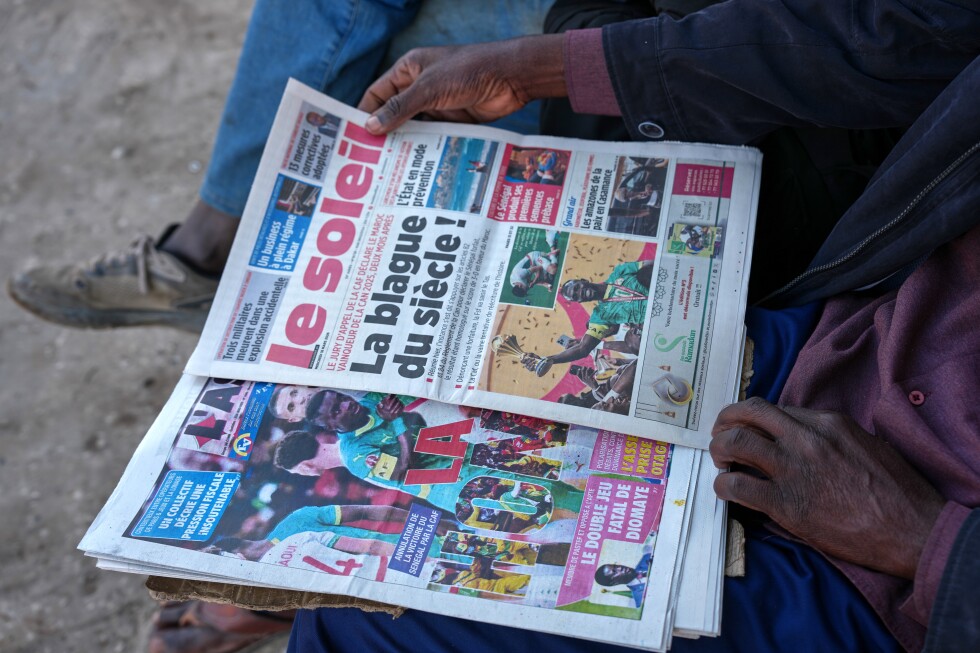
    The Confederation of African Football (CAF) has plunged continental soccer into unprecedented controversy after its appeals board overturned Senegal’s Africa Cup of Nations victory, awarding the title to Morocco instead. The dramatic reversal comes two months after the chaotic final that saw Senegalese players temporarily leave the pitch amid fan protests.

    CAF’s judicial body ruled that Senegal forfeited the match by exiting the field without referee authorization during the extended stoppage, granting Morocco a default 3-0 victory. This decision has ignited fierce backlash across Senegal, with the government announcing plans to pursue “all appropriate legal avenues” to challenge the verdict while calling for an international investigation into “suspected corruption” within CAF.

    The original match featured extraordinary drama: Senegalese players abandoned the field for nearly ten minutes as their supporters clashed with stewards following a controversial penalty award to Morocco. When play resumed, Morocco missed the penalty, and Senegal ultimately secured victory with an extra-time goal.

    The controversy has transcended sports, straining the historically strong relations between the two nations. Morocco and Senegal have maintained deep connections through shared religious traditions, substantial economic investments, and cultural exchanges. However, the diplomatic fallout has intensified following the sentencing of 19 Senegalese fans to prison terms of up to one year in Morocco for stadium-related offenses.

    CAF President Patrice Motsepe has publicly denied allegations of favoritism toward Morocco, which is preparing to co-host the 2030 World Cup and has significantly invested in football development. “Not a single country in Africa will be treated in a manner that is more preferential than any other,” Motsepe asserted in an official video statement.

    The decision has provoked strong emotional reactions from citizens of both nations. In Dakar, students expressed disillusionment with Moroccan relations, while in Casablanca, some business owners reported growing animosity toward Senegalese and sub-Saharan African migrants. Despite these tensions, community leaders emphasize the need to preserve long-standing friendships, acknowledging that while football evokes passion, it should not undermine decades of cooperation between brotherly nations.

  • ABC pulls Taylor Frankie Paul’s season of The Bachelorette after domestic abuse allegations

    ABC pulls Taylor Frankie Paul’s season of The Bachelorette after domestic abuse allegations

    In a dramatic turn of events, ABC has abruptly canceled the forthcoming season of its popular dating reality series ‘The Bachelorette’ following the emergence of disturbing domestic violence allegations against the show’s intended star, Taylor Frankie Paul.

    The Disney-owned network announced its decisive action on Thursday after previously unaired footage surfaced online showing Paul engaged in a physical altercation with her former partner in 2023. The TikTok influencer and Hulu reality personality had previously been arrested in connection with the incident and subsequently pleaded guilty to charges of aggravated assault, according to multiple U.S. media reports.

    The cancellation represents a significant programming shift for ABC, which had scheduled the season premiere for this coming Sunday. The network’s swift response underscores the seriousness with which it treats the allegations against Paul, who had appeared on ABC’s ‘Good Morning America’ just one day prior to the cancellation announcement to promote the series.

    During her Wednesday morning interview, Paul addressed the growing controversy, stating: ‘Honestly, it’s been a heavy time to see the headlines, especially during this time of ‘The Bachelorette’ being released. It was supposed to be a really exciting time.’

    A spokesperson for Disney Entertainment Television confirmed the network’s position, emphasizing that their ‘focus is on supporting the family’ affected by the incident. The BBC has reached out to Paul’s representatives for additional commentary on the developing situation.

    The decision to cancel rather than recast or delay the season demonstrates the network’s cautious approach to handling sensitive allegations involving reality television personalities, particularly those with documented legal consequences. This move potentially sets a precedent for how entertainment corporations address serious off-screen conduct by their on-air talent.

  • Ros Atkins on… Trump’s mixed messages on the war

    Ros Atkins on… Trump’s mixed messages on the war

    In a meticulous examination of presidential communication patterns, BBC’s Analysis Editor has dissected the seemingly contradictory foreign policy statements emanating from the Trump administration regarding potential military engagement with Iran. The investigation reveals a complex tapestry of rhetoric that oscillates between aggressive posturing and diplomatic overtures, creating substantial confusion among allies, adversaries, and policy analysts alike.

    The comprehensive analysis identifies multiple instances where the President’s public declarations on military strategy appeared to conflict with established diplomatic channels and official White House statements. This pattern of mixed messaging has generated significant uncertainty within international relations circles about the administration’s actual strategic objectives and red lines concerning Iranian relations.

    Foreign policy experts consulted for this assessment note that such contradictory signaling may represent either a deliberate strategy of ‘calculated ambiguity’ or reflect genuine internal divisions within the administration’s foreign policy apparatus. The investigation further examines how these communications have been received by Tehran, with Iranian officials simultaneously confronting bellicose language while receiving occasional conciliatory gestures through backchannel communications.

    This phenomenon of dual-track messaging has created substantial challenges for America’s traditional allies who struggle to coordinate policy amid the apparent dissonance between presidential tweets, official statements, and diplomatic corps communications. The analysis concludes that this approach has fundamentally altered traditional diplomatic norms while creating both risks and opportunities in an already volatile regional security environment.