
Timor-Leste has reversed its controversial decision to provide lawmakers with free cars following widespread public outcry and protests. The plan, which sparked outrage among citizens, led to demonstrations in the capital, Dili, where protesters burned tires and set a government vehicle ablaze. Police responded with tear gas, but the government ultimately succumbed to public pressure and canceled the initiative on Tuesday. Despite this, protests persisted on Wednesday, with an estimated 2,000 demonstrators demanding further reforms, including the abolition of lifetime pensions for retired lawmakers. The unrest reflects broader discontent with perceived government excesses and inequality in the region. Lawmakers in Timor-Leste earn an annual salary of $36,000, over ten times the country’s average income of $3,000, exacerbating public frustration. Protest leader Cezario Cesar highlighted the disparity, stating, ‘People don’t have access to good education, water, and sanitation… we have a lack of facilities, but they’re still creating laws to benefit themselves.’ The protests have expanded beyond the car issue, with demonstrators calling for systemic changes to address corruption and inequality. Similar anti-government movements have recently emerged across Asia, including in Nepal and Indonesia, driven by anger at political elites and economic hardships. Timor-Leste, one of Southeast Asia’s youngest and poorest nations, remains a symbol of democratic resilience, with protests seen as a normal part of its political landscape.
作者: admin
-

Ben & Jerry’s co-founder quits over social activism row
Jerry Greenfield, co-founder of the iconic ice cream brand Ben & Jerry’s, has stepped down from the company after nearly 50 years, intensifying a conflict with its parent company, Unilever. In a heartfelt letter shared by fellow co-founder Ben Cohen on social media, Greenfield expressed his dismay over the brand’s loss of independence, citing Unilever’s restrictions on its long-standing social activism as the primary reason for his departure. This move marks the latest development in a dispute that began in 2021 when Ben & Jerry’s announced it would cease sales in Israeli settlements in the occupied West Bank and East Jerusalem, a decision that sparked significant controversy. A spokesperson for The Magnum Ice Cream Company, a Unilever spin-off, acknowledged Greenfield’s contributions but disagreed with his stance, emphasizing efforts to engage both founders in constructive dialogue. Ben & Jerry’s, established in 1978, has been renowned for its advocacy on social and political issues, including LGBTQ+ rights and climate change. Greenfield described his decision to leave as one of the most difficult of his life, stating he could no longer align with a company he felt had been ‘silenced’ by Unilever. Cohen, in an interview with Radio 4, expressed his commitment to preserving the brand’s independence and social mission, accusing Unilever of undermining the authority of the company’s independent board. The Magnum spokesperson reiterated their dedication to strengthening Ben & Jerry’s values-based position globally. Industry experts, including Anna Macdonald of Aubrey Investments, noted that Unilever may have sought to curtail the brand’s activism, particularly regarding Israel and Gaza. Earlier this year, Ben & Jerry’s accused Unilever of attempting to silence its criticism of former US President Donald Trump. Greenfield’s exit follows the removal of CEO David Stever by Unilever in March, which was part of a legal case alleging Unilever violated the terms of their merger agreement. In May, Cohen was arrested during a protest in the US Senate over military aid to Israel and humanitarian conditions in Gaza, further highlighting the founders’ unwavering commitment to their principles.
-
Ex-Arsenal star Thomas Partey denies rape charges
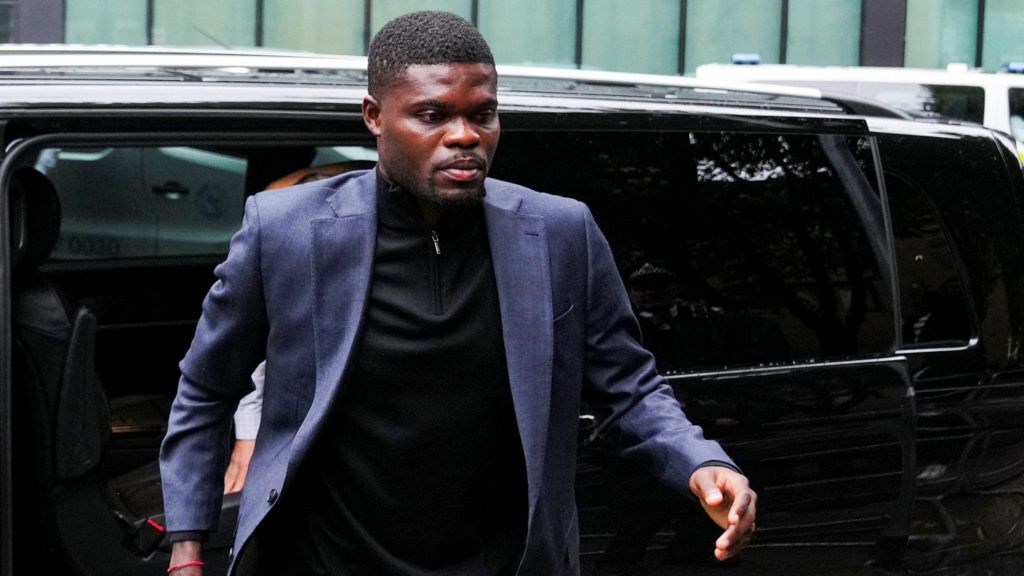
Former Arsenal midfielder Thomas Partey has entered a plea of not guilty to multiple charges of rape and sexual assault during a hearing at Southwark Crown Court. The Ghanaian footballer, now playing for Spanish club Villareal, faces five counts of rape and one charge of sexual assault involving three women. The alleged incidents occurred between 2021 and 2022, during his tenure with the Premier League club. Partey, 32, was charged just four days after his contract with Arsenal expired at the end of June. The court granted him bail pending his trial, which is scheduled to commence on November 2, 2024. During the hearing, Partey confirmed his identity and denied all charges. His bail conditions permit him to continue his football career but require him to notify authorities of any international travel 24 hours in advance and prohibit contact with the complainants. Partey’s appearance in court coincided with his presence in England for a Champions League match against Tottenham Hotspur, where he came on as a substitute in a 1-0 defeat for Villareal. The case has drawn significant attention due to Partey’s high-profile career and the serious nature of the allegations.
-
Status, opulence, Diana – Trump’s 70-year affection for UK royals
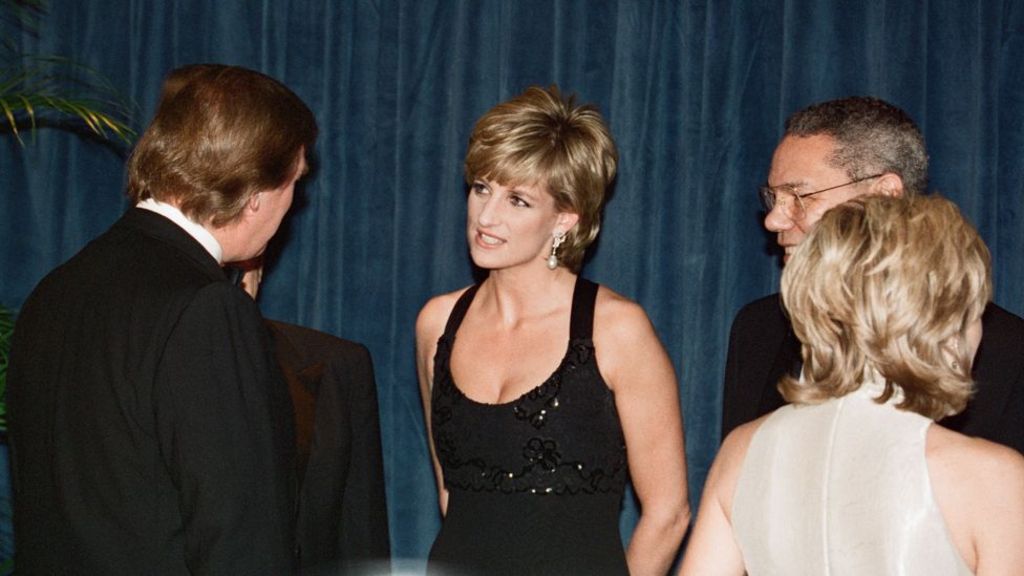
As Queen Elizabeth II’s coronation captivated global audiences on June 2, 1953, a six-year-old Donald Trump watched intently on a black-and-white television in New York City. His Scottish mother, Mary Anne MacLeod Trump, was enthralled by the grandeur of the British monarchy, an influence that would shape Trump’s lifelong fascination with royalty. Decades later, as a real estate mogul and U.S. president, Trump’s admiration for the British royal family has become a defining aspect of his public persona. His second state visit to the UK, following an invitation from King Charles III, underscores this enduring connection. The invitation, personally delivered by Prime Minister Keir Starmer in the Oval Office, highlights the strategic diplomatic efforts to secure trade concessions while appealing to Trump’s love of pageantry. Trump’s 2019 state visit and his 2018 meeting with Queen Elizabeth II at Windsor Castle were pivotal moments in his career, symbolizing his ascent to global prominence. His mother’s reverence for the royals, as recounted in his book *The Art of the Deal*, instilled in him a sense of showmanship that he continues to embrace. Trump’s interactions with the royal family, from his attempts to associate Princess Diana with his Mar-a-Lago club to his admiration for the late Queen, reveal a deep-seated desire for legitimacy and acceptance within elite circles. Observers note that Trump’s fascination with the British monarchy stems from its global status and the allure of high society. Despite past controversies, including critical remarks about members of the royal family, Trump’s state visit is expected to be marked by ceremonial grandeur and mutual respect. As he shares the spotlight with King Charles, Trump’s journey from a young boy watching a coronation to a world leader engaging with royalty comes full circle.
-
China’s $19 trillion stock market, once called uninvestable, lures foreigners again
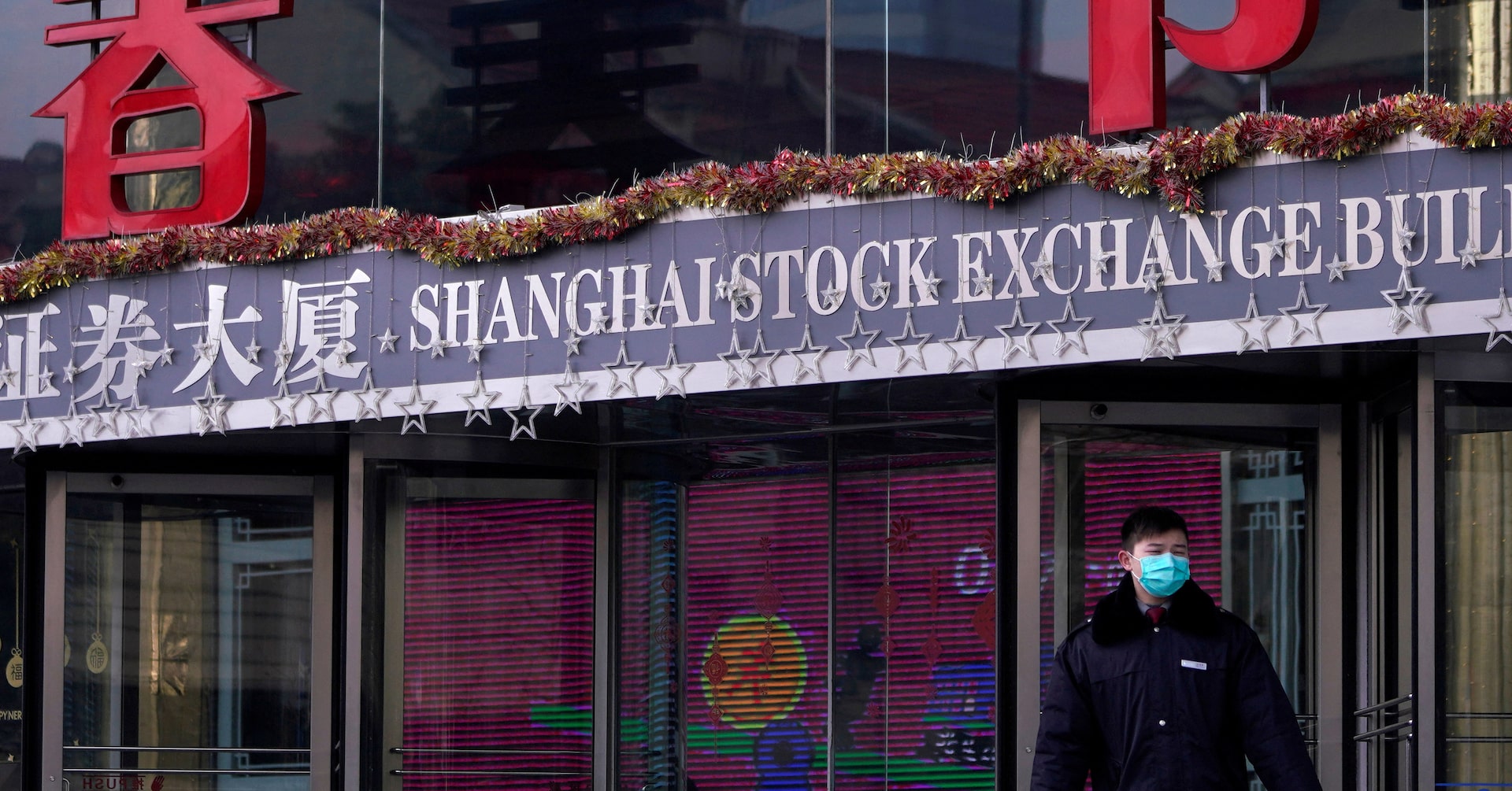
Foreign investors are increasingly turning their attention back to China’s stock markets, marking a significant shift from their previous stance of labeling them as uninvestable. This renewed interest is driven by the burgeoning opportunities in technology, particularly in artificial intelligence (AI), semiconductors, and innovative pharmaceuticals. The U.S.-China tariff truce and a domestic monetary easing environment have further bolstered investor sentiment, leading to notable market rallies. Last week, the Shanghai Composite index reached a decade high, while Hong Kong stocks hit a four-year high.
-
TikTok lives: US, China in deal for app to keep operating in US
In a landmark agreement, TikTok will continue its operations in the United States under U.S.-controlled ownership, resolving a prolonged dispute between the U.S. and China. The deal, announced by President Donald Trump on Tuesday, mandates the transfer of TikTok’s American assets from its Chinese parent company, ByteDance, to a consortium of U.S. investors. ByteDance will retain a 19.9% stake, just below the 20% threshold, while the remaining 80% will be held by a group including existing shareholders like Susquehanna International Group, General Atlantic, and KKR, alongside new investors such as Andreessen Horowitz and Oracle. The U.S. entity will feature an American-dominated board, with one member designated by the U.S. government, ensuring national security safeguards. The deal, expected to close within 30 to 45 days, marks a significant step in easing tensions between the two economic giants. The White House extended the divestiture deadline to December 16, allowing ByteDance additional time to finalize the complex transaction. The agreement reflects a compromise that addresses both U.S. national security concerns and Chinese interests, potentially paving the way for smoother bilateral relations.
-

Singapore’s Carro raises $60 million to promote Japanese cars in Asia
Southeast Asia’s leading online used-car marketplace, Carro, has successfully raised $60 million in a recent funding round spearheaded by Japan’s sovereign wealth fund, Cool Japan Fund. Announced on Wednesday, the investment is earmarked for promoting Japanese vehicles, particularly plug-in hybrid electric models, across the Asia-Pacific region. Carro expressed confidence in its ability to significantly enhance the market presence of these vehicles in the area.
Carro, which operates in multiple markets including Singapore, Malaysia, Indonesia, Thailand, Japan, Taiwan, and Hong Kong, is also eyeing expansion into Australia. CEO Aaron Tan recently hinted at the company’s plans for a dual listing, with sources indicating a potential U.S. initial public offering (IPO) that could value the company at over $3 billion. This would mark the largest Southeast Asian listing in the U.S. since SEA’s $989.3 million debut in 2017 and the first major automotive tech and commerce startup from Singapore to go public in the United States.
Backed by prominent investors such as Temasek and SoftBank Group, Carro’s digital platform facilitates vehicle transactions between consumers and dealers, while also offering insurance, financing, and after-sales services. Cool Japan Fund, a government-backed private fund, aims to bolster Japan’s economy by increasing international demand for its products and services.
This strategic investment underscores Carro’s ambitious growth trajectory and its commitment to transforming the automotive market in the Asia-Pacific region.
-
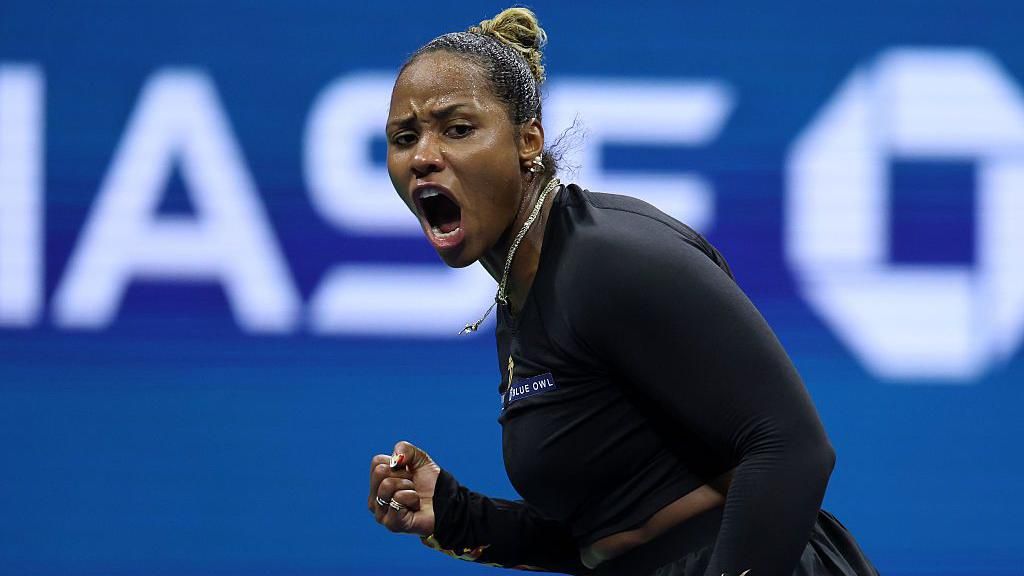
US tennis star sorry for ‘offensive’ comments on Chinese food
American tennis star Taylor Townsend has issued a public apology following widespread criticism over her remarks about Chinese cuisine during her stay in Shenzhen for the Billie Jean King Cup Finals. The 29-year-old, currently the world’s top-ranked doubles player, sparked a social media uproar after sharing videos on Instagram expressing her disbelief over dishes featuring frogs, turtles, and sea cucumber. In her posts, she described the meals as ‘crazy’ and ‘wild,’ even joking about needing to ‘talk to HR.’ Her comments quickly drew backlash on both English and Chinese social media platforms. In a subsequent video posted on Wednesday, Townsend expressed remorse, stating, ‘There’s no excuse, there’s no words, and, for me, I will be better.’ She emphasized her privilege as a professional athlete to experience diverse cultures and acknowledged the ‘most amazing experience’ at the tournament. Earlier, Townsend had shared her reactions to traditional Chinese delicacies like braised soft-shell turtle with fish maw and dry pot bullfrog, questioning their safety and giving the dishes a low rating. Her teammate Hailey Baptiste also appeared in a video mocking a sea cucumber dish. The backlash intensified as Chinese social media users condemned her remarks, with hashtags like ‘American tennis player publicly insults Chinese food’ trending. Many called for greater cultural sensitivity, urging respect for local customs. This incident follows a recent confrontation between Townsend and Latvian player Jelena Ostapenko, who accused her of lacking ‘class’ and ‘education.’ Townsend and her team are set to face Kazakhstan in the quarterfinals on Thursday.
-
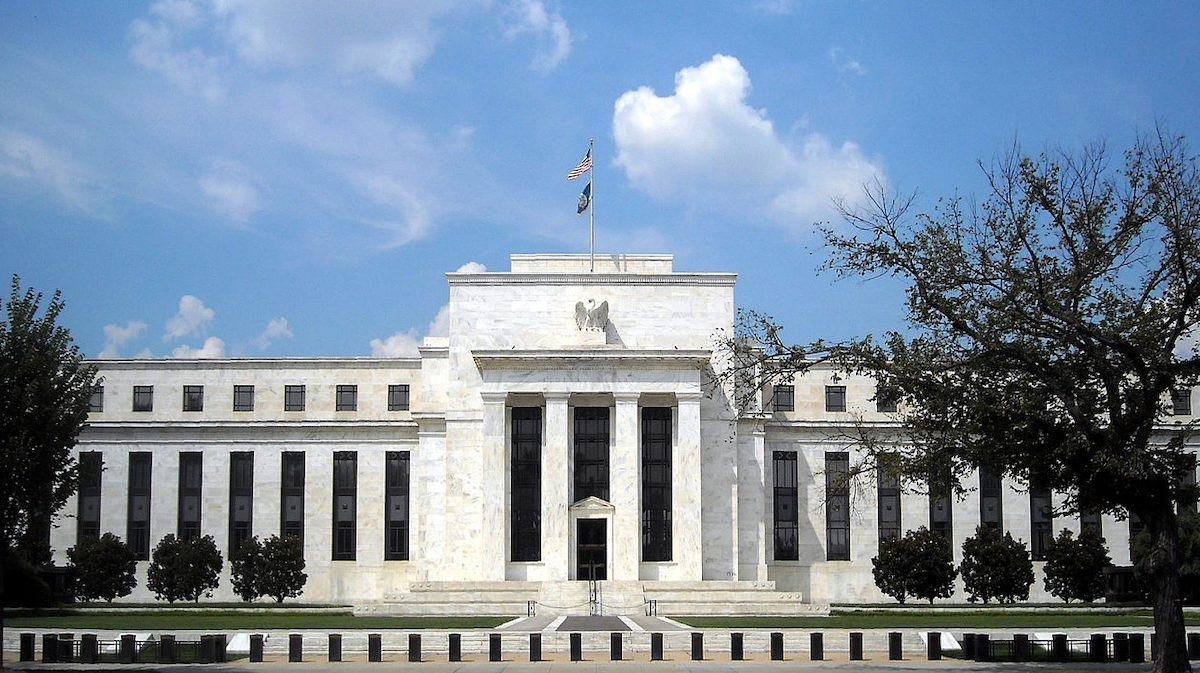
Fed’s expected rates cut could reshape global markets
The US labor market’s recent data reveals a structural weakening, compelling the Federal Reserve to consider initiating a cycle of interest rate cuts. This pivotal decision marks the end of the post-pandemic tightening era and holds significant implications for global markets, influencing gold prices, equity valuations, and global capital flows. The August 2025 employment report highlighted a mere 22,000 jobs added, with the unemployment rate rising to 4.3%, the highest in nearly four years. Wage growth has also declined, reflecting the lagged effects of the Fed’s tightening policies and ongoing trade tensions. Businesses, particularly in manufacturing and logistics, are scaling back hiring and investments, forcing the Fed to address the labor market’s weakness. The Fed, operating under a dual mandate of controlling inflation and maximizing employment, now faces a dilemma: prioritize economic growth despite inflation slightly above the 2% target. The decision to cut rates is a preemptive measure to avert a full-blown recession, drawing lessons from past crises like 2008. This shift from ‘fighting inflation’ to ‘preventing recession’ will reshape the investment landscape. Gold is expected to benefit significantly from lower interest rates, as reduced opportunity costs and a weaker US dollar enhance its appeal. Conversely, global equities face a complex scenario: while lower rates may boost stock prices in the short term, medium-term risks of declining corporate earnings could lead to a ‘bull trap.’ Emerging markets are likely to attract capital flows as US bond yields lose their appeal, potentially leading to currency appreciation and stock market booms. Three scenarios emerge for the Fed’s actions: a gradual cut leading to a soft landing, an emergency cut signaling panic, or a hawkish pause causing market shocks. This new era for investors emphasizes the need to reallocate portfolios towards assets benefiting from a weaker dollar and lower interest rates, such as gold, commodities, and select emerging markets. Complacency remains the greatest risk in this evolving economic landscape.
-
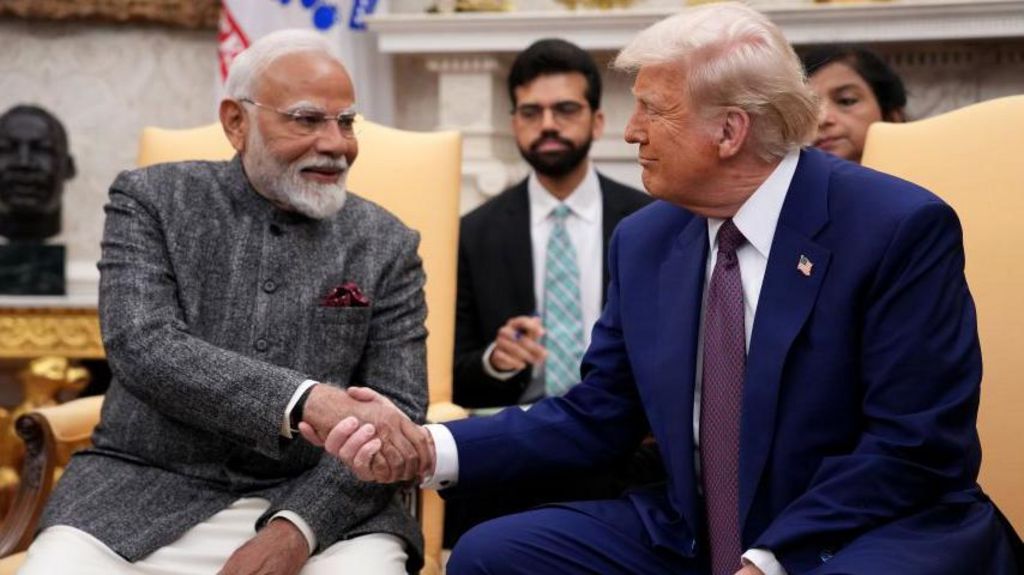
Trump’s birthday call to Modi amid US-India trade talks
In a gesture signaling a potential easing of recent tensions, U.S. President Donald Trump reached out to Indian Prime Minister Narendra Modi to extend birthday wishes ahead of his 75th birthday. The phone call, made on Wednesday, comes after weeks of strained relations due to U.S. tariffs imposed on India for its purchase of Russian oil and weapons. Trump described the tariffs as partially punitive, while India defended its actions as necessary for domestic energy security, labeling the tariffs as unjust. The call followed recent discussions between U.S. trade negotiator Brendan Lynch and Indian commerce officials, aimed at resolving trade disputes and advancing a bilateral trade agreement. Both sides have described these talks as positive, though negotiations remain ongoing. Trump later praised Modi on social media, acknowledging his efforts in global diplomacy, particularly regarding the Russia-Ukraine conflict. Modi reciprocated by referring to Trump as a friend and reaffirming their commitment to strengthening bilateral ties. Despite the recent friction, both leaders expressed optimism about the future of U.S.-India trade relations, with Modi highlighting their shared vision as natural partners. The call marks a notable step toward mending ties, even as Trump continues to advocate for higher tariffs on China and India to pressure Russia over the Ukraine war.