作者: admin

  • Tests show Navalny was poisoned in jail, his widow says

    Tests show Navalny was poisoned in jail, his widow says

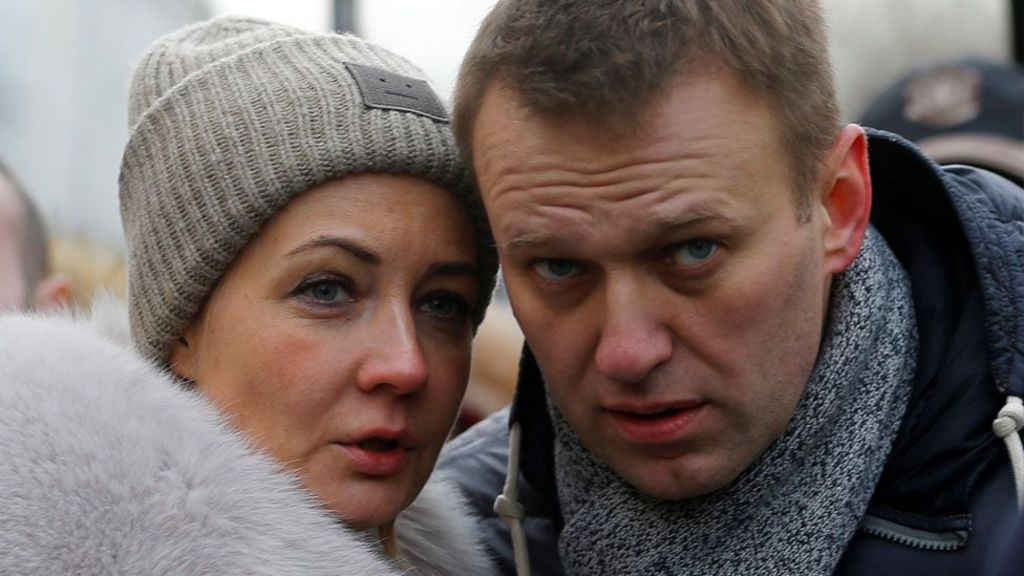
    Yulia Navalnaya, the widow of the late Russian opposition leader Alexei Navalny, has publicly accused the Kremlin of orchestrating her husband’s death through poisoning. In a compelling video statement shared on social media, Navalnaya revealed that independent laboratories in two countries had analyzed smuggled biological samples, concluding that Navalny was murdered. While she did not disclose specific details about the poison or the laboratories involved, she urged them to release their findings publicly, despite what she described as ‘political considerations’ preventing transparency.

    Navalny, a prominent anti-corruption activist and fierce critic of President Vladimir Putin, died suddenly on February 16, 2024, while serving a prison sentence in an Arctic penal colony. His death came three years after he was poisoned with a Novichok nerve agent in 2020, an incident that led to his treatment in Germany and subsequent arrest upon his return to Russia. Navalny’s supporters and his Anti-Corruption Foundation (FBK) have consistently alleged that the Russian government was complicit in his demise.

    Navalnaya recounted her husband’s final days, citing testimonies from penal colony employees. She described how Navalny fell ill during a walk, suffered convulsions, and vomited before collapsing in his cell. Despite his visible distress, an ambulance was not called until 40 minutes later, and he died shortly thereafter. Prison authorities initially attributed his death to ‘sudden death syndrome,’ while state investigators later cited a medical condition and arrhythmia.

    Navalny’s associates have shared previously unseen images of his cell and the exercise yard where he spent his last moments. Navalnaya, who faces potential arrest herself, vowed to continue seeking justice, declaring, ‘I affirm that Vladimir Putin is guilty of killing my husband.’ She also emphasized Navalny’s role as a symbol of hope for a better future in Russia, a sentiment echoed by the thousands who attended his funeral in Moscow despite government warnings.

    The Kremlin has remained largely silent on the matter, with spokesman Dmitry Peskov claiming unawareness of Navalnaya’s statements. President Putin briefly acknowledged Navalny’s death a month later, describing it as a ‘sad event’ and revealing that a prisoner swap involving Navalny had been considered but was ultimately abandoned. Navalny’s death has left a void in Russia’s opposition movement, with many of his associates either imprisoned or in exile, and civil society increasingly suppressed under punitive laws enacted after Russia’s invasion of Ukraine in 2022.


  • Landslides after heavy rain in northern India kill 15, several missing

    Landslides after heavy rain in northern India kill 15, several missing

    At least 15 people have lost their lives, and 16 remain missing after devastating landslides and torrential rains struck Uttarakhand, a Himalayan state in India, on Tuesday. The calamity, which unfolded in the district of Dehradun, left a trail of destruction, with muddy floodwaters inundating the town of Sahastradhara. Shops, roads, and homes were obliterated, forcing residents to seek refuge behind walls. One distraught local, whose identity remains undisclosed, recounted the harrowing experience of losing his shop, one of seven swept away in a local market. ‘There is no sign of them,’ he lamented in an interview with the ANI news agency. Authorities recovered 13 bodies from Dehradun and one each from Pithoragarh and Nainital districts, according to reports from the Indian Express. Uttarakhand, a region frequently besieged by floods and landslides, faces increasing vulnerability attributed to climate change by experts. This tragedy follows a similar incident in August, when floodwaters and mudslides ravaged the village of Dharali, leaving over 60 individuals unaccounted for. The recurring disasters underscore the urgent need for climate resilience and disaster preparedness in the region.

  • Chebet focused on ‘crazy dream’ of historic double in Tokyo

    Chebet focused on ‘crazy dream’ of historic double in Tokyo

    Beatrice Chebet, the Kenyan long-distance sensation, has etched her name in the annals of athletics history by securing her first World Championship title in the 10,000m event in Tokyo. Despite an illustrious career that boasts two Olympic gold medals, a Commonwealth Games title, and two World Cross Country crowns, Chebet had never stood atop the podium at the World Championships until now. Her victory on the opening day of the competition marks a significant milestone in her career.

  • Japan’s SBI Shinsei Bank looking at tokenised deposits for cross-border transactions

    Japan’s SBI Shinsei Bank looking at tokenised deposits for cross-border transactions

    TOKYO, Sept 17 (Reuters) – SBI Shinsei Bank, a subsidiary of SBI Holdings, announced on Wednesday its plans to explore the introduction of tokenised deposit payment services tailored for corporate clients. This initiative aims to facilitate faster and more cost-effective cross-border transactions. The bank has entered into a strategic agreement with DeCurret DCP, the provider of Japan’s DCJPY tokenised deposit platform, to evaluate the establishment of this service using Partior’s multicurrency settlement platform for digital money, based in Singapore.

  • Nvidia boss ‘disappointed’ by reported China chip ban

    Nvidia boss ‘disappointed’ by reported China chip ban

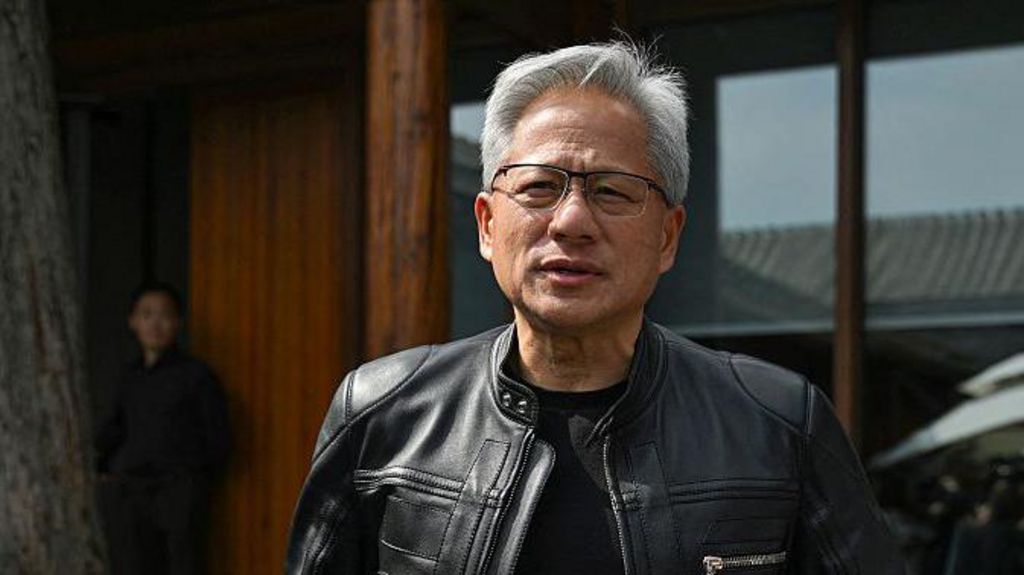
    Jensen Huang, CEO of Nvidia, has voiced his disappointment following reports that China has instructed its leading technology firms to cease purchasing Nvidia’s artificial intelligence (AI) chips. Speaking to BBC News, Huang emphasized the importance of global access to advanced technology, stating, ‘The advance of human society is not a zero-sum game.’ Huang, who is among the tech executives accompanying US President Donald Trump on his state visit to the UK, acknowledged the competitive ambitions of both nations, noting, ‘President Trump wants America to win, and President Xi wants China to win, and it’s possible for both of them to.’ He expressed confidence that ongoing discussions would resolve the issue. This development comes after Nvidia, the world’s leading chipmaker, faced a temporary ban on selling its most advanced chips to China, which was later reversed by Trump in July. However, Nvidia must now allocate 15% of its Chinese revenues to the US government under a unique agreement. The Financial Times recently reported that China’s Cyberspace Administration has directed tech companies to halt the use of Nvidia chips specifically designed for the Chinese market, causing Nvidia’s shares to drop by over 1% in premarket trading. Huang reiterated his support for the US in addressing geopolitical challenges and pledged to convey the same message to Trump if questioned during the state banquet in the UK. The US and China have been engaged in trade talks in Europe this week, with China’s market regulator accusing Nvidia of violating anti-monopoly laws. As Nvidia continues to play a pivotal role in the global AI boom, China is striving to challenge US dominance in the AI sector by developing its own chips. Major Chinese tech firms like DeepSeek, Tencent, and Alibaba, which had previously ordered Nvidia chips, are now affected by the purchase halt. Meanwhile, Nvidia has announced significant investments in the UK, including supplying chips to the Stargate UK data center in collaboration with OpenAI, Arm, and NScale.

  • Japan won’t recognise a Palestinian state given US ties, media report says

    Japan won’t recognise a Palestinian state given US ties, media report says

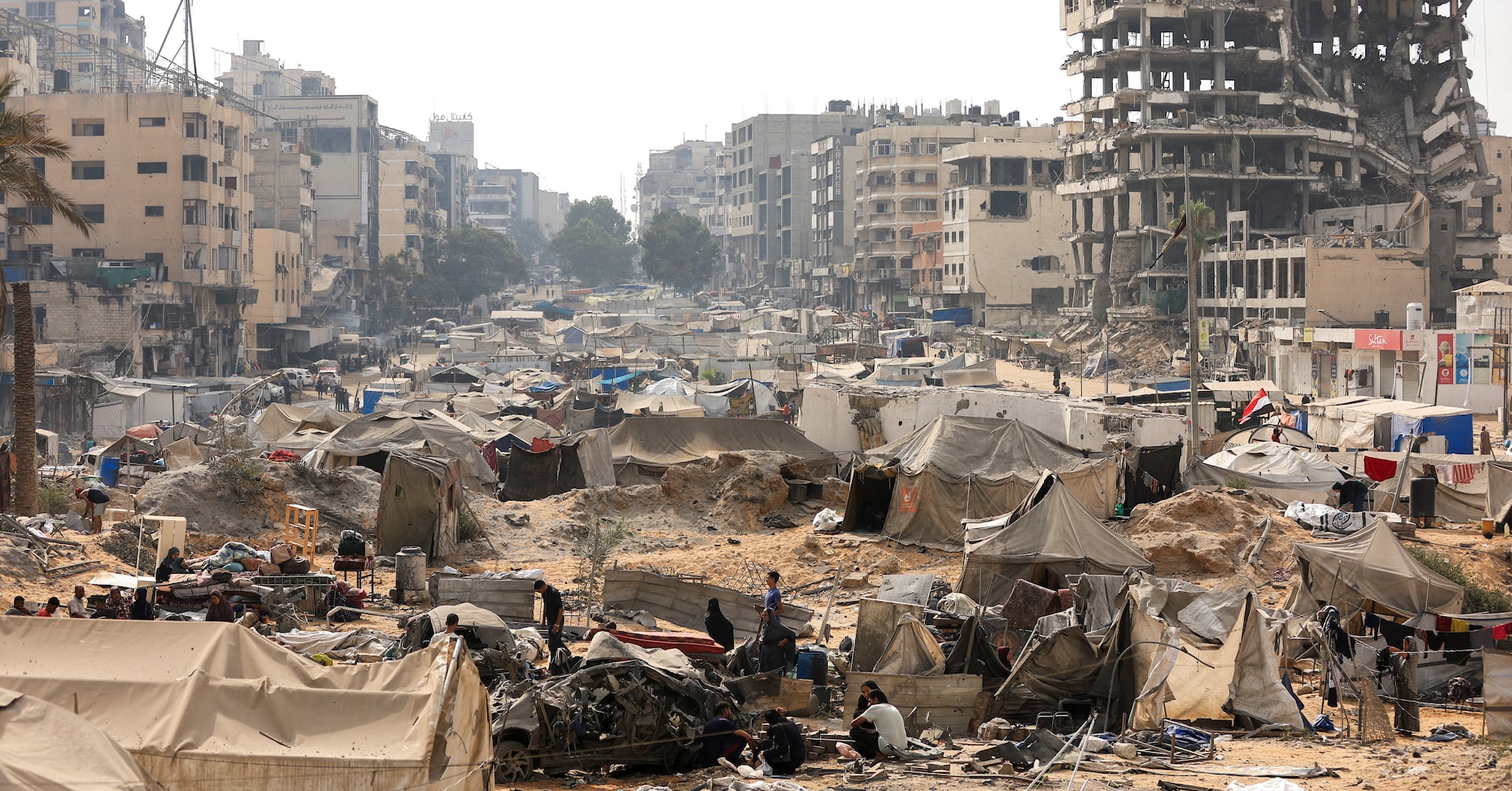
    In a strategic move to preserve its diplomatic ties with the United States and avoid escalating tensions with Israel, Japan has decided to postpone its recognition of a Palestinian state, according to a report by the Asahi newspaper. The decision, attributed to unnamed government sources, comes as several nations, including Britain, France, Canada, and Australia, have announced their intentions to recognize Palestinian statehood at the upcoming UN General Assembly. This collective stance has intensified international pressure on Israel regarding its actions in the region. The U.S. reportedly influenced Japan’s decision through multiple diplomatic channels, while France’s Foreign Minister Jean-Noel Barrot had strongly advocated for Japan to support Palestinian statehood. Japanese Foreign Minister Takeshi Iwaya stated that the government is conducting a ‘comprehensive assessment’ of the issue, considering the appropriate timing and modalities. Chief Cabinet Secretary Yoshimasa Hayashi echoed this sentiment, expressing a ‘grave sense of crisis’ over Israel’s ground assault on Gaza City and warning that the foundations of a two-state solution are at risk. Hayashi urged Israel to address the severe humanitarian crisis in Gaza promptly. Despite voting in favor of a UN declaration advocating for tangible steps toward a two-state solution, Japanese Prime Minister Shigeru Ishiba is expected to skip a key UN meeting on the matter. Within the G7, German and Italian officials have cautioned that immediate recognition of Palestine could be ‘counterproductive.’

  • Madeleine McCann suspect freed from German prison

    Madeleine McCann suspect freed from German prison

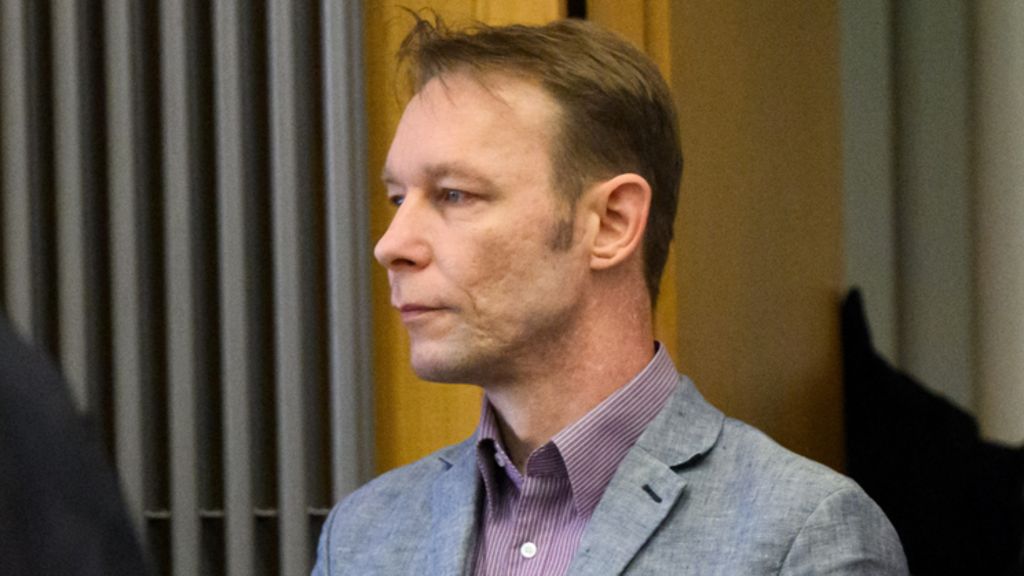
    Christian Brückner, the prime suspect in the high-profile disappearance of Madeleine McCann, has been released from a German prison where he was serving a sentence for an unrelated offense. Brückner, 48, was driven out of Sehnde prison near Hanover in a black Audi by his lawyer, accompanied by a police escort, early Wednesday morning. While he was not visible in the vehicle, authorities confirmed his departure. Brückner, who has never been charged in connection with the McCann case, denies any involvement. He was previously convicted of raping a 72-year-old American woman in Portugal in 2005 and will now be subject to strict probationary conditions, including wearing an ankle monitor for five years. German prosecutors have pointed to evidence, such as mobile phone data, suggesting Brückner was in the area when Madeleine vanished in 2007, but they lack sufficient evidence to charge him. Despite his release, Brückner remains a suspect in the ongoing investigation. Madeleine McCann, then three years old, disappeared from a holiday apartment in Praia da Luz, Portugal, while her parents dined nearby. Her case remains one of the most prominent unsolved missing person cases globally. Brückner, a convicted sex offender with a history of petty crimes, has faced multiple searches in recent years, including near the Barragem do Arade reservoir, but no breakthroughs have been made. The Metropolitan Police in the UK continue to treat the case as a missing person inquiry, with over £13.2 million spent on the investigation since 2011.

  • Discounts for Iranian oil widen in China on record stocks, even as sanctions curb shipments

    Discounts for Iranian oil widen in China on record stocks, even as sanctions curb shipments

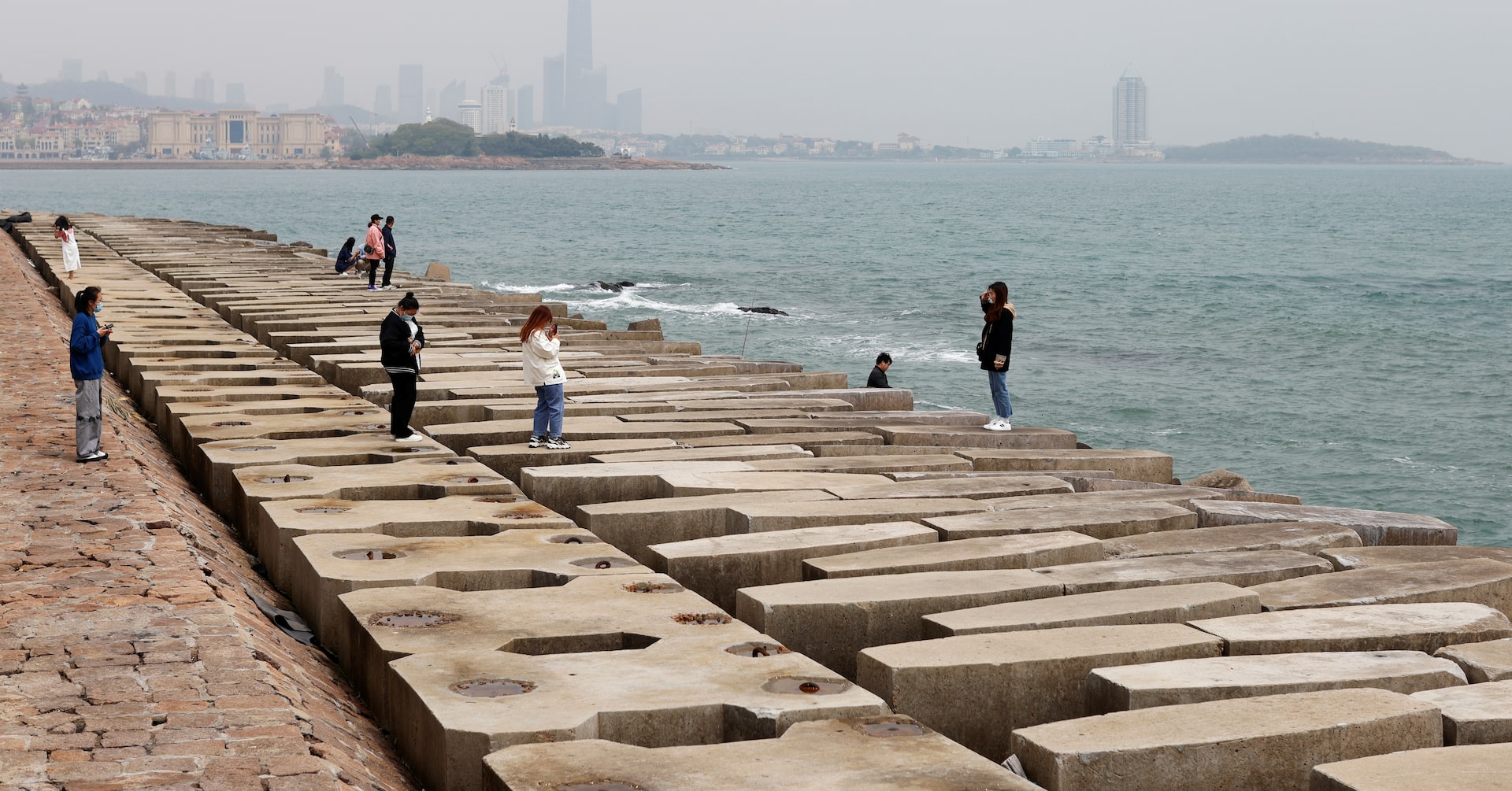
    In a significant development impacting the global oil market, Iranian oil discounts in China have expanded due to record-high stock levels and a shortage of import quotas as the year-end approaches. This situation has been exacerbated by US sanctions targeting Qingdao Port, a key hub for Iranian oil imports. The sanctions, imposed on August 21, specifically target Qingdao Port Haiye Dongjiakou Oil Products, a terminal previously handling 130,000-200,000 barrels per day of Iranian crude. Following the sanctions, the terminal suspended operations, leading to a 65% decline in crude imports at Dongjiakou port this month, according to data analytics firm Kpler. Despite the sanctions, Iranian oil shipments have been diverted to nearby terminals, such as Huangdao, where imports are expected to double in September compared to August. The widening discounts, now over $6 a barrel for Iranian Light crude versus benchmark ICE Brent, reflect both the oversupply in Shandong province and the additional costs borne by customers due to sanctions. China, which has purchased over 90% of Iranian oil exports in recent years, continues to defend its trade with Iran as compliant with international law, dismissing US sanctions as unilateral and illegitimate. The situation underscores the complex interplay between geopolitical tensions, market dynamics, and energy trade.

  • Gunmen kill 22 after shooting at baptism ceremony in Niger – reports

    Gunmen kill 22 after shooting at baptism ceremony in Niger – reports

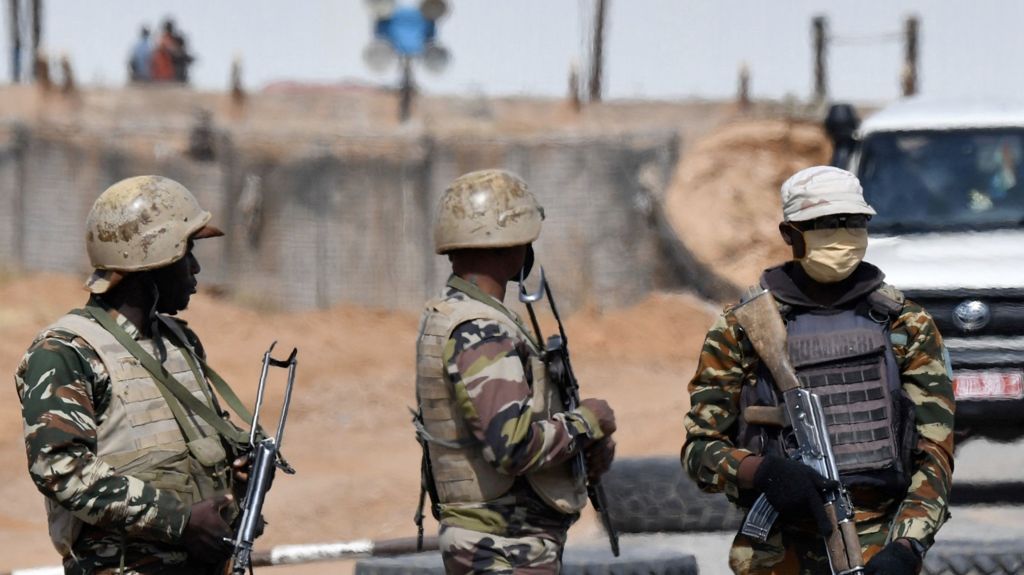
    In a brutal assault on a village in western Niger, gunmen on motorbikes killed 22 people, most of whom were attending a baptism ceremony. The attack occurred in the Tillabéri region, which borders Mali and Burkina Faso, areas plagued by jihadist insurgency. According to a local resident, 15 individuals were killed at the ceremony, while seven others were slain as the assailants moved to another location. Maikoul Zodi, a civil rights activist, described the incident on social media as an act of terror that disrupted a moment of celebration. Niger’s military government, which has been grappling with jihadist violence linked to al-Qaeda and Islamic State, confirmed the attack but has yet to release official casualty figures. Local media outlet Elmaestro TV reported the incident as a ‘gruesome death toll of 22 innocent people cowardly killed without reason or justification.’ The Tillabéri region has become a hotspot for jihadist activity, with Human Rights Watch recently documenting a surge in attacks since March, resulting in over 127 deaths and widespread destruction of property. The group criticized authorities for failing to respond effectively to warnings and pleas for help from villagers. Just last week, 14 Nigerien soldiers were killed in an ambush in the same region, underscoring the escalating violence. Access restrictions and fear of reprisals often make it challenging to verify casualty numbers independently. Mr. Zodi has called on the government to prioritize civilian safety, urging stronger state presence in vulnerable areas. Niger, along with its neighbors Burkina Faso and Mali, has been under military rule since coups in recent years. These nations have expelled French and U.S. forces previously involved in counterterrorism efforts and have since formed an alliance, seeking support from Russia and Turkey. Despite these measures, the violence persists, raising questions about the effectiveness of current strategies.

  • Japan’s exports down in August as automakers grapple with US tariffs

    Japan’s exports down in August as automakers grapple with US tariffs

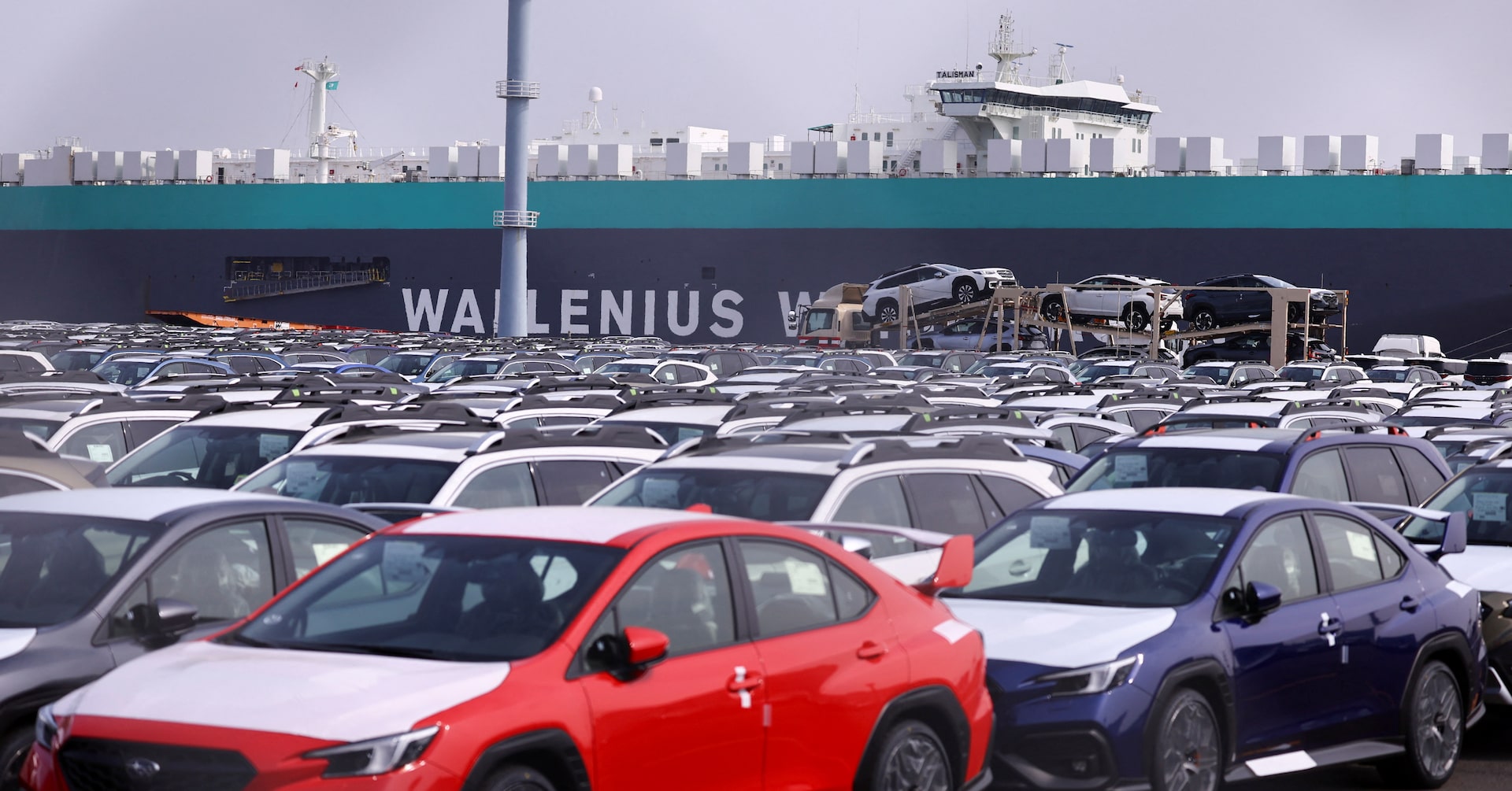
    Japan’s export sector faced another challenging month in August 2025, marking the fourth consecutive decline, as elevated U.S. tariffs continued to weigh heavily on key industries such as automotive and manufacturing. According to government data released on September 17, total exports by value fell by 0.1% year-on-year, a smaller drop than the 1.9% decrease forecasted by economists. However, exports to the United States plummeted by 13.8%, the steepest decline since February 2021, driven by significant drops in automobile and chipmaking equipment shipments. The volume of U.S.-bound exports also decreased by 12.0%, exacerbating the trade surplus reduction with the U.S. to 324 billion yen ($2.21 billion), the smallest since January 2023. While exports to China dipped slightly by 0.5%, shipments to Asia and the European Union saw modest gains, partially offsetting the U.S. downturn. On the import side, total imports fell by 5.2% year-on-year, largely due to lower oil prices, resulting in a trade deficit of 242.5 billion yen ($1.66 billion), significantly less than the forecasted 513.6 billion yen. Despite some relief from a reduced baseline tariff rate of 15% on Japanese imports, down from the initial 27.5%, the impact remains severe for Japanese automakers and auto parts suppliers, who previously enjoyed a 2.5% rate. Economists predict a contraction in Japan’s economy by an annualized 1.1% in the current quarter, reflecting weak overseas demand. Bank of Japan Governor Kazuo Ueda has pledged to proceed cautiously with rate hikes, given the uncertainty surrounding the U.S. tariff impact. Meanwhile, corporate spending on plant and equipment surged by 7.6% in the April-June quarter, with the automotive sector leading the charge with a 43.4% increase, driven by investments in electric vehicle production, despite a 30.7% plunge in operating profits.