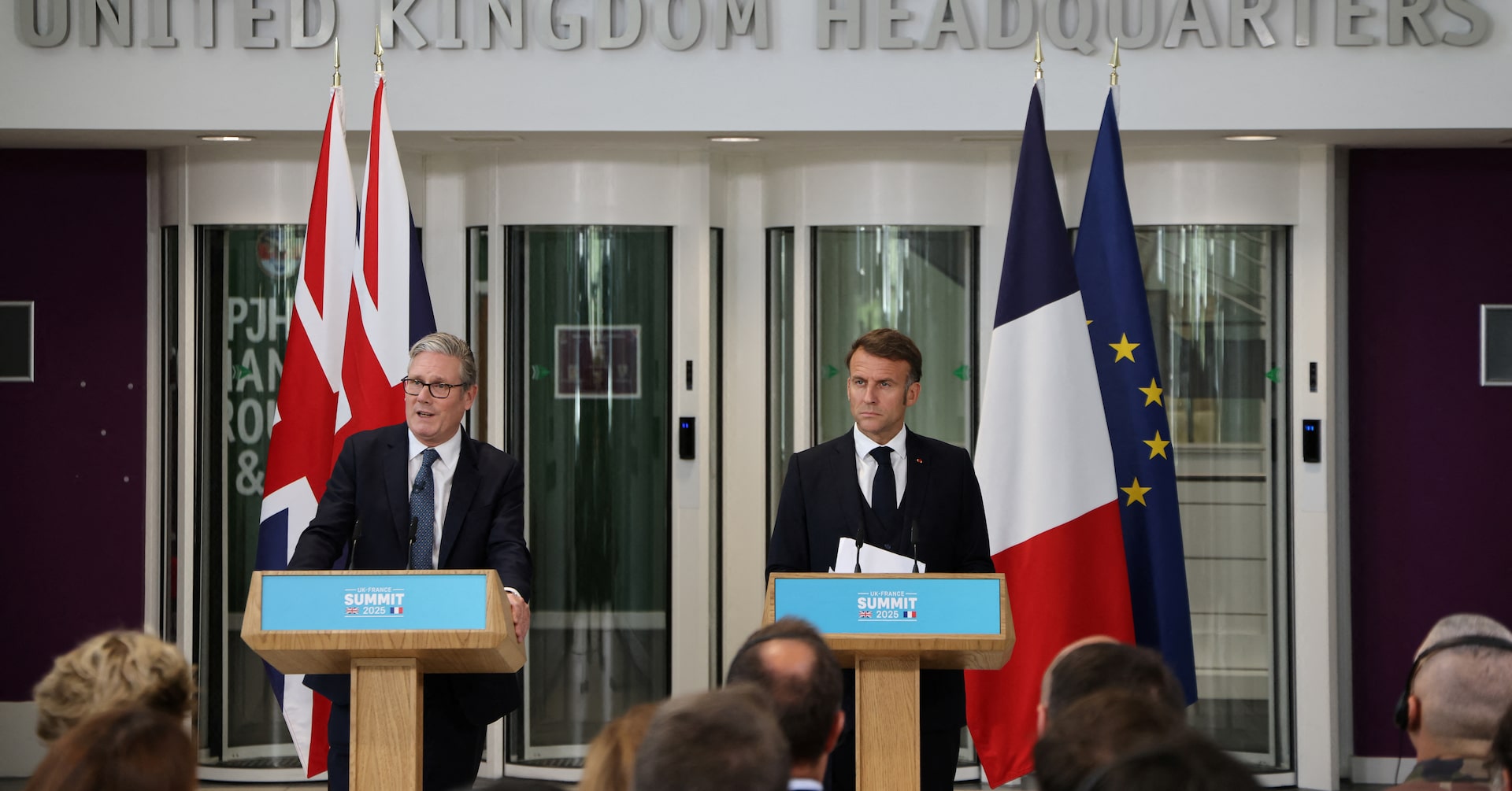
In a significant move to address illegal migration, the United Kingdom has deported its first migrant to France under the newly implemented ‘one in, one out’ agreement. The pilot scheme, agreed upon by British Prime Minister Keir Starmer and French President Emmanuel Macron in July 2025, aims to remove undocumented individuals arriving in small boats to France while accepting an equal number of legitimate asylum seekers with British family ties. The UK’s Home Office confirmed that a man who arrived by small boat in August was removed on a commercial flight, with additional flights scheduled in the coming weeks. Home Secretary Shabana Mahmood emphasized the importance of this step in securing the UK’s borders and deterring illegal crossings. The policy, however, has faced legal challenges, with London’s High Court temporarily halting the removal of one asylum seeker pending a full legal review. Despite these hurdles, the government remains committed to the scheme, reviewing modern slavery legislation to prevent its misuse. Critics, including campaign group Freedom from Torture, argue that the policy lacks compassion and access to legal support, urging a more humane approach to asylum seekers.
作者: admin
-
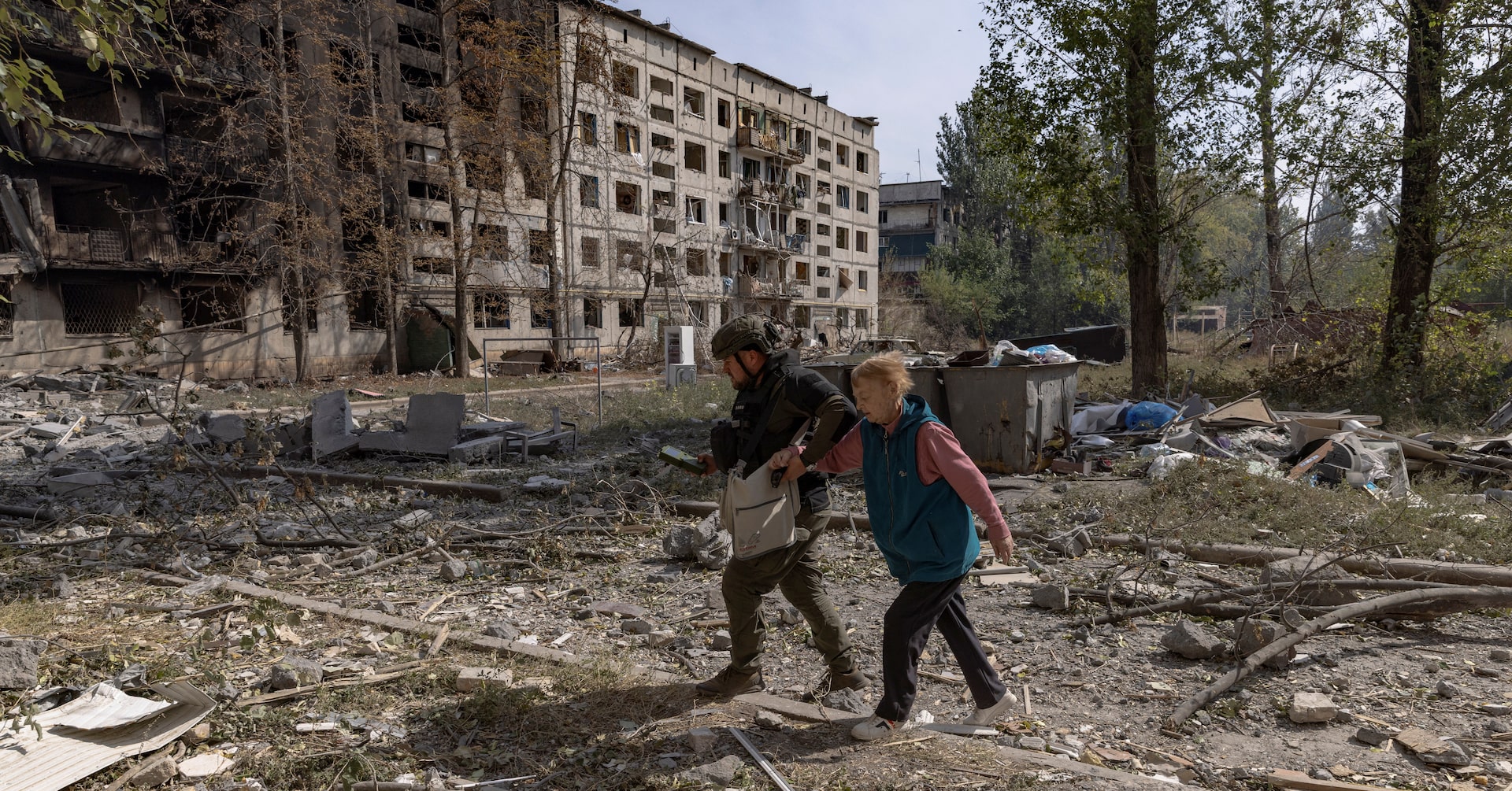
EU floats plan to use frozen Russian assets for Ukraine loan, bypassing a Hungary veto
The European Union is actively considering innovative financial strategies to support Ukraine amidst its ongoing conflict with Russia. One such proposal involves leveraging frozen Russian assets to underpin a ‘reparation loan’ aimed at bolstering Ukraine’s wartime finances. This approach seeks to circumvent potential vetoes from Hungary, a member state known for its pro-Moscow stance. European Commission President Ursula von der Leyen recently introduced the concept, emphasizing that the loan would be structured around cash balances linked to Russian central bank assets frozen in the West following Moscow’s invasion of Ukraine. Crucially, the plan avoids seizing these assets, a move that has been a red line for some EU members. The proposed mechanism would involve replacing the frozen Russian assets with zero-coupon bonds issued by the European Commission, guaranteed by either all EU countries or a coalition of willing participants. This strategy aims to ensure that Ukraine would only repay the loan once it receives compensation from Russia for war-related damages. The initiative is still in its preliminary stages, with many details, including the exact amounts, yet to be finalized. However, officials believe that this approach could provide Ukraine with much-needed financial support while minimizing political risks associated with Hungary’s potential veto. The EU has already been using interest from the frozen assets to repay a $50 billion loan extended to Ukraine by G7 countries. Moving forward, the proposed scheme could offer greater investment flexibility and higher returns, further aiding Ukraine’s recovery efforts.
-

Nvidia bets big on Intel with $5 billion stake and chip partnership
In a landmark move, Nvidia has announced a $5 billion investment in Intel, solidifying its position as one of the largest shareholders in the U.S. chipmaker. This strategic partnership, unveiled on September 18 in San Francisco, comes weeks after the U.S. government acquired a 10% stake in Intel, signaling a concerted effort to bolster domestic semiconductor capabilities. The collaboration aims to enhance AI and computing technologies, posing a significant challenge to industry giants like TSMC and AMD. Nvidia’s investment, priced at $23.28 per share, reflects confidence in Intel’s potential despite its recent struggles. The deal excludes Intel’s foundry business but focuses on joint development of PC and data center chips, leveraging Nvidia’s proprietary technology for faster chip-to-chip communication. This alliance could reshape the competitive landscape, particularly in AI servers, where Nvidia and Intel’s combined offerings may outpace rivals like AMD and Broadcom. Intel’s CEO, Lip-Bu Tan, has pledged to streamline operations and align factory capacity with demand. The partnership underscores a broader trend of U.S. tech firms uniting to counter global competition, with Nvidia and Intel poised to drive innovation in the next era of computing.
-
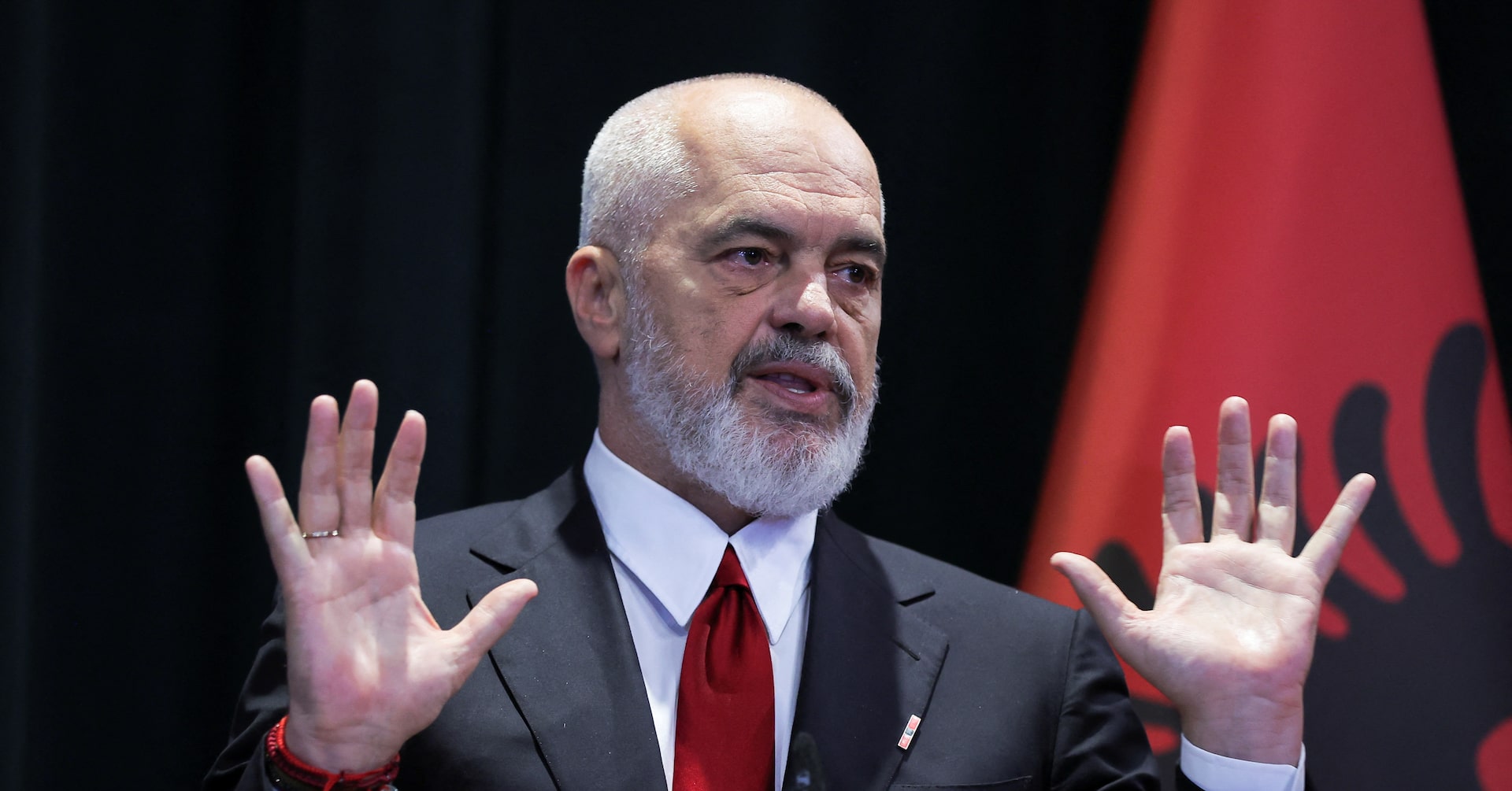
Albania’s Rama starts fourth term as PM, targets EU membership
Albania’s Prime Minister Edi Rama has been confirmed for a historic fourth consecutive term by the country’s parliament, solidifying his leadership in the Balkan nation. The Socialist Party leader, who ran unopposed, secured 82 votes in the 140-seat assembly, marking another majority victory following May’s elections. During his address to lawmakers, Rama emphasized his commitment to steering Albania toward European Union membership by 2030, declaring it the cornerstone of his new mandate. ‘European Albania is the guiding compass for every aspect of our program and the metronome for the rhythm of every reform we will undertake,’ he stated. However, Albania’s path to EU integration faces significant hurdles, including widespread corruption and its reputation as a hub for money laundering linked to drug and weapons trafficking. In a bold and controversial move, Rama recently appointed an AI-powered bot named Diella to oversee public tenders, aiming to curb corruption. Diella, introduced via a video address, asserted its role as a facilitator rather than a replacement for human oversight. The opposition has vehemently criticized the appointment, labeling it unconstitutional and potentially exacerbating corruption. Sali Berisha, leader of the Democratic Party, accused Rama’s mandate of being ‘based on crime, corruption, drugs, and the violation of the Constitution.’ The lack of parliamentary debate on the new government further fueled opposition discontent. Despite these challenges, Rama remains steadfast in his vision for Albania’s future within the EU.
-

At least 10 dead in Lagos high-rise office building fire
A devastating fire engulfed a high-rise building in Lagos, Nigeria’s bustling commercial hub, resulting in the deaths of at least ten individuals and leaving 25 others injured. The incident, which occurred on Tuesday, unfolded at the seven-story Afriland Towers, a building housing numerous commercial enterprises. Disturbing footage circulating on social media captured desperate occupants leaping from the third and fourth floors as flames and thick smoke rapidly consumed the structure. Many of the victims were workers trapped inside, unable to escape the inferno. Survivors sustained severe burns, fractures, and respiratory issues from smoke inhalation, while others faced life-threatening trauma from jumping to safety. Witnesses described scenes of chaos and panic, with some individuals too terrified to leap and others resorting to makeshift ladders for rescue. The Lagos State Emergency Management Agency (Lasema) attributed the fire’s origin to the basement, where electrical equipment overheated due to poor maintenance and inadequate ventilation. The agency highlighted critical safety lapses, including the absence of mechanical smoke extraction systems, non-functional public address systems, and insufficient evacuation signage. Additionally, sealed windows and the incapacitation of facility managers exacerbated the crisis. Lasema managed to extinguish the blaze after several hours, but the incident has raised serious concerns about fire safety standards in Nigeria. President Bola Tinubu expressed his condolences to the bereaved families, while the Nigeria Federal Fire Service launched a comprehensive investigation into the causes, promising to implement all recommendations to prevent future tragedies.
-
Dollar choppy after Fed decision; pound steady after BoE keeps rates steady
Global currency markets experienced significant volatility on Thursday as traders digested key policy decisions from major central banks. The U.S. dollar initially plummeted following the Federal Reserve’s cautious stance on future interest rate cuts but later rebounded, reflecting mixed signals from policymakers. Meanwhile, the British pound remained steady after the Bank of England (BoE) opted to maintain interest rates and slow the pace of its quantitative tightening (QT) program. The BoE reduced its annual gilt sales from £100 billion to £70 billion, aligning closely with market expectations. Marion Amiot, chief UK economist at S&P Global Ratings, noted that the BoE is unlikely to ease monetary policy further this year. The euro saw modest gains, rising 0.1% against the pound, while gilt yields dipped slightly. In Norway, the Norges Bank cut interest rates by 25 basis points, as anticipated, signaling potential further reductions. The Norwegian crown remained stable despite the rate cut. In Japan, the yen weakened ahead of the Bank of Japan’s (BOJ) policy decision on Friday, with markets expecting no immediate rate hikes but pricing in a possible increase by March 2024. Elsewhere, the New Zealand dollar fell to its lowest level since September 8 after data revealed a 0.9% contraction in GDP for the second quarter, fueling speculation of policy easing by the Reserve Bank of New Zealand. Analysts remain divided on the implications of the Fed’s actions, with some viewing the rate cut as the first in a series, while others interpret Chair Jerome Powell’s comments as less dovish. The dollar index, which measures the greenback against a basket of major currencies, initially dropped to its lowest since February 2022 but later recovered, ending the day steady at 96.96. The currency markets’ turbulence underscores the ongoing uncertainty surrounding global economic conditions and central bank policies.
-
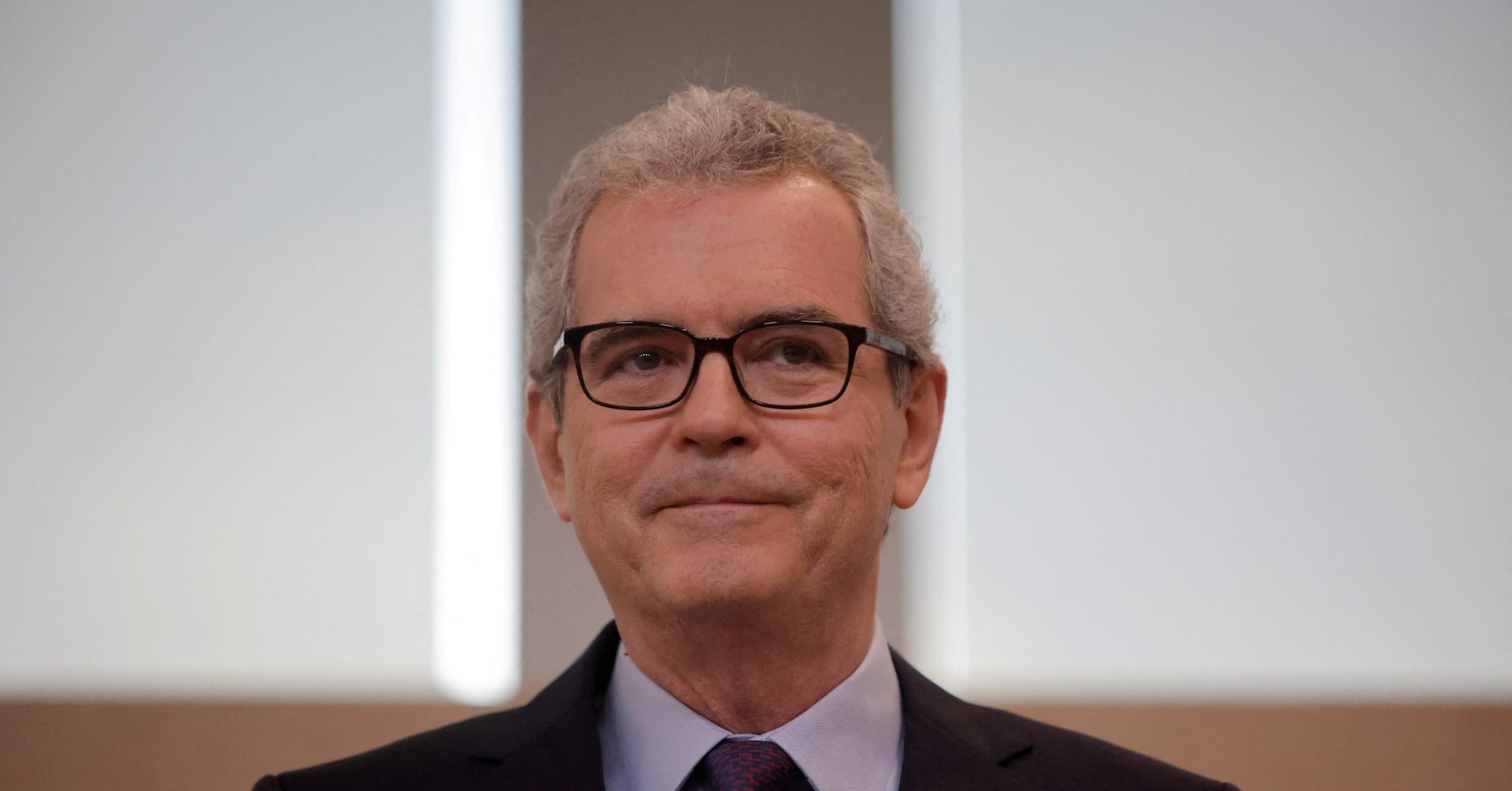
Nestle’s new chairman Isla brings Zara magic to Nescafe maker’s turnaround
Nestle, the Swiss multinational food and beverage giant, has appointed Pablo Isla as its new chairman, effective October 1, 2023. Isla, renowned for his transformative leadership at Inditex, the parent company of Zara, brings a wealth of expertise in logistics, e-commerce, and consumer trends to Nestle. His appointment comes at a critical juncture for the company, which has seen its shares underperform, losing 33% of their value over the past three years, while competitors like Unilever and Danone have thrived. Isla’s track record of driving rapid global expansion and integrating digital and physical retail channels at Inditex positions him as a catalyst for Nestle’s much-needed revitalization. Nestle’s recent struggles include declining sales and profits, compounded by the abrupt dismissal of former CEO Laurent Freixe. Investors are optimistic that Isla, alongside newly appointed CEO Philipp Navratil, will spearhead a digital transformation, leveraging artificial intelligence to optimize supply chains and enhance sales. Isla’s leadership style, described as hands-on and collaborative, is expected to foster innovation and rapid change within the company. His experience in mentoring and guiding executives will also be invaluable in supporting Navratil’s transition into the CEO role. With Nestle’s e-commerce sales already accounting for 20.2% of total revenue, Isla’s appointment signals a renewed focus on digital growth and operational efficiency, aiming to reclaim the company’s competitive edge in the global market.
-
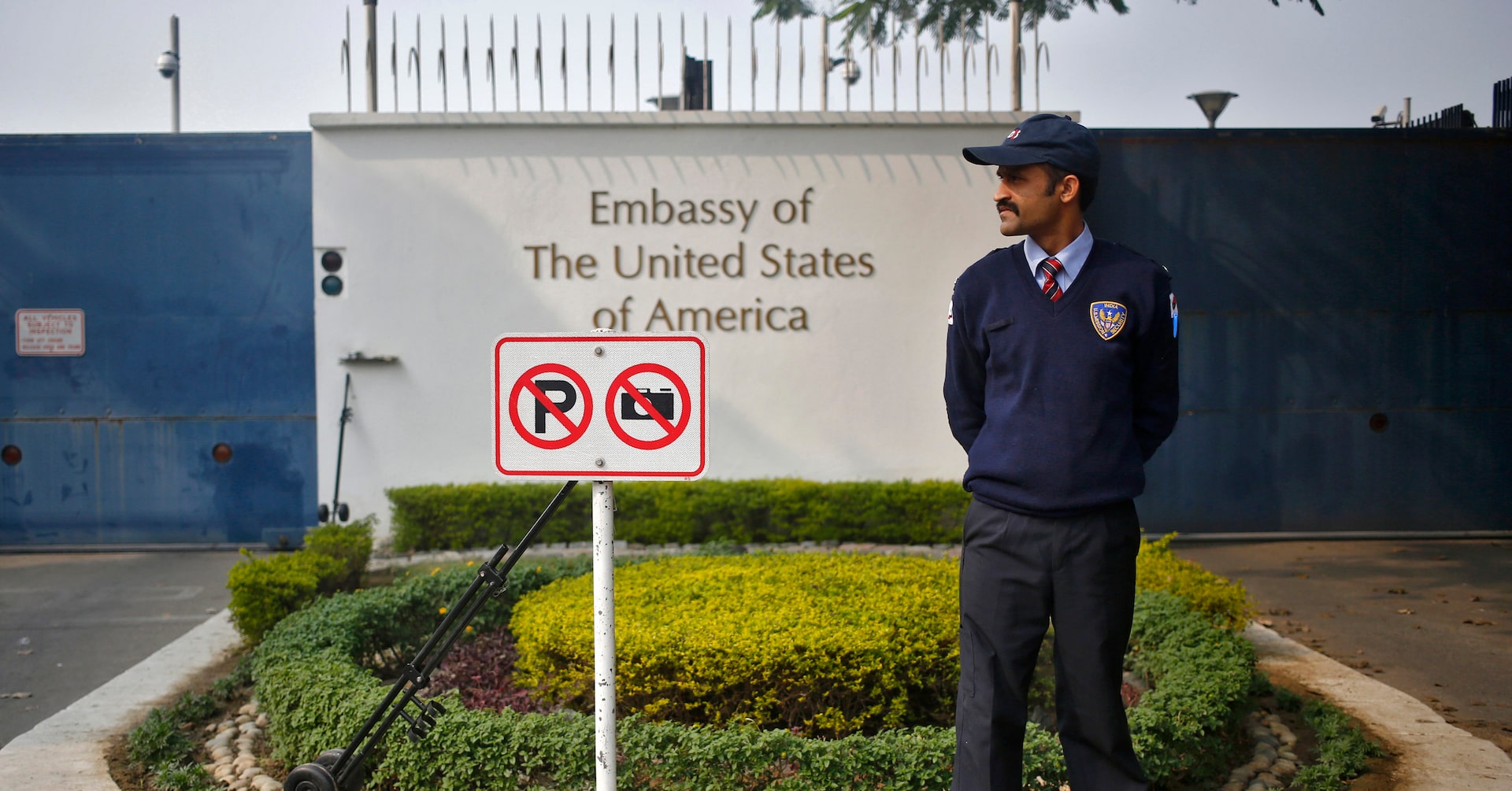
US embassy in India says it revoked, denied visas over fentanyl links
The U.S. Embassy in New Delhi has taken decisive action against certain Indian business executives and corporate leaders by revoking or denying their visas. This move comes in response to their alleged involvement in trafficking fentanyl precursors, as confirmed by the embassy in an official statement released on Thursday. Fentanyl precursors are the essential chemicals used in the production of fentanyl, a potent synthetic opioid responsible for a significant public health crisis in the United States. The embassy did not disclose the identities of the individuals affected by this visa action, maintaining confidentiality in line with its protocols. This development underscores the U.S. government’s intensified efforts to combat the global fentanyl trade and its supply chain. The decision also highlights the growing scrutiny of international business leaders linked to activities that contribute to the opioid epidemic. The embassy’s statement serves as a stern reminder of the legal and diplomatic consequences for those involved in such illicit activities.
-

Trump trade war fallout hits Argentine soy crushers despite export boom
The U.S.-China trade war has had unexpected repercussions in Argentina, where the country’s soy crushing industry is facing significant challenges despite record-high soybean exports. According to recent reports, Argentina’s soybean sales to China have surged to a six-year high, driven by Beijing’s search for alternatives to U.S. soybeans. However, this export boom has led to a shortage of raw beans for local processors, causing idle capacity in crushing facilities to rise to 31% in July, with further increases since then. Gustavo Idigoras, president of the CIARA-CEC grain exporters and processors chamber, expressed concern over the situation, stating that the trade war has harmed Argentina by reducing jobs and export value. He also noted that the surplus of soybeans in the U.S. has intensified competition for Argentine soymeal in Southeast Asia. While exports of unprocessed soybeans from the 2024/25 harvest have reached 8.81 million metric tons, nearly double the previous season, the future of Argentina’s soybean exports remains uncertain, hinging on the outcome of U.S.-China trade negotiations. All eyes are on November, when the current trade waiver between the two nations expires.
-
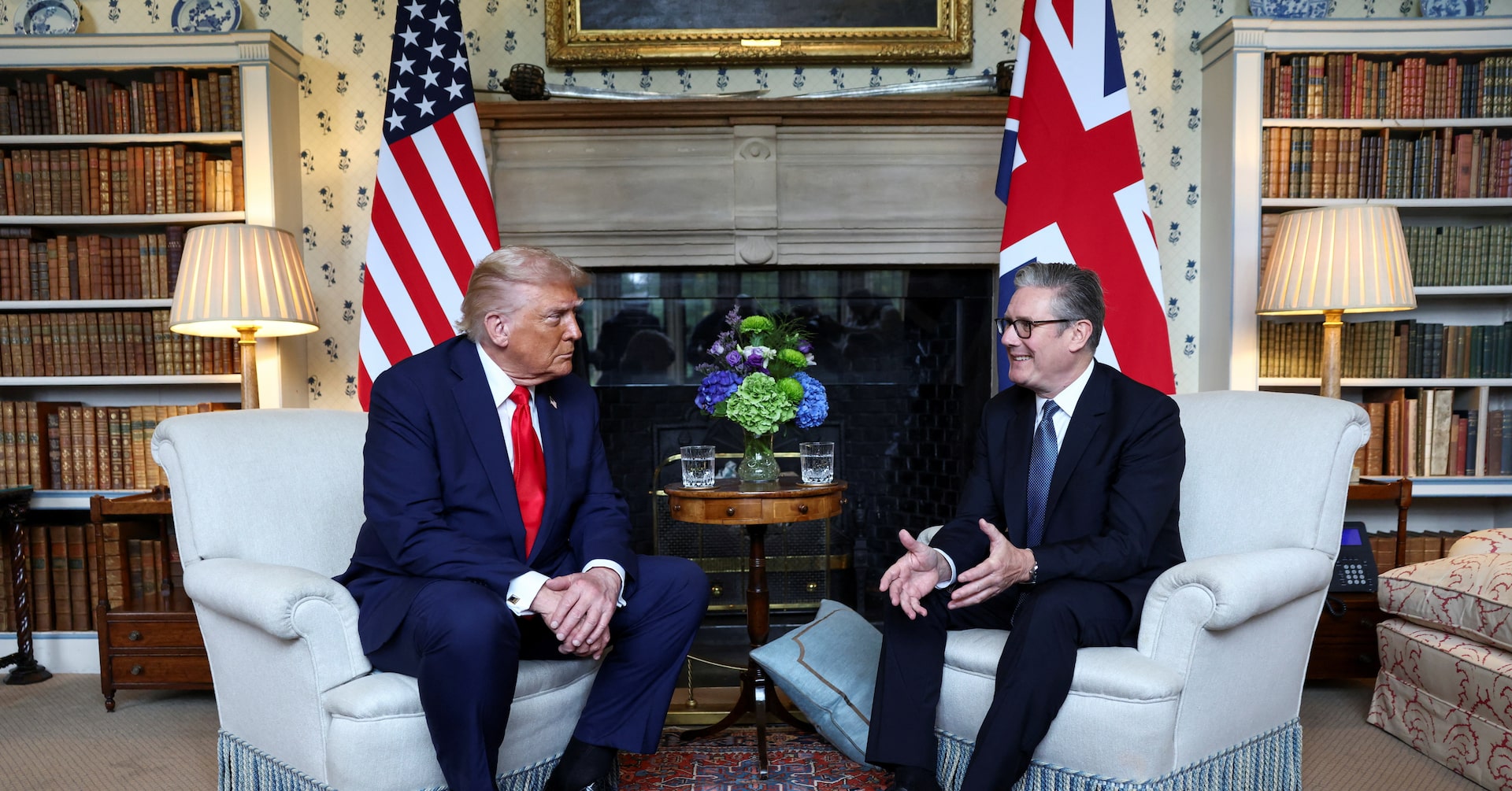
Starmer, Trump to discuss foreign affairs, investment after pomp-filled royal welcome
U.S. President Donald Trump and British Prime Minister Keir Starmer convened at Chequers, the Prime Minister’s country residence, on September 18, 2025, to solidify a landmark £150 billion ($205 billion) U.S. investment package in the UK. The deal, spanning technology, energy, and life sciences, aims to rejuvenate the historic ‘special relationship’ between the two nations. This meeting, part of Trump’s second state visit to the UK, shifted focus from domestic political challenges to global affairs, following a day of ceremonial events with King Charles III. Despite the celebratory tone, underlying tensions over Ukraine, Israel, and sensitive domestic issues loomed. Starmer, facing domestic pressures, sought to leverage the visit to bolster his international standing. Trump, meanwhile, emphasized the value of U.S.-UK ties, praising Britain’s historical contributions to global values. The leaders also addressed contentious topics, including Russia’s invasion of Ukraine and Israel’s actions in Gaza, which could strain discussions. While Starmer secured significant U.S. investments, hopes for reduced steel and aluminium tariffs were dashed. The visit underscored both cooperation and friction in the U.S.-UK alliance.