作者: admin

  • Board of Peace, Zelensky and Musk – What happened before Trump left Davos?

    Board of Peace, Zelensky and Musk – What happened before Trump left Davos?

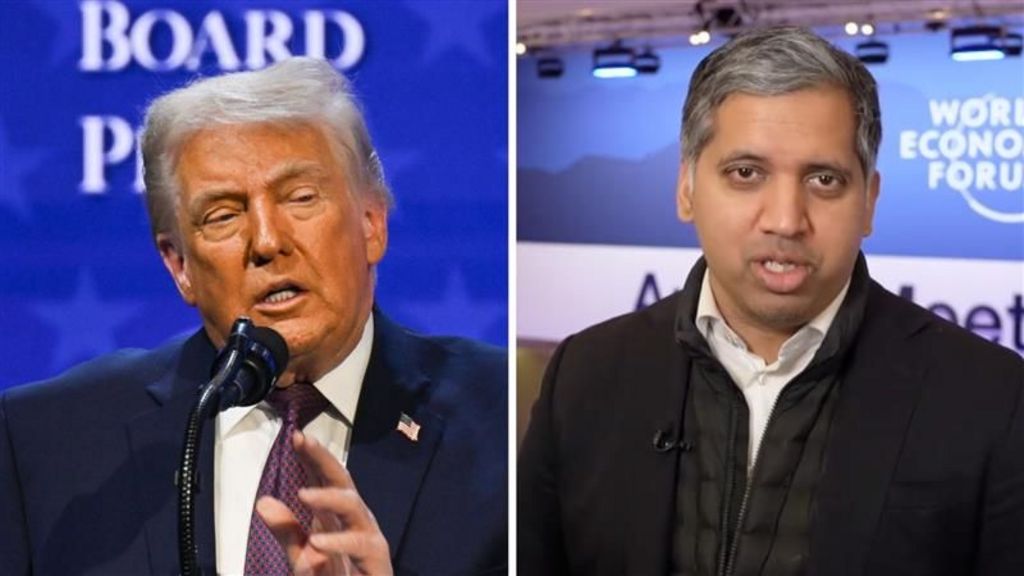
    In a strategically timed move preceding his departure from the World Economic Forum, President Donald Trump presided over the establishment of his controversial “Board of Peace” initiative. The charter-signing ceremony, characterized by its solemn diplomatic pageantry, nonetheless revealed significant geopolitical fractures as multiple key U.S. allies conspicuously abstained from participation.

    The event’s narrative was further complicated by the unexpected involvement of two influential figures: Ukrainian President Volodymyr Zelensky and technology magnate Elon Musk. While specific details of their roles remain undisclosed, their presence suggested an unconventional approach to international diplomacy that blends traditional statecraft with private sector influence.

    Analysts note that the initiative’s launch during the Davos gathering represents a strategic attempt to leverage the global platform while simultaneously challenging established multilateral frameworks. The absence of several traditional allies underscores the administration’s willingness to pursue foreign policy objectives outside conventional diplomatic channels, potentially signaling a fundamental shift in how international cooperation might be structured in the future.

    The “Board of Peace” concept appears to align with Trump’s longstanding skepticism toward traditional international organizations, proposing instead a leaner, more flexible framework for conflict resolution. However, the lack of broad allied participation at the inaugural ceremony raises serious questions about the initiative’s viability and potential effectiveness in addressing complex global conflicts.

  • Carney answers Trump: ‘Canada doesn’t live because of US’

    Carney answers Trump: ‘Canada doesn’t live because of US’

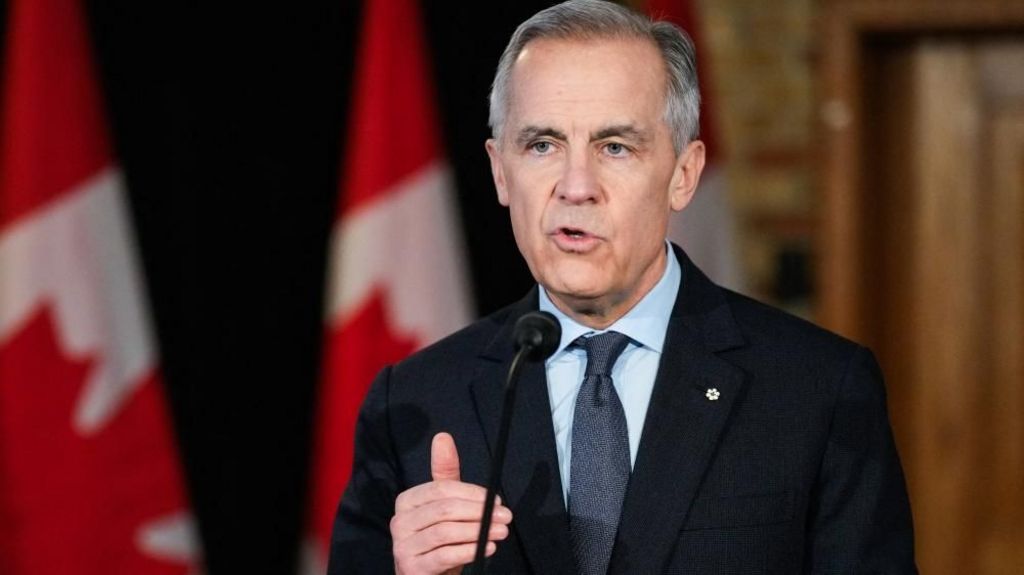
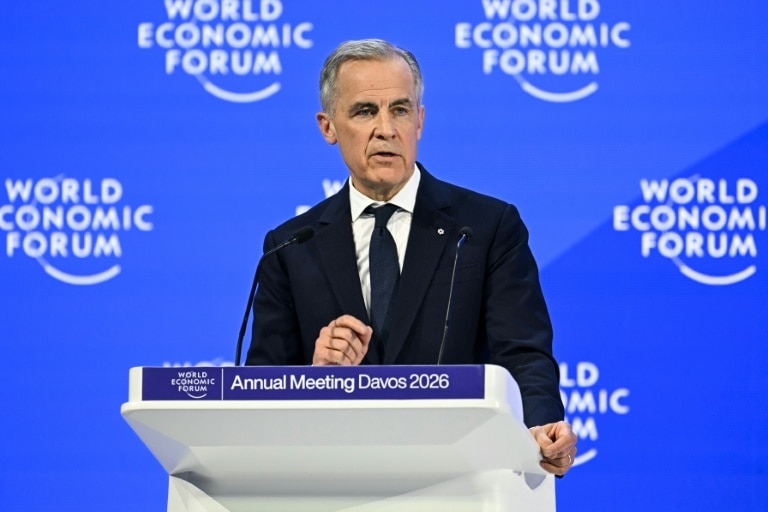
    In a powerful address delivered in Quebec City ahead of a new parliamentary session, Canadian Prime Minister Mark Carney offered a robust rebuttal to U.S. President Donald Trump’s assertion that “Canada lives because of the United States.” Carney’s speech emphasized national self-determination and values, declaring that “Canada doesn’t live because of the United States. Canada thrives because we are Canadian.”

    The response came shortly after Trump criticized Carney’s earlier appearance at the World Economic Forum in Davos, where the Canadian leader received a standing ovation for his critique of a fragmenting rules-based global order—a clear allusion to Trump’s disruptive foreign policy approach.

    While acknowledging the long-standing partnership between the two nations, Carney used his platform to outline a vision of Canadian resilience and moral leadership in an era of democratic backsliding. He stated that Canada must serve as a beacon of stability and inclusivity despite global divisions, adding that “the arc of history isn’t destined to be warped towards authoritarianism and exclusion.”

    The speech also touched on trade tensions, defense strategy, and sovereignty. Carney warned that traditional alliances are being “redefined and, in some cases, broken,” and emphasized Canada’s commitment to securing its borders and increasing defense spending.

    This exchange highlights ongoing friction in U.S.-Canada relations, particularly as renegotiation of the North American free trade agreement looms. Trump has repeatedly questioned the trade relationship and even suggested annexation of Canadian territory in social media posts.

    Still, Carney struck a tone of defiant optimism, framing Canada not as a dependent neighbor but as an example of principled governance in uncertain times.

  • Chinese company unveils plans for commercial space flights

    Chinese company unveils plans for commercial space flights

    Beijing InterstellOr Human Spaceflight Technology has announced groundbreaking plans to launch commercial space tourism services using its newly developed CYZ-1 manned spacecraft. The revelation came during a Thursday business presentation in Chengdu, where founder and CEO Lei Shiqing detailed the company’s vision for making suborbital space travel accessible to private citizens.

    The CYZ-1 spacecraft represents a significant advancement in China’s burgeoning commercial space sector, featuring an innovative two-part design comprising a crew module and a dedicated escape capsule. With specifications including an 8-ton mass, 4-meter diameter, and 21-cubic-meter interior volume, the spacecraft will accommodate six passengers alongside multiple viewport windows for optimal cosmic viewing.

    Launch operations will utilize a small carrier rocket to propel the spacecraft to approximately 70 kilometers altitude before separation. The vehicle will then continue its ascent through inertia, crossing the internationally recognized Kármán line at 100 kilometers—the conventional boundary of space—with capacity to reach altitudes up to 200 kilometers without entering orbit.

    Passengers will experience approximately three minutes of weightlessness during the peak of their journey before the craft initiates atmospheric re-entry. The entire mission, from launch to landing, will span approximately 20 minutes, concluding with a controlled parachute-assisted descent to ensure safe touchdown.

    InterstellOr’s development roadmap includes two unmanned test flights scheduled before the end of 2028, followed by the inaugural crewed mission. The company emphasizes its commitment to delivering what it describes as a “safe, comfortable and affordable” spaceflight experience, capitalizing on recent favorable policies implemented by the Chinese government to stimulate commercial space innovation.

  • Canada’s Carney stresses unity in the face of challenges at home

    Canada’s Carney stresses unity in the face of challenges at home

    In a powerful address delivered at the historic La Citadelle fortress in Quebec City, Canadian Prime Minister Mark Carney issued a resounding call for national unity while articulating a bold vision for Canada’s role in an increasingly fragmented global landscape. The speech, marking his first major domestic appearance following controversial remarks at the World Economic Forum in Davos, served as both a unifying message to Canadians and a defiant assertion of national sovereignty.

    Speaking before his federal cabinet at the 19th-century military stronghold originally built to defend against foreign invasion, Carney outlined ambitious plans to strengthen Canada’s economy amid worldwide instability. He emphasized the urgent need for decisive action, stating his government would ‘execute, fairly and fast’ to address pressing economic challenges and cost-of-living concerns through breaking down domestic trade barriers, accelerating major projects, and pursuing trade agreements with non-US allies.

    The Prime Minister delivered a pointed rebuttal to recent comments by U.S. President Donald Trump, who had asserted that ‘Canada lives because of the United States.’ While acknowledging the remarkable partnership between the two nations, Carney firmly declared: ‘Canada doesn’t live because of the United States. Canada thrives because we are Canadians.’ This statement underscored his commitment to defending Canadian values in what he described as a ‘divided’ world.

    Carney expanded on themes previously introduced in Davos, where he had warned that the rules-based international order ‘is not coming back’ and urged middle powers to resist economic coercion by greater powers. Though not mentioning Trump by name, he indicated that the previous ‘bargain’ involving American hegemony had become obsolete.

    The speech has drawn mixed reactions internationally. While Mexican President Claudia Sheinbaum praised Carney’s stance as ‘in tune with current times,’ U.S. Commerce Secretary Howard Lutnick accused Canada of arrogance and characterized the Prime Minister’s position as ‘political marketing’ designed for domestic consumption. Lutnick warned that Canada was jeopardizing its privileged trade relationship with the United States, particularly as both nations prepare to renegotiate the USMCA agreement.

    Domestically, opposition figures have challenged Carney to translate his rhetoric into concrete action. Conservative MP Michelle Rempel Garner emphasized that simply re-announcing projects or creating new bureaucracies would be insufficient following such strong international statements.

    The address concluded an eight-day international trip that included stops in Qatar and China, where Carney secured agreements to reduce tariffs and increase foreign investment in Canada. Recent polling indicates approximately half of Canadians view the Prime Minister favorably, with 47% expressing approval of his government’s performance.

  • Safer, cheaper, smarter? What Dubai’s new shared school rides mean for families

    Safer, cheaper, smarter? What Dubai’s new shared school rides mean for families

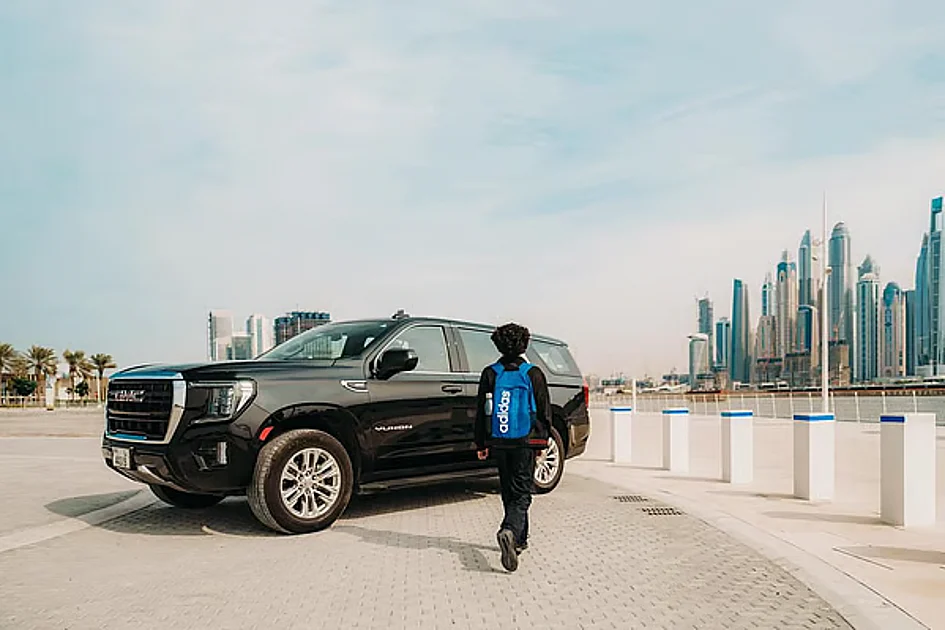
    Dubai is embarking on a transformative pilot program that could redefine the daily school commute for thousands of families. The Roads and Transport Authority (RTA), in collaboration with Yango Group and Urban Express Transport, is launching a shared, tech-enabled SUV service specifically for students aged 14 and above. This initiative directly targets the chronic congestion plaguing school zones, particularly in the Al Barsha education hub, where morning and afternoon traffic routinely spikes.

    The operational model groups students from neighboring households, even those attending different schools, into luxury SUVs. Routes are meticulously mapped using real-time data and synchronized with school schedules, with a strict commitment to keeping each journey under 60 minutes. A central feature for parents is a dedicated application that provides live vehicle tracking and advanced notifications for precise pick-up and drop-off times, injecting a new level of predictability into hectic mornings.

    Financially, the pilot is introduced at a special rate of Dh1,000 per student per month. The RTA estimates this pooled model could be approximately 15% more cost-effective than traditional school transport when factoring in fuel, time lost in traffic, and standard bus fees.

    Safety and safeguarding are paramount concerns addressed by the initiative. All drivers undergo rigorous vetting, and vehicles are subject to stringent safety checks and continuous tech monitoring. Partner schools, including prominent institutions like Brighton College Dubai and Dubai American Academy, are actively involved in establishing protocols for age-appropriate seating and behavior. Simon Crane, Headmaster of Brighton College Dubai, emphasized the school’s close collaboration with providers to ensure the highest standards of student welfare.

    While some parents express hesitation, preferring the ‘tried and tested’ traditional school bus, others see significant potential. Working parents highlight the promise of reduced stress and time savings. Traffic expert Thomas Edelmann of RoadSafetyUAE endorsed the scheme, noting that a single shared vehicle can remove up to 50 private cars from the road during critical peak hours, offering a substantial benefit to public congestion and sustainability. If successful, the RTA plans a city-wide expansion for the 2026-27 academic year.

  • BTS fans warned of fake websites ahead of World Tour ticket presale

    BTS fans warned of fake websites ahead of World Tour ticket presale

    Bighit Music, the management label behind global sensation BTS, has issued an urgent security advisory warning fans of sophisticated fraudulent operations targeting the group’s upcoming world tour. The alert comes as the highly anticipated ticket presale for the band’s first comeback concert approaches.

    The label confirmed the discovery of multiple unauthorized websites impersonating official channels to sell counterfeit Army Memberships and tour tickets. These fraudulent platforms have no affiliation with Weverse’s official services, Bighit Music, or BTS, despite employing sophisticated deception tactics to appear legitimate.

    “We urge extreme caution among our fan community,” stated the official advisory. “These unauthorized sites have no partnership or cooperative relationship with our organization whatsoever.”

    The warning emphasizes that Bighit Music cannot assume responsibility for financial damages, identity theft, or personal information compromises resulting from interactions with these illicit platforms. The alert specifically addresses risks associated with unofficial membership registrations, ticket purchases, and data disclosure through non-official channels.

    Official ticket access will follow a structured presale system prioritizing registered Army Membership holders before general public availability. All legitimate registration and presale processes must occur exclusively through the verified Weverse application, with ticket reservations restricted to authorized platforms listed on BTS’s official communication channels.

    The cybersecurity warning highlights growing concerns about digital fraud targeting major entertainment events, particularly for artists with dedicated global fanbases like BTS’s ARMY community. Industry experts note such scams typically increase around high-demand ticket sales, exploiting fan enthusiasm and limited ticket availability.

  • UK lawyers seek travel and financial sanctions against Netanyahu

    UK lawyers seek travel and financial sanctions against Netanyahu

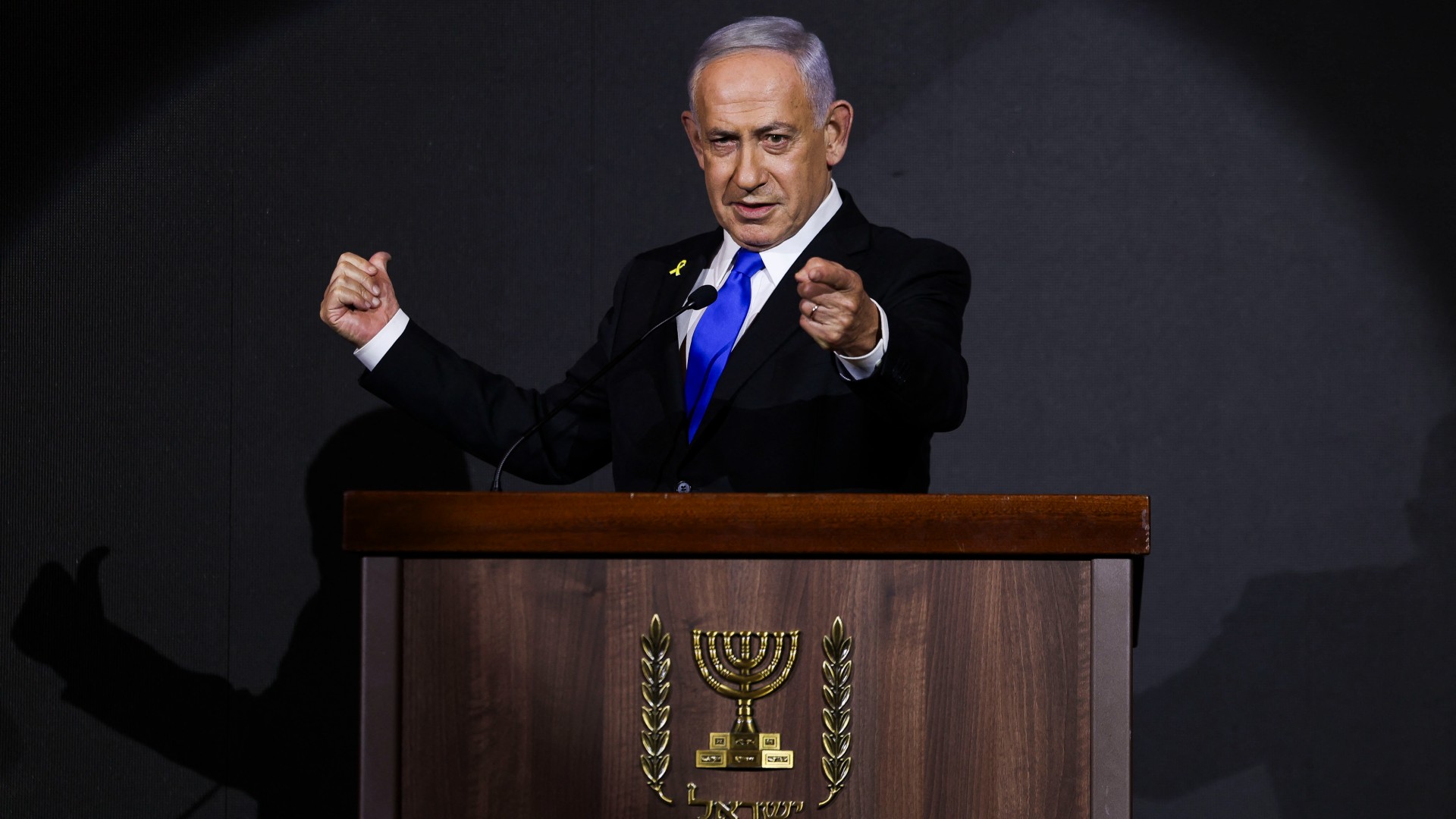
    A prominent British law firm has formally petitioned the UK Foreign Secretary to implement financial and travel sanctions against Israeli Prime Minister Benjamin Netanyahu, citing extensive evidence of alleged international law violations against Palestinians. Deighton Pierce Glynn, representing the Arab Organisation for Human Rights in the UK (AOHR UK), submitted the comprehensive legal filing earlier this week to Foreign Secretary Yvette Cooper.

    The submission presents documented evidence from multiple international institutions including the International Criminal Court, International Court of Justice, and United Nations bodies, alleging Netanyahu’s direct involvement in violations across Gaza, the West Bank, and East Jerusalem. The filing contends there are reasonable grounds to suspect Netanyahu’s statements constitute incitement to commit prohibited acts with intent to destroy the Palestinian people in part or whole – potentially amounting to incitement to genocide.

    Mohammed Jamil, chair of AOHR UK, emphasized that activating the Magnitsky sanctions regime against Netanyahu represents “a legal and moral necessity” rather than merely a political option. The sanctions framework, named after Russian whistleblower Sergei Magnitsky, targets individuals responsible for human rights violations or corruption by restricting their access to financial systems and international travel.

    The legal submission argues that Israeli actions against Palestinians result from high-level political authorization rather than subordinate decisions, citing Netanyahu’s October 2023 invocation of the biblical enemy ‘Amalek’ as evidence of incendiary rhetoric. Additionally, the filing references the Prime Minister’s role in illegal settlement expansion, including the E1 project that effectively undermines Palestinian statehood prospects.

    Jamil asserted that Britain’s international standing has been compromised by its “silence in the face of genocide” and continued military, security, political and economic support to Israel. The UK previously sanctioned Israeli ministers Bezalel Smotrich and Itamar Ben Gvir in June 2023 over settler violence incitement, marking this as the first attempt to target a sitting Israeli leader under the UK’s 2020 sanctions regime.

    Notably, Netanyahu already faces travel restrictions to the UK under an existing arrest warrant for alleged war crimes in Gaza. Legal experts note the UK has previously imposed similar sanctions on sitting heads of state including Vladimir Putin, Aleksandr Lukashenko and Bashar al-Assad, establishing precedent for such actions.

    The UK Foreign Office has not commented on the sanctions request. Deighton Pierce Glynn indicated that if the government fails to respond, they will “consider taking formal legal steps over the issue,” potentially escalating the matter through judicial channels.

  • Bangladesh will not go to India for T20 World Cup, says cricket board

    Bangladesh will not go to India for T20 World Cup, says cricket board

    In an unprecedented move that has sent shockwaves through the international cricket community, Bangladesh has officially withdrawn from next month’s T20 World Cup following a bitter dispute with tournament host India. The Bangladesh Cricket Board (BCB) announced its definitive decision on Thursday, effectively eliminating the nation from the prestigious global competition.

    BCB President Aminul Islam Bulbul stated unequivocally to journalists: “Our singular condition remains unchanged—we are prepared to participate in the World Cup, but absolutely not in India.” This declaration came just 24 hours after the International Cricket Council (ICC) formally rejected Bangladesh’s alternative proposal to have their group stage matches relocated to Sri Lanka.

    The escalating diplomatic confrontation between the neighboring countries originated on January 3rd when the Board of Control for Cricket in India (BCCI) instructed IPL franchise Kolkata Knight Riders to dismiss Bangladeshi fast bowler Mustafizur Rahman. This controversial decision followed intense online pressure from right-wing Hindu groups in India who referenced alleged attacks against Hindu communities in predominantly Muslim Bangladesh.

    Asif Nazrul, an advisor for youth and sports matters within Bangladesh’s interim administration, emphasized the irreversibility of their position: “There exists zero flexibility regarding our resolution. Our security apprehensions are not founded upon hypothetical scenarios but rather upon tangible events—specifically, the forced expulsion of our premier athlete who was compelled to capitulate to extremist elements.”

    The ICC responded by highlighting its extensive efforts to facilitate Bangladesh’s participation, noting that independent security evaluations and detailed safety plans from host authorities confirmed “no credible or verifiable threats” to the Bangladeshi squad. Despite these assurances, Bangladeshi officials remained unconvinced.

    This controversy carries significant implications for India’s broader sporting ambitions. The nation is currently preparing to host the 2030 Commonwealth Games, viewed as a critical precursor to its bid for the 2036 Olympics. BCB President Bulbul issued a stark warning regarding the consequences of excluding a major cricket nation: “Cricket is scheduled to debut at the 2028 Olympics, followed by Brisbane in 2032. Omitting a passionately cricket-devoted country of nearly 200 million people would represent a catastrophic failure for the sport’s global governance.”

  • Trump sues JPMorgan for $5bn over account closure after Capitol riot

    Trump sues JPMorgan for $5bn over account closure after Capitol riot

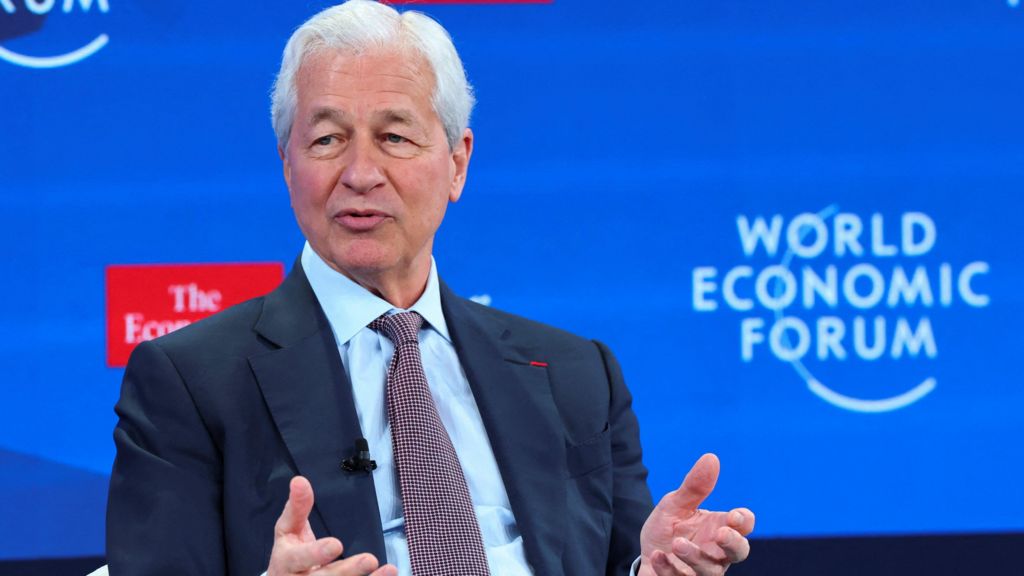
    Former President Donald Trump has initiated a $5 billion legal action against JPMorgan Chase, the United States’ largest financial institution, alleging the bank unlawfully terminated his accounts for politically motivated reasons. The lawsuit, filed in Florida, names both the corporation and its longstanding Chief Executive Jamie Dimon as defendants.

    The legal complaint asserts that JPMorgan Chase inflicted “considerable financial and reputational harm” upon Trump and his business enterprises when it abruptly discontinued their banking relationships in 2021. This action occurred shortly after the January 6th Capitol riot, during which Trump supporters violently disrupted the congressional certification of presidential election results.

    Trump’s legal team contends the account closures represented a “key indicator of a systemic, subversive industry practice that aims to coerce the public to shift and re-align their political views.” The filing specifically alleges the bank acted upon “unsubstantiated, ‘woke’ beliefs that it needed to distance itself from President Trump and his conservative political views.”

    Additionally, the lawsuit accuses JPMorgan of trade libel for allegedly placing Trump’s name and those of his associated businesses and family members on a shared “blacklist” identifying individuals with histories of “malfeasant” activity—a measure reportedly authorized personally by Dimon.

    JPMorgan Chase has vigorously denied these allegations, with a spokesperson stating “the suit has no merit” and emphasizing that “JPMC does not close accounts for political or religious reasons.” The bank clarified that account termination decisions stem from assessments of “legal or regulatory risk for the company,” citing existing “rules and regulatory expectations” that compel such actions.

    The financial institution expressed support for administrative efforts “to prevent the weaponisation of the banking sector” while noting it has petitioned multiple administrations to modify regulations that create these contentious situations.

    This legal confrontation represents the latest escalation in tensions between Trump and Dimon, who has recently criticized several administration policies including proposed credit card regulations, immigration approaches, and posturing toward the Federal Reserve.

    The lawsuit emerges amid broader regulatory scrutiny concerning ‘debanking’ practices. Last month, federal regulators identified nine major banks that had made “inappropriate distinctions” among customers based on business activities, particularly affecting sectors including oil and gas, private prisons, and adult entertainment.

  • Venezuela opens debate on an oil sector overhaul as Trump seeks role for US firms

    Venezuela opens debate on an oil sector overhaul as Trump seeks role for US firms

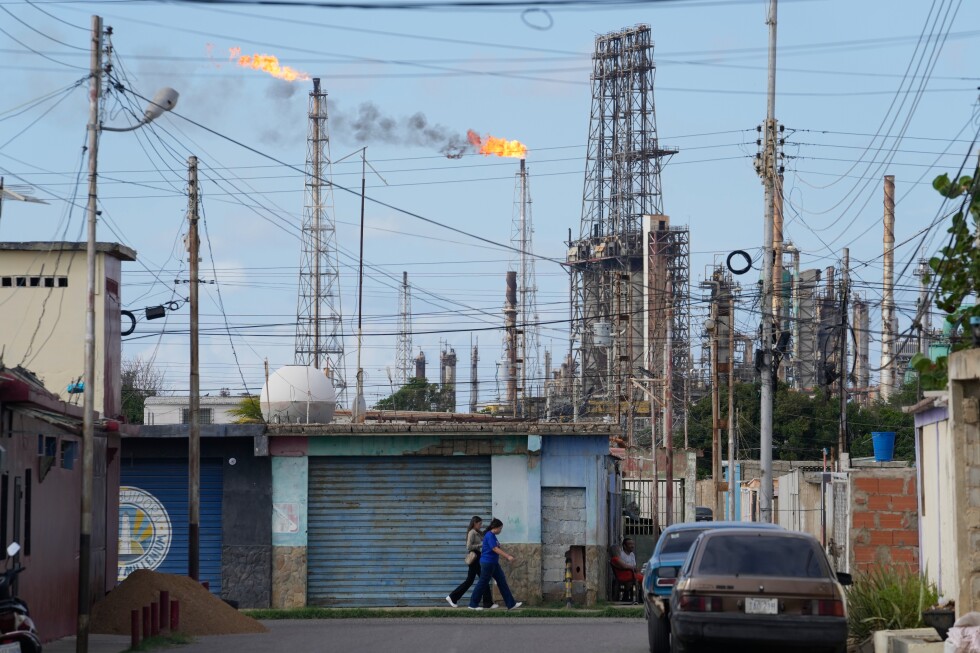
    Venezuela’s National Assembly has initiated legislative proceedings on a transformative bill that would significantly reduce state dominance over the country’s oil industry, marking the most substantial policy shift since the late President Hugo Chávez nationalized major portions of the sector in 2007. The proposed legislation, which advanced through initial parliamentary debate on Thursday, would establish new frameworks for private sector participation and international arbitration mechanisms.

    The comprehensive reform package emerges amid heightened pressure from the Trump administration following the recent U.S. capture of former President Nicolás Maduro. American officials have intensified demands for Venezuela’s acting President Delcy Rodríguez to facilitate increased investment from U.S. energy corporations in the nation’s struggling petroleum industry.

    According to draft legislation obtained by The Associated Press, the bill would enable private companies to independently operate oil fields, market their crude production, and retain financial revenues while maintaining nominal minority partnership status with state-owned PDVSA. The document explicitly states that operating companies would assume comprehensive management of activities “at its sole cost, expense and risk.”

    A critical component of the proposed law involves permitting international arbitration for investment disputes, moving away from the previous requirement that cases be heard exclusively in Venezuelan courts. The legislation maintains the existing 30% royalty rate but allows reductions to as low as 15% for complex or capital-intensive oil projects to incentivize development.

    Jorge Rodríguez, President of the National Assembly and brother of the acting president, emphasized to lawmakers that the bill aims to achieve “an accelerated increase in production,” noting that “oil under the ground is useless” without development. The proposal received backing from business representatives, including Orlando Camacho of Fedeindustria, who described the measures as essential for maintaining the oil industry as Venezuela’s economic engine.

    Despite these overtures, significant investor concerns persist regarding financial and legal risks. Many international energy companies, including Exxon, continue seeking compensation for assets seized during Chávez’s nationalization campaign. Additional uncertainties stem from Venezuela’s political transition timeline and the maintenance of U.S. sanctions that currently restrict foreign operations in the country’s oil sector.