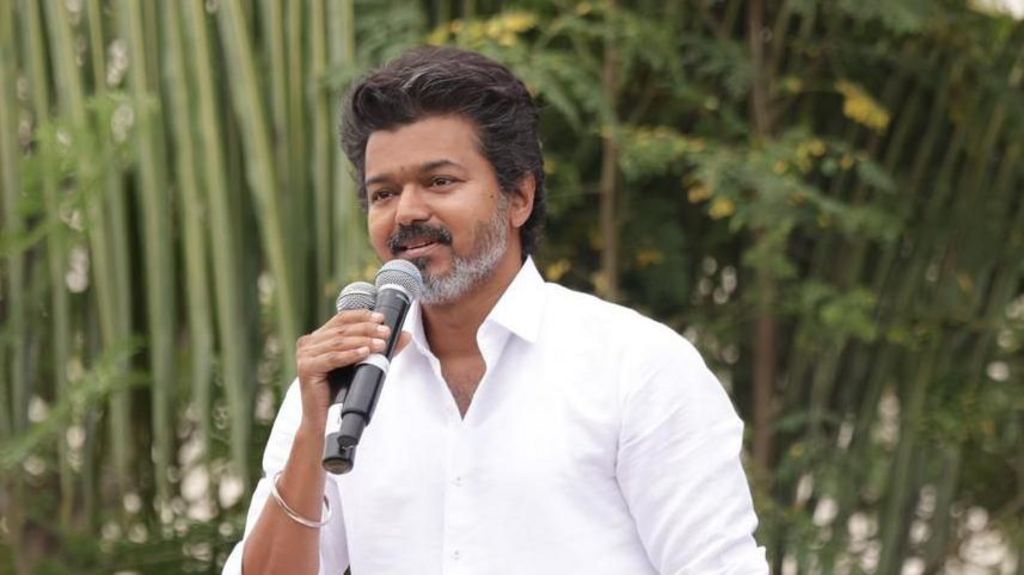
A tragic incident at a political rally organized by Tamil cinema superstar-turned-politician Vijay has left 40 people dead and sparked a heated blame game in Tamil Nadu, India. The event, held in Karur district on Saturday, drew tens of thousands of supporters. Chaos erupted during Vijay’s speech when the crowd surged unexpectedly, leading to a fatal crush. Opposition parties have accused government officials of inadequate police deployment, while police claim the organizers underestimated the crowd size and failed to implement sufficient safety measures. Vijay, 51, is one of Tamil Nadu’s most beloved actors, with a career spanning decades and numerous box-office hits. Last year, he launched his political party, Tamilaga Vettri Kazhagam (TVK), marking a surprising shift from cinema to politics. His decision to quit acting after his upcoming film, Jana Nayagan, has further fueled public interest in his political ambitions. The tragedy has raised questions about his political inexperience and the viability of celebrity-led parties in India. Vijay has expressed his devastation over the incident and announced financial compensation for the victims’ families. A one-member commission has been established to investigate the cause of the crush, with the state government promising action within two months. Meanwhile, TVK has sought a federal investigation through the Madras High Court. The incident has cast a shadow over Vijay’s political aspirations, with critics questioning his leadership and the safety protocols at his rallies. Despite the backlash, his immense popularity may shield him from significant political fallout.
作者: admin
-
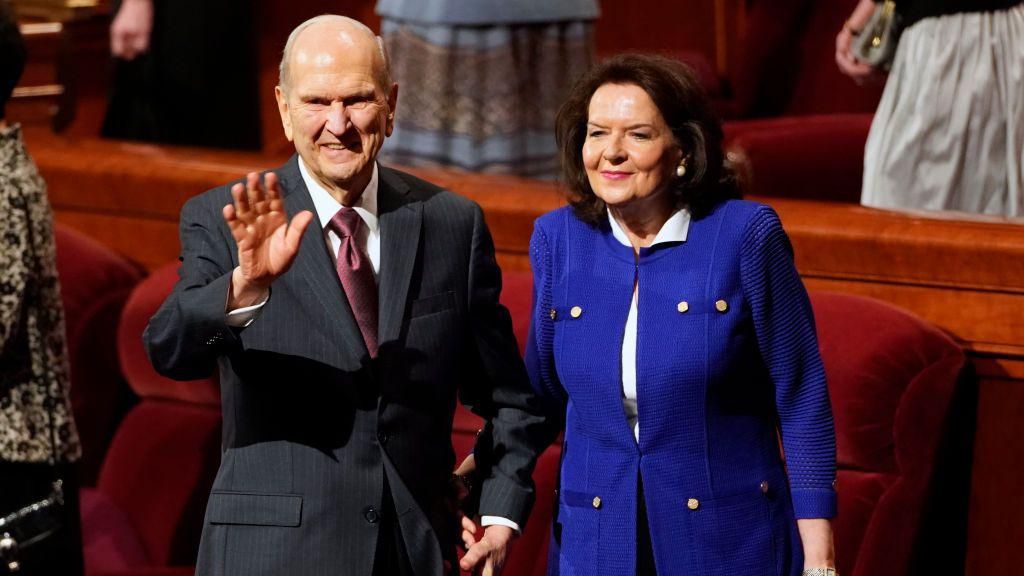
Russell M Nelson, head of Church of Latter-day Saints, dies aged 101
Russell M. Nelson, the esteemed president of the Church of Jesus Christ of Latter-day Saints, passed away on Saturday at the age of 101 in Salt Lake City, Utah. Dr. Nelson, who was the oldest serving head of the church, was widely revered as a prophet and credited with spearheading significant policy changes during his tenure. The church praised his leadership, highlighting his global ministry, increased temple construction, and profound impact on the faith. Dallin H. Oaks, anticipated to succeed Dr. Nelson, described him as a man of ‘extraordinary modesty’ and ‘gentleness.’ U.S. President Donald Trump also honored Dr. Nelson, acknowledging his pioneering work in heart surgery and his decades-long ministry. Dr. Nelson, a trained surgeon, was called as an apostle in 1984 and became president in 2018. During his leadership, he visited 32 countries, announced 200 new temples, and rolled back anti-LGBT policies introduced in 2015. He also severed ties with the Boy Scouts of America and campaigned to eliminate the use of the nickname ‘Mormon.’ Dr. Nelson, who developed a machine for open-heart surgery and was the first to perform the procedure in Utah, is survived by his wife, Wendy, and eight of his ten children.
-
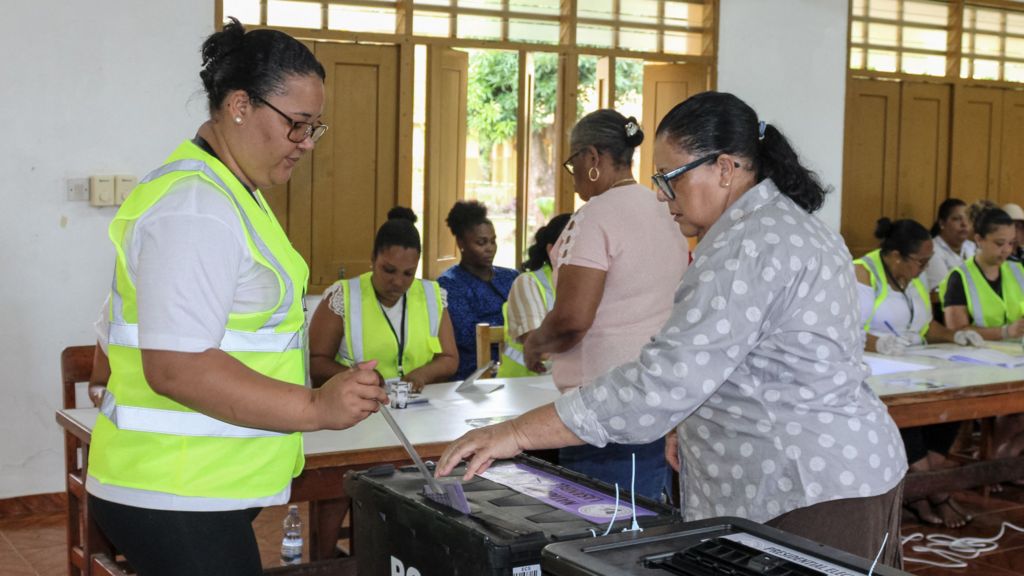
Seychelles to hold presidential run-off after vote fails to produce clear winner
Seychelles, Africa’s smallest nation, is gearing up for a crucial presidential run-off election scheduled for 9-11 October, following an inconclusive first round. Opposition leader Patrick Herminie secured 48.8% of the vote, narrowly edging out incumbent President Wavel Ramkalawan, who garnered 46.4%. According to Seychelles’ electoral rules, a candidate must achieve over 50% of the vote to claim victory, necessitating a second round of voting. The archipelago, comprising 115 islands in the Indian Ocean with a population of just over 120,000, witnessed a competitive election with eight presidential candidates vying for the top office. Ramkalawan, seeking a second term under his Linyon Demokratik Seselwa (LDS) party, has campaigned on platforms of economic recovery, social development, and environmental sustainability. His primary rival, Herminie, represents the United Seychelles party, which dominated the nation’s politics from 1977 until 2020, when it lost its majority to Ramkalawan’s LDS. However, United Seychelles has recently regained control of the National Assembly, winning 19 out of 35 seats in the parliamentary elections held concurrently with the presidential vote. In a televised address, Herminie expressed readiness for the run-off, stating, ‘We are ready for a second round. We start campaigning tomorrow.’ A key issue influencing the election is the recent leasing of Assumption Island, one of Seychelles’ most ecologically sensitive territories, to a foreign hotel developer. This decision has sparked public concern over sovereignty and environmental stewardship, potentially swaying voters and garnering support from the six trailing candidates and their supporters. Seychelles, renowned for its luxury and environmental tourism, is Africa’s wealthiest country in terms of per capita income, according to the World Bank. The outcome of this election will not only determine the nation’s leadership but also shape its approach to critical environmental and economic challenges.
-

Recognizing Palestine doesn’t make it real
The recent wave of international recognition of Palestine as a sovereign state marks a significant diplomatic milestone. However, the territorial boundaries of this nascent state remain a contentious issue, with disputes spanning from the West Bank to Gaza. To understand the complexities of this situation, it is essential to delve into the historical evolution of Palestine’s borders, which have been shaped by decades of conflict and political upheaval. The 1947 UN partition plan envisioned two semi-contiguous territories for Jewish and Arab states, with Jerusalem as an international city. However, this vision was shattered by the 1948 war, leading to the establishment of Israel and the confinement of Palestinians to the West Bank and Gaza Strip, separated by the ‘green line’ and placed under Jordanian and Egyptian control. The 1967 Six-Day War further altered the landscape, with Israel occupying the West Bank, Gaza Strip, and East Jerusalem, effectively tripling its territory. Israeli settlements, illegal under international law, have since fragmented the West Bank, creating a patchwork of Palestinian governance areas under the Oslo Accords. The construction of a separation barrier during the second intifada (2000-05) further divided the region, leaving the West Bank resembling a fragmented archipelago rather than a cohesive state. Recent studies using satellite imagery reveal the extent of settlement expansion, with the average settlement growing by two-thirds in size over the past decade, now occupying 151 sq km of built-up area. This expansion, coupled with extensive Israeli military presence and infrastructure, has severely restricted Palestinian movement and economic activity. The E1 development project, if constructed, threatens to bisect the West Bank, further complicating the prospects of a viable Palestinian state. The presence of settlements has also fueled political violence, with research indicating that proximity to settlements nearly doubles the likelihood of engagement in high-risk and violent actions. Despite these challenges, the recognition of Palestine by various nations is reshaping international engagement with Palestinian representatives and applying pressure on Israeli leaders. However, without addressing the issue of settlement expansion and creating genuine conditions for statehood, recognition risks becoming an empty gesture. The future of Palestinian statehood and Israeli security hinges on the commitment to build a viable state that upholds the interests of all parties involved.
-
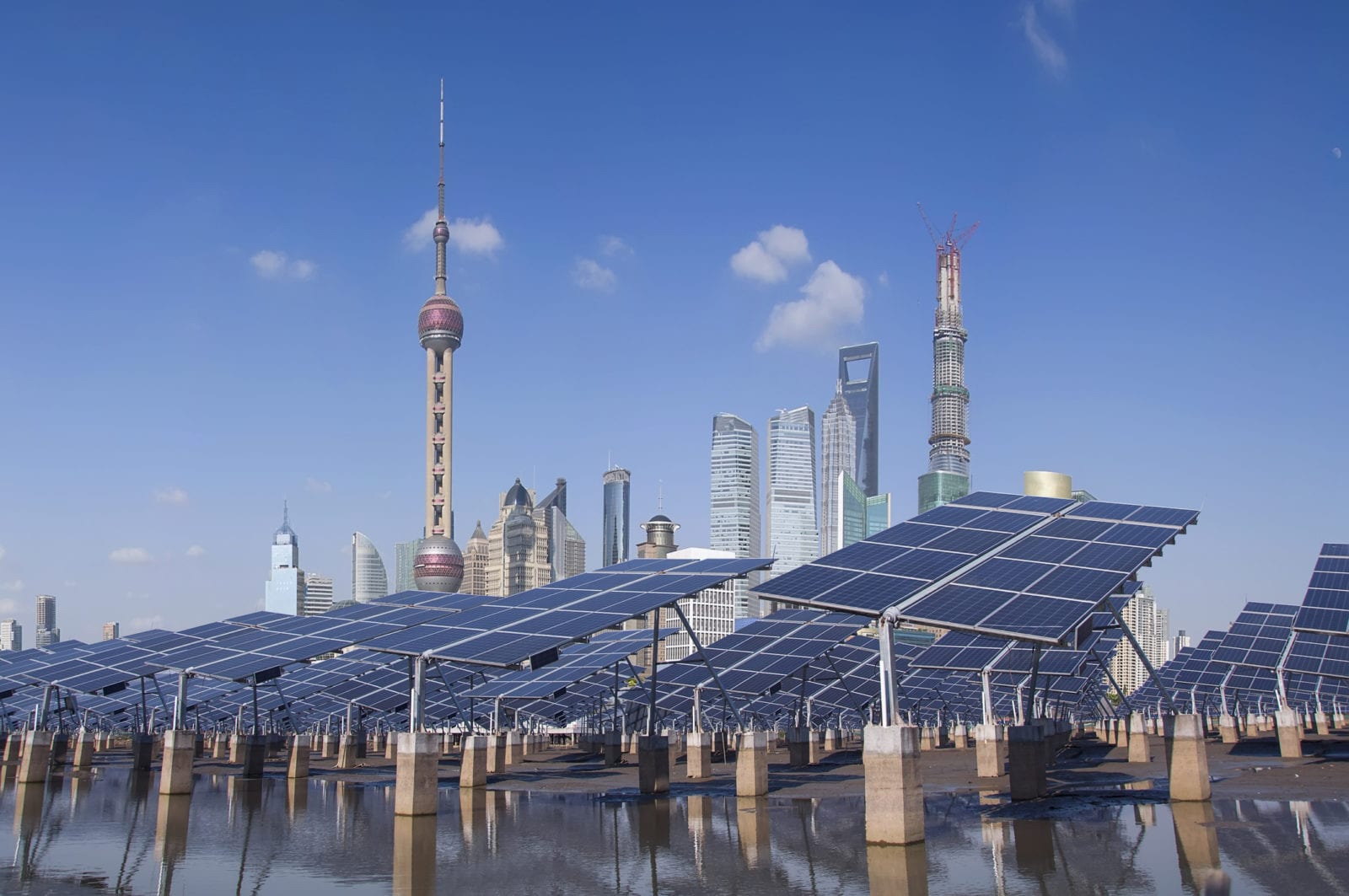
China claims its green, US leaves the scene
While U.S. President Donald Trump dismisses climate action as a ‘con job’ at the UN, China has strategically positioned itself as a ‘responsible power’ with modest emission reduction targets. Chinese President Xi Jinping’s pledge to cut greenhouse gas emissions by 7-10% from peak levels by 2035 marks China’s first absolute emissions target. However, this falls short of the 30% reduction experts deem necessary to align with 1.5°C pathways. The timing of Xi’s announcement, following Trump’s criticism of climate efforts, underscores China’s intent to contrast its approach with the U.S. retreat from global commitments. Beyond diplomatic optics, China’s real climate strategy lies in its industrial policy: dominating the supply chains of the post-carbon global economy. In the first five months of 2025, China added 46 gigawatts of wind capacity—enough to power 30 million homes—while simultaneously approving 25 gigawatts of new coal plants. This dual approach reflects China’s ambition to lead in renewable energy manufacturing while maintaining energy security through coal. Xi’s promise to scale wind and solar capacity sixfold from 2020 levels cements China’s role as the global supplier of clean energy hardware, producing over 80% of the world’s solar photovoltaic modules. However, China’s climate diplomacy masks a glaring contradiction: it continues to build more coal capacity than the rest of the world combined. In the first half of 2025, China and India accounted for 87% of new global coal capacity, with China alone starting construction on 46 gigawatts. The ‘from peak’ baseline in China’s emission target creates perverse incentives for local governments and firms to increase emissions, weakening the actual impact of the target. Without clarity on when emissions will peak, the 7-10% reduction becomes an accounting exercise rather than a meaningful decarbonization pathway. This ambiguity allows China to claim climate leadership while preserving policy flexibility. Trump’s UN performance, labeling climate change a ‘con job,’ handed China a diplomatic gift by positioning the U.S. as opposing the energy transition. This strategic misstep allowed China to emerge as the default ‘responsible actor’ despite its questionable climate performance. For Asia, the China-U.S. dynamic presents both opportunities and risks, with countries like Japan pursuing dual-track strategies to balance energy security and decarbonization. The real climate story in Asia is unfolding in manufacturing and supply chain decisions, not UN speeches. As China dominates clean energy hardware production, other Asian economies face the choice of technological dependence or building indigenous capacity. Renewable energy components, like fossil fuels before them, have become a strategic resource that can be weaponized. China’s climate gambit succeeds by operating in the realm of perception rather than performance, positioning itself as a reliable partner while maintaining a problematic emission trajectory. The unorthodox reality is that neither superpower treats climate as an existential crisis requiring economic transformation. China pursues industrial dominance through green technology exports while maintaining coal dependence; the U.S. abandons climate cooperation to protect fossil fuel interests. Both strategies prioritize short-term competitive advantage over long-term climate stability. For Asia, the lesson is clear: climate diplomacy has become a subset of industrial policy and technological competition. The countries that will thrive in the coming decades are those that treat decarbonization as an economic and strategic imperative, not a moral obligation. China’s climate pledge may be modest, but its manufacturing strategy is anything but—and that is where the real climate leadership will be decided.
-

Bad Bunny revealed as Super Bowl half-time show performer
Puerto Rican global music sensation Bad Bunny, born Benito Antonio Martínez Ocasio, has officially announced his headline performance at the Super Bowl LVIII halftime show in Santa Clara, California, on February 8, 2024. The 31-year-old artist, a three-time Grammy winner and 12-time Latin Grammy recipient, expressed his excitement in a football-themed statement, emphasizing the cultural significance of the moment. ‘This is not just about me,’ he said. ‘It’s for those who paved the way, for my people, my culture, and our history.’ Bad Bunny, who has dominated Spotify’s most-streamed artist list three times in the past five years, also switched to Spanish, urging fans to share the news with their families: ‘Ve y dile a tu abuela, que seremos el halftime show del Super Bowl’ (‘Go tell your grandma we’re going to be the Super Bowl halftime show’). The announcement follows his recent decision to avoid U.S. tour stops due to concerns about Immigration and Customs Enforcement (ICE) raids at his concerts. Instead, he concluded a highly successful residency in Puerto Rico, drawing over 500,000 fans. Bad Bunny’s groundbreaking 2022 album, ‘Un Verano Sin Ti,’ became the first all-Spanish-language album to top the U.S. charts. His Super Bowl performance at Levi’s Stadium will join the ranks of recent halftime stars like Kendrick Lamar, Rihanna, and Shakira, further cementing his status as a global music icon.
-

Dublin deaths ‘being treated as murder-suicide’
A devastating incident has rocked the quiet neighborhood of Finglas in Dublin, as the bodies of a man and a five-year-old girl were discovered in a local residence on Saturday evening. The grim discovery was made shortly before 20:00 local time, with authorities treating the case as a suspected murder-suicide. Initial reports suggest the victims were father and daughter. The child’s mother, who returned home from work, is believed to have found the tragic scene. Post-mortem examinations are scheduled to determine the exact circumstances surrounding their deaths. As of Monday, the house remains cordoned off, with forensic teams conducting a thorough investigation. The community has been left in shock, grappling with the heartbreaking loss of a young life and the circumstances that led to this tragedy.
-
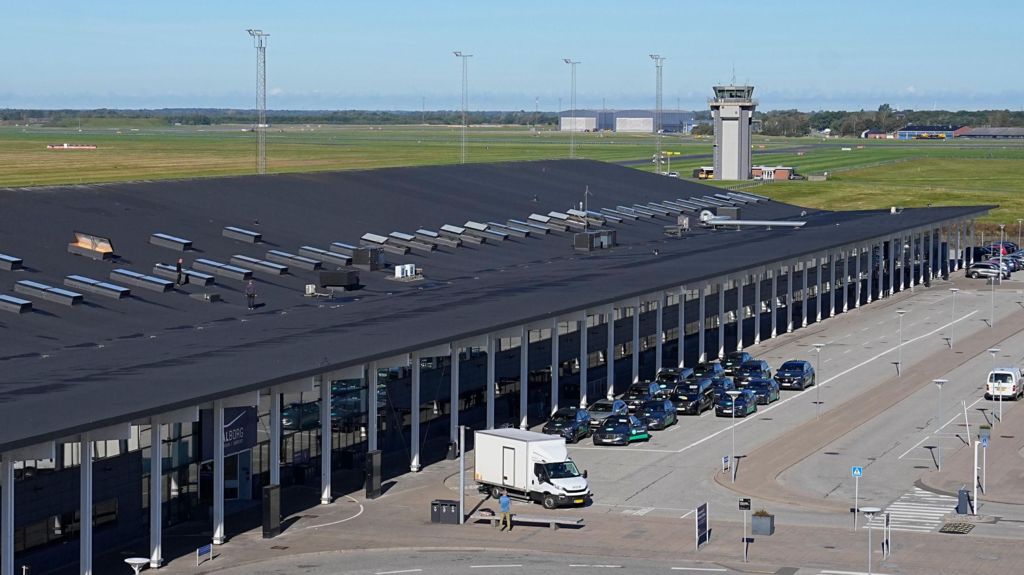
Denmark bans all civilian drone flights ahead of European summit
Denmark has implemented a comprehensive ban on all civilian drone flights this week in anticipation of the European Union summit in Copenhagen. The country’s transport minister announced the decision on Sunday, citing the need to ‘simplify security operations’ for law enforcement and prevent ‘foreign drones from causing uncertainty and disruption.’ The ban, effective until October 3, carries severe penalties, including fines or imprisonment for up to two years. This move follows a series of recent drone sightings over Danish military sites and airports, which have raised significant security concerns. In response, defense ministers from ten EU countries have agreed to establish a ‘drone wall,’ while NATO has heightened its vigilance across the Baltic region. Danish authorities have yet to identify the perpetrators behind these incursions, with the defense minister labeling them as part of a ‘hybrid attack’ and a ‘systematic operation.’ Prime Minister Mette Frederiksen has not ruled out Russian involvement, though Moscow has vehemently denied any connection. The situation has also prompted Norway and Romania to report similar drone incidents, with Romania recently passing legislation to empower air force pilots to shoot down unidentified aircraft. The ongoing war in Ukraine and previous Russian incursions into NATO airspace have further intensified regional tensions.
-

Singapore denies entry to exiled HK pro-democracy activist
Nathan Law, a prominent Hong Kong pro-democracy activist living in exile in the UK, was denied entry to Singapore upon arrival on Saturday, despite having a valid visa. Law, 32, was detained at the border for four hours before being placed on a flight back to San Francisco, his initial departure point. He had traveled to Singapore to attend a private, invitation-only conference but was not provided with a reason for the denial. Law speculated that the decision may have been politically motivated, raising concerns about potential external influences, including the People’s Republic of China (PRC). Singapore’s immigration and home affairs offices have yet to comment on the incident. Law, who fled Hong Kong in 2020 following the imposition of China’s national security law, was granted asylum in the UK in 2021. Hong Kong authorities have offered a HK$1 million reward for information leading to his arrest. This incident is not the first time Singapore has taken action against Hong Kong activists; in 2019, a Singaporean activist was fined for hosting an online forum featuring Joshua Wong. Singapore maintains an extradition treaty with Hong Kong, adding complexity to the situation.
-
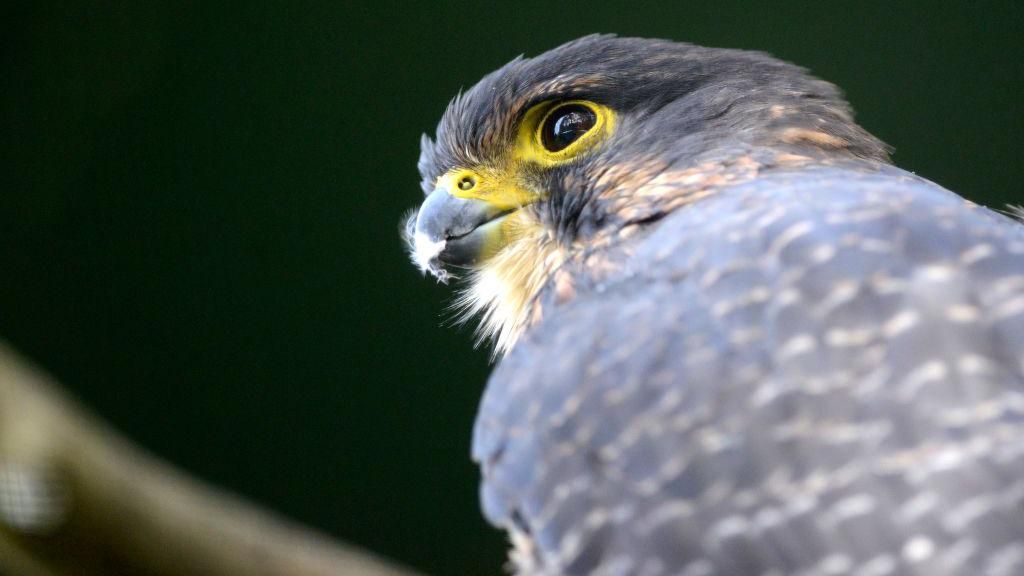
High-speed falcon crowned New Zealand Bird of the Year
The New Zealand falcon, known by its Māori name kārearea, has soared to victory in the country’s annual Bird of the Year competition, securing 21% of the votes. Renowned for its incredible speed, reaching up to 200km/h in a dive, this high-speed hunter thrives in the dense forests of New Zealand. However, its population is dwindling, with only 5,000 to 8,000 individuals remaining. The competition, now in its 20th year, aims to raise awareness about the plight of New Zealand’s endangered native species. This year’s contest featured 73 birds, each championed by volunteer campaign managers who employed memes, reels, and hand-drawn posters to garner support. Nicola Toki, chief executive of conservation group Forest & Bird, emphasized the seriousness behind the campaign, noting that 80% of this year’s top 10 birds are at risk. Among them are the kākāpō and karure black robin, both classified as ‘nationally critical’ with fewer than 300 individuals each. Habitat destruction, climate change, and introduced predators continue to threaten these species, but Toki highlighted the power of public awareness. The competition saw a record-breaking 75,000 voters, with the kārearea not only earning the title but also inspiring a new waiata (Māori song). Other notable contenders included the kea and kakaruia black robin, which secured second and third place, respectively. The competition has gained international attention, with past controversies including voter fraud allegations and the unexpected win of a bat in 2021. New Zealand’s initiative mirrors similar efforts globally, such as Australia’s Bird of the Year competition, underscoring the importance of celebrating and conserving local birdlife.