
The Punjab and Haryana High Court in India has issued a landmark ruling emphasizing the critical importance of legible handwriting in medical prescriptions, declaring it a “fundamental right” that can mean the difference between life and death. This decision came during a case unrelated to handwriting, involving allegations of rape, cheating, and forgery. Justice Jasgurpreet Singh Puri, while reviewing a medico-legal report, expressed shock at the illegibility of the doctor’s handwriting, stating it “shook the conscience of the court.” The court has mandated that all doctors write prescriptions clearly in capital letters and has called for the integration of handwriting lessons into medical school curricula. Additionally, a two-year timeline has been set for the implementation of digitized prescriptions. While urban areas have largely transitioned to digital prescriptions, rural regions still face challenges. Dr. Dilip Bhanushali, president of the Indian Medical Association, acknowledged the issue, attributing poor handwriting to the overwhelming workload in overcrowded government hospitals. He urged doctors to adhere to guidelines ensuring prescriptions are readable. This is not the first time Indian courts have addressed the issue; previous rulings in Odisha and Allahabad have also criticized doctors’ handwriting. Studies have not conclusively proven that doctors’ handwriting is worse than others, but experts stress that ambiguous prescriptions can lead to severe, even fatal, consequences. A 1999 report by the Institute of Medicine highlighted that medical errors, including those caused by illegible handwriting, resulted in an estimated 44,000 preventable deaths annually in the U.S. In India, similar incidents have led to health emergencies and fatalities. Pharmacists continue to receive poorly written prescriptions, particularly in rural areas, underscoring the urgent need for systemic change.
作者: admin
-

Australia sunscreen scandal grows as more products pulled off shelves
A growing sunscreen scandal in Australia, the world’s largest skin cancer hotspot, has escalated with 18 products now withdrawn from shelves due to safety concerns. The issue came to light in June when a consumer advocacy group revealed that several popular and high-priced sunscreens failed to deliver the protection levels advertised by their manufacturers. One such product, Ultra Violette’s Lean Screen Skinscreen, marketed as SPF 50+, was found to offer only SPF 4 and was voluntarily recalled last month. Further investigations by the Therapeutic Goods Administration (TGA) have identified around 20 additional sunscreens from various brands that share a problematic base formula, raising serious doubts about the integrity of a US-based testing laboratory, Princeton Consumer Research Corp (PCR Corp). The TGA’s preliminary testing suggests that the base formula may not exceed SPF 21, with some products potentially as low as SPF 4. Wild Child Laboratories Pty Ltd, the manufacturer of the base formula, has ceased production. Of the 21 products flagged by the TGA, eight have been recalled or halted, ten have paused sales, and two are under review. One product, though made in Australia, is not sold domestically. The scandal has sparked significant consumer outrage in Australia, with experts warning of potential global repercussions. The TGA is now scrutinizing SPF testing standards, which it describes as ‘highly subjective,’ and has expressed concerns about PCR Corp’s testing practices. The BBC has reached out to PCR Corp and Wild Child Laboratories for comment. Australia, which has the highest skin cancer rates globally, enforces some of the strictest sunscreen regulations worldwide.
-

Anne visits Ukraine to support children ‘traumatised’ by war
In a poignant display of solidarity, Princess Anne, the Princess Royal, accompanied Ukraine’s First Lady, Olena Zelenska, to a memorial in Kyiv dedicated to children who have lost their lives in the ongoing conflict with Russia. The visit, which took place on Tuesday, saw the royal leave a soft toy bear at the shrine, symbolizing a tribute to the young victims of the war. Buckingham Palace described the trip as an effort to shed light on the ‘traumatic experiences of children living on the frontline of the conflict.’
-

Emily Blunt among Hollywood stars outraged over ‘AI actor’ Tilly Norwood
The emergence of Tilly Norwood, an AI-generated ‘actor,’ has sparked intense debate in Hollywood, with industry heavyweights like Emily Blunt, Natasha Lyonne, and Whoopi Goldberg voicing strong opposition. Created by Dutch actor and comedian Eline Van der Velden, Norwood has been marketed as a synthetic performer with ‘girl next door vibes,’ complete with an Instagram page showcasing AI-generated comedy sketches and faux film tests. However, Hollywood’s Screen Actors Guild-American Federation of Television and Radio Artists (SAG-AFTRA) has condemned the creation, stating that Norwood lacks the life experience, emotion, and human connection essential to acting. The union warned that using AI actors like Norwood could undermine the contractual protections secured after the 2023 Hollywood strikes, which were partly driven by concerns over AI’s impact on the industry. Van der Velden defended her creation as a ‘piece of art’ rather than a replacement for human actors, urging critics to judge AI performers within their own genre. Despite this, A-list stars remain unconvinced. Emily Blunt described Norwood as ‘terrifying,’ while Natasha Lyonne called for a boycott of any talent agency working with AI actors. Whoopi Goldberg, meanwhile, expressed skepticism that AI could replicate the nuances of human performance. As Hollywood grapples with the ethical and artistic implications of AI, the debate over Tilly Norwood highlights the ongoing tension between technological innovation and the preservation of human artistry.
-
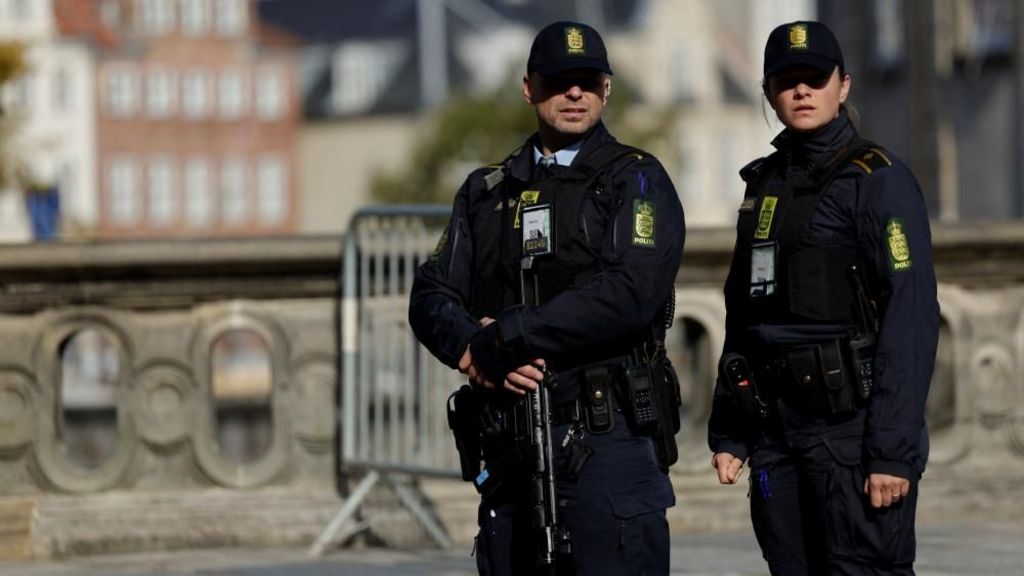
European leaders meet in high-security Danish summit after drone disruption
Denmark has significantly heightened security measures in Copenhagen as European Union leaders convene for a critical summit on Wednesday. The move comes in response to escalating tensions following a series of Russian incursions into EU airspace and recent drone attacks targeting Danish airports. These incidents have particularly alarmed Eastern European nations such as Poland and Estonia, prompting ten EU member states to endorse a multi-layered ‘drone wall’ initiative aimed at detecting, tracking, and neutralizing Russian drones.
-
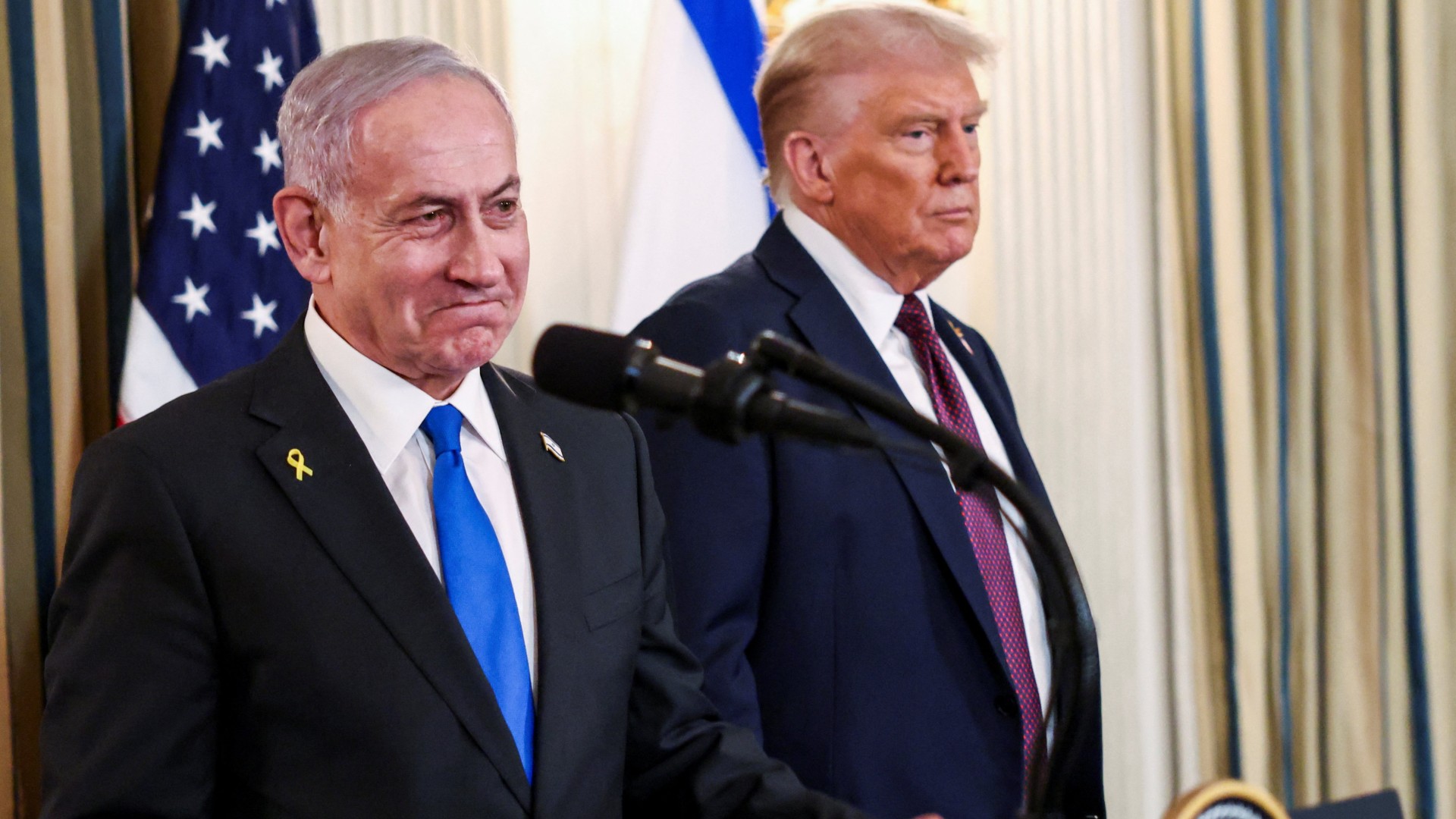
‘Colonial thinking’: The pitfalls of Trump’s 20-point Gaza plan
In a bold move to address the longstanding conflict in the Middle East, former US President Donald Trump unveiled a 20-point plan for Gaza alongside Israeli Prime Minister Benjamin Netanyahu. The plan, presented as a pathway to peace, has sparked significant debate and criticism for its perceived bias and lack of Palestinian involvement. Central to the proposal is a return to the pre-October 7, 2023, status quo, including a truce between Hamas and Israel, UN-led aid distribution in Gaza, and aspirational talks on Palestinian statehood. However, the plan sidelines the Palestinian Authority and demands Hamas disarm and exit Gaza, effectively excluding Palestinians from the decision-making process. Critics argue that the plan mirrors past failed US strategies, imposing solutions without genuine Palestinian consent. Arab and Muslim nations, while acknowledging Trump’s efforts, have expressed reservations, particularly regarding the exclusion of Palestinian representation. The proposal also introduces a post-conflict rebuilding model led by Trump and former British Prime Minister Tony Blair, raising concerns about colonial overtones. Despite international support from some European nations, the plan faces significant hurdles, including internal Israeli resistance and the lack of a viable alternative for Palestinian political representation. As Hamas reviews the proposal, the broader implications for regional stability and Palestinian self-determination remain uncertain.
-
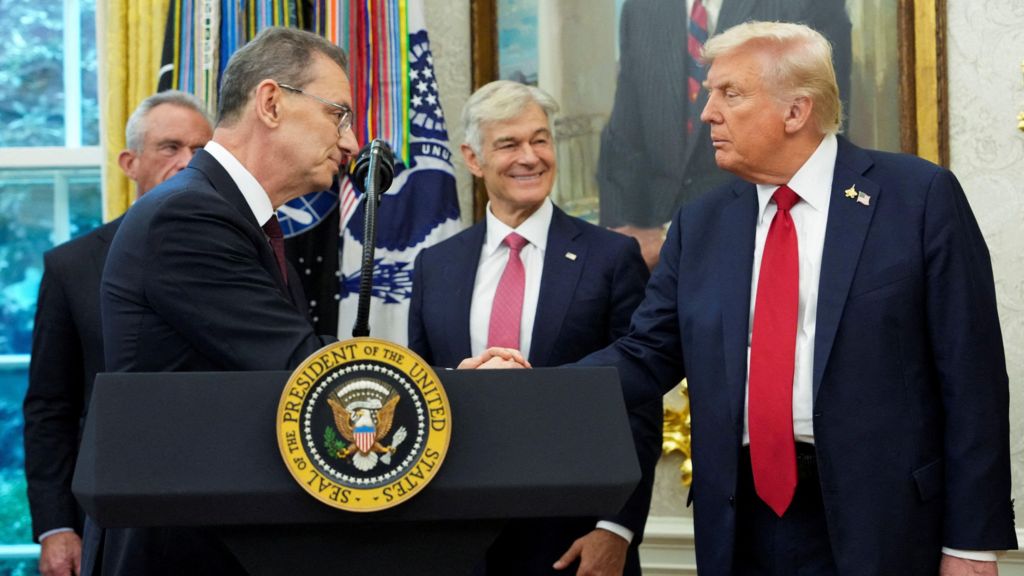
Pfizer to offer cheaper drugs via Trump’s website
In a significant move aimed at reducing healthcare costs, the Trump administration has finalized a groundbreaking agreement with pharmaceutical giant Pfizer. The deal, announced during a White House press conference on Tuesday, will enable patients to purchase prescription drugs at heavily discounted rates through a new federal government-operated website, TrumpRx. Under the terms of the agreement, prices for certain medications will be reduced by up to 85% on the platform. Additionally, Pfizer has committed to lowering drug prices for Medicaid, the government’s health insurance program for low-income Americans, in exchange for exemption from tariffs. This development follows President Trump’s recent announcement of a 100% tariff on imported branded or patented drugs, effective October 1. Pfizer is the first pharmaceutical company to reach such an agreement after Trump issued ultimatums to 17 drug manufacturers earlier this summer, demanding price reductions within 60 days. During the press conference, Trump emphasized his policy of aligning U.S. drug prices with lower international rates, stating that Pfizer’s commitment to offering Medicaid medications at ‘most-favored nations’ prices would significantly reduce program costs. Pfizer confirmed that the majority of its primary care drugs would be available on TrumpRx, though specific medications were not disclosed. The company also pledged an additional $70 billion investment in U.S. manufacturing, research, and development. Pfizer’s CEO, Albert Bourla, highlighted the stability the deal provides regarding tariffs and pricing. Following the announcement, Pfizer’s shares surged nearly 7%. However, Trump acknowledged that his efforts to lower U.S. drug prices might lead to price increases abroad, as seen with Eli Lilly’s decision to raise prices in Europe to offset reductions in the U.S. The effectiveness of TrumpRx, set to launch in early 2026, remains uncertain, as insurance companies and intermediaries continue to influence drug costs.
-
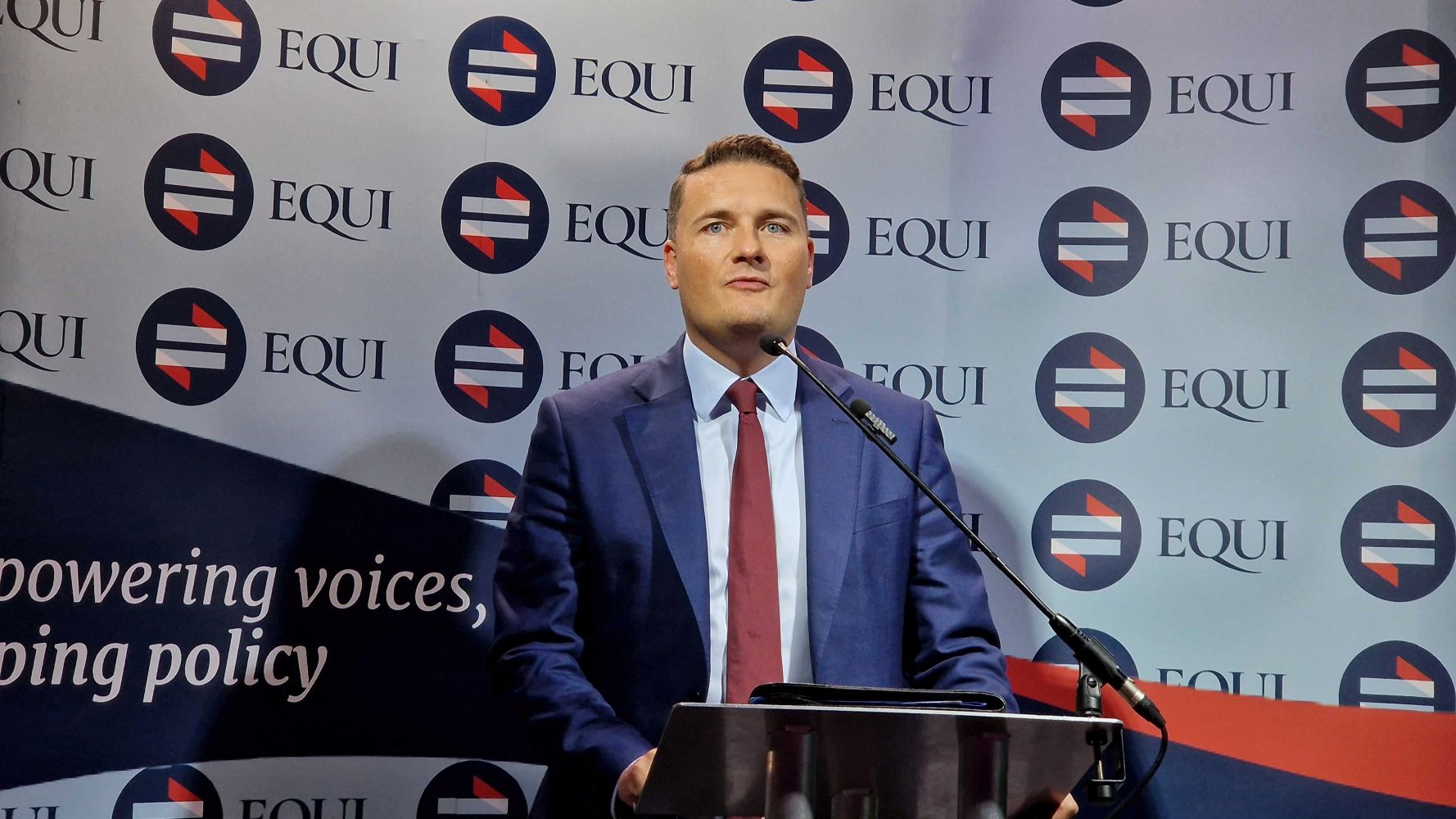
‘Fight of our lives’: Inside the Muslim Labour conference event addressed by Wes Streeting
On Monday night, a vibrant gathering of Muslims formed a lengthy queue outside Liverpool’s Hilton hotel, an event that could easily have been mistaken for a nightclub. Inside, a room bathed in pink and purple fluorescent lights hosted conference attendees enjoying a buffet. Among the guests were several Labour backbenchers and imams, marking a significant moment for Equi, a Muslim think tank founded just a year ago. The event, held on the sidelines of the Labour conference, showcased Equi’s new report highlighting how Muslim-led youth initiatives save the UK £30 million annually. Despite the historical challenges Muslim civil society groups face in engaging with British governments, Equi has garnered substantial support from MPs and peers, including Afzal Khan and Baroness Sayeeda Warsi. The evening’s highlight was the rumored attendance of Wes Streeting, the Health Secretary, who arrived late but was warmly received by Equi’s director, Dr. Javed Khan. Streeting delivered a passionate speech addressing the marginalization of British Muslims and the threat from the far right, resonating deeply with the audience. The event also featured a surprise appearance by Shabana Mahmood, the newly appointed Home Secretary, who outlined her controversial immigration policy requiring migrants to demonstrate societal contributions and English proficiency for indefinite leave to remain. Mahmood’s vision for multiculturalism and controlled immigration aims to counter the insurgent right wing and restore national harmony. The gathering concluded with celebrations of Equi’s first anniversary, symbolizing a significant step forward for Muslim representation in British politics.
-
Canada Post is on strike. What this means for your mail
Canada’s postal services have come to a standstill as thousands of postal workers initiated a nationwide strike on September 25, protesting sweeping reforms authorized by the federal government. The reforms, aimed at stabilizing the financially struggling Canada Post, include phasing out door-to-door delivery for approximately four million households, reducing delivery days, and closing rural post offices. These measures, expected to be implemented over nearly a decade, have sparked outrage from the Canadian Union of Postal Workers (CUPW), which labeled the changes as a ‘direct assault’ on public postal services and unionized jobs. The strike has left millions of Canadians without mail and parcel deliveries, with Canada Post suspending service guarantees and halting new item acceptance. However, essential services such as social security cheques and passport applications remain operational. This strike follows a similar walkout in November 2024 over unresolved pay and working conditions, which ended only after federal intervention. Canada Post, facing a financial crisis with a projected loss of C$1.5 billion this year, has warned that the strike will exacerbate its economic woes. The postal service, once a dominant player in parcel delivery, has seen its market share plummet from 62% in 2019 to 24% in 2023, driven by declining letter mail volumes and competition from private couriers. While CUPW advocates for diversifying revenue streams, such as offering banking and insurance services, Canada Post insists on focusing on core operations, including expanding parcel delivery. The ongoing dispute highlights the challenges of modernizing a traditional public service in an increasingly digital and competitive landscape.
-
‘Blueprint for permanent occupation’: Outrage online over Trump’s plan to end Gaza war
Donald Trump’s 20-point proposal to address the conflict in Gaza has ignited widespread criticism, with many accusing the former US president of masking a plan for Israel’s permanent occupation of the Palestinian enclave as a peace initiative. Announced alongside Israeli Prime Minister Benjamin Netanyahu at the White House, the plan conditions a halt to Israel’s military campaign on Hamas’s acceptance of its terms. Trump hailed the proposal as a historic achievement, claiming support from Arab, Muslim, and European leaders. However, reactions outside the White House were far from celebratory. Palestinian journalist Motasem Dalloul described the plan as a ‘dirty trick’ to reinforce Israeli occupation under international cover. Critics highlighted the plan’s lack of Palestinian self-determination, Israel’s continued control over borders, and the involvement of figures like Tony Blair, whom many view as emblematic of colonial overreach. Human rights scholars and activists condemned the proposal as an ultimatum rather than a genuine peace effort, emphasizing the exclusion of Palestinians from the decision-making process. Netanyahu’s subsequent announcement that Israel would not withdraw from Gaza further fueled accusations of bad faith. The plan’s deeper flaws, including its focus on ‘de-radicalization’ of victims rather than perpetrators and its failure to address accountability for alleged genocide, drew sharp criticism. Despite Qatar and Egypt forwarding the proposal to Hamas, many view it as a blueprint for permanent occupation rather than a pathway to peace.