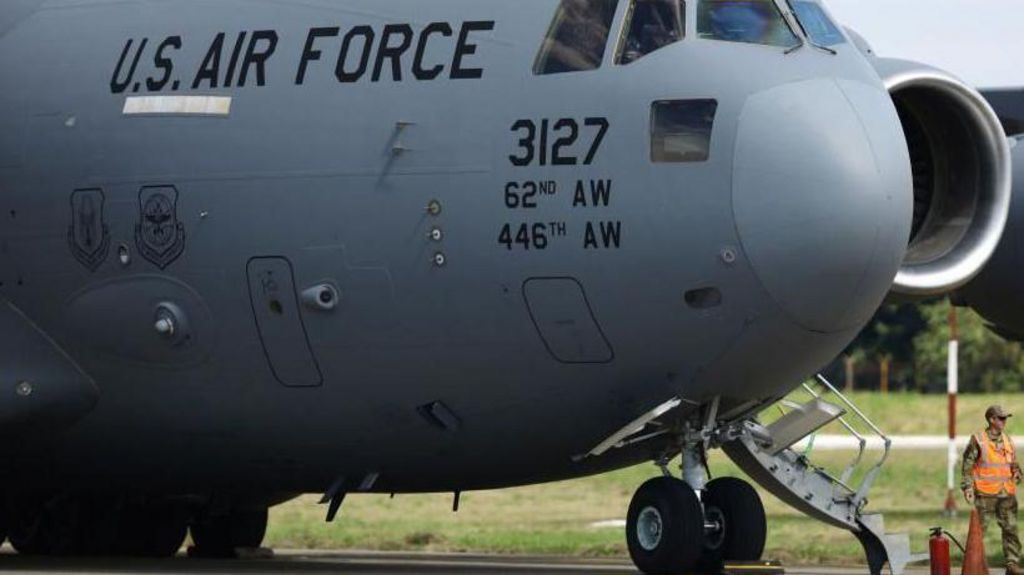
The United States has deported a second group of 10 individuals to Eswatini, a small southern African nation, despite ongoing legal challenges from local rights groups. This move is part of the Trump administration’s stringent immigration policies, which have drawn significant criticism both domestically and internationally. Eswatini’s prison department confirmed that the deportees have been securely housed and pose no public threat. This follows an earlier deportation in July, where five individuals labeled by the U.S. government as ‘deprived monsters’ were sent to Eswatini. One of those deportees has since been repatriated to Jamaica, with two others expected to follow soon. The Eswatini government stated it had agreed to accept 11 deportees under a bilateral agreement with the U.S., though only 10 arrived, with no explanation provided for the discrepancy. The identities of the deportees remain undisclosed. The deportations have sparked legal action from the Southern African Litigation Centre (SALC) and other civil society groups, who argue that the agreement violates Eswatini’s constitution by bypassing parliamentary approval. Activists have also protested outside the U.S. embassy, condemning the deal as secretive and a setback for democracy. Meanwhile, neighboring South Africa has expressed concerns about the potential for deportees to cross its porous border. Eswatini, formerly known as Swaziland, is a landlocked monarchy ruled by King Mswati III since 1986. The case highlights broader tensions over U.S. immigration policies and their global implications.
作者: admin
-
Tanzanian ex-ambassador and government critic abducted, family says
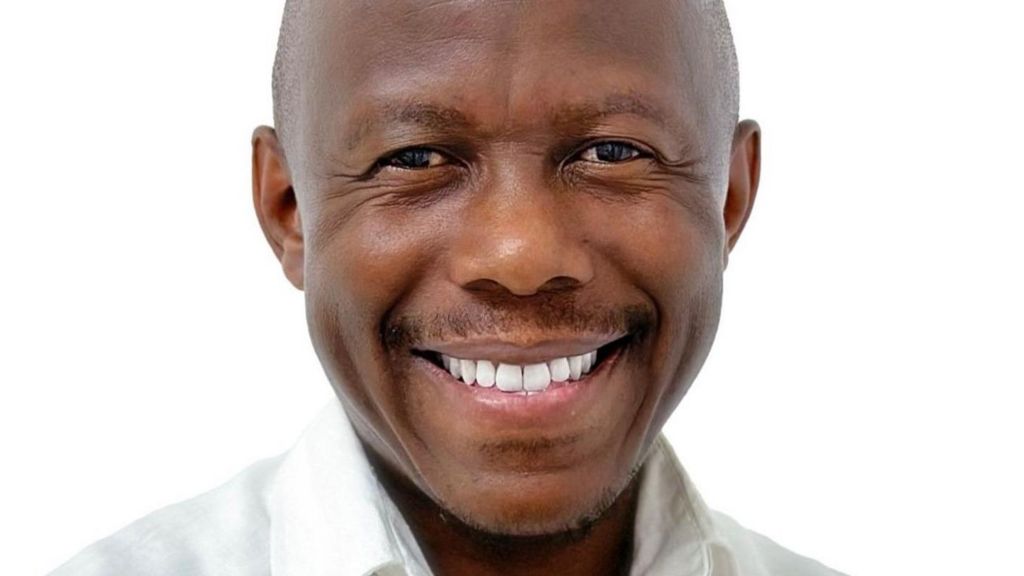
A former Tanzanian ambassador and vocal critic of the government, Humphrey Polepole, has reportedly been abducted under mysterious circumstances, according to his family. The incident allegedly took place in the early hours of Monday at his residence in Dar es Salaam. His younger brother, Godfrey Polepole, described the scene as harrowing, with the door broken, electric wires severed, and significant bloodstains evident. Disturbing videos of the incident have since circulated online. The family has formally reported the matter to the authorities. Dar es Salaam’s police chief, Jumanne Muliro, confirmed that the incident is under investigation but appeared skeptical, noting that Polepole often claimed to be abroad. National police spokesperson David Misime also acknowledged the reports and stated that an investigation is underway. Polepole resigned from his ambassadorial position earlier this year after publicly denouncing the government for what he perceived as a disregard for justice, the rule of law, and constitutional principles. His diplomatic status was subsequently revoked by President Samia Suluhu Hassan. This incident has sparked widespread concern, particularly in light of Tanzania’s recent warnings about social media use and the circulation of videos calling for military action.
-
Tanzania issues social media warning after video calls for military ‘action’
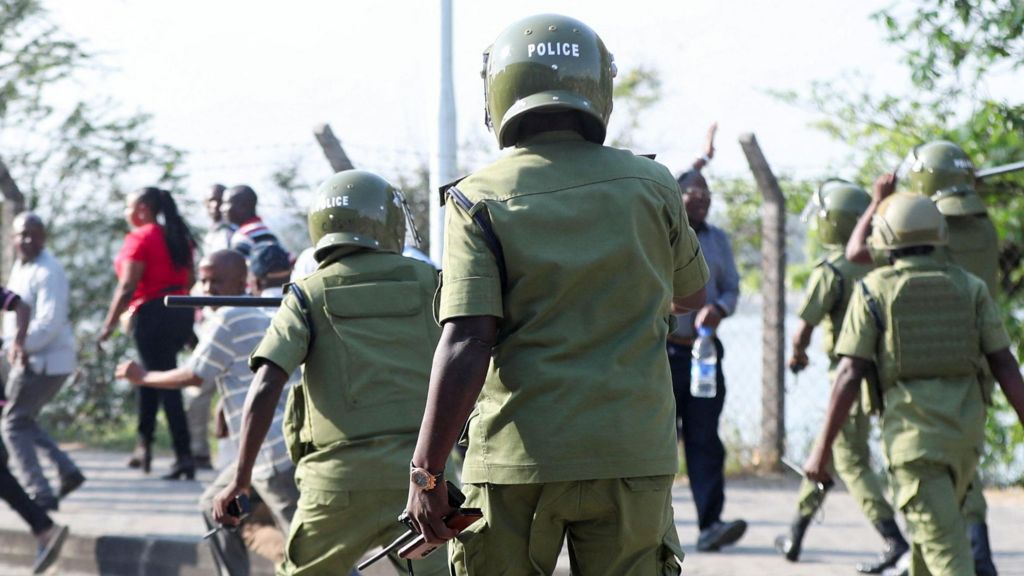
Tanzanian authorities have issued stern warnings against the misuse of social media to disseminate misinformation, particularly in the wake of a viral video featuring an individual claiming to be a military officer criticizing the government. The video, which has been widely circulated, comes just three weeks before the country’s general elections, adding to the already tense political climate. The self-proclaimed ‘Capt Tesha’ from the air force accuses the government of corruption, human rights violations, and political interference within the military. He calls on military chief Jacob Mkunda to take action to unite the country and protect citizens’ rights, while also encouraging Tanzanians to demand their rights and stage demonstrations. The authenticity of the video remains unverified, as the military has not confirmed the identity of the individual, and the BBC has been unable to verify his claims. In response, the military has emphasized its commitment to maintaining professionalism and staying out of politics. Military spokesman Col Bernard Masala Mlunga stated that such content is often posted by individuals falsely claiming military affiliation or those dismissed for misconduct. Meanwhile, Tanzanian police have warned that sharing ‘criminal and inflammatory’ information on social media is a punishable offense, vowing to track down and prosecute those responsible. Opposition activists have seized on the video, interpreting it as a sign of military support for their cause. The political environment remains fraught, with President Samia Suluhu Hassan seeking re-election under the ruling Chama Cha Mapinduzi (CCM) party. The main opposition party, Chadema, has been barred from participating in the elections, and its leader, Tundu Lissu, remains detained on treason charges that human rights groups allege are politically motivated. Critics of the government have increasingly faced repression, raising concerns about the fairness and transparency of the upcoming elections. Civil society groups and journalists have also reported heightened government control over media and public gatherings, further intensifying the political tension.
-

US doctor’s legacy remembered after 80 yrs
The enduring legacy of Dr. Ruth V. Hemenway, a pioneering US missionary doctor who dedicated her life to serving the Chinese people during one of the nation’s most tumultuous periods, has been commemorated on the 80th anniversary of the victory in the Chinese People’s War of Resistance Against Japanese Aggression (1931-45) and the World Anti-Fascist War. Dr. Hemenway, who arrived in China in 1924, played a pivotal role in addressing the dire lack of medical resources and facilities during Japan’s brutal wartime occupation. Her unwavering commitment to saving lives amidst widespread atrocities, including bombings, looting, and violence, has left an indelible mark on Chinese history. Born in 1894 in Williamsburg, Massachusetts, Dr. Hemenway pursued her medical education at Tufts Medical School, graduating in 1921. Inspired by her missionary calling, she embarked on a journey to China, where she spent 17 years, primarily in Minqing, Fujian province. There, she directed a hospital that later became Minqing Liudu Hospital, expanding its services, establishing branch clinics, and improving healthcare access for rural communities. Dr. Hemenway’s contributions extended beyond medical care; she promoted vaccinations, disseminated health knowledge, and trained local medical personnel. Her dedication to serving the most vulnerable, even in the face of immense danger, has been hailed as a testament to her courage and compassion. Today, her descendants and admirers continue to honor her remarkable life and the profound impact she had on the lives of countless Chinese people.
-
Balloons used to smuggle cigarettes shut Lithuanian airport
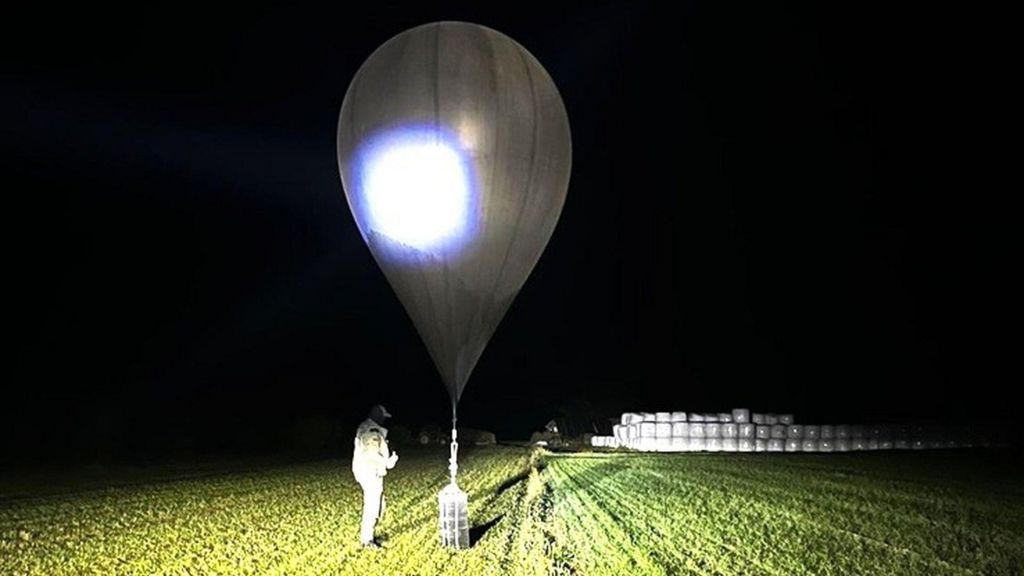
Lithuania’s airspace faced unprecedented disruption as dozens of weather balloons carrying contraband cigarettes floated into the country from neighboring Belarus. The incident forced Vilnius Airport to shut down for several hours, resulting in the cancellation of 30 flights and affecting approximately 6,000 passengers. Authorities reported that 25 meteorological balloons were detected entering Lithuanian airspace, with two directly hovering over the airport. So far, 11 balloons carrying 18,000 packs of black-market cigarettes have been recovered, though officials anticipate this number may rise. This incident adds to the growing tension in Europe, following recent drone incursions suspected to be linked to Russia, which Moscow has denied. The National Crisis Management Centre (NCMC) noted that such balloon-based smuggling is not new, with 544 recorded cases this year and 966 last year. Similar incidents have been reported in Poland’s Podlaskie region, which also borders Belarus. A Belarusian citizen was recently detained in Poland for smuggling cigarettes using a balloon, with geolocation data linking him to the illicit goods. The NCMC explained that smugglers prefer meteorological balloons over drones due to their lower cost, despite their susceptibility to weather conditions. Authorities aim to seize contraband and detain perpetrators to curb this activity, which poses risks to civil aviation. Meanwhile, European leaders are accelerating discussions on strengthening air defenses following recent drone-related disruptions in Denmark, Norway, and Germany. Russia has denied involvement in these incidents, despite being blamed for earlier airspace violations in Poland, Estonia, and Romania.
-

Who can still claim Africa’s spots at 2026 World Cup?
The race for the 2026 FIFA World Cup spots in Africa is heating up as the group stage of the qualifiers approaches its climax. With seven places available, the competition is fierce, and only the nine group winners are guaranteed a spot in the expanded 48-team tournament. Morocco and Tunisia have already secured their places, while other teams are fighting tooth and nail to join them. Cape Verde is on the verge of making history with their first-ever World Cup appearance, needing just one more victory. Egypt and Algeria are also in strong positions, with three points from their next two games likely securing their spots. The four best-ranked second-placed teams will enter play-offs next month, with the winners getting another chance to qualify via an intercontinental route. Continental heavyweights like Cameroon and Nigeria are in danger of missing out, adding to the drama. Egypt has a five-point lead over Burkina Faso and is expected to secure qualification with a win against Djibouti. Burkina Faso, Senegal, and DR Congo are also in the mix, with Senegal holding a one-point lead in Group B. South Africa’s chances took a hit after FIFA ruled they fielded an ineligible player, turning a 2-0 win into a 3-0 forfeit. Cape Verde’s shock victory over Cameroon has put them in a strong position, while Morocco has already qualified with two games to spare. Ivory Coast, Gabon, Algeria, and Tunisia are also in strong positions, with Ghana leading their group. The final rounds of qualifiers promise to be thrilling, with much still to be decided.
-

Jim Gavin’s presidential candidacy ‘a serious miscalculation’
In a dramatic turn of events, Jim Gavin, the Fianna Fáil candidate for the Irish presidential election, announced his withdrawal from the campaign on Sunday, citing a ‘mistake not in keeping with my character.’ Gavin, a former Dublin Gaelic football manager, was set to compete against Independent TD Catherine Connolly and Fine Gael’s Heather Humphreys in the October 24 election. His decision followed allegations published in the Irish Independent that he owed €3,300 to a former tenant. Gavin addressed the issue during RTÉ’s presidential debate, stating he was ‘very sorry’ and would ‘deal with it with urgency.’ Fianna Fáil MEP Billy Kelleher described the withdrawal as a ‘shell shock,’ criticizing the party’s lack of due diligence in vetting candidates. Fianna Fáil deputy leader Jack Chambers defended the nomination process, emphasizing that the tenancy issue was never disclosed. Taoiseach Micheál Martin supported Gavin’s decision, calling it ‘difficult but correct.’ Despite his withdrawal, Gavin’s name will remain on the ballot due to Irish electoral laws, though his chances of winning are slim. The Fianna Fáil parliamentary party will meet to discuss the campaign’s future, as the party grapples with the fallout from this unexpected development.
-
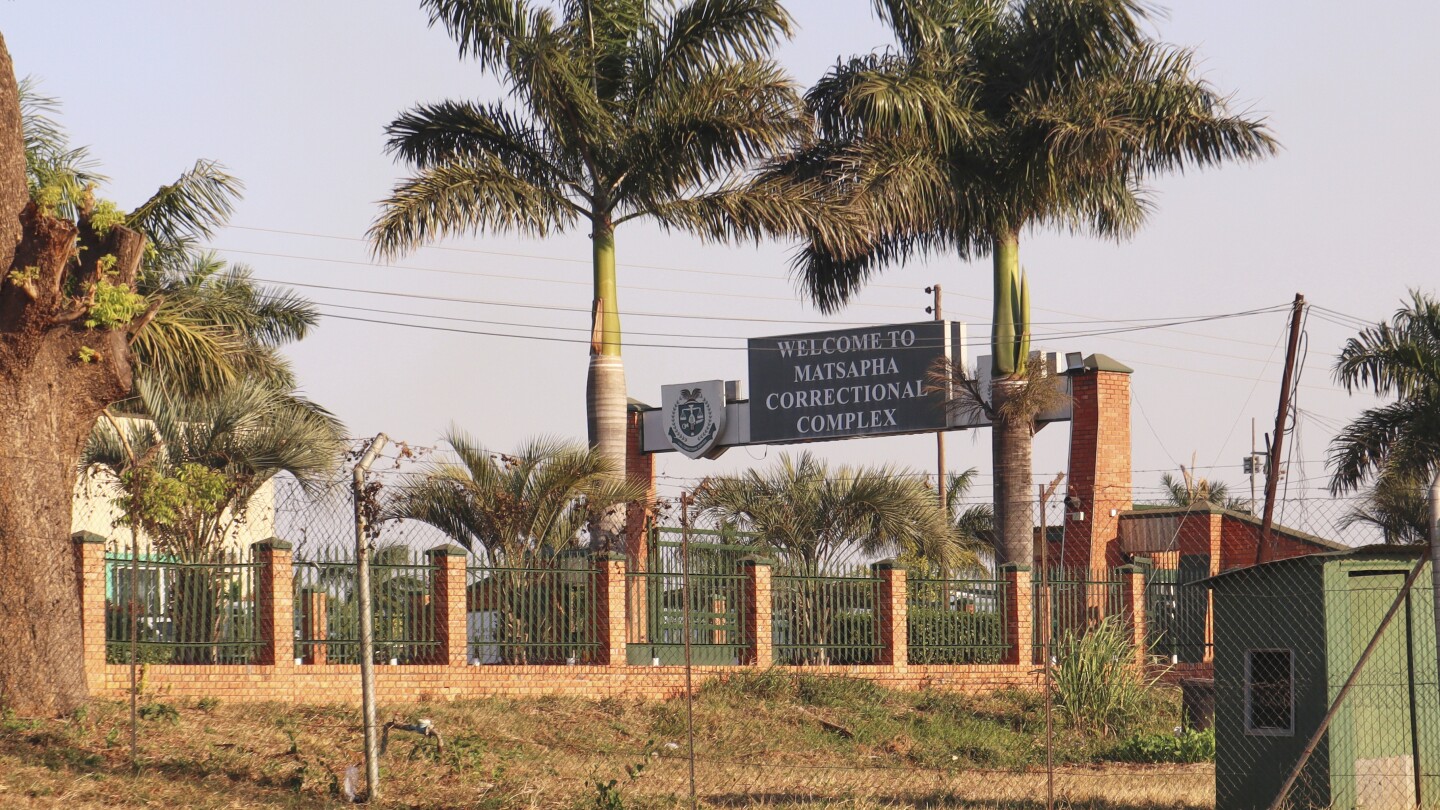
10 more deportees from the US arrive in the African nation of Eswatini
In a contentious move, a group of 10 migrants deported from the United States arrived in the African nation of Eswatini early Monday, according to local authorities. This marks the latest wave of deportations under a controversial program initiated by the Trump administration, which has struck largely undisclosed agreements with at least five African nations to accept migrants under its third-country deportation initiative. Rights groups and activists have vehemently opposed the program, citing concerns over due process and humane treatment.
-
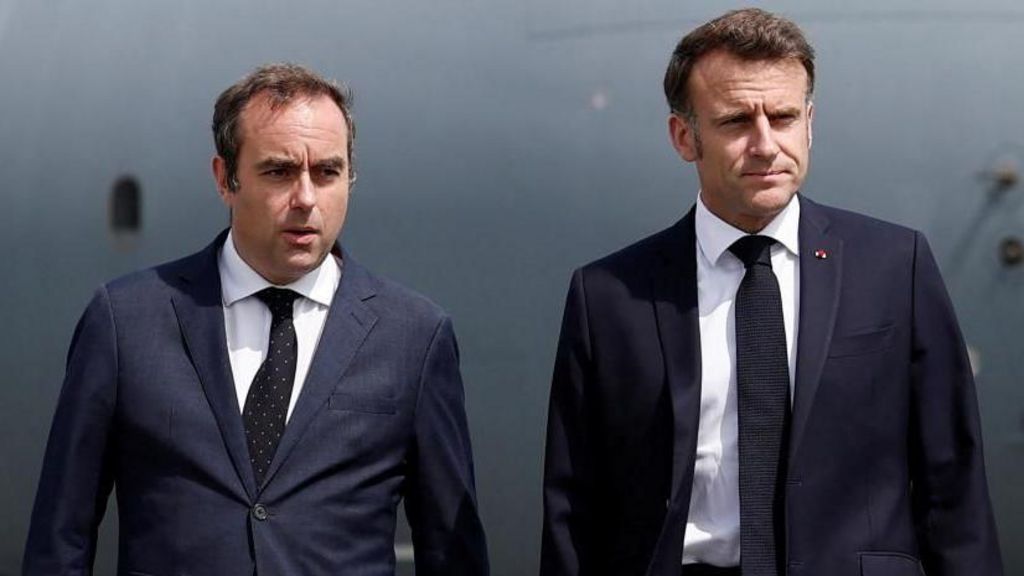
French Prime Minister Sébastien Lecornu resigns after less than a month
In a dramatic turn of events, French Prime Minister Sébastien Lecornu has resigned less than 24 hours after unveiling his cabinet. Lecornu, a staunch ally of President Emmanuel Macron, cited the inability to fulfill necessary conditions for his role, criticizing political parties for their refusal to compromise. The announcement was made by the Elysée Palace following an hour-long meeting between Lecornu and Macron on Monday morning. This abrupt decision comes just 26 days after Lecornu assumed office, succeeding François Bayrou, whose government collapsed amid widespread criticism. The National Assembly had vehemently opposed Lecornu’s cabinet, which bore striking similarities to Bayrou’s, and threatened to vote it down. Calls for early elections have intensified, with far-right National Rally leader Marine Le Pen urging Macron to step down, accusing him of plunging the country into crisis. Lecornu, France’s fifth prime minister in under two years, lambasted political factions for their ‘partisan appetites’ and lack of humility during his brief tenure. The resignation underscores the deepening instability in French politics, which has been in disarray since the July 2024 snap elections resulted in a hung parliament. The inability to pass crucial legislation, including Bayrou’s austerity budget, has exacerbated France’s economic woes, with a deficit of 5.8% of GDP and a national debt of 114% of GDP. The Paris stock exchange reacted negatively to the news, with stocks plummeting sharply.
-
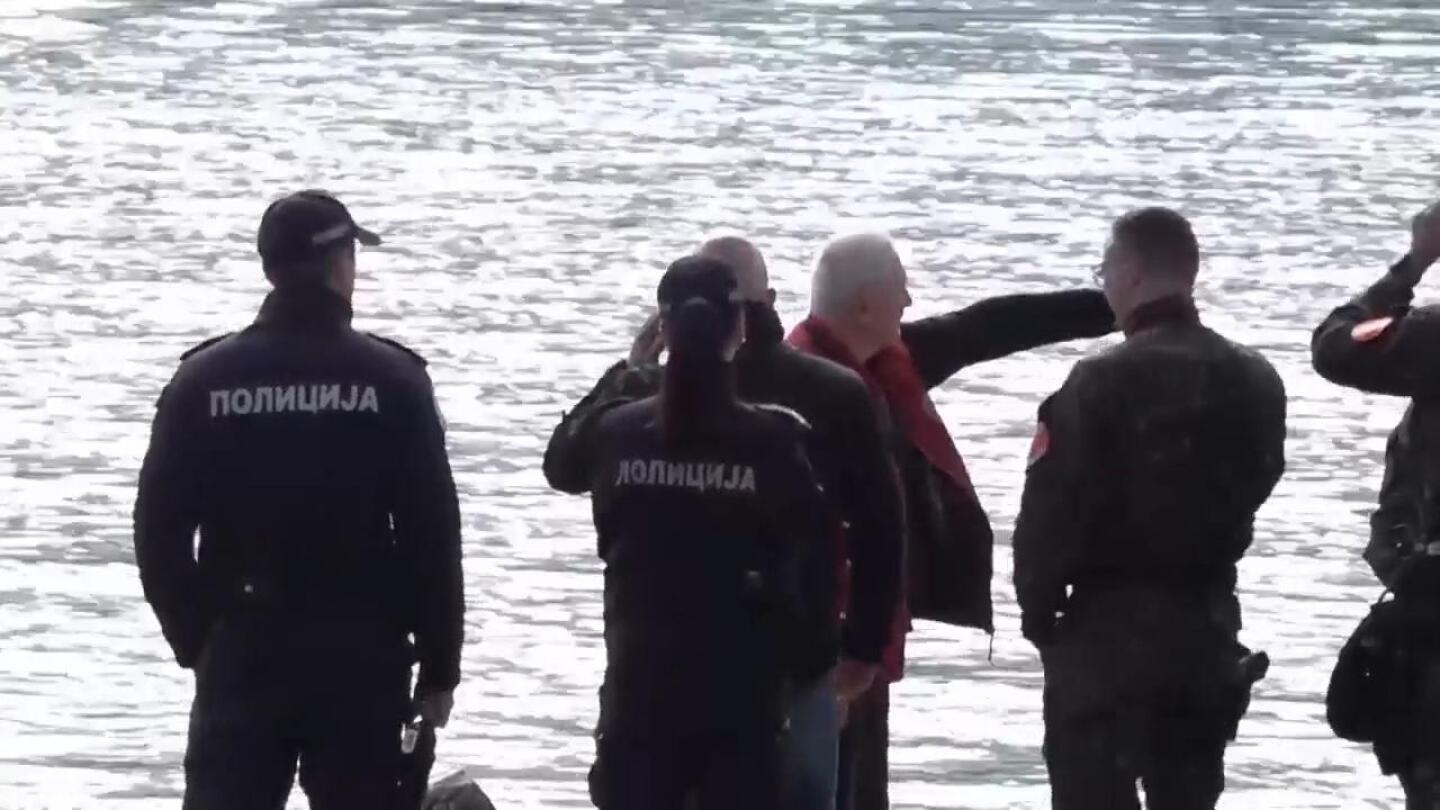
A Chinese migrant dies when boat capsizes on the Danube between Serbia and Croatia
A tragic incident unfolded on the Danube River between Serbia and Croatia, resulting in the death of one individual and the rescue of several others. According to Serbian police, a boat carrying at least 10 Chinese nationals capsized late Sunday evening near the Serbian town of Backa Palanka, approximately 90 kilometers northwest of Belgrade. The victims were reportedly attempting to cross the border illegally. Serbian rescuers recovered the body of one person and successfully saved four others, all of whom are Chinese nationals. Meanwhile, teams in neighboring Croatia located three men and two women, also from China. Serbia is a key transit point on the Balkan migration route, which many migrants use to reach Western Europe. In recent years, China has significantly invested in infrastructure projects across central and eastern Europe, leading to an increase in the visibility of Chinese emigrants in these regions.