作者: admin

  • ‘It felt like doomsday’: Karachi mall inferno came after ignored warnings, delayed response

    ‘It felt like doomsday’: Karachi mall inferno came after ignored warnings, delayed response

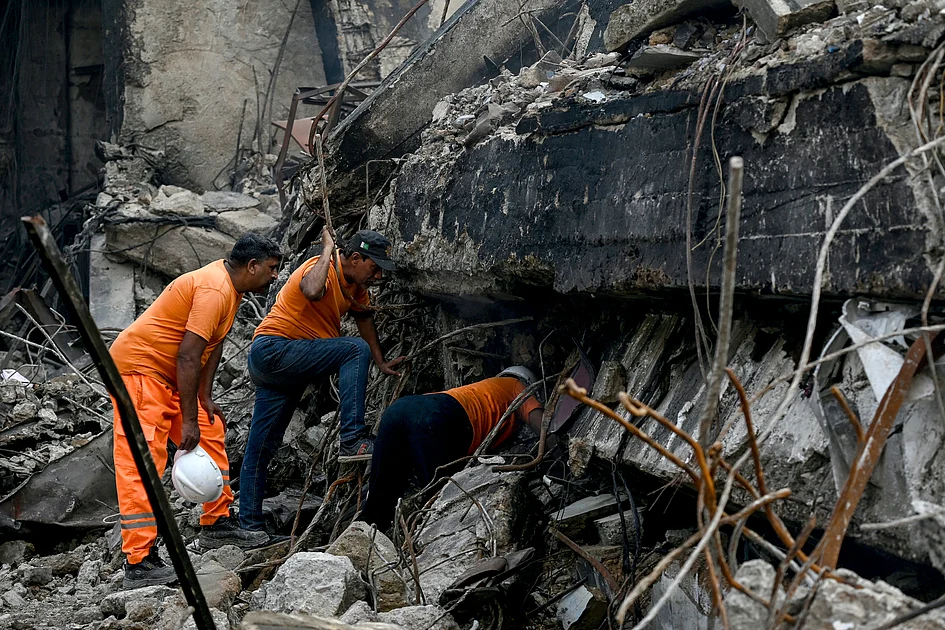
    A catastrophic fire that engulfed Karachi’s Gul Plaza shopping complex on January 17th has exposed critical safety failures and institutional neglect, resulting in one of Pakistan’s deadliest urban disasters in recent memory. The inferno claimed at least 67 lives with 15 individuals still missing and presumed dead, according to police official Asad Ali Raza.

    Survivors described apocalyptic scenes as smoke rapidly filled the multi-story building within seconds, plunging the complex into complete darkness. Muhammad Imran, a shop owner with pre-existing health conditions, recounted the horror: ‘It felt like doomsday. You couldn’t see the person next to you.’ His escape, along with dozens of others, was severely hampered by locked emergency exits and inadequate ventilation systems.

    Investigative findings reveal that Gul Plaza had been operating in violation of building safety standards for over a decade. Documents obtained by Reuters show the provincial Sindh Building Control Authority had filed multiple court cases regarding safety compliance issues dating back to 1992, with the most recent inspections in 2023-2024 categorizing the building’s fire safety systems as ‘unsatisfactory’ across critical categories including alarm systems, emergency lighting, and firefighting equipment.

    The tragedy was compounded by delayed emergency response and inadequate resources. While provincial spokesperson Sukhdev Assardas Hemnani stated the first fire vehicles arrived within 10 minutes of the initial emergency call, survivors reported watching the complex burn as firefighters struggled with equipment limitations and logistical challenges. The blaze, fueled by flammable materials and over 50 gas cylinders stored within the building, raged for nearly two days before being fully extinguished.

    The human toll continues to unfold as families await DNA identification of remains. Many of the missing were shop employees and traders who reportedly helped others escape before succumbing to the flames themselves. The disaster has left Karachi’s commercial community traumatized and questioning how repeatedly identified safety violations were allowed to persist unchecked.
  • Wife of Uganda’s opposition leader recounts how armed men attacked her at her home

    Wife of Uganda’s opposition leader recounts how armed men attacked her at her home

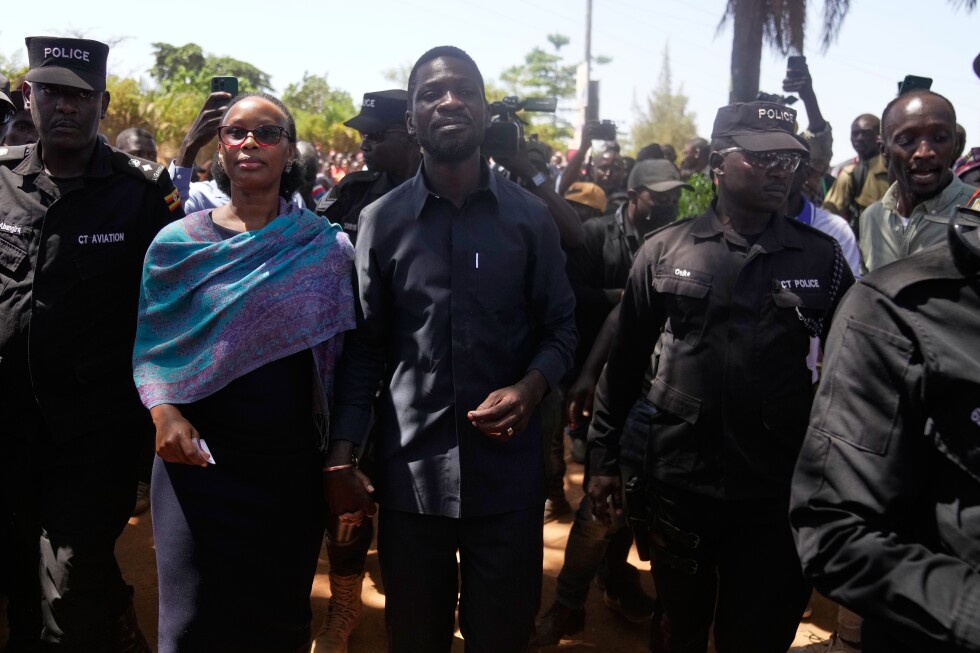
    KAMPALA, Uganda — The residence of Ugandan opposition figure Bobi Wine became the scene of a violent intrusion Friday night as armed men in military attire forcibly entered the property seeking information on his whereabouts. Barbara Kyagulanyi, the politician’s wife commonly known as Barbie, sustained injuries during the confrontation and is currently receiving medical treatment at Nsambya Hospital in Kampala.

    According to eyewitness accounts from Ms. Kyagulanyi, approximately two dozen uniformed personnel breached the security perimeter of the compound while the opposition leader remained in hiding following recent presidential elections. The assailants allegedly subjected her to physical assault and intimidation tactics in an attempt to extract information regarding her husband’s location.

    The incident occurred amidst heightened political tensions following the January 15 electoral process that saw President Yoweri Museveni declared victor with 71.6% of ballots. Wine’s National Unity Platform (NUP) party has formally rejected the official results, citing widespread irregularities and alleging electoral manipulation.

    Digital evidence captured during the raid, subsequently circulated on social media platform X, depicts moments of the altercation that culminated in Ms. Kyagulanyi losing consciousness. Medical reports indicate she received treatment for physical trauma and acute anxiety following the episode.

    Political analysts have raised concerns regarding escalating patterns of intimidation against opposition members. General Muhoozi Kainerugaba, current army chief and presidential son, has previously engaged in inflammatory rhetoric targeting Wine through social media channels, though no direct evidence links him to Friday’s events.

    International observers including United Nations Secretary-General António Guterres have called for restraint and adherence to constitutional principles. The electoral process was previously marred by nationwide internet restrictions and technical failures in biometric voting systems, particularly affecting opposition strongholds.

    President Museveni, who will now commence his seventh term extending his rule toward five decades, maintains support from constituents who credit his administration with maintaining regional stability. Meanwhile, NUP leadership reports numerous party members remain detained or unaccounted for since the election.

  • Trump threatens Canada with 100% tariff if it completes China trade deal

    Trump threatens Canada with 100% tariff if it completes China trade deal

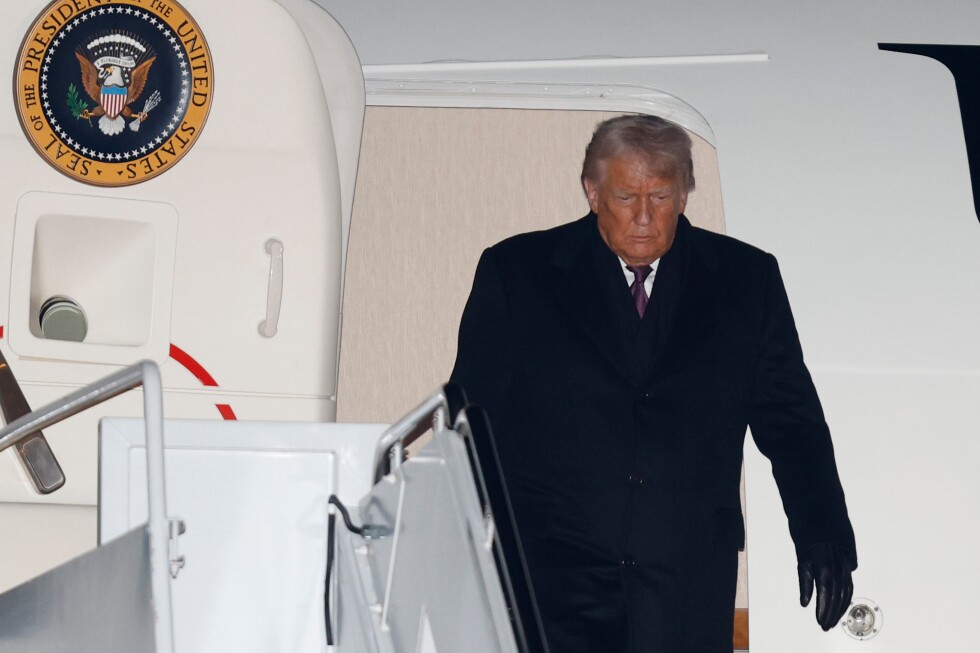
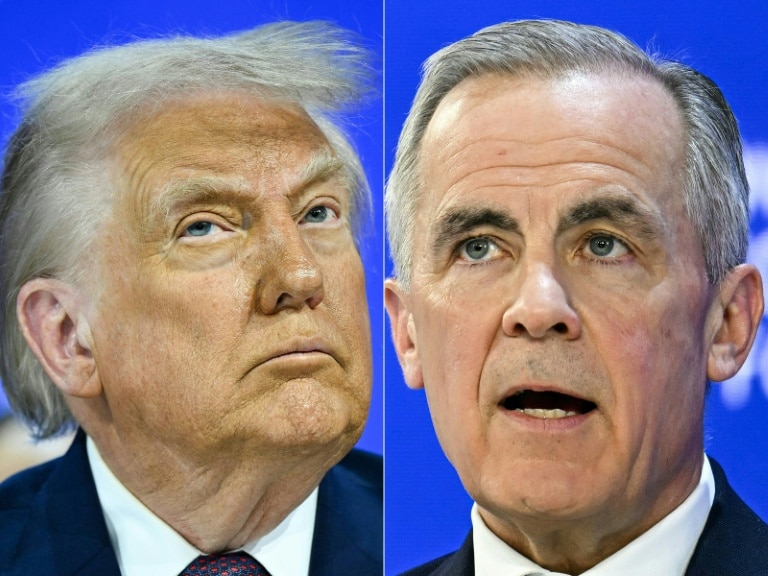
    In a significant escalation of North American trade tensions, former US President Donald Trump has issued a stark warning to Canada regarding its potential trade agreement with China. Should Prime Minister Mark Carney finalize the proposed trade deal with Beijing, Trump has pledged to impose comprehensive 100% tariffs on all Canadian goods entering the United States.

    The diplomatic relationship between the neighboring nations has deteriorated substantially since Trump’s return to the White House in January 2025. The current friction stems from Carney’s recent visit to China, where he announced a preliminary trade agreement aimed at reducing tariffs between Ottawa and Beijing. Trump responded vehemently on his Truth Social platform, asserting that Canada would become a ‘Drop Off Port’ for Chinese products destined for American markets if the agreement proceeds.

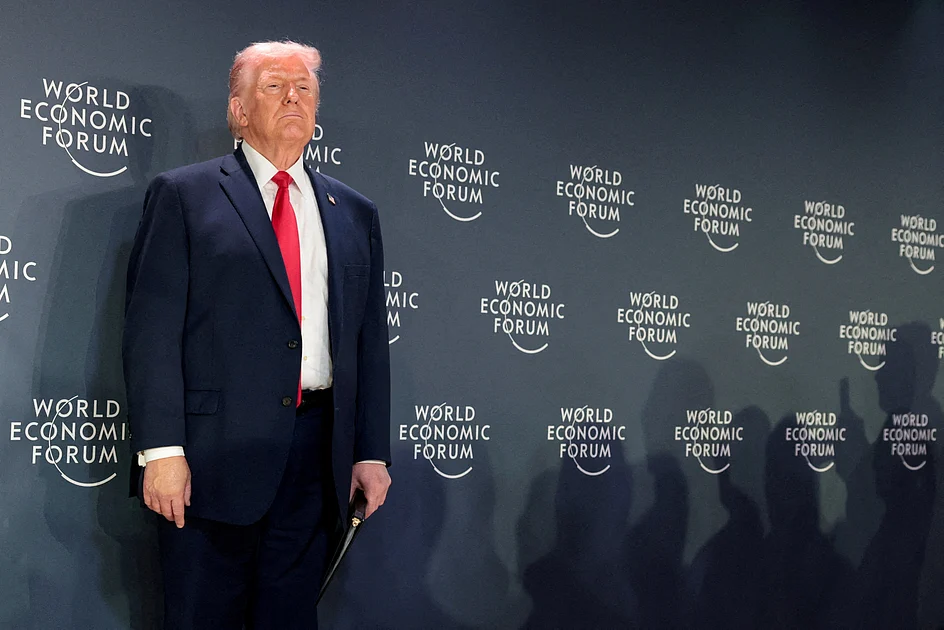
    Trump’s rhetoric intensified with dramatic claims that China would ‘completely devour’ Canada, potentially destroying its business sector, social fabric, and way of life. This exchange represents the latest development in an ongoing war of words between the two leaders that began at the World Economic Forum in Davos. There, Carney received a standing ovation for his critique of the ‘rupture’ in the US-led global order—a remark widely interpreted as targeting Trump’s unconventional foreign policy approach.

    The confrontation has extended beyond trade matters, with Trump rescinding Carney’s invitation to participate in his proposed ‘Board of Peace’—an initiative initially conceived to address postwar Gaza but now apparently expanding into a broader international conflict resolution body that some observers view as a potential rival to the United Nations.

    Despite the heated rhetoric, Canada maintains substantial economic dependence on its southern neighbor, with over 75% of Canadian exports destined for US markets. While previous Trump tariffs affected key Canadian industries including automotive, aluminum, and steel sectors, the existing North American free trade framework has somewhat mitigated the economic impact. With negotiations to revise this agreement scheduled for this year, Trump’s repeated assertions that the United States doesn’t require access to Canadian products suggest potentially sweeping consequences for Canada’s economy.

    The situation remains particularly volatile given Trump’s additional threats of Canadian annexation, recently symbolized by a social media post depicting Canada, Greenland, and Venezuela under the American flag. This developing diplomatic crisis unfolds as both nations, along with Mexico, prepare to co-host the upcoming World Cup.

  • ICC replaces Bangladesh with Scotland at T20 World Cup over security stalemate

    ICC replaces Bangladesh with Scotland at T20 World Cup over security stalemate

    DUBAI, United Arab Emirates — In an unprecedented last-minute decision, the International Cricket Council (ICC) has officially replaced Bangladesh with Scotland for the upcoming T20 World Cup following a contentious security dispute. The dramatic roster change comes after weeks of failed negotiations between cricket’s governing body and the Bangladesh Cricket Board (BCB).

    The conflict originated from BCB’s formal request to relocate its matches from India to Sri Lanka, citing unspecified security apprehensions. Despite multiple high-level discussions conducted both virtually and in-person over three weeks, the ICC remained unconvinced by Bangladesh’s security claims.

    In an official statement released Saturday, the ICC revealed it had conducted thorough security assessments and found “no credible or verifiable security threat to the Bangladesh national team in India” for the month-long tournament commencing February 7. The governing body emphasized that modifying the published event schedule so close to the tournament’s opening was not justified.

    The situation reached its climax when BCB failed to confirm its participation by the ICC’s stipulated deadline. This procedural failure triggered the ICC’s established governance protocols, resulting in Scotland’s selection as the replacement team based on their ranking as the highest-tier T20 team not initially qualified.

    Complicating matters further, the Bangladesh government cited strained political relations with India as the underlying reason for their security concerns. The tension reportedly stems from the recent removal of Bangladeshi fast bowler Mustafizur Rahman from the Indian Premier League by order of the Board of Control for Cricket in India.

    The dispute has garnered international attention, with Pakistan Cricket Board chairman Mohsin Naqvi publicly criticizing the ICC for alleged “double standards” and expressing solidarity with Bangladesh. Naqvi revealed that Pakistan’s own participation remains contingent on government approval, indicating potential further disruptions to the tournament lineup.

    Scotland now prepares to enter Group C, where they will assume Bangladesh’s original schedule of three matches in Kolkata and one in Mumbai, adding an unexpected dynamic to the tournament’s competitive landscape.

  • Iran says two Daesh‑linked men executed for 2023 bus bombing

    Iran says two Daesh‑linked men executed for 2023 bus bombing

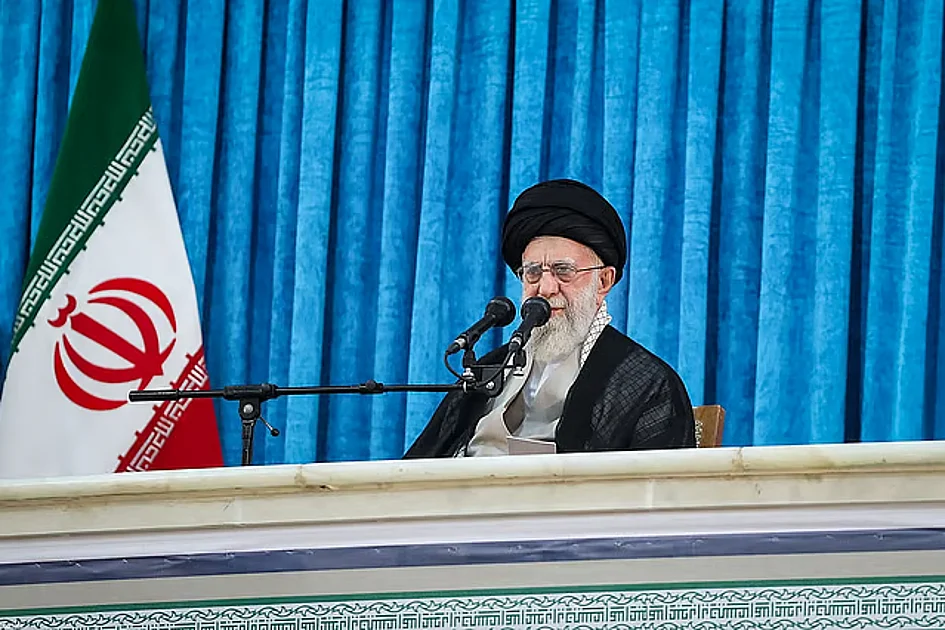
    Iranian judiciary authorities have carried out the execution of two individuals convicted of orchestrating a deadly 2023 bus bombing that targeted pilgrims, with official sources confirming their affiliation with the terrorist organization Daesh (ISIS).

    The Mizan News Agency, the official media outlet of Iran’s judiciary, reported on Saturday that both executed individuals were directly responsible for planting and detonating the explosive device that struck a passenger bus traveling from Tehran to Ilam province. The western region of Ilam shares a strategic border with Iraq and serves as a frequent transit route for religious pilgrims.

    The tragic incident, which occurred in 2023, resulted in the death of a young child and caused significant injuries to multiple other passengers aboard the vehicle. The attack represented one of several security challenges Iran has faced from extremist groups operating within the region.

    Judicial proceedings determined that the perpetrators had established operational ties with ISIS, which has historically claimed responsibility for similar attacks targeting civilian populations in Iran. The execution demonstrates Tehran’s continued hardline approach toward security threats and terrorist activities within its borders.

    This development occurs amid ongoing regional tensions and reflects Iran’s persistent concerns regarding terrorist infiltration and operations targeting its civilian infrastructure and religious sites.

  • ‘Trump Always Chickens Out’: What is TACO trade and why is it back?

    ‘Trump Always Chickens Out’: What is TACO trade and why is it back?

    Financial markets experienced significant volatility this week as President Donald Trump’s threats of imposing tariffs on multiple European nations—including Germany, France, Britain, and Denmark—triggered widespread uncertainty. The market turbulence stemmed from these countries’ resistance to Trump’s controversial proposition to acquire Greenland, Denmark’s autonomous territory.

    The situation took an unexpected turn on Wednesday when the President abruptly retracted both his tariff threats and ambitions to forcibly seize the Arctic island from the NATO ally. This reversal catalyzed what analysts have termed the ‘TACO trade’—an acronym for ‘Trump Always Chickens Out’—prompting one of the most substantial market rallies witnessed in recent months.

    According to Fawad Razaqzada, market analyst at Forex.com, this pattern has become characteristic of Trump’s approach to international negotiations. The terminology originated among Wall Street analysts in May 2025, describing the President’s tendency to establish aggressive tariff deadlines in April only to substantially moderate them as deadlines approached.

    The TACO phenomenon resurfaced dramatically during the Davos summit, where Trump initially delivered an uncompromising reaffirmation of his claims over Greenland, which he described as a ‘big piece of ice.’ However, he subsequently surprised attendees by declaring, ‘I won’t use force,’ acknowledging this concession as ‘probably the biggest statement I made.’ Hours later, he announced via Truth Social that he had negotiated a ‘future deal’ regarding the Danish territory and would lift sanction threats against eight European nations.

    California’s Democratic Governor Gavin Newsom promptly characterized this reversal as another TACO moment, drawing parallels to Trump’s relaxation of ‘Liberation Day’ tariffs the previous April. Some analysts suggest this pattern reflects the ‘art of the deal’ strategy Trump outlined in his 1987 book, involving extreme initial demands to secure unexpected concessions.

    The uncertainty surrounding this negotiation technique continues to concern U.S. allies, particularly given Trump’s statement regarding Greenland: ‘You can say yes, and we will be very appreciative. Or you can say no and we will remember’—a comment compared by New York Times commentator Bret Stephens to dialogue from mafia classic ‘The Godfather.’

  • Trump threatens Canada with 100% tariffs over its new trade deal with China

    Trump threatens Canada with 100% tariffs over its new trade deal with China

    In a significant escalation of diplomatic tensions, former President Donald Trump issued a stark warning to Canada through social media on Saturday, threatening to impose 100% tariffs on Canadian imports should the nation proceed with its recently negotiated trade agreement with China. Trump asserted that Prime Minister Mark Carney would be “sorely mistaken” if he believed Canada could serve as a transit point for Chinese goods entering the United States.

    The threat emerges amidst already strained relations between the two NATO allies, further complicated by Trump’s persistent interest in acquiring Greenland and his controversial remarks suggesting Canadian absorption into the United States. Trump’s provocative language extended to referring to Carney as “Governor Carney”—a derogatory nickname previously used for former Prime Minister Justin Trudeau—highlighting the deterioration in their diplomatic relationship.

    This development occurs against the backdrop of Canada’s strategic move to lower tariffs on Chinese electric vehicles in exchange for reduced import taxes on Canadian agricultural products. Ironically, Trump had initially characterized this agreement as a positive step for Canada. The former president subsequently revoked Carney’s invitation to participate in his proposed “Board of Peace,” an initiative aimed at addressing global conflicts.

    The ongoing trade friction between the nations continues despite the protective framework provided by the Canada-U.S.-Mexico Agreement, which is scheduled for review this year. The situation represents a critical juncture in North American relations with potential implications for global trade dynamics and international diplomacy.

  • China places highest-ranking general under investigation

    China places highest-ranking general under investigation

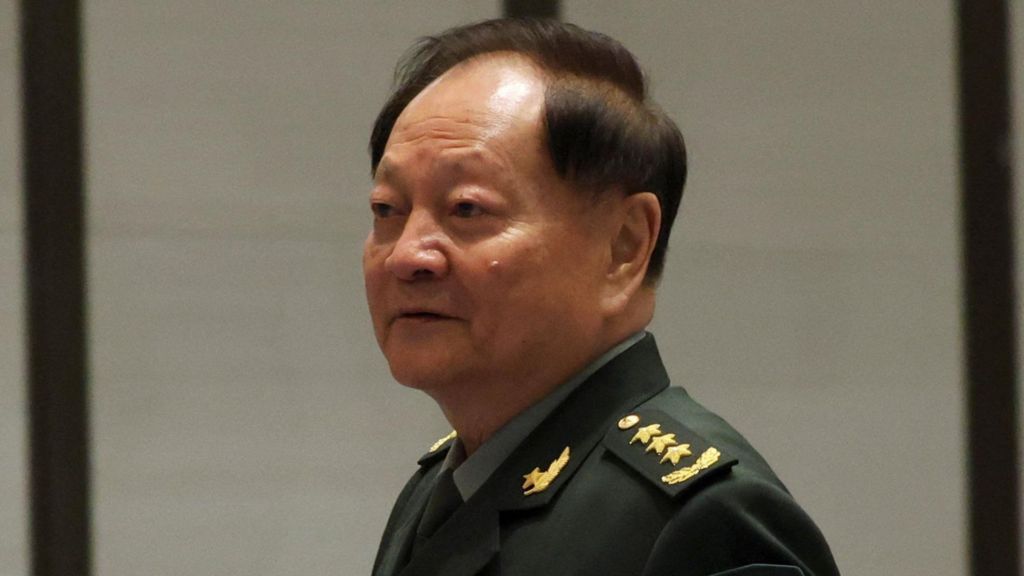
    In a significant development within China’s military leadership, the Ministry of National Defense has announced formal investigations against two of the nation’s highest-ranking generals for serious legal and disciplinary violations. The probe targets General Zhang Youxia, Vice-Chairman of the Central Military Commission and long considered President Xi Jinping’s closest military ally, alongside General Liu Zhenli, another senior military officer.

    The defense ministry’s statement provided no specific details regarding the allegations, though the phrase ‘violations of discipline and law’ typically serves as official terminology for corruption cases within China’s political context. The investigation marks a dramatic fall from grace for General Zhang, a 75-year-old veteran with combat experience who had remained in service beyond standard retirement age—previously interpreted as a sign of particular trust from President Xi.

    This development continues President Xi’s extensive anti-corruption campaign that has swept through multiple government sectors since he assumed power, with recent focus intensifying on military leadership. Just three months earlier, nine senior generals were removed in one of the largest military purges in decades.

    The timing of the announcement follows weeks of speculation after both generals were conspicuously absent from a major Party event in December. With these investigations, the Central Military Commission’s membership has now been reduced from seven to just two officials: President Xi himself and Zhang Shengmin, who oversees military disciplinary matters.

    Analysts note that while anti-corruption efforts receive public support for promoting governance integrity, critics argue these campaigns frequently serve as tools for political consolidation. President Xi has consistently described corruption as the ‘biggest threat’ to Communist Party rule and maintains that the anti-graft battle remains ‘grave and complex.’

    The investigation of General Zhang carries particular symbolism given his status as the son of one of China’s revolutionary founding generals and his position on the 24-member Politburo, the Party’s elite decision-making body.

  • Woman compensated Dh300,000 after falling victim to online fraud scheme in UAE

    Woman compensated Dh300,000 after falling victim to online fraud scheme in UAE

    In a significant legal ruling addressing cybercrime, Al Ain Civil, Commercial and Administrative Claims Court has mandated a substantial compensation payment of Dh300,000 to a female victim of an elaborate online fraud scheme. The judgment comes as authorities intensify efforts to combat increasingly sophisticated digital financial crimes across the United Arab Emirates.

    The court established that the defendant collaborated with an unidentified accomplice who impersonated a consumer protection official during telephone communications with the victim. The fraudster deceitfully claimed to be addressing a previously submitted complaint and manipulated the woman into believing her banking accounts required immediate security enhancements to prevent potential financial losses.

    Exploiting this fabricated narrative, the scammer persuaded the victim to disclose confidential banking credentials. This breach enabled the criminal network to illicitly withdraw substantial funds from her accounts, apply for unauthorized loans using her identity, and execute clandestine transfers without her knowledge or consent.

    The civil litigation sought both financial restitution for the stolen Dh270,000 and additional compensation for the psychological trauma and reputational damage inflicted by the crime. The court’s deliberation referenced the defendant’s prior conviction in parallel criminal proceedings, which definitively established culpability through evidence demonstrating monetary acquisition via information technology and deceptive practices.

    Judicial authorities emphasized that the criminal conviction provided irrefutable evidence of fault and demonstrated a direct causal relationship between the defendant’s actions and the damages incurred. This precedent strengthened the civil claim, resulting in the comprehensive ruling that includes full financial restoration plus Dh30,000 for material and moral damages.

    This case occurs amidst heightened concerns regarding impersonation scams targeting UAE residents. Fraudsters frequently pose as representatives of consumer protection agencies, financial institutions, or government entities to harvest sensitive information. Official advisories consistently emphasize that legitimate organizations never solicit banking details, one-time passwords, or login credentials via telephone or digital messaging platforms.

    Security experts recommend that residents implement rigorous verification protocols for unsolicited communications, refrain from sharing personal information with unverified parties, and immediately report suspicious activities to law enforcement agencies. The ruling demonstrates the judiciary’s commitment to protecting citizens from evolving digital threats while setting a compensatory standard for future cybercrime cases.

  • How Soviet urban planning is helping Russia freeze Ukraine

    How Soviet urban planning is helping Russia freeze Ukraine

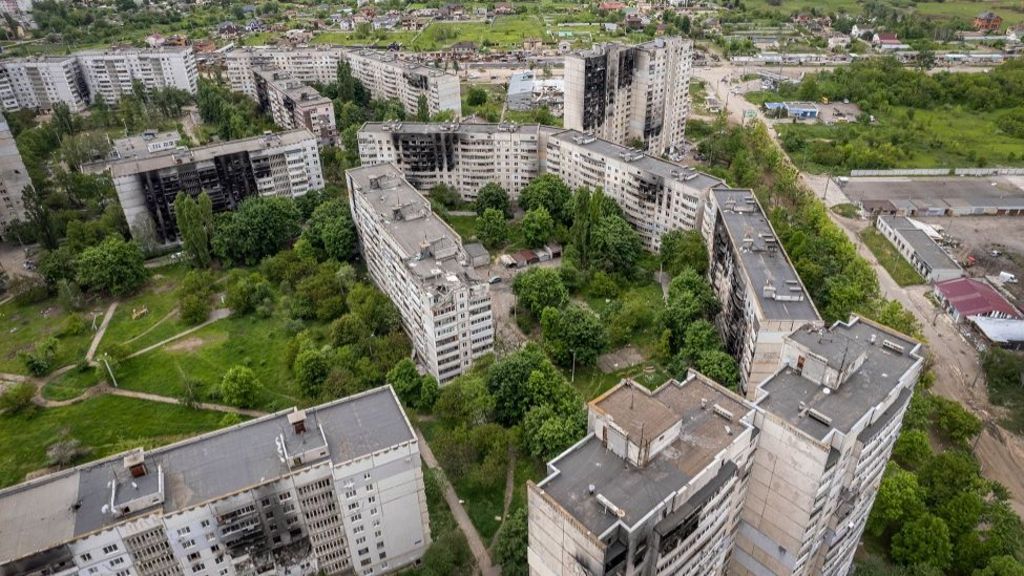
    Ukraine is enduring its most severe winter in modern history as Russia systematically targets centralized heating infrastructure, leaving approximately one million residents without heat during temperatures plunging below -15°C. The capital city of Kyiv has become the primary focus of these attacks, with the January 24th bombardment marking the third major assault on heating systems in just over two weeks.

    According to Kyiv Mayor Vitaly Klitschko, nearly 6,000 apartment buildings lost heating capabilities following the latest overnight attack. This strategic targeting exploits Ukraine’s Soviet-era dependency on communal heating systems where water is heated at centralized plants before being distributed to residential radiators. The scale of these facilities means single attacks can affect thousands of households simultaneously.

    Urban residents describe increasingly desperate conditions. “Living in Kyiv is a bit of a gamble these days,” explained local resident Rita. “If you have heating and gas, there’s no electricity and water. If you have electricity and water, there’s no heating. Coming home is like playing a guessing game every day.” Many report sleeping in multiple clothing layers and hats to combat the freezing temperatures.

    Energy expert Yuriy Korolchuk reveals that approximately 11 million Ukrainian households relied on centralized heating before Russia’s 2022 invasion, compared to just seven million with autonomous systems. This infrastructure legacy stems from Soviet mass housing initiatives that produced ubiquitous prefabricated concrete apartment blocks known as ‘panelki’ and ‘khrushchevki’.

    The vulnerability of these systems represents a new tactical approach in Russia’s campaign. Korolchuk notes that “during previous winters, there were no such strikes against the heating system. They happened only occasionally, and they didn’t directly target heating plants.” He suggests these attacks may constitute negotiation pressure tactics.

    Ukrainian authorities have established warming tents for displaced residents, while the government plans long-term solutions including mandatory individual heating points for apartment complexes. However, reversing decades of Soviet urban planning remains a formidable challenge that will require significant time and resources to implement effectively.