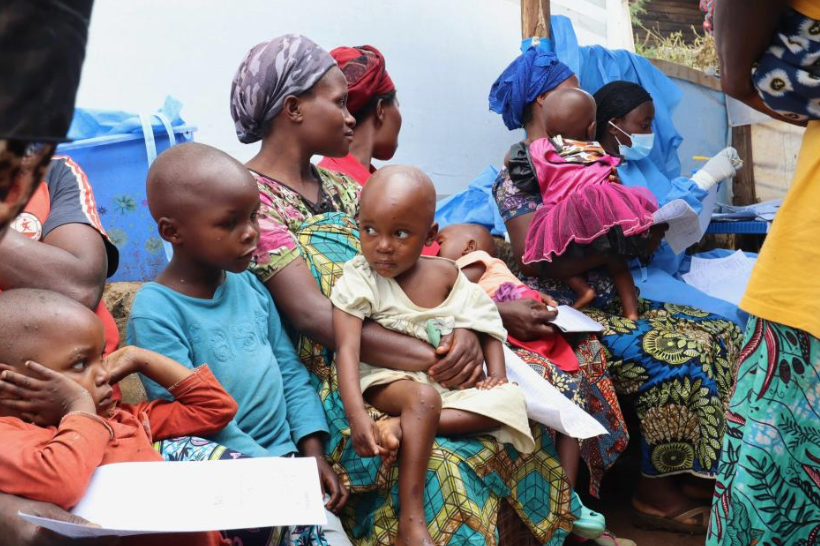
The International Committee of the Red Cross (ICRC) has issued a stark warning about the deteriorating healthcare system in the conflict-ridden eastern regions of the Democratic Republic of the Congo (DRC). A recent study conducted in September 2025 across 240 health facilities in North and South Kivu provinces revealed alarming shortages: 85% of these facilities have exhausted their supplies of essential medicines, and nearly 40% reported that healthcare workers have fled due to insecurity and insufficient funding. This crisis is forcing civilians, including women and children, to traverse dangerous combat zones to seek medical care, often only to find clinics devoid of qualified staff and necessary treatments. The ICRC’s deputy health coordinator, Hippolyte Ten, emphasized the dire situation, noting that over 70% of the surveyed facilities have treated weapon-related injuries this year, with hospitals in Beni, Goma, Bukavu, and Fizi reporting a 160% increase in such cases compared to 2024. Additionally, the first half of 2025 saw 948 cases of sexual violence requiring medical and psychosocial support. Francois Moreillon, head of the ICRC delegation in the DRC, highlighted the collapse of humanitarian assistance, leaving 80% of facilities in the Kivu region without partner support. He stressed the urgent need for the delivery of medicines, safe patient transfers, and the protection of medical staff. The ICRC has also called on all conflict parties to adhere to international humanitarian law and safeguard medical personnel and infrastructure. The security situation in eastern DRC has significantly worsened since January, with renewed fighting involving the March 23 Movement rebel group, which has captured several key towns, including Goma and Bukavu. This escalating violence has displaced hundreds of thousands of civilians, exacerbating an already critical humanitarian crisis.
作者: admin
-
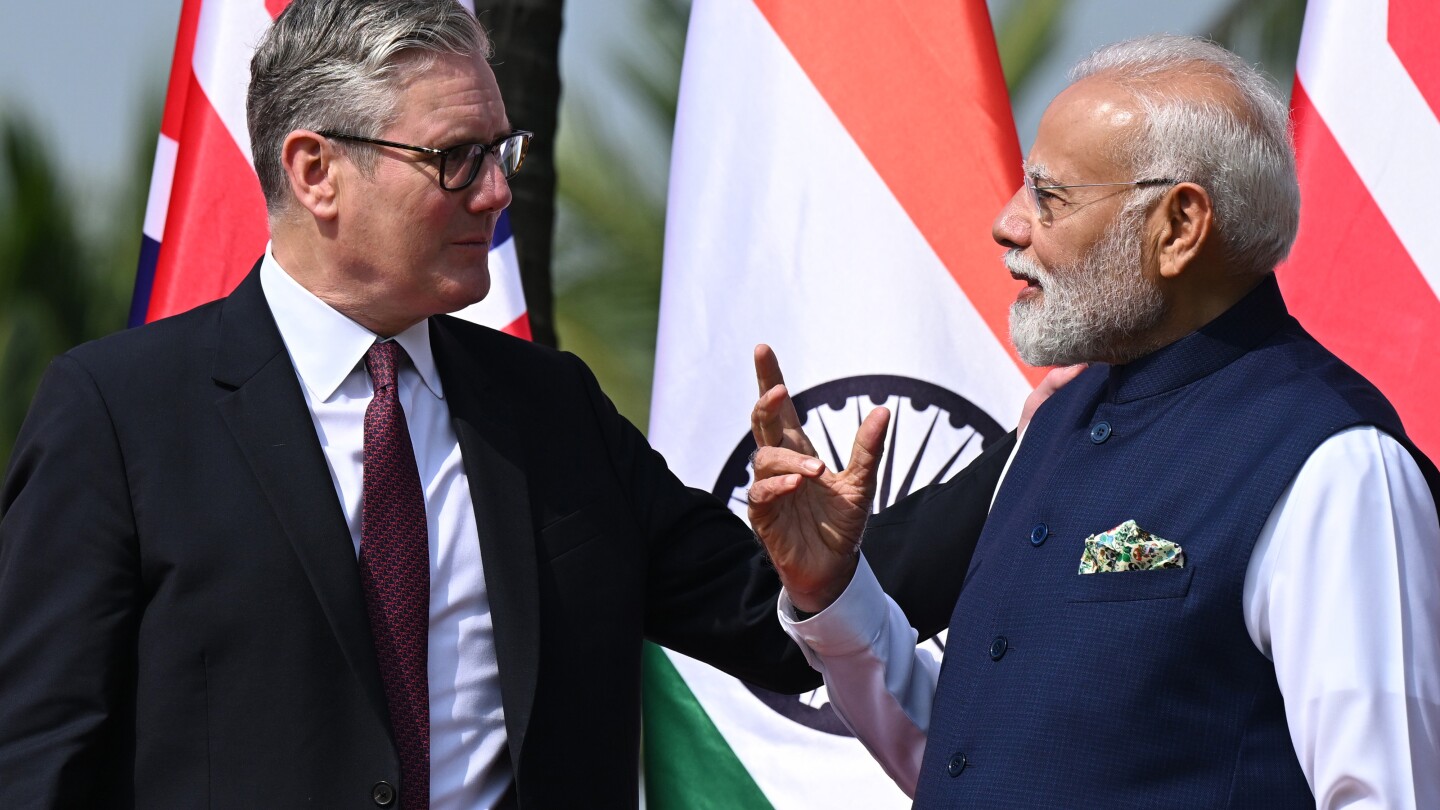
British and Indian prime ministers promote trade deal during visit by Starmer
Indian Prime Minister Narendra Modi and British Prime Minister Keir Starmer held a pivotal meeting in Mumbai on Thursday, aiming to enhance bilateral cooperation in trade, defense, and technology. This marked Starmer’s first official visit to India since assuming office in July 2024, underscoring the growing importance of India as a global economic hub. The two-day visit, which began on Wednesday, aligns with India’s intensified efforts to attract international investment to fuel its rapidly expanding economy. During the talks, the leaders emphasized advancing a trade agreement initially signed during Modi’s visit to London in July. They also explored collaboration in digital infrastructure, critical minerals, and education. A significant defense deal was inked, enabling Britain to supply India with missiles, launchers, and electric-powered engines for naval ships. Modi highlighted the natural partnership between the two nations, describing it as a cornerstone of global stability and economic progress. He announced agreements on military training cooperation and plans for nine UK universities to establish campuses in India. Starmer, accompanied by a 125-member delegation comprising business, academic, and cultural leaders, emphasized the potential of the trade deal to spur growth and job creation in both countries. The agreement, set to be implemented within a year, will reduce tariffs on key exports such as Scotch whisky, English gin, and Indian spices, potentially boosting bilateral trade by $34 billion and increasing UK exports to India by nearly 60%. The leaders also discussed Indo-Pacific stability, the Ukraine conflict, and developments in Gaza, with Starmer expressing relief over the initial phase of an Israel-Hamas peace plan.
-
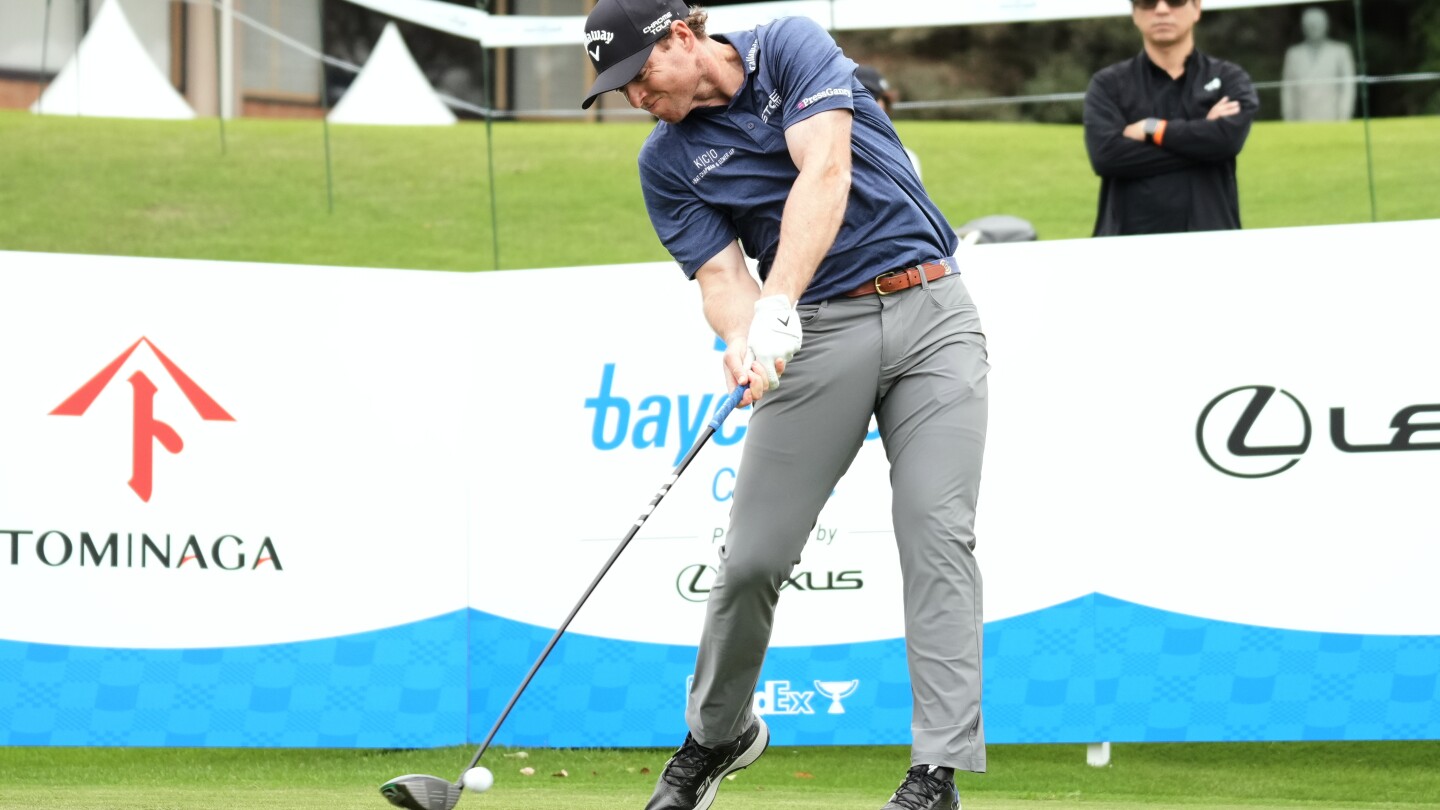
Greyserman, Cauley and Campbell sit atop the leaderboard after 1st round of PGA Tour event in Japan
YOKOHAMA, Japan — The Baycurrent Classic, the PGA Tour’s sole event in Japan, kicked off with a strong showing from American golfers Max Greyserman, Bud Cauley, and Brian Campbell. Each carded an impressive 4-under 67 in the opening round on Thursday, securing a shared lead at the Yokohama Country Club. This year marks the tournament’s relocation from its previous venue east of Tokyo, where it was held as the Zozo Championship since 2019.
Eight players, including Australian star Adam Scott, trail the leaders by a single stroke, while seven others are two shots behind. Notably, Xander Schauffele and Collin Morikawa, both members of the U.S. Ryder Cup team that recently faced defeat, finished with even-par 71s. Defending champion Nico Echavarria of Colombia posted a 70, while Japan’s Hideki Matsuyama, the 2021 Masters champion, ended the day with a 72.
Greyserman, who narrowly missed victory last year by one shot after Echavarria’s birdie on the final hole, expressed his admiration for Japan’s culture and fans. Reflecting on the challenging conditions, he remarked, ‘In those difficult conditions, I’ll take that any day.’ He also acknowledged Echavarria’s past success, hinting at his own aspirations for the week. ‘Nico got it done that week. So maybe I can get it done this week,’ Greyserman added.
The tournament continues to draw attention as players vie for the title in one of the PGA Tour’s most unique international stops.
-
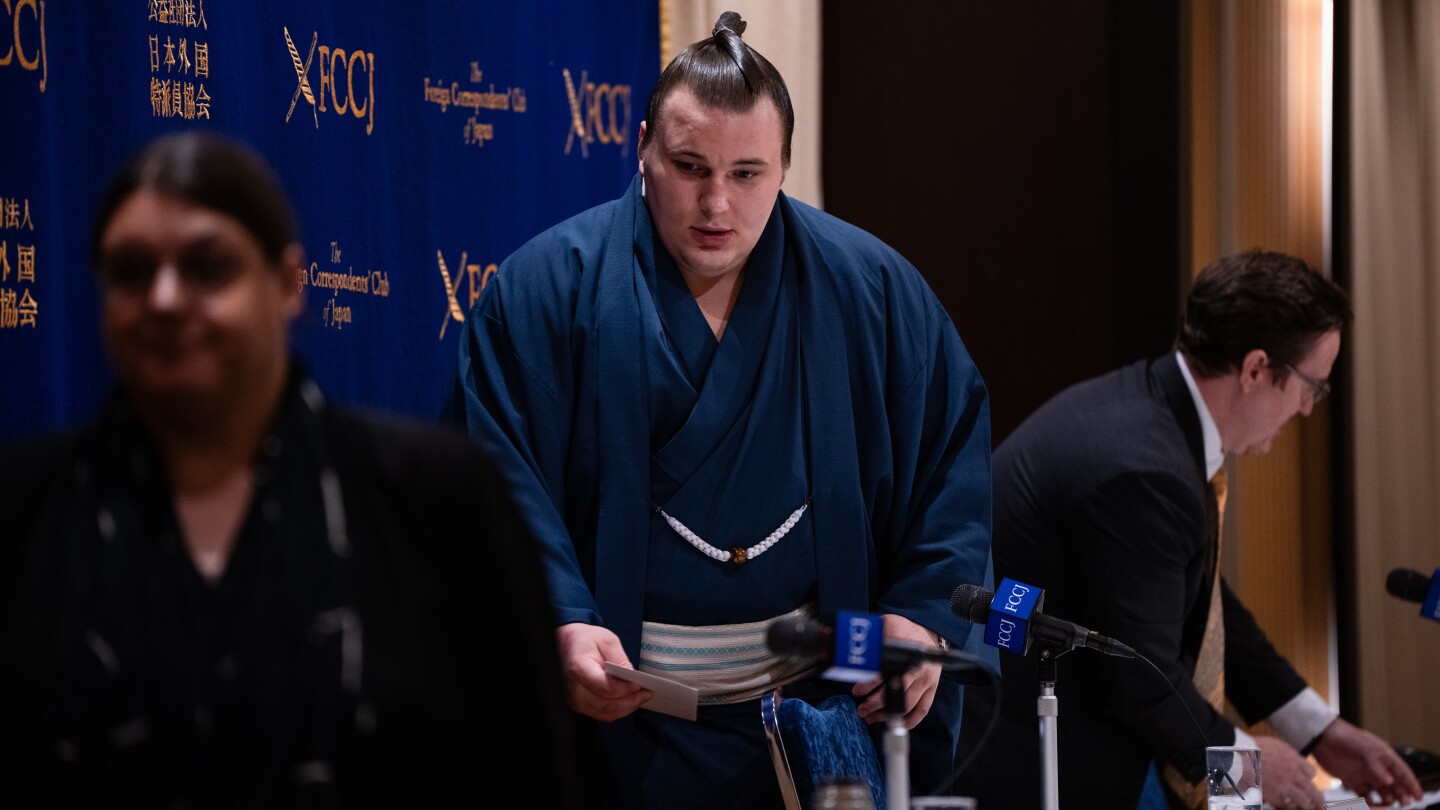
A 21-year-old Ukrainian-born sumo wrestler is surging to the top of the rankings in Japan
Danilo Yavhushyshyn, a 21-year-old Ukrainian sumo wrestler, has made a remarkable ascent in Japan’s traditional sport, adopting the ring name Aonishiki Arata. Leaving Ukraine shortly after Russia’s full-scale invasion in 2022, he has rapidly climbed the ranks, recently defeating Mongolian-born Hoshoryu, one of Japan’s two grand champions, or yokozuna. At a recent press conference, Aonishiki focused on his sumo journey, avoiding political discussions despite Ukraine’s ongoing conflict. He shared insights into his rigorous training, dietary habits, and efforts to master Japanese, a language he has quickly learned since arriving in Japan. Aonishiki, who hails from Vinnytsia in west-central Ukraine, discovered sumo at the age of six. While his family now resides safely in Germany, he expressed hope that his success in sumo could inspire his fellow Ukrainians. Aonishiki’s rise is part of a broader trend of non-Japanese wrestlers excelling in sumo, including Mongolians and Hawaiians. Another Ukrainian, Shishi Masaru, also ranks highly in the sport. Ukraine’s strong wrestling tradition, highlighted by Zhan Beleniuk’s gold medal at the 2021 Tokyo Olympics, has contributed to sumo’s popularity in the country. Aonishiki, who weighs 125 kilograms, aims to gain 10 kilograms to compete more effectively in a sport where many wrestlers exceed 150 kilograms. Despite the challenges, he remains committed to his craft and expressed a desire to visit Ukraine, his homeland, when conditions permit. He also revealed his interest in obtaining Japanese citizenship in the future.
-

Togo’s Asamoah breaks neck in freak accident
Togolese midfielder Samuel Asamoah faces a life-altering injury after a harrowing collision with a pitch-side advertising board during a match in China. The 31-year-old, who plays for Guangxi Pingguo in China’s second-tier league, sustained multiple neck fractures and severe nerve damage after being shoved into an LED panel by an opponent during a domestic game on Sunday. Guangxi Pingguo confirmed on Monday that Asamoah is at risk of “high-level paraplegia,” a condition that could leave him unable to voluntarily move the lower parts of his body. The club reported that Asamoah underwent surgery and is now in stable condition, with updates on his recovery to follow after further medical examinations. The incident has sparked concerns over player safety, particularly regarding the proximity of advertising boards to the field. Chongqing Tonglianglong midfielder Zhang Zhixiong, who pushed Asamoah into the board, received a yellow card for the foul. Asamoah, who previously played in Belgium before joining Guangxi Pingguo in 2024, has earned six caps for Togo. This tragic event follows the recent death of former Arsenal academy striker Billy Vigar, who sustained a fatal brain injury after colliding with a concrete wall during a match in the Isthmian League Premier Division last month. The football community continues to grapple with the risks posed by pitch-side infrastructure.
-
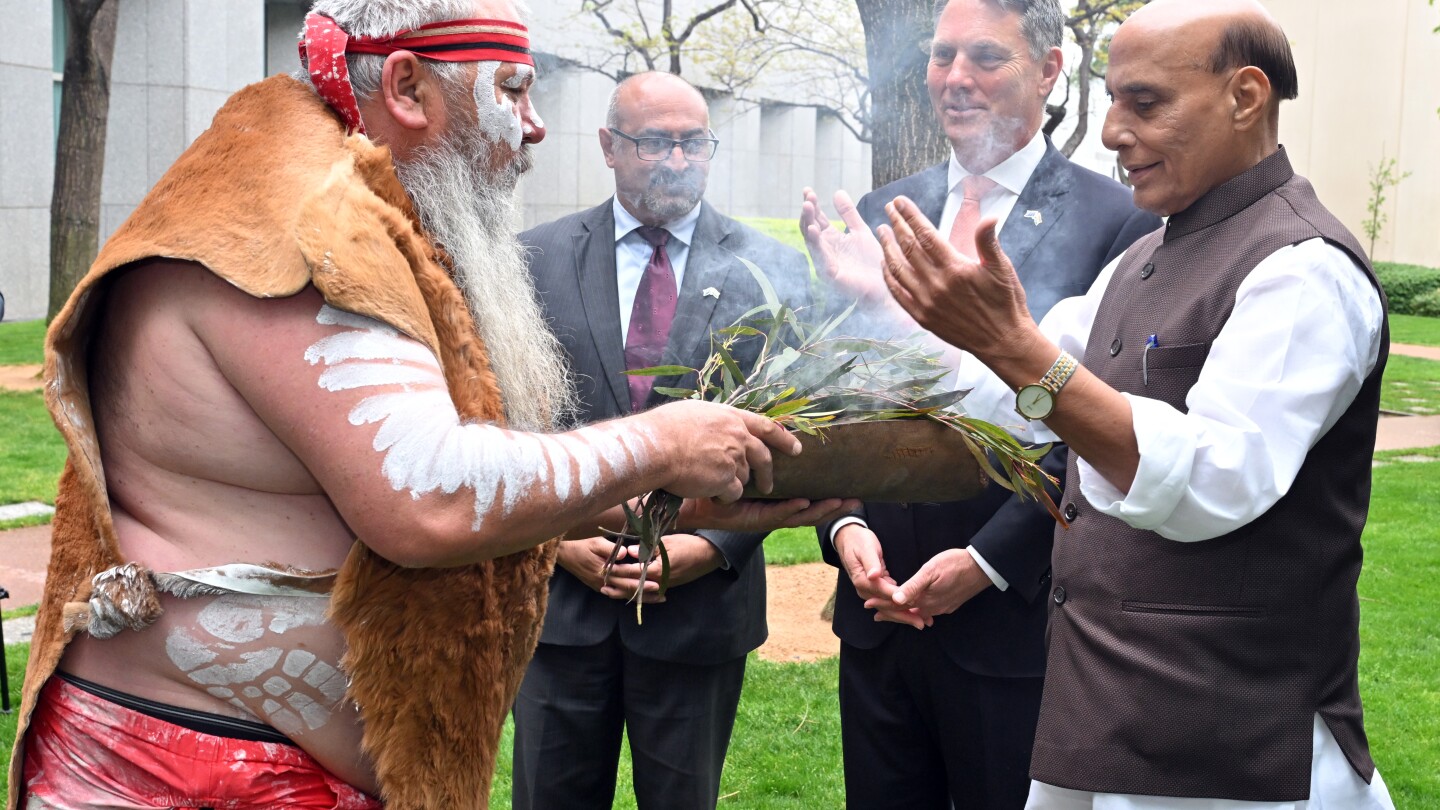
India and Australia sign a security deal that includes military talks and submarine cooperation
In a landmark move to bolster Indo-Pacific stability, Australian and Indian defense ministers inked a comprehensive bilateral security agreement on Thursday. This marks the first visit of an Indian defense minister to Australia since 2013, as highlighted by Australian Defense Minister Richard Marles. The pact includes the establishment of a joint staff forum and submarine rescue cooperation, reflecting the deepening defense partnership between the two nations. Marles emphasized the practical impact of this collaboration in maintaining regional stability. The growing ties were further evidenced by India’s inaugural participation in the multinational Talisman Sabre military exercises in Australia this July. These exercises, which began in 2005 as a U.S.-Australia initiative, this year involved over 35,000 personnel from 19 countries. Both nations are also part of the Quad alliance, alongside the United States and Japan, which focuses on enhancing maritime security in the Indo-Pacific. Raji Rajagopalan, a senior fellow at the Australian Strategic Policy Institute, noted the symbolic and practical significance of the visit, underscoring India’s strategic balancing act between China and the U.S. in the region. Additionally, Australia has been fortifying its security relationships with South Pacific neighbors, recently signing a defense treaty with Papua New Guinea, its second alliance-level security pact after the ANZUS Treaty.
-
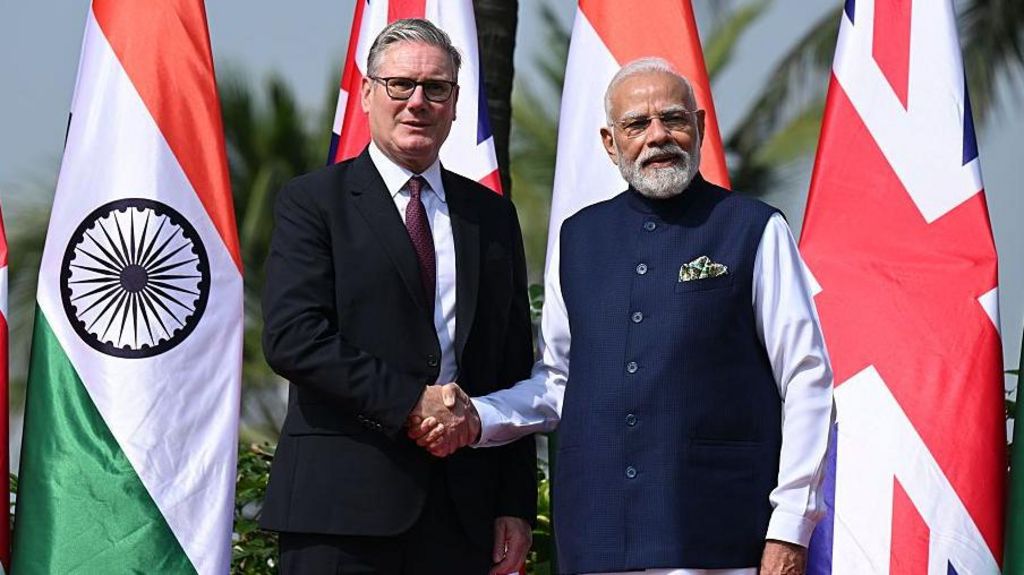
Starmer meets Modi on his first visit to India
Sir Keir Starmer, the UK Prime Minister, embarked on his inaugural visit to India, leading a substantial trade delegation comprising over 100 CEOs, entrepreneurs, university vice-chancellors, and cultural leaders. The visit, described as ‘historic’ by Indian Prime Minister Narendra Modi, took place in Mumbai, India’s financial hub. The two leaders convened to explore avenues for enhancing business and trade relations, following the landmark UK-India trade agreement signed in July. Starmer is scheduled to deliver a keynote address at a fintech conference during his stay. The visit has been marked by a warm reception, with thousands of photos of Starmer and Modi adorning the streets of Mumbai. On his first day, Starmer met with Nandan Nilekani, the founder of India’s digital ID system, amidst the UK government’s controversial plan to introduce a compulsory digital ID for workers. Despite opposition, with over 2.8 million people signing a petition against the proposal, the government remains resolute, arguing it will curb illegal migrant labor. Additionally, Starmer announced that Yash Raj Films will produce three Bollywood films in the UK starting 2026, ending an eight-year hiatus. The UK-India trade deal, yet to be implemented, has already spurred £1 billion in investment and created nearly 7,000 jobs in the UK. The agreement will reduce India’s average tariff on UK products from 15% to 3%, while the UK will lower taxes on Indian goods such as clothing, footwear, and seafood. India, in turn, will reduce duties on Scotch whisky, cosmetics, and luxury cars. The deal is projected to boost the UK’s GDP by £4.8 billion annually and increase bilateral trade by £25.5 billion by 2040. Last year, UK-India trade totaled £42.6 billion and was already on an upward trajectory. Before his visit, Starmer emphasized that the UK would not relax visa rules for India but highlighted significant opportunities to enhance trade and cultural ties. The visit occurs against the backdrop of strained India-US relations due to President Donald Trump’s imposition of 50% tariffs on India, including a 25% penalty for purchasing Russian oil. India and the US have been negotiating a trade deal for months without a major breakthrough.
-
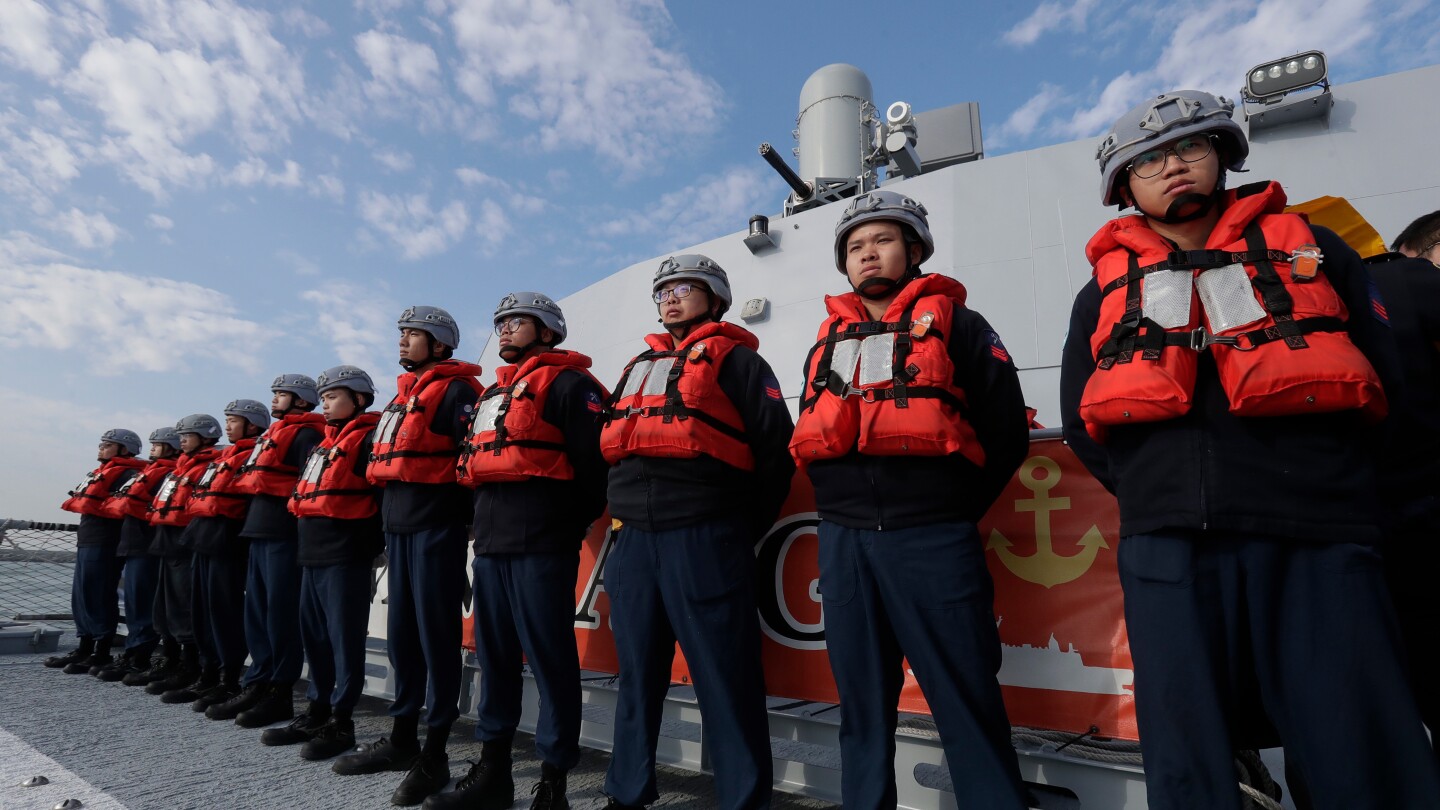
Taiwan says anti-drone measures will be a top priority in defense against China
In response to escalating Chinese drone incursions, Taiwan’s Ministry of National Defense has unveiled a comprehensive strategy to counter these threats. The ministry announced on Thursday that it is actively training soldiers to shoot down drones and is seeking to procure advanced anti-drone weaponry. This initiative comes as Chinese drones frequently encroach upon Taiwan’s outlying islands, which are geographically closer to China than the main island of Taiwan. China continues to assert its claim over Taiwan, despite the island’s de facto self-governance. Major General Sun Li-fang, a spokesperson for the defense ministry, emphasized the rapid evolution of drone and anti-drone technologies, stating, ‘Drone development and anti-drone developments are progressing rapidly, and we are prioritizing this in our military preparedness efforts.’ The report also highlighted China’s increasing use of grey-zone tactics, which include non-armed assaults such as drone surveillance and patrol exercises. Taiwan’s military is conducting night shooting drills and other training exercises to enhance its defensive capabilities. Additionally, Taiwan is strengthening its ties with the United States, its largest unofficial ally, to bolster regional security. In February, Taiwan signed a $761 million deal with the U.S. to acquire an air defense system specifically designed to counter drone threats. Defense Minister Wellington Koo reaffirmed Taiwan’s commitment to increasing defense spending to approximately 5% of GDP, up from the current 3%, to address the growing military tensions with Beijing.
-
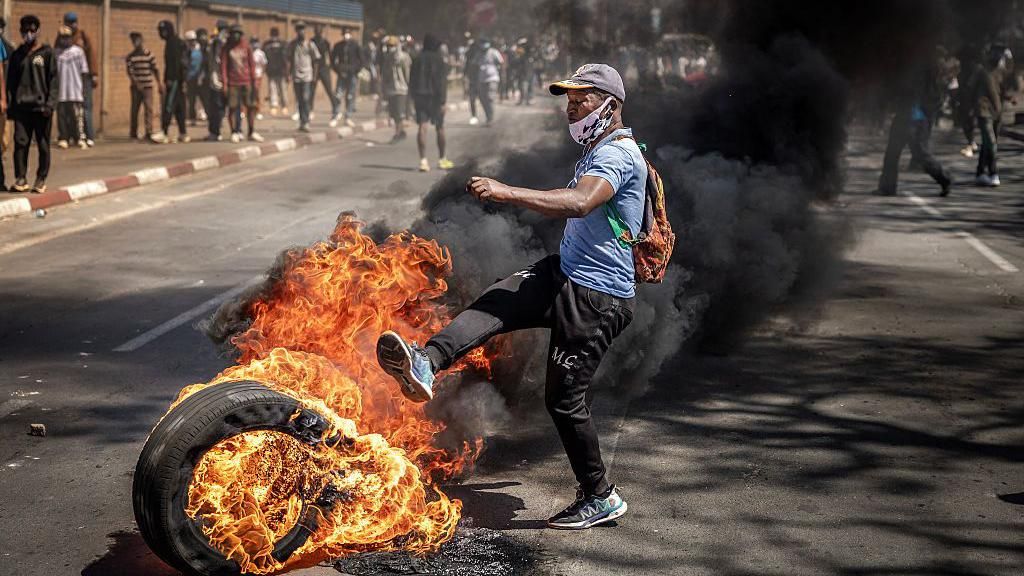
Madagascar president asks for one year to resolve problems or he will resign
Madagascar’s President Andry Rajoelina has pledged to address the nation’s pressing challenges within a year, vowing to resign if he fails to deliver. Speaking at a town-hall meeting at his palace, Rajoelina engaged with government supporters, urging honesty over flattery. ‘It’s the people who kept telling me everything was fine who are responsible for our current situation,’ he remarked. The protests, initially sparked by water and electricity shortages, have evolved into widespread discontent over corruption, unemployment, and the cost-of-living crisis. The youth-led movement, Gen Z Mada, has rejected Rajoelina’s invitation to dialogue, accusing the government of repression and vowing to continue demonstrations. Rajoelina, who came to power in 2009 after mass protests, has dismissed his cabinet and appointed an army general as prime minister, a move the protesters have dismissed. Despite the unrest, life in most parts of the capital, Antananarivo, remains normal, though some areas are heavily policed. The UN reports at least 22 deaths in clashes with security forces, a figure disputed by authorities. Rajoelina remains committed to resolving the crisis through dialogue rather than protests.
-
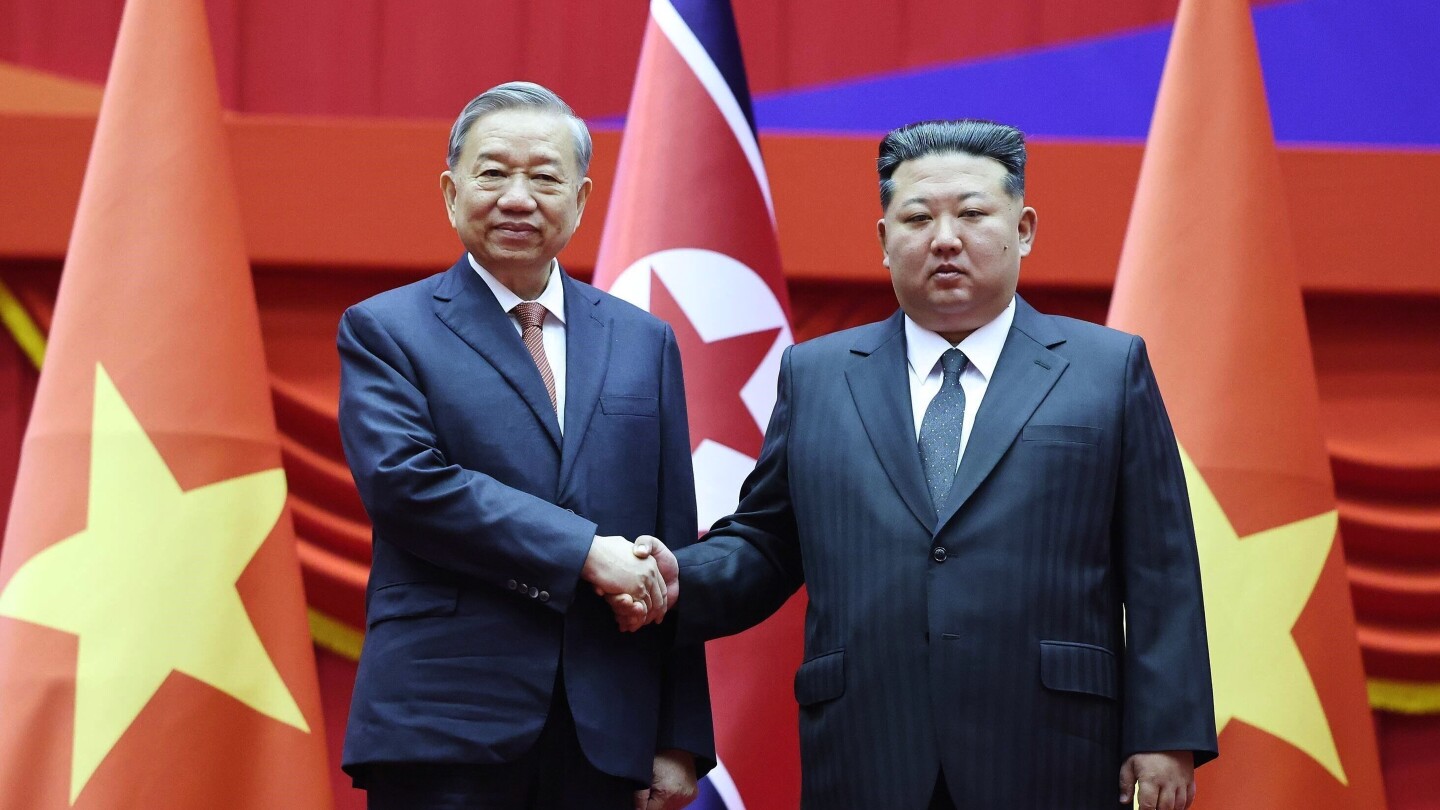
North Korea’s ruling party turns 80 with foreign leaders in attendance
North Korea is commemorating the 80th anniversary of its ruling Workers’ Party on Friday, with significant participation from foreign dignitaries and leaders. The event underscores Pyongyang’s efforts to strengthen ties with key global allies, particularly China and Russia, both of which are sending high-level representatives. Chinese Premier Li Qiang arrived in Pyongyang on Thursday, marking the highest-level visit by a Chinese leader since 2019. Li, a member of the Standing Committee of the Communist Party’s Politburo and China’s second-highest-ranking official, has been increasingly active in representing China on the global stage, including at the United Nations General Assembly in September. Russia is represented by Dmitry Medvedev, former president and deputy head of the Security Council, reflecting the deepening cooperation between North Korea and Russia, particularly in the context of the Ukraine conflict. Vietnam’s top leader, Communist Party General Secretary To Lam, also arrived in Pyongyang, where he was welcomed by North Korean leader Kim Jong Un. The visit coincides with the 75th anniversary of diplomatic relations between the two nations. Additionally, Laos’ President Thongloun Sisoulith is attending the celebrations, further highlighting the event’s international significance. The anniversary serves as a platform for North Korea to showcase its diplomatic alliances and reinforce its position on the global stage, though specific details of the commemorative activities remain undisclosed.