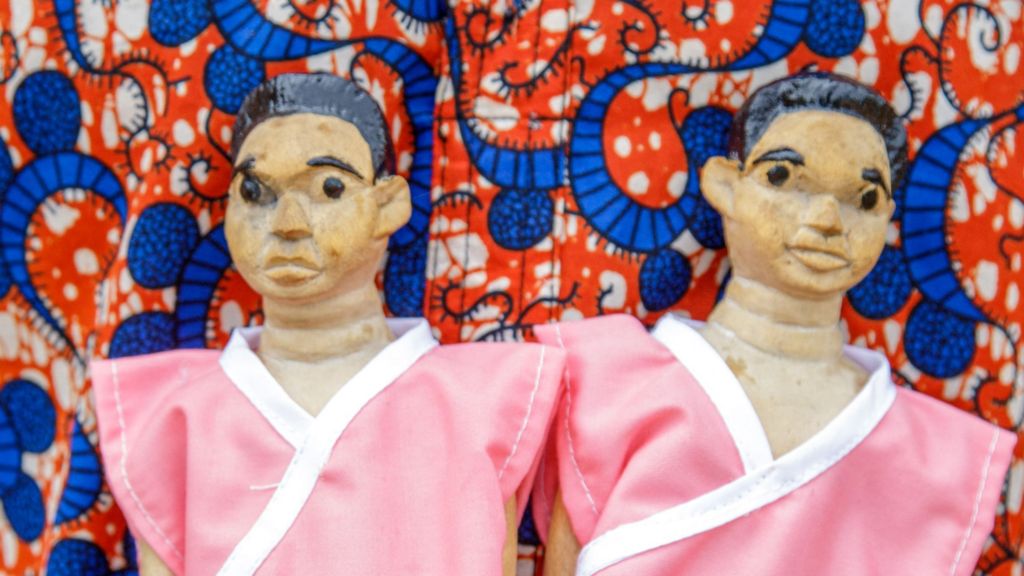
This week’s collection of photographs from across Africa and beyond offers a vivid tapestry of cultural celebrations, social movements, and everyday life. In Benin, the Twins Festival in Ouidah saw believers bringing dolls of deities associated with twins, known as hoxo, to honor the occasion. Meanwhile, in Senegal, children diligently cleaned classrooms in a Dakar suburb, preparing for the new school year. Ethiopia’s Oromo community celebrated Ireecha, a thanksgiving festival, in Addis Ababa, showcasing their rich traditions. In Kenya, Dogtoberfest brought together dog owners and their furry companions for a day of festivities in Nairobi. South African choreographer Mthuthuzeli November, who began ballet at 15, was photographed at France’s Opera Bastille, highlighting his remarkable journey. Mali’s Mariam Doumbia, mourning the loss of her husband and musical partner Amadou Bagayoko, participated in a photoshoot in France. In Libya, women adorned their finest attire for the opening of a new sports club in Benghazi. Egypt’s el-Shorouk mosque provided a stunning backdrop for a full moon, while men in eastern Egypt engaged in a traditional horseback game called al-Marmah. However, not all scenes were celebratory; in northern Egypt, children climbed the remains of their flood-damaged homes, a stark reminder of the challenges faced by residents in the Nile delta. Cameroon’s national football team’s victory was celebrated with patriotic fervor in Yaoundé, while Madagascar’s Gen Z Mada protest movement, symbolized by the One Piece anime logo, continued to demand the president’s resignation. Similar discontent was evident in Morocco, where the Gen Z 212 movement gained momentum. Seychellois cast their votes in a crucial presidential run-off, and Tunisia’s capital hosted an annual handicrafts fair, showcasing the skills of local artisans. In South Africa, canoeists enjoyed the serene waters of Johannesburg’s Emmarentia Dam at sunrise. These images, captured by talented photographers, provide a window into the diverse and dynamic realities of life across the African continent.
作者: admin
-
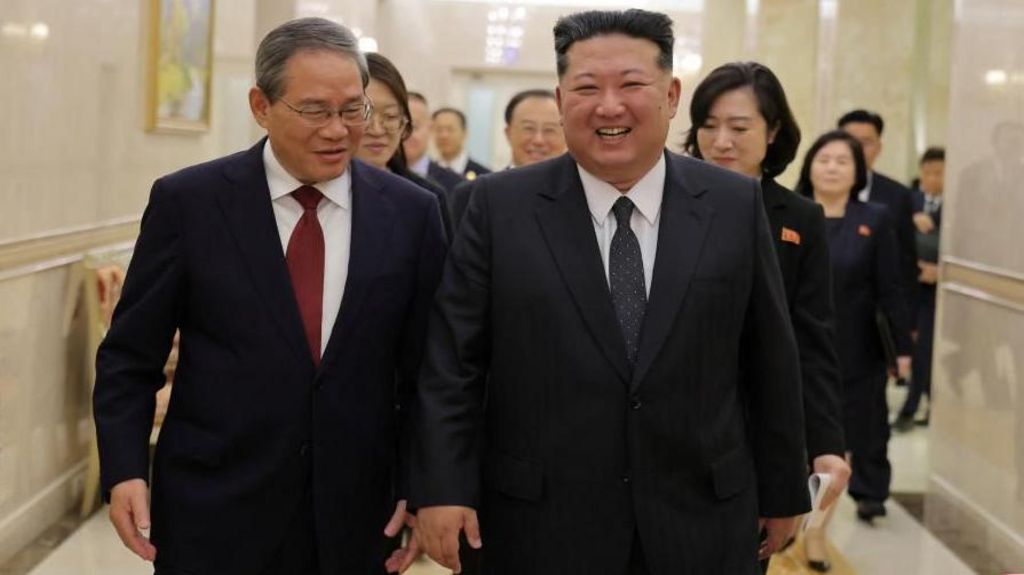
Kim lauds North Korea’s legacy at ruling party anniversary
North Korea marked the 80th anniversary of its ruling Workers’ Party with grand celebrations, welcoming high-ranking officials from allied nations, including Chinese Premier Li Qiang and Russia’s former President Dmitry Medvedev. The event, held in Pyongyang, showcased the country’s growing international prestige, according to North Korean leader Kim Jong Un. Kim emphasized that despite facing significant political and military pressure from adversaries, North Korea’s standing as a loyal member of the socialist bloc continues to strengthen. State media captured images of Kim warmly greeting foreign dignitaries and a spectacular fireworks display that illuminated the night sky. The festivities also included leaders from other socialist states, such as Vietnam’s Communist Party chief To Lam and Laos’s President Thongloun Sisoulith. Analysts suggest that the presence of such prominent figures underscores Pyongyang’s efforts to bolster diplomatic ties amid ongoing international sanctions. Premier Li’s attendance, in particular, signals a revival of North Korea-China relations, marking Beijing’s highest-level visit to Pyongyang since President Xi Jinping’s state visit in 2019. The celebrations also highlighted North Korea’s deepening alliance with Russia, as evidenced by the participation of Russian artists in the anniversary concert and the recent military pact between the two nations. The event culminated in a night-time military parade, where North Korea showcased its latest missile and weaponry advancements.
-
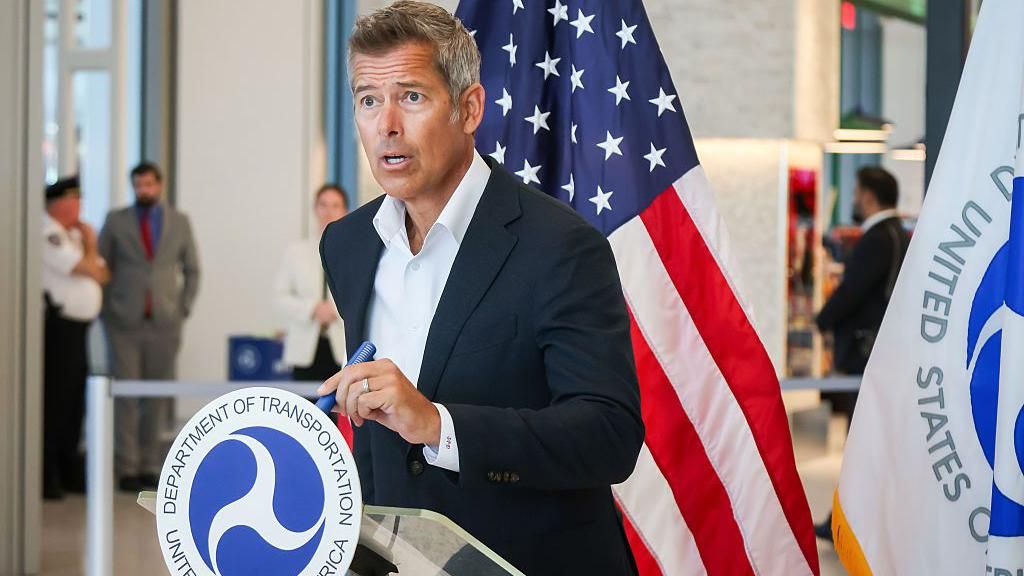
US Transportation Secretary threatens to fire absent air traffic controllers
US Transportation Secretary Sean Duffy has issued a stern warning to air traffic controllers who are calling in sick during the ongoing government shutdown, threatening to terminate their employment. In a recent interview with Fox Business News, Duffy labeled the absent employees as ‘problem children,’ attributing more than half of the nation’s flight delays to their absence. He commended the majority of controllers who continue to report for duty, noting that only about 10% are refusing to work due to the government’s inability to pay them. ‘If we have some of our staff that aren’t dedicated like we need, we’re going to let them go,’ Duffy stated. He emphasized that this ‘small subset of controllers’ is causing significant disruptions in flight schedules, leading to delays and cancellations across the country. Duffy also addressed the issue of backpay, which President Donald Trump has suggested might not be provided to some federal workers. ‘When you come to work, you get paid. If you don’t come to work, you don’t get paid. That’s the way we’re going to do it,’ he asserted. The shutdown, now in its second week, has led to increasingly severe consequences, including the potential closure of Smithsonian Institution locations and missed paychecks for military personnel. The Senate’s failure to pass a resolution to reopen the government has further exacerbated the situation, with Democrats and Republicans continuing to blame each other for the impasse. The immediate effects of the shutdown are most evident at the nation’s airports, where rising absenteeism among air traffic controllers has forced the Federal Aviation Administration (FAA) to cancel and delay flights. On Thursday night, flights at Newark Liberty International Airport were delayed by an average of 87 minutes. Nick Daniels, president of the National Air Traffic Controllers Association, has denied that the absences are part of a coordinated effort to pressure the government to reopen. Meanwhile, Homeland Security Secretary Kristi Noem has released a video blaming Democrats for the shutdown, which is reportedly being played in major US airports.
-
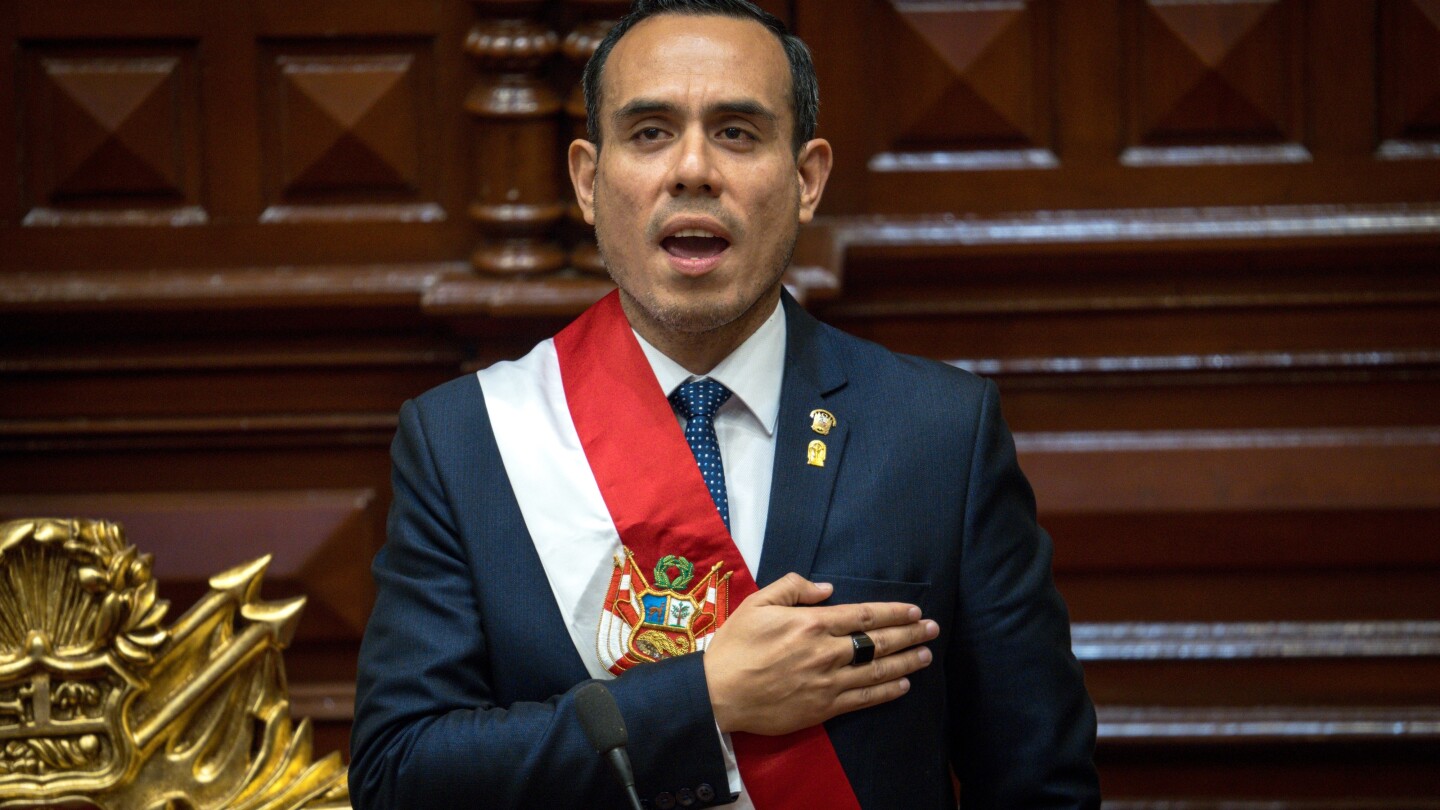
Peru’s Congress removes President Boluarte as a crime wave grips the country
In a dramatic turn of events, Peru’s Congress voted early Friday to remove President Dina Boluarte from office, citing her administration’s failure to address a surging crime wave that has gripped the nation. The 130-member unicameral legislature swiftly replaced Boluarte with 38-year-old lawyer José Jerí, the president of Congress, who was sworn in as interim leader shortly after the vote. The decision came just hours after a shooting at a concert in Lima further inflamed public anger over the country’s escalating violence. Lawmakers had convened a late-night debate and impeachment trial on Thursday, voting to accept four requests for Boluarte’s removal. Despite being summoned to defend herself, Boluarte did not appear before Congress, prompting lawmakers to vote unanimously—124 in favor, with no opposition—to impeach her. This marked the ninth attempt to remove Boluarte from office, but unlike previous efforts, it garnered widespread support across legislative factions. Boluarte, Peru’s first female president, assumed office in December 2022 after her predecessor, Pedro Castillo, was impeached for attempting to dissolve Congress. Her tenure was marred by over 500 protests in her first three months and an inability to curb rising crime rates. Official statistics reveal a record 6,041 homicides between January and mid-August, alongside a 28% spike in extortion cases. Boluarte partially attributed the crisis to illegal immigration, claiming past administrations had failed to secure borders. Despite Prime Minister Eduardo Arana’s defense of her during a parliamentary hearing, lawmakers remained resolute in their decision. Jerí, now interim president, pledged to uphold Peru’s sovereignty and oversee the transition to a new government following elections scheduled for April 2025.
-
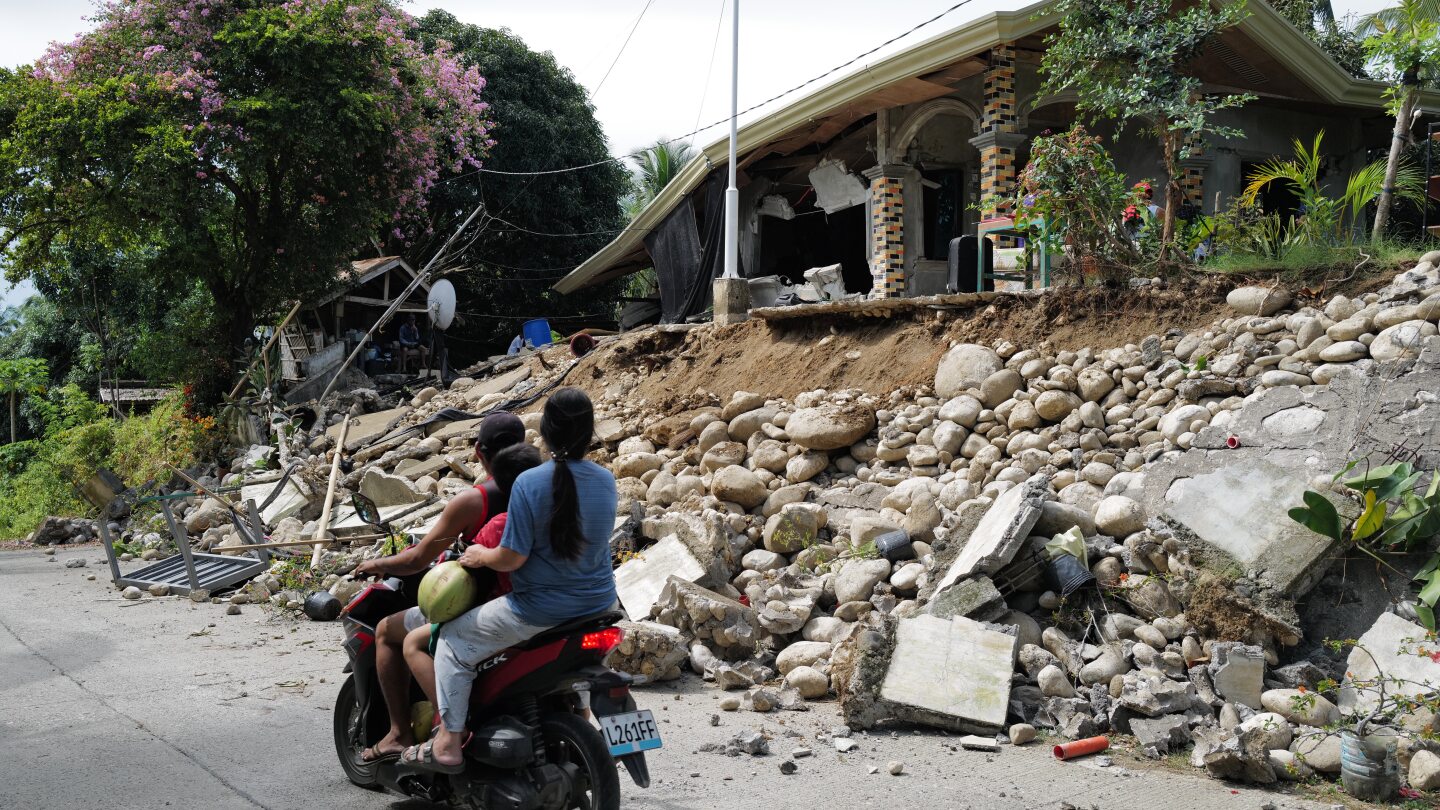
Two powerful quakes strike off southern Philippines, killing at least 7 people
The southern Philippines was struck by two powerful offshore earthquakes on Friday, causing significant damage, casualties, and widespread panic. The first earthquake, measuring 7.4 in magnitude, occurred in the Philippine Trench, 43 kilometers east of Manay town in Davao Oriental province. It resulted in at least seven fatalities, including two hospital patients who succumbed to heart attacks and a resident killed by debris in Mati city. The quake also triggered landslides in a remote gold-mining village in Pantukan town, where three villagers died and several others were injured. Hundreds of residents in Davao city sustained injuries, and buildings, including an international airport, suffered structural damage. Hours later, a second earthquake with a preliminary magnitude of 6.8 struck the same region, raising fears of further structural collapse. Both quakes prompted tsunami warnings, leading to evacuations in coastal areas. Small tsunami waves were detected in the Philippines and Indonesia, but the threat subsided without major incidents. President Ferdinand Marcos Jr. has mobilized rescue and relief efforts as the nation grapples with the aftermath of these disasters, compounded by recent storms and a deadly earthquake in September.
-
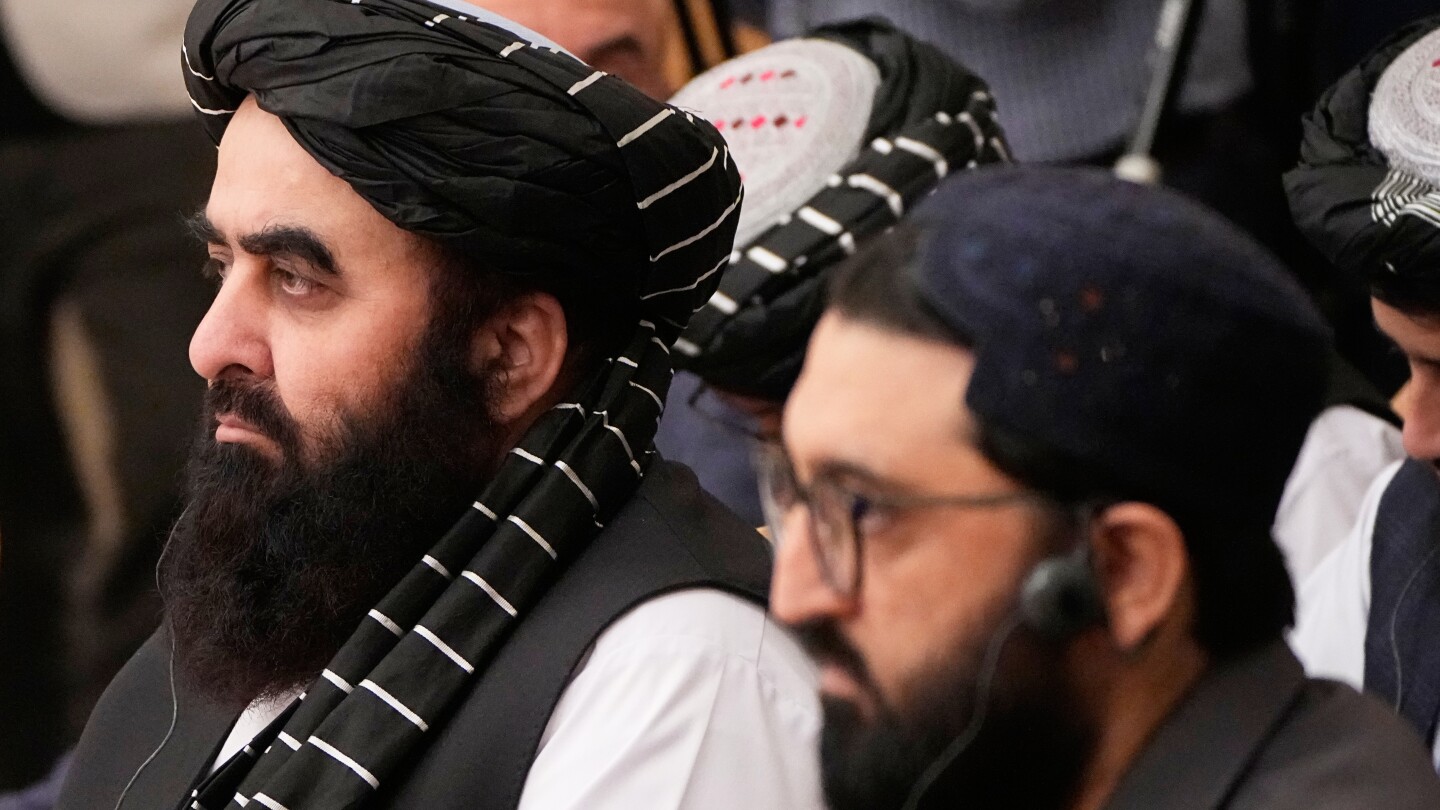
India to upgrade Kabul mission to full embassy, signaling deeper ties with Taliban
In a significant diplomatic move, India has announced the upgrade of its technical mission in Kabul to a full embassy, signaling a deepening engagement with Taliban-ruled Afghanistan. Indian Foreign Minister Subrahmanyam Jaishankar made the announcement on Friday following a meeting with his Afghan counterpart, Amir Khan Muttaqi, in New Delhi. This marks the first high-level diplomatic interaction since the Taliban’s return to power in 2021, ending two decades of U.S. military presence in the region. Jaishankar emphasized India’s commitment to Afghanistan’s sovereignty, development, and stability, pledging support in trade, health, and education sectors. He stated that closer cooperation between the two nations would foster regional resilience and stability. Muttaqi, who arrived in India after receiving a temporary travel exemption from U.N. sanctions, expressed Kabul’s desire for strong relations with India. His visit follows participation in an international meeting on Afghanistan in Russia, which included representatives from China, Pakistan, and Central Asian nations. India’s pragmatic outreach to the Taliban reflects a strategic recalibration aimed at countering regional rivals, particularly Pakistan and China, both of whom have significant influence in Afghanistan. Experts suggest that India’s engagement is driven by the need to avoid strategic isolation and to establish a foothold in a region where geopolitical rivalries are intensifying. Despite historical tensions and concerns over the Taliban’s governance, India has maintained steady contact with the group, focusing on humanitarian aid and development support. The move underscores India’s evolving foreign policy priorities and its bid to strengthen its position as a regional power.
-
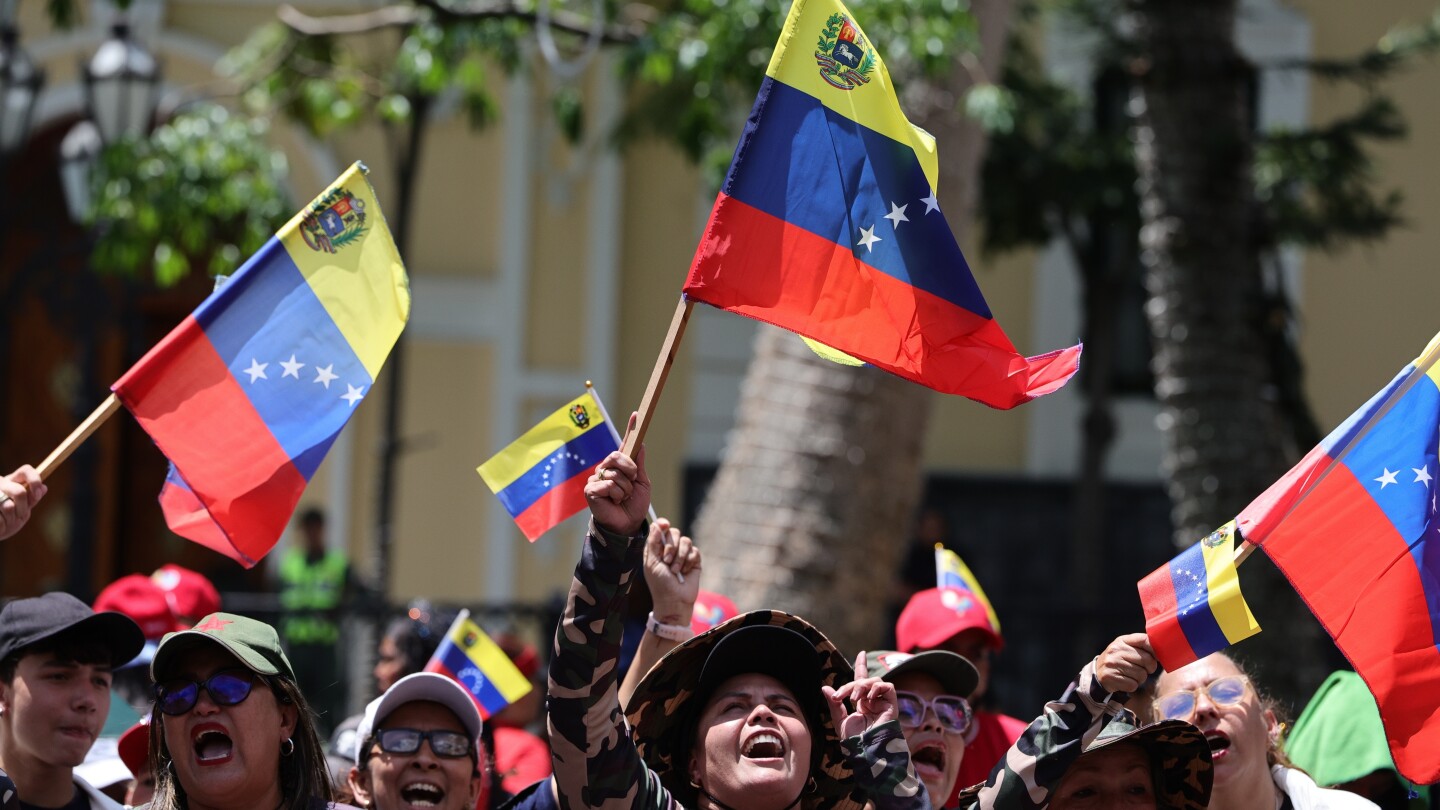
US clashes with Venezuela and allies at emergency UN meeting on US strikes in Caribbean
Tensions between the United States and Venezuela escalated dramatically during an emergency session of the U.N. Security Council on Friday. The Trump administration defended its recent military strikes against alleged drug cartels, vowing to use its “full might” to combat narcoterrorism. Meanwhile, Venezuela accused the U.S. of preparing for an armed attack, citing the deadly strikes on four boats that Washington claims were involved in drug trafficking. Venezuela’s U.N. Ambassador, Samuel Moncada, warned that the U.S. actions threatened regional and international peace, security, and stability. The U.S. justified the strikes, which reportedly killed 21 people, as a necessary act of self-defense against well-armed and organized cartels. Venezuela’s request for the emergency meeting followed a significant buildup of U.S. maritime forces in the Caribbean, a move described as unprecedented in recent years. While Venezuela received backing from allies Russia and China, other Security Council members urged de-escalation and adherence to the U.N. Charter, which emphasizes respect for sovereignty and peaceful dispute resolution. The U.S. delegation, led by Political Counselor John Kelley, reiterated President Trump’s stance that the military operations were consistent with international law. However, the council is unlikely to take action against the U.S. due to its veto power. France and Russia expressed concerns over unilateral military actions and the potential threat to international peace, with Russia describing the situation as increasingly acute. The meeting occurred just a day after U.S. Senate Republicans blocked legislation aimed at limiting Trump’s authority to use military force against drug traffickers.
-
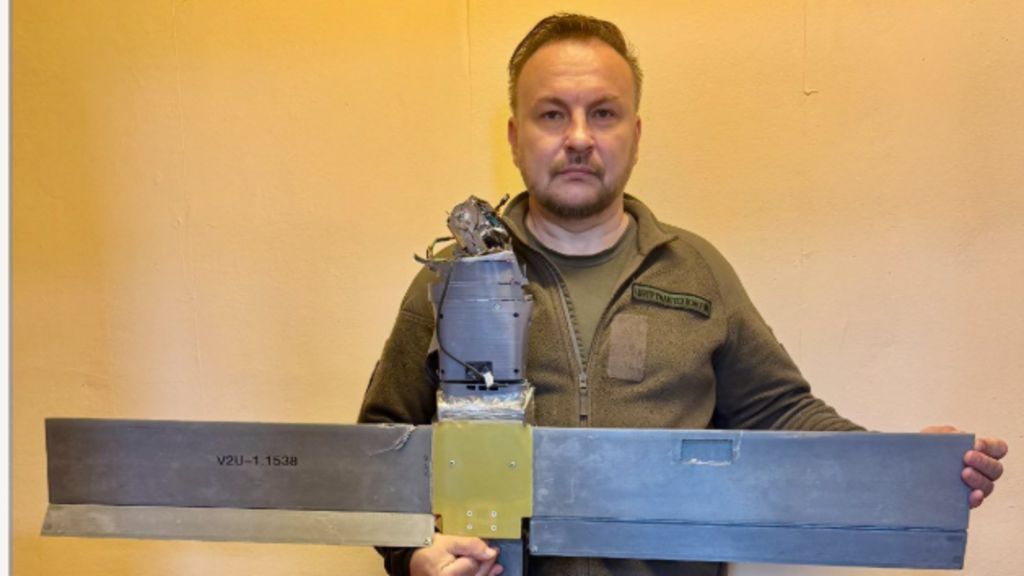
The new AI arms race changing the war in Ukraine
The ongoing conflict between Ukraine and Russia has entered a new phase with the deployment of advanced AI-powered drones, reshaping the dynamics of modern warfare. Serhiy Beskrestnov, a consultant for Ukrainian defense forces, recently intercepted a Russian drone equipped with artificial intelligence, capable of autonomously identifying and attacking targets. Unlike conventional drones, this AI-driven model operates without transmitting or receiving signals, making it immune to jamming techniques.
Both Russian and Ukrainian forces have been integrating AI into their military strategies, utilizing it for target identification, intelligence gathering, and de-mining operations. For Ukraine, AI has become a critical tool, processing over 50,000 video streams monthly from the front lines, as highlighted by Deputy Defense Minister Yuriy Myronenko. This technology enables rapid data analysis, target mapping, and strategic planning, ultimately enhancing operational efficiency and saving lives.
AI is also transforming unmanned weapons systems. Ukrainian troops now employ AI-based software that allows drones to autonomously lock onto targets and complete missions without human intervention. Yaroslav Azhnyuk, CEO of Ukrainian developer The Fourth Law, envisions a future where fully autonomous drones can execute missions with a simple smartphone command, eliminating the need for piloting skills.
However, the rise of AI in warfare raises significant ethical and operational concerns. Vadym, a developer at DevDroid, warns of the risks of friendly fire, as AI systems may struggle to distinguish between Ukrainian and Russian soldiers in similar uniforms. Additionally, there are fears that automated systems could violate international humanitarian laws by failing to protect civilians or recognize surrendering combatants.
Ukraine is also developing AI interceptor drones to counter Russian long-range attack drones like the Shaheds. While these systems promise greater precision and agility, their deployment remains cautious, with human oversight deemed essential for critical decisions. Ukrainian President Volodymyr Zelensky has called for global regulations on AI in weapons, likening the urgency to nuclear non-proliferation efforts.
As the conflict continues, the integration of AI in warfare underscores the need for international cooperation to address the ethical and strategic challenges posed by this rapidly evolving technology.
-

Protesters rally across Morocco in final push for reforms before king’s expected address
In a renewed surge of activism, Moroccan youth took to the streets of Casablanca and other cities on Thursday, reigniting their calls for sweeping governmental reforms. The protests, orchestrated by the ‘Gen Z 212’ movement, demand the dismissal of Prime Minister Aziz Akhannouch and a crackdown on corruption, alongside improved public services in health and education. This latest wave of demonstrations follows a brief midweek hiatus, strategically timed to culminate in a powerful display of dissent ahead of King Mohammed VI’s anticipated parliamentary address on Friday.
-

Oman: 8 killed, 2 injured in major traffic accident
A devastating traffic accident in Oman’s Wilayat of Duqm has resulted in the deaths of eight individuals and left two others injured, according to a statement released by Oman’s Ministry of Health on Thursday. The collision involved two vehicles, marking one of the most severe road incidents in the region this year. In a related development, Oman Police announced the arrest of an individual of Asian nationality for recording a video of the crash. Authorities stated that the video depicted the bodies of the victims, prompting legal action against the individual. The incident has sparked discussions about road safety and the ethical implications of recording such tragic events. The police have not disclosed further details about the accident’s cause or the identities of those involved, but investigations are ongoing.