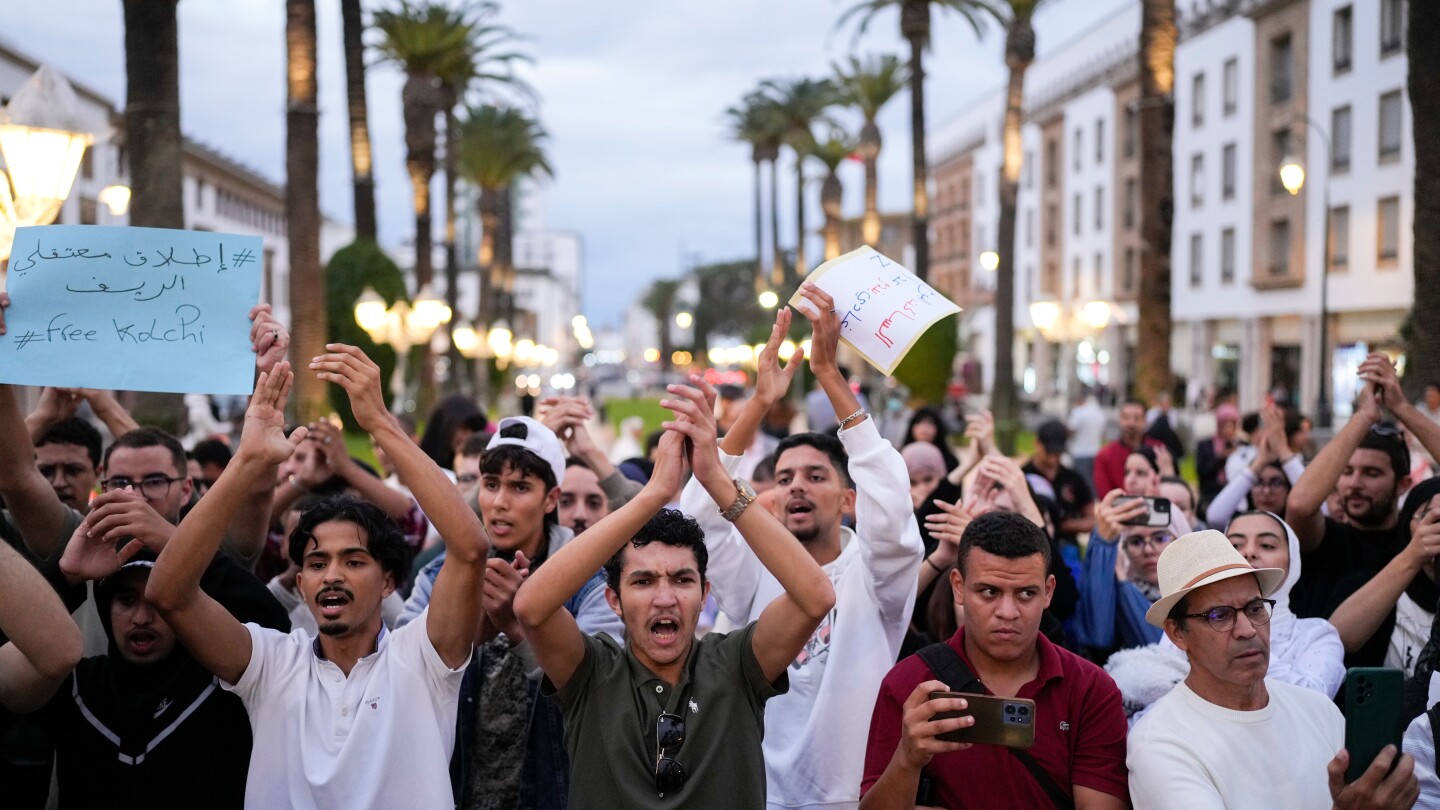
In a compelling address to Morocco’s parliament, King Mohammed VI called on elected officials to prioritize social justice and address the grievances fueling nationwide youth-led protests. The monarch, who entered the chamber unaided, emphasized that tackling social inequalities is not a temporary task but a strategic imperative for the nation’s development. His speech, delivered in traditional white djellaba robes, echoed some concerns raised by the Gen Z 212 movement, which has organized protests demanding better public services, increased health and education spending, and an end to corruption. However, the King avoided direct mention of the movement or its specific demands, such as the resignation of Prime Minister Aziz Akhannouch and investigations into corruption. He also sidestepped criticism of the government’s focus on 2030 FIFA World Cup infrastructure over pressing social needs. The King asserted that both large-scale national projects and social programs share the common goal of improving citizens’ lives. His address came after Gen Z 212 sent him a letter urging action against corrupt officials and faster reforms. While some protesters found the speech underwhelming, others resonated with his acknowledgment of regional disparities and rural poverty. The protests, which began nearly two weeks ago, have seen violent clashes in cities like Oujda and Agadir, resulting in injuries and fatalities. Unemployment among youth aged 15 to 24 remains high, and public hospitals and schools are severely underfunded and overcrowded. Gen Z 212 has called for urgent hiring of healthcare workers, increased public spending, and an end to the privatization of education, which activists argue deepens inequality. The King’s message was clear: elected officials must act decisively and without delay to address these systemic issues.
作者: admin
-
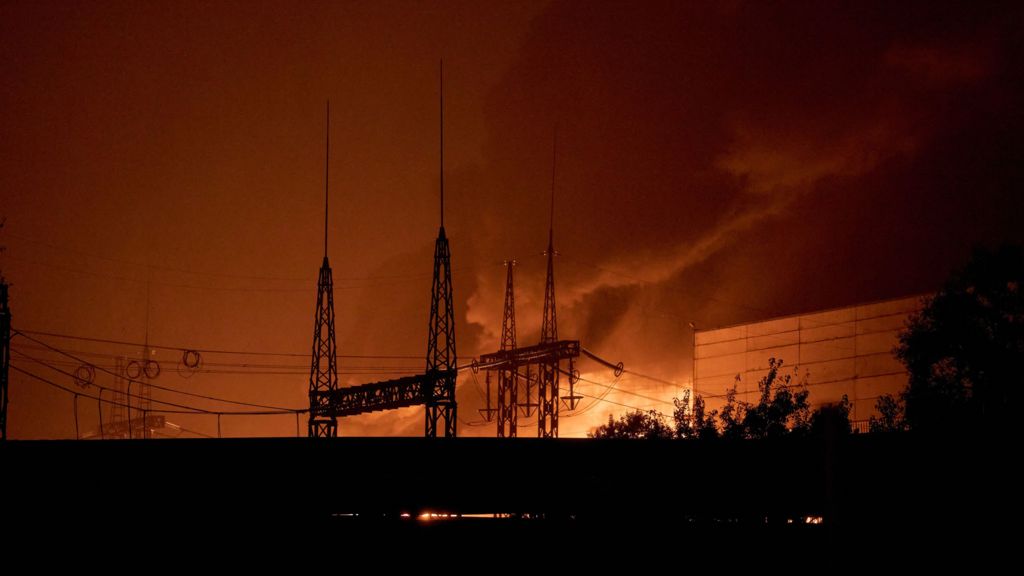
Major Russian strikes cut power across Kyiv
In a significant escalation of hostilities, Russian missile and drone strikes have targeted Ukraine’s energy facilities, leading to widespread power outages and civilian casualties. Overnight attacks in Kyiv left nine people injured, with five requiring hospitalization, according to Mayor Vitali Klitschko. Residents in eastern districts faced prolonged darkness and disruptions to water supplies. Meanwhile, in the Zaporizhzhia region, a seven-year-old child was killed, and three others were injured in a separate drone strike. Regional head Ivan Fedorov reported intense attacks in the area, which has been under Russian control for some time. Ukrainian President Volodymyr Zelensky accused Moscow of deliberately targeting the country’s energy grid to create chaos and exert psychological pressure. Energy Minister Svitlana Hrynchuk confirmed that repair crews are working to restore power after a ‘massive strike’ on facilities nationwide. The attacks have also damaged apartment buildings, with images released by Ukraine’s state emergency services showing firefighters battling blazes at a 10-story structure. The entire country remains on high alert for hypersonic Kinzhal missile strikes, which are harder to detect. Zelensky warned that Russia’s strategy aims to dismantle Ukraine’s energy infrastructure, with gas facilities already disrupted. Authorities and energy workers are preparing for further assaults as the conflict intensifies.
-
Taiwan to build air defence dome against ‘hostile threats’
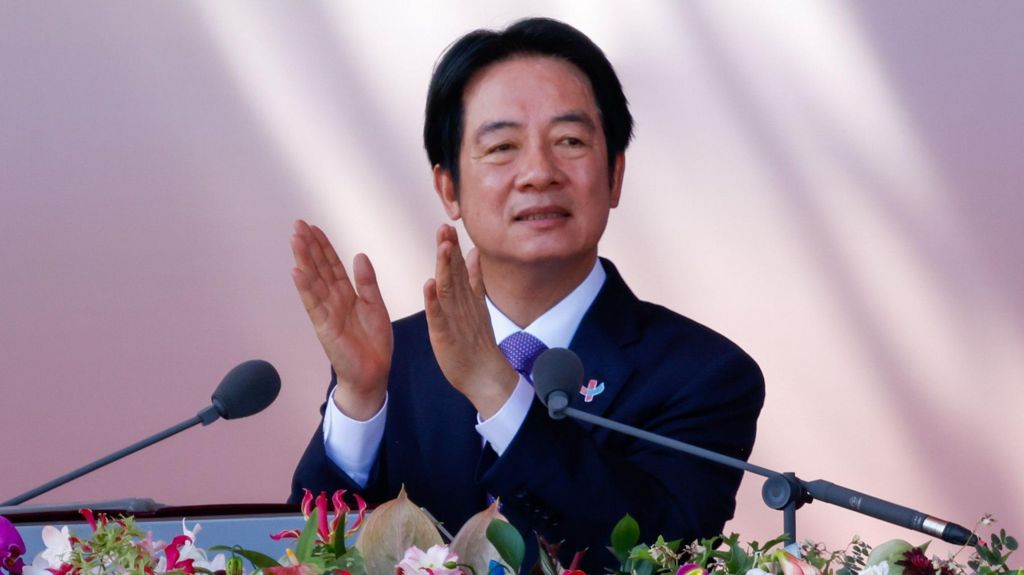
Taiwanese President William Lai has announced plans to develop a cutting-edge air defense system, dubbed the ‘T-Dome,’ to counter potential threats from China. The announcement came during his National Day address, where Lai emphasized the urgent need to bolster Taiwan’s defenses in response to escalating Chinese military activities near the island. While Lai did not explicitly name China, the context was clear, given Beijing’s longstanding claim over Taiwan and its refusal to rule out the use of force to achieve reunification. The T-Dome, inspired by Israel’s Iron Dome, aims to provide multi-layered defense, advanced detection, and effective interception capabilities to safeguard Taiwanese citizens. Lai revealed that Taiwan’s defense spending will rise to over 3% of its GDP next year, with a target of 5% by 2030. However, this ambitious plan faces significant hurdles, including opposition from lawmakers who have blocked several defense-related spending bills this year. Analysts caution that implementing the T-Dome will require substantial financial resources and time, potentially extending beyond Lai’s current term. The announcement also appears to signal Taiwan’s commitment to self-defense to the United States, which is legally obligated to support Taiwan in the event of an attack. Lai urged China to act responsibly by renouncing the use of force in the Taiwan Strait, drawing parallels to the lessons of World War II. Despite Beijing’s labeling of Lai as a ‘separatist,’ his administration has taken a firmer stance against China, including significant investments in military preparedness and large-scale defense exercises.
-
Wall Street tumbles to its worst day since April after Trump threatens more tariffs on China
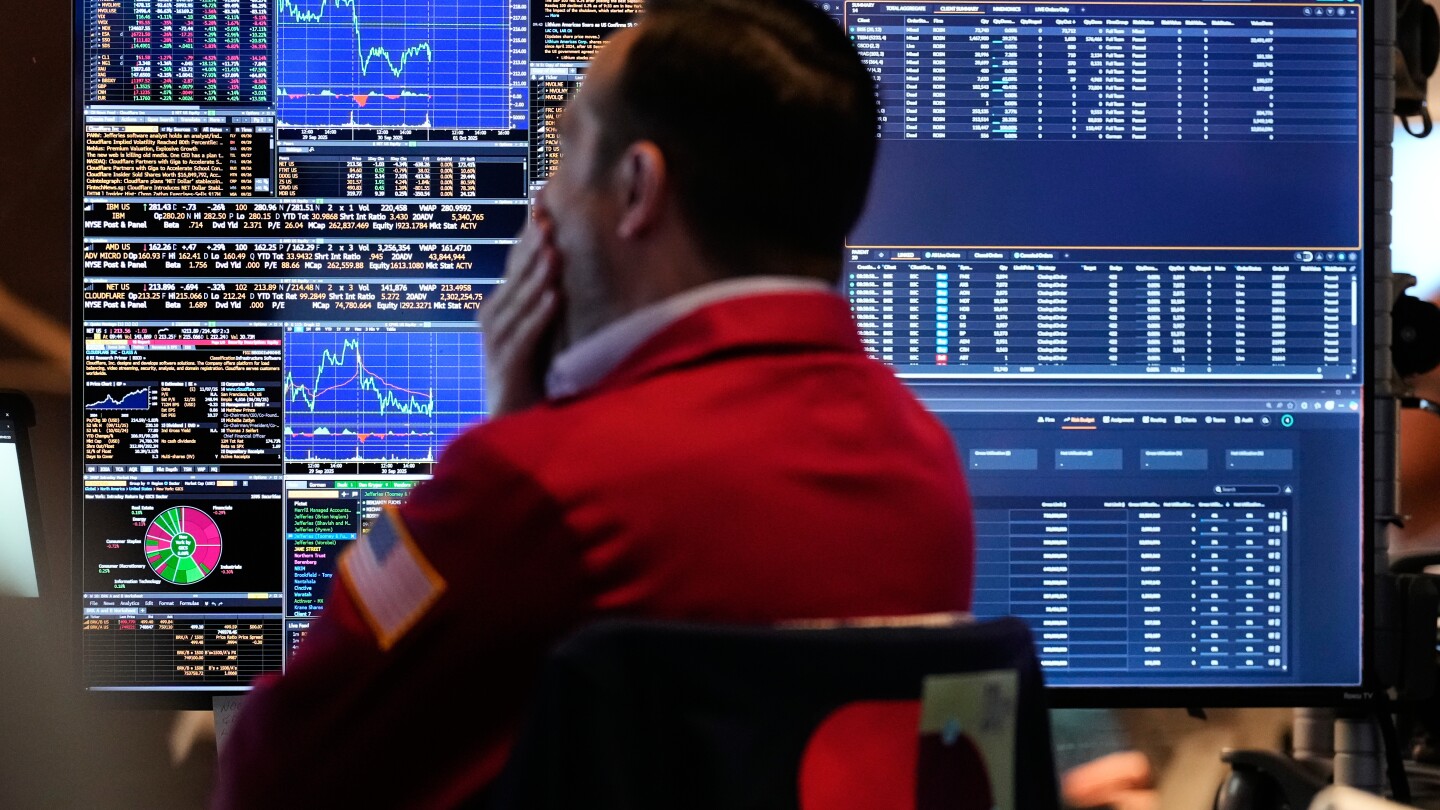
The tranquility that had enveloped Wall Street for months was abruptly shattered on Friday as U.S. stocks experienced a significant downturn. This dramatic shift was triggered by President Donald Trump’s announcement that he is considering a substantial increase in tariffs on Chinese imports. The S&P 500 plummeted by 2.7%, marking its worst performance since April. Similarly, the Dow Jones Industrial Average dropped by 878 points, or 1.9%, and the Nasdaq composite fell by 3.6%. The market had initially been on a path to modest gains in the morning, but Trump’s social media post on Truth Social, where he expressed his discontent with China’s restrictions on rare earth exports, sent shockwaves through the financial world. Rare earths are crucial for manufacturing a wide range of products, from consumer electronics to jet engines. Trump’s post also indicated that a planned meeting with Chinese President Xi Jinping during an upcoming trip to South Korea might no longer be necessary. The escalation in tensions between the two largest global economies led to widespread declines across Wall Street, with nearly six out of every seven stocks in the S&P 500 falling. The downturn affected a broad spectrum of companies, from tech giants like Nvidia and Apple to smaller firms grappling with the uncertainty surrounding tariffs and trade. The market’s vulnerability to a downturn was already a topic of discussion, as the S&P 500 had experienced a nearly relentless 35% rise from its low in April, leading some critics to argue that stock prices had become excessively high. Concerns were particularly pronounced in the artificial intelligence sector, where some saw parallels to the dot-com bubble of 2000. For stock prices to appear more reasonable, either a decline in prices or an increase in corporate profits would be necessary. Levi Strauss, for instance, saw its stock price drop by 12.6% despite reporting stronger-than-expected quarterly profits. The company’s full-year profit forecast was within Wall Street’s estimates, but it faced the challenge of heightened expectations following a significant surge in its stock price earlier in the year. The S&P 500 closed at 6,552.51, down by 182.60 points, while the Dow Jones Industrial Average ended at 45,479.60, a drop of 878.82 points. The Nasdaq composite finished at 22,204.43, down by 820.20 points. The oil market also saw significant movement, with the price of benchmark U.S. crude falling by 4.2% to $58.90 per barrel. This decline was partly attributed to a ceasefire between Israel and Hamas in Gaza, which alleviated concerns about potential disruptions to oil supplies. Brent crude, the international standard, dropped by 3.8% to $62.73 per barrel. In the bond market, the yield on the 10-year Treasury fell to 4.05% from 4.14% the previous day. This decline was influenced by a report from the University of Michigan indicating that consumer sentiment remains subdued, with concerns about high prices and weakening job prospects at the forefront. The Federal Reserve had recently cut its main interest rate for the first time this year, with further cuts anticipated to provide the economy with additional support. However, Fed Chair Jerome Powell has cautioned that the central bank may adjust its course if inflation remains high. A preliminary survey from the University of Michigan offered a glimmer of hope, showing that consumers’ expectations for inflation in the coming year had slightly decreased to 4.6% from 4.7% the previous month. While still elevated, this downward trend could help the Fed manage inflationary pressures. Internationally, stock markets in Europe and Asia also experienced declines, with Hong Kong’s Hang Seng falling by 1.7% and France’s CAC 40 dropping by 1.5%. However, South Korea’s Kospi surged by 1.7% following the reopening of trading after a holiday.
-

Russian strikes wound at least 20 in Ukraine’s capital as child is killed in separate attack
In a devastating escalation of hostilities, Russian drone and missile strikes early Friday inflicted significant damage across Ukraine, leaving at least 20 people wounded and causing widespread power outages. A child was tragically killed in separate attacks in the southeastern region, underscoring the grim toll of the ongoing conflict. In Kyiv, the Ukrainian capital, rescue teams worked tirelessly to evacuate over 20 individuals from a 17-story apartment building engulfed in flames, with five requiring hospitalization. Ukrainian President Volodymyr Zelenskyy condemned the attacks, accusing Moscow of targeting civilian infrastructure in retaliation for its battlefield setbacks. ‘They can show nothing on the battlefield. All they can do is attack our power sector and our cities,’ Zelenskyy stated. The strikes, described by Prime Minister Yuliia Svyrydenko as ‘one of the largest concentrated strikes’ against Ukraine’s energy infrastructure, disrupted power in Kyiv and multiple regions, including Sumy, Kharkiv, and Zaporizhzhia. Russia’s Defense Ministry claimed the attacks targeted energy facilities supplying Ukraine’s military, utilizing Kinzhal hypersonic missiles and strike drones. Meanwhile, Ukraine’s air force reported intercepting or jamming 405 drones and 15 missiles out of a barrage of 465 drones and 32 missiles. The relentless assault on Ukraine’s power grid, a recurring tactic by Russia ahead of winter, aims to undermine public morale. Zelenskyy, buoyed by recent diplomatic progress in the Middle East, called for enhanced international support, including advanced weaponry, to bolster Ukraine’s defenses and counter Russian aggression.
-

Venezuelan opposition leader María Corina Machado wins the Nobel Peace Prize
In a historic recognition of her unwavering commitment to democracy, Venezuelan opposition leader María Corina Machado was awarded the Nobel Peace Prize on Friday. The Norwegian Nobel Committee lauded Machado as a unifying figure in Venezuela’s deeply divided political landscape, praising her resilience in the face of authoritarianism and her dedication to peaceful resistance.
-

Jaiswal unbeaten on 173 as India reaches 318-2 against West Indies in second test
In a commanding display of batting prowess, Yashasvi Jaiswal led India to a strong position on the opening day of the second Test against West Indies in New Delhi. Jaiswal remained unbeaten on 173 runs, guiding India to 318-2 at stumps on Friday. The young opener notched his seventh Test century, facing 253 deliveries and showcasing remarkable resilience and skill throughout the day. Shubman Gill, captaining India for the first time in seven Tests, won the toss and elected to bat, contributing 20 not out by the close of play. India’s dominance continued after their emphatic victory in the first Test, where they won by an innings and 40 runs, taking a 1-0 lead in the two-match series. West Indies, who have not defeated India in their last 26 Tests since 2002, struggled to contain the hosts. Jaiswal reached his century off 145 balls, including 16 fours, during the second session. Earlier, India had gone to lunch at 94-1, with Lokesh Rahul dismissed for 38 off 54 balls. Sai Sudharsan, who scored a career-best 87, partnered with Jaiswal in a 193-run stand for the second wicket, propelling India to 220-1 at tea. Despite a dropped catch by West Indies’ Jomel Warrican, Sudharsan was eventually dismissed lbw in the final session. Jaiswal and Gill then steered India safely to the end of the day. Jaiswal’s innings marked the third-highest individual score by an Indian batter on the first day of a Test, trailing only Wasim Jaffer and Shikhar Dhawan. The 23-year-old left-handed opener, who has now crossed 150 five times in 48 Test innings, appears poised for further success on Saturday. India fielded an unchanged lineup, while West Indies made two changes, bringing in Anderson Phillip and Tevin Imlach.
-
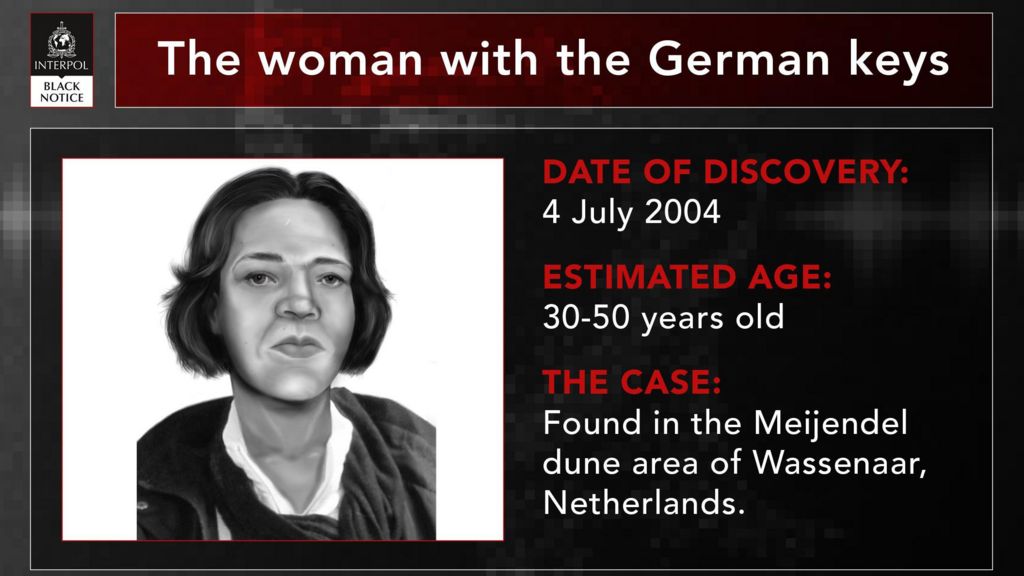
Woman in Dutch beach cold case named after 21 years
In a significant breakthrough for cold case investigations, the identity of a woman whose body was discovered on a Dutch beach in 2004 has finally been revealed. Eva Maria Pommer, a 35-year-old German citizen, has been named as the fourth individual identified through Interpol’s Operation Identify Me, an international initiative aimed at solving long-standing mysteries involving unidentified bodies. The identification came after a crucial tip-off to Dutch police, following a public appeal aired on German television. Despite the breakthrough, the cause of Pommer’s death remains unexplained, and investigations are ongoing. Known as ‘the woman with the German keys,’ Pommer’s body was found in sand dunes near Wassenaar in July 2004, with no obvious signs of injury or struggle. She was wearing distinctive clothing, including brown plaid leggings and red patent shoes, and carried a key linked to the German city of Bottrop. However, police were unable to trace the key to a specific address, leaving her identity a mystery for two decades. Operation Identify Me, launched in 2023, has utilized Interpol’s ‘black notices’ and global fingerprint sharing to shed light on unsolved cases across six European countries. The campaign has already identified three other women, including Rita Roberts, a British citizen murdered in Belgium in 1992, and Ainoha Izaga Ibieta Lima, a Paraguayan woman found dead in Spain in 2018. Interpol highlights the challenges posed by global migration and human trafficking, which complicate the identification of bodies found outside their countries of origin. The latest identification marks a milestone in international collaboration, offering closure to families and renewed hope for solving other cold cases.
-
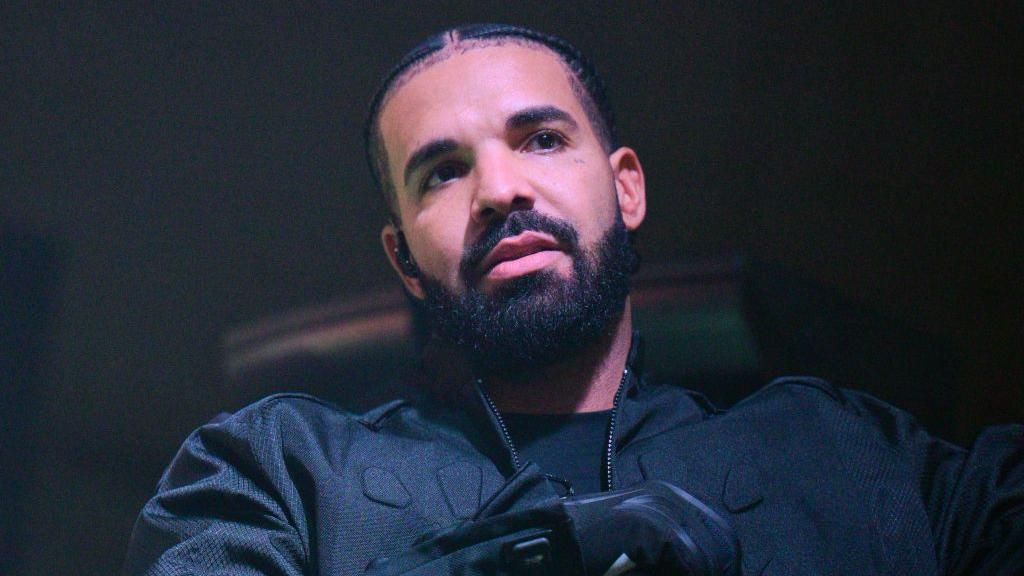
Judge tosses Drake’s lawsuit over Kendrick Lamar’s ‘Not Like Us’
In a significant legal ruling, Judge Jeannette Vargas has dismissed Drake’s defamation lawsuit against Universal Music Group (UMG) concerning Kendrick Lamar’s controversial track, ‘Not Like Us.’ The lawsuit, filed in January, accused UMG of defamation for allowing the song’s publication and promotion, which Drake claimed spread a ‘false and malicious narrative.’ The song’s lyrics accused Drake and his associates of being ‘certified paedophiles,’ a claim Judge Vargas deemed a ‘nonactionable opinion’ within the context of a heated rap battle. Drake’s spokesperson announced plans to appeal the decision, while UMG expressed satisfaction with the ruling and reaffirmed its commitment to supporting Drake’s career. ‘Not Like Us,’ released in May 2024, marked a pivotal moment in the ongoing feud between the two rappers, becoming Lamar’s biggest hit to date. The track won five Grammys and was a highlight of Lamar’s Super Bowl halftime show in February 2025. Judge Vargas described the dispute as ‘the most infamous rap battle in the genre’s history,’ emphasizing the incendiary nature of the artists’ exchanges. Despite the serious allegations, the judge concluded that the song’s lyrics would not be interpreted as factual statements by a reasonable listener. UMG’s spokesperson criticized the lawsuit as an attack on artistic freedom, while Drake’s legal team accused the label of exploiting the song to create a viral sensation. The case underscores the complexities of artistic expression and legal boundaries in the music industry.
-
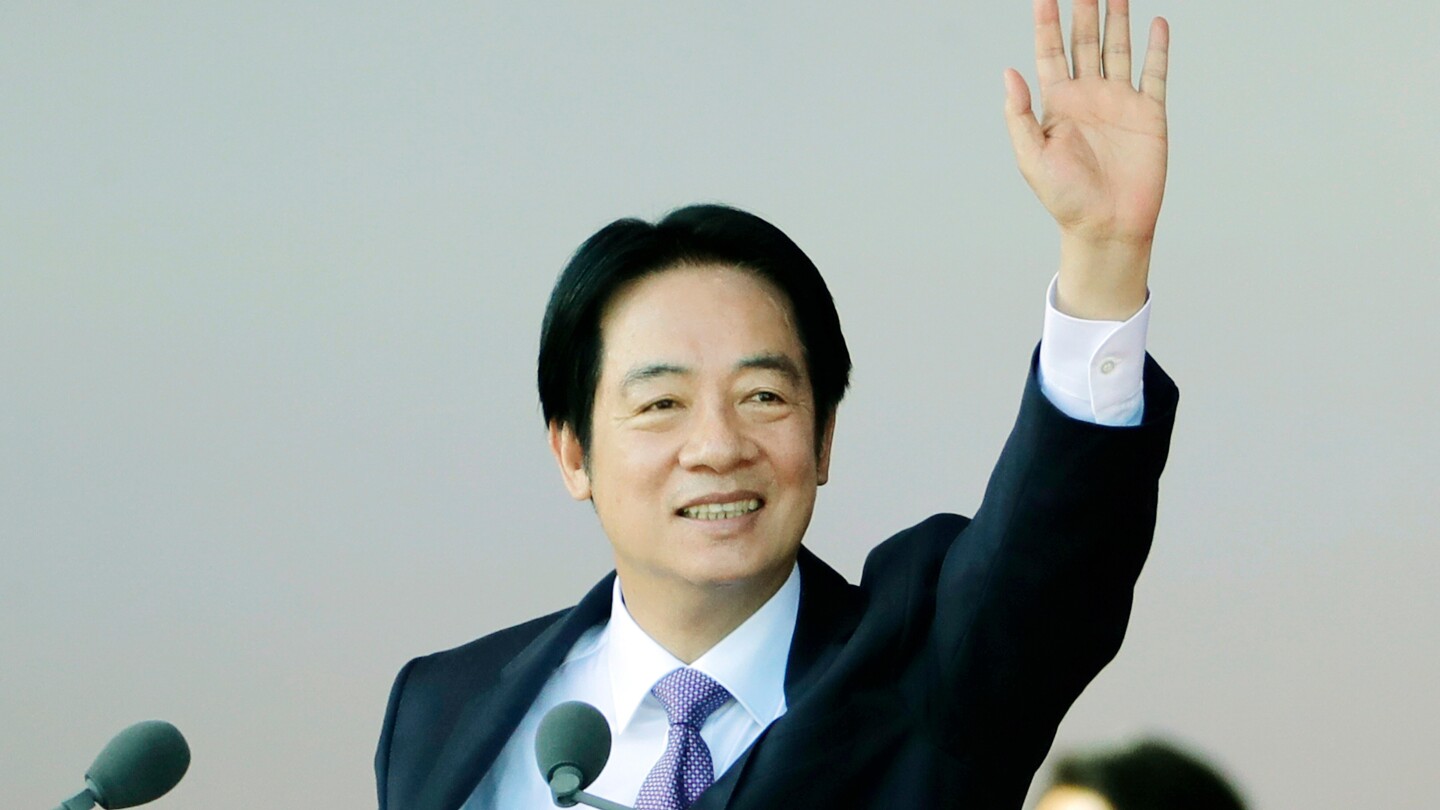
Taiwan’s president pledges to build air defense system in face of China threat
In response to escalating military threats from China, Taiwan is fast-tracking the development of a comprehensive air defense system, referred to as the “Taiwan Shield” or “T-Dome.” President Lai Ching-te announced this initiative during a public address on Taiwan National Day, emphasizing the need to bolster the island’s defense capabilities. Lai pledged to increase defense spending to over 3% of GDP by 2025, with a target of 5% by 2030, citing the necessity to counter external threats and foster the growth of Taiwan’s defense industries.