作者: admin

  • South Sudan army threat to ‘spare no-one’ condemned

    South Sudan army threat to ‘spare no-one’ condemned

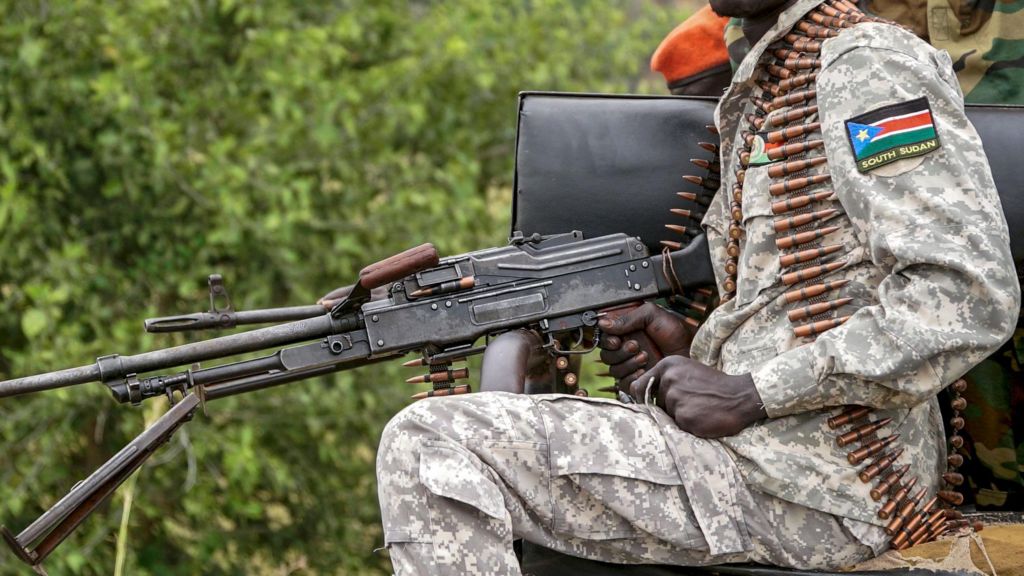
    The United Nations has issued a stern condemnation of South Sudan’s military leadership following alarming statements from Deputy Army Chief Gen Johnson Oluny, who instructed his Agwelek militia to “spare no-one” during upcoming operations in Jonglei state. This inflammatory rhetoric specifically targeted vulnerable populations including children, the elderly, and civilians, prompting immediate concern from international observers.

    The UN Mission in South Sudan (Unmiss) characterized these statements as “utterly abhorrent” while the UN Commission on Human Rights in South Sudan (UNCHRSS) expressed “grave alarm” over the deteriorating security situation. Current estimates indicate more than 180,000 civilians have already been displaced by recent fighting between government forces and opposition groups aligned with former Vice-President Riek Machar.

    In response to the escalating crisis, South Sudan’s military has ordered the complete evacuation of all civilians from Nyirol, Uror, and Akobo counties in Jonglei state. The directive also extends to all UN personnel and non-governmental organization staff, who have been given 48 hours to leave the conflict zones. Despite these orders, Unmiss peacekeepers in Akobo remain stationed, continuing their mandate to de-escalate tensions and prevent further violence.

    This recent escalation represents a dangerous deterioration in South Sudan’s fragile peace process. The 2018 agreement that ended the civil war—which claimed nearly 400,000 lives—has effectively collapsed amid renewed ethnic tensions and political maneuvering. The current power-sharing arrangement between President Salva Kiir and his rival Machar has become increasingly strained, with Machar currently facing trial for alleged crimes against humanity.

    Independent UN experts warn the situation heightens “the risk of mass violence against civilians” as the conflict threatens to reignite along ethnic lines. The international community continues to monitor developments closely, with particular concern for civilian safety in the rapidly escalating conflict zones.

  • 11 dead in armed attack at soccer field in central Mexico

    11 dead in armed attack at soccer field in central Mexico

    A horrific armed assault on a soccer field in central Mexico has left at least 11 people dead and 12 others wounded, marking another episode of brutal violence in the region. The attack occurred Sunday in a residential neighborhood of Salamanca, a town within the state of Guanajuato, according to local municipal authorities.

    The mayor’s office confirmed the devastating toll in an official statement, noting that ten victims died at the scene while another succumbed to injuries while receiving medical care. All wounded individuals are currently undergoing treatment for gunshot injuries. In a disturbing development, investigators reported discovering four bags containing human remains in the same town on Saturday night, though it remains unclear if this discovery is connected to Sunday’s massacre.

    Guanajuato’s State Attorney General’s office has launched a comprehensive investigation into the soccer field shooting. Despite being a thriving industrial center and popular tourist destination, Guanajuato consistently ranks as Mexico’s deadliest state due to persistent turf wars between competing criminal organizations.

    The latest violence comes despite Mexican President Claudia Sheinbaum’s recent announcement that the country’s homicide rate had reached its lowest point in a decade during 2025, attributing this improvement to her administration’s national security strategy. This incident starkly contrasts with those claims, highlighting the ongoing security challenges facing the region.

  • Bradman baggy green cap sets record fee at auction

    Bradman baggy green cap sets record fee at auction

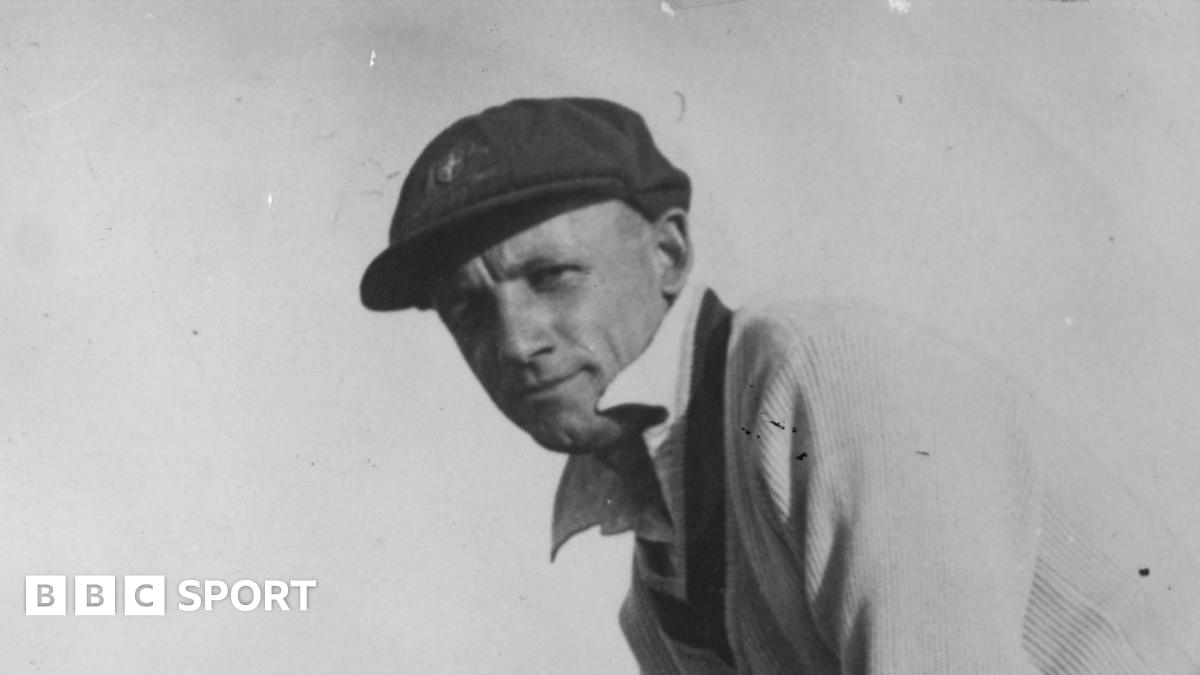
    A piece of cricketing history was secured for posterity when a pristine ‘baggy green’ cap worn by Sir Donald Bradman during his final Australian Test series achieved a record-breaking auction price of A$535,900 (including buyer’s premium). The iconic headgear, worn during the 1947-48 home series against India, surpassed all previous valuations for caps belonging to the legendary batsman.

    The cap’s remarkable provenance traces back to Bradman himself, who gifted it to Indian all-rounder Sriranga Wasudev Sohoni as a memento of their sporting camaraderie. For seventy-five years, Sohoni’s family maintained custodianship of the artifact under extraordinary conditions—preserving it in near-pristine condition while limiting viewings to brief, ceremonial family inspections once members reached sixteen years of age.

    Lee Hames, Chief Operating Officer at Lloyds Auctioneers, revealed the cap had never been publicly exhibited prior to the sale. ‘This represents three generations of meticulous preservation,’ Hames noted. ‘Family members were only permitted five-minute viewings upon turning sixteen—such was the reverence for this artifact.’

    The successfully auctioned cap bears dual inscriptions—’D.G. Bradman’ and ‘S.W. Sohoni’—on its interior lining, confirming its authentic connection to both cricketers. Its final hammer price of A$460,000 (A$535,900 with premium) exceeded the previous record set by another Bradman cap from the same series that sold for A$479,700 in 2024, despite that item showing significant sun fading and insect damage.

    The anonymous winning bidder has committed to placing the cap on permanent public display at an Australian museum, ensuring future generations can appreciate this tangible link to cricketing history. The 1947-48 series itself marked multiple historic milestones: Bradman’s final home Tests, India’s inaugural tour as an independent nation, and a dominant Australian performance where Bradman averaged 178.75 with three centuries including his 100th first-class ton.

  • Interpol arrests more than 3,700 suspects in global trafficking crackdown

    Interpol arrests more than 3,700 suspects in global trafficking crackdown

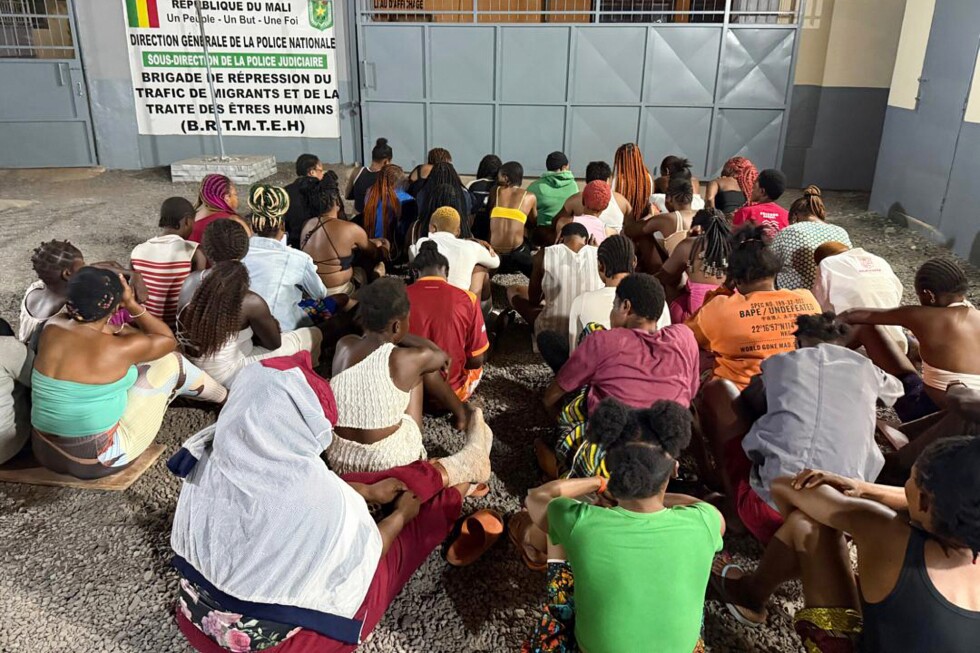
    In a sweeping international law enforcement initiative, Interpol has announced the successful disruption of extensive human trafficking networks across 119 countries. Operation Liberterra III, conducted from November 10-21, mobilized approximately 14,000 officers worldwide in what represents one of the most comprehensive anti-trafficking efforts to date.

    The coordinated crackdown resulted in 3,744 arrests of suspected traffickers and smugglers, while rescuing 4,414 individuals from exploitative situations. Authorities identified an additional 12,992 people entangled in illegal migration schemes during the operation, which has sparked at least 720 new criminal investigations.

    Interpol Secretary General Valdecy Urquiza emphasized the evolving nature of these criminal enterprises, noting that “criminal networks are exploiting new routes, digital platforms and vulnerable populations with increasing sophistication.” The operation revealed significant shifts in trafficking patterns, particularly the emergence of South American and Asian victims within African territories—a departure from traditional routes that primarily involved African victims being transported abroad.

    Critical intervention points included dangerous coastal routes along Senegal, Guinea-Bissau, Morocco, and Algeria, as well as land-based networks throughout Peru and Brazil. In West and Central Africa alone, coordinated efforts across Benin, Burkina Faso, Côte d’Ivoire, Ghana, Senegal, and Sierra Leone liberated over 200 victims and dismantled multiple recruitment and exploitation hubs.

    The investigation uncovered how traffickers typically lure victims through false promises of foreign employment opportunities, then impose exorbitant fees that force victims into recruiting friends and family members—effectively creating pyramid-style exploitation schemes. This announcement follows Interpol’s recent revelation of a separate cybercrime crackdown in Africa that resulted in 1,209 arrests targeting individuals who had victimized approximately 88,000 people.

  • Talks with US and Ukraine in Abu Dhabi were constructive but major challenges remain, Kremlin says

    Talks with US and Ukraine in Abu Dhabi were constructive but major challenges remain, Kremlin says

    Diplomatic efforts to resolve the ongoing conflict between Russia and Ukraine are demonstrating tangible signs of advancement, though significant obstacles persist on the road to a comprehensive peace agreement, according to senior Kremlin officials.

    Kremlin spokesman Dmitry Peskov confirmed Monday that recent trilateral negotiations involving Russian, Ukrainian, and American representatives in Abu Dhabi had produced constructive dialogue, with additional talks scheduled for February 1st in the United Arab Emirates. While characterizing the discussions as positively oriented, Peskov emphasized that “serious work ahead” remains before any definitive breakthrough can be achieved.

    The weekend negotiations, conducted discreetly on Friday and Saturday, represent the latest development in a yearlong diplomatic initiative by the Trump administration to broker a peaceful resolution to the nearly four-year conflict. Although both Ukrainian and Russian officials have expressed willingness to consider Washington’s compromise proposals, fundamental disagreements persist regarding the specific terms of any potential settlement.

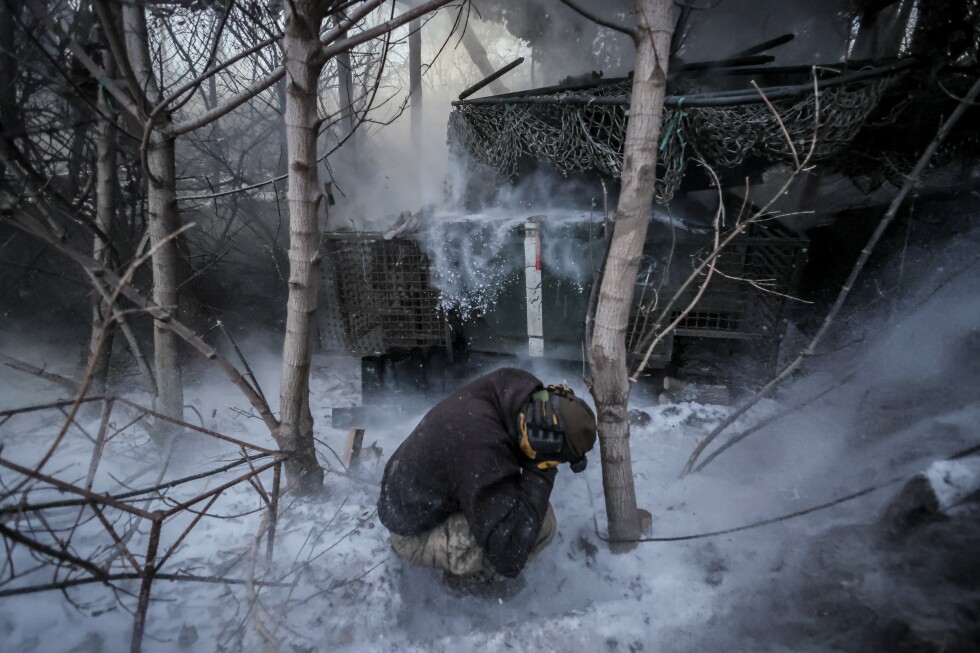
    Meanwhile, military operations continue unabated along the extensive 1,000-kilometer front line traversing eastern and southern Ukraine. Ukrainian civilians endure another winter of severe hardship amid ongoing Russian bombardment of urban centers and critical infrastructure.

    President Volodymyr Zelenskyy corroborated the constructive nature of the Abu Dhabi discussions, revealing Sunday that documentation outlining postwar U.S. security guarantees for Ukraine is “100% ready” for formal signing. Kyiv has consistently emphasized that American security commitments constitute an essential component of any comprehensive peace agreement with Moscow, particularly following Russia’s 2014 annexation of Crimea and subsequent full-scale invasion in February 2022.

    Core disagreements center on territorial disputes, specifically whether Russian forces should withdraw from occupied Ukrainian territories—particularly the Donbas industrial region—or maintain control over captured areas. The upcoming February negotiations will address broad military and economic considerations, including potential ceasefire arrangements preceding a comprehensive settlement.

    Concurrent with diplomatic developments, both nations reported escalated drone warfare. Russia’s Defense Ministry claimed interception of 40 Ukrainian drones, while Ukrainian forces acknowledged targeting a Krasnodar region oil refinery supplying Russian military operations. Ukrainian authorities reported intercepting 110 of 138 Russian drones launched overnight, with 21 striking targets across eleven locations.

  • Fujian deepens cross-Strait integration with Taiwan through infrastructure and cultural initiatives

    Fujian deepens cross-Strait integration with Taiwan through infrastructure and cultural initiatives

    In a significant move to strengthen ties across the Taiwan Strait, China’s Fujian province has launched comprehensive integration initiatives combining infrastructure development and cultural exchange programs. The coastal province, positioned as the primary gateway to Taiwan, is implementing concrete measures to create “integrated living circles” with the outlying islands of Jinmen and Matsu.

    The city of Xiamen has committed to completing its section of the Xiamen-Jinmen Bridge within the year, a landmark infrastructure project designed to facilitate daily cross-Strait connectivity. The municipal government’s work report outlines additional collaborative efforts including shared access to the newly constructed Xiamen Xiang’an International Airport and the development of integrated electricity and gas networks between Xiamen and Jinmen. To streamline transportation, Xiamen is implementing intelligent customs clearance systems for ferry passengers.

    Beyond physical connectivity, Xiamen is establishing itself as a testing ground for cross-Strait standard harmonization. The city plans to formulate or revise over 30 common standards across sectors including healthcare and domestic services in 2026. This standardization effort builds on previous success in economic cooperation, with the Cross-Strait Integrated Circuit Industry Cooperation Pilot Zone showing notable progress. Xiamen recorded an 11% year-on-year increase in new Taiwan-funded enterprises following the implementation of 25 measures supporting Taiwan businesses.

    Meanwhile, Fuzhou, the provincial capital, reported substantial growth in Taiwan investment with 355 new Taiwan-funded enterprises established in the previous year, representing a 26.3% increase. Fuzhou’s 2026 agenda emphasizes social and cultural integration, focusing on equalizing basic public services including healthcare, housing, and education for Taiwan compatriots. The city will additionally promote ancestral “root-seeking” activities and enhance youth exchanges through sports diplomacy, particularly baseball and rugby, to strengthen emotional and familial bonds across the Strait.

  • Military-backed party secures Myanmar election win with opposition excluded

    Military-backed party secures Myanmar election win with opposition excluded

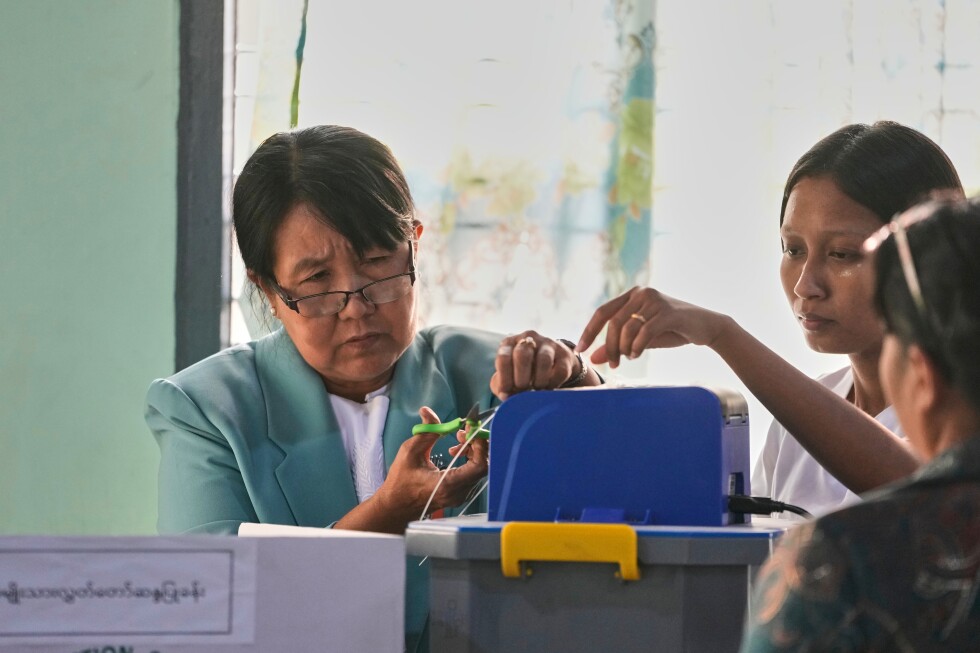
    BANGKOK (AP) — Myanmar’s military-aligned Union Solidarity and Development Party (USDP) announced Monday it had secured victory in the nation’s first electoral process since the 2021 armed seizure of power, establishing the foundation for a new governing administration.

    The anticipated triumph of the former general-led party occurred within a tightly controlled electoral environment that systematically excluded prominent opposition factions and suppressed dissenting voices. The military government further consolidated power through constitutional provisions automatically reserving 25% of parliamentary seats for armed forces personnel, effectively ensuring continued dominance by military interests and their political allies.

    International observers and critics have universally condemned the polling process as fundamentally flawed, characterizing it as a strategic maneuver to legitimize military rule following the ousting of Aung San Suu Kyi’s democratically elected government. The violent takeover precipitated nationwide resistance that has subsequently evolved into full-scale civil conflict.

    The multi-phase election conducted between December 28 and January 25 witnessed significant participation limitations, with 67 of Myanmar’s 330 townships—primarily those under opposition armed group control—unable to participate. This reduced the total available seats in the 664-member national parliament to 586.

    Despite participation from over 4,800 candidates representing 57 political organizations, only six parties mounted nationwide campaigns, reflecting the constrained political landscape.

    An anonymous USDP senior official disclosed to The Associated Press that the party secured 57 of 61 contested lower house seats during Sunday’s final voting phase. Preliminary calculations indicate the military-aligned party will hold at least 290 parliamentary positions across both chambers. Combined with the military’s constitutionally mandated 166 seats, this establishes a commanding majority exceeding 450 seats—well beyond the 294 required for government formation.

    The electoral process will culminate with parliamentary members and military appointees selecting a president from three nominated candidates, with current military government leader Senior General Min Aung Hlaing widely anticipated to assume the presidency.

    United Nations Special Rapporteur Tom Andrews has urged global rejection of both the election results and subsequent power structures, while Min Aung Hlaing defiantly stated that international recognition remains irrelevant to Myanmar’s political process.

  • Host Italy has new skiing star for Olympics and he’s gone from tragedy to triumph

    Host Italy has new skiing star for Olympics and he’s gone from tragedy to triumph

    Italian alpine skier Giovanni Franzoni has dramatically ascended from relative obscurity to become one of the most compelling stories heading into the Milan Cortina Winter Games. The 24-year-old athlete recently captured skiing’s most prestigious prize—the downhill victory on the legendary Streif course in Kitzbühel, Austria—an achievement often described as the sport’s equivalent of winning the Super Bowl.

    Franzoni’s breakthrough performance in Kitzbühel came just one week after securing his maiden World Cup victory in Wengen, Switzerland. This remarkable surge follows his first-ever World Cup podium finish—a third-place result in super-G at Val Gardena last month. The rapid ascent has forced the young skier to adapt quickly to his newfound celebrity status and the accompanying pressures of elite competition.

    ‘I didn’t anticipate finding myself in this position,’ Franzoni confessed. ‘While I always believed in my capabilities, there exists a significant gap between conviction and execution. Currently, I’m learning to manage all aspects—media scrutiny, physical demands, and psychological preparation. My primary objective for the Olympics is simply to relish the experience. I’m confident in my abilities and see no reason to burden myself with excessive expectations.’

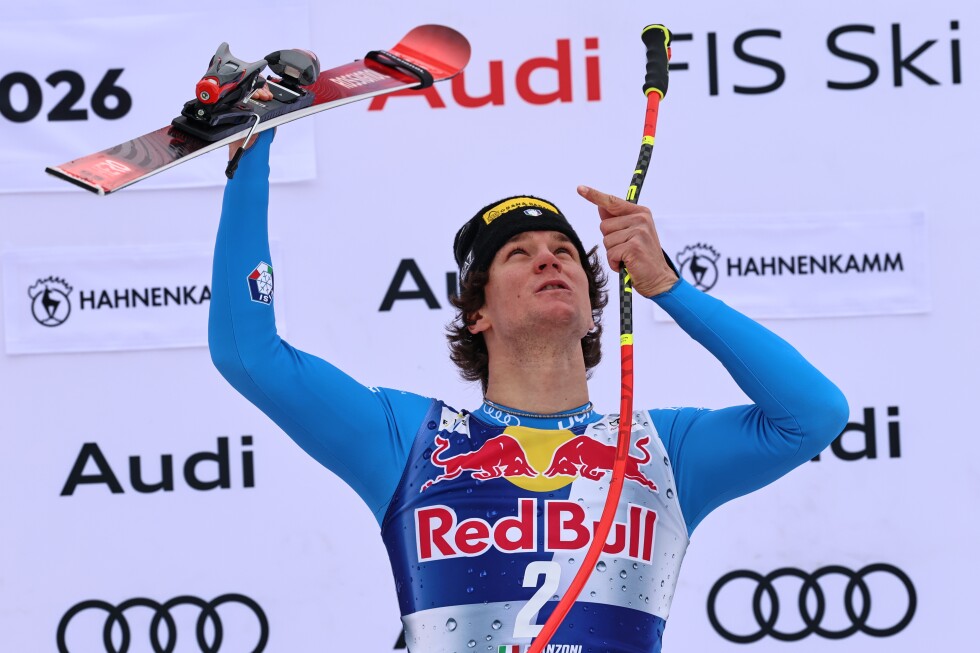
    Beyond personal ambition, Franzoni competes with profound emotional motivation. He dedicates his performances to former roommate and teammate Matteo Franzoso, who tragically died during preseason training in Chile last September. The incident sparked widespread debate about safety protocols within alpine skiing. Standing atop the Kitzbühel podium, Franzoni looked skyward and dedicated his victory to his departed friend, with whom he had shared accommodations during his inaugural Hahnenkamm event just one year prior.

    ‘I made a commitment to someone in paradise,’ Franzoni revealed. ‘The emotional complexity of this moment defies easy description.’

    Franzoni’s stunning victory in Kitzbühel came at the expense of overall World Cup leader Marco Odermatt, reducing the Swiss star to tears after yet another failed attempt to conquer the legendary course. Demonstrating remarkable sportsmanship, Franzoni expressed empathy for his rival: ‘I felt almost disturbed witnessing his reaction. I comprehend how desperately he desired this victory and how long he’s pursued it. However, given his extensive record of successes, this setback hardly constitutes a tragedy.’

    Unlike many elite skiers who grow up in mountain communities, Franzoni hails from Manerba del Garda on the shores of Lake Garda near Brescia. He and his twin brother Alessandro initially learned skiing at nearby resorts Ponte di Legno and Madonna di Campiglio. While Alessandro transitioned to becoming a ski instructor, Giovanni demonstrated exceptional promise by capturing five medals (three gold, one silver, one bronze) at the 2021 and 2022 World Junior Championships.

    His progression encountered a significant obstacle when a super-G crash in Wengen during 2023 required thigh surgery and ended his season. Now fully recovered, Franzoni has rapidly closed the gap on contemporaries like Swiss downhiller Franjo von Allmen, whom he defeated for downhill gold at the 2022 Junior World Championships in Panorama, British Columbia.

    The upcoming Olympics hold special significance for Franzoni, as men’s skiing events will occur in Bormio—located within his home region of Lombardy, just three hours from his hometown. Though his previous best World Cup result in Bormio stands at 17th, his current form suggests potential for a historic outcome. A victory in the Olympic downhill on February 7 would make him the first Italian man to claim this honor since Zeno Colò’s triumph 74 years ago at the 1952 Oslo Games.

    Furthermore, Franzoni could join an exclusive group of just four skiers who have won both the Kitzbühel and Olympic downhills in the same year, following legends Toni Sailer (1956), Franz Klammer (1976), and Beat Feuz (2022).

    In an intriguing historical footnote, Franzoni once finished 12th—four seconds behind champion Jannik Sinner—in a 2009 junior giant slalom race. Sinner, now an internationally renowned tennis star, recently reconnected with Franzoni via Instagram, offering congratulations and encouragement while exchanging contact information. ‘That he took the initiative to write me suggests I must have accomplished something significant,’ Franzoni noted with appreciation.

    As both athletes now excel in their respective sports, Franzoni’s journey from junior competitor to Olympic contender represents one of the most captivating narratives entering the Milan Cortina Winter Games.

  • France debates under-15s social media ban endorsed by Macron

    France debates under-15s social media ban endorsed by Macron

    The French government is advancing landmark legislation that would prohibit children under 15 from accessing certain social media platforms, positioning the country to follow Australia’s precedent in implementing youth digital protection measures. The proposed law, currently under debate in the National Assembly, would establish a comprehensive framework for restricting minors’ exposure to platforms deemed harmful to psychological development.

    President Emmanuel Macron has championed the initiative, emphasizing the urgency of implementing these protections before the September school year begins. ‘We cannot entrust our children’s mental and emotional well-being to entities whose primary objective is profit generation from their attention,’ Macron declared last month, highlighting the philosophical foundation of the legislative effort.

    The legislation would empower France’s state media regulator to compile and maintain two distinct lists of digital platforms. The first would identify networks considered fundamentally harmful to youth, resulting in complete access prohibition for users under 15. A secondary catalog would feature platforms with reduced risk profiles, permitting access only with explicit parental authorization through a verified consent mechanism.

    Additional provisions within the bill would extend existing mobile phone restrictions in junior and middle schools to include senior secondary institutions (lycées), creating a comprehensive educational environment free from digital distractions.

    Political analysts note broad parliamentary support emerging across the ideological spectrum, with pro-Macron factions expected to join forces with center-right Republicans and the populist right-wing National Rally. This unusual coalition suggests strong bipartisan concern regarding youth digital welfare.

    Implementation would require developing robust age-verification systems, potentially modeled after France’s existing framework for restricting access to online pornography, which mandates age confirmation for users over 18.

    This French initiative reflects a broader European trend, with Denmark, Greece, Spain, and Ireland considering similar measures following Australia’s pioneering approach. The UK government has concurrently launched consultations regarding potential social media restrictions for users under 16.

    The current legislation builds upon groundwork laid by deputy Laure Miller, who chaired a parliamentary investigation into TikTok and other platforms’ psychological impacts. The government accelerated its own legislative drafting after Macron identified youth digital protection as a priority for his final year in office.

    Procedurally, the government has requested fast-track parliamentary consideration to navigate legislative delays caused by budget negotiations. Without this accelerated process, the bill would face significant obstacles in reaching implementation before the intended September deadline.

    The legislation has undergone substantial revision to address concerns raised by the Council of State, France’s supreme court for administrative justice, which ensures compliance with national and European law. This careful drafting aims to avoid the fate of a 2023 proposal that was invalidated for violating European legal standards.

  • Private jet carrying eight crashes in Maine

    Private jet carrying eight crashes in Maine

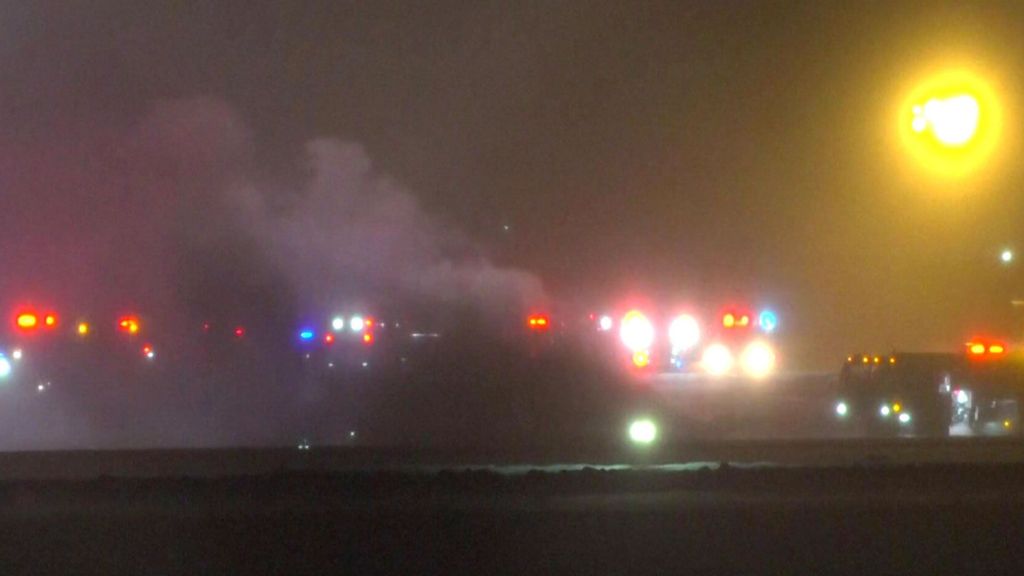
    A Bombardier Challenger 600 private aircraft crashed during takeoff from Bangor International Airport in Maine on Sunday evening, aviation authorities confirmed. The incident occurred at approximately 19:45 local time (00:45 GMT Monday) amid deteriorating weather conditions caused by a severe winter storm affecting the northeastern United States.

    The Federal Aviation Administration reported that all eight individuals aboard the aircraft faced immediate danger during the accident. While official identifications remain pending, emergency response teams quickly mobilized to the scene where images revealed the aircraft inverted with visible flames and smoke emanating from the runway.

    Aviation officials indicated that poor visibility likely contributed to the accident. Air traffic control communications, subsequently published by LiveATC.net and reported by CBS News, captured discussions between controllers and pilots regarding challenging visual conditions minutes before the crash. One controller was later heard describing ‘a passenger aircraft upside down’ in radio transmissions.

    The accident occurred amidst widespread travel disruption across the eastern United States. FlightAware data indicated more than 11,000 cancellations and nearly 5,500 delays on Sunday alone, affecting major airports from Philadelphia to Washington DC, Baltimore, and throughout the New York/New Jersey region.

    Maine’s National Weather Service office predicted substantial snowfall accumulation of 10-16 inches (25-40cm) in the Bangor region through Tuesday morning, prompting extended winter storm warnings. Airport authorities confirmed temporary closure of the facility following the incident and advised public avoidance of the area while emergency operations continued.